How Do People Impact the Oceans?
BBC Oceans Lesson Collection
Learning Objectives
Students will:
- Identify what they already know about the world’s oceans;
- Analyze real-life footage to understand how human actions are affecting the world’s oceans;
- Create a poster that explains the impact of humans on ocean life.
Resources for This Lesson
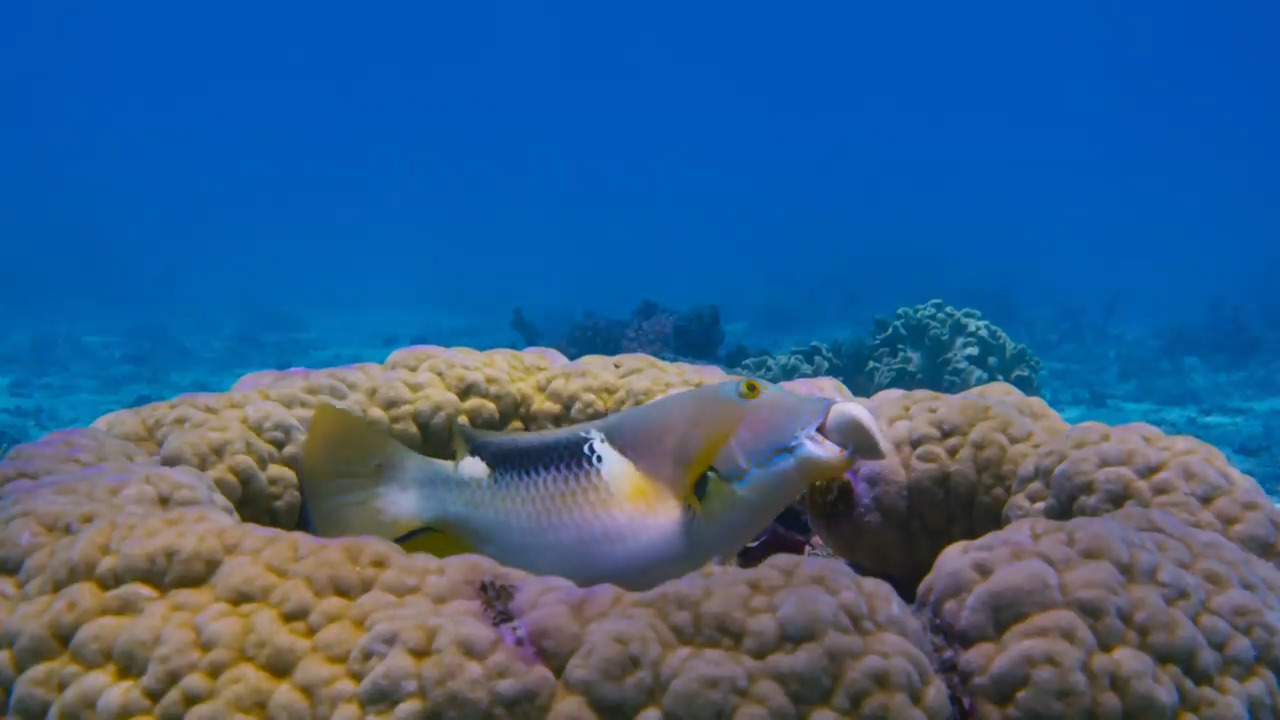
In The Tool-Using Tusk Fish, narrator Sir David Attenborough suggests that tusk fish, and perhaps other fish species, may be more intelligent than people ever thought possible. When the tusk fish finds food, such as a clam, it uses coral as a tool to crack open the clam and feed itself. This video is excerpted from BBC’s Blue Planet II, a natural history series that explores the world's oceans, the animals that live in them, and the threats they face, using modern filming techniques and equipment to capture previously unseen areas of the ocean.
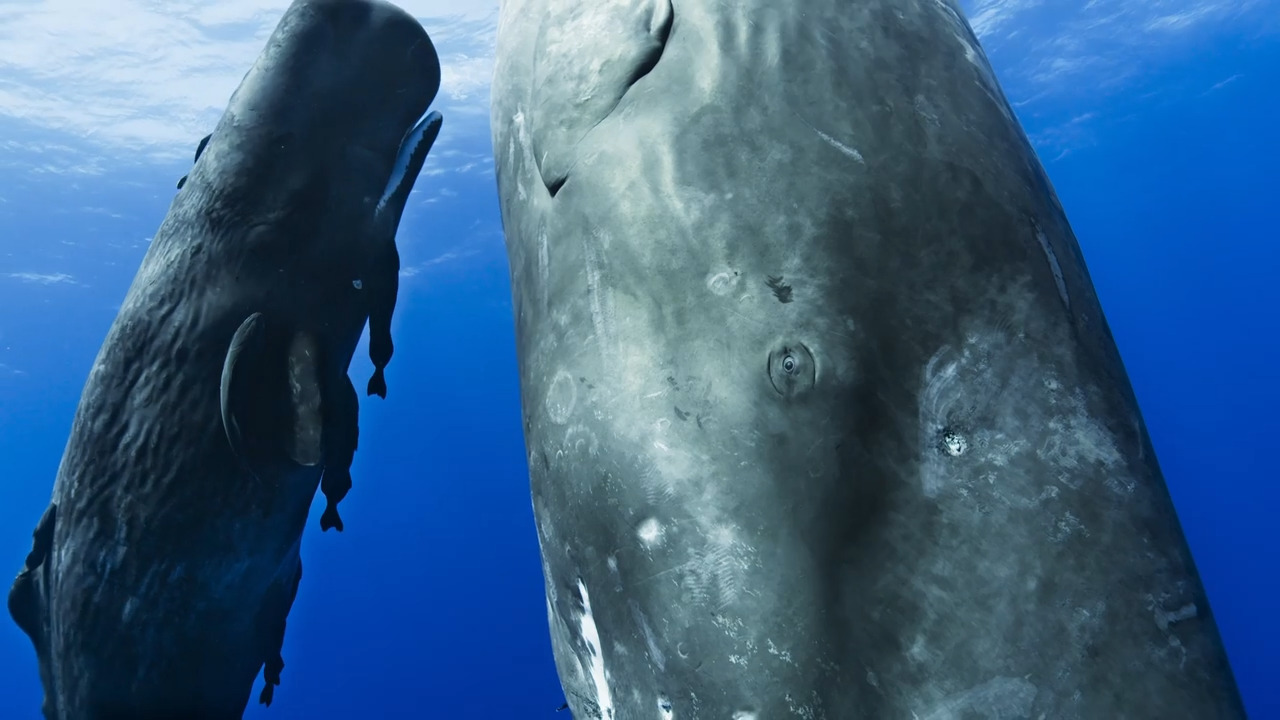
In The Sperm Whale Mother and Calf, narrator Sir David Attenborough observes a sperm whale and her calf, resting, communicating, and feeding. The calf won’t be able to dive deep enough to hunt for squid for the first six years of life, but the mother dives and hunts and returns with a store of milk for the waiting calf. This video is excerpted from BBC’s Blue Planet II, a natural history series that explores the world's oceans, the animals that live in them, and the threats they face, using modern filming techniques and equipment to capture previously unseen areas of the ocean.
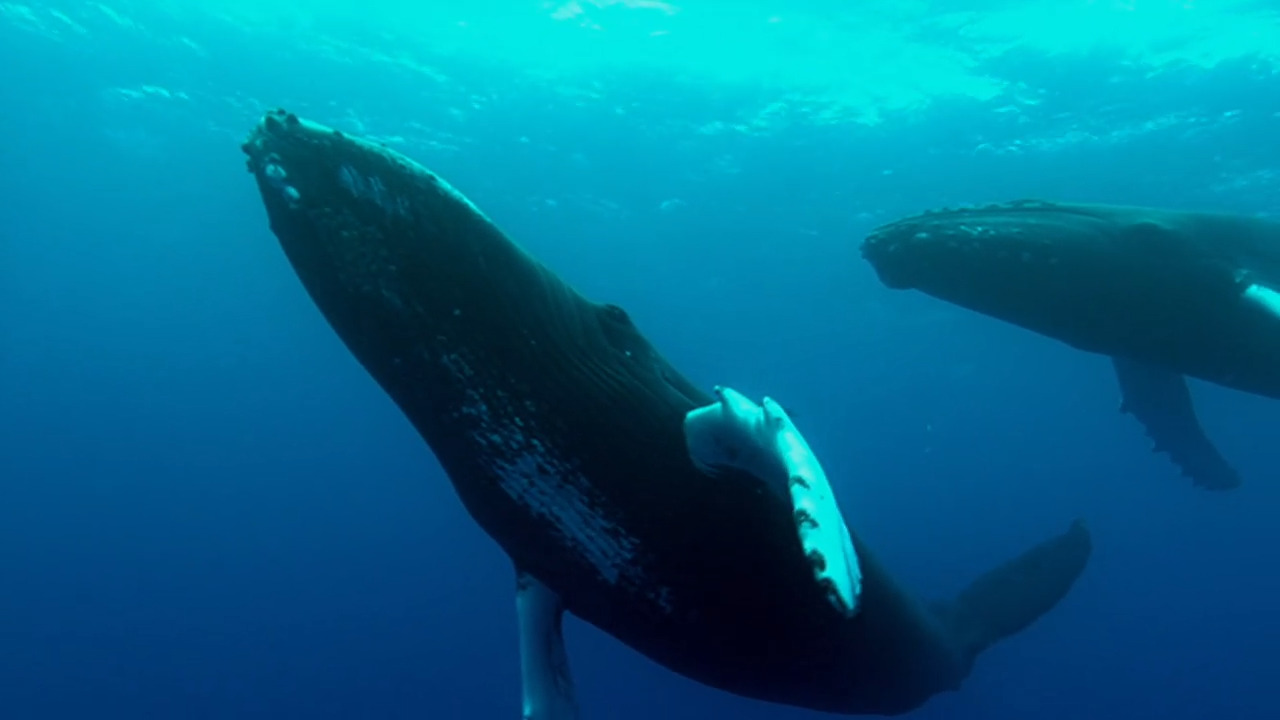
In A World of Whale Sound Beneath the Sea, narrator Sir David Attenborough follows scientists as they track whales. This tracking enables the scientists to redirect shipping and reduce collisions. Tracking also allows them to monitor how the whales use sound as a vital means of communication deep beneath the sea. Unfortunately, human activity and noise pollution is masking some of that sound, having an impact on whale behavior in ways that we’re still learning about. This video is excerpted from BBC’s Horizon: The Death of the Oceans, which reveals what scientists are learning about what is happening in the oceans and whether it is too late to save their remarkable diversity.
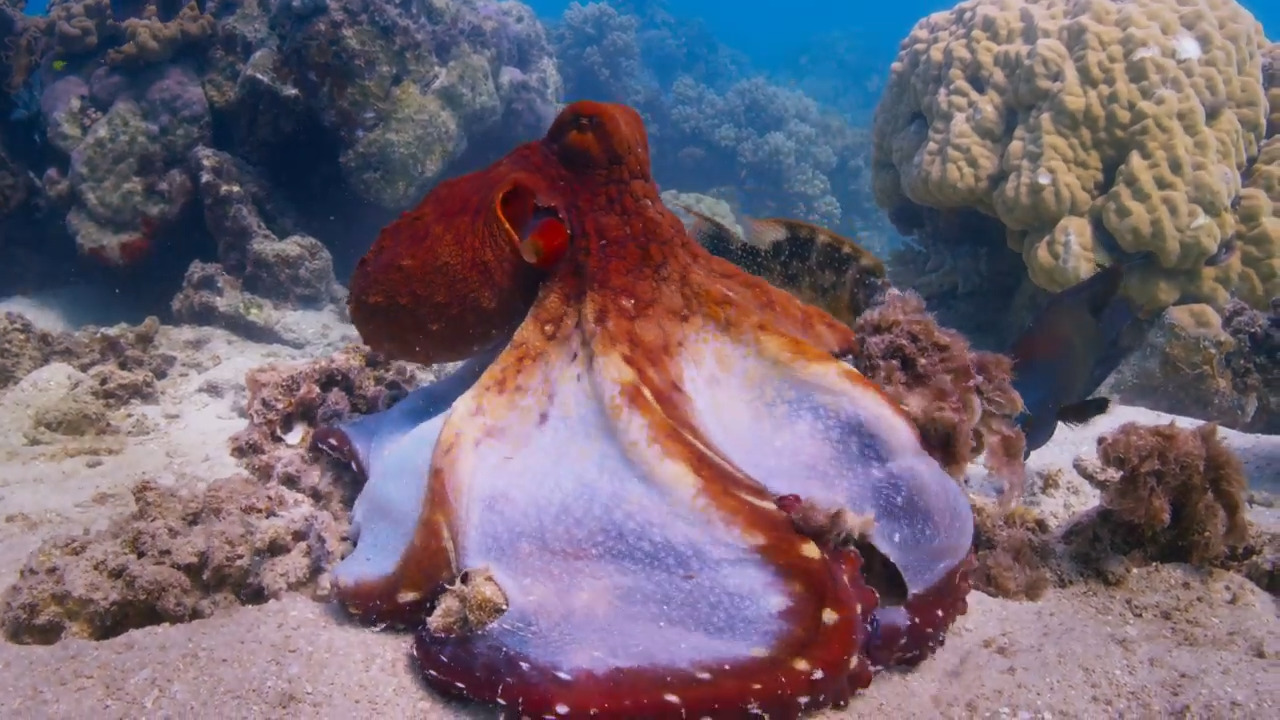
In Giant Creatures of the Great Barrier Reef, narrator Sir David Attenborough explores how certain animals work together to find food. Teamwork makes the dream work for these largest animals in Australia's Great Barrier Reef! This video is excerpted from BBC’s Blue Planet II, a natural history series that explores the world's oceans, the animals that live in them, and the threats they face, using modern filming techniques and equipment to capture previously unseen areas of the ocean.
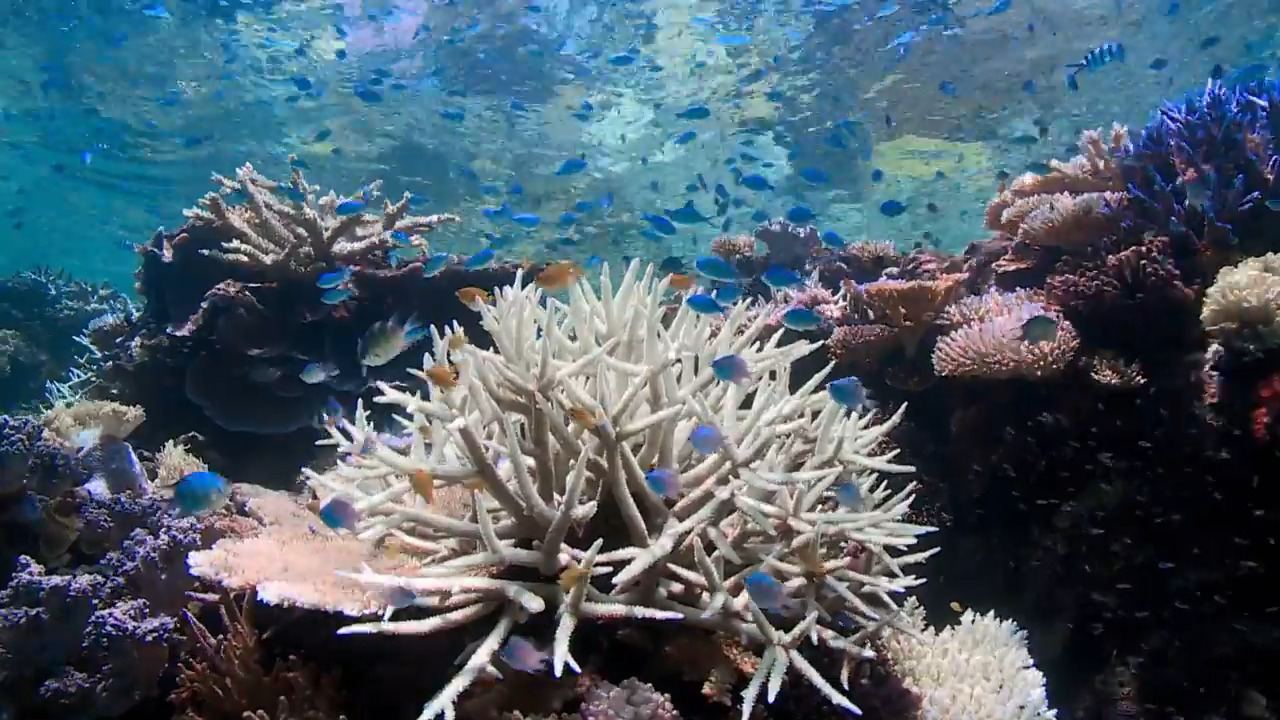
In Coral Bleaching, witness the effects of global warming on coral ecosystems. The world’s oceans are warming due to climate change, which negatively affects coral reefs, home to about a quarter of all ocean life. Coral is highly sensitive to temperature changes, and as ocean temperatures rise, coral bleaching becomes more extreme. This video is excerpted from BBC’s Climate Change - The Facts, a documentary that delves into the science of climate change and its far-reaching consequences.
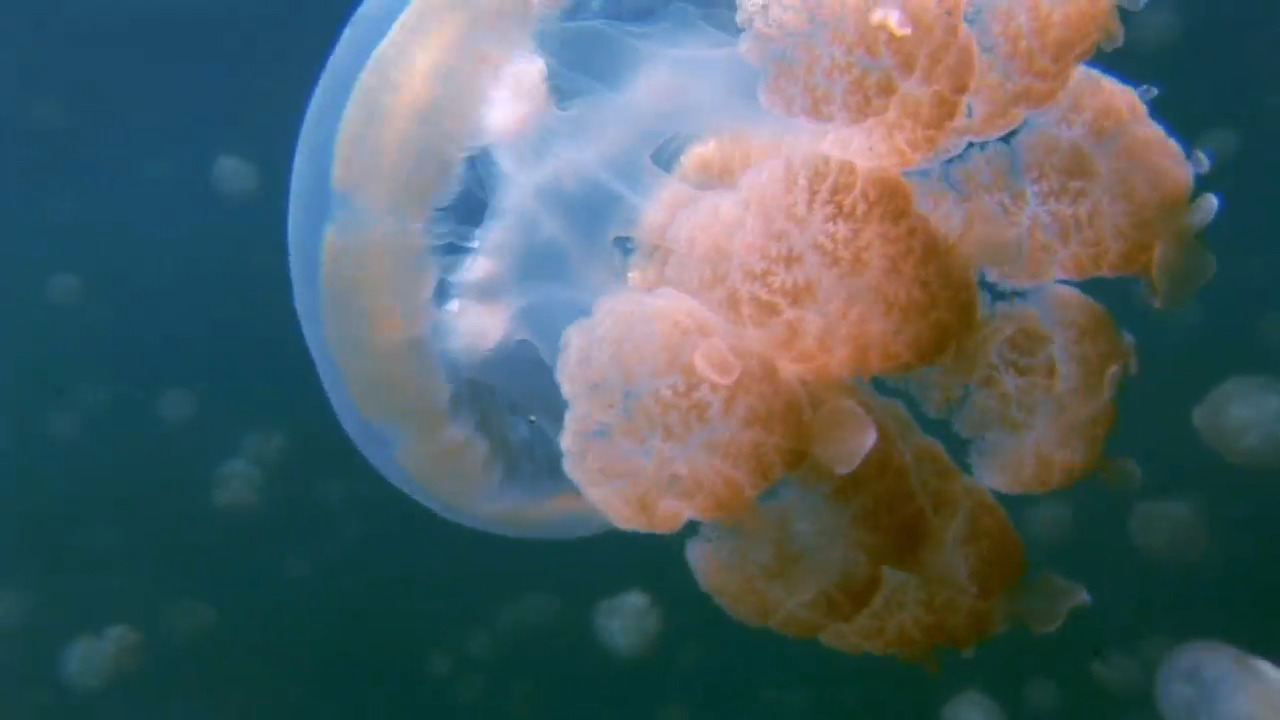
In Why Acidic Seas Spell Trouble, geologist Iain Stewart explores how global warming is shaking up life in the ocean. In Palau, an ocean scientist shares the story of millions of golden jellyfish that vanished when the water’s temperature rose by a few degrees. Plus, learn how rising carbon dioxide is making the ocean more acidic, threatening coral reefs and the marine life that depends on them. The ocean is changing fast, and scientists are racing to understand what’s next for our planet's underwater world! This video is excerpted from BBC’s Earth: The Power of the Planet, a documentary series in which Dr. Iain Stewart discovers how Earth's forces can shape nature, species, and even the climate.
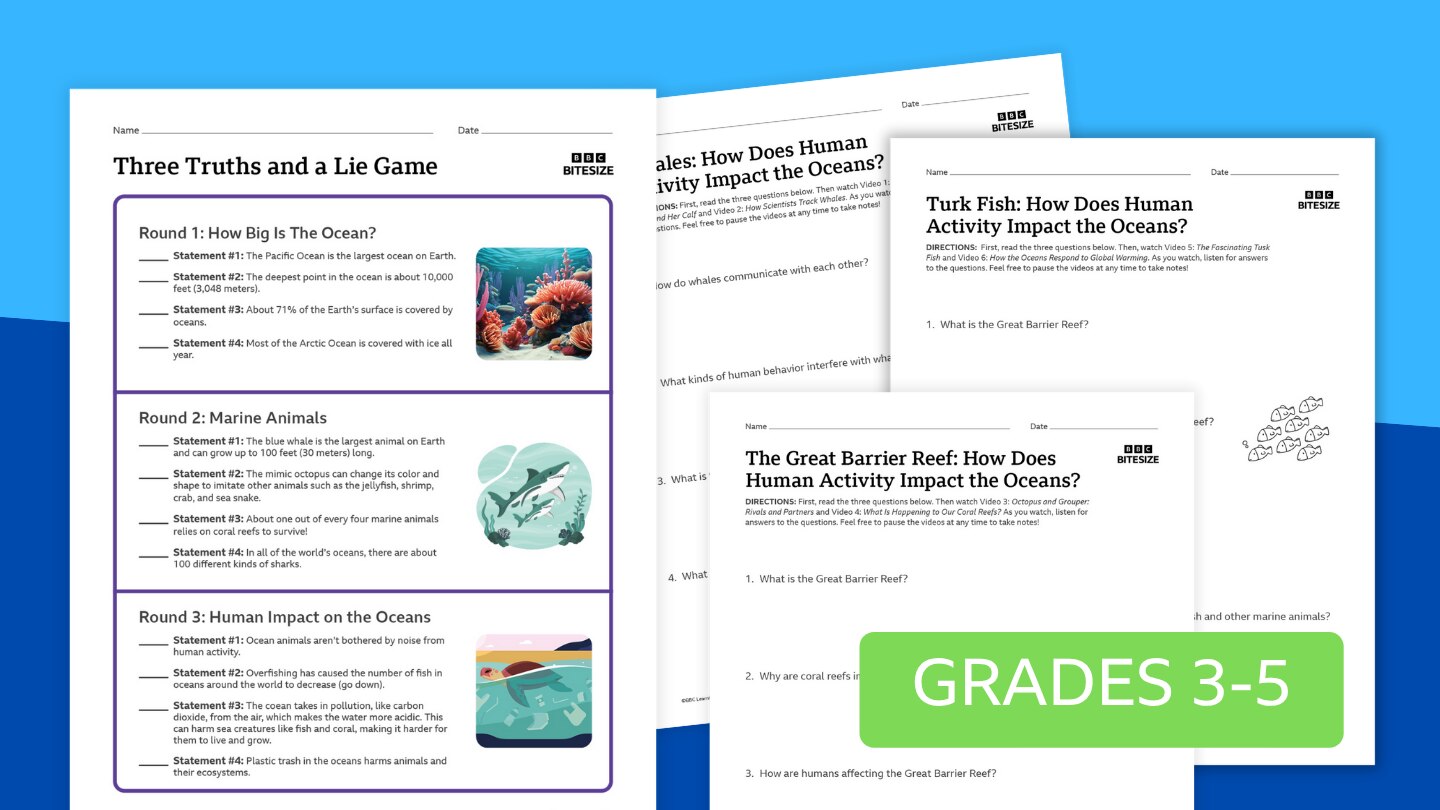
These printable activity sheets are used with lessons in the BBC Learning Hub Oceans Collection.
Three Truths and a Lie: Play this quick game with students to activate their prior knowledge about the ocean biome. What do they know?
Activity Sheets: The activity sheets are intended to be shared after students watch the three related video clips about whales, tusk fish, and the Great Barrier Reef.
In The Tool-Using Tusk Fish, narrator Sir David Attenborough suggests that tusk fish, and perhaps other fish species, may be more intelligent than people ever thought possible. When the tusk fish finds food, such as a clam, it uses coral as a tool to crack open the clam and feed itself. This video is excerpted from BBC’s Blue Planet II, a natural history series that explores the world's oceans, the animals that live in them, and the threats they face, using modern filming techniques and equipment to capture previously unseen areas of the ocean.
In The Sperm Whale Mother and Calf, narrator Sir David Attenborough observes a sperm whale and her calf, resting, communicating, and feeding. The calf won’t be able to dive deep enough to hunt for squid for the first six years of life, but the mother dives and hunts and returns with a store of milk for the waiting calf. This video is excerpted from BBC’s Blue Planet II, a natural history series that explores the world's oceans, the animals that live in them, and the threats they face, using modern filming techniques and equipment to capture previously unseen areas of the ocean.
In A World of Whale Sound Beneath the Sea, narrator Sir David Attenborough follows scientists as they track whales. This tracking enables the scientists to redirect shipping and reduce collisions. Tracking also allows them to monitor how the whales use sound as a vital means of communication deep beneath the sea. Unfortunately, human activity and noise pollution is masking some of that sound, having an impact on whale behavior in ways that we’re still learning about. This video is excerpted from BBC’s Horizon: The Death of the Oceans, which reveals what scientists are learning about what is happening in the oceans and whether it is too late to save their remarkable diversity.
In Giant Creatures of the Great Barrier Reef, narrator Sir David Attenborough explores how certain animals work together to find food. Teamwork makes the dream work for these largest animals in Australia's Great Barrier Reef! This video is excerpted from BBC’s Blue Planet II, a natural history series that explores the world's oceans, the animals that live in them, and the threats they face, using modern filming techniques and equipment to capture previously unseen areas of the ocean.
In Coral Bleaching, witness the effects of global warming on coral ecosystems. The world’s oceans are warming due to climate change, which negatively affects coral reefs, home to about a quarter of all ocean life. Coral is highly sensitive to temperature changes, and as ocean temperatures rise, coral bleaching becomes more extreme. This video is excerpted from BBC’s Climate Change - The Facts, a documentary that delves into the science of climate change and its far-reaching consequences.
In Why Acidic Seas Spell Trouble, geologist Iain Stewart explores how global warming is shaking up life in the ocean. In Palau, an ocean scientist shares the story of millions of golden jellyfish that vanished when the water’s temperature rose by a few degrees. Plus, learn how rising carbon dioxide is making the ocean more acidic, threatening coral reefs and the marine life that depends on them. The ocean is changing fast, and scientists are racing to understand what’s next for our planet's underwater world! This video is excerpted from BBC’s Earth: The Power of the Planet, a documentary series in which Dr. Iain Stewart discovers how Earth's forces can shape nature, species, and even the climate.
These printable activity sheets are used with lessons in the BBC Learning Hub Oceans Collection.
Three Truths and a Lie: Play this quick game with students to activate their prior knowledge about the ocean biome. What do they know?
Activity Sheets: The activity sheets are intended to be shared after students watch the three related video clips about whales, tusk fish, and the Great Barrier Reef.
Teaching the Lesson
Engage
- Build curiosity for this lesson by playing the ocean fact game Three Truths and a Lie with your students. Explain to your students that you will share four facts about the oceans. Three of the statements will be true, and one will be false. How much do they already know?
- Use the Three Truths and a Lie handout to play the game. Students can hold up one, two, three, or four fingers to give their answer. It may be helpful to read through the four facts twice. Once students have
guessed, confirm which one is not true and share additional ocean facts included.
Answers: Three Truths and a Lie
The following statements are not true.
Round 1: Statement #2: The deepest point in the ocean is the Challenger Deep, located in the Mariana Trench in the western Pacific Ocean. It reaches a depth of approximately 36,000 feet (10,973 meters). If Mt. Everest was magically moved into the Challenger deep, it would still be 2,000 feet underwater.
Round 2: Statement #4: There are about 500 different types of sharks in the world! They can be very small, like the dwarf lanternshark, which is only about 8 inches long, or really big, like the whale shark that can grow over 40 feet long! Sharks live in many places in the ocean, from shallow waters near the coast to the deep ocean.
Round 3: Statement #1: Loud noises in the ocean, like from ships or underwater drilling, can bother ocean animals. It can make it harder for them to communicate, find food, or even move around safely.
Analyze
- Explain to the class that they will be watching video clips that explore the effects humans have on the ocean and the creatures that live there.
- Over one or more class sections, share the video clips with the full class. Each clip is less than five minutes and explores a different aspect of human impact on the oceans.
- Distribute the three activity sheets (Whales, The Great Barrier Reef, Tusk Fish) to your students so that one-third of the class receives each one. (Alternatively, choose one or more for a deeper dive for the whole class.)
- Review the activity sheets with your students. Have students who are watching the same video work in small groups.
- Encourage pairs to work together to complete Step 1. Tip: If students need help, refer to the Video Summaries Handout for key points from each video.
Collaboration & Create
- Once the class has finished watching the videos a second time and filling out the activity sheets, bring students together to review. What are all the ways they have learned that humans can negatively affect the ocean and the creatures that live there? Why is ocean conservation important?
- Then, invite students to create posters about ocean conservation using their new knowledge. Students can design and illustrate posters that highlight the effects of pollution, overfishing, or climate change on ocean life. They can include ways people can help, like reducing plastic use or supporting sustainable fishing. Display the posters in the classroom or a school hallway for all to see.
You Might Also Like

In this lesson, students will collaborate to understand how marine life is affected by human actions. The Dive into this engaging lesson where your students will uncover how human actions affect marine life. Kick things off with a fun game of Three Truths and a Lie about the ocean to spark curiosity and get everyone talking. Then, break into small groups and tackle a jigsaw activity as students watch short, thought-provoking videos about ocean animals and human impact. Together, they’ll share insights, tackle discussion questions, and use their newfound knowledge to create eye-catching infographics. These creations will inspire others to take action and protect our incredible oceans!

In this lesson, students will collaborate to understand how marine life is affected by human actions. The Dive into this engaging lesson where your students will uncover how human actions affect marine life. Kick things off with a fun game of Three Truths and a Lie about the ocean to spark curiosity and get everyone talking. Then, break into small groups and tackle a jigsaw activity as students watch short, thought-provoking videos about ocean animals and human impact. Together, they’ll share insights, tackle discussion questions, and use their newfound knowledge to create eye-catching infographics. These creations will inspire others to take action and protect our incredible oceans!