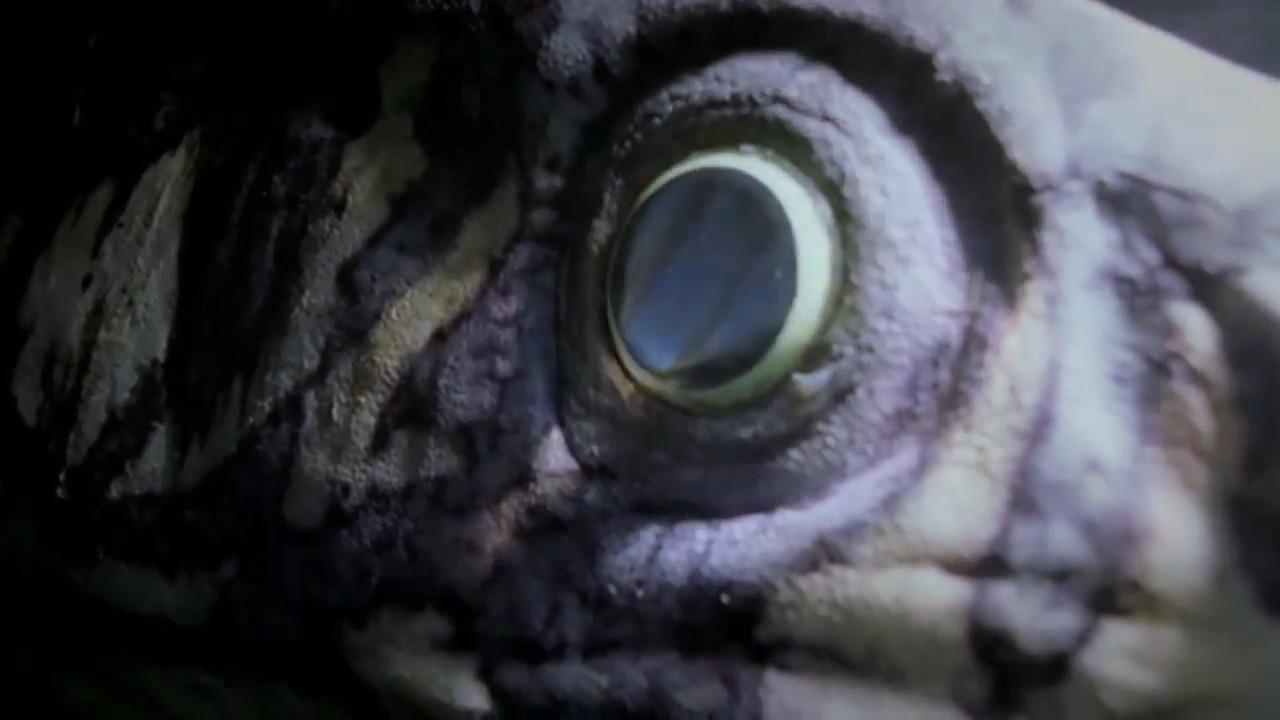
In The Marine Ophthalmosaurus, naturalist Steve Backshall highlights this deadly dinosaur that hunted in the prehistoric ocean. Check out its special adaptations that made it a successful marine predator, even at night! This video is excerpted from BBC’s Deadly Dinosaurs, a documentary series in which host Steve Backshall is on the hunt for the deadliest animals to have walked the Earth — dinosaurs — exploring features of several species and putting their abilities to the test to reveal the raw power of these creatures.
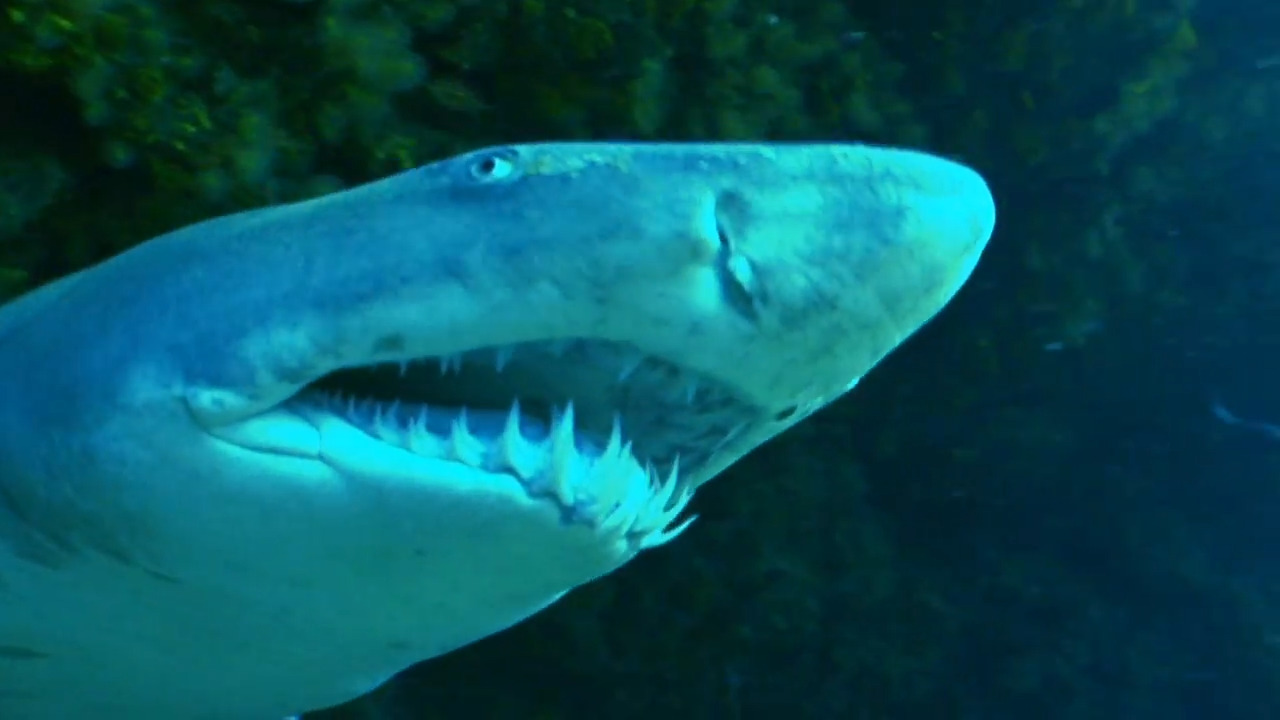
In Sharks and the Marine Ecosystem, host Simon Reeve goes diving with sharks off the coast of South Africa, where he learns about the important work of a shark conservation organization. This video is excerpted from BBC's Incredible Journeys With Simon Reeve, a series that highlights one journalist’s travels across the globe and the diverse cultures and peoples he meets along the way.
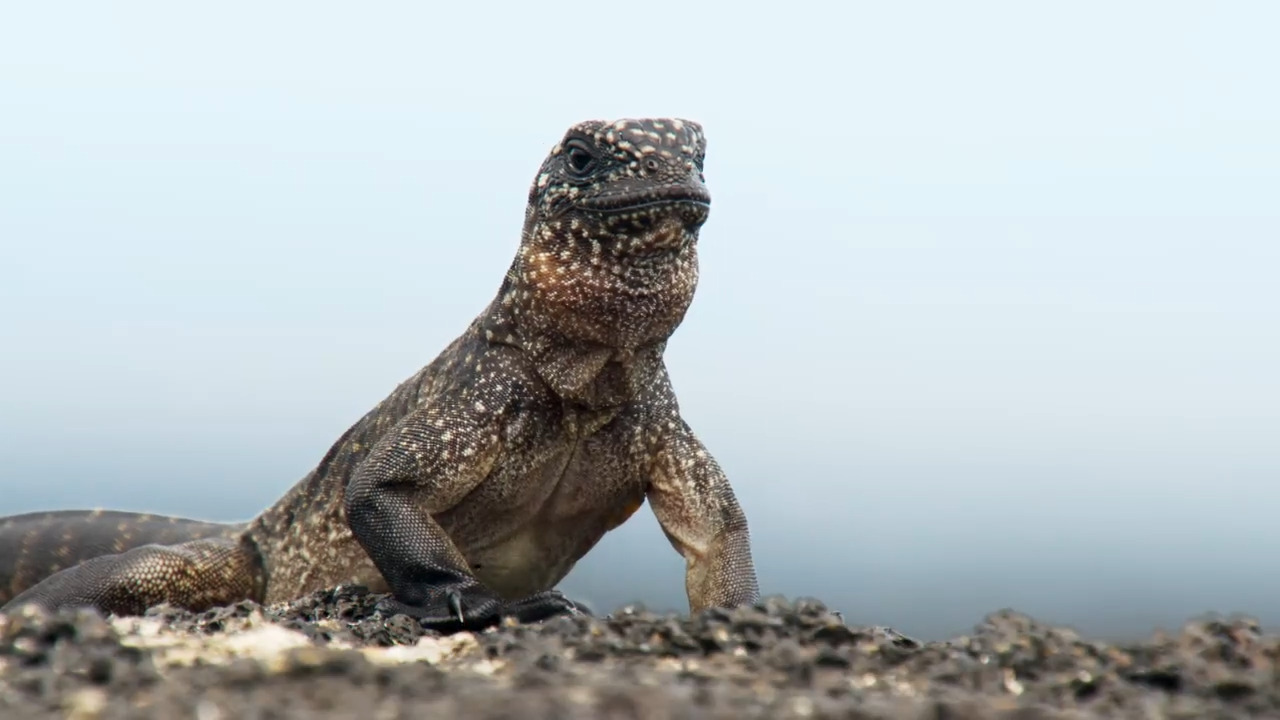
In Marine Iguana Hatchlings vs. Racer Snakes, narrator Sir David Attenborough describes the dramatic and high-stakes journey of marine iguana hatchlings as they emerge from their nests on the Galápagos Islands. With racer snakes lying in wait, the hatchlings must rely on their instincts and speed to evade capture and reach the safety of the rocky shoreline. This video is excerpted from Planet Earth II, a breathtaking documentary series that highlights the natural wonders of our planet.
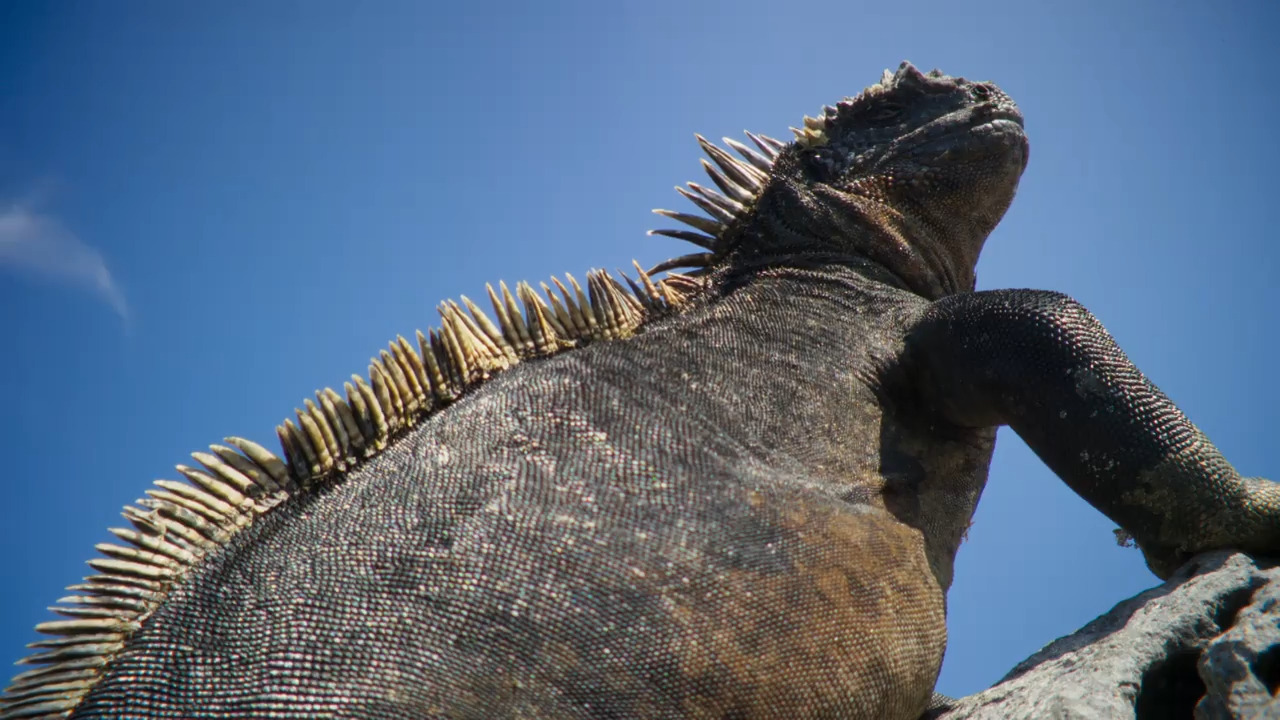
In Marine Iguanas in the Galápagos, narrator Sir David Attenborough tells how marine iguanas survive on a young, volcanic island in the Galápagos. These unique reptiles have adapted to graze on underwater algae, a critical food source in this challenging environment. This video is excerpted from BBC’s Planet Earth II, a breathtaking documentary series that highlights the natural wonders of our planet.
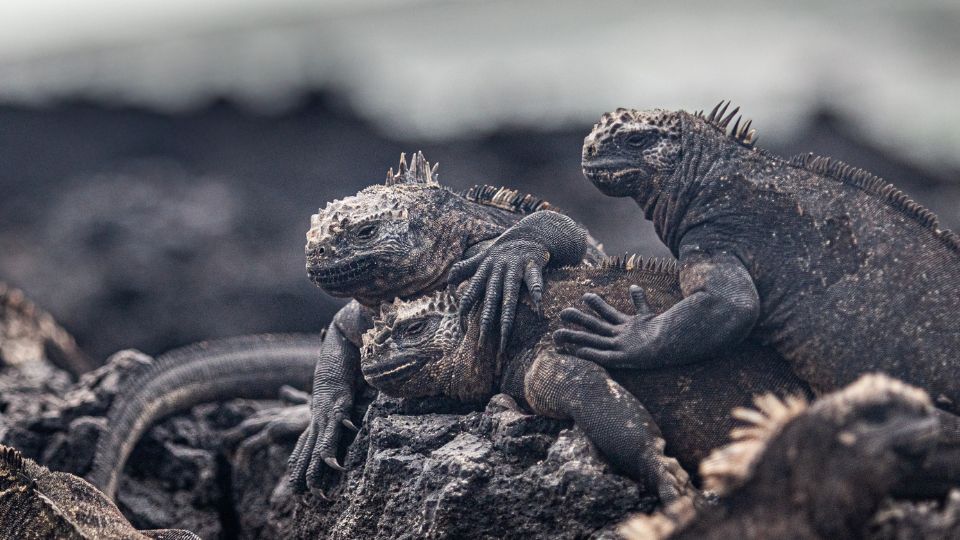
Meet one of the world's strangest reptiles — the seagoing iguana! First watch Marine Iguanas in the Galápagos Quiz, a short clip from the award-winning BBC series Planet Earth. Sir David Attenborough explains how these unique lizards have adapted to graze on underwater algae, a critical food source on this young, volcanic island in the Galápagos.
Once your students have watched the video, invite them to check for understanding with this quick, 8-question quiz!
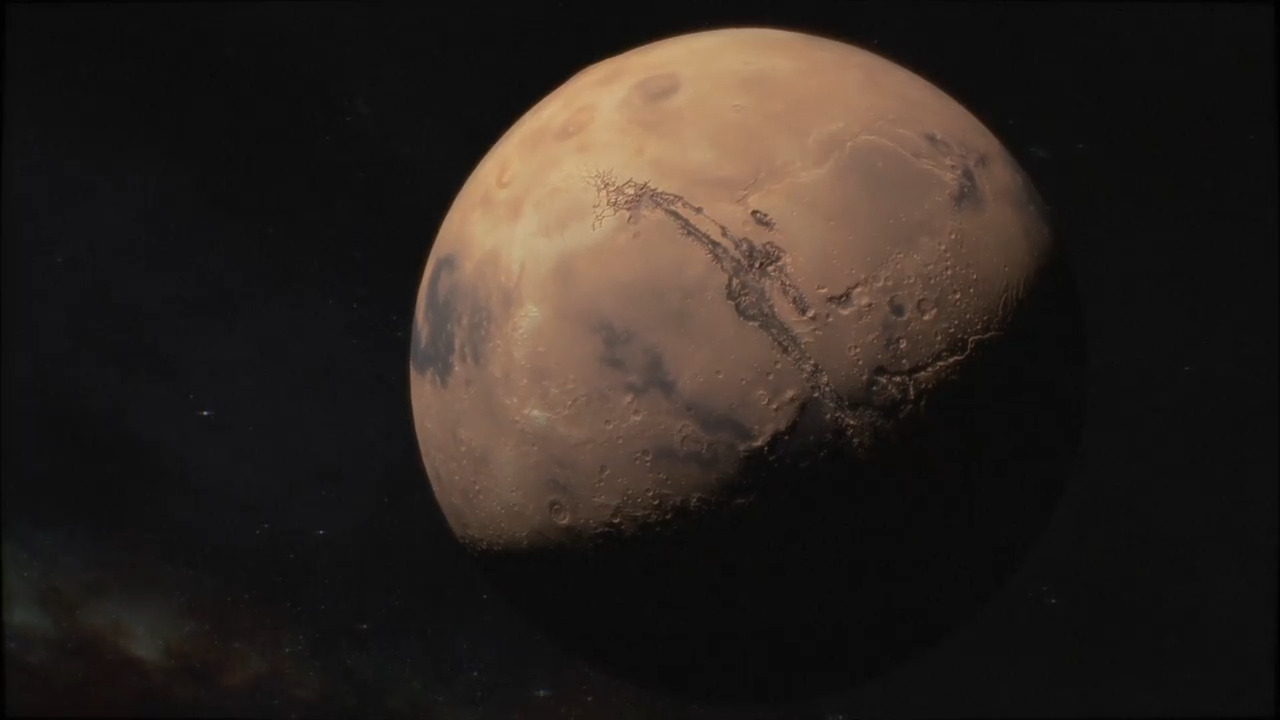
In Postcards From the Surface of Mars, Professor Brian Cox examines the geographic evolution of Mars, noting the vast canyon called Valles Marineris. He looks at photographs taken from the surface of Mars that look eerily similar to Earth: sunsets, clouds, and landscapes. There is, however, one glaring difference: no sign of water. This video is excerpted from BBC's Wonders of the Solar System, a spellbinding documentary series that explores the most extreme locations on Earth to explain how the laws of physics carved natural wonders across the Solar System.
In The Marine Ophthalmosaurus, naturalist Steve Backshall highlights this deadly dinosaur that hunted in the prehistoric ocean. Check out its special adaptations that made it a successful marine predator, even at night! This video is excerpted from BBC’s Deadly Dinosaurs, a documentary series in which host Steve Backshall is on the hunt for the deadliest animals to have walked the Earth — dinosaurs — exploring features of several species and putting their abilities to the test to reveal the raw power of these creatures.
In Sharks and the Marine Ecosystem, host Simon Reeve goes diving with sharks off the coast of South Africa, where he learns about the important work of a shark conservation organization. This video is excerpted from BBC's Incredible Journeys With Simon Reeve, a series that highlights one journalist’s travels across the globe and the diverse cultures and peoples he meets along the way.
In Marine Iguana Hatchlings vs. Racer Snakes, narrator Sir David Attenborough describes the dramatic and high-stakes journey of marine iguana hatchlings as they emerge from their nests on the Galápagos Islands. With racer snakes lying in wait, the hatchlings must rely on their instincts and speed to evade capture and reach the safety of the rocky shoreline. This video is excerpted from Planet Earth II, a breathtaking documentary series that highlights the natural wonders of our planet.
In Marine Iguanas in the Galápagos, narrator Sir David Attenborough tells how marine iguanas survive on a young, volcanic island in the Galápagos. These unique reptiles have adapted to graze on underwater algae, a critical food source in this challenging environment. This video is excerpted from BBC’s Planet Earth II, a breathtaking documentary series that highlights the natural wonders of our planet.
Meet one of the world's strangest reptiles — the seagoing iguana! First watch Marine Iguanas in the Galápagos Quiz, a short clip from the award-winning BBC series Planet Earth. Sir David Attenborough explains how these unique lizards have adapted to graze on underwater algae, a critical food source on this young, volcanic island in the Galápagos.
Once your students have watched the video, invite them to check for understanding with this quick, 8-question quiz!
In Postcards From the Surface of Mars, Professor Brian Cox examines the geographic evolution of Mars, noting the vast canyon called Valles Marineris. He looks at photographs taken from the surface of Mars that look eerily similar to Earth: sunsets, clouds, and landscapes. There is, however, one glaring difference: no sign of water. This video is excerpted from BBC's Wonders of the Solar System, a spellbinding documentary series that explores the most extreme locations on Earth to explain how the laws of physics carved natural wonders across the Solar System.