Coral Bleaching
In Coral Bleaching, witness the effects of global warming on coral ecosystems. The world’s oceans are warming due to climate change, which negatively affects coral reefs, home to about a quarter of all ocean life. Coral is highly sensitive to temperature changes, and as ocean temperatures rise, coral bleaching becomes more extreme. This video is excerpted from BBC’s Climate Change - The Facts, a documentary that delves into the science of climate change and its far-reaching consequences.
After one of the hottest years on record, Sir David Attenborough looks at the science of climate change and potential solutions to this global threat. Learn more.
Lesson Express
Q: What is coral bleaching, and how is it linked to climate change?
A: Coral bleaching occurs when corals expel the algae that give them their color due to stress from temperature changes. This is linked to climate change because rising ocean temperatures cause this stress.
Q: Why are coral reefs so important to marine life?
A: Coral reefs are home to about a quarter of all ocean species, providing shelter, food, and breeding grounds for many marine creatures.
Q: What happens to coral reefs when they bleach?
A: When coral reefs bleach, they lose their color and can die if the stress continues, disrupting the ecosystems that depend on them.
You Might Also Like
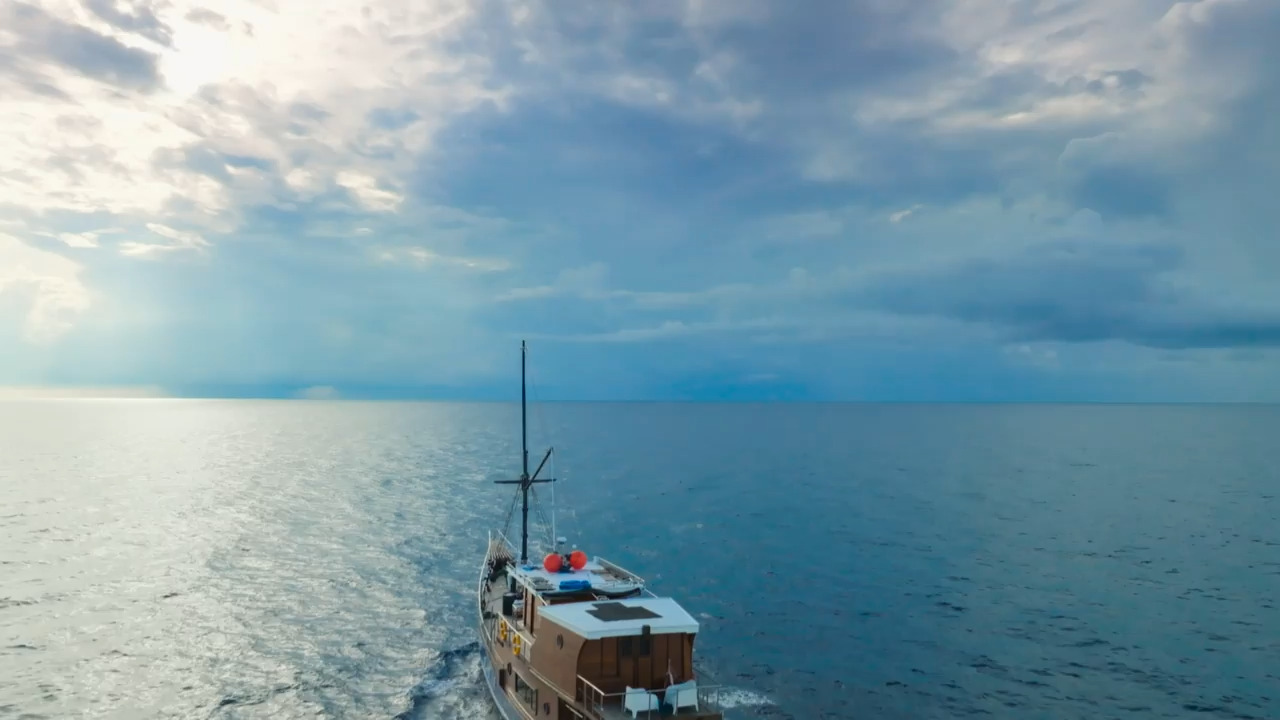
In Protecting Raja Ampat’s Ecosystem, Simon explores Raja Ampat, a marine paradise with over 2,000 fish species and coral reefs. While exploring, marine rangers board Simon’s boat to check permits and ensure no one is breaking the law in this protected area. The rangers share their vital work, like stopping illegal fishing of sea turtles and baby sharks which harms the ecosystem. New laws are a game-changer, saving Raja Ampat from the devastation caused by overfishing just a few decades ago. This video is excerpted from BBC’s Wilderness With Simon Reeve, an epic adventure into the heart of Earth’s last great wild areas, where nature is at its most beautiful and fragile.
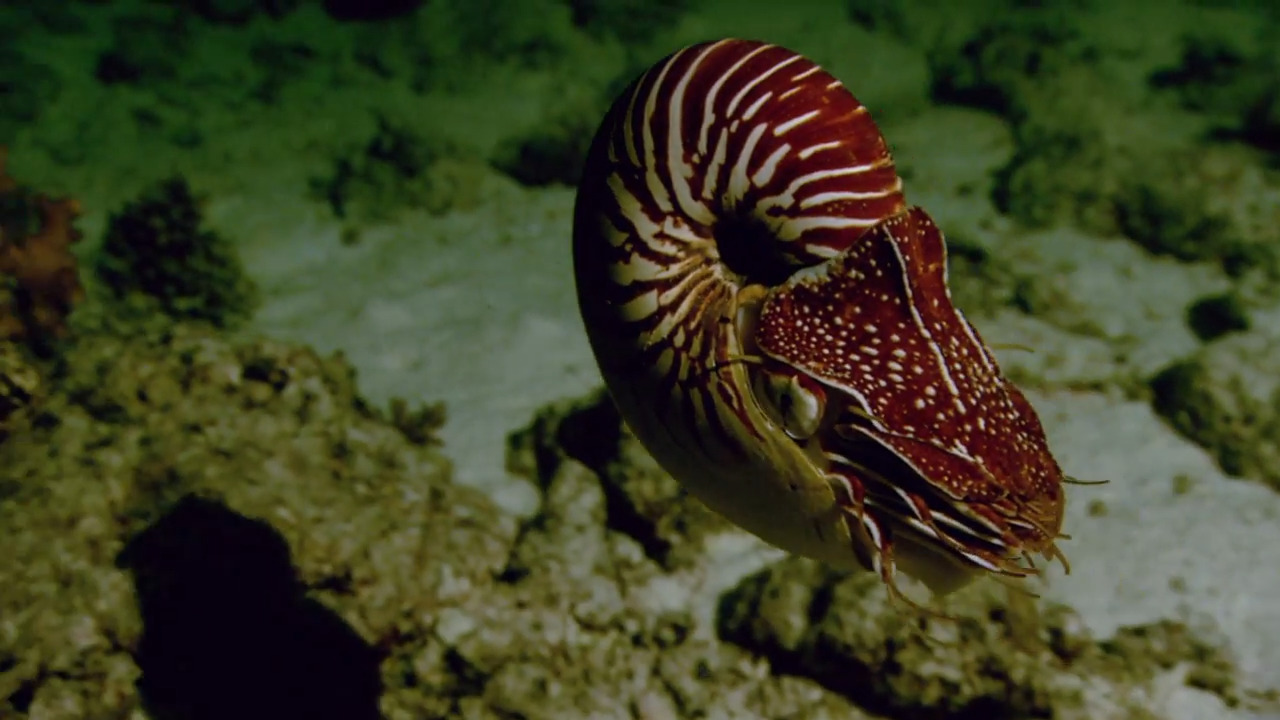
In The Mysterious Nautilus, narrator Sir David Attenborough highlights the nautilus, a fascinating marine creature that spends its days hiding over 1,300 feet (400 meters) deep in the ocean. Unlike its close relatives, the squid and octopus, which have lost their shells over time, the nautilus retains its protective spiral shell. This shell contains gas-filled chambers that control its buoyancy. Propelling itself backward using a water jet, the nautilus must rely on chemical sensors in its small tentacles to detect both prey and predators. One of its main predators is the octopus, a master of disguise. This video is excerpted from BBC’s Planet Earth, a breathtaking documentary series that highlights the natural wonders of our planet.
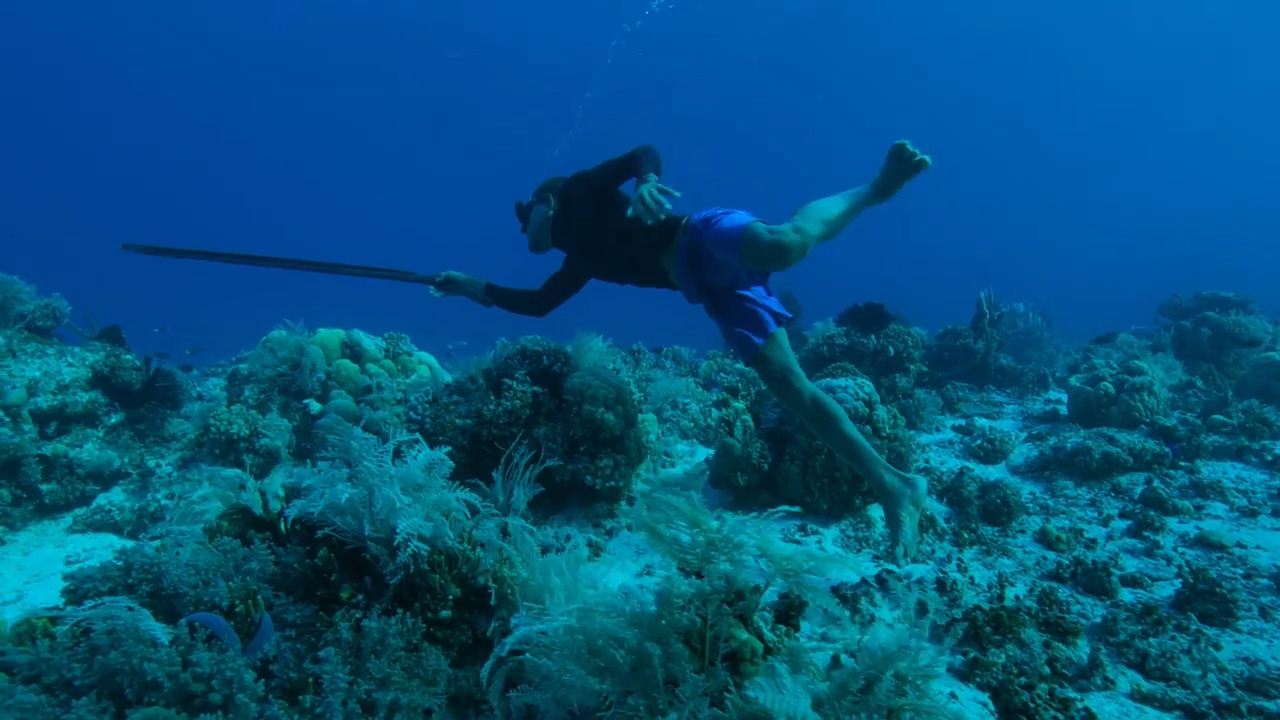
In Deep Breath: The Bajau’s Incredible Diving Adventures, Simon explores the world of the Bajau, a community of sea nomads who live in homes built on stilts above the coral reefs. He meets Bari, a skilled diver who shows him the underwater world of the coral triangle. Bari dives 50 to 65 feet (15 to 20 meters) deep on a single breath, and Simon learns the Bajau have evolved to hold more oxygen in their blood, allowing them to stay underwater for long periods of time! This video is excerpted from BBC’s Wilderness With Simon Reeve, an epic adventure into the heart of Earth’s last great wild areas, where nature is at its most beautiful and fragile.
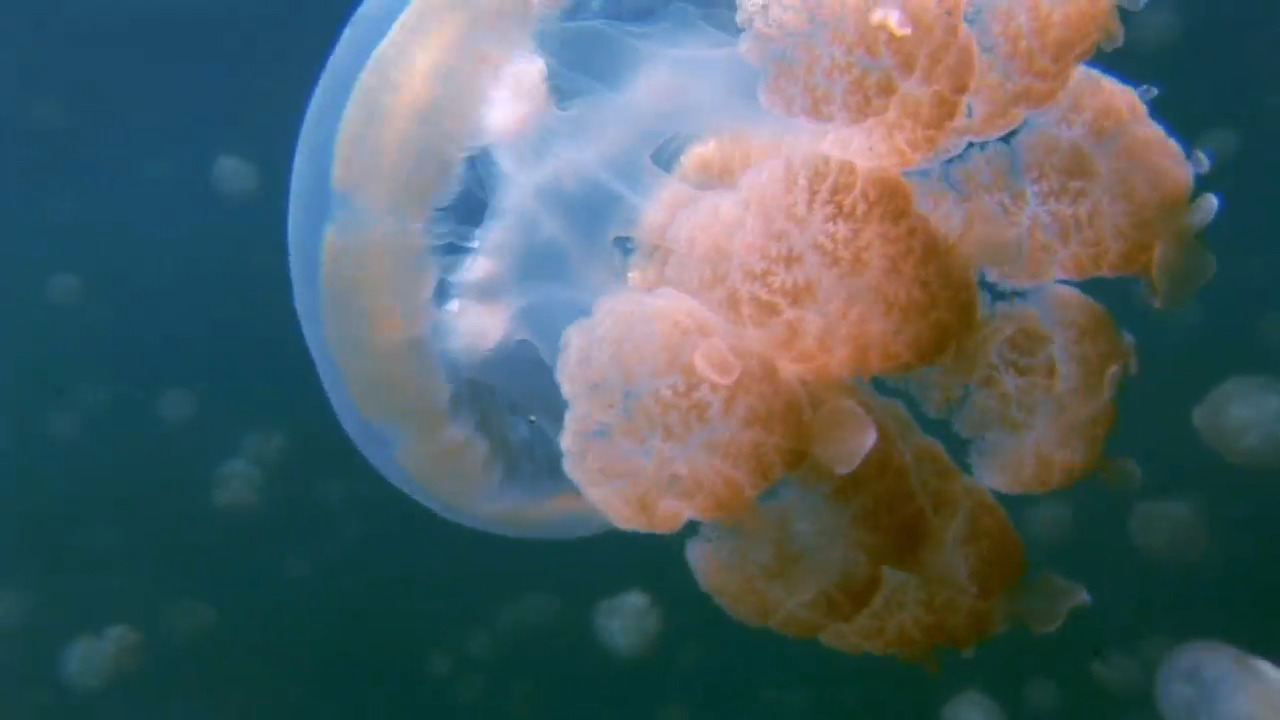
In Why Acidic Seas Spell Trouble, geologist Iain Stewart explores how global warming is shaking up life in the ocean. In Palau, an ocean scientist shares the story of millions of golden jellyfish that vanished when the water’s temperature rose by a few degrees. Plus, learn how rising carbon dioxide is making the ocean more acidic, threatening coral reefs and the marine life that depends on them. The ocean is changing fast, and scientists are racing to understand what’s next for our planet's underwater world! This video is excerpted from BBC’s Earth: The Power of the Planet, a documentary series in which Dr. Iain Stewart discovers how Earth's forces can shape nature, species, and even the climate.
In Protecting Raja Ampat’s Ecosystem, Simon explores Raja Ampat, a marine paradise with over 2,000 fish species and coral reefs. While exploring, marine rangers board Simon’s boat to check permits and ensure no one is breaking the law in this protected area. The rangers share their vital work, like stopping illegal fishing of sea turtles and baby sharks which harms the ecosystem. New laws are a game-changer, saving Raja Ampat from the devastation caused by overfishing just a few decades ago. This video is excerpted from BBC’s Wilderness With Simon Reeve, an epic adventure into the heart of Earth’s last great wild areas, where nature is at its most beautiful and fragile.
In The Mysterious Nautilus, narrator Sir David Attenborough highlights the nautilus, a fascinating marine creature that spends its days hiding over 1,300 feet (400 meters) deep in the ocean. Unlike its close relatives, the squid and octopus, which have lost their shells over time, the nautilus retains its protective spiral shell. This shell contains gas-filled chambers that control its buoyancy. Propelling itself backward using a water jet, the nautilus must rely on chemical sensors in its small tentacles to detect both prey and predators. One of its main predators is the octopus, a master of disguise. This video is excerpted from BBC’s Planet Earth, a breathtaking documentary series that highlights the natural wonders of our planet.
In Deep Breath: The Bajau’s Incredible Diving Adventures, Simon explores the world of the Bajau, a community of sea nomads who live in homes built on stilts above the coral reefs. He meets Bari, a skilled diver who shows him the underwater world of the coral triangle. Bari dives 50 to 65 feet (15 to 20 meters) deep on a single breath, and Simon learns the Bajau have evolved to hold more oxygen in their blood, allowing them to stay underwater for long periods of time! This video is excerpted from BBC’s Wilderness With Simon Reeve, an epic adventure into the heart of Earth’s last great wild areas, where nature is at its most beautiful and fragile.
In Why Acidic Seas Spell Trouble, geologist Iain Stewart explores how global warming is shaking up life in the ocean. In Palau, an ocean scientist shares the story of millions of golden jellyfish that vanished when the water’s temperature rose by a few degrees. Plus, learn how rising carbon dioxide is making the ocean more acidic, threatening coral reefs and the marine life that depends on them. The ocean is changing fast, and scientists are racing to understand what’s next for our planet's underwater world! This video is excerpted from BBC’s Earth: The Power of the Planet, a documentary series in which Dr. Iain Stewart discovers how Earth's forces can shape nature, species, and even the climate.