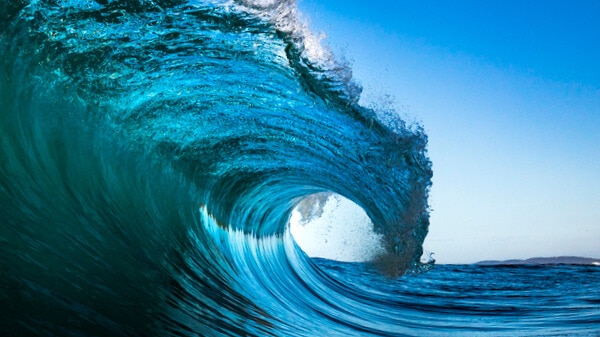
Explore the impact of human activity on our oceans with this comprehensive lesson collection. Featuring curated BBC video clips and printable activities, these resources dive into topics like pollution, overfishing, and ocean habitats, helping students understand the challenges facing ocean life and inspiring them to become ocean conservation advocates!
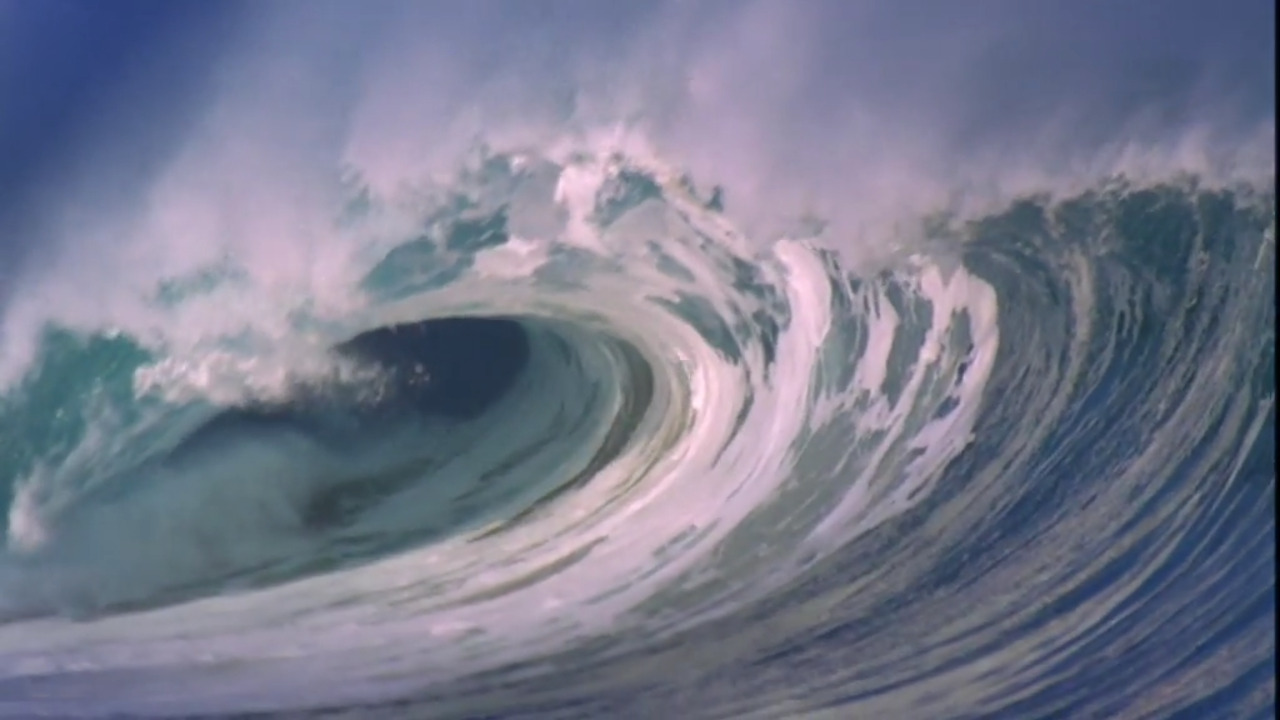
In The Mighty Power of the Ocean, narrator Sir David Attenborough explains how the ocean creates weather, how waves are created, and the impact of the currents in the world’s oceans. This video is excerpted from BBC’s Blue Planet, a definitive documentary series diving into the mysterious depths of the sea to discover the natural history of the world’s oceans and the rarely seen marine life that reside there.
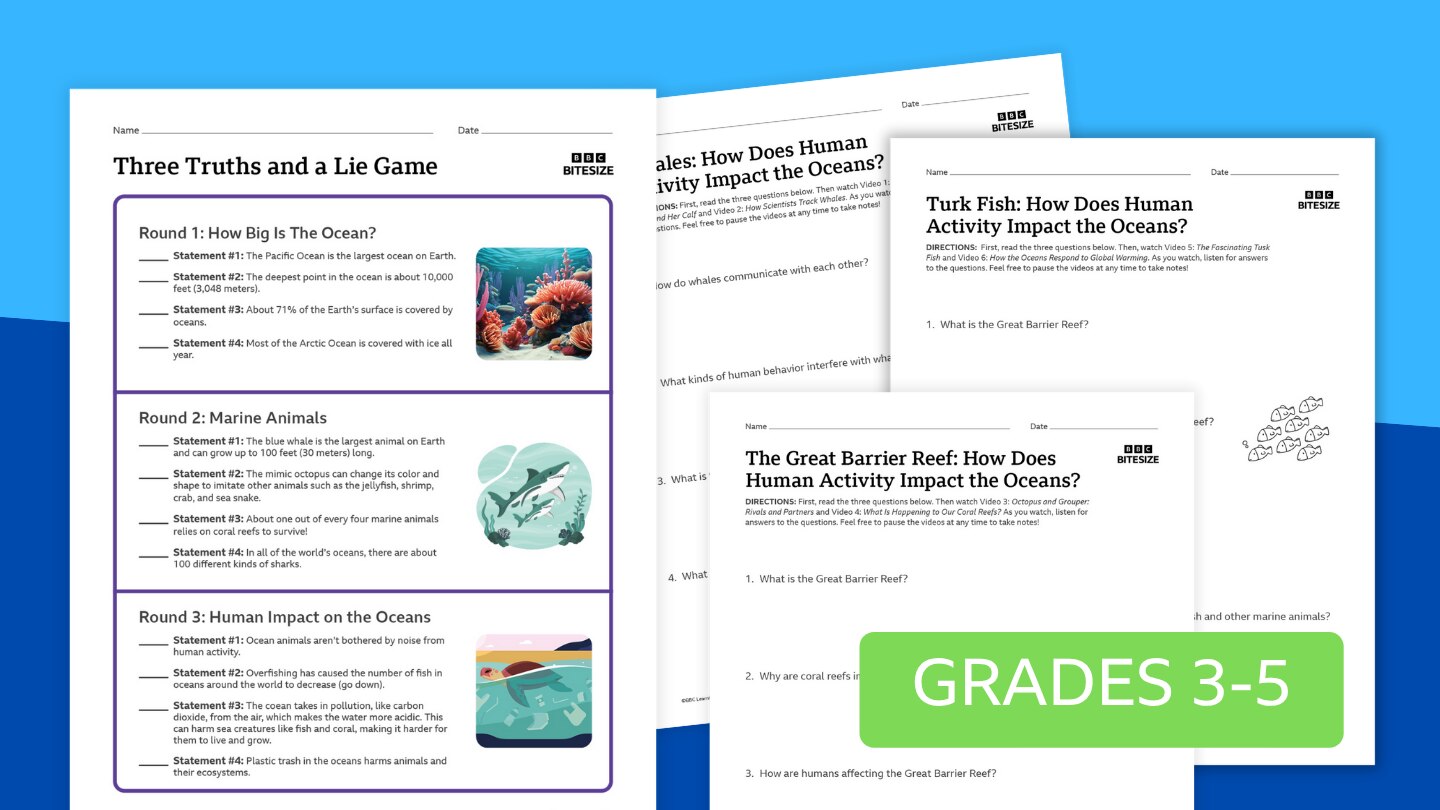
These printable activity sheets are used with lessons in the BBC Learning Hub Oceans Collection.
Three Truths and a Lie: Play this quick game with students to activate their prior knowledge about the ocean biome. What do they know?
Activity Sheets: The activity sheets are intended to be shared after students watch the three related video clips about whales, tusk fish, and the Great Barrier Reef.
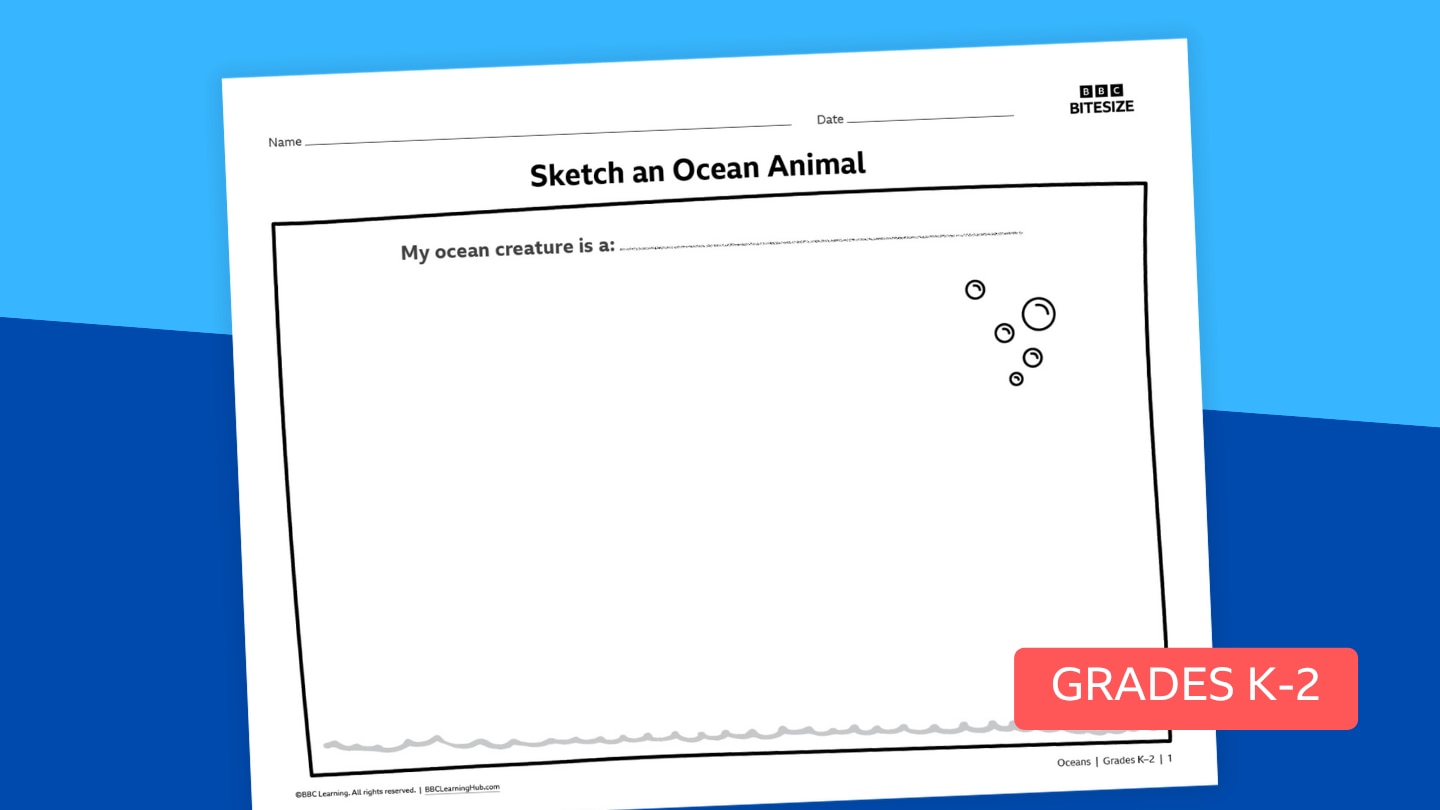
Invite students to draw and color an ocean animal. What kinds of creatures live in the ocean?
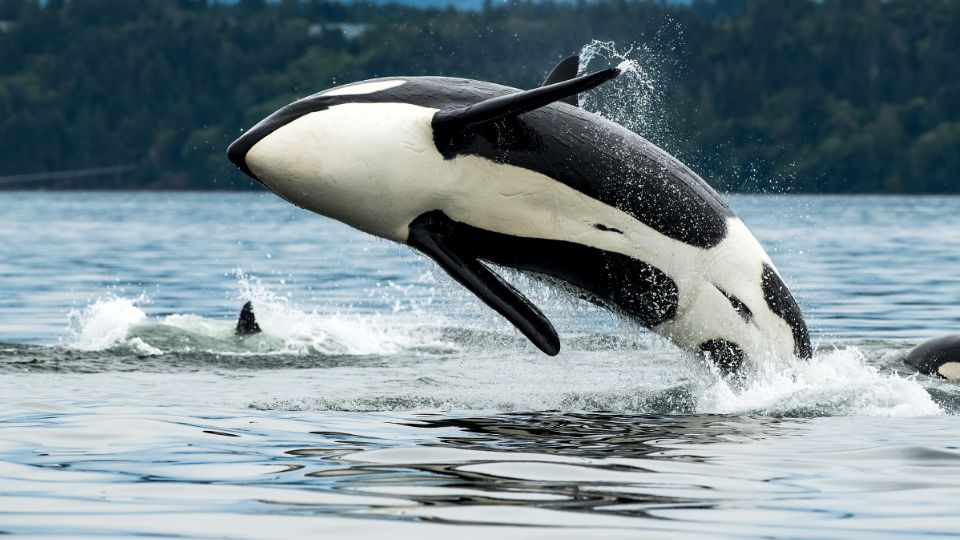
Meet the ocean's fiercest hunters. Orcas, tiger sharks, lionfish, piranhas — these predators have evolved sharp hunting tactics and sensory tricks that let them outmatch their prey in the wild. We've put together a collection of BBC video clips all about ocean predators (see Related Resources below). Watch them, then take the Kahoot to see what stuck.
The tactics are specific and surprising: orcas and tiger sharks use specialized hunting methods, lionfish disorient prey before striking, and piranhas' reputation turns out to be more myth than fact. Explore how these predators have come to dominate their corner of the ocean, and pick up some solid grounding in marine ecosystems along the way.

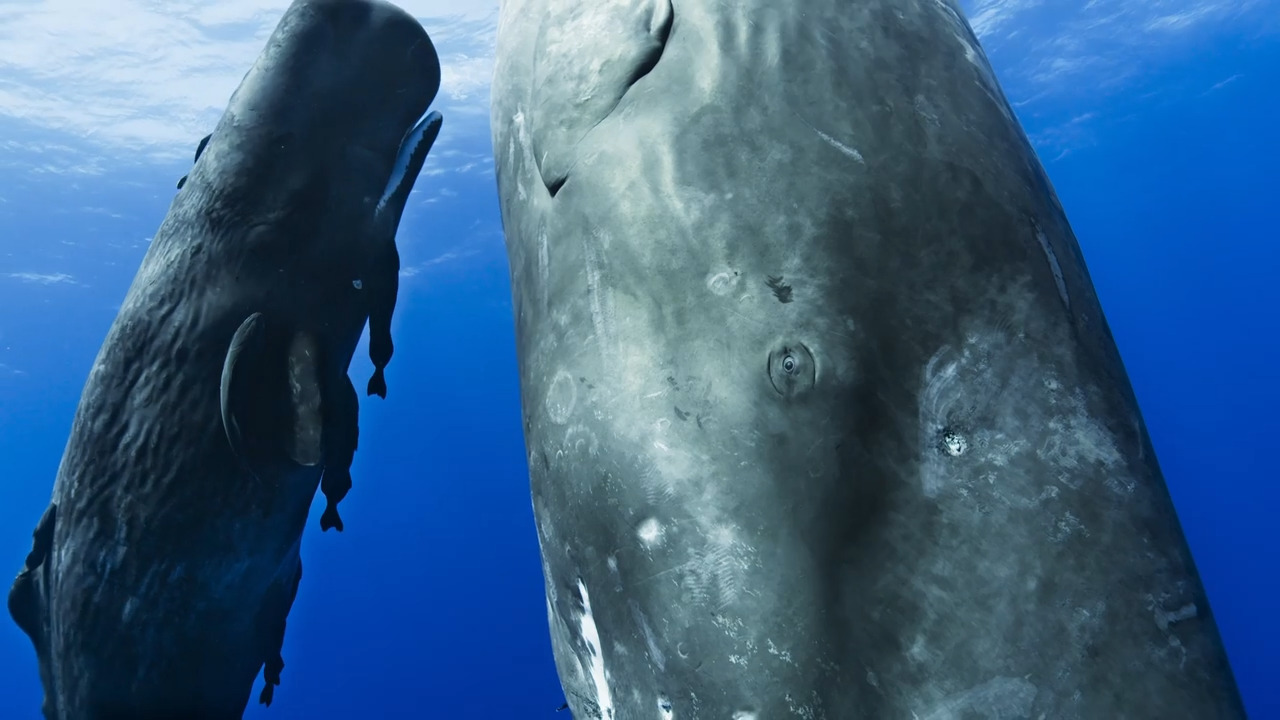
In The Sperm Whale Mother and Calf, narrator Sir David Attenborough observes a sperm whale and her calf, resting, communicating, and feeding. The calf won’t be able to dive deep enough to hunt for squid for the first six years of life, but the mother dives and hunts and returns with a store of milk for the waiting calf. This video is excerpted from BBC’s Blue Planet II, a natural history series that explores the world's oceans, the animals that live in them, and the threats they face, using modern filming techniques and equipment to capture previously unseen areas of the ocean.
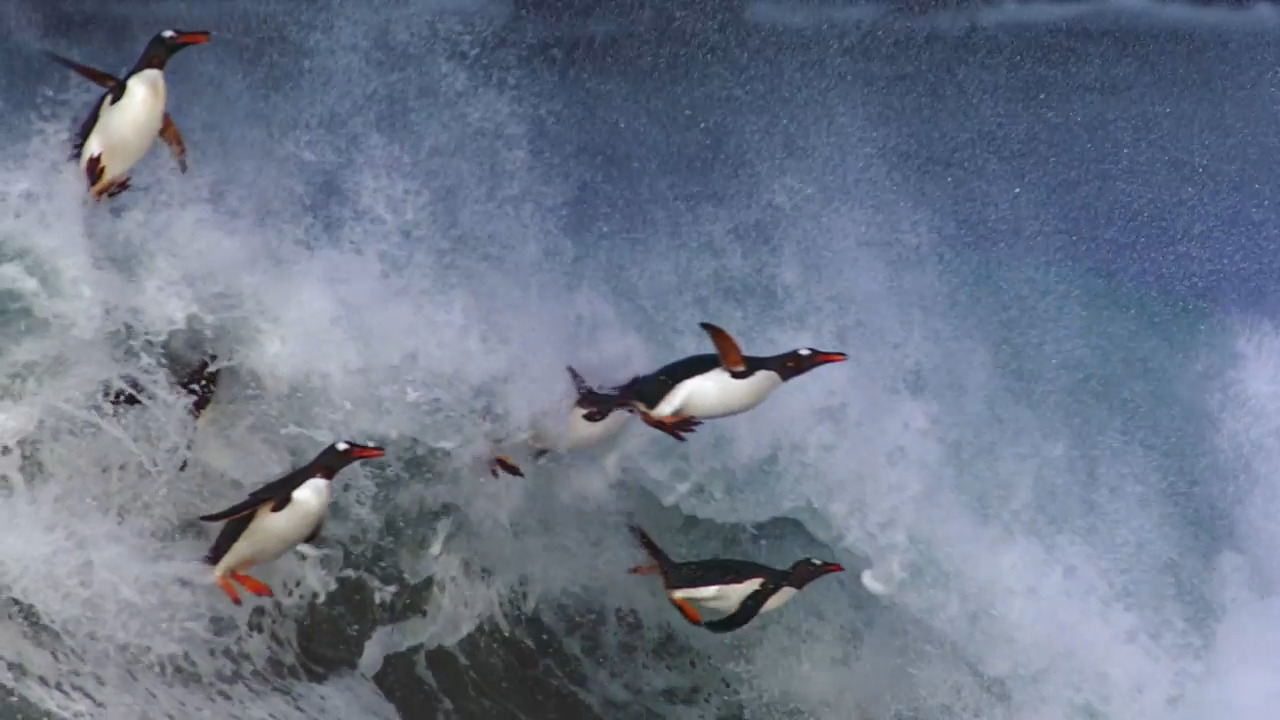
In Mile-Long Icebergs Along the Antarctic Coast, narrator Sir David Attenborough describes the frozen southern continent that is surrounded by mile-long icebergs and freezing waters. But under the water, the ocean is teeming with life. Watch gentoo penguins leap and hop onto land. This video is excerpted from BBC’s Frozen Planet, a series that shows a fragile world of beauty and hostility, where nature finds a way to survive and thrive in frigid conditions.
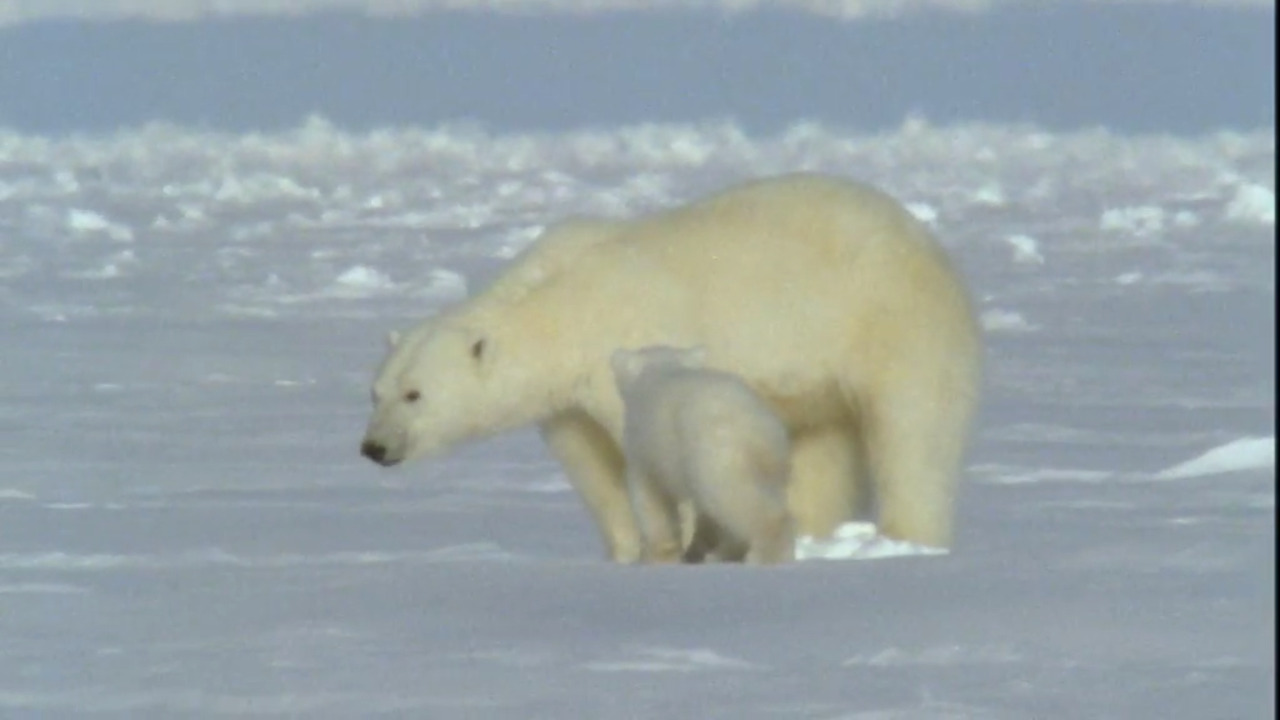
In Watch Polar Bears After Hibernation, narrator Sir David Attenborough explains how a mother polar bear and her cub hunt after waking up from hibernation. Learn how a mother polar bear tries to find a seal under the ice. Watch a polar bear cub learn and play. This video is excerpted from BBC’s Blue Planet, a definitive documentary series diving into the mysterious depths of the sea to discover the natural history of the world’s oceans and the rarely seen marine life that reside there.
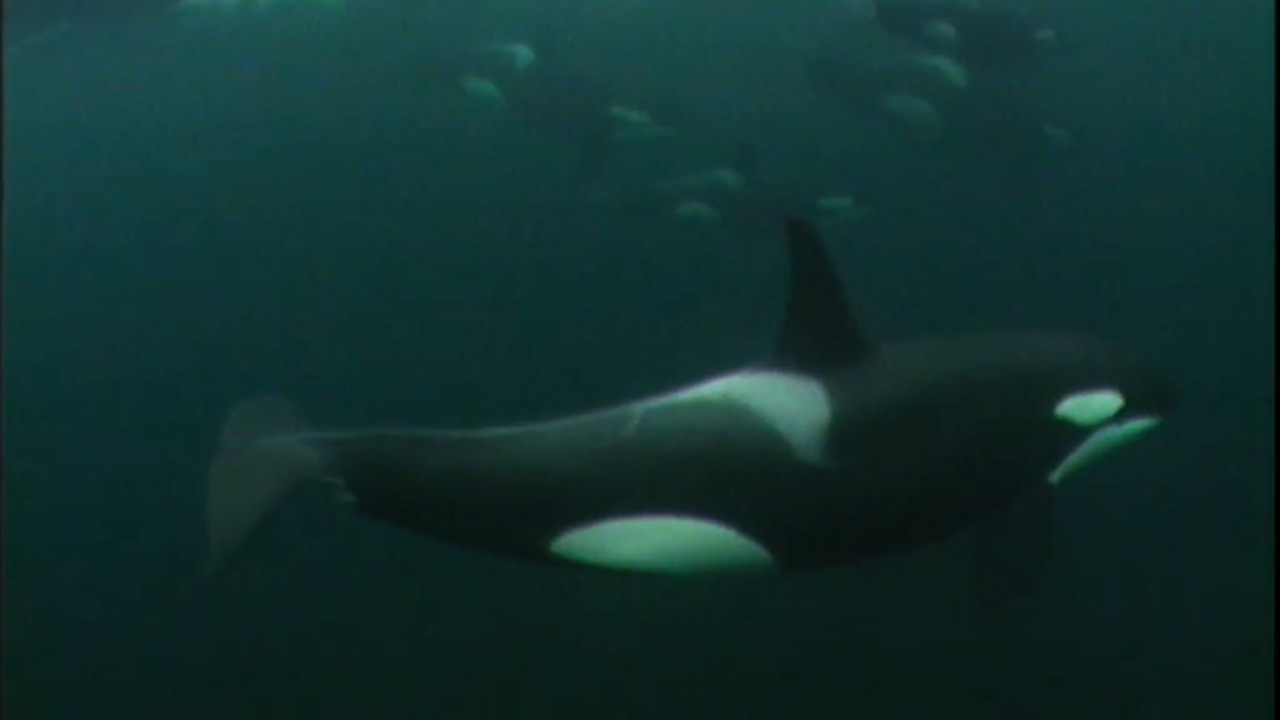
In Orcas and Herring in the North Atlantic, narrator Sir David Attenborough describes how orca catch herring off the coast of Norway. Watch how orca manage to catch herring that are swimming in a huge school. This video is excerpted from BBC’s Blue Planet, a definitive documentary series diving into the mysterious depths of the sea to discover the natural history of the world’s oceans and the rarely seen marine life that reside there.
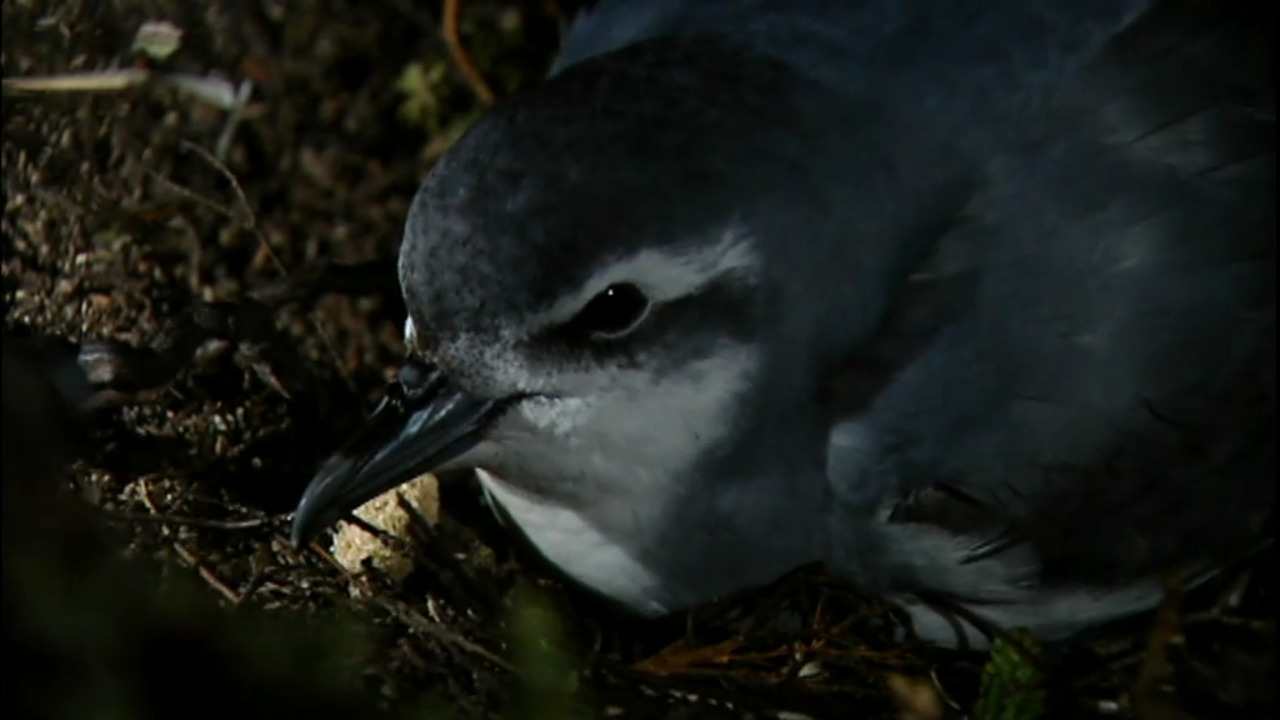
In The Problem-Solving Birds of the Falkland Islands, narrator Sir David Attenborough explores the rough coast of the Falkland Islands. Learn how two birds on the Falkland Islands, the petrel and the prion, solve problems and avoid predators. This video is excerpted from BBC’s Blue Planet, a definitive documentary series diving into the mysterious depths of the sea to discover the natural history of the world’s oceans and the rarely seen marine life that reside there.
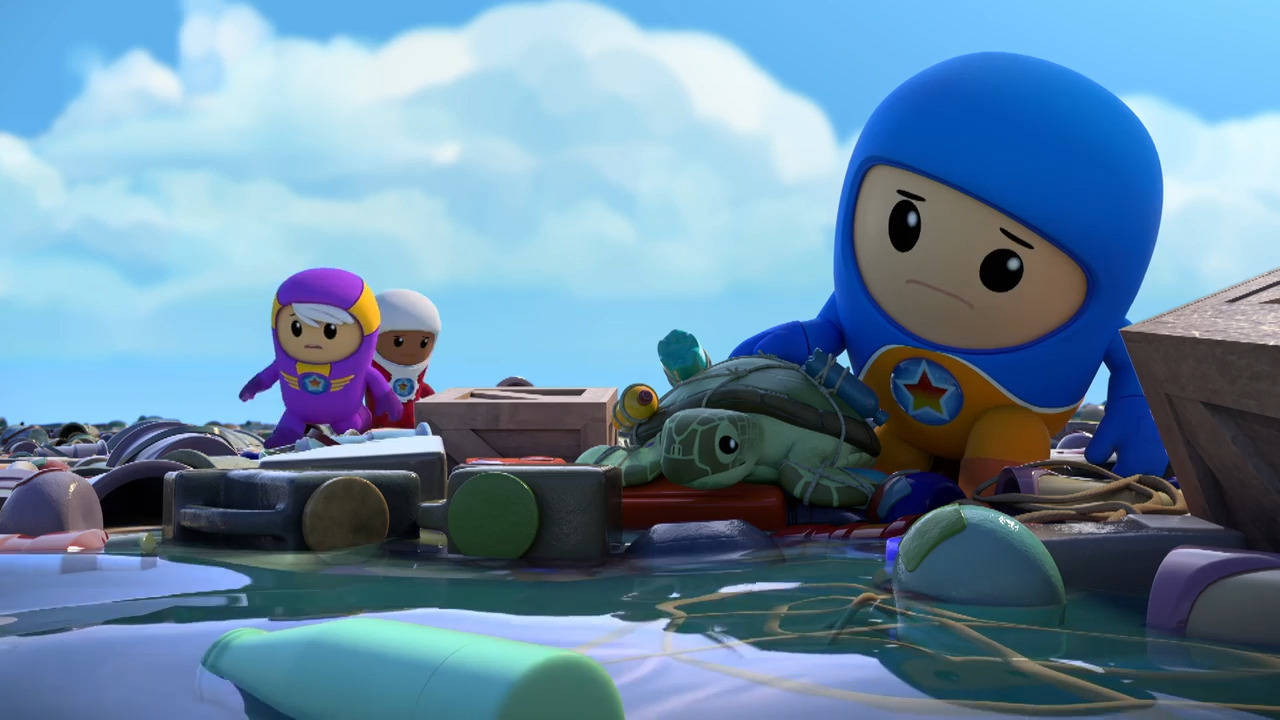
In The Go Jetters' Sea Turtle Rescue, the Go Jetters crew finds a sea turtle that is trapped on the Great Pacific Garbage Patch, a mass of plastic pollution floating in the ocean. They work together to free the sea turtle. This video is excerpted from BBC’s Go Jetters, a series that follows the adventures of four international heroes as they travel the globe visiting landmarks and solving environmental problems with Ubercorn, a disco-dancing unicorn.
Explore the impact of human activity on our oceans with this comprehensive lesson collection. Featuring curated BBC video clips and printable activities, these resources dive into topics like pollution, overfishing, and ocean habitats, helping students understand the challenges facing ocean life and inspiring them to become ocean conservation advocates!
In The Mighty Power of the Ocean, narrator Sir David Attenborough explains how the ocean creates weather, how waves are created, and the impact of the currents in the world’s oceans. This video is excerpted from BBC’s Blue Planet, a definitive documentary series diving into the mysterious depths of the sea to discover the natural history of the world’s oceans and the rarely seen marine life that reside there.
These printable activity sheets are used with lessons in the BBC Learning Hub Oceans Collection.
Three Truths and a Lie: Play this quick game with students to activate their prior knowledge about the ocean biome. What do they know?
Activity Sheets: The activity sheets are intended to be shared after students watch the three related video clips about whales, tusk fish, and the Great Barrier Reef.
Invite students to draw and color an ocean animal. What kinds of creatures live in the ocean?
Meet the ocean's fiercest hunters. Orcas, tiger sharks, lionfish, piranhas — these predators have evolved sharp hunting tactics and sensory tricks that let them outmatch their prey in the wild. We've put together a collection of BBC video clips all about ocean predators (see Related Resources below). Watch them, then take the Kahoot to see what stuck.
The tactics are specific and surprising: orcas and tiger sharks use specialized hunting methods, lionfish disorient prey before striking, and piranhas' reputation turns out to be more myth than fact. Explore how these predators have come to dominate their corner of the ocean, and pick up some solid grounding in marine ecosystems along the way.
In The Sperm Whale Mother and Calf, narrator Sir David Attenborough observes a sperm whale and her calf, resting, communicating, and feeding. The calf won’t be able to dive deep enough to hunt for squid for the first six years of life, but the mother dives and hunts and returns with a store of milk for the waiting calf. This video is excerpted from BBC’s Blue Planet II, a natural history series that explores the world's oceans, the animals that live in them, and the threats they face, using modern filming techniques and equipment to capture previously unseen areas of the ocean.
In Mile-Long Icebergs Along the Antarctic Coast, narrator Sir David Attenborough describes the frozen southern continent that is surrounded by mile-long icebergs and freezing waters. But under the water, the ocean is teeming with life. Watch gentoo penguins leap and hop onto land. This video is excerpted from BBC’s Frozen Planet, a series that shows a fragile world of beauty and hostility, where nature finds a way to survive and thrive in frigid conditions.
In Watch Polar Bears After Hibernation, narrator Sir David Attenborough explains how a mother polar bear and her cub hunt after waking up from hibernation. Learn how a mother polar bear tries to find a seal under the ice. Watch a polar bear cub learn and play. This video is excerpted from BBC’s Blue Planet, a definitive documentary series diving into the mysterious depths of the sea to discover the natural history of the world’s oceans and the rarely seen marine life that reside there.
In Orcas and Herring in the North Atlantic, narrator Sir David Attenborough describes how orca catch herring off the coast of Norway. Watch how orca manage to catch herring that are swimming in a huge school. This video is excerpted from BBC’s Blue Planet, a definitive documentary series diving into the mysterious depths of the sea to discover the natural history of the world’s oceans and the rarely seen marine life that reside there.
In The Problem-Solving Birds of the Falkland Islands, narrator Sir David Attenborough explores the rough coast of the Falkland Islands. Learn how two birds on the Falkland Islands, the petrel and the prion, solve problems and avoid predators. This video is excerpted from BBC’s Blue Planet, a definitive documentary series diving into the mysterious depths of the sea to discover the natural history of the world’s oceans and the rarely seen marine life that reside there.
In The Go Jetters' Sea Turtle Rescue, the Go Jetters crew finds a sea turtle that is trapped on the Great Pacific Garbage Patch, a mass of plastic pollution floating in the ocean. They work together to free the sea turtle. This video is excerpted from BBC’s Go Jetters, a series that follows the adventures of four international heroes as they travel the globe visiting landmarks and solving environmental problems with Ubercorn, a disco-dancing unicorn.