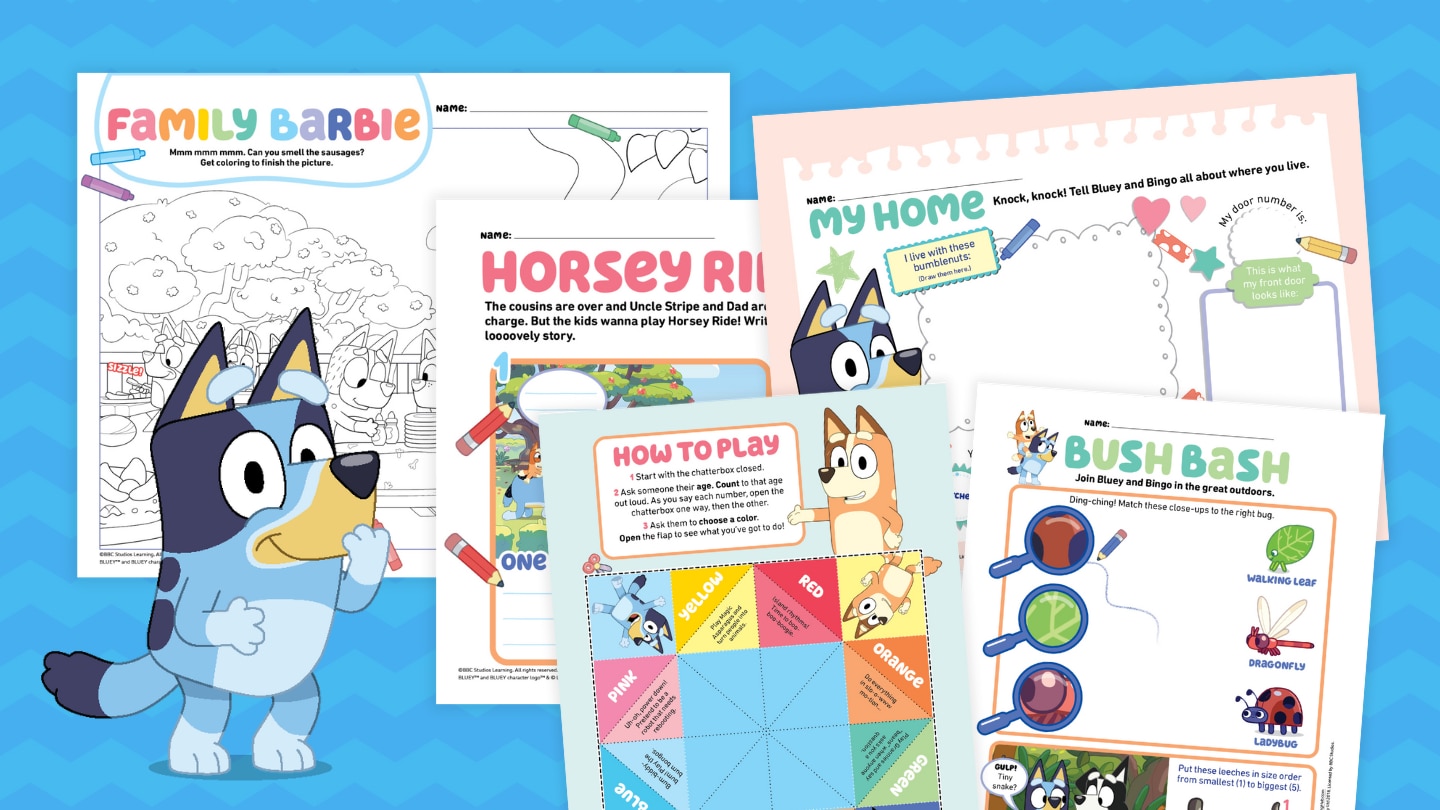
Get ready for hours of fun with Bluey and her friends! This collection of activity pages is packed with puzzles, coloring sheets, games, and creative challenges that bring the world of Bluey to life. Perfect for playtime or rainy days — let’s play!
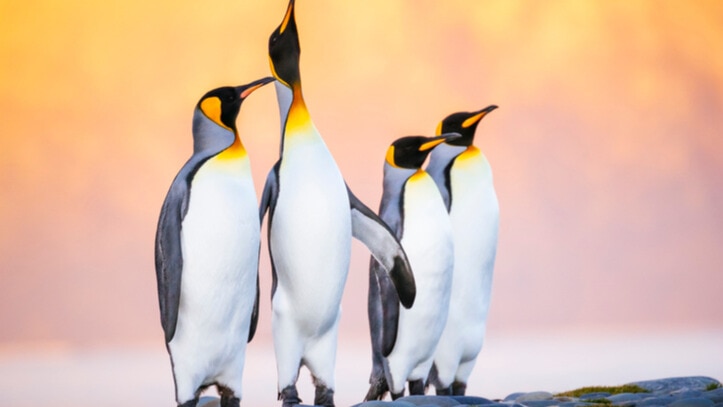
In this activity, your students will watch captivating BBC videos from Andy’s Baby Animals and Go Jetters and then create their own Antarctic penguin character! They'll begin by learning about the coldest continent — Antarctica — and the penguins that live there. Then, students will be challenged to create their own penguin cartoon characters based on what they have learned about the characteristics and behavior of real penguins.
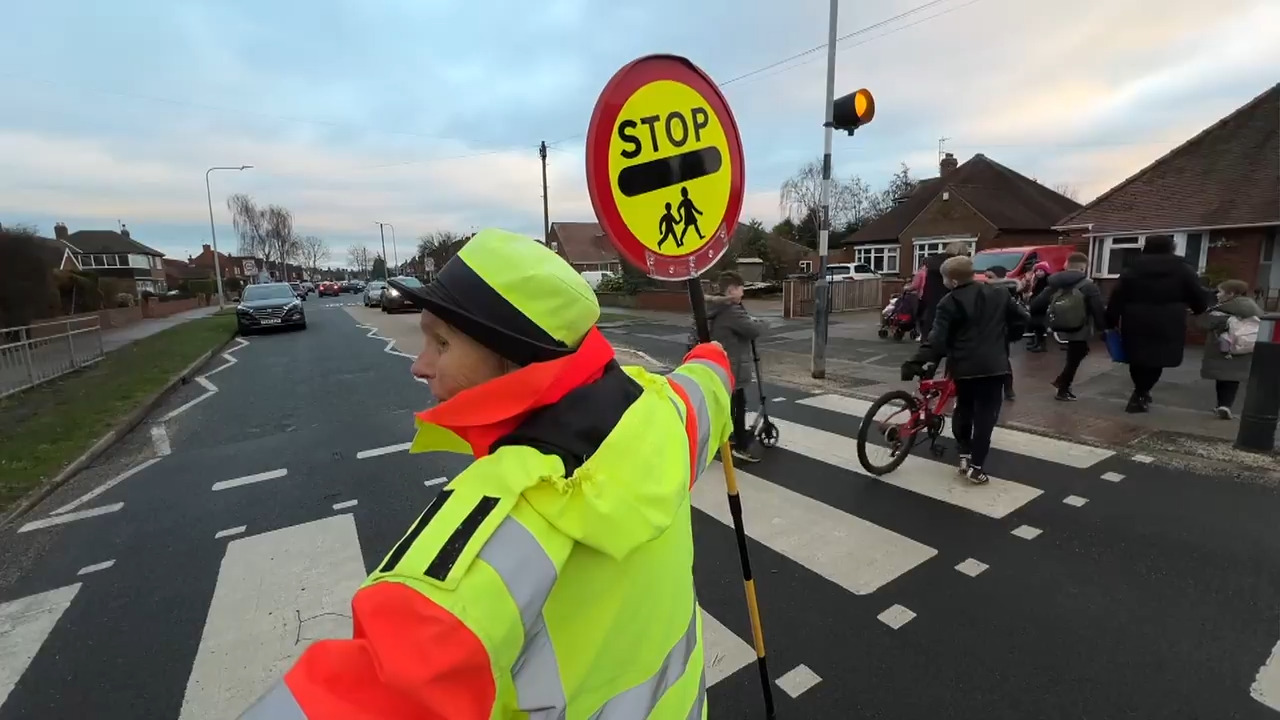
Why did the chicken cross the road? They probably just wanted an excuse to hang out with crossing guard, Brenda!
A town recently bid farewell to a local legend of a crossing guard, Brenda, who retired after 40 years of service. She was known as a "lollipop lady," but that's because of the shape of the stop sign crossing guards carry — not because she handed out candy. Still, by all accounts, Brenda was plenty sweet!
Although Brenda made the same journey nearly every day for four decades, her final day held one big surprise. Community members gathered to applaud her years of service and presented her with a certificate in recognition of everything she'd done.
Over the years, Brenda has broken up fights and even stepped between children and moving cars, so she's not easily shaken. But she was overwhelmed by the love and support shown at her retirement. Among those celebrating were current students, adults she had safely guided across the street as children, and, of course, her own family.

Embark on an epic adventure with this playlist all about the modern wonders of the world! Discover the secrets of the Great Pyramid of Giza, walk along the Great Wall of China, explore the ancient city of Petra, and uncover the mysteries of Machu Picchu. From the towering ruins of Chichén Itzá to the iconic Colosseum and the breathtaking beauty of the Taj Mahal, each video brings history to life and shows why these places are so incredible
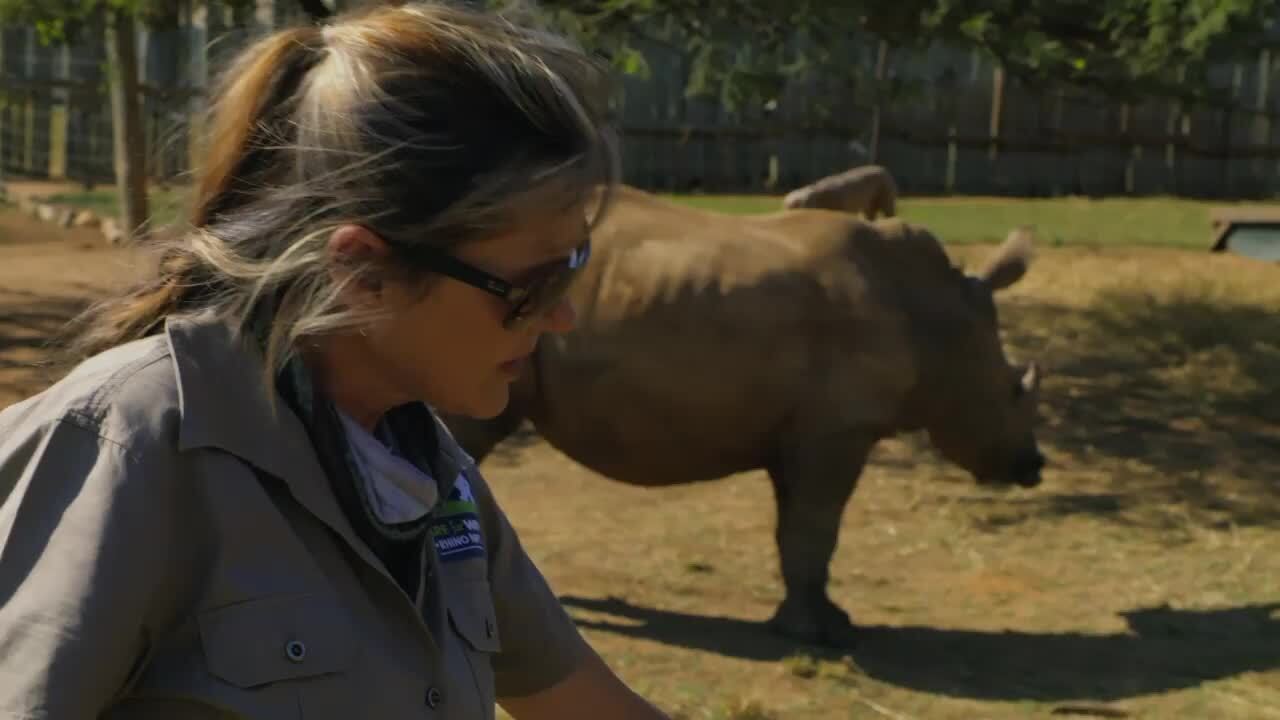
In Rhino Poaching in Africa, naturalist Steve Backshall explains the impact that poachers are having on the endangered white rhinoceros. Poachers kill rhinos to sell their horns. This video is excerpted from BBC's Deadly 60, an award-winning nature and adventure show for kids in which narrator Steve Backshall has one mission: to travel the globe in search of 60 of the world's deadliest animals.
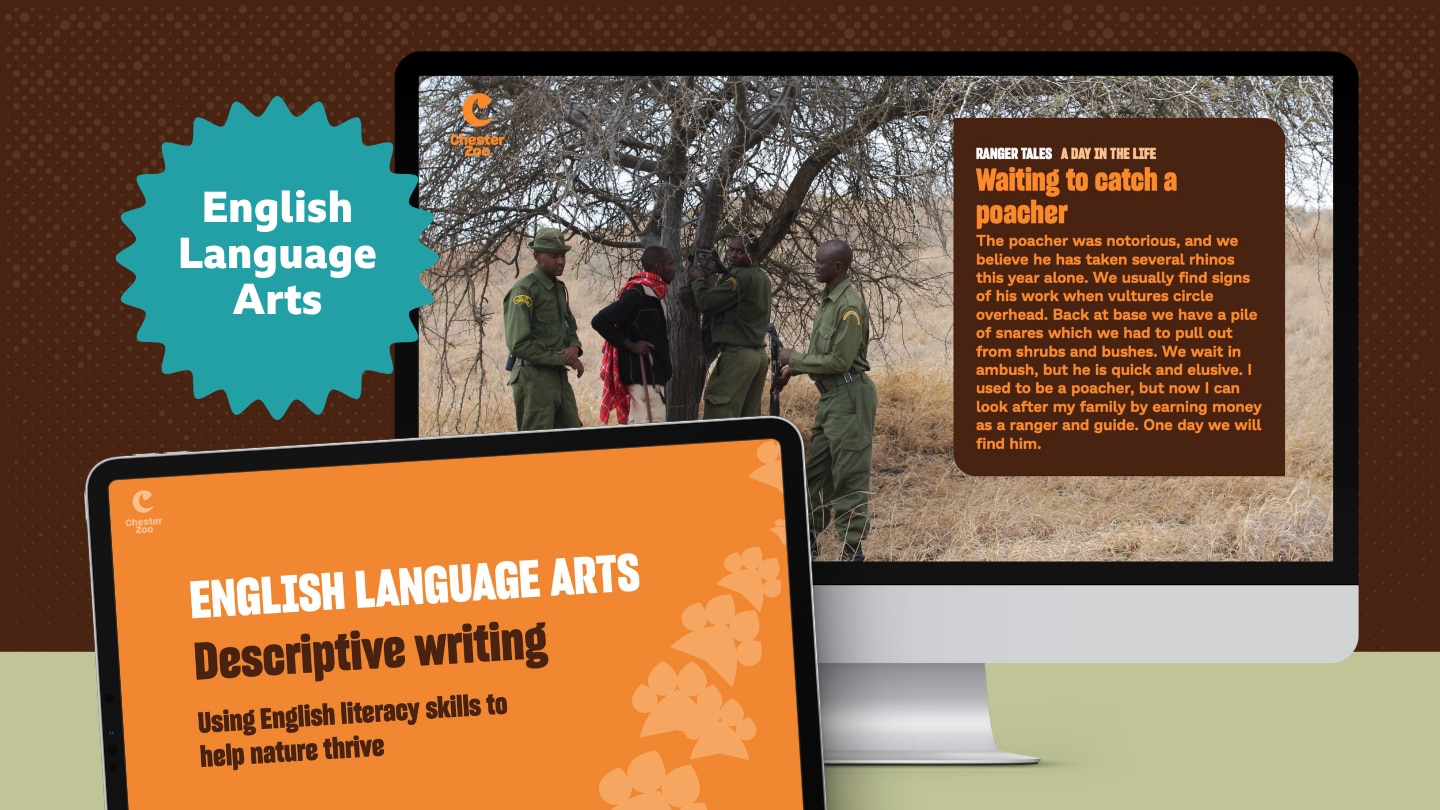
What can English language skills teach us about protecting wildlife? Head to the African savanna with Chester Zoo and discover the lives of the people working on the front lines of conservation. Start with a close-up look at a rhino, then explore real-life stories from rangers who protect animals and their habitats.
Read about the challenges rangers face and the incredible encounters they have, from tracking poachers and finding snares to caring for newborn animals and following the clues left behind by elephants. Along the way, you'll discover how vivid, descriptive language can help readers picture a place, understand an experience, and connect with the people and animals at the heart of a story.
Then it's your turn! Use the African savanna as inspiration to experiment with descriptive language, imagine what happens next, and create your own account of an encounter in the wild.
Don't miss the descriptive writing worksheets that go with this lesson!
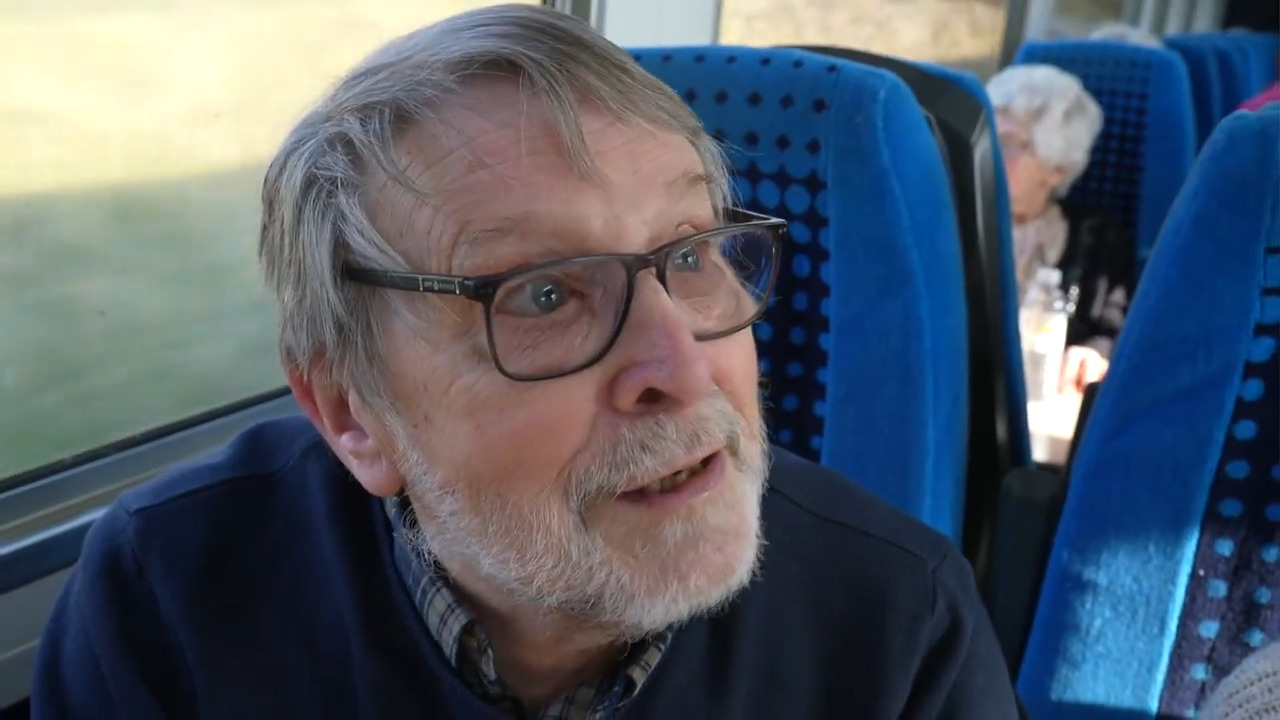
Dementia patients come together for a train ride to Whitby complete with beautiful scenery, live music, and gentle massages. Caregivers also find community aboard this special train ride. This video is excerpted from BBC News.
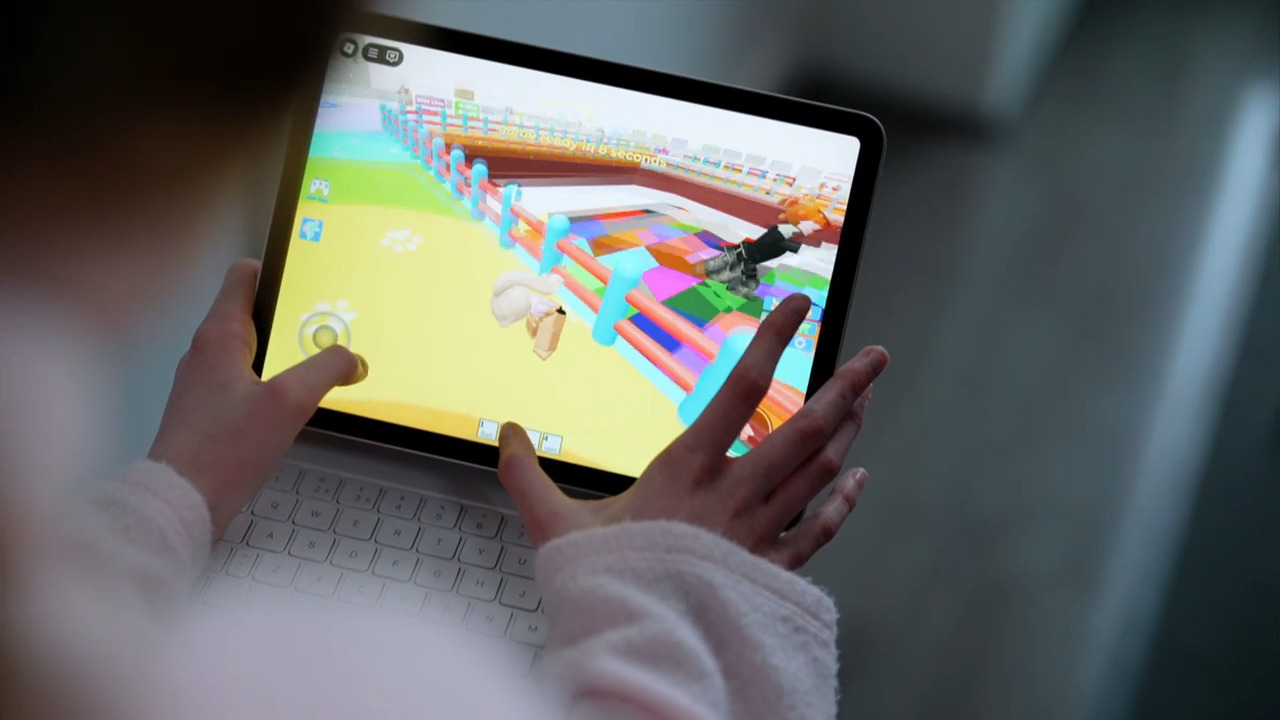
Roblox has exploded into one of the most popular gaming platforms in the world, especially for kids ages 8–12. What started as a small company has grown into a massive online universe with more than 40 million user-created games and experiences — from obstacle courses and role-playing worlds to fashion shows and virtual adventures. In fact, Roblox now has more monthly users than Nintendo Switch and Sony PlayStation combined.
But with its huge popularity comes growing controversy. Critics say that because almost anyone can create a game on the platform, some content may not always be appropriate for younger users. That has raised questions from parents and safety experts about how well kids are protected online.
Roblox co-founder and CEO Dave Baszucki says the company takes safety seriously and has “no tolerance” for inappropriate content. The platform has introduced new protections, including limits on messaging for users under 13. Still, reports show that some kids can sometimes find ways around age restrictions, which keeps the debate going.
Baszucki also says millions of users are having positive, creative experiences on Roblox every day — and reminds parents that they ultimately decide whether it’s the right platform for their children.
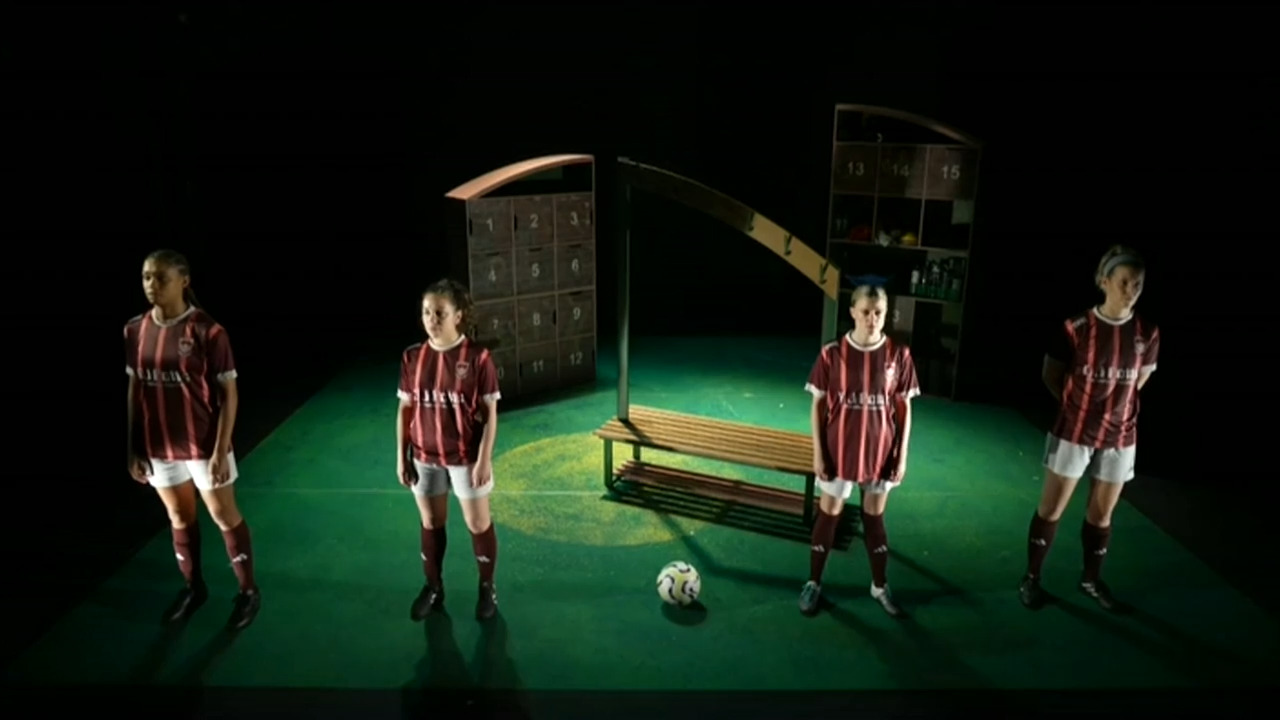
What happens when you mix theatre with soccer, or football as they call in the UK? You get a play that turns women’s soccer into a live story of grit, pressure, and ambition — no stadium required. This new production brings the energy of the game to the stage, spotlighting the real experiences of female athletes in sport.
The story doesn’t shy away from reality. Women footballers around the world have faced uneven playing conditions, from ill-fitting men’s kits to poorly maintained pitches and training setups that simply weren’t built with them in mind. Even small things — like long walks between facilities or limited access to resources — add up and shape the experience of being a professional athlete.
What makes the play feel especially authentic is the lead actor, who actually played semi-pro football before moving into acting. That real-life experience gives the performance extra edge, blending sport and storytelling in a way that feels lived-in, not just acted.
At its core, the production is about more than football. It’s about visibility, opportunity, and challenging the idea of who gets to have a future in sport — and who gets to be seen on stage telling that story.
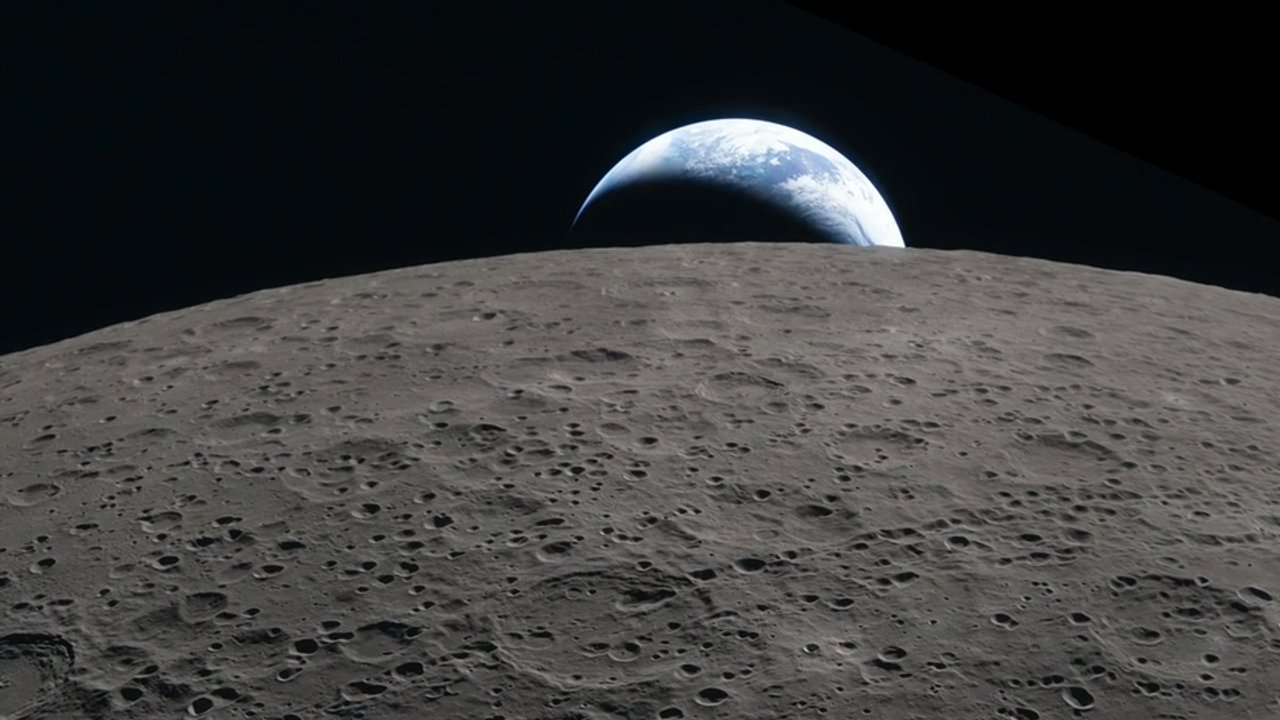
After a historic 10-day mission around the Moon — the first time humans have traveled so far into space since the 70s — the Artemis II crew came away with crucial knowledge: appreciate doors on bathrooms.
Commander Reid Wiseman dished on some other reflections about the trip. For example, the crew didn’t even realize what a big deal this was to people on Earth and didn’t hear much of the news until they talked to their families a few days into the mission. We suppose that’s what happens when you literally have your head in the clouds.
Not only was the journey unforgettable for science, but it was also personally significant for the crew members. One of the most powerful moments came when astronaut Jeremy Hansen named a lunar crater after Wiseman’s late wife, Carroll, a pivotal moment that solidified the crew’s bond.
But that bond wasn’t just to make things more fun — getting along in space is actually a matter of safety, and life inside a spacecraft requires serious teamwork. Think about sharing a room with a stinky sibling or living with a roommate who keeps eating your snacks. Now imagine that, in a room one-fifth the size and no way to escape! The astronauts lived, slept, and worked in extremely close quarters, so it was important to deal with disagreements immediately instead of letting tension build.
As exciting as it was to orbit the Moon, the return to Earth may have been just as intense. The crew re-entered the atmosphere at about 39 times the speed of sound. That’s about 30,000 miles per hour. They experienced forces of about four times normal gravity — about what you feel during the most intense parts of a roller coaster, but the astronauts felt this way for about 13 minutes. Nonstop! And that’s all before parachuting into the Pacific Ocean. All that probably makes it just a little more exhilarating than your bus ride to school.
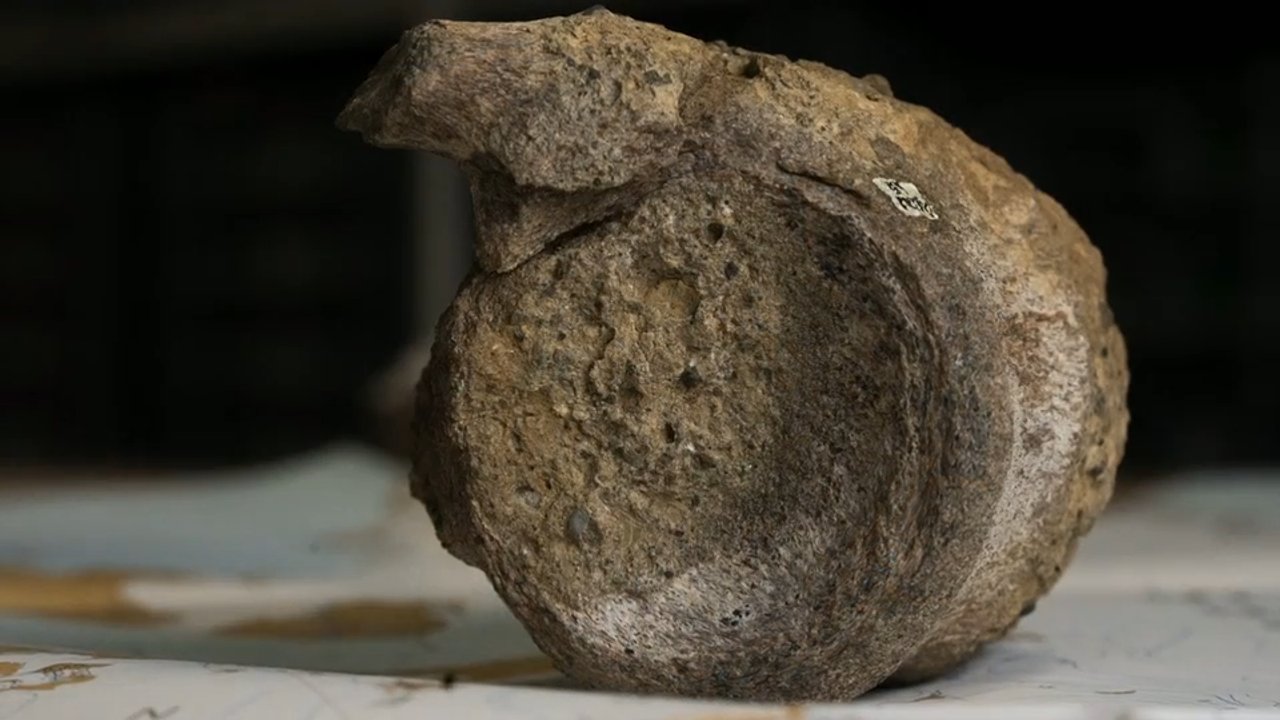
Sometimes a discovery doesn't happen in the field — it happens decades later, in a drawer.
In the 1980s, an Antarctic expedition recovered a fossil and recorded it simply as "vertebra of a large reptile" in a field notebook. That single line was all anyone knew about it for the next 40 years.
It wasn't until paleontologist Dr. Mark Evans revisited old research and notes that the fossil was properly identified — as the first dinosaur bone ever found in Antarctica. Its distinctive shape points to a Titanosaur, the largest dinosaur to ever walk the Earth.
The bone had been sitting in a collection the entire time. What changed wasn't the fossil — it was someone finally looking at it with the right knowledge asking the right questions.

Gung Hei Fat Choy!
Celebrate Lunar New Year with the BBC Learning Hub’s curated resources for students ages 4–14. Through videos, articles, and printables, students can explore the traditions, symbols, and stories that mark this important holiday. From family gatherings and festive foods to lanterns, lion dances, and the Chinese Zodiac, these resources help students understand how Lunar New Year is celebrated across cultures and communities around the world.
Get ready for hours of fun with Bluey and her friends! This collection of activity pages is packed with puzzles, coloring sheets, games, and creative challenges that bring the world of Bluey to life. Perfect for playtime or rainy days — let’s play!
In this activity, your students will watch captivating BBC videos from Andy’s Baby Animals and Go Jetters and then create their own Antarctic penguin character! They'll begin by learning about the coldest continent — Antarctica — and the penguins that live there. Then, students will be challenged to create their own penguin cartoon characters based on what they have learned about the characteristics and behavior of real penguins.
Why did the chicken cross the road? They probably just wanted an excuse to hang out with crossing guard, Brenda!
A town recently bid farewell to a local legend of a crossing guard, Brenda, who retired after 40 years of service. She was known as a "lollipop lady," but that's because of the shape of the stop sign crossing guards carry — not because she handed out candy. Still, by all accounts, Brenda was plenty sweet!
Although Brenda made the same journey nearly every day for four decades, her final day held one big surprise. Community members gathered to applaud her years of service and presented her with a certificate in recognition of everything she'd done.
Over the years, Brenda has broken up fights and even stepped between children and moving cars, so she's not easily shaken. But she was overwhelmed by the love and support shown at her retirement. Among those celebrating were current students, adults she had safely guided across the street as children, and, of course, her own family.
Embark on an epic adventure with this playlist all about the modern wonders of the world! Discover the secrets of the Great Pyramid of Giza, walk along the Great Wall of China, explore the ancient city of Petra, and uncover the mysteries of Machu Picchu. From the towering ruins of Chichén Itzá to the iconic Colosseum and the breathtaking beauty of the Taj Mahal, each video brings history to life and shows why these places are so incredible
In Rhino Poaching in Africa, naturalist Steve Backshall explains the impact that poachers are having on the endangered white rhinoceros. Poachers kill rhinos to sell their horns. This video is excerpted from BBC's Deadly 60, an award-winning nature and adventure show for kids in which narrator Steve Backshall has one mission: to travel the globe in search of 60 of the world's deadliest animals.
What can English language skills teach us about protecting wildlife? Head to the African savanna with Chester Zoo and discover the lives of the people working on the front lines of conservation. Start with a close-up look at a rhino, then explore real-life stories from rangers who protect animals and their habitats.
Read about the challenges rangers face and the incredible encounters they have, from tracking poachers and finding snares to caring for newborn animals and following the clues left behind by elephants. Along the way, you'll discover how vivid, descriptive language can help readers picture a place, understand an experience, and connect with the people and animals at the heart of a story.
Then it's your turn! Use the African savanna as inspiration to experiment with descriptive language, imagine what happens next, and create your own account of an encounter in the wild.
Don't miss the descriptive writing worksheets that go with this lesson!
Dementia patients come together for a train ride to Whitby complete with beautiful scenery, live music, and gentle massages. Caregivers also find community aboard this special train ride. This video is excerpted from BBC News.
Roblox has exploded into one of the most popular gaming platforms in the world, especially for kids ages 8–12. What started as a small company has grown into a massive online universe with more than 40 million user-created games and experiences — from obstacle courses and role-playing worlds to fashion shows and virtual adventures. In fact, Roblox now has more monthly users than Nintendo Switch and Sony PlayStation combined.
But with its huge popularity comes growing controversy. Critics say that because almost anyone can create a game on the platform, some content may not always be appropriate for younger users. That has raised questions from parents and safety experts about how well kids are protected online.
Roblox co-founder and CEO Dave Baszucki says the company takes safety seriously and has “no tolerance” for inappropriate content. The platform has introduced new protections, including limits on messaging for users under 13. Still, reports show that some kids can sometimes find ways around age restrictions, which keeps the debate going.
Baszucki also says millions of users are having positive, creative experiences on Roblox every day — and reminds parents that they ultimately decide whether it’s the right platform for their children.
What happens when you mix theatre with soccer, or football as they call in the UK? You get a play that turns women’s soccer into a live story of grit, pressure, and ambition — no stadium required. This new production brings the energy of the game to the stage, spotlighting the real experiences of female athletes in sport.
The story doesn’t shy away from reality. Women footballers around the world have faced uneven playing conditions, from ill-fitting men’s kits to poorly maintained pitches and training setups that simply weren’t built with them in mind. Even small things — like long walks between facilities or limited access to resources — add up and shape the experience of being a professional athlete.
What makes the play feel especially authentic is the lead actor, who actually played semi-pro football before moving into acting. That real-life experience gives the performance extra edge, blending sport and storytelling in a way that feels lived-in, not just acted.
At its core, the production is about more than football. It’s about visibility, opportunity, and challenging the idea of who gets to have a future in sport — and who gets to be seen on stage telling that story.
After a historic 10-day mission around the Moon — the first time humans have traveled so far into space since the 70s — the Artemis II crew came away with crucial knowledge: appreciate doors on bathrooms.
Commander Reid Wiseman dished on some other reflections about the trip. For example, the crew didn’t even realize what a big deal this was to people on Earth and didn’t hear much of the news until they talked to their families a few days into the mission. We suppose that’s what happens when you literally have your head in the clouds.
Not only was the journey unforgettable for science, but it was also personally significant for the crew members. One of the most powerful moments came when astronaut Jeremy Hansen named a lunar crater after Wiseman’s late wife, Carroll, a pivotal moment that solidified the crew’s bond.
But that bond wasn’t just to make things more fun — getting along in space is actually a matter of safety, and life inside a spacecraft requires serious teamwork. Think about sharing a room with a stinky sibling or living with a roommate who keeps eating your snacks. Now imagine that, in a room one-fifth the size and no way to escape! The astronauts lived, slept, and worked in extremely close quarters, so it was important to deal with disagreements immediately instead of letting tension build.
As exciting as it was to orbit the Moon, the return to Earth may have been just as intense. The crew re-entered the atmosphere at about 39 times the speed of sound. That’s about 30,000 miles per hour. They experienced forces of about four times normal gravity — about what you feel during the most intense parts of a roller coaster, but the astronauts felt this way for about 13 minutes. Nonstop! And that’s all before parachuting into the Pacific Ocean. All that probably makes it just a little more exhilarating than your bus ride to school.
Sometimes a discovery doesn't happen in the field — it happens decades later, in a drawer.
In the 1980s, an Antarctic expedition recovered a fossil and recorded it simply as "vertebra of a large reptile" in a field notebook. That single line was all anyone knew about it for the next 40 years.
It wasn't until paleontologist Dr. Mark Evans revisited old research and notes that the fossil was properly identified — as the first dinosaur bone ever found in Antarctica. Its distinctive shape points to a Titanosaur, the largest dinosaur to ever walk the Earth.
The bone had been sitting in a collection the entire time. What changed wasn't the fossil — it was someone finally looking at it with the right knowledge asking the right questions.
Gung Hei Fat Choy!
Celebrate Lunar New Year with the BBC Learning Hub’s curated resources for students ages 4–14. Through videos, articles, and printables, students can explore the traditions, symbols, and stories that mark this important holiday. From family gatherings and festive foods to lanterns, lion dances, and the Chinese Zodiac, these resources help students understand how Lunar New Year is celebrated across cultures and communities around the world.