Explore the impact of human activity on our oceans with this comprehensive lesson collection. Featuring curated BBC video clips and printable activities, these resources dive into topics like pollution, overfishing, and ocean habitats, helping students understand the challenges facing ocean life and inspiring them to become ocean conservation advocates!
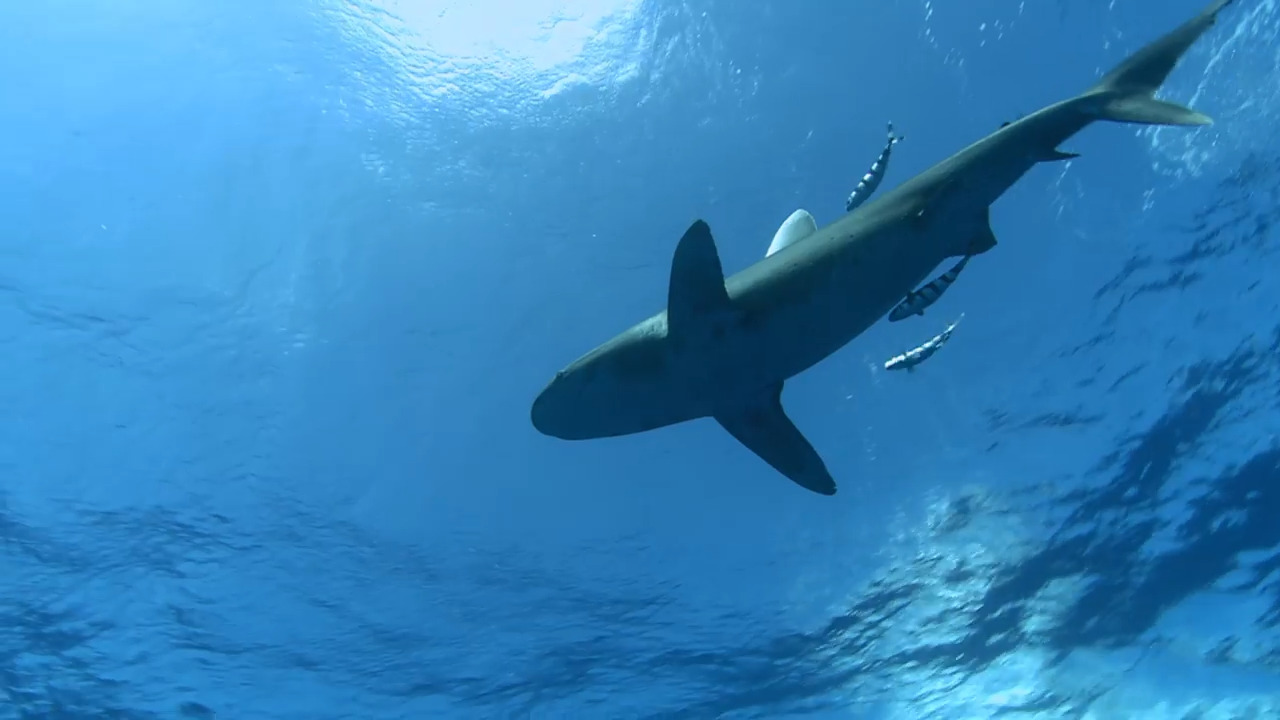
In The Ocean's Patient Predators, narrator Sir David Attenborough highlights the behavior of ocean predators like manta rays and whitetip sharks, and their prey. These predators navigate the vast ocean, using senses like taste to locate food. Smaller fish, like pilot fish, benefit from the shark's hunting efforts. Even predators face challenges when hunting swift and agile prey, such as rainbow runners. This video is excerpted from BBC’s Planet Earth, a breathtaking documentary series that highlights the natural wonders of our planet.
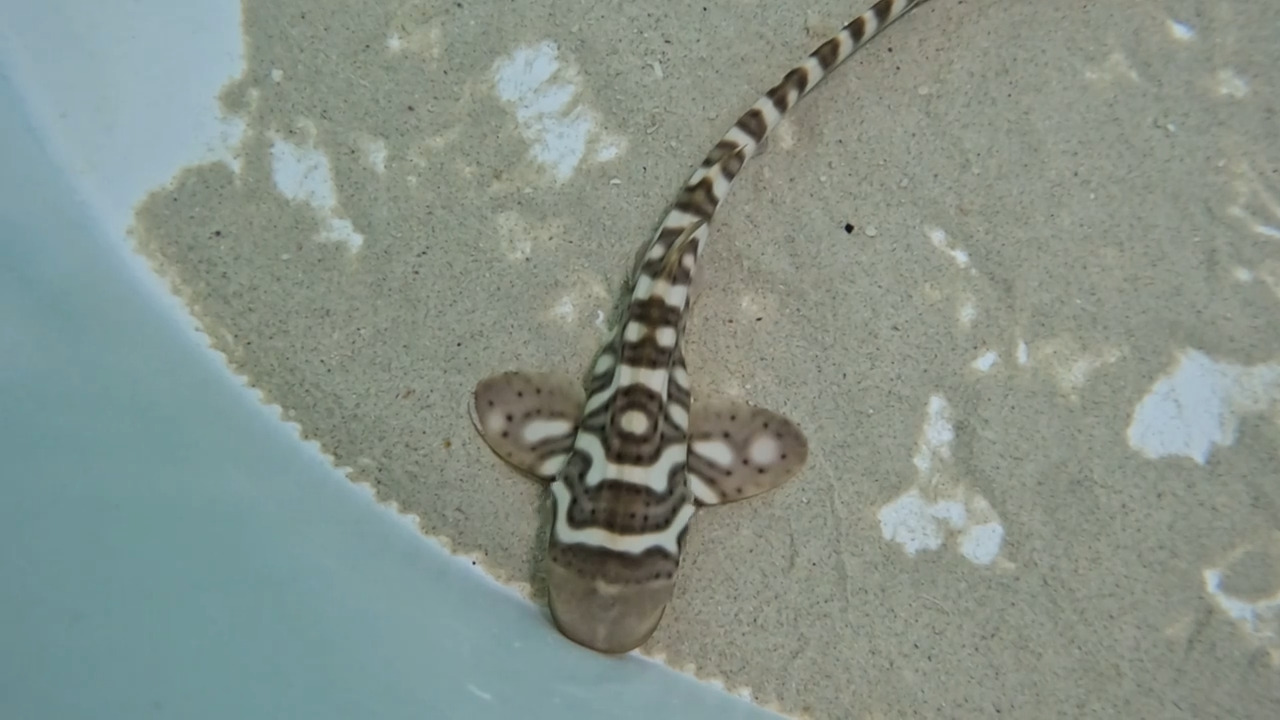
In Resharking the Oceans, host Simon Reeve learns about the struggles sharks face due to overfishing, with millions killed each year. Sharks in Raja Ampat were on the brink of extinction, but thanks to the area’s now protected status, their numbers have increased 25 times. Simon also discovers "resharking," a conservation effort to repopulate the oceans with sharks. This initiative not only helps save sharks but also creates jobs for the local community. This video is excerpted from BBC’s Wilderness With Simon Reeve, an epic adventure into the heart of Earth’s last great wild areas, where nature is at its most beautiful and fragile.
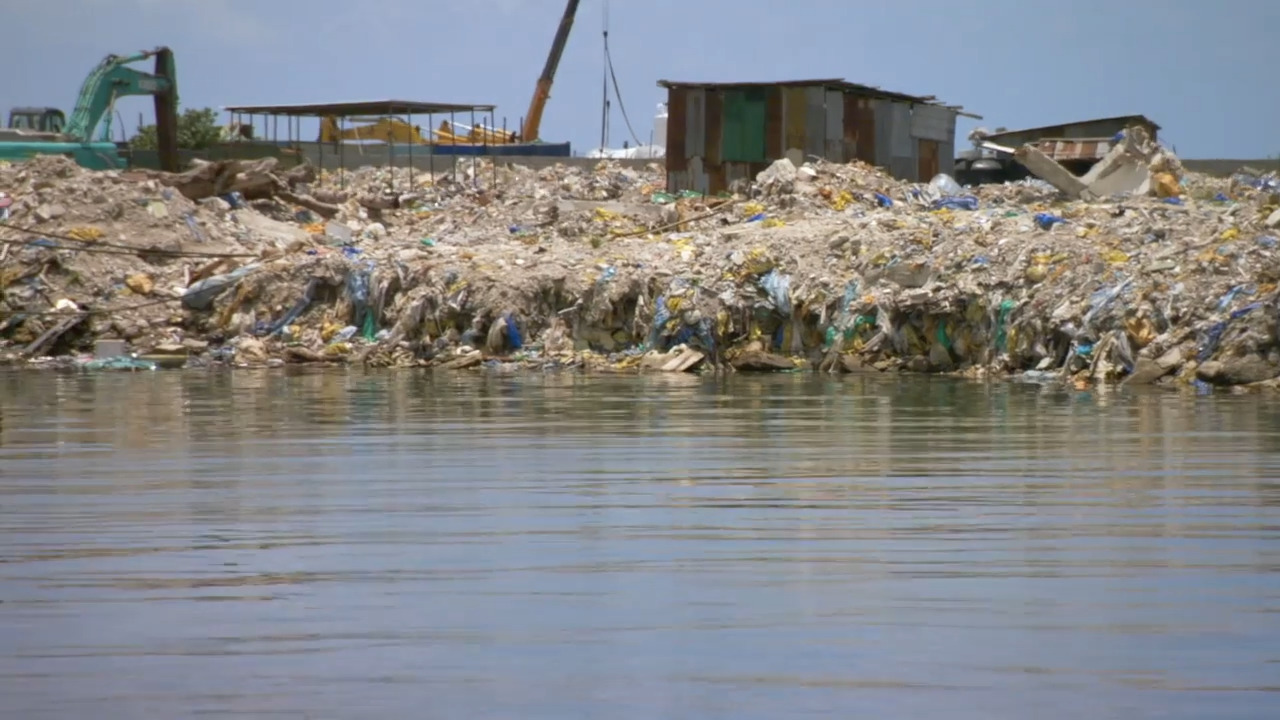
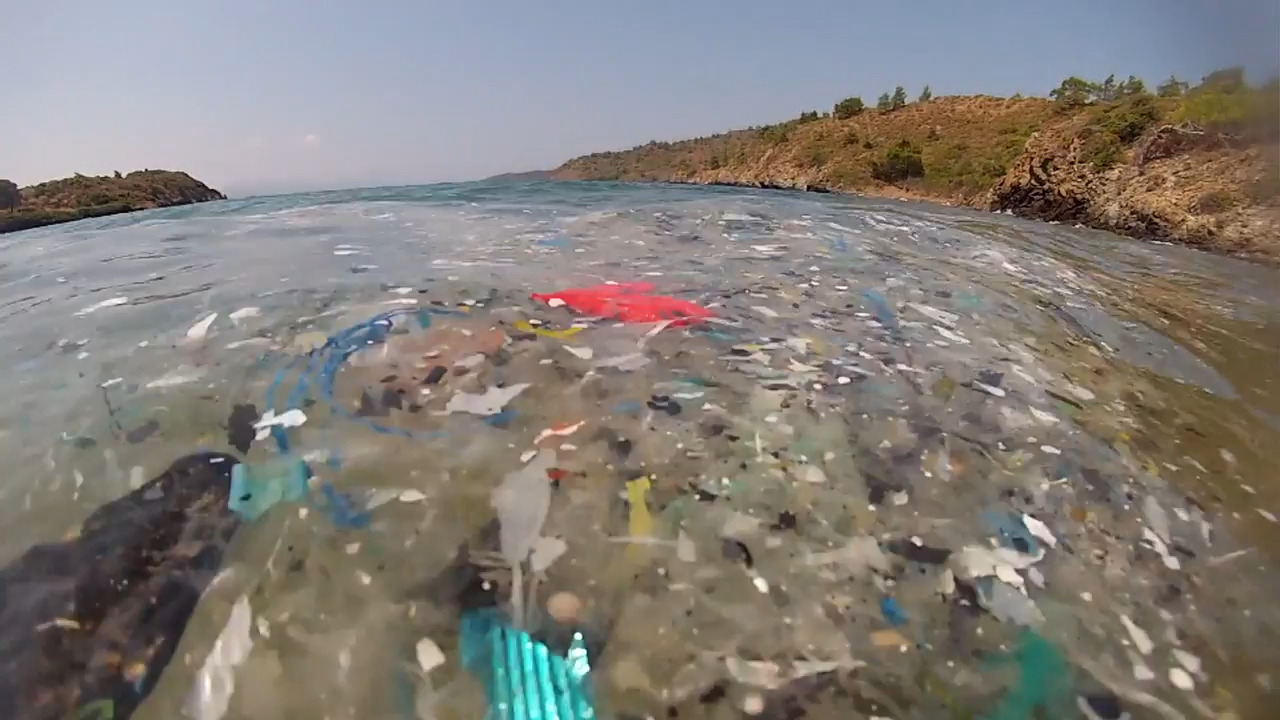
In Plastic Pollution in the Oceans Is a Growing Crisis, host Simon Reeve encounters the devastating effects of the plastic trash that is overwhelming islands like the Maldives and Hawaii. This video is excerpted from BBC's Incredible Journeys With Simon Reeve, a series that highlights one journalist’s travels across the globe and the diverse cultures and peoples he meets along the way.
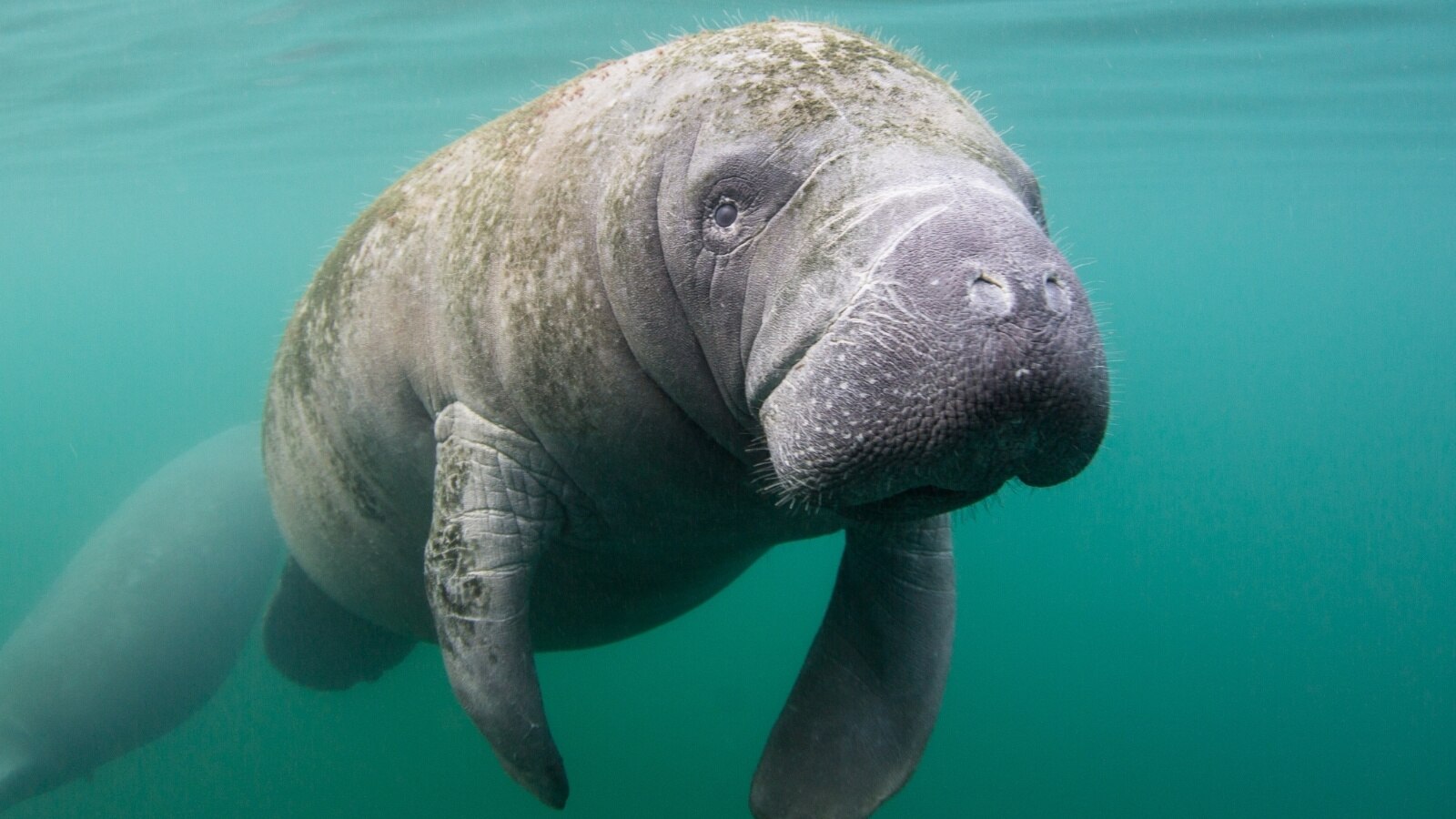
The article "Manatees: Gentle Sea Cows of Rivers and Oceans" from BBC's Discover Wildlife is a guide to these slow-moving aquatic mammals. It explains the different types of manatees, their habitats, diet, size, and how they reproduce. It also highlights the threats they face and the conservation efforts underway to protect them from extinction.
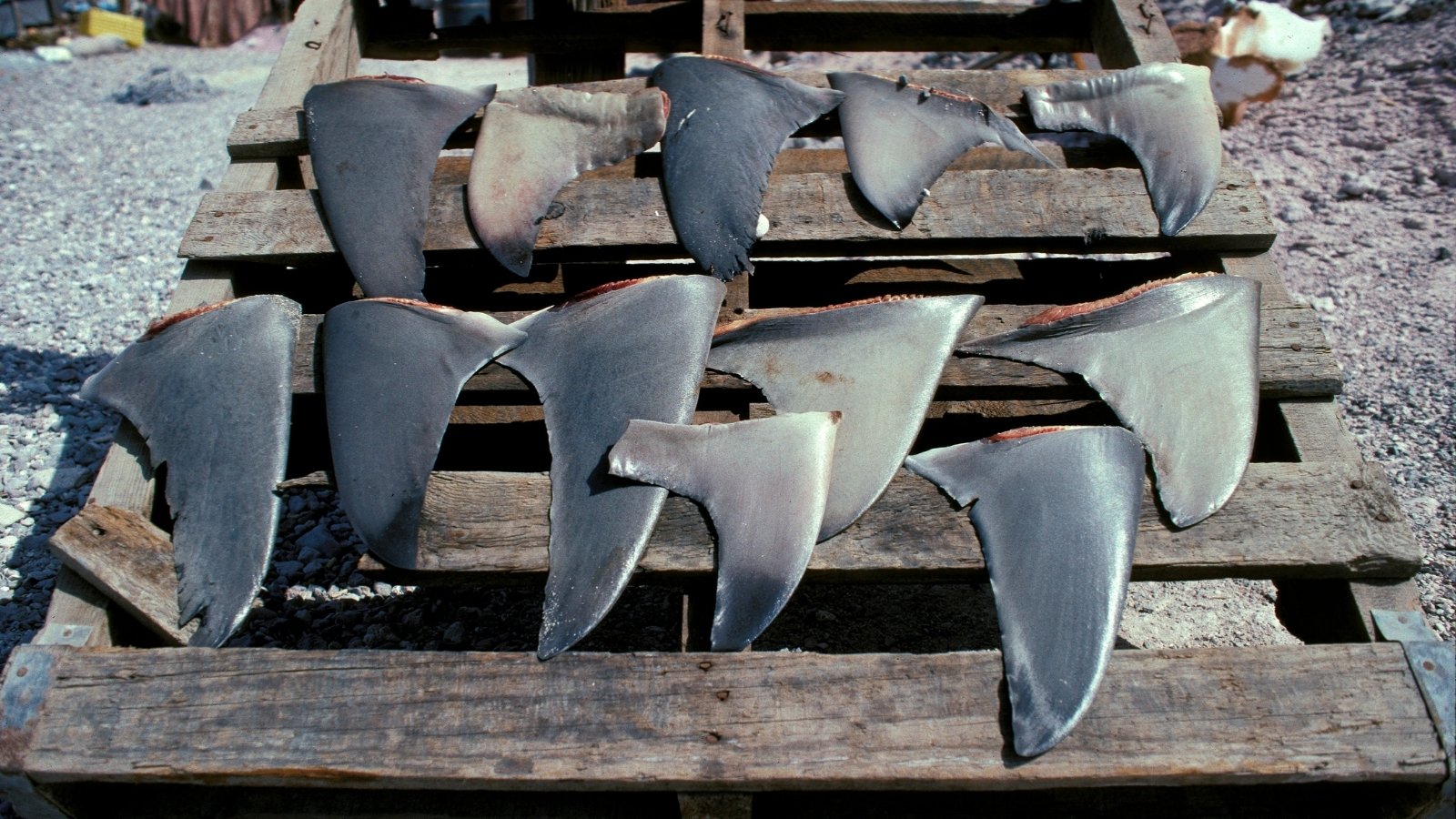
The article "The Dangers of Shark Finning: Why It’s Harmful to Sharks and the Oceans" from BBC's Discover Wildlife discusses the severe impact of shark finning, a practice where sharks are killed for their fins and used in shark fin soup. The demand for this luxury dish, mostly in China, is rapidly growing, pushing many shark species to the brink of extinction.
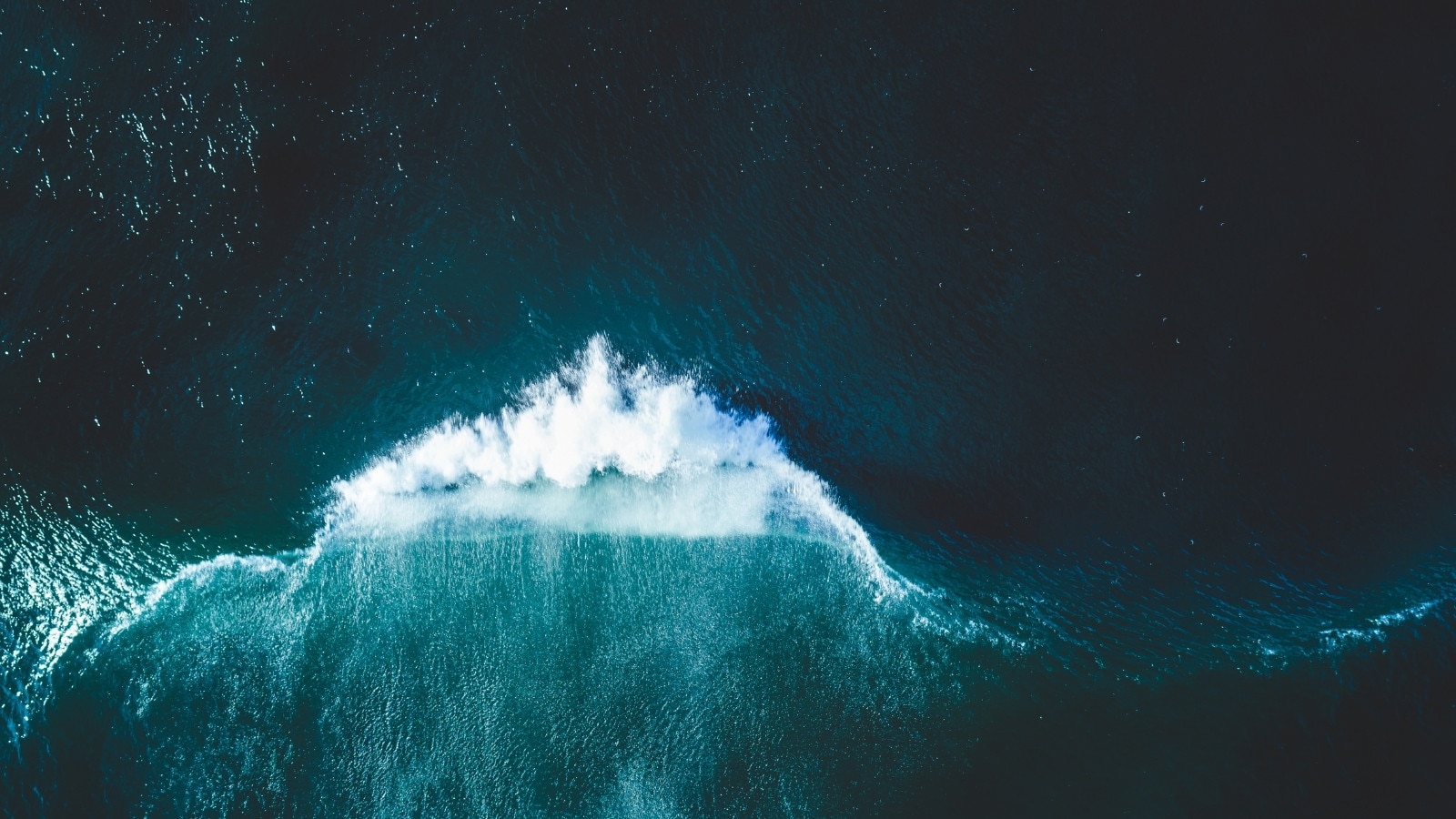
The article "Is It True That the Pacific and Atlantic Oceans Don’t Mix?" from BBC's Science Focus debunks the viral myth that these two oceans remain separate. It explains how their waters do mix due to ocean currents and salinity differences.
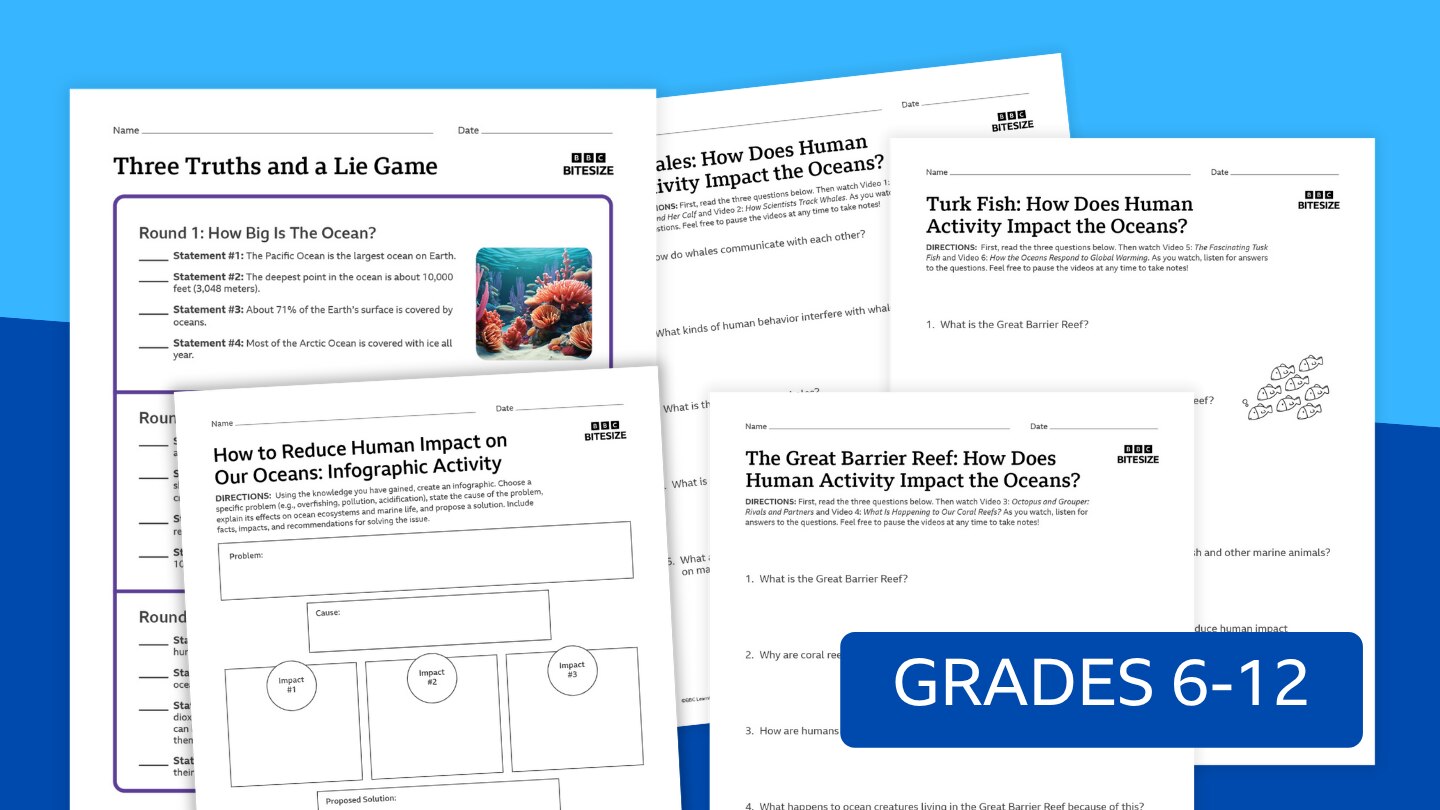
Play Three Truths and a Lie about oceans and answer questions about human impact on whales, tusk fish, and the Great Barrier Reef. Plus, complete an infographic activity on how to reduce human impact on our oceans.

In this lesson, students will collaborate to understand how marine life is affected by human actions. The Dive into this engaging lesson where your students will uncover how human actions affect marine life. Kick things off with a fun game of Three Truths and a Lie about the ocean to spark curiosity and get everyone talking. Then, break into small groups and tackle a jigsaw activity as students watch short, thought-provoking videos about ocean animals and human impact. Together, they’ll share insights, tackle discussion questions, and use their newfound knowledge to create eye-catching infographics. These creations will inspire others to take action and protect our incredible oceans!


Explore the impact of human activity on our oceans with this comprehensive lesson collection. Featuring curated BBC video clips and printable activities, these resources dive into topics like pollution, overfishing, and ocean habitats, helping students understand the challenges facing ocean life and inspiring them to become ocean conservation advocates!
In The Ocean's Patient Predators, narrator Sir David Attenborough highlights the behavior of ocean predators like manta rays and whitetip sharks, and their prey. These predators navigate the vast ocean, using senses like taste to locate food. Smaller fish, like pilot fish, benefit from the shark's hunting efforts. Even predators face challenges when hunting swift and agile prey, such as rainbow runners. This video is excerpted from BBC’s Planet Earth, a breathtaking documentary series that highlights the natural wonders of our planet.
In Resharking the Oceans, host Simon Reeve learns about the struggles sharks face due to overfishing, with millions killed each year. Sharks in Raja Ampat were on the brink of extinction, but thanks to the area’s now protected status, their numbers have increased 25 times. Simon also discovers "resharking," a conservation effort to repopulate the oceans with sharks. This initiative not only helps save sharks but also creates jobs for the local community. This video is excerpted from BBC’s Wilderness With Simon Reeve, an epic adventure into the heart of Earth’s last great wild areas, where nature is at its most beautiful and fragile.
In Plastic Pollution in the Oceans Is a Growing Crisis, host Simon Reeve encounters the devastating effects of the plastic trash that is overwhelming islands like the Maldives and Hawaii. This video is excerpted from BBC's Incredible Journeys With Simon Reeve, a series that highlights one journalist’s travels across the globe and the diverse cultures and peoples he meets along the way.
The article "Manatees: Gentle Sea Cows of Rivers and Oceans" from BBC's Discover Wildlife is a guide to these slow-moving aquatic mammals. It explains the different types of manatees, their habitats, diet, size, and how they reproduce. It also highlights the threats they face and the conservation efforts underway to protect them from extinction.
The article "The Dangers of Shark Finning: Why It’s Harmful to Sharks and the Oceans" from BBC's Discover Wildlife discusses the severe impact of shark finning, a practice where sharks are killed for their fins and used in shark fin soup. The demand for this luxury dish, mostly in China, is rapidly growing, pushing many shark species to the brink of extinction.
The article "Is It True That the Pacific and Atlantic Oceans Don’t Mix?" from BBC's Science Focus debunks the viral myth that these two oceans remain separate. It explains how their waters do mix due to ocean currents and salinity differences.
Play Three Truths and a Lie about oceans and answer questions about human impact on whales, tusk fish, and the Great Barrier Reef. Plus, complete an infographic activity on how to reduce human impact on our oceans.
In this lesson, students will collaborate to understand how marine life is affected by human actions. The Dive into this engaging lesson where your students will uncover how human actions affect marine life. Kick things off with a fun game of Three Truths and a Lie about the ocean to spark curiosity and get everyone talking. Then, break into small groups and tackle a jigsaw activity as students watch short, thought-provoking videos about ocean animals and human impact. Together, they’ll share insights, tackle discussion questions, and use their newfound knowledge to create eye-catching infographics. These creations will inspire others to take action and protect our incredible oceans!