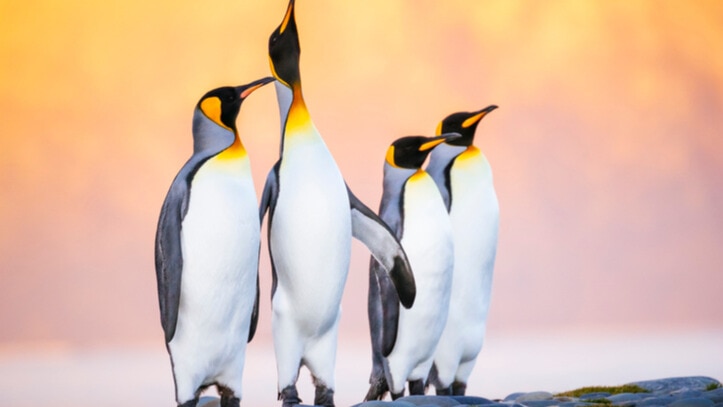
In this activity, your students will watch captivating BBC videos from Andy’s Baby Animals and Go Jetters and then create their own Antarctic penguin character! They'll begin by learning about the coldest continent — Antarctica — and the penguins that live there. Then, students will be challenged to create their own penguin cartoon characters based on what they have learned about the characteristics and behavior of real penguins.
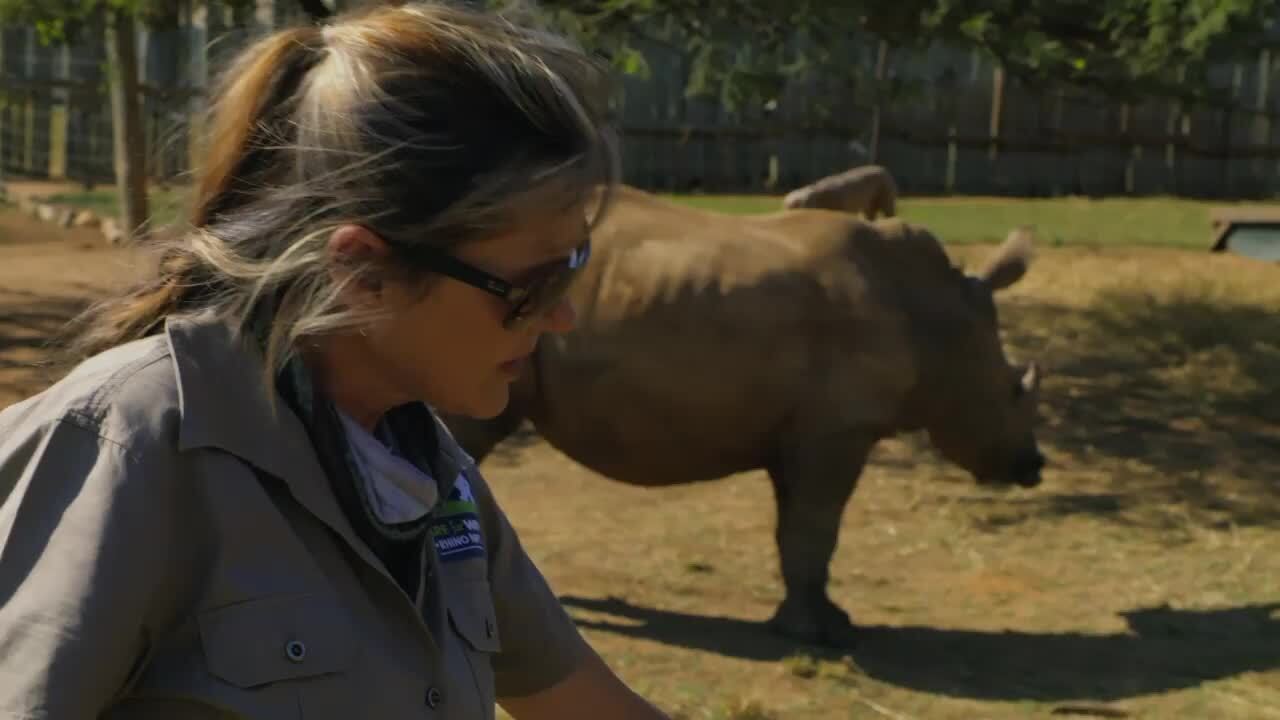
In Rhino Poaching in Africa, naturalist Steve Backshall explains the impact that poachers are having on the endangered white rhinoceros. Poachers kill rhinos to sell their horns. This video is excerpted from BBC's Deadly 60, an award-winning nature and adventure show for kids in which narrator Steve Backshall has one mission: to travel the globe in search of 60 of the world's deadliest animals.

Roblox has exploded into one of the most popular gaming platforms in the world, especially for kids ages 8–12. What started as a small company has grown into a massive online universe with more than 40 million user-created games and experiences — from obstacle courses and role-playing worlds to fashion shows and virtual adventures. In fact, Roblox now has more monthly users than Nintendo Switch and Sony PlayStation combined.
But with its huge popularity comes growing controversy. Critics say that because almost anyone can create a game on the platform, some content may not always be appropriate for younger users. That has raised questions from parents and safety experts about how well kids are protected online.
Roblox co-founder and CEO Dave Baszucki says the company takes safety seriously and has “no tolerance” for inappropriate content. The platform has introduced new protections, including limits on messaging for users under 13. Still, reports show that some kids can sometimes find ways around age restrictions, which keeps the debate going.
Baszucki also says millions of users are having positive, creative experiences on Roblox every day — and reminds parents that they ultimately decide whether it’s the right platform for their children.
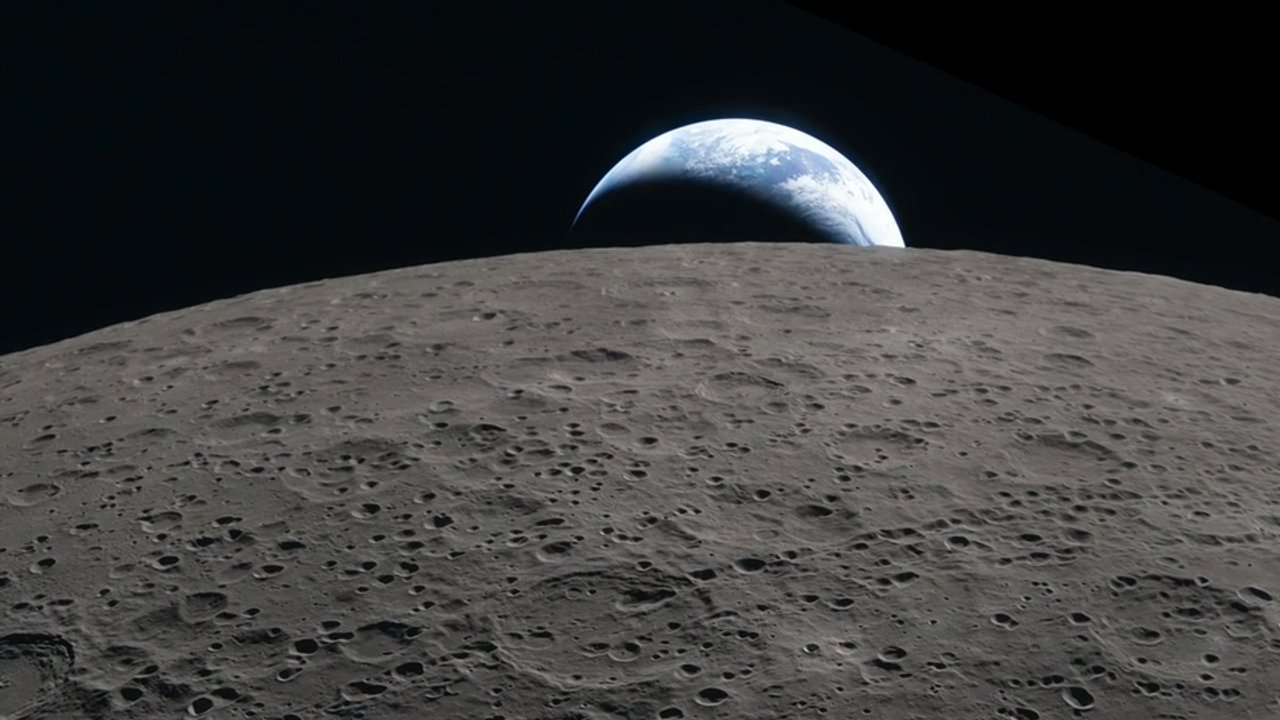
After a historic 10-day mission around the Moon — the first time humans have traveled so far into space since the 70s — the Artemis II crew came away with crucial knowledge: appreciate doors on bathrooms.
Commander Reid Wiseman dished on some other reflections about the trip. For example, the crew didn’t even realize what a big deal this was to people on Earth and didn’t hear much of the news until they talked to their families a few days into the mission. We suppose that’s what happens when you literally have your head in the clouds.
Not only was the journey unforgettable for science, but it was also personally significant for the crew members. One of the most powerful moments came when astronaut Jeremy Hansen named a lunar crater after Wiseman’s late wife, Carroll, a pivotal moment that solidified the crew’s bond.
But that bond wasn’t just to make things more fun — getting along in space is actually a matter of safety, and life inside a spacecraft requires serious teamwork. Think about sharing a room with a stinky sibling or living with a roommate who keeps eating your snacks. Now imagine that, in a room one-fifth the size and no way to escape! The astronauts lived, slept, and worked in extremely close quarters, so it was important to deal with disagreements immediately instead of letting tension build.
As exciting as it was to orbit the Moon, the return to Earth may have been just as intense. The crew re-entered the atmosphere at about 39 times the speed of sound. That’s about 30,000 miles per hour. They experienced forces of about four times normal gravity — about what you feel during the most intense parts of a roller coaster, but the astronauts felt this way for about 13 minutes. Nonstop! And that’s all before parachuting into the Pacific Ocean. All that probably makes it just a little more exhilarating than your bus ride to school.
Sometimes a discovery doesn't happen in the field — it happens decades later, in a drawer.
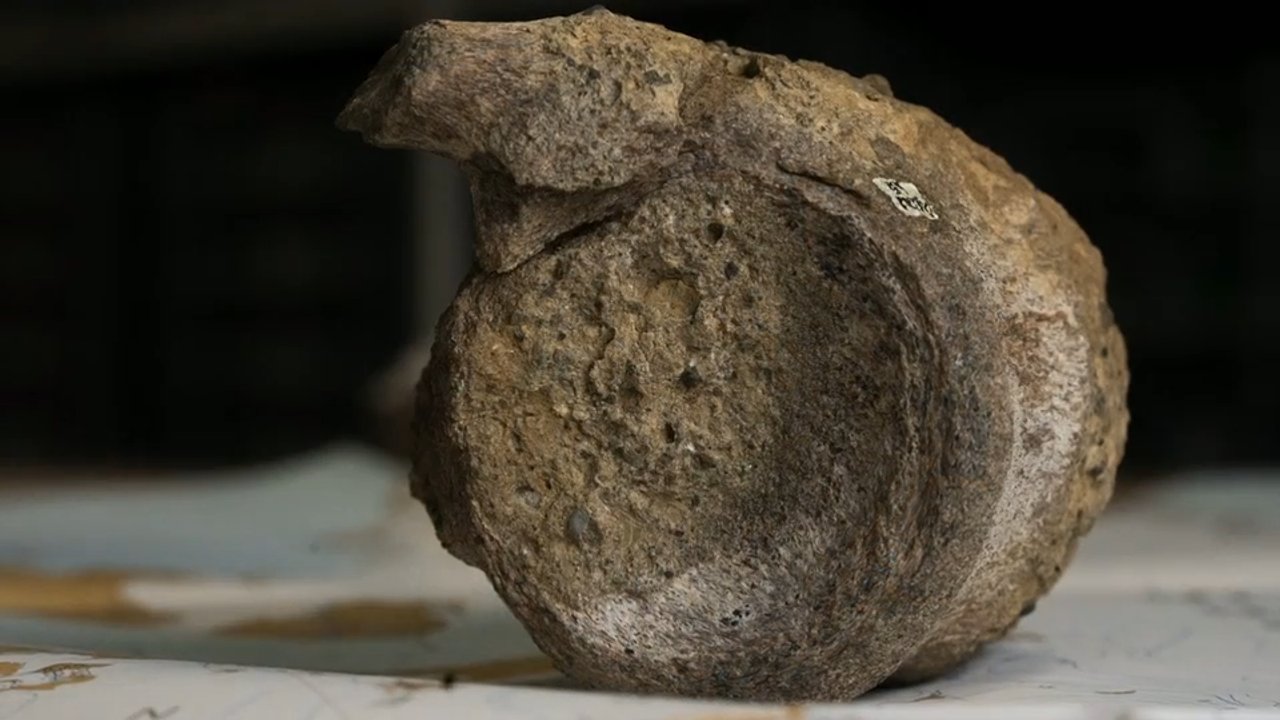
In the 1980s, an Antarctic expedition recovered a fossil and recorded it simply as "vertebra of a large reptile" in a field notebook. That single line was all anyone knew about it for the next 40 years.
It wasn't until paleontologist Dr. Mark Evans revisited old research and notes that the fossil was properly identified — as the first dinosaur bone ever found in Antarctica. Its distinctive shape points to a Titanosaur, the largest dinosaur to ever walk the Earth.
The bone had been sitting in a collection the entire time. What changed wasn't the fossil — it was someone finally looking at it with the right knowledge asking the right questions.
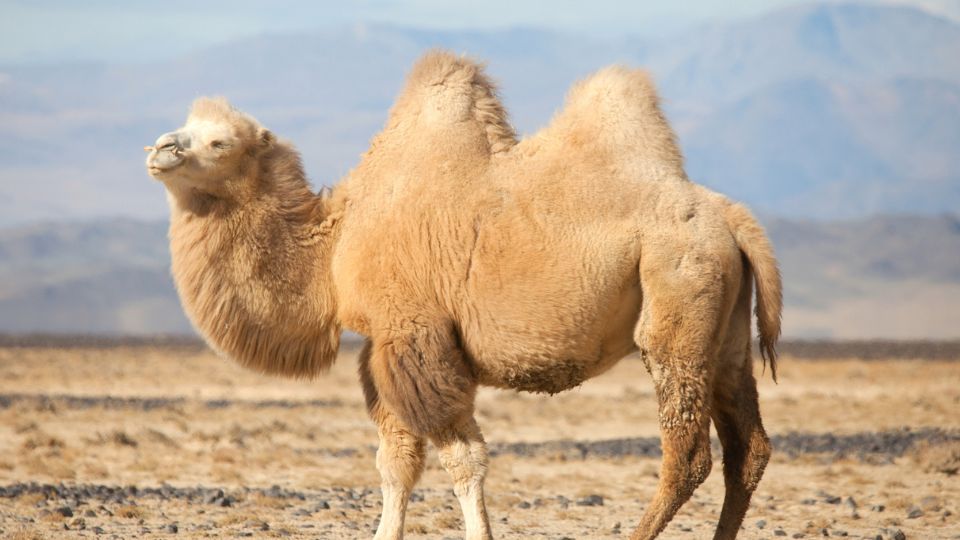
Get ready to step into one of the toughest places on Earth! First watch The Animals of The Gobi Desert, a short clip from the award-winning BBC series Planet Earth. Sir David Attenborough takes you deep into the Gobi Desert, where summers scorch at 122°F and winters freeze at –40°F. You’ll meet the incredible Bactrian camels who survive here by slurping water straight from snow — yes, snow — in the desert!
Once your students have watched the video, invite them to check for understanding with this quick, 8-question quiz!
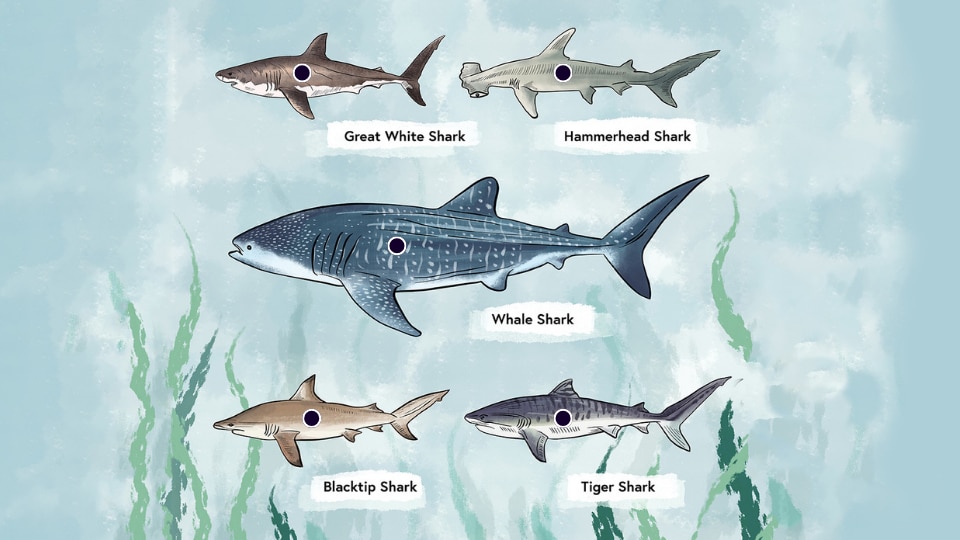
Meet the Sharks is an interactive adventure that lets you explore some of the ocean's most incredible shark species: the great white, hammerhead, whale, blacktip, and tiger shark.
Click on each illustrated shark to watch an exciting educational video from state-of-the-art BBC productions like Blue Planet and Deadly 60. Then click on each shark's name to uncover a fun fact about what makes that species unique — from extraordinary senses to surprising behaviors to mind-blowing adaptations.
Whether you're meeting these amazing fish (that's right — sharks are fish!) for the first time or already know a thing or two about sharks, this interactive experience is a fun way to discover how each species has adapted to life in the ocean. Dive in, explore, and see which shark becomes your favorite!

There's no place like the Gobi. First watch The Formation of The Gobi Desert, a short clip from the award-winning BBC series Planet Earth. Sir David Attenborough explains the origins of this singular place on the planet. Its lack of green coverage means it's actually visible from space!
Once your students have watched the video, invite them to check for understanding with this quick, 8-question quiz!
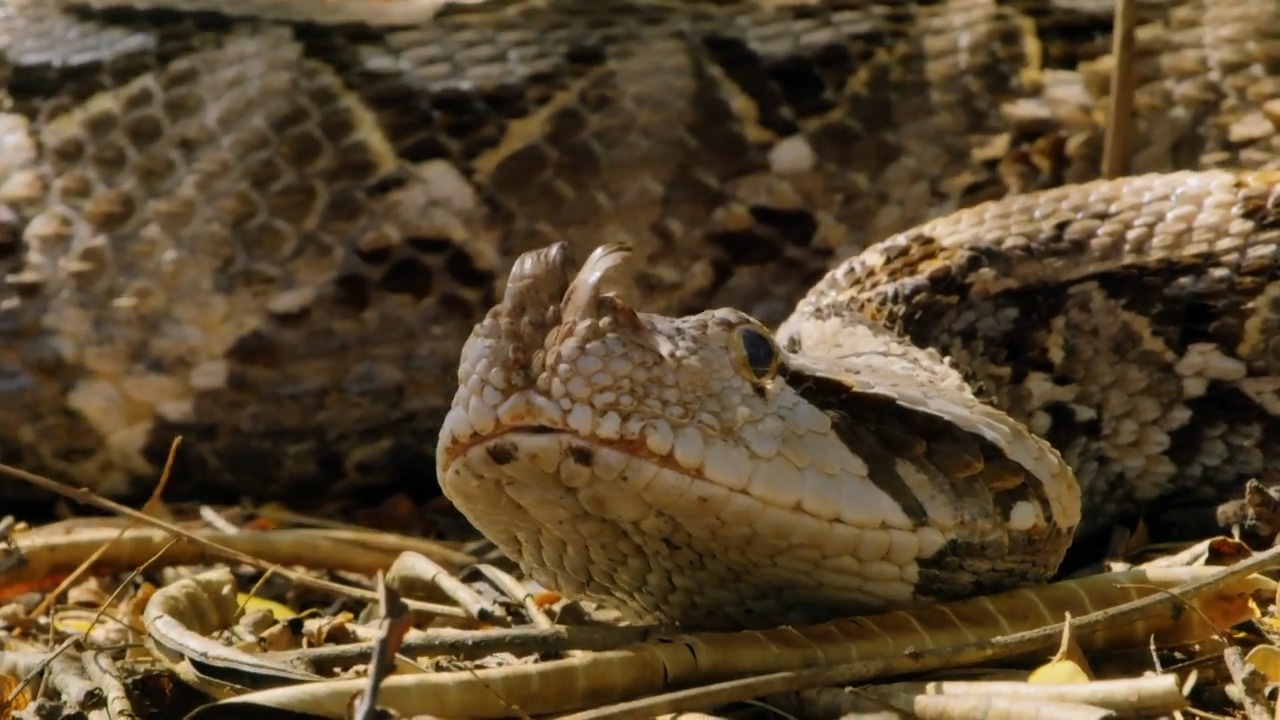
In The Deadly Gaboon Viper, naturalist Steve Backshall visits Reptile Rescue Center to meet Don, a snake expert. They examine the Gaboon viper’s jaws and long venomous fangs. This video is excerpted from BBC's Deadly 60, an award-winning nature and adventure show for kids in which narrator Steve Backshall has one mission: to travel the globe in search of 60 of the world's deadliest animals.

Explore the impact of human activity on our oceans with this comprehensive lesson collection. Featuring curated BBC video clips and printable activities, these resources dive into topics like pollution, overfishing, and ocean habitats, helping students understand the challenges facing ocean life and inspiring them to become ocean conservation advocates!
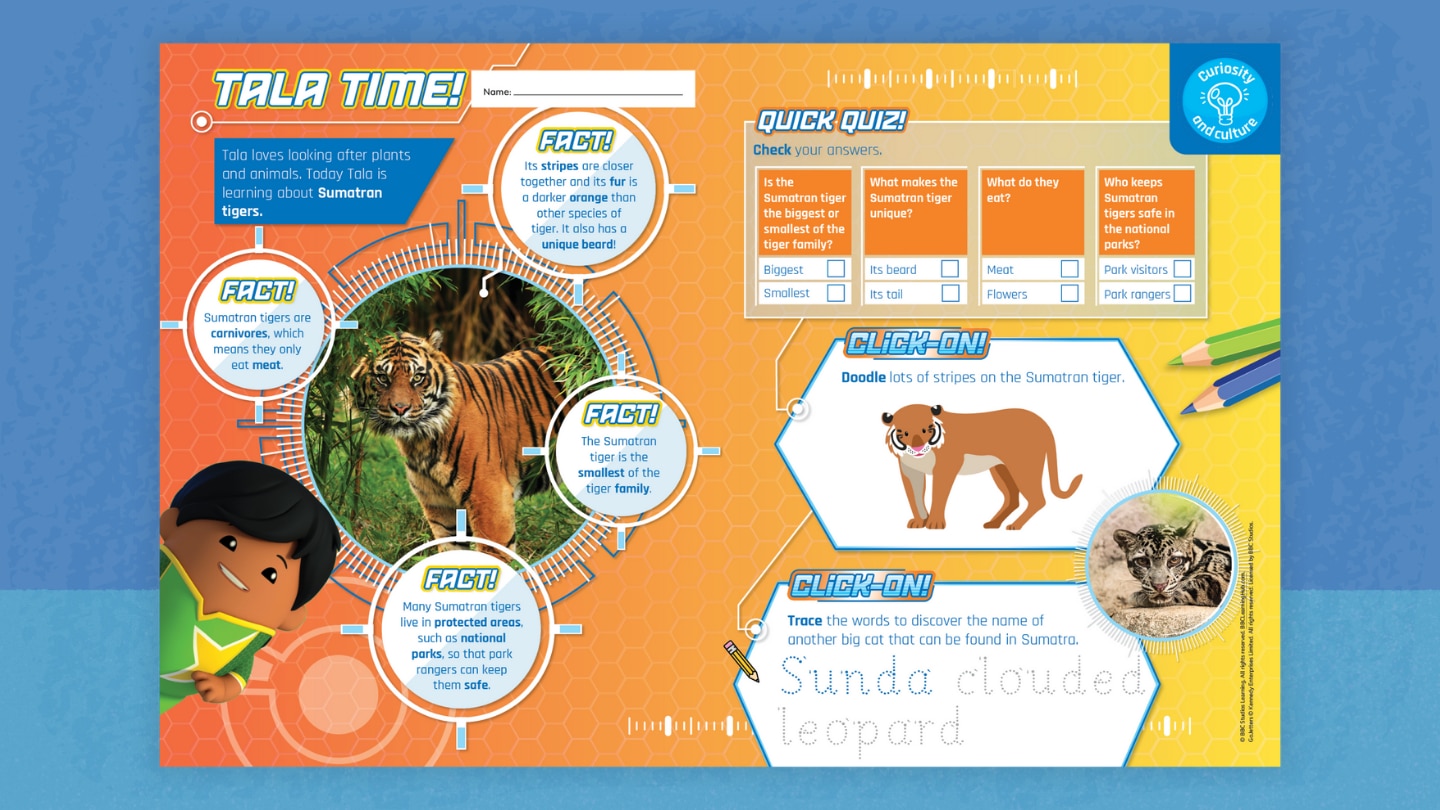
Join Tala and the Go Jetters to discover amazing facts about Sumatran tigers! In this interactive worksheet, you'll:
- Explore what makes these tigers unique, what they eat, and how they survive in protected areas.
- Complete a quick quiz.
- Doodle stripes on a tiger.
- Trace the name of another big cat found in Sumatra.
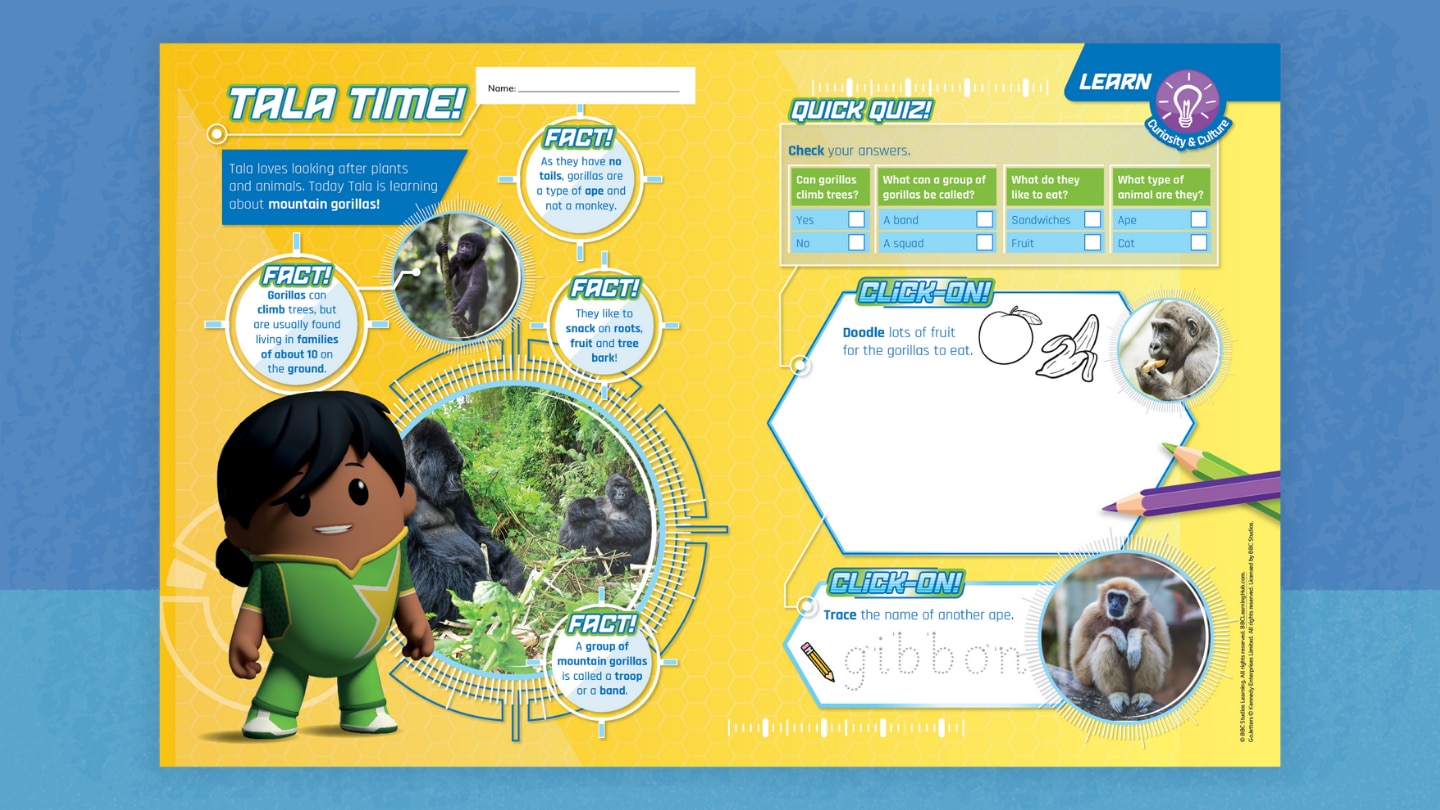
Join Tala and the Go Jetters to discover fascinating facts about mountain gorillas! In this fun worksheet, you'll:
- Explore what gorillas eat, how they live, and what makes them unique.
- Complete a quick quiz.
- Doodle fruit for the gorillas
- Trace the name of another ape — the gibbon!
In this activity, your students will watch captivating BBC videos from Andy’s Baby Animals and Go Jetters and then create their own Antarctic penguin character! They'll begin by learning about the coldest continent — Antarctica — and the penguins that live there. Then, students will be challenged to create their own penguin cartoon characters based on what they have learned about the characteristics and behavior of real penguins.
In Rhino Poaching in Africa, naturalist Steve Backshall explains the impact that poachers are having on the endangered white rhinoceros. Poachers kill rhinos to sell their horns. This video is excerpted from BBC's Deadly 60, an award-winning nature and adventure show for kids in which narrator Steve Backshall has one mission: to travel the globe in search of 60 of the world's deadliest animals.
Roblox has exploded into one of the most popular gaming platforms in the world, especially for kids ages 8–12. What started as a small company has grown into a massive online universe with more than 40 million user-created games and experiences — from obstacle courses and role-playing worlds to fashion shows and virtual adventures. In fact, Roblox now has more monthly users than Nintendo Switch and Sony PlayStation combined.
But with its huge popularity comes growing controversy. Critics say that because almost anyone can create a game on the platform, some content may not always be appropriate for younger users. That has raised questions from parents and safety experts about how well kids are protected online.
Roblox co-founder and CEO Dave Baszucki says the company takes safety seriously and has “no tolerance” for inappropriate content. The platform has introduced new protections, including limits on messaging for users under 13. Still, reports show that some kids can sometimes find ways around age restrictions, which keeps the debate going.
Baszucki also says millions of users are having positive, creative experiences on Roblox every day — and reminds parents that they ultimately decide whether it’s the right platform for their children.
After a historic 10-day mission around the Moon — the first time humans have traveled so far into space since the 70s — the Artemis II crew came away with crucial knowledge: appreciate doors on bathrooms.
Commander Reid Wiseman dished on some other reflections about the trip. For example, the crew didn’t even realize what a big deal this was to people on Earth and didn’t hear much of the news until they talked to their families a few days into the mission. We suppose that’s what happens when you literally have your head in the clouds.
Not only was the journey unforgettable for science, but it was also personally significant for the crew members. One of the most powerful moments came when astronaut Jeremy Hansen named a lunar crater after Wiseman’s late wife, Carroll, a pivotal moment that solidified the crew’s bond.
But that bond wasn’t just to make things more fun — getting along in space is actually a matter of safety, and life inside a spacecraft requires serious teamwork. Think about sharing a room with a stinky sibling or living with a roommate who keeps eating your snacks. Now imagine that, in a room one-fifth the size and no way to escape! The astronauts lived, slept, and worked in extremely close quarters, so it was important to deal with disagreements immediately instead of letting tension build.
As exciting as it was to orbit the Moon, the return to Earth may have been just as intense. The crew re-entered the atmosphere at about 39 times the speed of sound. That’s about 30,000 miles per hour. They experienced forces of about four times normal gravity — about what you feel during the most intense parts of a roller coaster, but the astronauts felt this way for about 13 minutes. Nonstop! And that’s all before parachuting into the Pacific Ocean. All that probably makes it just a little more exhilarating than your bus ride to school.
Sometimes a discovery doesn't happen in the field — it happens decades later, in a drawer.
In the 1980s, an Antarctic expedition recovered a fossil and recorded it simply as "vertebra of a large reptile" in a field notebook. That single line was all anyone knew about it for the next 40 years.
It wasn't until paleontologist Dr. Mark Evans revisited old research and notes that the fossil was properly identified — as the first dinosaur bone ever found in Antarctica. Its distinctive shape points to a Titanosaur, the largest dinosaur to ever walk the Earth.
The bone had been sitting in a collection the entire time. What changed wasn't the fossil — it was someone finally looking at it with the right knowledge asking the right questions.
Get ready to step into one of the toughest places on Earth! First watch The Animals of The Gobi Desert, a short clip from the award-winning BBC series Planet Earth. Sir David Attenborough takes you deep into the Gobi Desert, where summers scorch at 122°F and winters freeze at –40°F. You’ll meet the incredible Bactrian camels who survive here by slurping water straight from snow — yes, snow — in the desert!
Once your students have watched the video, invite them to check for understanding with this quick, 8-question quiz!
Meet the Sharks is an interactive adventure that lets you explore some of the ocean's most incredible shark species: the great white, hammerhead, whale, blacktip, and tiger shark.
Click on each illustrated shark to watch an exciting educational video from state-of-the-art BBC productions like Blue Planet and Deadly 60. Then click on each shark's name to uncover a fun fact about what makes that species unique — from extraordinary senses to surprising behaviors to mind-blowing adaptations.
Whether you're meeting these amazing fish (that's right — sharks are fish!) for the first time or already know a thing or two about sharks, this interactive experience is a fun way to discover how each species has adapted to life in the ocean. Dive in, explore, and see which shark becomes your favorite!
There's no place like the Gobi. First watch The Formation of The Gobi Desert, a short clip from the award-winning BBC series Planet Earth. Sir David Attenborough explains the origins of this singular place on the planet. Its lack of green coverage means it's actually visible from space!
Once your students have watched the video, invite them to check for understanding with this quick, 8-question quiz!
In The Deadly Gaboon Viper, naturalist Steve Backshall visits Reptile Rescue Center to meet Don, a snake expert. They examine the Gaboon viper’s jaws and long venomous fangs. This video is excerpted from BBC's Deadly 60, an award-winning nature and adventure show for kids in which narrator Steve Backshall has one mission: to travel the globe in search of 60 of the world's deadliest animals.
Explore the impact of human activity on our oceans with this comprehensive lesson collection. Featuring curated BBC video clips and printable activities, these resources dive into topics like pollution, overfishing, and ocean habitats, helping students understand the challenges facing ocean life and inspiring them to become ocean conservation advocates!
Join Tala and the Go Jetters to discover amazing facts about Sumatran tigers! In this interactive worksheet, you'll:
- Explore what makes these tigers unique, what they eat, and how they survive in protected areas.
- Complete a quick quiz.
- Doodle stripes on a tiger.
- Trace the name of another big cat found in Sumatra.
Join Tala and the Go Jetters to discover fascinating facts about mountain gorillas! In this fun worksheet, you'll:
- Explore what gorillas eat, how they live, and what makes them unique.
- Complete a quick quiz.
- Doodle fruit for the gorillas
- Trace the name of another ape — the gibbon!