 BBC News Stories + Resources for the Classroom
Watch the BBC news story of the day and take the challenge!
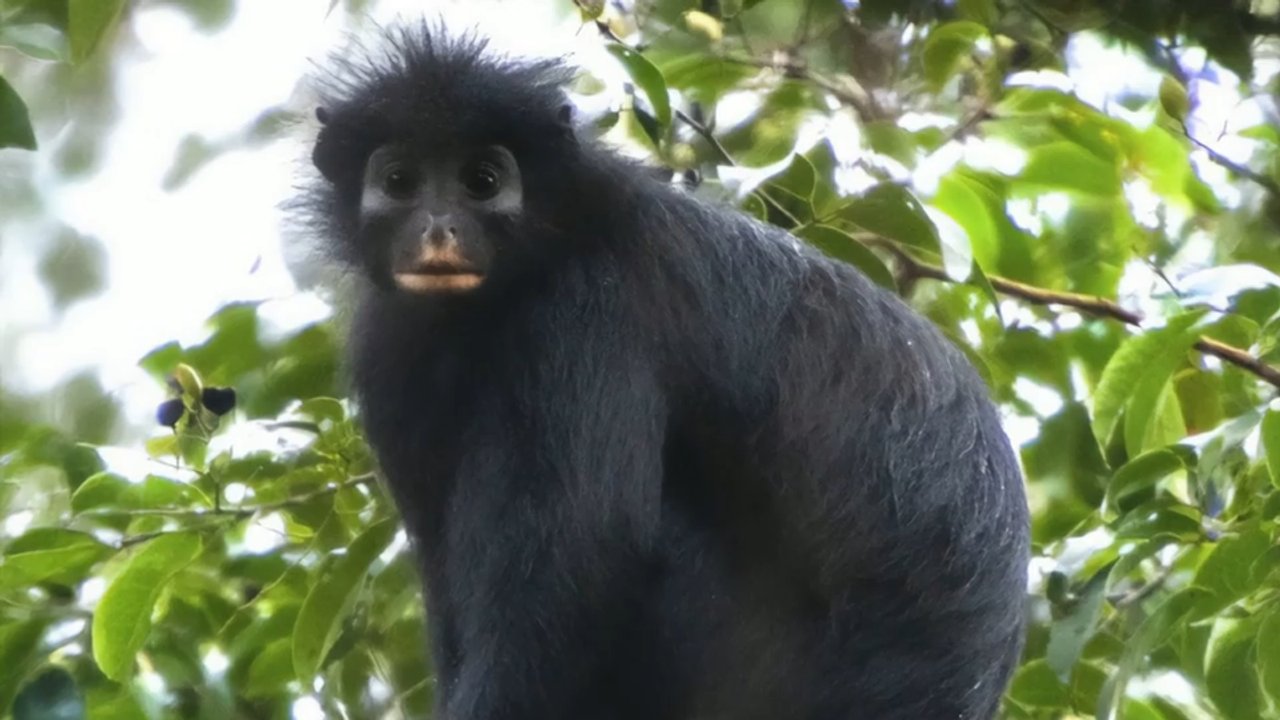
Most of our sub-par pictures just take up space on our phones and show off the insides of our pockets, but one blurry photo launched an almost two decades-long scientific endeavor.
A search that began with a picture of a tail in the trees eventually took researchers deep into Lomami National Park in the Democratic Republic of Congo on a quest to find out exactly what kind of monkey they were dealing with. Using microphones, cameras and genetic testing, they gathered enough evidence to confirm that the animal is a distinct species, now named Colobus congoensis — the first time a monkey is being named after the Congo!
It belongs to a group of plant-eating primates that live high in trees and do not have thumbs, but the Colobus congoensis has some unique characteristics. It uses a roaring call that announces its presence through dense tropical forest and has distinctive pinkish-orange lips that researchers think could act as a visual signal, perhaps helping it attract a mate. It also gives you someone to blame if your sibling asks, “Who ate the last orange creamsicle?!”
Scientists still have a lot to learn about this monkey, but it seems rare and limited to a particular habitat in the central-eastern part of the country. Researchers hope that officially recognizing it as a separate species will help protect both the monkey and the environment it depends on.
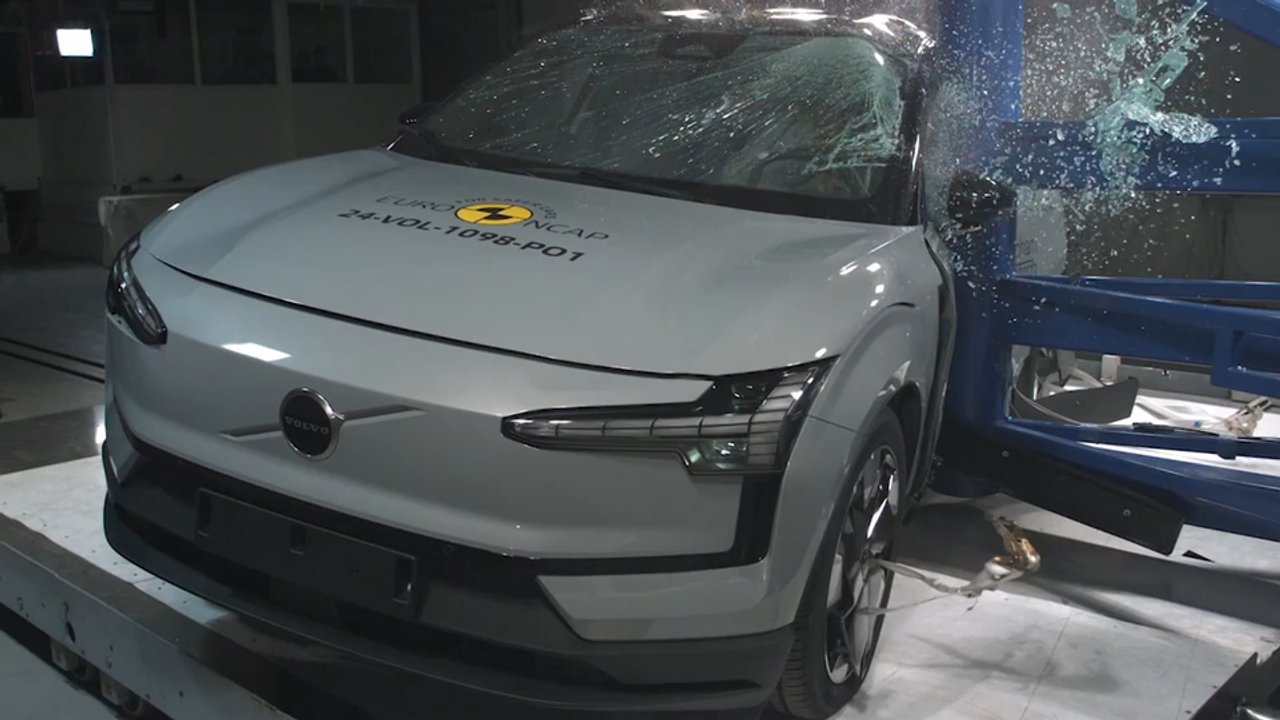
You’ve probably heard your parents (and everybody else) complain about insurance. And that’s fair, it’s expensive! Especially when it comes to electric cars, whose owners often pay higher more for insurance than drivers of more conventional cars. But why is that? Why are people being punished for trying to use less gas? Why does the cruel world continue to forsake us?!
Well, researchers investigated exactly that… the insurance thing, not the greater, overarching “cruel world” question. The team at a testing lab staged a crash at just 10 kilometers (or about 5 miles) per hour. Not exactly the crash that’d have you gripping your seat in a nail-biter of an action movie, but important for research. From the outside, the damage looked minor, but underneath, the high-voltage charging port had moved and some of its components had broken.
The problem was that the damaged charging components formed part of a much larger unit. So, instead of replacing one small broken piece, technicians would need to replace the charger and some of its cabling. One component alone was priced in the thousands, and leaving it out would render the car pretty useless.
It’s great that modern electric vehicles already have to meet high safety standards, but the concern is how expensive and difficult they can be to repair after relatively minor accidents. Experts say manufacturers need to design future EVs with repair in mind, protecting expensive components and making individual parts easier to replace. Seems easy enough… right?
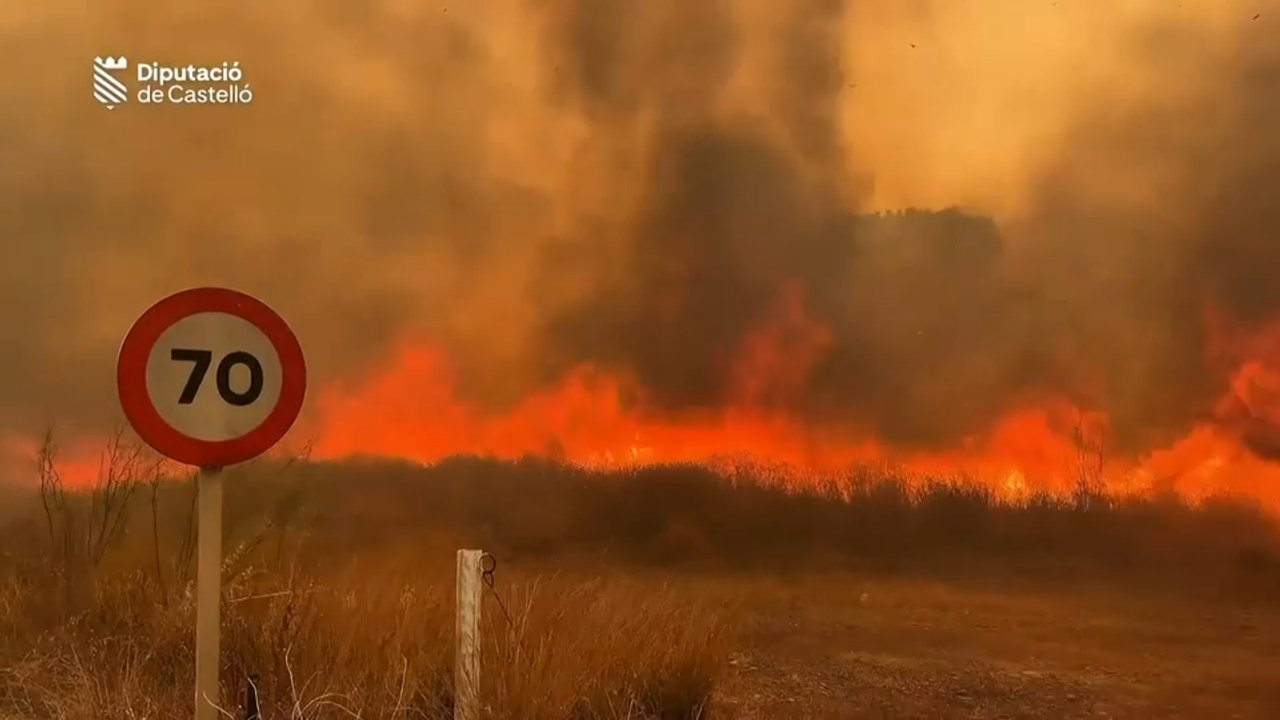
This summer has been brutal in parts of France and Spain due to raging fires.
Near Bordeaux, France is experiencing its worst wildfires in decades. Despite the efforts of hundreds of firefighters working day and night, changing winds have kept changing the direction of the fires, making them hard to contain. Fields and forests have burned, villages have been evacuated, businesses have closed, and traffic has been diverted to keep people away from the danger.
Bordeaux’s mayor says the city itself is not being evacuated. That’s a good sign, but that doesn’t mean everything is all better. Tens of thousands of displaced people are staying in temporary shelters, such as schools and sports centers, while tourists are being urged to stay away until the fires can be contained.
Spain is also fighting to contain its blazes. One fire near Madrid was described by Spain’s Interior Ministry as “the most aggressive that Spain has ever seen.” The fires drove people to flee, abandoning their homes and even their pets (some of whom have been found and fed by rescuers.) Spain's prime minister described the situation as a “climate emergency” — six times more land burned during the hot, dry summer than during the previous year.
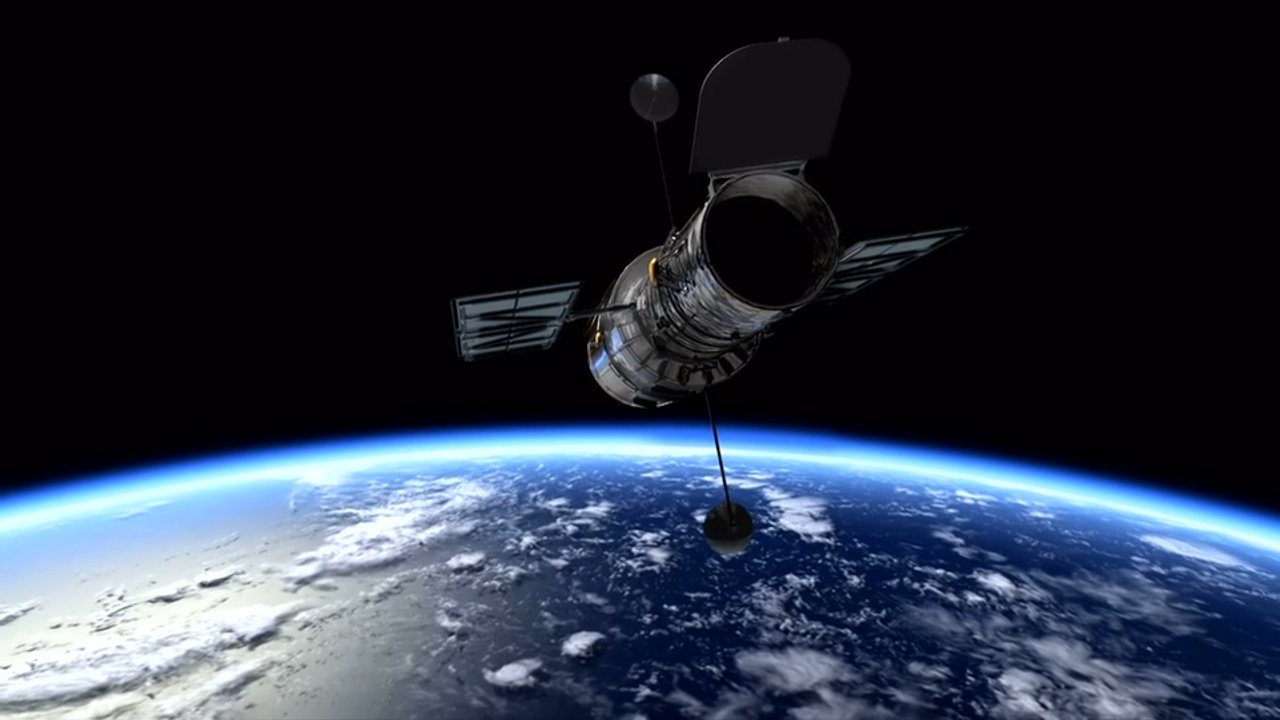
NASA is attempting something it has never done before: rescuing a space telescope that's slowly falling toward Earth.
The Swift Space Telescope has spent more than 20 years helping scientists study some of the universe's most powerful explosions. It originally orbited about 600 kilometers (over 300 miles) above Earth. At that height, the atmosphere is normally very thin — but increased solar activity has been pushing more of the atmosphere outward, creating extra drag. That drag slowed Swift down and caused its orbit to drop to about 360 kilometers (a little over 225 miles) above Earth.
To save it, NASA launched a rocket carrying a fridge-sized robot called Link. Link will first take pictures of Swift to figure out the safest place to grab hold of it. Then, using three robotic arms and its thrusters, it will slowly push Swift back up into a higher orbit. The whole process could take several months.
The mission is risky, since NASA has never attempted a rescue like this before. But if it works, Swift could keep operating for another decade. A success could also give NASA a blueprint for rescuing other aging spacecraft in the future — including the Hubble Space Telescope.
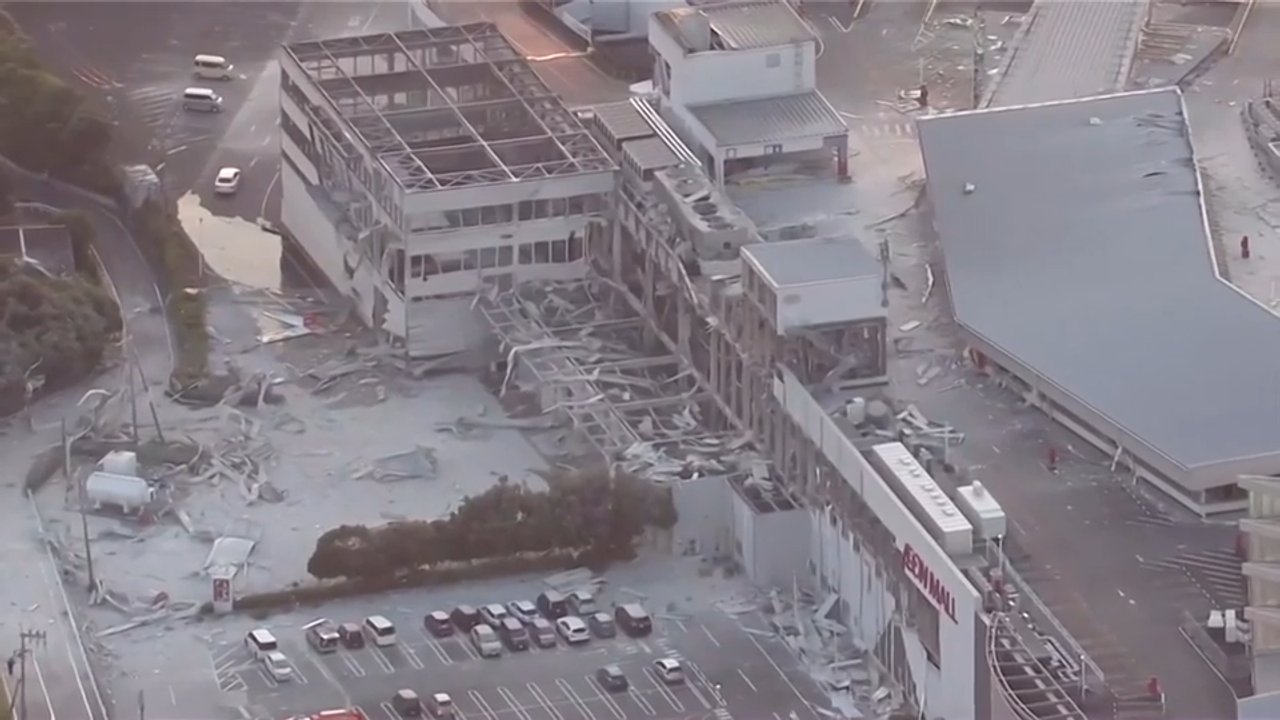
Japan’s Aeon shopping mall was the setting of a tragic scene when a powerful earthquake caused widespread destruction.
After the disaster, rescuers worked through the night to try to find survivors. Customers and staff began evacuating after the earthquake struck, but an explosion, possibly caused by a gas leak, collapsed part of the building before everyone could escape. At a nearby paper factory, a chimney also collapsed onto a building, where more people were still missing.
Japan builds structures specifically to withstand earthquakes, but this one was powerful enough to still cause serious damage — in fact, it could be felt as far away as South Korea. Hundreds of thousands of people were instructed to evacuate their homes, roads were torn apart, part of a bridge fell into the water, a train was derailed, and nearly 50,000 homes lost electricity. Historic sites, including a shrine and the wall of one of Japan's oldest castles, were also damaged.
Although people are already hard at work trying to recover, authorities warned that the danger did not end when the initial shaking stopped: weakened buildings, landslides, aftershocks and the possibility of further strong earthquakes could create additional risks.
Top Stories
Are you watching the 2026 World Cup?! We hope so, because it’s a big one. The biggest one, actually. It’s the first with three countries co-hosting (Canada, the U.S., and Mexico), and it’s been expanded to 48 teams (from 32).
But the size of the tournament isn’t where the differences end, not by a long shot! This year, the World Cup is also introducing new rules, like a possible red card for players covering their mouths! If you gasped and covered your own mouth, don’t worry. First because you’re probably not playing in the World Cup (yet), but also because this penalty is only given to players who are being confrontational.
Other additions include the VAR (Video Assistant Referee) getting the power to check second yellow cards and corners, a 5-second countdown on goal kicks and throw-ins, and a rule that players being subbed will have just 10 seconds to leave the pitch. No time for dilly dallying, we’ve got 16 more teams to watch this year!
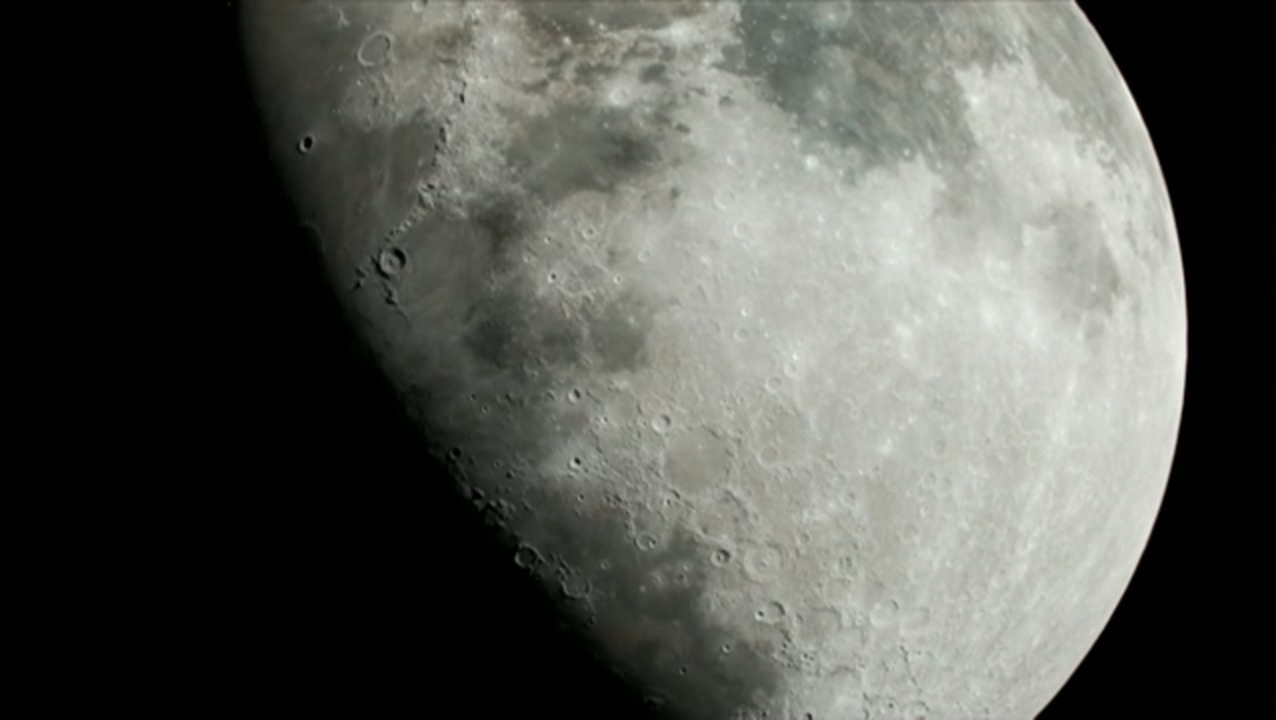
Ever wanted to hop onto a fluffy cloud? Catch a falling star? Bottle sunshine? Well, you can’t. But what you can do is hold some of the Moon in your hand… if you’re one of the few qualified scientists who are researching new lunar material. Sharing is caring, but these researchers have a great reason for being very precious with moon dust.
Moon dust is some of the rarest material on the planet and, for the first time, China has shared its samples of moon dust internationally. These samples have now racked up some serious frequent flyer miles, traveling across the globe after being taken all the way from the Moon. Talk about jet lag. Until now, scientists have been using samples collected decades ago. It wasn’t until 2020 that China’s spacecraft went to an unexplored spot of the Moon, then returned with 2 kilograms of moon rock. This dust is now being studied, and researchers are working carefully (VERY carefully) to uncover the evidence it has to offer about our universe’s environmental history.
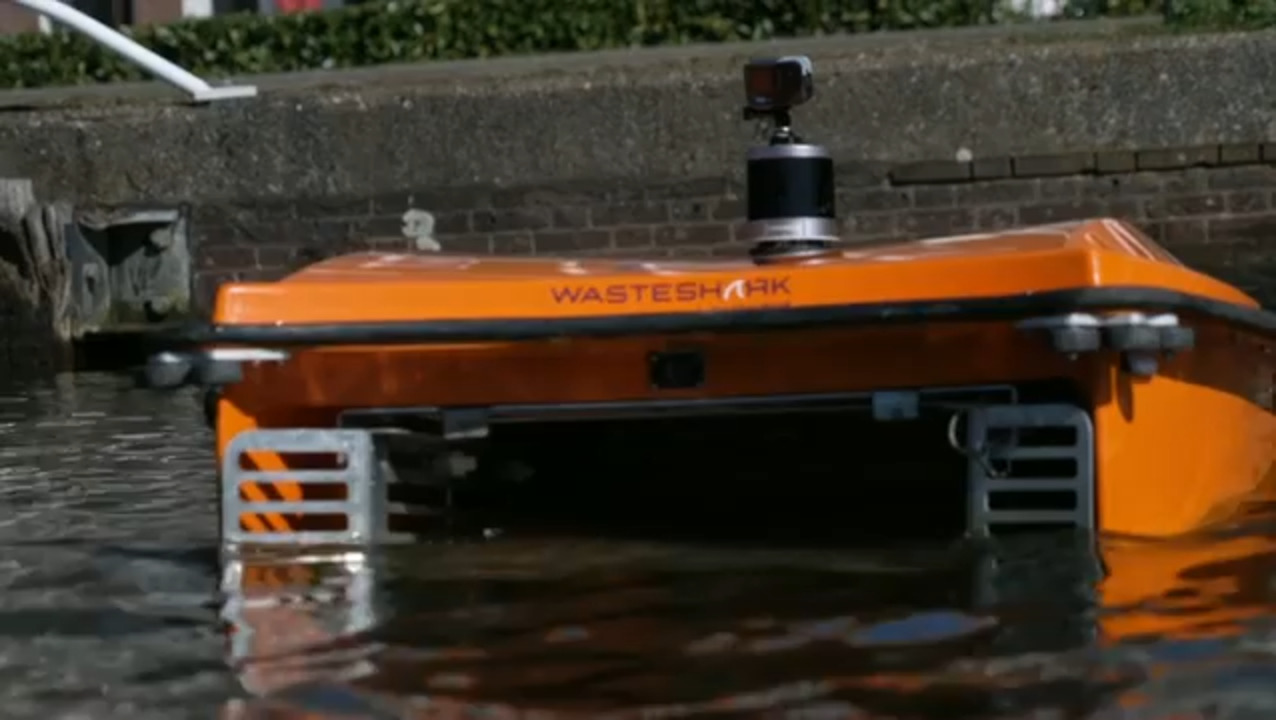
There’s a shark in the water! No, no, it’s good — we promise! The WasteShark is not actually a shark, but an autonomous robot that was built to tackle a big problem: plastic pollution in the water. Some estimates put the amount of plastic waste in the hundreds of millions of metric tons. Between canals, rivers, and oceans, waterways around the world are affected.
To make things worse, marine plastic is a relatively new problem, so the solutions haven’t caught up to the issue. The old methods of putting people in boats to fish out plastic isn’t enough, so Richard Hardiman, CEO of RanMarine Technology, took to the drawing board and built a robot.
The WasteShark is basically a vacuum that cruises around the water and sucks up trash, without needing a person to sit and drive it. It can be controlled remotely or put in autonomous mode, because of its sophisticated addition: software that helps it identify and avoid sucking up items that are not trash. The ducks and fish are very grateful. Despite its sophistication, there are still challenges with developing the robot, since scientists have to figure out how to program it to recognize and act on reflections, currents, and wind.
The shark can gather up to a ton of trash over a 24 hour period, which is just the beginning of what needs to be done to reverse the pollution issue. Luckily, the next step is already in the works: the MegaShark.
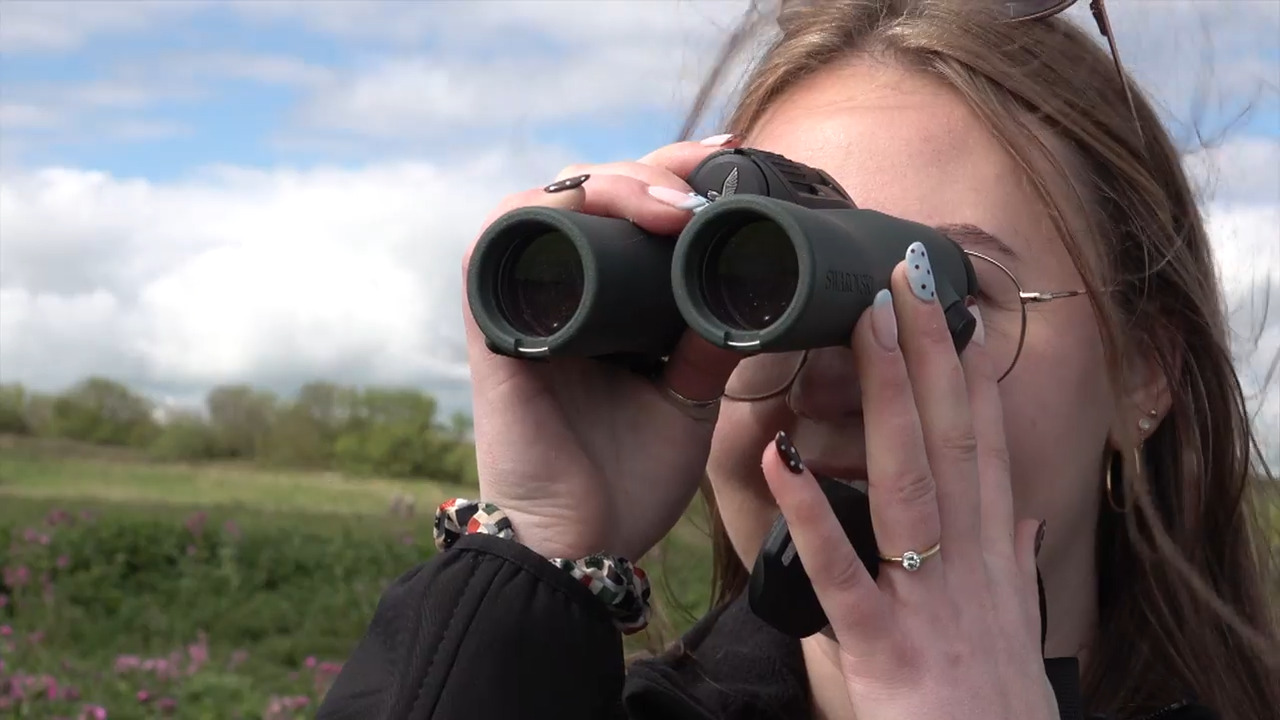
Birdwatching is taking off in a big way among young people. Reports say that around 750,000 people aged 16–29 in the UK and millions in the U.S. now regularly go birdwatching — turning what was once seen as a “quiet” hobby into a fast-growing trend.
Part of the appeal is how simple it is to start. You don’t need expensive gear or special training — just curiosity and a bit of time outdoors. It’s a low-pressure way to take a break from screens, notice what’s around you, and actually tune into sounds and spaces most people scroll past.
Ironically, social media is helping drive the trend. Birdwatching accounts, short videos, and identification apps are making it easier than ever to learn bird calls, spot species, and share discoveries with others. Instead of pulling people away from nature, platforms like TikTok and Instagram are often pushing people back into it.
Conservationists are especially excited because this kind of interest helps more people connect with wildlife and care about protecting it. Birdwatching is becoming less about binoculars and notebooks — and more about curiosity, community, and noticing the world a little differently.
Are you watching the 2026 World Cup?! We hope so, because it’s a big one. The biggest one, actually. It’s the first with three countries co-hosting (Canada, the U.S., and Mexico), and it’s been expanded to 48 teams (from 32).
But the size of the tournament isn’t where the differences end, not by a long shot! This year, the World Cup is also introducing new rules, like a possible red card for players covering their mouths! If you gasped and covered your own mouth, don’t worry. First because you’re probably not playing in the World Cup (yet), but also because this penalty is only given to players who are being confrontational.
Other additions include the VAR (Video Assistant Referee) getting the power to check second yellow cards and corners, a 5-second countdown on goal kicks and throw-ins, and a rule that players being subbed will have just 10 seconds to leave the pitch. No time for dilly dallying, we’ve got 16 more teams to watch this year!
Ever wanted to hop onto a fluffy cloud? Catch a falling star? Bottle sunshine? Well, you can’t. But what you can do is hold some of the Moon in your hand… if you’re one of the few qualified scientists who are researching new lunar material. Sharing is caring, but these researchers have a great reason for being very precious with moon dust.
Moon dust is some of the rarest material on the planet and, for the first time, China has shared its samples of moon dust internationally. These samples have now racked up some serious frequent flyer miles, traveling across the globe after being taken all the way from the Moon. Talk about jet lag. Until now, scientists have been using samples collected decades ago. It wasn’t until 2020 that China’s spacecraft went to an unexplored spot of the Moon, then returned with 2 kilograms of moon rock. This dust is now being studied, and researchers are working carefully (VERY carefully) to uncover the evidence it has to offer about our universe’s environmental history.
There’s a shark in the water! No, no, it’s good — we promise! The WasteShark is not actually a shark, but an autonomous robot that was built to tackle a big problem: plastic pollution in the water. Some estimates put the amount of plastic waste in the hundreds of millions of metric tons. Between canals, rivers, and oceans, waterways around the world are affected.
To make things worse, marine plastic is a relatively new problem, so the solutions haven’t caught up to the issue. The old methods of putting people in boats to fish out plastic isn’t enough, so Richard Hardiman, CEO of RanMarine Technology, took to the drawing board and built a robot.
The WasteShark is basically a vacuum that cruises around the water and sucks up trash, without needing a person to sit and drive it. It can be controlled remotely or put in autonomous mode, because of its sophisticated addition: software that helps it identify and avoid sucking up items that are not trash. The ducks and fish are very grateful. Despite its sophistication, there are still challenges with developing the robot, since scientists have to figure out how to program it to recognize and act on reflections, currents, and wind.
The shark can gather up to a ton of trash over a 24 hour period, which is just the beginning of what needs to be done to reverse the pollution issue. Luckily, the next step is already in the works: the MegaShark.
Birdwatching is taking off in a big way among young people. Reports say that around 750,000 people aged 16–29 in the UK and millions in the U.S. now regularly go birdwatching — turning what was once seen as a “quiet” hobby into a fast-growing trend.
Part of the appeal is how simple it is to start. You don’t need expensive gear or special training — just curiosity and a bit of time outdoors. It’s a low-pressure way to take a break from screens, notice what’s around you, and actually tune into sounds and spaces most people scroll past.
Ironically, social media is helping drive the trend. Birdwatching accounts, short videos, and identification apps are making it easier than ever to learn bird calls, spot species, and share discoveries with others. Instead of pulling people away from nature, platforms like TikTok and Instagram are often pushing people back into it.
Conservationists are especially excited because this kind of interest helps more people connect with wildlife and care about protecting it. Birdwatching is becoming less about binoculars and notebooks — and more about curiosity, community, and noticing the world a little differently.
Science & Tech
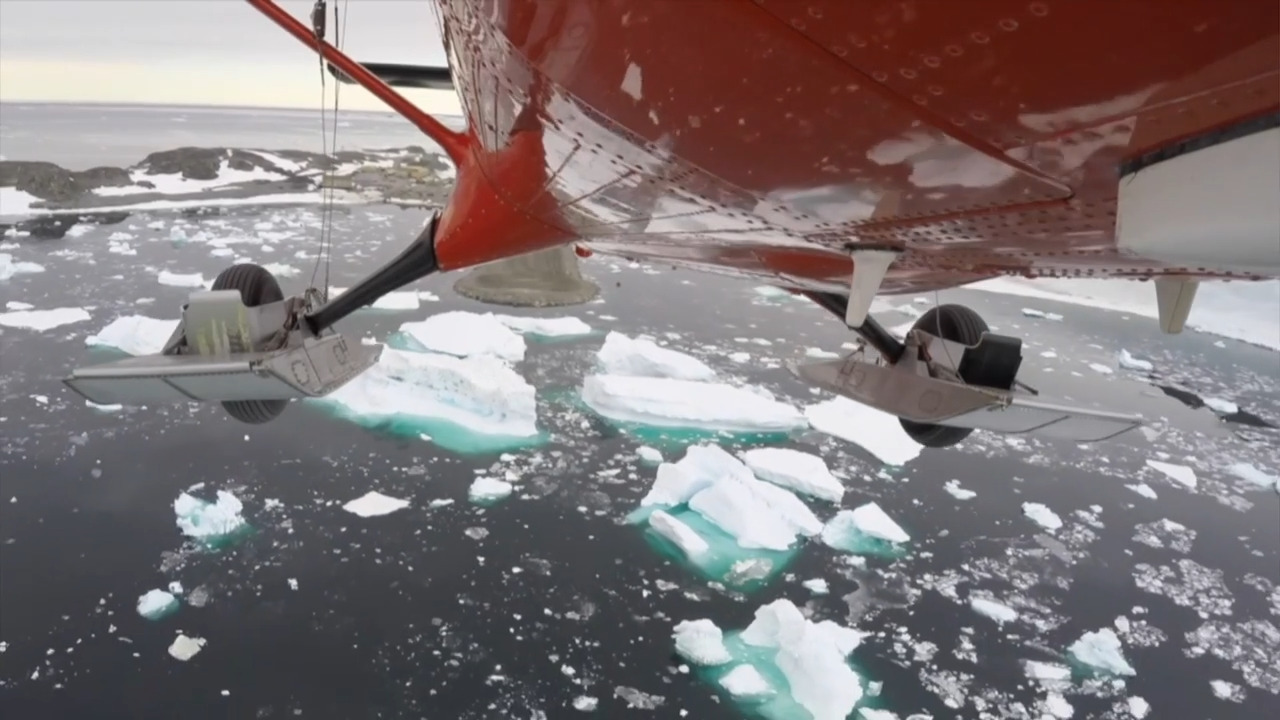
Research in Antarctica is important, but it’s not the most accessible place — have fun finding an Uber willing to take you (and your lab equipment) all the way there! Scientists no longer have to rely on foot travel, as they did decades ago, but taking to the air needs a bit of extra thought, because the technology has to work in Antarctica’s severe weather.
A promising solution is a new drone, tested in a part of North Wales known as “Snowdonia,” where the frigid temperatures put the drone through its cold weather paces. The drone has a few benefits — it doesn’t need a pilot on board (so it can go to remote places), it can travel up to 1000 km in one trip, and needs significantly less fuel than a normal plane. It does still need someone controlling it from the ground, but this can be from a computer, at base, perhaps with a mug of hot cocoa.
Researchers Rebecca and Tom will be conducting Antarctic research with this drone, with the goal of using radar on the drone to draw a picture of what’s under the ice sheets, to help predict how fast they could melt.
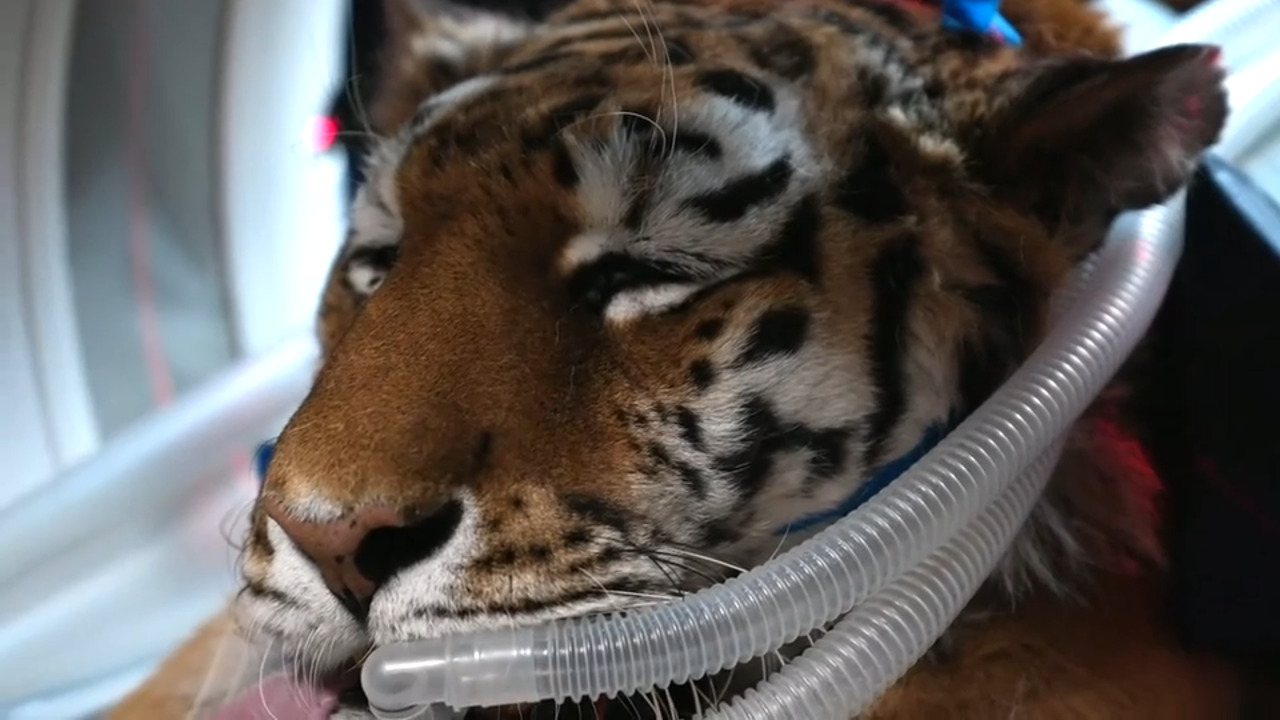
Did somebody say CAT scan? The Norfolk Zoo is doubling down on the idea of a big CAT scan by giving a big cat a scan! A tiger named Mishka is one of many animal patients that the zoo is sending through a CAT, or CT, scan. Short for “computerized axial tomography” or “computed tomography,” depending on how much time you have and how much you want to impress your friends, CT scans use a combination of X-rays and computer technology to help see inside bodies, produced detailed images of bones, organs, and soft tissue.
To the untrained eye, the scan’s grey and white blobs may look like, well, blobs. But, skilled professionals will be able to see if they show any abnormalities in bones or soft tissues. In addition to Mishka, the zoo also checked out other animals like a vulture, penguin, and sloth.
Their scans will not only help animals at the zoo, but in the wild, too. The findings will be added to the base knowledge on a species or animal, which can be shared with experts and vet colleagues globally.

It’s officially the “Beijing International Automotive Exhibition,” but its friends call it “Auto China,” and it’s now the largest car show in the world. Nearly 1000 companies flock to the exhibits taking up more than 380,000 square meters, or over 50 football fields! Or 1,246,719 feet and 50 soccer fields, if you’re from America! Or 9,329,989 beep-boop-zoinks and 50 astro-space-ball fields if you’re a Martian from outer space! Any way you spin it, this car show is a big deal, and there were two standout trends.
The first was electric vehicles. There’s always been an issue with charging, as makers have tried to maximize how far cars can travel on single charge while minimizing how long that charge takes. Now, a company called BYD claims to have an ultra-fast charging system that can provide 400 km of range with only 5 minutes of charging. What’s more, it’s designed to operate under extreme weather conditions. Since batteries are usually sensitive to high or low temperatures, addressing this is a major step in making electric vehicles as reliable as gas cars.
The other big topic was also fully autonomous, or self-driving cars. The company Geely developed a self-driving car built specifically for ride-hailing, so there’s no steering wheel or driver’s seat. That means you can pick your nose without fear of the driver judging you! Xpeng’s driverless car uses a combination of lasers, radar, and cameras to build a real time picture of the road, but we hope it works just as well in the clouds, because they may be extending this technology into flying cars as early as next year. It’s a bird! It’s a plane! No, it’s just my Uber! That’s one way to beat traffic.
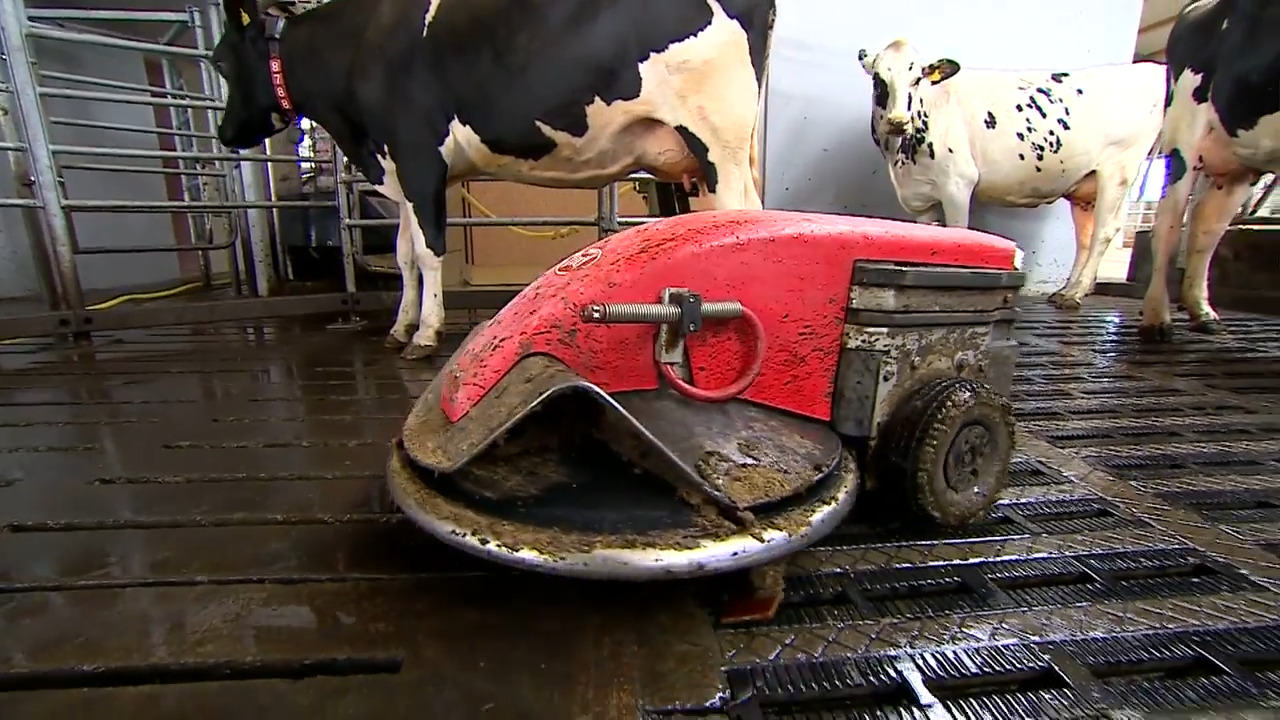
On one futuristic farm, robots do almost everything — feeding cows, cleaning barns, and even milking the animals with laser-guided machines. Farmers say the high-tech system is faster, cheaper, and more precise than human workers, helping produce more milk while lowering costs. But not everyone is impressed. Critics argue that cows are becoming part of an assembly line instead of living animals, since many never roam outside or eat fresh grass. As robots take over more jobs once done by humans, this farm raises a bigger question: when technology makes life more efficient, what might get lost along the way?
Research in Antarctica is important, but it’s not the most accessible place — have fun finding an Uber willing to take you (and your lab equipment) all the way there! Scientists no longer have to rely on foot travel, as they did decades ago, but taking to the air needs a bit of extra thought, because the technology has to work in Antarctica’s severe weather.
A promising solution is a new drone, tested in a part of North Wales known as “Snowdonia,” where the frigid temperatures put the drone through its cold weather paces. The drone has a few benefits — it doesn’t need a pilot on board (so it can go to remote places), it can travel up to 1000 km in one trip, and needs significantly less fuel than a normal plane. It does still need someone controlling it from the ground, but this can be from a computer, at base, perhaps with a mug of hot cocoa.
Researchers Rebecca and Tom will be conducting Antarctic research with this drone, with the goal of using radar on the drone to draw a picture of what’s under the ice sheets, to help predict how fast they could melt.
Did somebody say CAT scan? The Norfolk Zoo is doubling down on the idea of a big CAT scan by giving a big cat a scan! A tiger named Mishka is one of many animal patients that the zoo is sending through a CAT, or CT, scan. Short for “computerized axial tomography” or “computed tomography,” depending on how much time you have and how much you want to impress your friends, CT scans use a combination of X-rays and computer technology to help see inside bodies, produced detailed images of bones, organs, and soft tissue.
To the untrained eye, the scan’s grey and white blobs may look like, well, blobs. But, skilled professionals will be able to see if they show any abnormalities in bones or soft tissues. In addition to Mishka, the zoo also checked out other animals like a vulture, penguin, and sloth.
Their scans will not only help animals at the zoo, but in the wild, too. The findings will be added to the base knowledge on a species or animal, which can be shared with experts and vet colleagues globally.
It’s officially the “Beijing International Automotive Exhibition,” but its friends call it “Auto China,” and it’s now the largest car show in the world. Nearly 1000 companies flock to the exhibits taking up more than 380,000 square meters, or over 50 football fields! Or 1,246,719 feet and 50 soccer fields, if you’re from America! Or 9,329,989 beep-boop-zoinks and 50 astro-space-ball fields if you’re a Martian from outer space! Any way you spin it, this car show is a big deal, and there were two standout trends.
The first was electric vehicles. There’s always been an issue with charging, as makers have tried to maximize how far cars can travel on single charge while minimizing how long that charge takes. Now, a company called BYD claims to have an ultra-fast charging system that can provide 400 km of range with only 5 minutes of charging. What’s more, it’s designed to operate under extreme weather conditions. Since batteries are usually sensitive to high or low temperatures, addressing this is a major step in making electric vehicles as reliable as gas cars.
The other big topic was also fully autonomous, or self-driving cars. The company Geely developed a self-driving car built specifically for ride-hailing, so there’s no steering wheel or driver’s seat. That means you can pick your nose without fear of the driver judging you! Xpeng’s driverless car uses a combination of lasers, radar, and cameras to build a real time picture of the road, but we hope it works just as well in the clouds, because they may be extending this technology into flying cars as early as next year. It’s a bird! It’s a plane! No, it’s just my Uber! That’s one way to beat traffic.
On one futuristic farm, robots do almost everything — feeding cows, cleaning barns, and even milking the animals with laser-guided machines. Farmers say the high-tech system is faster, cheaper, and more precise than human workers, helping produce more milk while lowering costs. But not everyone is impressed. Critics argue that cows are becoming part of an assembly line instead of living animals, since many never roam outside or eat fresh grass. As robots take over more jobs once done by humans, this farm raises a bigger question: when technology makes life more efficient, what might get lost along the way?
Teaching With the News

In our fast-paced world, where information is constantly being shared and consumed, our students need media literacy more than ever.

News is happening all the time, everywhere. So how do journalists choose what to share? Introduce your students to the processes involved in gathering the news they consume every day. In this lesson, they’ll learn the importance of curiosity in shaping news.

To help your students dive deeper into news content, we created this bundle of news story response worksheets. We designed these worksheets to be used with any of our news videos and to keep students focused as they watch and enhance comprehension and retention. (Please note that some worksheet types are better fits for certain content and grade levels). Assign students the same one, mix them up, or let them choose!
In our fast-paced world, where information is constantly being shared and consumed, our students need media literacy more than ever.
News is happening all the time, everywhere. So how do journalists choose what to share? Introduce your students to the processes involved in gathering the news they consume every day. In this lesson, they’ll learn the importance of curiosity in shaping news.
To help your students dive deeper into news content, we created this bundle of news story response worksheets. We designed these worksheets to be used with any of our news videos and to keep students focused as they watch and enhance comprehension and retention. (Please note that some worksheet types are better fits for certain content and grade levels). Assign students the same one, mix them up, or let them choose!