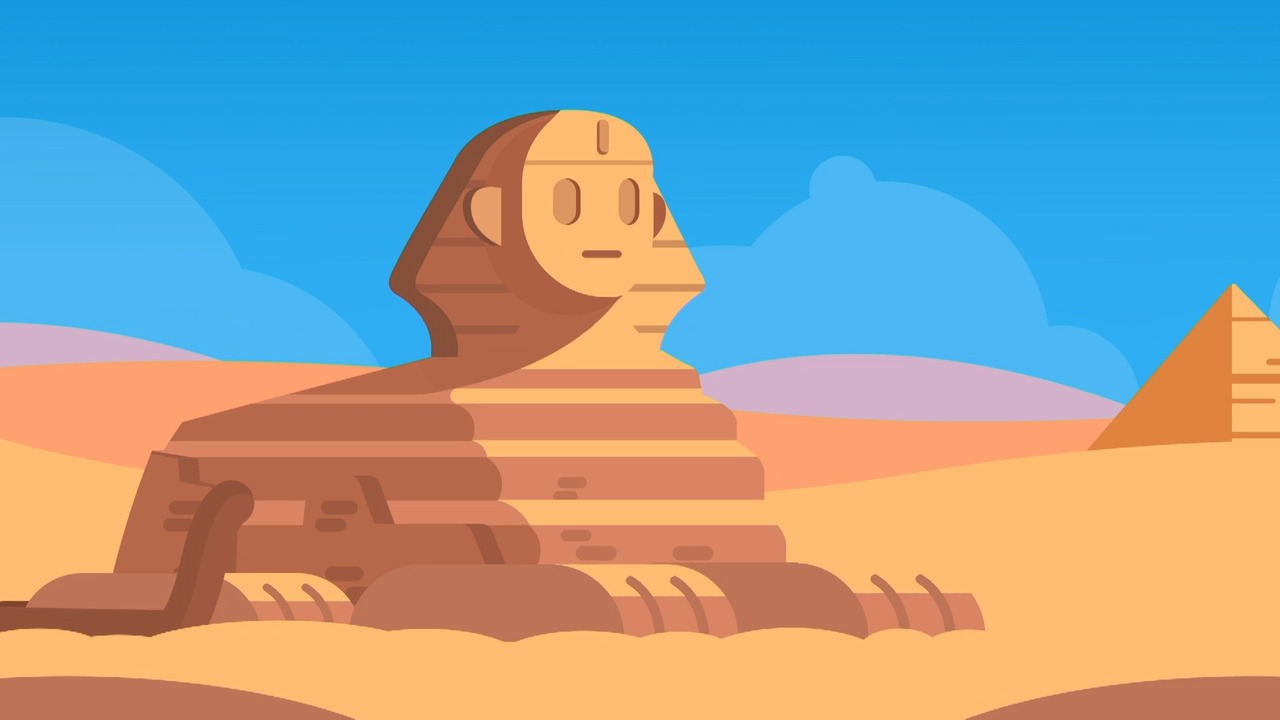
In The Go Jetters Learn Funky Facts About the Great Sphinx!, the Go Jetters crew explores the Great Sphinx in Giza, Egypt. Ubercorn shares funky facts about how it was discovered and how this amazing ancient statue was originally formed out of limestone. This video is excerpted from BBC’s Go Jetters, a series that follows the adventures of four international heroes as they travel the globe visiting landmarks and solving environmental problems with Ubercorn, a disco-dancing unicorn.
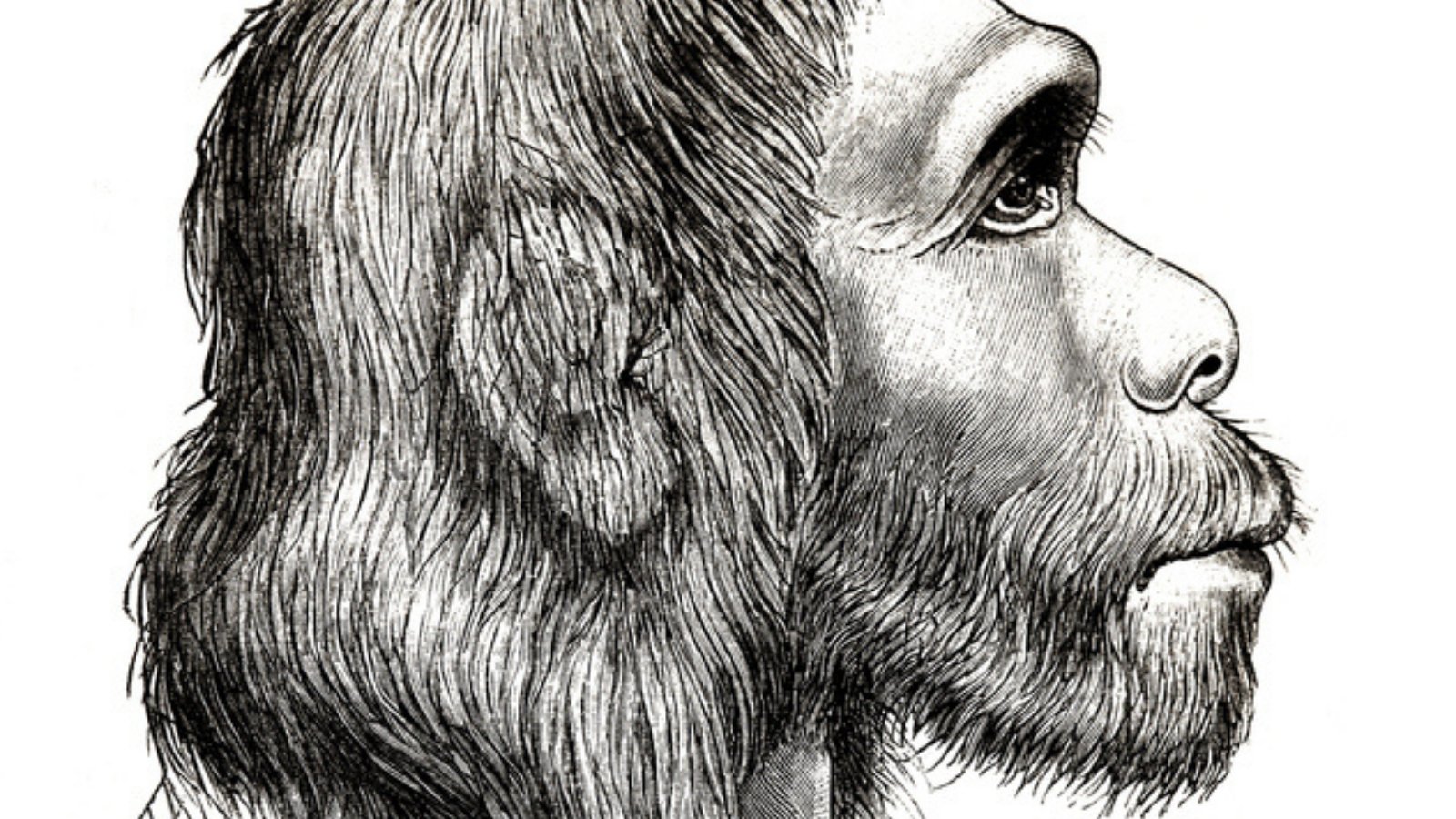
The article "7 Surprising Facts We Now Know About Neanderthals" from BBC's HistoryExtra is a fascinating look at the evolution and legacy of Neanderthals. Archaeologist Rebecca Wragg Sykes explains how these ancient humans were intelligent, adaptable, and left a genetic mark on billions of people today. The piece debunks old myths and highlights seven groundbreaking facts about Neanderthal life and culture.
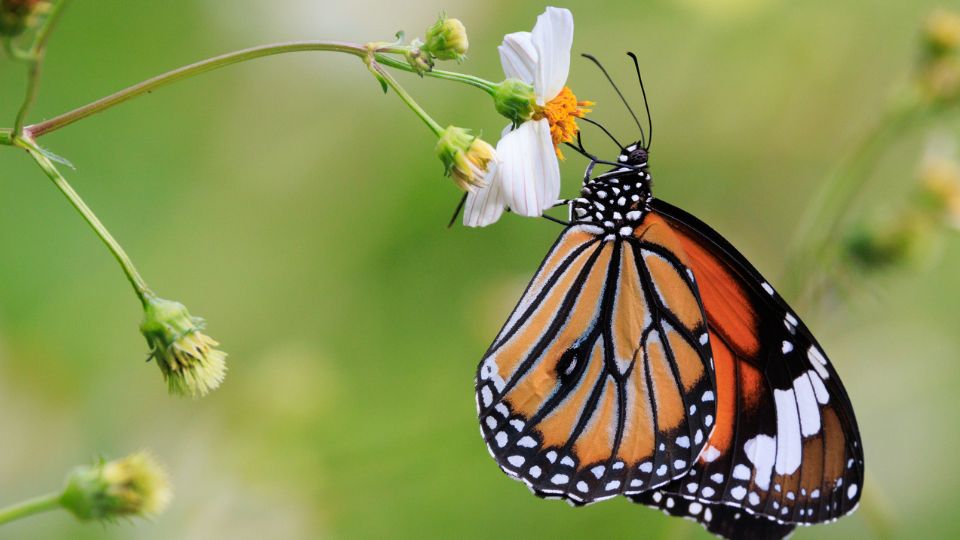
Bright, delicate, and full of surprises, butterflies are more than just beautiful insects — they’re masters of transformation. Starting life as tiny eggs, they go through an incredible metamorphosis before emerging with colorful wings that help them migrate, absorb sunlight, and regulate their body temperature.
From caterpillars to spiracles, this is a great quiz to help students ages 8–14 become butterfly know-it-alls.
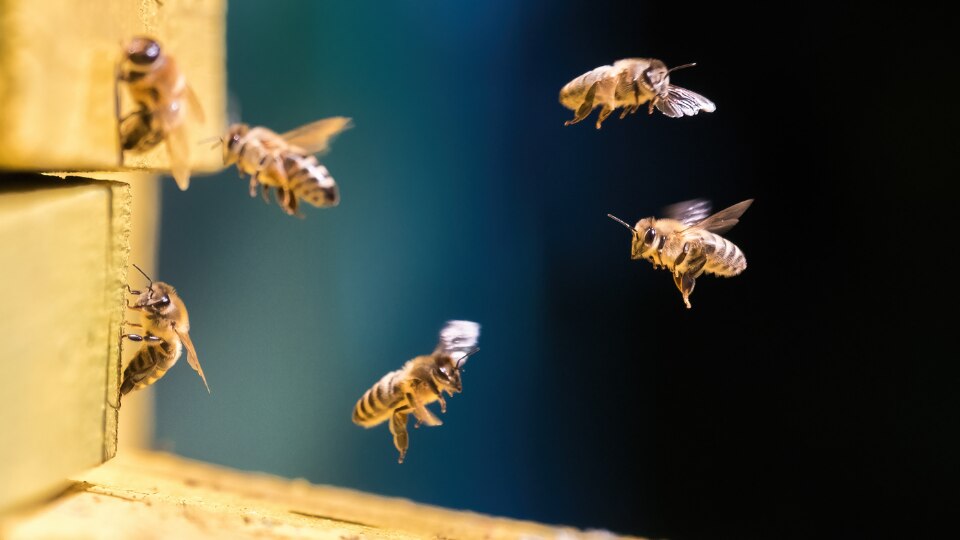
Tiny but mighty, bees play a huge role in keeping our world alive and blooming. As they travel from flower to flower, they carry pollen that helps plants reproduce — supporting ecosystems and much of the food we eat. Inside their hives, bees work together in highly organized communities, each with a job to do.
From pollination to honey-making, this is the ideal quiz to help students ages 8–14 develop their "hive mind."
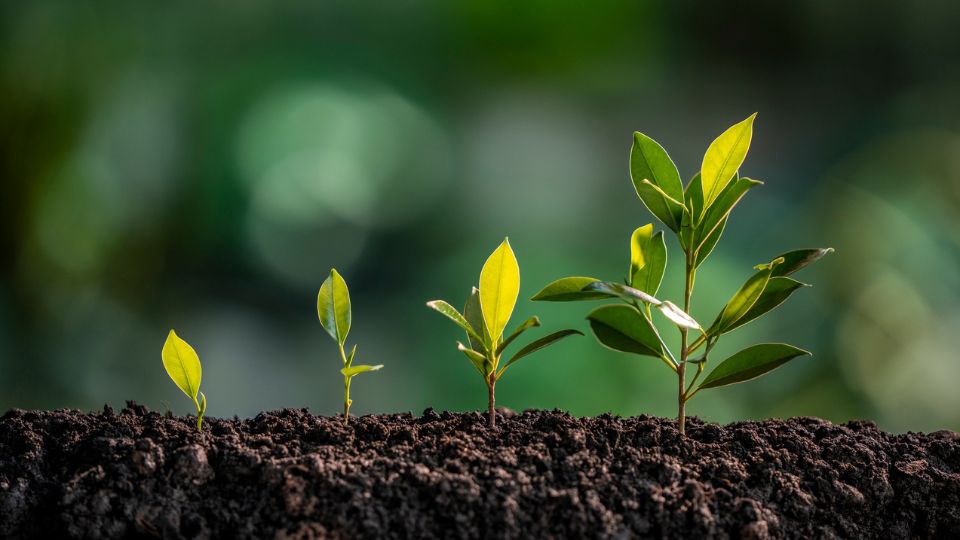
From towering trees to tiny mosses, plants are some of the most important living things on Earth. They make the oxygen we breathe, provide food for people and animals, and create the green spaces that make our planet beautiful. Whether they’re growing in forests, deserts, or even cracks in the sidewalk, plants are quietly hard at work every day.
From photosynthesis to the difference between seeds and spores, this is the perfect quiz to help students ages 8–14 "grow" their plant knowledge!
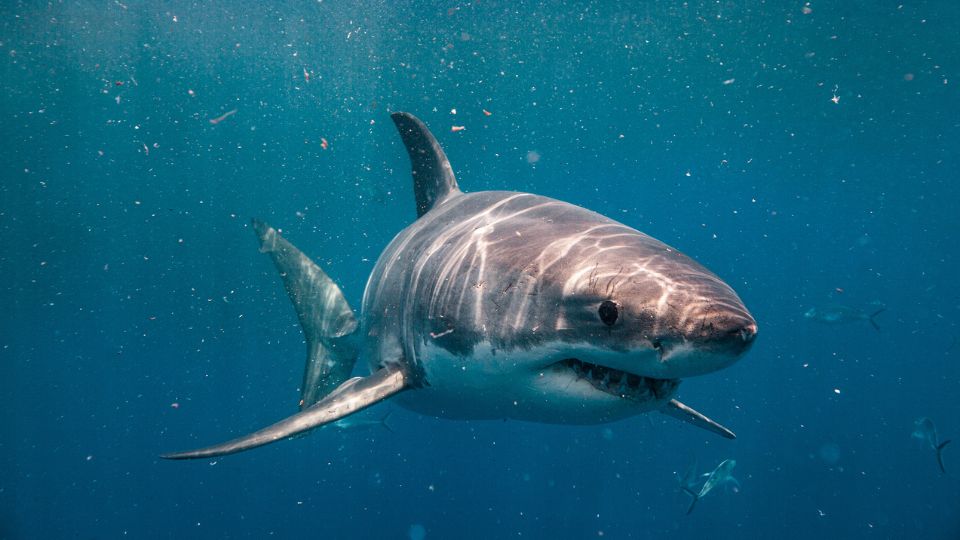
Sharks rule the oceans in every shape and size — from the stealthy great white slicing through the surf to the tiny glow-in-the-dark dwarf lantern shark hiding in the dark. But how much do you really know about these incredible ocean predators?
Packed with jaw-dropping facts, surprising adaptations, and a few deep-sea curveballs, this quiz dives into the remarkable world of sharks. Only the most fearless ocean fans and shark-savvy explorers will ride the wave to victory.
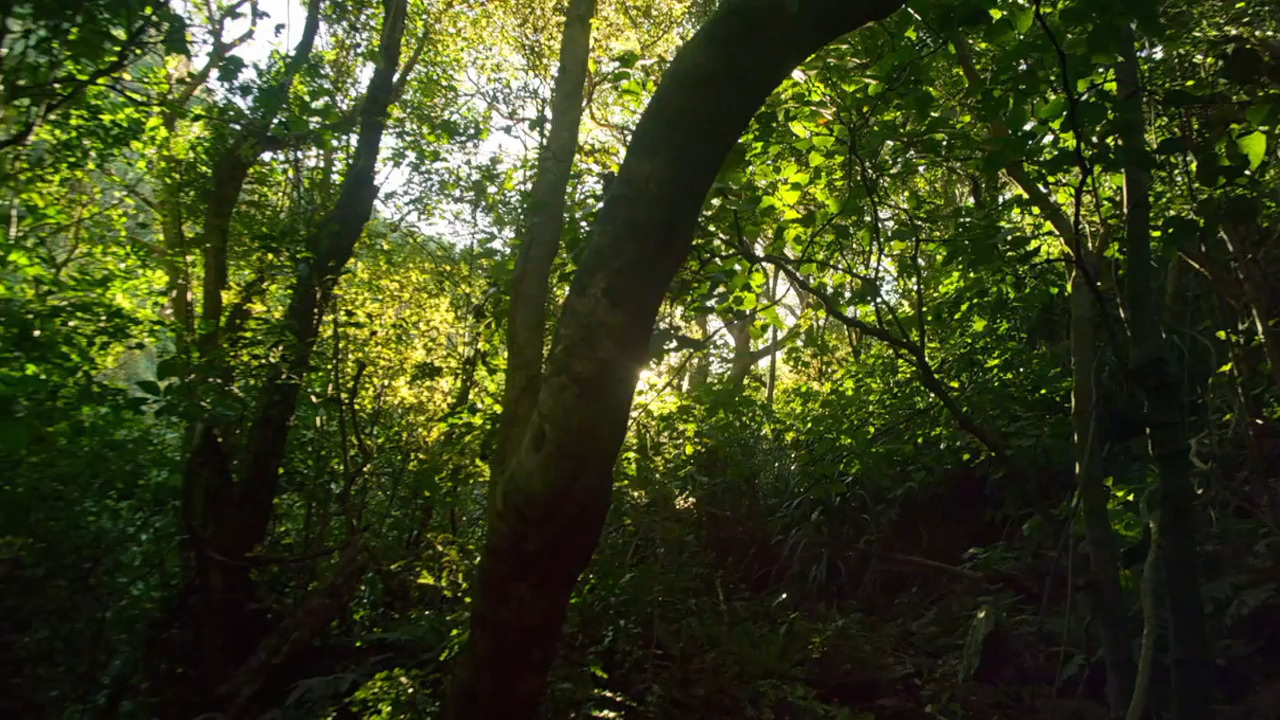
In Climate Change and the Impact of Wildfires, learn how climate change has made the possibility of wildfires more likely and more widespread. Now wildfires are happening around the world, including in colder countries. Wildfires in the western United States have become particularly devastating and dangerous for the people who live there. This video is excerpted from BBC’s Climate Change - The Facts, a documentary that delves into the science of climate change and its far-reaching consequences.
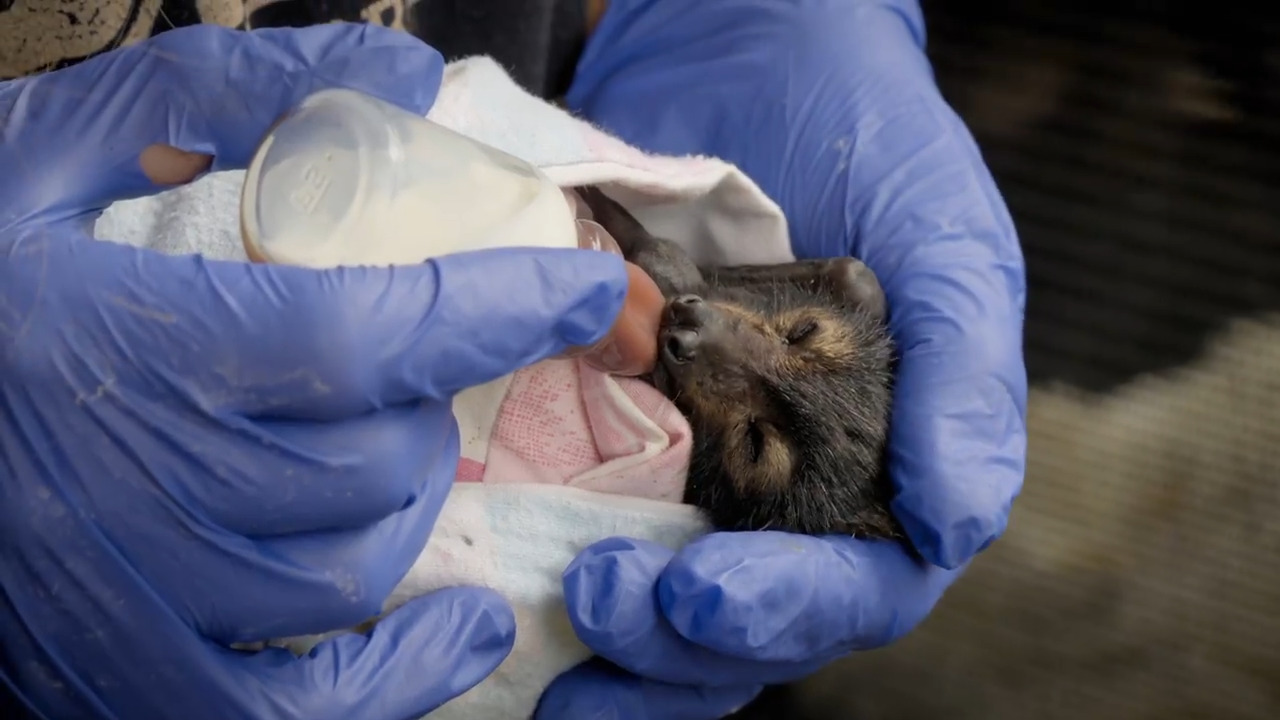
In Climate Change and Its Effect on Species, discover the devastating impact of extreme heat in Australia on flying foxes. Thousands of these creatures died as a result of the intense heat waves caused by climate change. This phenomenon is a stark reminder of how rising temperatures are putting many species at risk of extinction. This video is excerpted from BBC’s Climate Change - The Facts, a documentary that delves into the science of climate change and its far-reaching consequences.
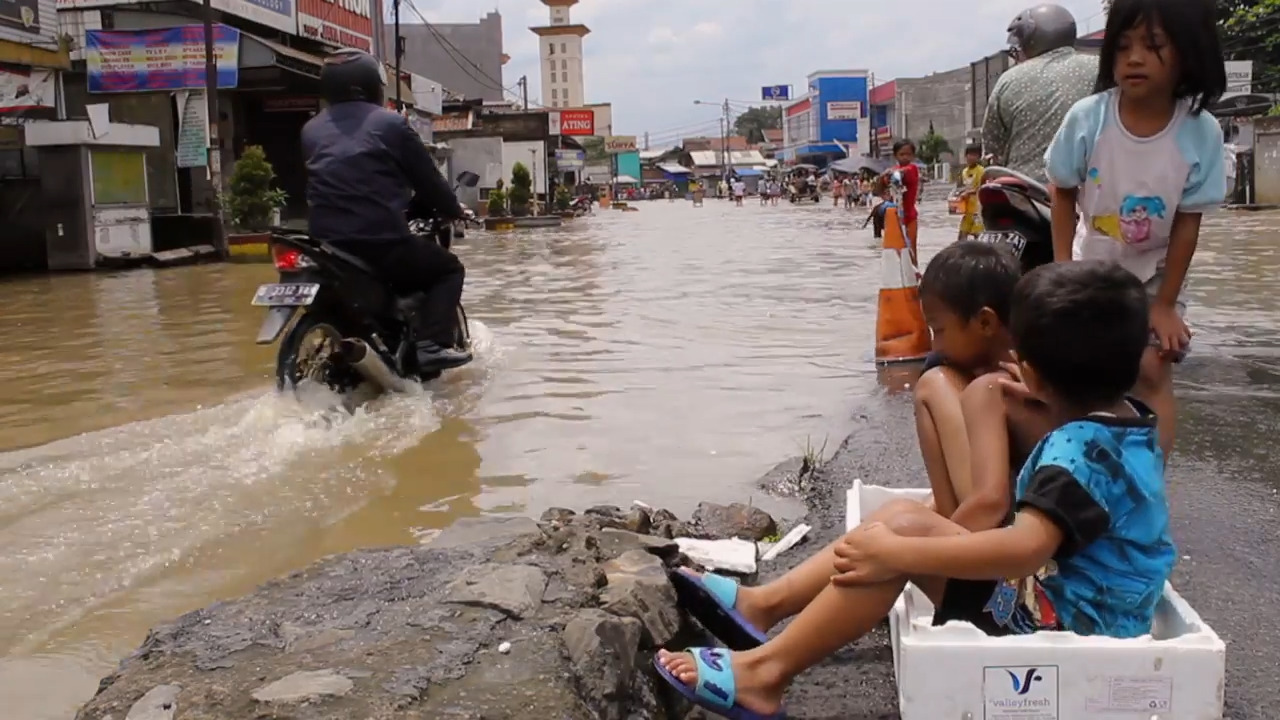
In Climate Change and Rising Sea Levels, learn how sea levels have risen by about 8 inches (20 cm) in the past 100 years, significantly affecting coastal communities. See the impacts on Isle de Jean Charles, Louisiana, where residents are being forced to relocate due to the rising waters. This video is excerpted from BBC’s Climate Change - The Facts, a documentary that delves into the science of climate change and its far-reaching consequences.
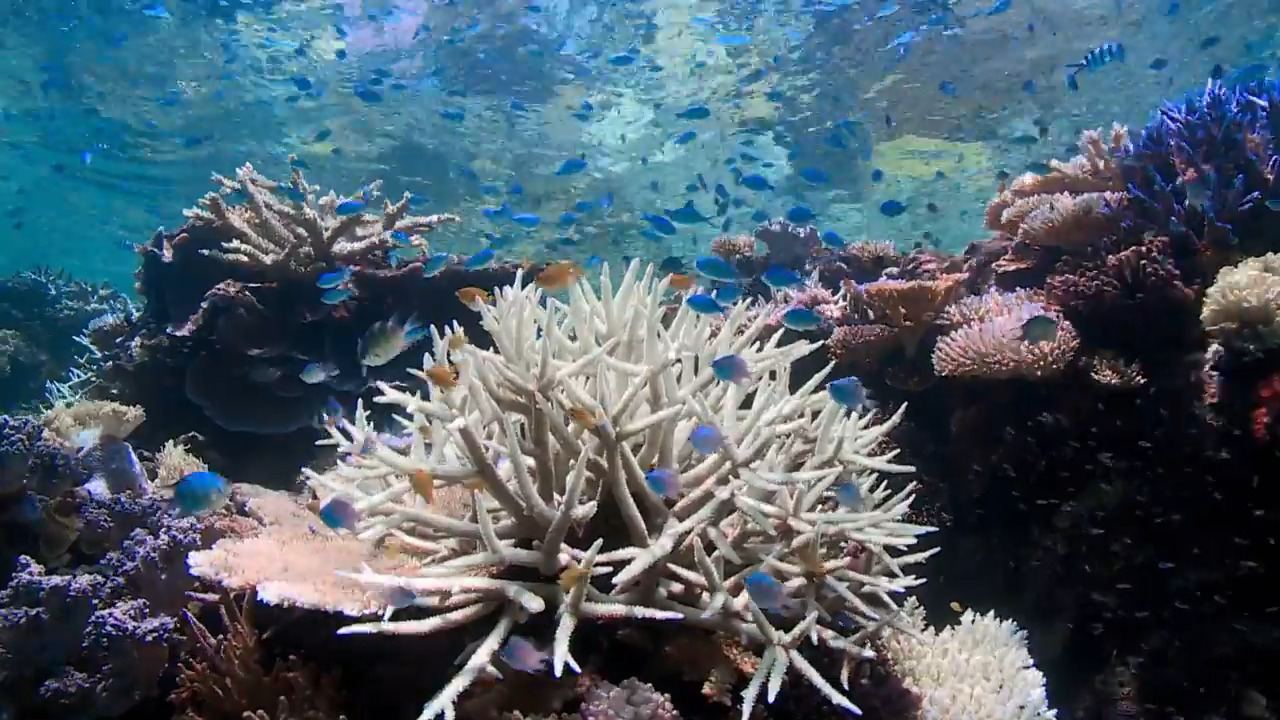
In Coral Bleaching, witness the effects of global warming on coral ecosystems. The world’s oceans are warming due to climate change, which negatively affects coral reefs, home to about a quarter of all ocean life. Coral is highly sensitive to temperature changes, and as ocean temperatures rise, coral bleaching becomes more extreme. This video is excerpted from BBC’s Climate Change - The Facts, a documentary that delves into the science of climate change and its far-reaching consequences.
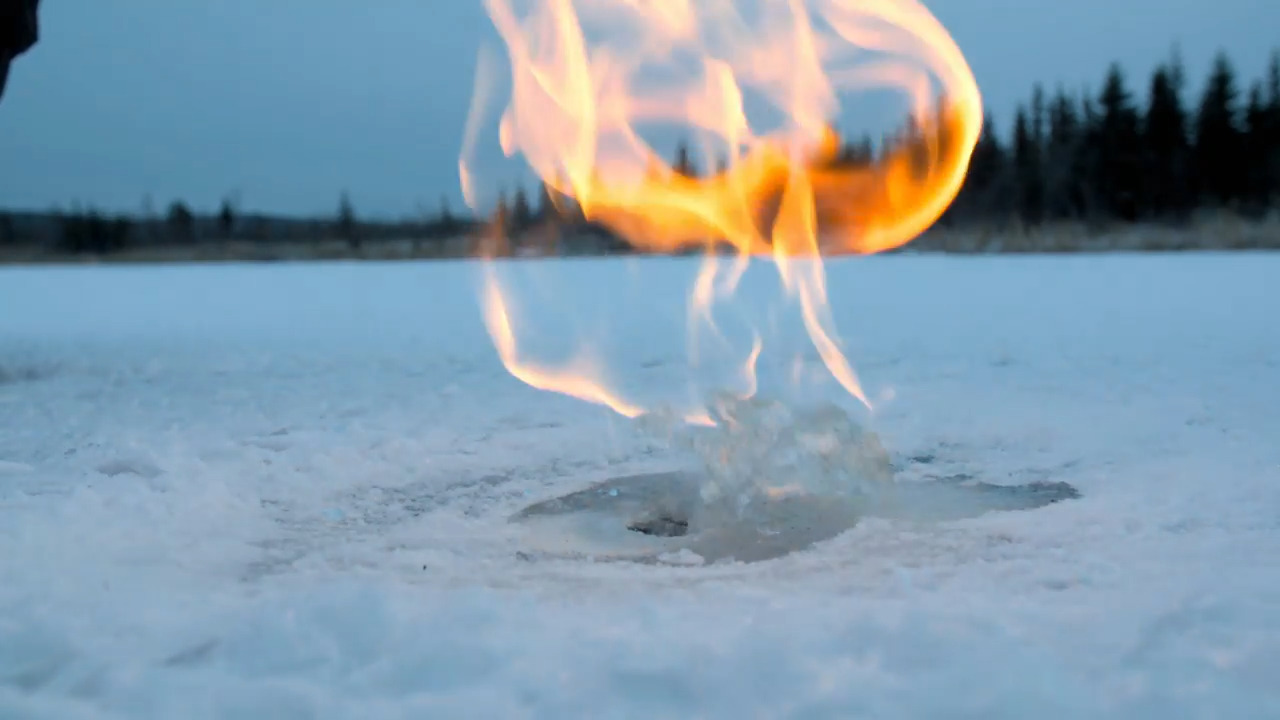
In Climate Change: Permafrost and Release of Methane and Carbon, discover the science behind permafrost and its crucial role in the global climate system. Permafrost, the frozen ground found primarily in the Arctic, has acted as a natural storage system for carbon and methane gases for thousands of years. These gases, which were once trapped beneath the surface, are released as the permafrost thaws due to rising global temperatures. This video is excerpted from BBC’s Climate Change - The Facts, a documentary that delves into the science of climate change and its far-reaching consequences.
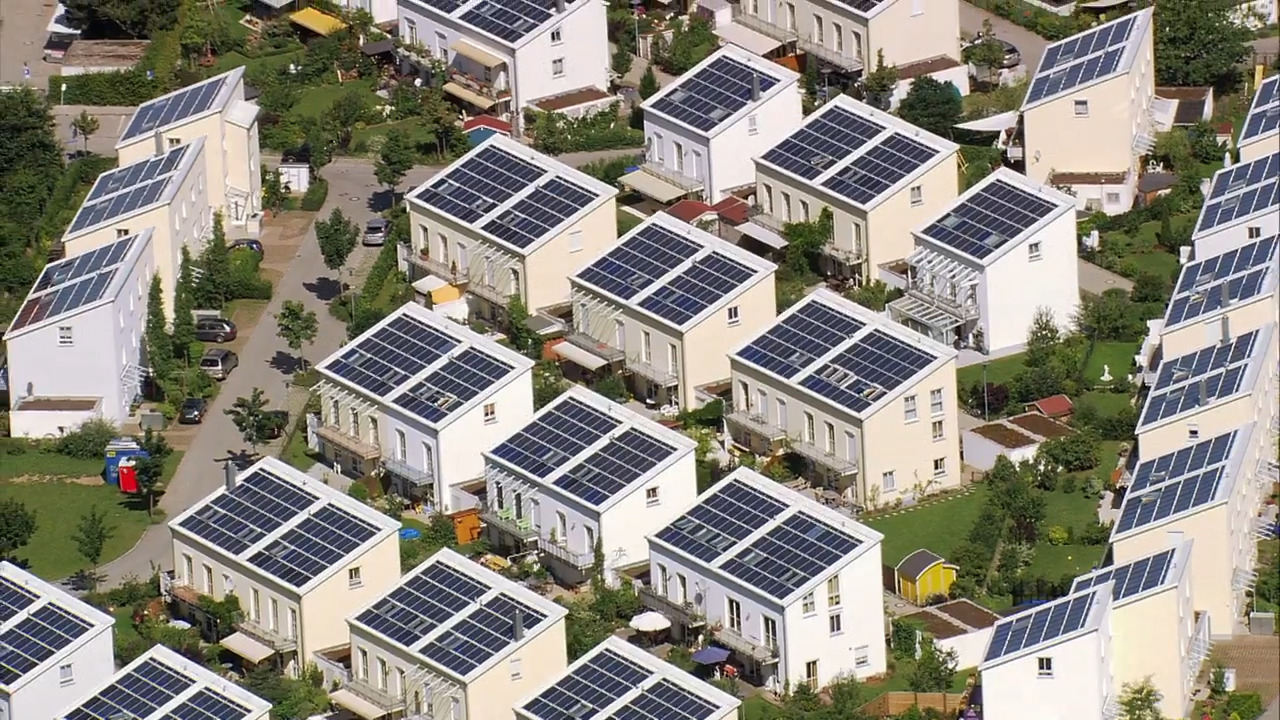
In Shifting Toward Greener Renewable Energy, scientists discuss the development of renewable energy sources like solar and wind power to reduce global greenhouse gas emissions. They explore advancements in the efficiency of capturing, storing, and utilizing energy, and the need for technological innovation to overcome challenges related to energy production and sustainability. This video is excerpted from BBC’s Climate Change - The Facts, a documentary that delves into the science of climate change and its far-reaching consequences.
In The Go Jetters Learn Funky Facts About the Great Sphinx!, the Go Jetters crew explores the Great Sphinx in Giza, Egypt. Ubercorn shares funky facts about how it was discovered and how this amazing ancient statue was originally formed out of limestone. This video is excerpted from BBC’s Go Jetters, a series that follows the adventures of four international heroes as they travel the globe visiting landmarks and solving environmental problems with Ubercorn, a disco-dancing unicorn.
The article "7 Surprising Facts We Now Know About Neanderthals" from BBC's HistoryExtra is a fascinating look at the evolution and legacy of Neanderthals. Archaeologist Rebecca Wragg Sykes explains how these ancient humans were intelligent, adaptable, and left a genetic mark on billions of people today. The piece debunks old myths and highlights seven groundbreaking facts about Neanderthal life and culture.
Bright, delicate, and full of surprises, butterflies are more than just beautiful insects — they’re masters of transformation. Starting life as tiny eggs, they go through an incredible metamorphosis before emerging with colorful wings that help them migrate, absorb sunlight, and regulate their body temperature.
From caterpillars to spiracles, this is a great quiz to help students ages 8–14 become butterfly know-it-alls.
Tiny but mighty, bees play a huge role in keeping our world alive and blooming. As they travel from flower to flower, they carry pollen that helps plants reproduce — supporting ecosystems and much of the food we eat. Inside their hives, bees work together in highly organized communities, each with a job to do.
From pollination to honey-making, this is the ideal quiz to help students ages 8–14 develop their "hive mind."
From towering trees to tiny mosses, plants are some of the most important living things on Earth. They make the oxygen we breathe, provide food for people and animals, and create the green spaces that make our planet beautiful. Whether they’re growing in forests, deserts, or even cracks in the sidewalk, plants are quietly hard at work every day.
From photosynthesis to the difference between seeds and spores, this is the perfect quiz to help students ages 8–14 "grow" their plant knowledge!
Sharks rule the oceans in every shape and size — from the stealthy great white slicing through the surf to the tiny glow-in-the-dark dwarf lantern shark hiding in the dark. But how much do you really know about these incredible ocean predators?
Packed with jaw-dropping facts, surprising adaptations, and a few deep-sea curveballs, this quiz dives into the remarkable world of sharks. Only the most fearless ocean fans and shark-savvy explorers will ride the wave to victory.
In Climate Change and the Impact of Wildfires, learn how climate change has made the possibility of wildfires more likely and more widespread. Now wildfires are happening around the world, including in colder countries. Wildfires in the western United States have become particularly devastating and dangerous for the people who live there. This video is excerpted from BBC’s Climate Change - The Facts, a documentary that delves into the science of climate change and its far-reaching consequences.
In Climate Change and Its Effect on Species, discover the devastating impact of extreme heat in Australia on flying foxes. Thousands of these creatures died as a result of the intense heat waves caused by climate change. This phenomenon is a stark reminder of how rising temperatures are putting many species at risk of extinction. This video is excerpted from BBC’s Climate Change - The Facts, a documentary that delves into the science of climate change and its far-reaching consequences.
In Climate Change and Rising Sea Levels, learn how sea levels have risen by about 8 inches (20 cm) in the past 100 years, significantly affecting coastal communities. See the impacts on Isle de Jean Charles, Louisiana, where residents are being forced to relocate due to the rising waters. This video is excerpted from BBC’s Climate Change - The Facts, a documentary that delves into the science of climate change and its far-reaching consequences.
In Coral Bleaching, witness the effects of global warming on coral ecosystems. The world’s oceans are warming due to climate change, which negatively affects coral reefs, home to about a quarter of all ocean life. Coral is highly sensitive to temperature changes, and as ocean temperatures rise, coral bleaching becomes more extreme. This video is excerpted from BBC’s Climate Change - The Facts, a documentary that delves into the science of climate change and its far-reaching consequences.
In Climate Change: Permafrost and Release of Methane and Carbon, discover the science behind permafrost and its crucial role in the global climate system. Permafrost, the frozen ground found primarily in the Arctic, has acted as a natural storage system for carbon and methane gases for thousands of years. These gases, which were once trapped beneath the surface, are released as the permafrost thaws due to rising global temperatures. This video is excerpted from BBC’s Climate Change - The Facts, a documentary that delves into the science of climate change and its far-reaching consequences.
In Shifting Toward Greener Renewable Energy, scientists discuss the development of renewable energy sources like solar and wind power to reduce global greenhouse gas emissions. They explore advancements in the efficiency of capturing, storing, and utilizing energy, and the need for technological innovation to overcome challenges related to energy production and sustainability. This video is excerpted from BBC’s Climate Change - The Facts, a documentary that delves into the science of climate change and its far-reaching consequences.