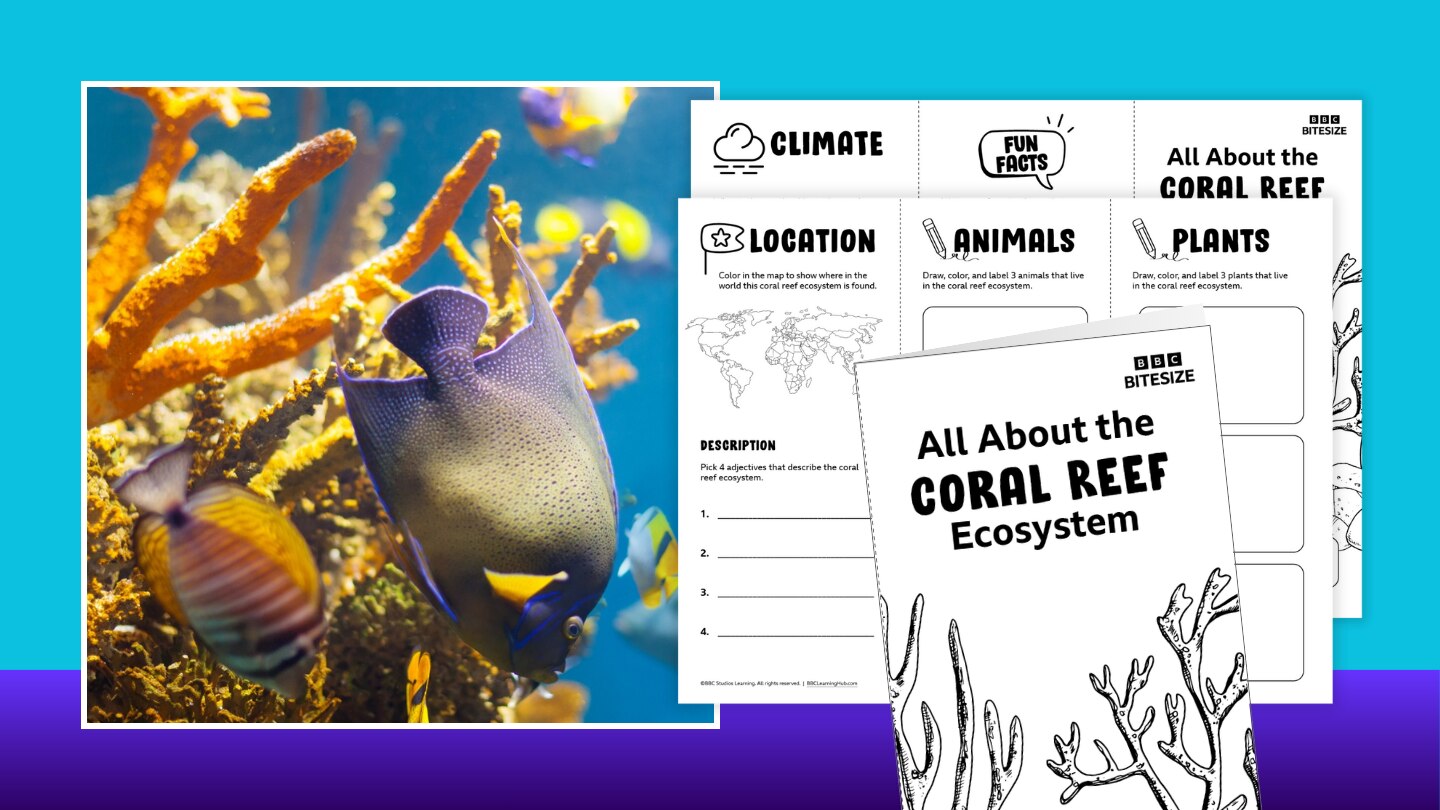
Bring your students on an underwater adventure into the coral reef ecosystem! Whether you're exploring the vast beauty of the Great Barrier Reef in Australia or diving into the rich, biodiverse waters of Indonesia, coral reefs are some of the most vibrant and important ecosystems on Earth.
✨ Perfect for grades 3–8, here’s what you need to bring ecosystems to life:
- Iconic BBC Videos: Share the clips on this page to introduce the location, plants, animals, and climate of the coral reefs. (Don't miss the tusk fish and octopuses!) Brought to you by world-class BBC programs like Planet Earth, Blue Planet, Animal Babies, and Life.
- Free Printable: Use the Coral Reef Brochure Template to help students pull it all together in an ecosystem report with facts they’ve learned (and a little extra research).
It’s everything you need to make ecosystems easy to teach and truly memorable for your students.
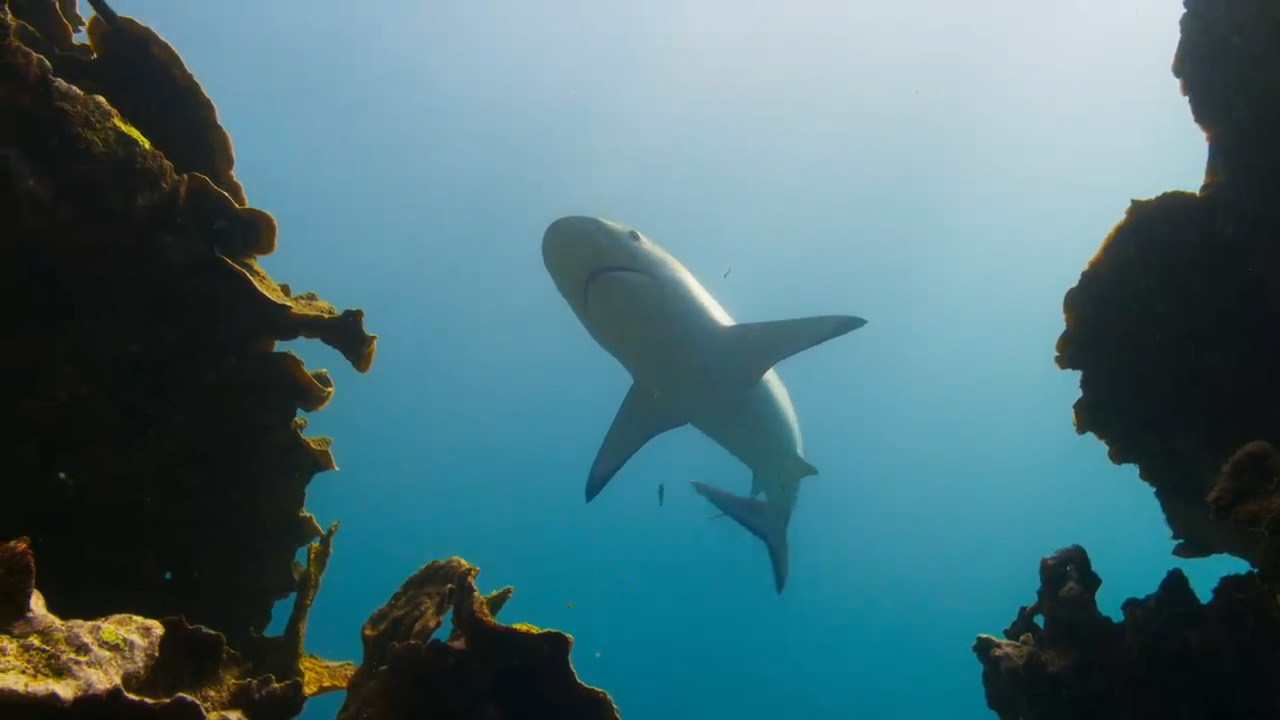
In Sharks' Hunting Techniques on the Coral Reef, narrator Sir David Attenborough explains how sharks around the coral reef work together to herd shoals of fish toward the shore. Their technique traps millions of fish in shallow waters, allowing the sharks to fill their stomachs. This video is excerpted from BBC’s Seven Worlds, One Planet, a series featuring remarkable animal behavior from all seven continents.
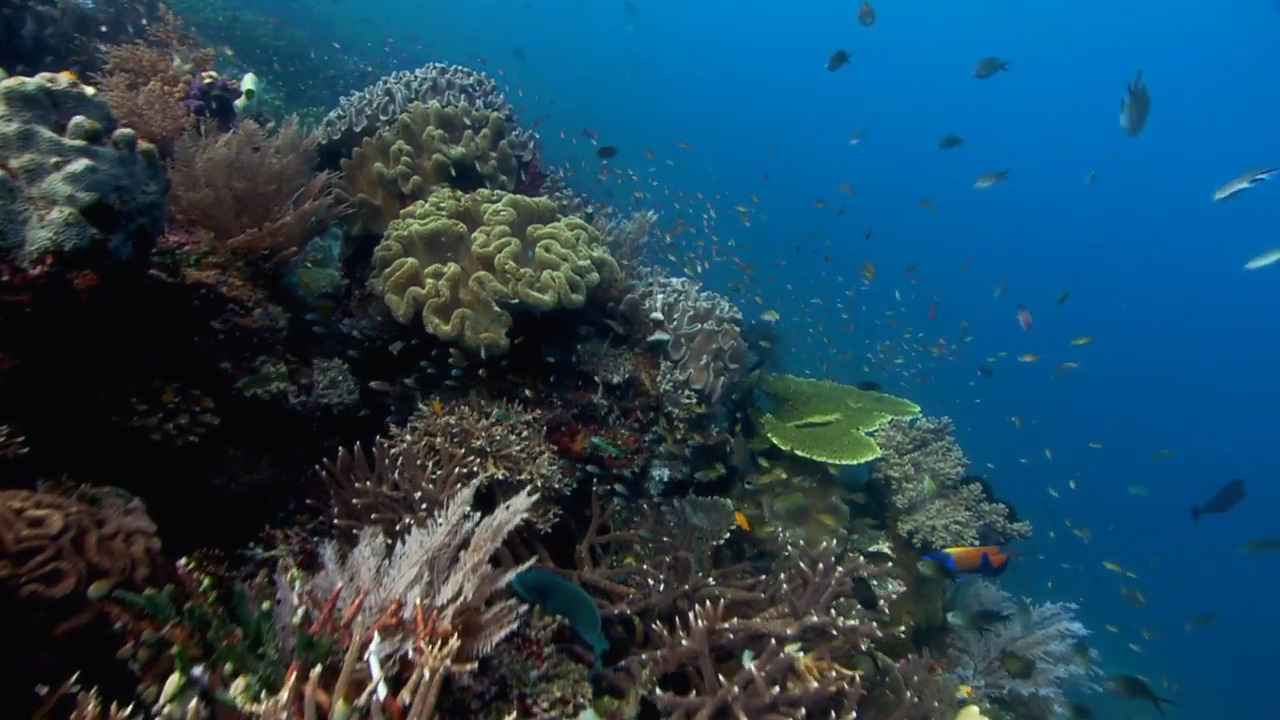
In The Coral Reef, an Underwater Masterpiece, narrator Sir David Attenborough marvels at the variety of life found in Earth’s coral reefs. Learn how polyps and algae both benefit from living in close relationship with one another. This video is excerpted from BBC's Planet Earth, a breathtaking documentary series that highlights the natural wonders of our planet.
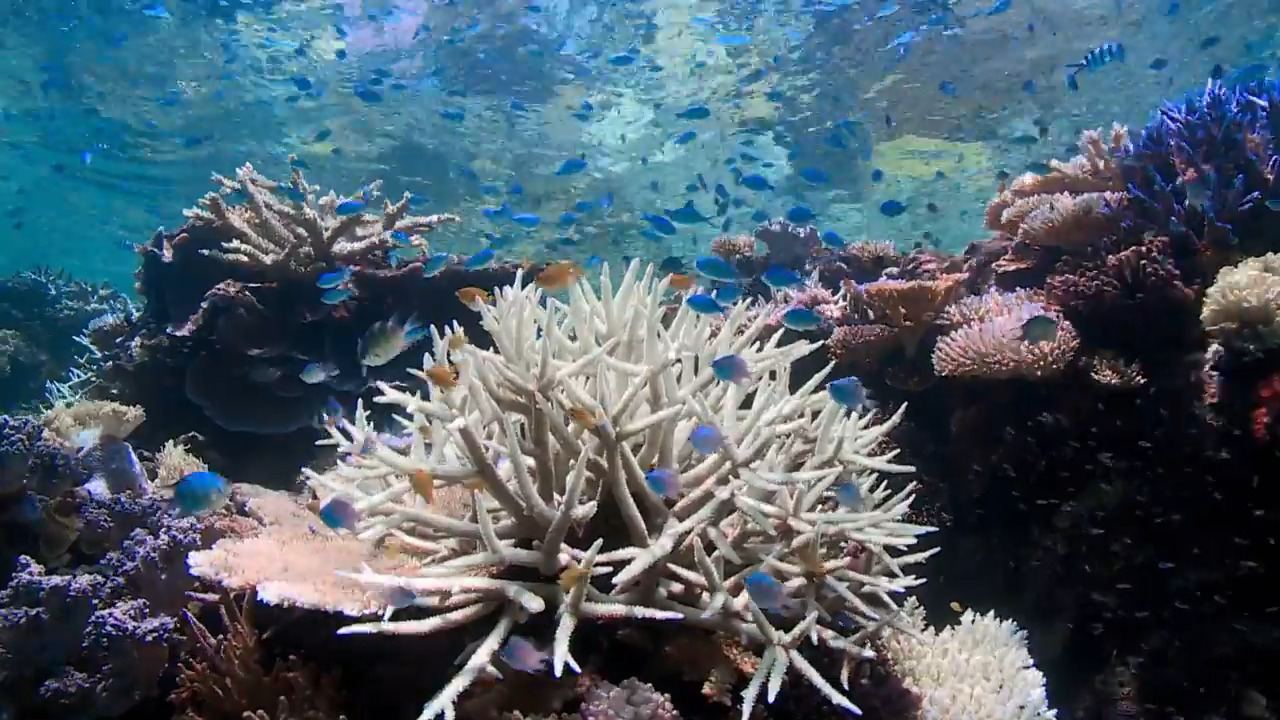
In Coral Bleaching, witness the effects of global warming on coral ecosystems. The world’s oceans are warming due to climate change, which negatively affects coral reefs, home to about a quarter of all ocean life. Coral is highly sensitive to temperature changes, and as ocean temperatures rise, coral bleaching becomes more extreme. This video is excerpted from BBC’s Climate Change - The Facts, a documentary that delves into the science of climate change and its far-reaching consequences.
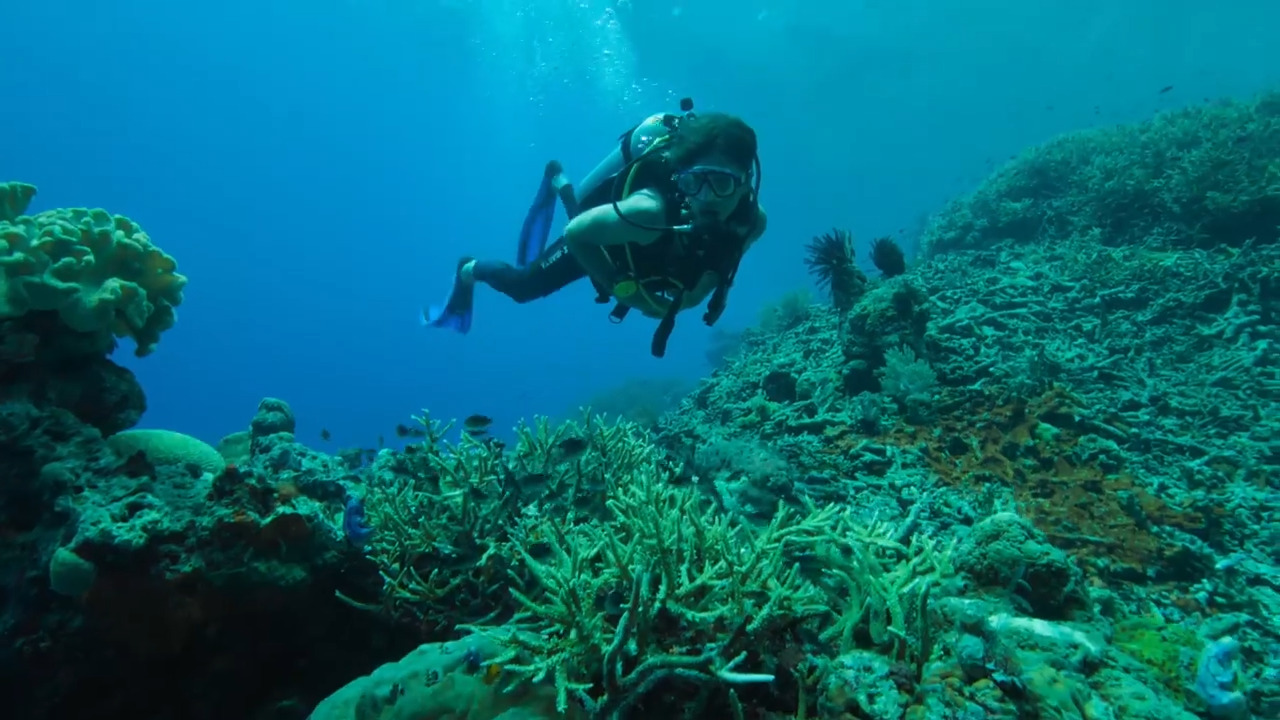
In A Journey Through the Coral Triangle, host Simon Reeve dives into the breathtaking underwater paradise of Raja Ampat in the Coral Triangle. Home to three-quarters of the world’s coral species, this ecosystem is often called the "Amazon of the Sea." Simon explains how the ocean produces half the oxygen we breathe and reveals the critical role sharks play as apex predators in keeping the marine food chain balanced. This video is excerpted from BBC’s Wilderness With Simon Reeve, an epic adventure into the heart of Earth’s last great wild areas, where nature is at its most beautiful and fragile.
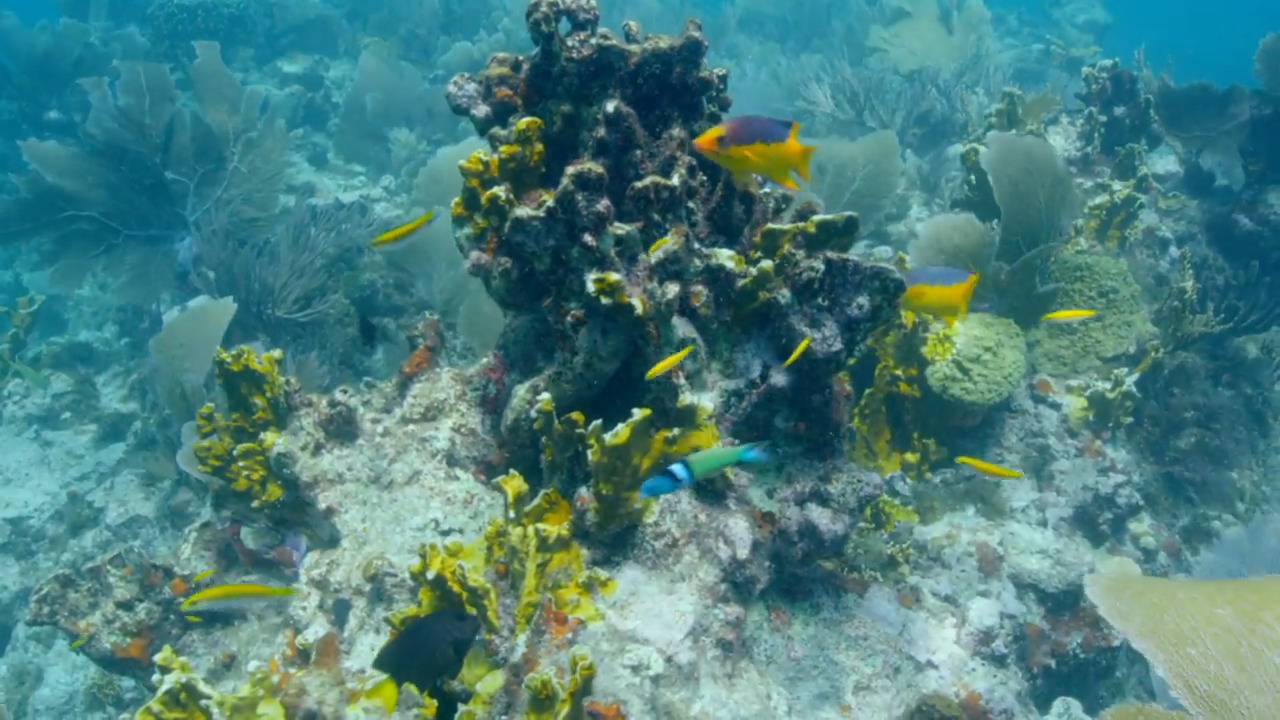
In Regenerating Florida's Coral Reef, biologists find new ways to regenerate Florida’s fragile coral reef. This video is excerpted from BBC's Natural World: Florida - America's Animal Paradise, a series displaying Florida’s diverse wildlife and its resilience against increasing environmental threats.
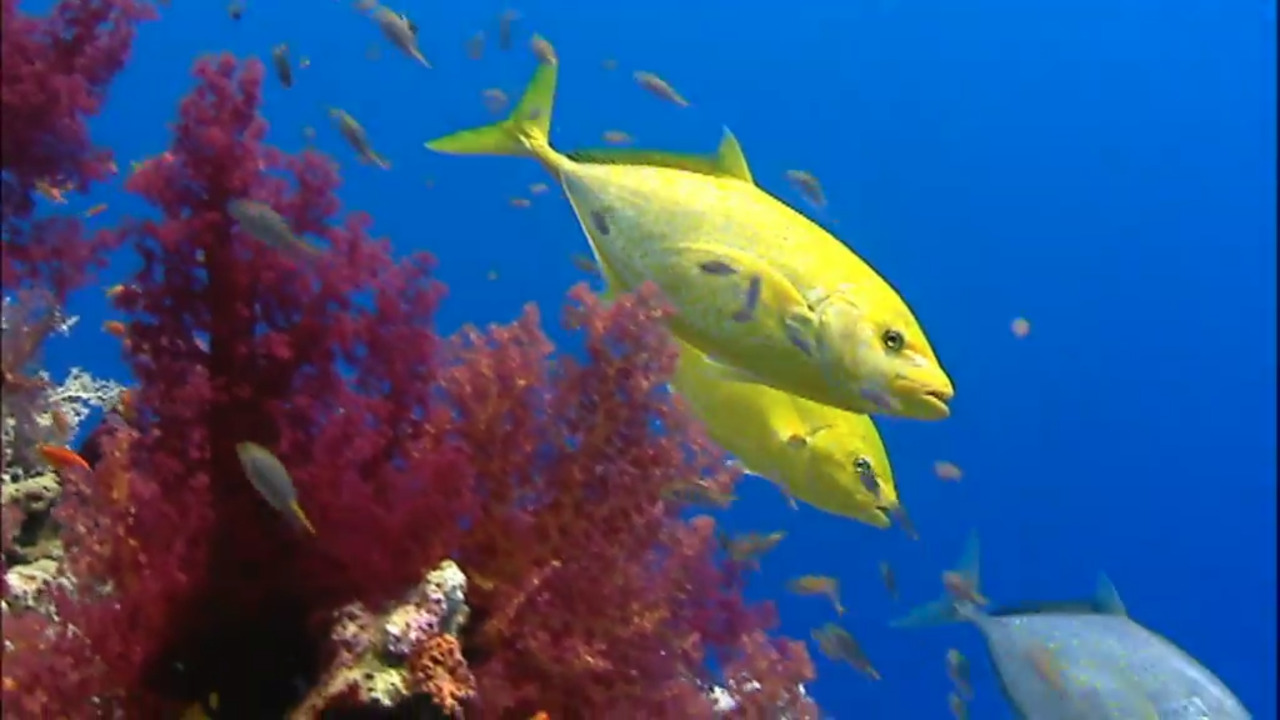
In Competition on the Coral Reef, narrator Sir David Attenborough describes how one predator-prey pair interact on the reef. Watch jack fish try to corral silversides who have their own defensive tactic. This video is excerpted from BBC’s Blue Planet, a definitive documentary series diving into the mysterious depths of the sea to discover the natural history of the world’s oceans and the rarely seen marine life that reside there.
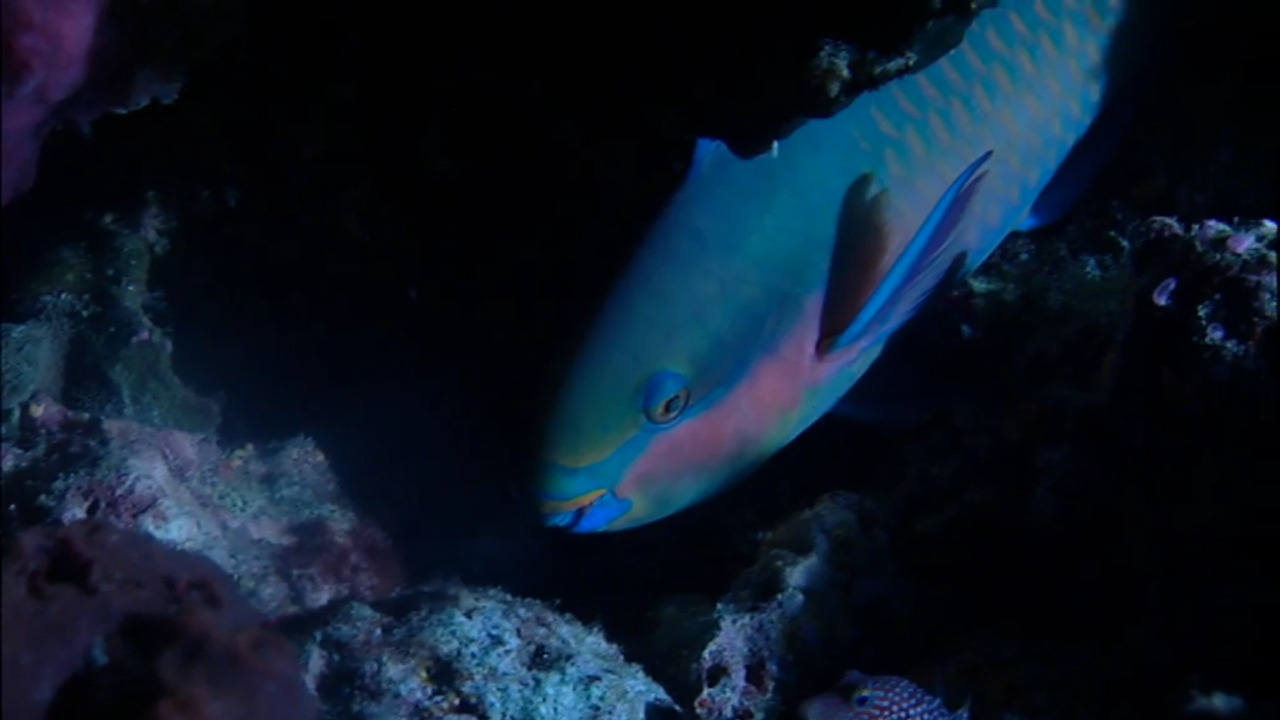
In Nightfall on the Coral Reef, narrator Sir David Attenborough explains how animals survive on the coral reef at night. Watch how manta rays hunt at night. This video is excerpted from BBC’s Blue Planet, a definitive documentary series diving into the mysterious depths of the sea to discover the natural history of the world’s oceans and the rarely seen marine life that reside there.
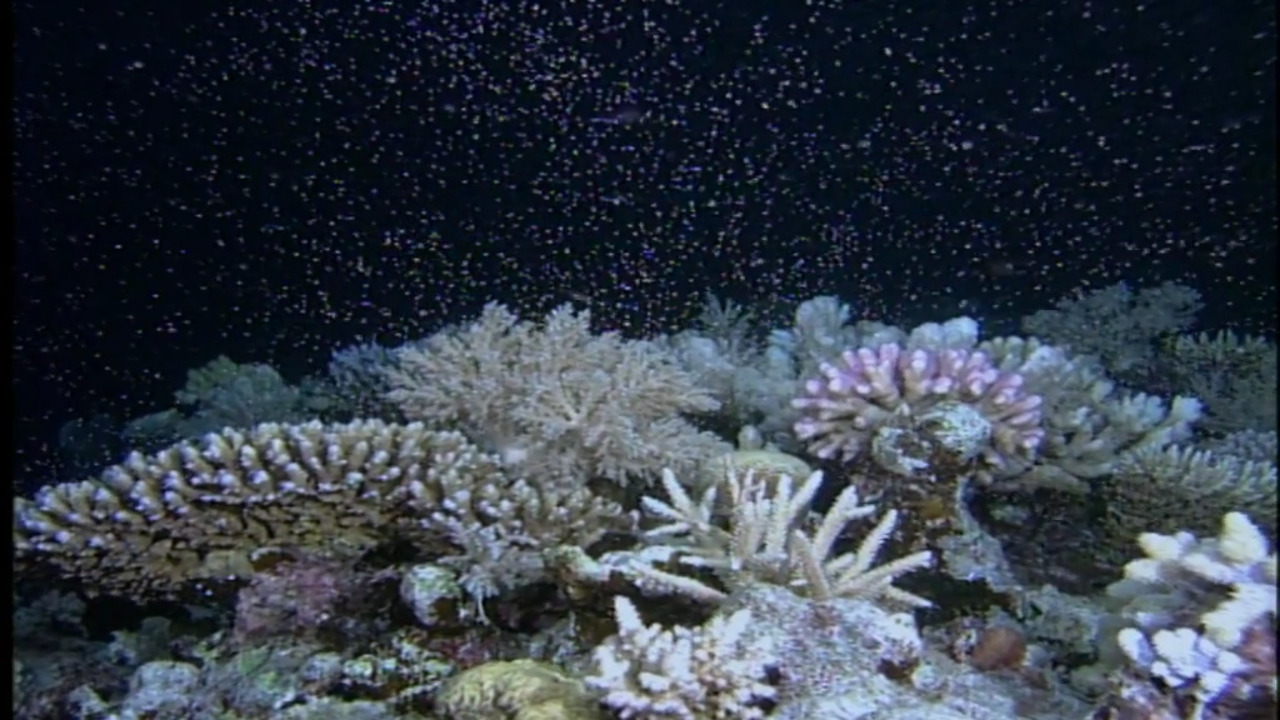
In Coral Reproduction, narrator Sir David Attenborough explores how coral reproduce sexually and asexually and how they maximize their chances of survival using timing to synchronize their activity. This video is excerpted from BBC’s Blue Planet, a definitive documentary series diving into the mysterious depths of the sea to discover the natural history of the world’s oceans and the rarely seen marine life that reside there.
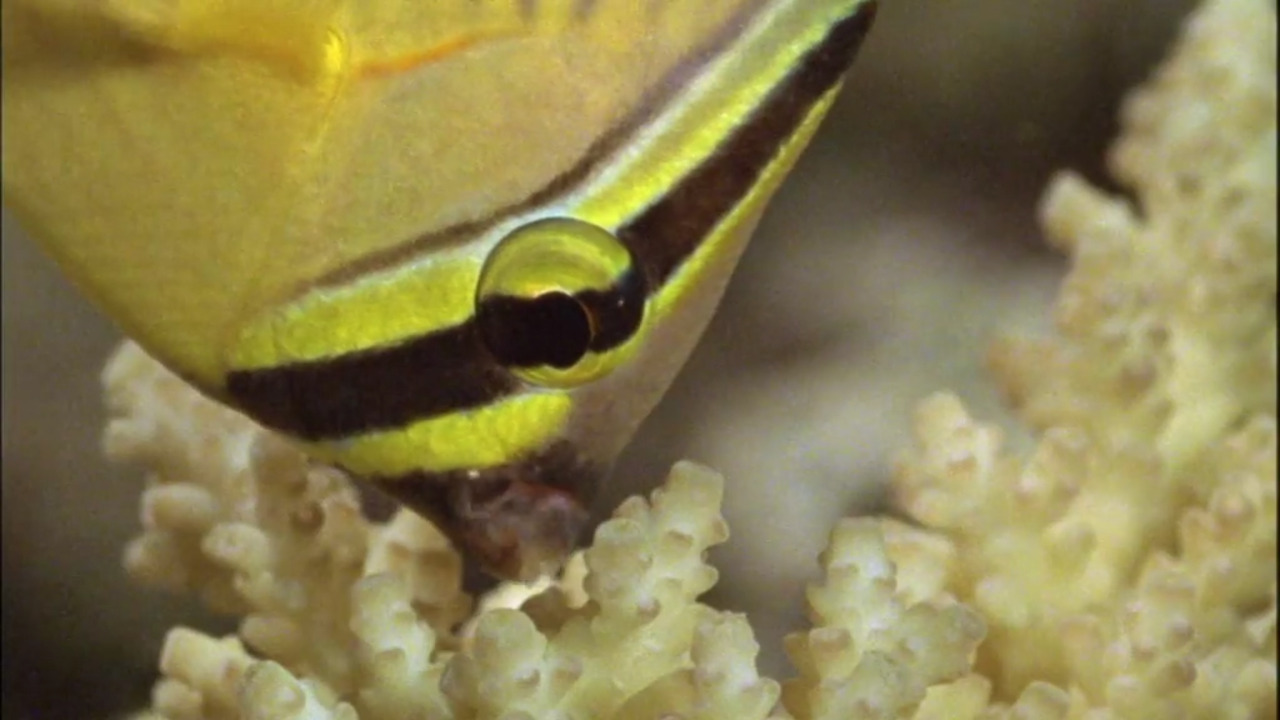
In Coral Reefs at Night, narrator Sir David Attenborough explains how coral emerge at night to eat, grow, and defend their territory, with dramatic consequences. This video is excerpted from BBC’s Blue Planet, a definitive documentary series diving into the mysterious depths of the sea to discover the natural history of the world’s oceans and the rarely seen marine life that reside there.
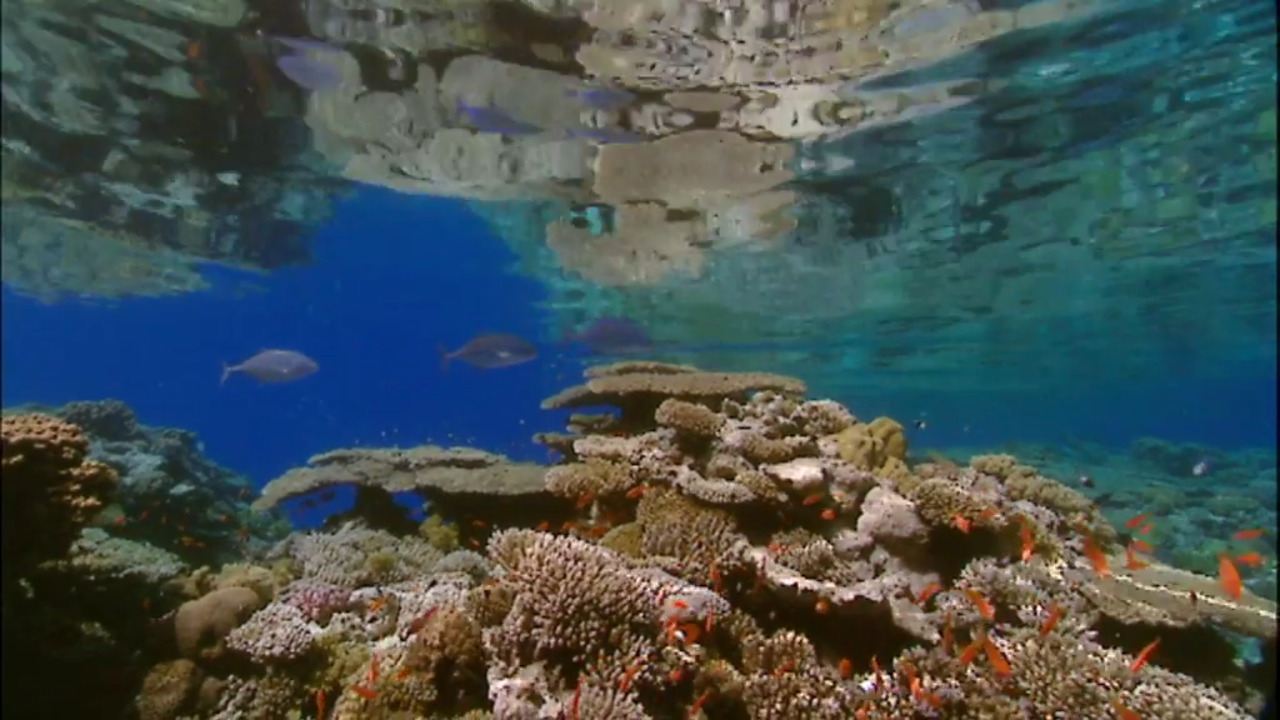
In Coral and Algae's Special Relationship, narrator Sir David Attenborough looks at how coral reefs use algae and how corals control the amount of light that reaches the algae. This video is excerpted from BBC’s Blue Planet, a definitive documentary series diving into the mysterious depths of the sea to discover the natural history of the world’s oceans and the rarely seen marine life that reside there.
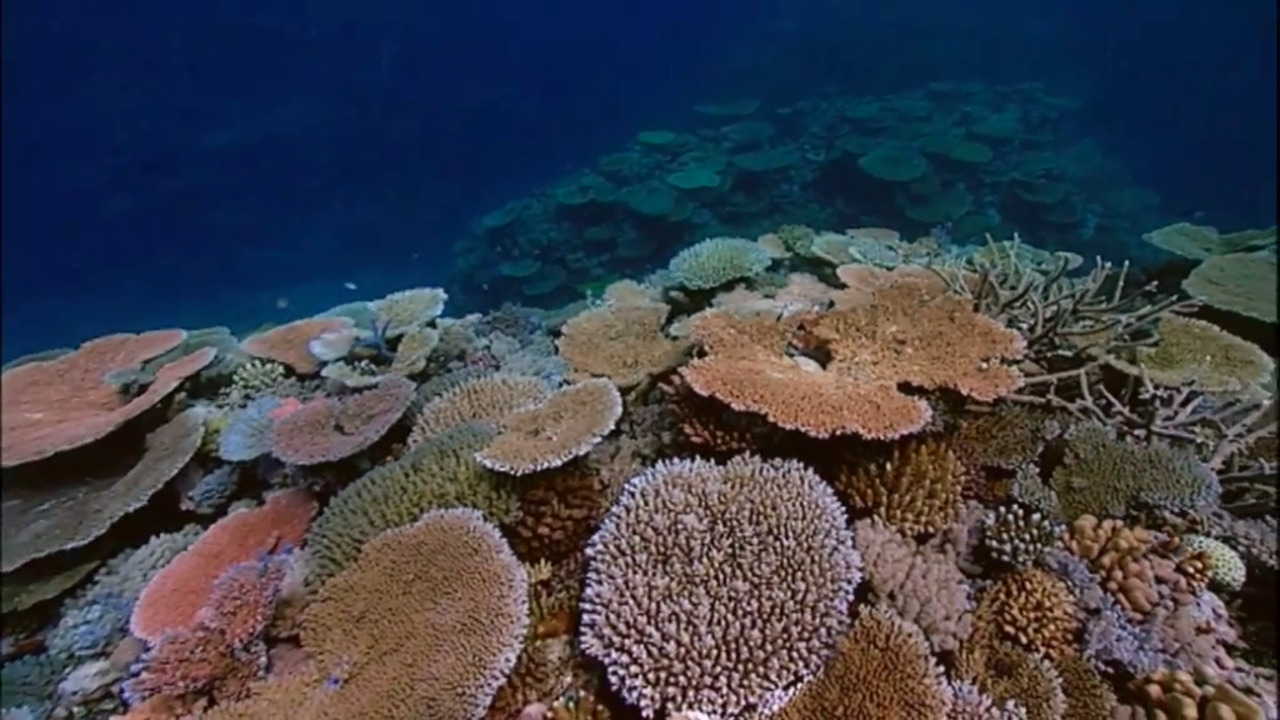
In The Coral Reef Habitat, narrator Sir David Attenborough examines the animals that live on the coral reef, one of the most diverse places in the animal world. Learn about animals that live in the reef, climb out away from the reef, or return to the reef from the open ocean. This video is excerpted from BBC’s Blue Planet, a definitive documentary series diving into the mysterious depths of the sea to discover the natural history of the world’s oceans and the rarely seen marine life that reside there.
Bring your students on an underwater adventure into the coral reef ecosystem! Whether you're exploring the vast beauty of the Great Barrier Reef in Australia or diving into the rich, biodiverse waters of Indonesia, coral reefs are some of the most vibrant and important ecosystems on Earth.
✨ Perfect for grades 3–8, here’s what you need to bring ecosystems to life:
- Iconic BBC Videos: Share the clips on this page to introduce the location, plants, animals, and climate of the coral reefs. (Don't miss the tusk fish and octopuses!) Brought to you by world-class BBC programs like Planet Earth, Blue Planet, Animal Babies, and Life.
- Free Printable: Use the Coral Reef Brochure Template to help students pull it all together in an ecosystem report with facts they’ve learned (and a little extra research).
It’s everything you need to make ecosystems easy to teach and truly memorable for your students.
In Sharks' Hunting Techniques on the Coral Reef, narrator Sir David Attenborough explains how sharks around the coral reef work together to herd shoals of fish toward the shore. Their technique traps millions of fish in shallow waters, allowing the sharks to fill their stomachs. This video is excerpted from BBC’s Seven Worlds, One Planet, a series featuring remarkable animal behavior from all seven continents.
In The Coral Reef, an Underwater Masterpiece, narrator Sir David Attenborough marvels at the variety of life found in Earth’s coral reefs. Learn how polyps and algae both benefit from living in close relationship with one another. This video is excerpted from BBC's Planet Earth, a breathtaking documentary series that highlights the natural wonders of our planet.
In Coral Bleaching, witness the effects of global warming on coral ecosystems. The world’s oceans are warming due to climate change, which negatively affects coral reefs, home to about a quarter of all ocean life. Coral is highly sensitive to temperature changes, and as ocean temperatures rise, coral bleaching becomes more extreme. This video is excerpted from BBC’s Climate Change - The Facts, a documentary that delves into the science of climate change and its far-reaching consequences.
In A Journey Through the Coral Triangle, host Simon Reeve dives into the breathtaking underwater paradise of Raja Ampat in the Coral Triangle. Home to three-quarters of the world’s coral species, this ecosystem is often called the "Amazon of the Sea." Simon explains how the ocean produces half the oxygen we breathe and reveals the critical role sharks play as apex predators in keeping the marine food chain balanced. This video is excerpted from BBC’s Wilderness With Simon Reeve, an epic adventure into the heart of Earth’s last great wild areas, where nature is at its most beautiful and fragile.
In Regenerating Florida's Coral Reef, biologists find new ways to regenerate Florida’s fragile coral reef. This video is excerpted from BBC's Natural World: Florida - America's Animal Paradise, a series displaying Florida’s diverse wildlife and its resilience against increasing environmental threats.
In Competition on the Coral Reef, narrator Sir David Attenborough describes how one predator-prey pair interact on the reef. Watch jack fish try to corral silversides who have their own defensive tactic. This video is excerpted from BBC’s Blue Planet, a definitive documentary series diving into the mysterious depths of the sea to discover the natural history of the world’s oceans and the rarely seen marine life that reside there.
In Nightfall on the Coral Reef, narrator Sir David Attenborough explains how animals survive on the coral reef at night. Watch how manta rays hunt at night. This video is excerpted from BBC’s Blue Planet, a definitive documentary series diving into the mysterious depths of the sea to discover the natural history of the world’s oceans and the rarely seen marine life that reside there.
In Coral Reproduction, narrator Sir David Attenborough explores how coral reproduce sexually and asexually and how they maximize their chances of survival using timing to synchronize their activity. This video is excerpted from BBC’s Blue Planet, a definitive documentary series diving into the mysterious depths of the sea to discover the natural history of the world’s oceans and the rarely seen marine life that reside there.
In Coral Reefs at Night, narrator Sir David Attenborough explains how coral emerge at night to eat, grow, and defend their territory, with dramatic consequences. This video is excerpted from BBC’s Blue Planet, a definitive documentary series diving into the mysterious depths of the sea to discover the natural history of the world’s oceans and the rarely seen marine life that reside there.
In Coral and Algae's Special Relationship, narrator Sir David Attenborough looks at how coral reefs use algae and how corals control the amount of light that reaches the algae. This video is excerpted from BBC’s Blue Planet, a definitive documentary series diving into the mysterious depths of the sea to discover the natural history of the world’s oceans and the rarely seen marine life that reside there.
In The Coral Reef Habitat, narrator Sir David Attenborough examines the animals that live on the coral reef, one of the most diverse places in the animal world. Learn about animals that live in the reef, climb out away from the reef, or return to the reef from the open ocean. This video is excerpted from BBC’s Blue Planet, a definitive documentary series diving into the mysterious depths of the sea to discover the natural history of the world’s oceans and the rarely seen marine life that reside there.