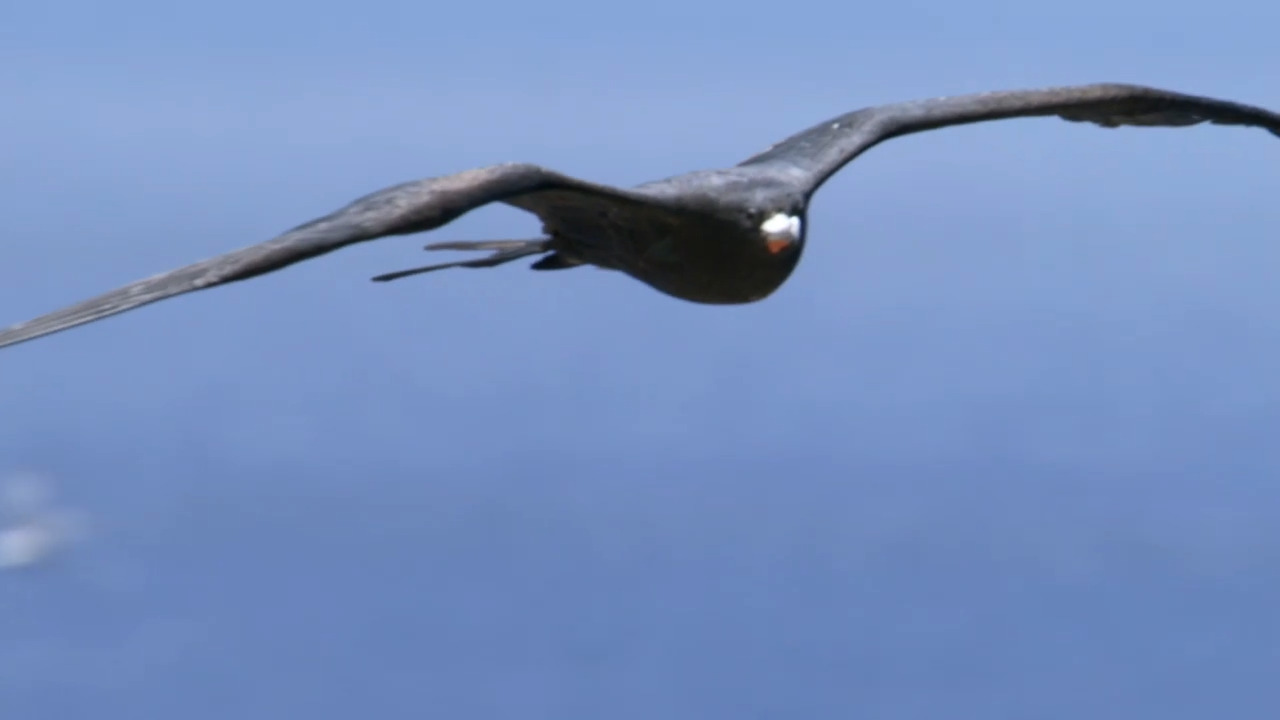
In Frigate Birds Nesting on Ascension Island, narrator David Attenborough highlights frigate birds, who travel across vast stretches of the ocean but return to Ascension Island to nest. This isolated volcanic island, located 800 miles from any other land, provides a vital refuge. Instead of choosing the island's main slopes, frigate birds nest on the even more remote Boatswain Bird Island, a rocky outcrop just off the coast. With the lightest body relative to their wings, these birds can soar for weeks with minimal effort, making them much more at home in the sky than on land. This video is excerpted from BBC’s Planet Earth, a breathtaking documentary series that highlights the natural wonders of our planet.
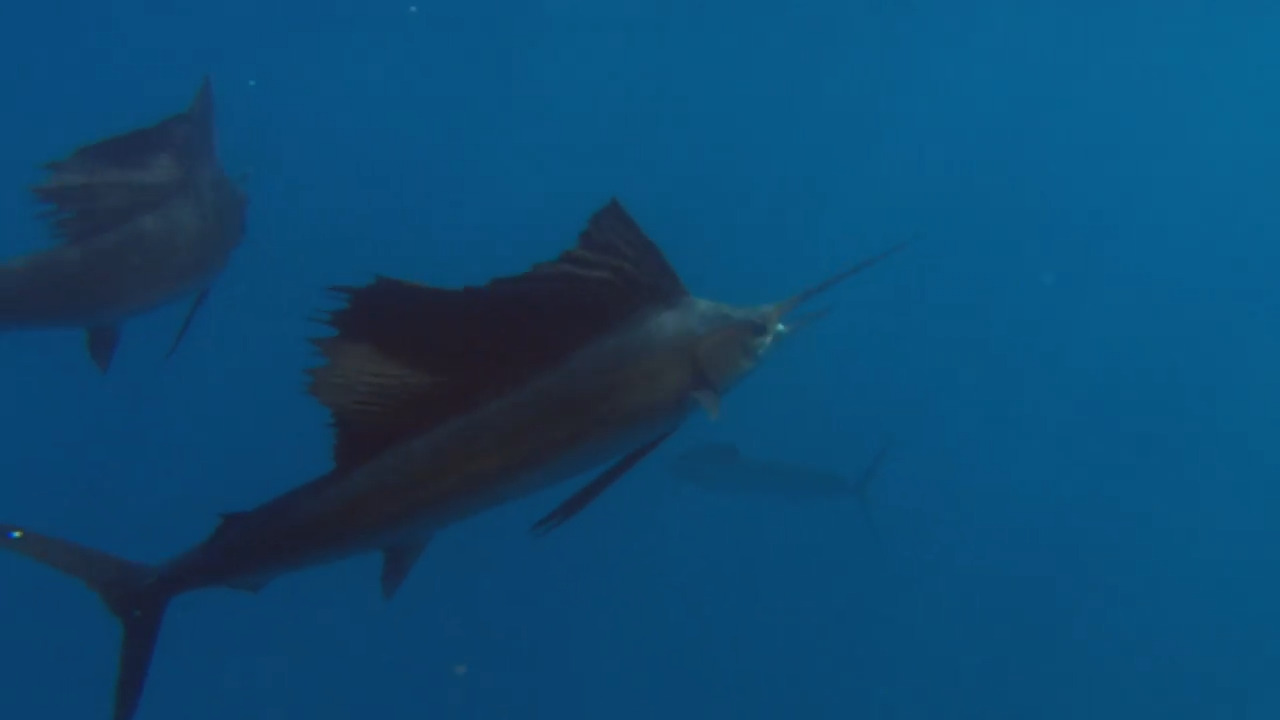
In Frigate Birds and Sailfish on the Hunt, narrator Sir David Attenborough observes the remarkable hunting techniques of frigate birds and sailfish in the open ocean. Frigate birds soar high above the water, scanning for fish below, while sailfish — some reaching lengths of 10 feet (3 meters) — surround schools of bait fish. The sailfish cooperate with one another, using their speed, agility, and color-changing abilities to confuse and catch their prey. As the bait fish move toward the surface, frigate birds dive down to snatch them. This video is excerpted from BBC’s Planet Earth, a breathtaking documentary series that highlights the natural wonders of our planet.
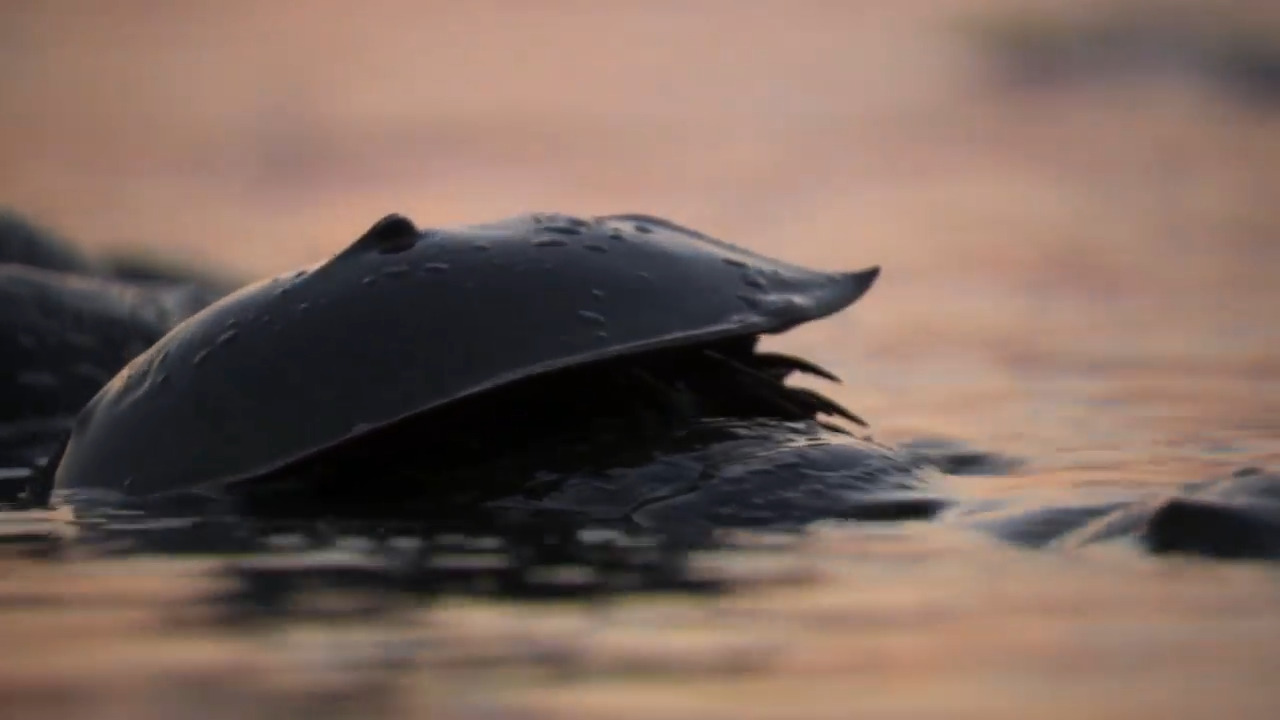
In The Red Knot Bird's Essential Pit Stop, narrator Sir David Attenborough follows red knot birds on their nearly 10,000 mile (16,000 kilometer) journey from Argentina to Canada. They stop in Delaware Bay to feast on horseshoe crab eggs, needing to eat up to 400,000 eggs to double their weight before continuing their journey. But all that feeding makes them easy targets for predators like the peregrine falcon, adding danger to their incredible adventure! This video is excerpted from BBC's Life, a show that explores the remarkable strategies animals and plants use to ensure their survival.
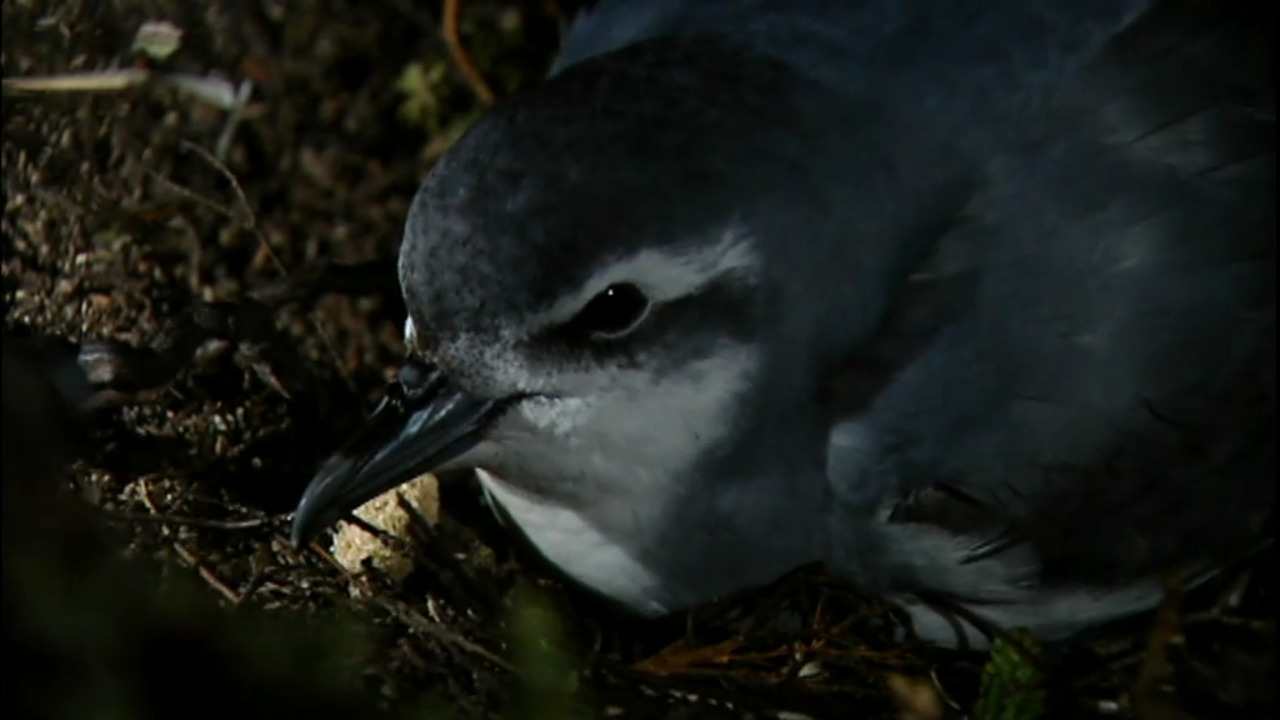
In The Problem-Solving Birds of the Falkland Islands, narrator Sir David Attenborough explores the rough coast of the Falkland Islands. Learn how two birds on the Falkland Islands, the petrel and the prion, solve problems and avoid predators. This video is excerpted from BBC’s Blue Planet, a definitive documentary series diving into the mysterious depths of the sea to discover the natural history of the world’s oceans and the rarely seen marine life that reside there.
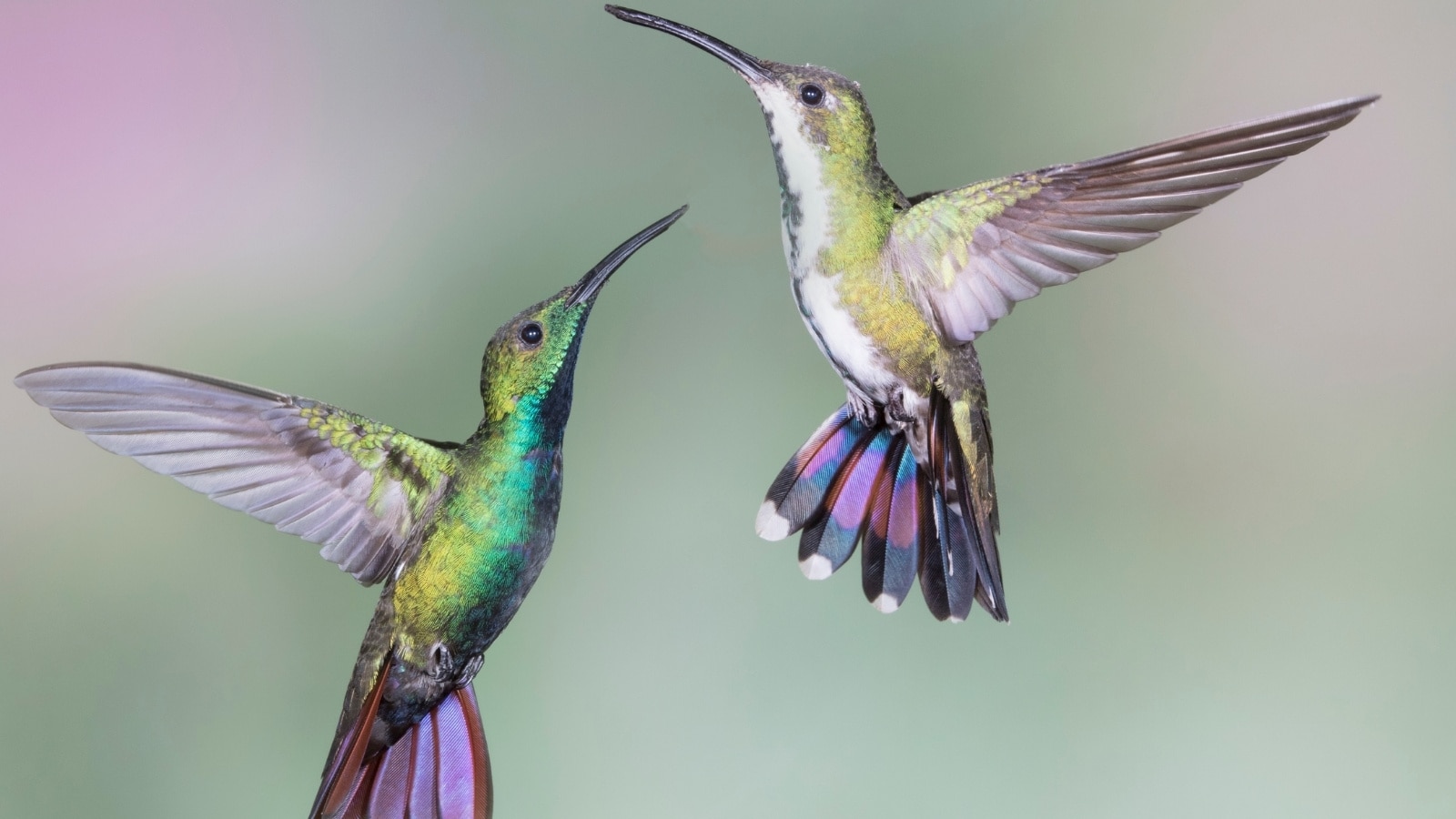
The article "Hummingbirds: Tiny Birds With Big Abilities" from BBC's Discover Wildlife is a detailed guide to the world of hummingbirds. It explores their unique flight skills, diet, habitats, and how their fast metabolism drives their daily routines. With over 350 species, these birds face threats from predators and habitat loss, but they continue to amaze scientists and birdwatchers alike.
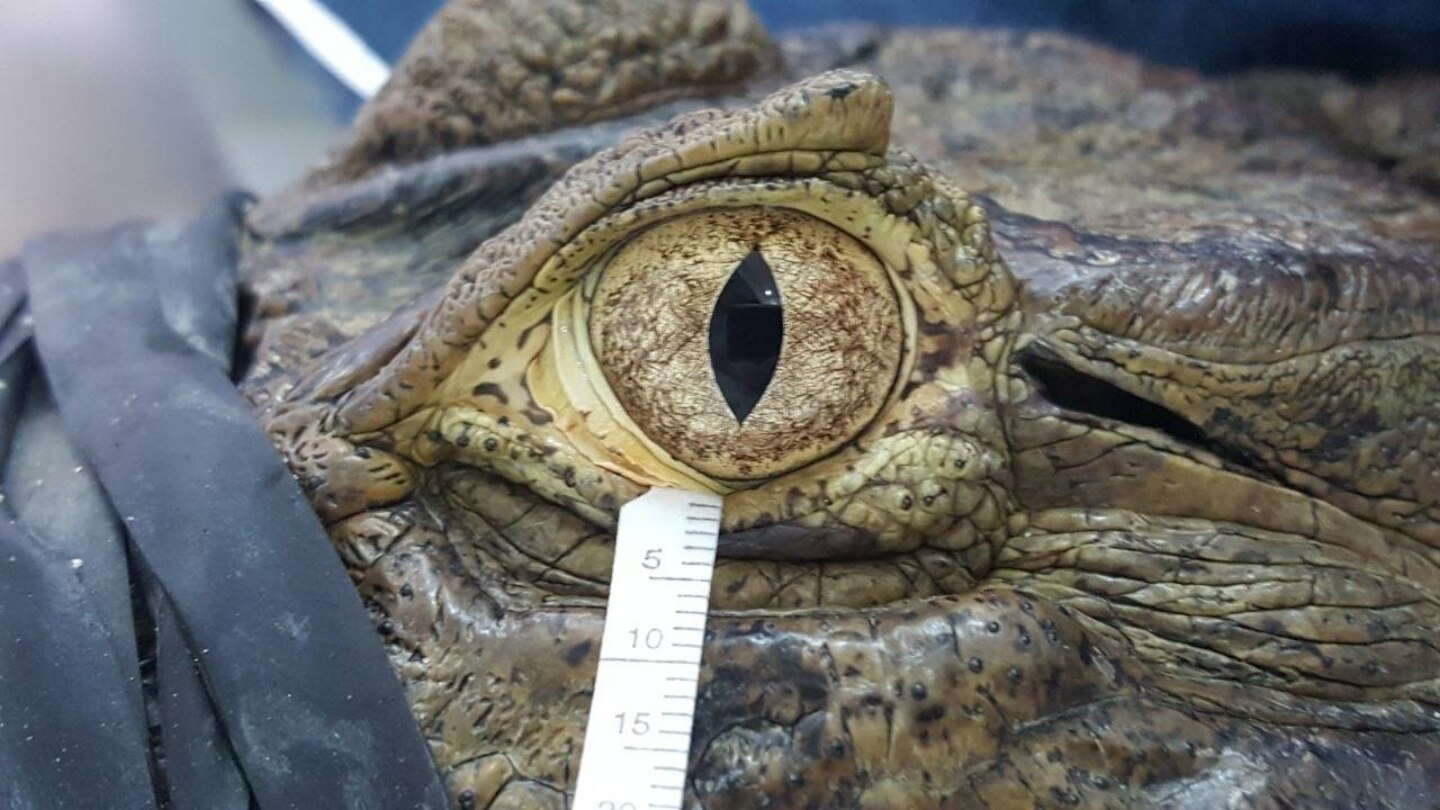
The article "Birds and Reptiles Cry Tears Like Humans" from BBC's Science Focus explains how the tears of birds and reptiles contain similar chemical compositions to human tears. Scientists hope this research will lead to improved treatments for eye conditions and offer new insights into evolutionary biology.
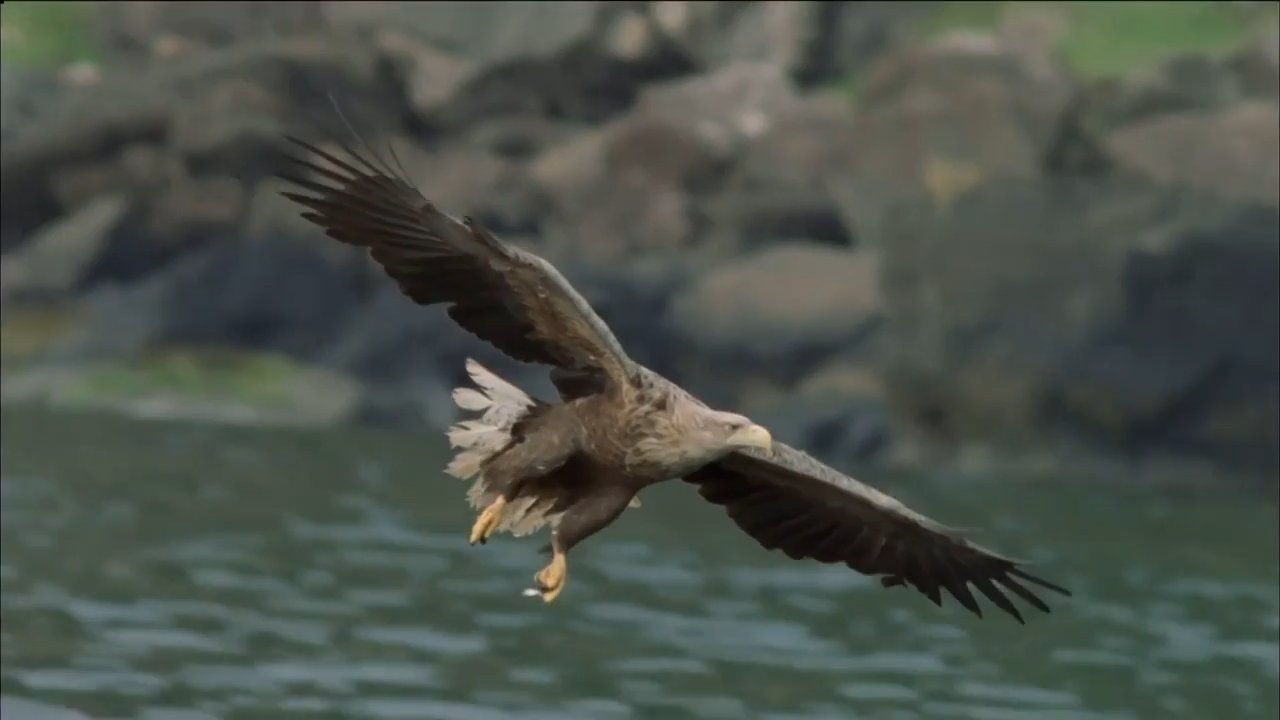
The RSPB (Royal Society for the Protection of Birds) is investigating attacks on birds of prey, also called raptors. Raptors hunt and feed on other animals, but even though they're near the top of the food chain, one of their biggest threats is humans.
There have been reports of raptors found dead in suspicious circumstances or caught in illegal traps. Investigators are reviewing footage from cameras near some traps to help identify who's responsible. The traps themselves are legal when used correctly, and any animal that isn't the intended target must be released unharmed. But footage has shown some people mistreating or killing these protected birds instead.
Investigators believe money is behind some of the attacks. Raptors sometimes hunt game birds, which people also hunt for sport or profit. By illegally removing birds of prey, some people may be trying to leave more game birds available for shooting. Officials are struggling to find ways to reduce these attacks — fines and prosecution haven't been very effective so far. Some campaigners want stronger licensing rules for trap use, while others argue that would be hard to enforce and might not stop illegal attacks either.
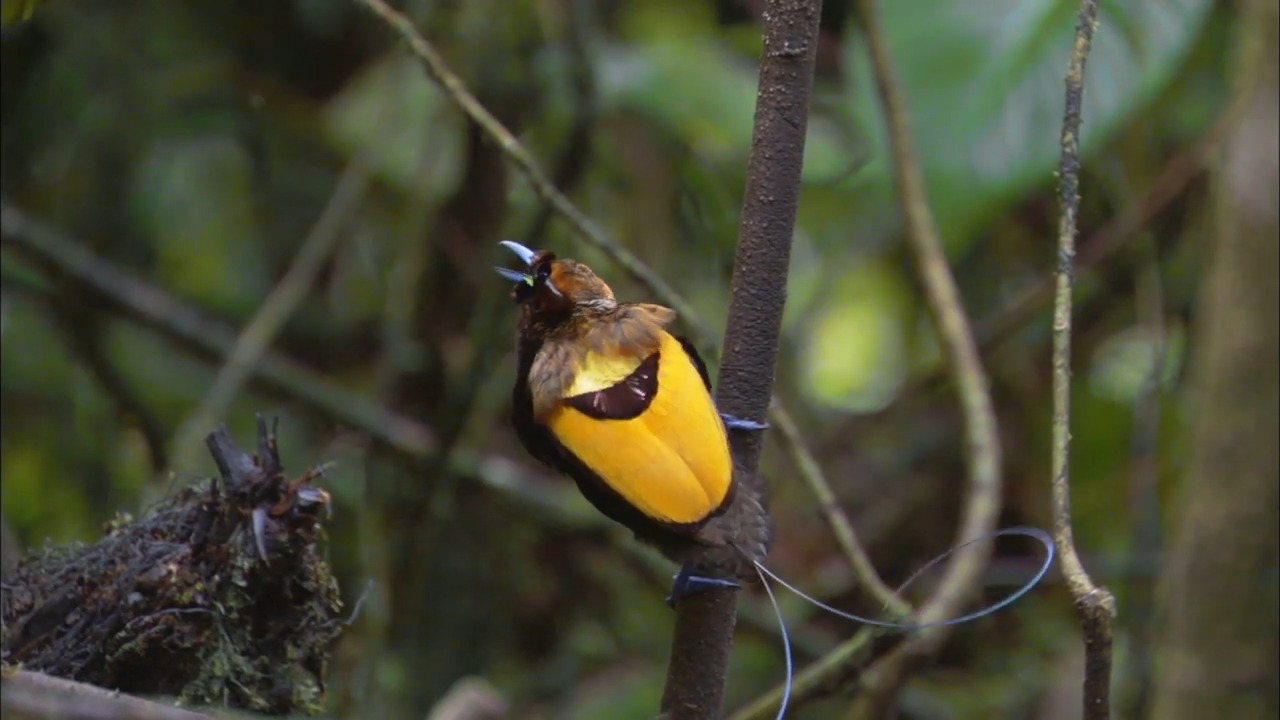
In The Extravagant Displays of Birds-of-Paradise, narrator Sir David Attenborough showcases a few of the nearly 40 different kinds of birds-of-paradise on the island of New Guinea. Different birds-of-paradise live in different parts of New Guinea to avoid competing with one another. Male birds-of-paradise try to be extravagant to attract females. This video is excerpted from BBC's Planet Earth, a breathtaking documentary series that highlights the natural wonders of our planet.
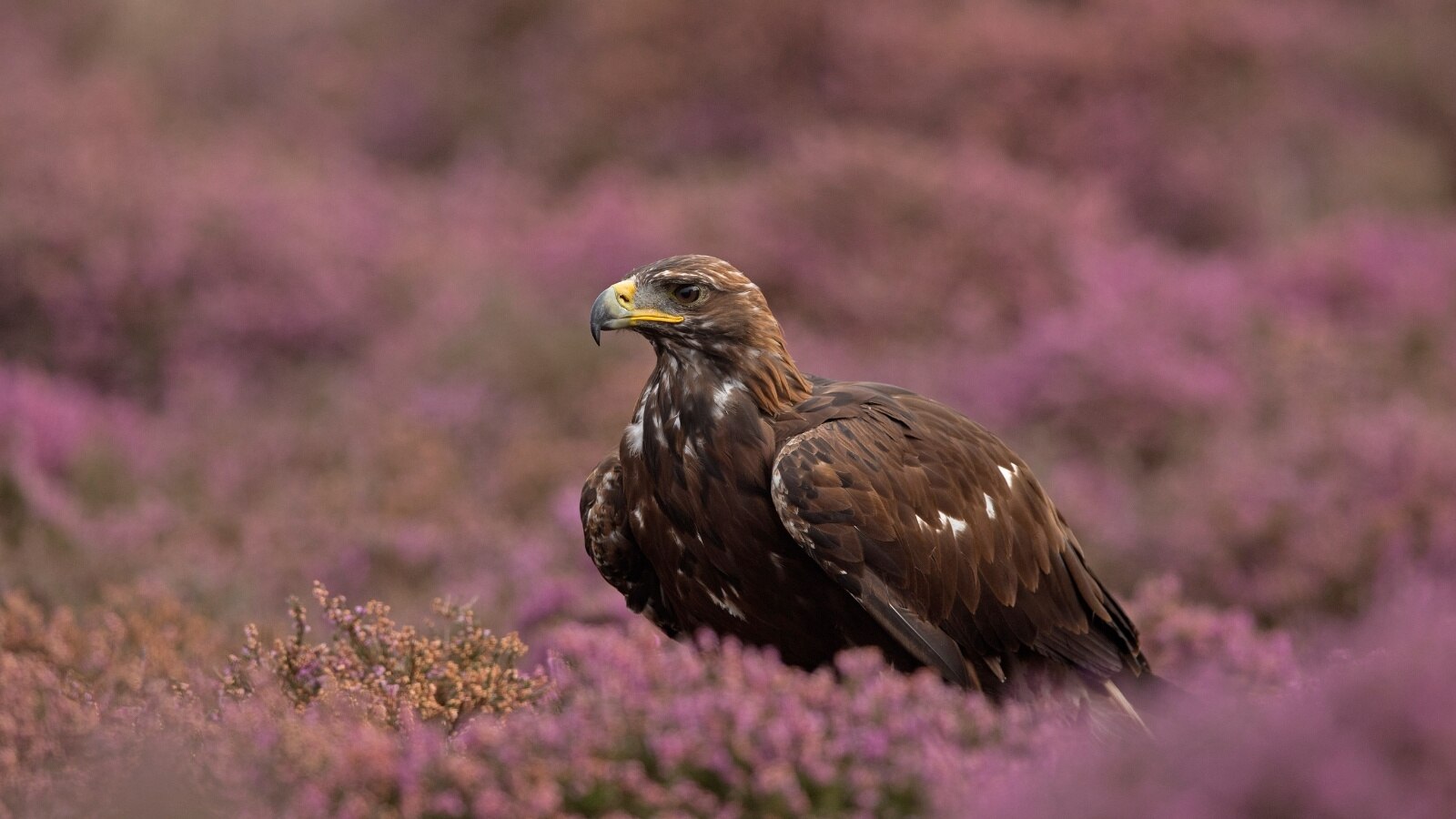
The article "Identification, Habitat, and Diet of the Golden Eagle, UK’s Majestic Raptor" from BBC's Discover Wildlife provides an in-depth look at the golden eagle, the UK's second-largest bird of prey. It details the eagle's physical characteristics, including its dark brown plumage and golden nape, its primary habitats in the Scottish Highlands, and its varied diet consisting mainly of small to medium-sized mammals and birds.
In Frigate Birds Nesting on Ascension Island, narrator David Attenborough highlights frigate birds, who travel across vast stretches of the ocean but return to Ascension Island to nest. This isolated volcanic island, located 800 miles from any other land, provides a vital refuge. Instead of choosing the island's main slopes, frigate birds nest on the even more remote Boatswain Bird Island, a rocky outcrop just off the coast. With the lightest body relative to their wings, these birds can soar for weeks with minimal effort, making them much more at home in the sky than on land. This video is excerpted from BBC’s Planet Earth, a breathtaking documentary series that highlights the natural wonders of our planet.
In Frigate Birds and Sailfish on the Hunt, narrator Sir David Attenborough observes the remarkable hunting techniques of frigate birds and sailfish in the open ocean. Frigate birds soar high above the water, scanning for fish below, while sailfish — some reaching lengths of 10 feet (3 meters) — surround schools of bait fish. The sailfish cooperate with one another, using their speed, agility, and color-changing abilities to confuse and catch their prey. As the bait fish move toward the surface, frigate birds dive down to snatch them. This video is excerpted from BBC’s Planet Earth, a breathtaking documentary series that highlights the natural wonders of our planet.
In The Red Knot Bird's Essential Pit Stop, narrator Sir David Attenborough follows red knot birds on their nearly 10,000 mile (16,000 kilometer) journey from Argentina to Canada. They stop in Delaware Bay to feast on horseshoe crab eggs, needing to eat up to 400,000 eggs to double their weight before continuing their journey. But all that feeding makes them easy targets for predators like the peregrine falcon, adding danger to their incredible adventure! This video is excerpted from BBC's Life, a show that explores the remarkable strategies animals and plants use to ensure their survival.
In The Problem-Solving Birds of the Falkland Islands, narrator Sir David Attenborough explores the rough coast of the Falkland Islands. Learn how two birds on the Falkland Islands, the petrel and the prion, solve problems and avoid predators. This video is excerpted from BBC’s Blue Planet, a definitive documentary series diving into the mysterious depths of the sea to discover the natural history of the world’s oceans and the rarely seen marine life that reside there.
The article "Hummingbirds: Tiny Birds With Big Abilities" from BBC's Discover Wildlife is a detailed guide to the world of hummingbirds. It explores their unique flight skills, diet, habitats, and how their fast metabolism drives their daily routines. With over 350 species, these birds face threats from predators and habitat loss, but they continue to amaze scientists and birdwatchers alike.
The article "Birds and Reptiles Cry Tears Like Humans" from BBC's Science Focus explains how the tears of birds and reptiles contain similar chemical compositions to human tears. Scientists hope this research will lead to improved treatments for eye conditions and offer new insights into evolutionary biology.
The RSPB (Royal Society for the Protection of Birds) is investigating attacks on birds of prey, also called raptors. Raptors hunt and feed on other animals, but even though they're near the top of the food chain, one of their biggest threats is humans.
There have been reports of raptors found dead in suspicious circumstances or caught in illegal traps. Investigators are reviewing footage from cameras near some traps to help identify who's responsible. The traps themselves are legal when used correctly, and any animal that isn't the intended target must be released unharmed. But footage has shown some people mistreating or killing these protected birds instead.
Investigators believe money is behind some of the attacks. Raptors sometimes hunt game birds, which people also hunt for sport or profit. By illegally removing birds of prey, some people may be trying to leave more game birds available for shooting. Officials are struggling to find ways to reduce these attacks — fines and prosecution haven't been very effective so far. Some campaigners want stronger licensing rules for trap use, while others argue that would be hard to enforce and might not stop illegal attacks either.
In The Extravagant Displays of Birds-of-Paradise, narrator Sir David Attenborough showcases a few of the nearly 40 different kinds of birds-of-paradise on the island of New Guinea. Different birds-of-paradise live in different parts of New Guinea to avoid competing with one another. Male birds-of-paradise try to be extravagant to attract females. This video is excerpted from BBC's Planet Earth, a breathtaking documentary series that highlights the natural wonders of our planet.
The article "Identification, Habitat, and Diet of the Golden Eagle, UK’s Majestic Raptor" from BBC's Discover Wildlife provides an in-depth look at the golden eagle, the UK's second-largest bird of prey. It details the eagle's physical characteristics, including its dark brown plumage and golden nape, its primary habitats in the Scottish Highlands, and its varied diet consisting mainly of small to medium-sized mammals and birds.