
Someone's Targeting Britain's Birds of Prey — And Investigators Want To Know Who
The RSPB (Royal Society for the Protection of Birds) is investigating attacks on birds of prey, also called raptors. Raptors hunt and feed on other animals, but even though they're near the top of the food chain, one of their biggest threats is humans.
There have been reports of raptors found dead in suspicious circumstances or caught in illegal traps. Investigators are reviewing footage from cameras near some traps to help identify who's responsible. The traps themselves are legal when used correctly, and any animal that isn't the intended target must be released unharmed. But footage has shown some people mistreating or killing these protected birds instead.
Investigators believe money is behind some of the attacks. Raptors sometimes hunt game birds, which people also hunt for sport or profit. By illegally removing birds of prey, some people may be trying to leave more game birds available for shooting. Officials are struggling to find ways to reduce these attacks — fines and prosecution haven't been very effective so far. Some campaigners want stronger licensing rules for trap use, while others argue that would be hard to enforce and might not stop illegal attacks either.
Take the Challenge

More News Stories
Most of our sub-par pictures just take up space on our phones and show off the insides of our pockets, but one blurry photo launched an almost two decades-long scientific endeavor.
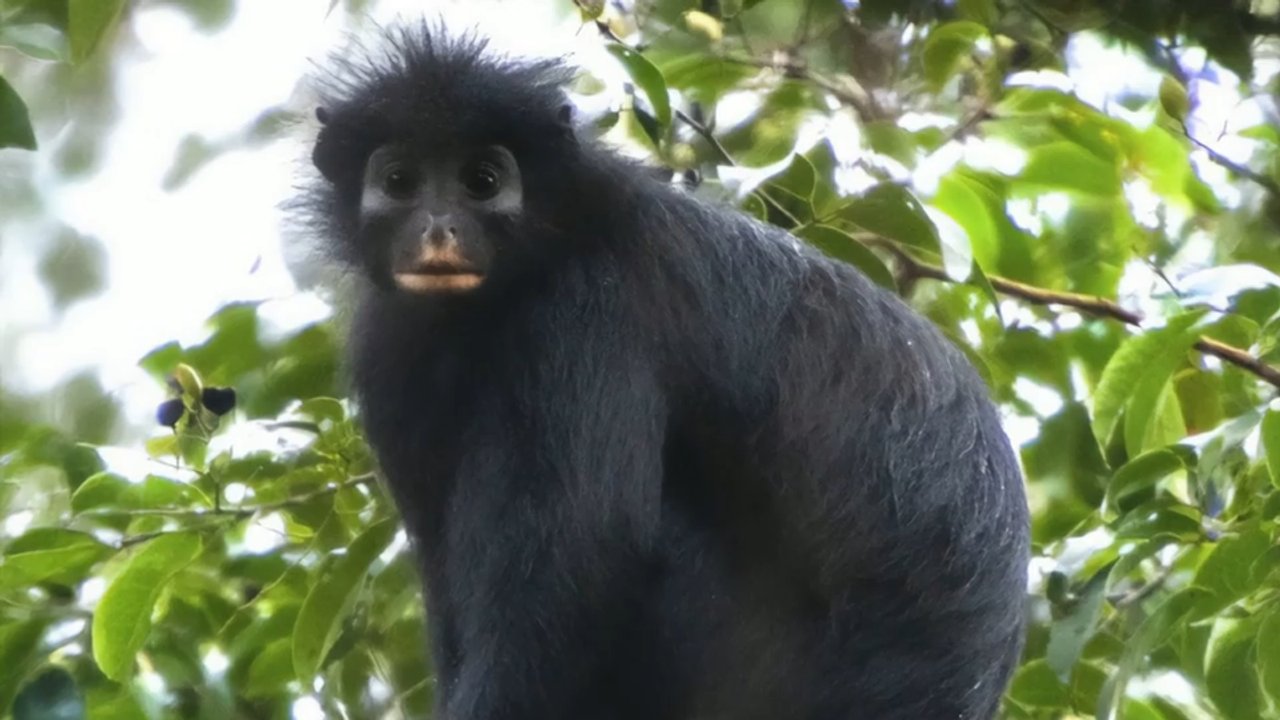
A search that began with a picture of a tail in the trees eventually took researchers deep into Lomami National Park in the Democratic Republic of Congo on a quest to find out exactly what kind of monkey they were dealing with. Using microphones, cameras and genetic testing, they gathered enough evidence to confirm that the animal is a distinct species, now named Colobus congoensis — the first time a monkey is being named after the Congo!
It belongs to a group of plant-eating primates that live high in trees and do not have thumbs, but the Colobus congoensis has some unique characteristics. It uses a roaring call that announces its presence through dense tropical forest and has distinctive pinkish-orange lips that researchers think could act as a visual signal, perhaps helping it attract a mate. It also gives you someone to blame if your sibling asks, “Who ate the last orange creamsicle?!”
Scientists still have a lot to learn about this monkey, but it seems rare and limited to a particular habitat in the central-eastern part of the country. Researchers hope that officially recognizing it as a separate species will help protect both the monkey and the environment it depends on.
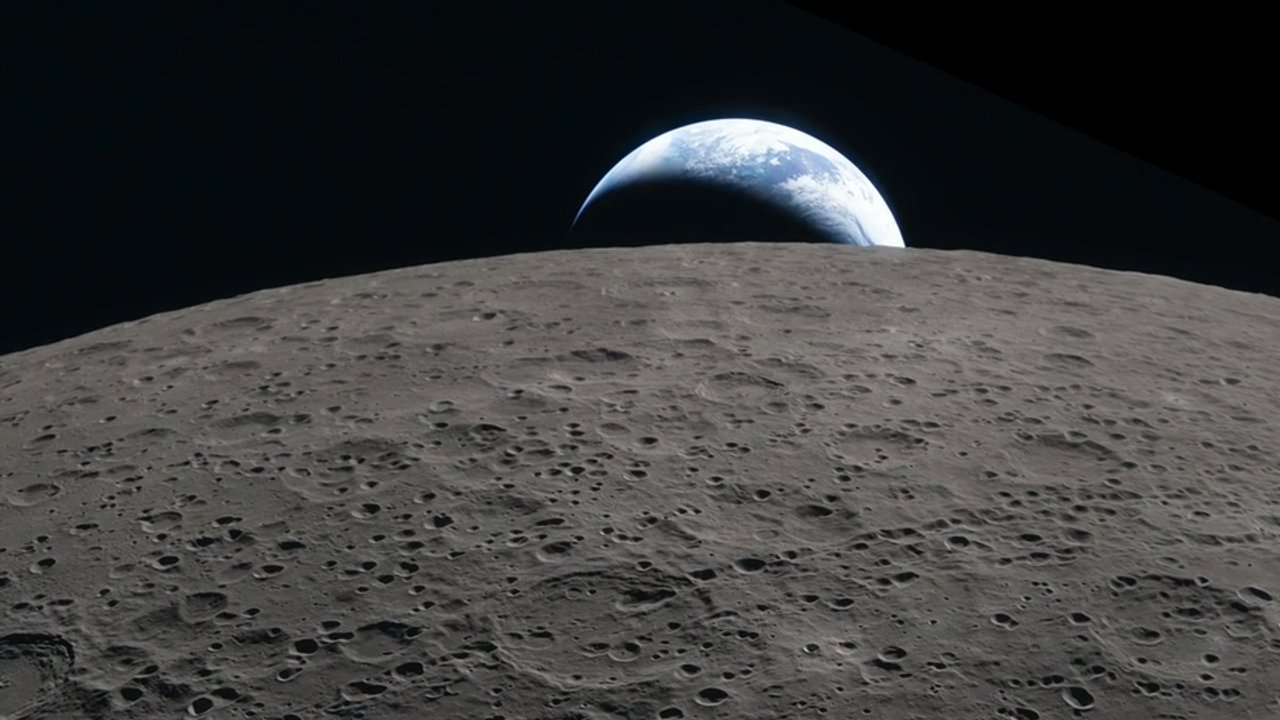
After a historic 10-day mission around the Moon — the first time humans have traveled so far into space since the 70s — the Artemis II crew came away with crucial knowledge: appreciate doors on bathrooms.
Commander Reid Wiseman dished on some other reflections about the trip. For example, the crew didn’t even realize what a big deal this was to people on Earth and didn’t hear much of the news until they talked to their families a few days into the mission. We suppose that’s what happens when you literally have your head in the clouds.
Not only was the journey unforgettable for science, but it was also personally significant for the crew members. One of the most powerful moments came when astronaut Jeremy Hansen named a lunar crater after Wiseman’s late wife, Carroll, a pivotal moment that solidified the crew’s bond.
But that bond wasn’t just to make things more fun — getting along in space is actually a matter of safety, and life inside a spacecraft requires serious teamwork. Think about sharing a room with a stinky sibling or living with a roommate who keeps eating your snacks. Now imagine that, in a room one-fifth the size and no way to escape! The astronauts lived, slept, and worked in extremely close quarters, so it was important to deal with disagreements immediately instead of letting tension build.
As exciting as it was to orbit the Moon, the return to Earth may have been just as intense. The crew re-entered the atmosphere at about 39 times the speed of sound. That’s about 30,000 miles per hour. They experienced forces of about four times normal gravity — about what you feel during the most intense parts of a roller coaster, but the astronauts felt this way for about 13 minutes. Nonstop! And that’s all before parachuting into the Pacific Ocean. All that probably makes it just a little more exhilarating than your bus ride to school.
NASA is attempting something it has never done before: rescuing a space telescope that's slowly falling toward Earth.
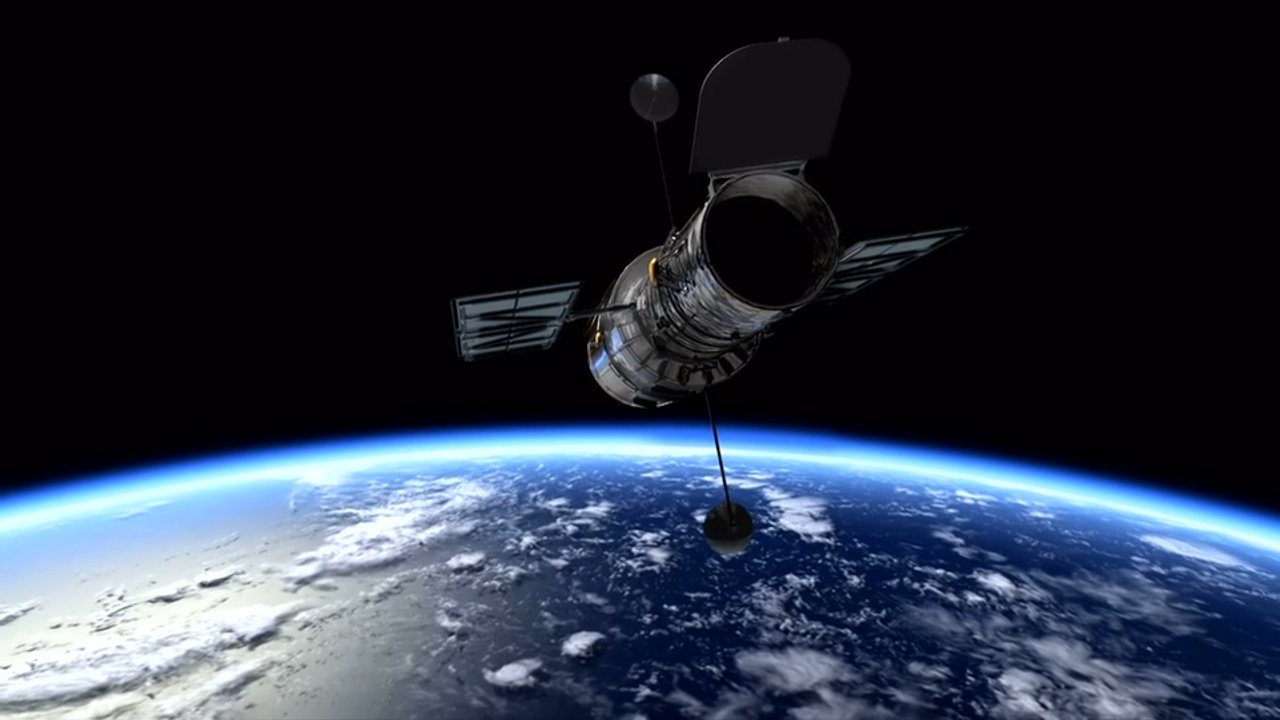
The Swift Space Telescope has spent more than 20 years helping scientists study some of the universe's most powerful explosions. It originally orbited about 600 kilometers (over 300 miles) above Earth. At that height, the atmosphere is normally very thin — but increased solar activity has been pushing more of the atmosphere outward, creating extra drag. That drag slowed Swift down and caused its orbit to drop to about 360 kilometers (a little over 225 miles) above Earth.
To save it, NASA launched a rocket carrying a fridge-sized robot called Link. Link will first take pictures of Swift to figure out the safest place to grab hold of it. Then, using three robotic arms and its thrusters, it will slowly push Swift back up into a higher orbit. The whole process could take several months.
The mission is risky, since NASA has never attempted a rescue like this before. But if it works, Swift could keep operating for another decade. A success could also give NASA a blueprint for rescuing other aging spacecraft in the future — including the Hubble Space Telescope.
You’ve probably heard your parents (and everybody else) complain about insurance. And that’s fair, it’s expensive! Especially when it comes to electric cars, whose owners often pay higher more for insurance than drivers of more conventional cars. But why is that? Why are people being punished for trying to use less gas? Why does the cruel world continue to forsake us?!
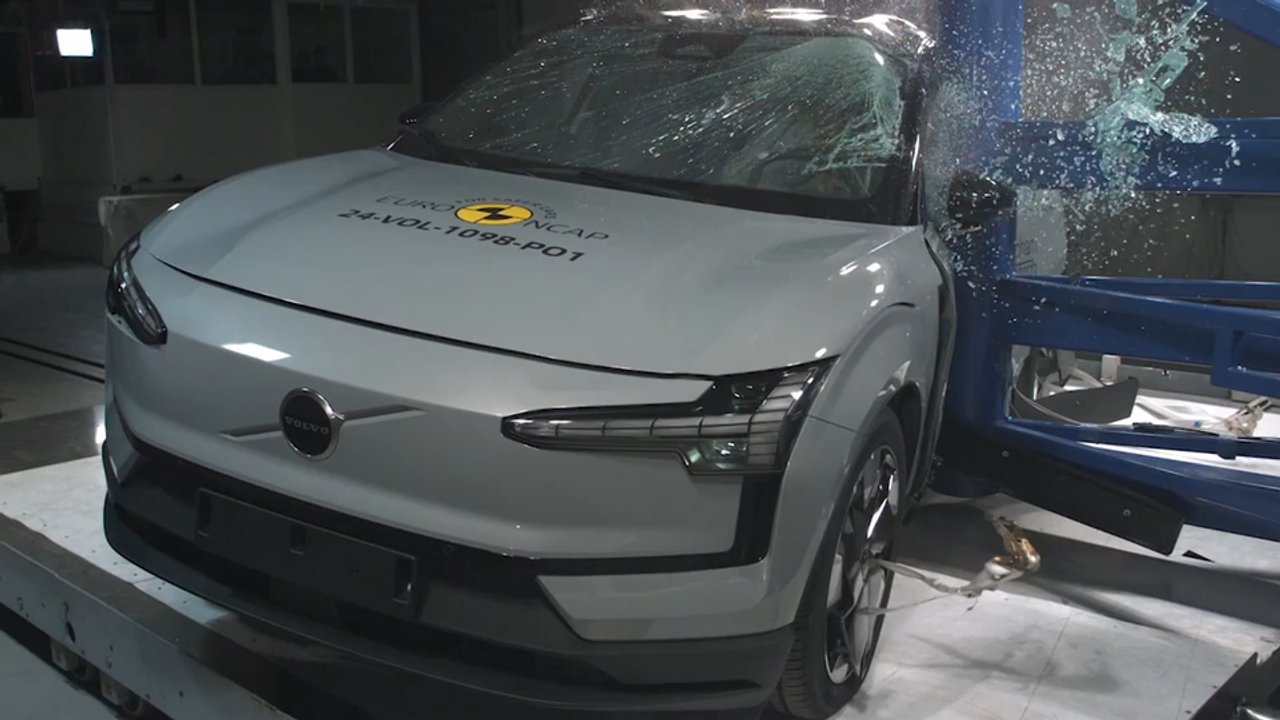
Well, researchers investigated exactly that… the insurance thing, not the greater, overarching “cruel world” question. The team at a testing lab staged a crash at just 10 kilometers (or about 5 miles) per hour. Not exactly the crash that’d have you gripping your seat in a nail-biter of an action movie, but important for research. From the outside, the damage looked minor, but underneath, the high-voltage charging port had moved and some of its components had broken.
The problem was that the damaged charging components formed part of a much larger unit. So, instead of replacing one small broken piece, technicians would need to replace the charger and some of its cabling. One component alone was priced in the thousands, and leaving it out would render the car pretty useless.
It’s great that modern electric vehicles already have to meet high safety standards, but the concern is how expensive and difficult they can be to repair after relatively minor accidents. Experts say manufacturers need to design future EVs with repair in mind, protecting expensive components and making individual parts easier to replace. Seems easy enough… right?
Most of our sub-par pictures just take up space on our phones and show off the insides of our pockets, but one blurry photo launched an almost two decades-long scientific endeavor.
A search that began with a picture of a tail in the trees eventually took researchers deep into Lomami National Park in the Democratic Republic of Congo on a quest to find out exactly what kind of monkey they were dealing with. Using microphones, cameras and genetic testing, they gathered enough evidence to confirm that the animal is a distinct species, now named Colobus congoensis — the first time a monkey is being named after the Congo!
It belongs to a group of plant-eating primates that live high in trees and do not have thumbs, but the Colobus congoensis has some unique characteristics. It uses a roaring call that announces its presence through dense tropical forest and has distinctive pinkish-orange lips that researchers think could act as a visual signal, perhaps helping it attract a mate. It also gives you someone to blame if your sibling asks, “Who ate the last orange creamsicle?!”
Scientists still have a lot to learn about this monkey, but it seems rare and limited to a particular habitat in the central-eastern part of the country. Researchers hope that officially recognizing it as a separate species will help protect both the monkey and the environment it depends on.
After a historic 10-day mission around the Moon — the first time humans have traveled so far into space since the 70s — the Artemis II crew came away with crucial knowledge: appreciate doors on bathrooms.
Commander Reid Wiseman dished on some other reflections about the trip. For example, the crew didn’t even realize what a big deal this was to people on Earth and didn’t hear much of the news until they talked to their families a few days into the mission. We suppose that’s what happens when you literally have your head in the clouds.
Not only was the journey unforgettable for science, but it was also personally significant for the crew members. One of the most powerful moments came when astronaut Jeremy Hansen named a lunar crater after Wiseman’s late wife, Carroll, a pivotal moment that solidified the crew’s bond.
But that bond wasn’t just to make things more fun — getting along in space is actually a matter of safety, and life inside a spacecraft requires serious teamwork. Think about sharing a room with a stinky sibling or living with a roommate who keeps eating your snacks. Now imagine that, in a room one-fifth the size and no way to escape! The astronauts lived, slept, and worked in extremely close quarters, so it was important to deal with disagreements immediately instead of letting tension build.
As exciting as it was to orbit the Moon, the return to Earth may have been just as intense. The crew re-entered the atmosphere at about 39 times the speed of sound. That’s about 30,000 miles per hour. They experienced forces of about four times normal gravity — about what you feel during the most intense parts of a roller coaster, but the astronauts felt this way for about 13 minutes. Nonstop! And that’s all before parachuting into the Pacific Ocean. All that probably makes it just a little more exhilarating than your bus ride to school.
NASA is attempting something it has never done before: rescuing a space telescope that's slowly falling toward Earth.
The Swift Space Telescope has spent more than 20 years helping scientists study some of the universe's most powerful explosions. It originally orbited about 600 kilometers (over 300 miles) above Earth. At that height, the atmosphere is normally very thin — but increased solar activity has been pushing more of the atmosphere outward, creating extra drag. That drag slowed Swift down and caused its orbit to drop to about 360 kilometers (a little over 225 miles) above Earth.
To save it, NASA launched a rocket carrying a fridge-sized robot called Link. Link will first take pictures of Swift to figure out the safest place to grab hold of it. Then, using three robotic arms and its thrusters, it will slowly push Swift back up into a higher orbit. The whole process could take several months.
The mission is risky, since NASA has never attempted a rescue like this before. But if it works, Swift could keep operating for another decade. A success could also give NASA a blueprint for rescuing other aging spacecraft in the future — including the Hubble Space Telescope.
You’ve probably heard your parents (and everybody else) complain about insurance. And that’s fair, it’s expensive! Especially when it comes to electric cars, whose owners often pay higher more for insurance than drivers of more conventional cars. But why is that? Why are people being punished for trying to use less gas? Why does the cruel world continue to forsake us?!
Well, researchers investigated exactly that… the insurance thing, not the greater, overarching “cruel world” question. The team at a testing lab staged a crash at just 10 kilometers (or about 5 miles) per hour. Not exactly the crash that’d have you gripping your seat in a nail-biter of an action movie, but important for research. From the outside, the damage looked minor, but underneath, the high-voltage charging port had moved and some of its components had broken.
The problem was that the damaged charging components formed part of a much larger unit. So, instead of replacing one small broken piece, technicians would need to replace the charger and some of its cabling. One component alone was priced in the thousands, and leaving it out would render the car pretty useless.
It’s great that modern electric vehicles already have to meet high safety standards, but the concern is how expensive and difficult they can be to repair after relatively minor accidents. Experts say manufacturers need to design future EVs with repair in mind, protecting expensive components and making individual parts easier to replace. Seems easy enough… right?