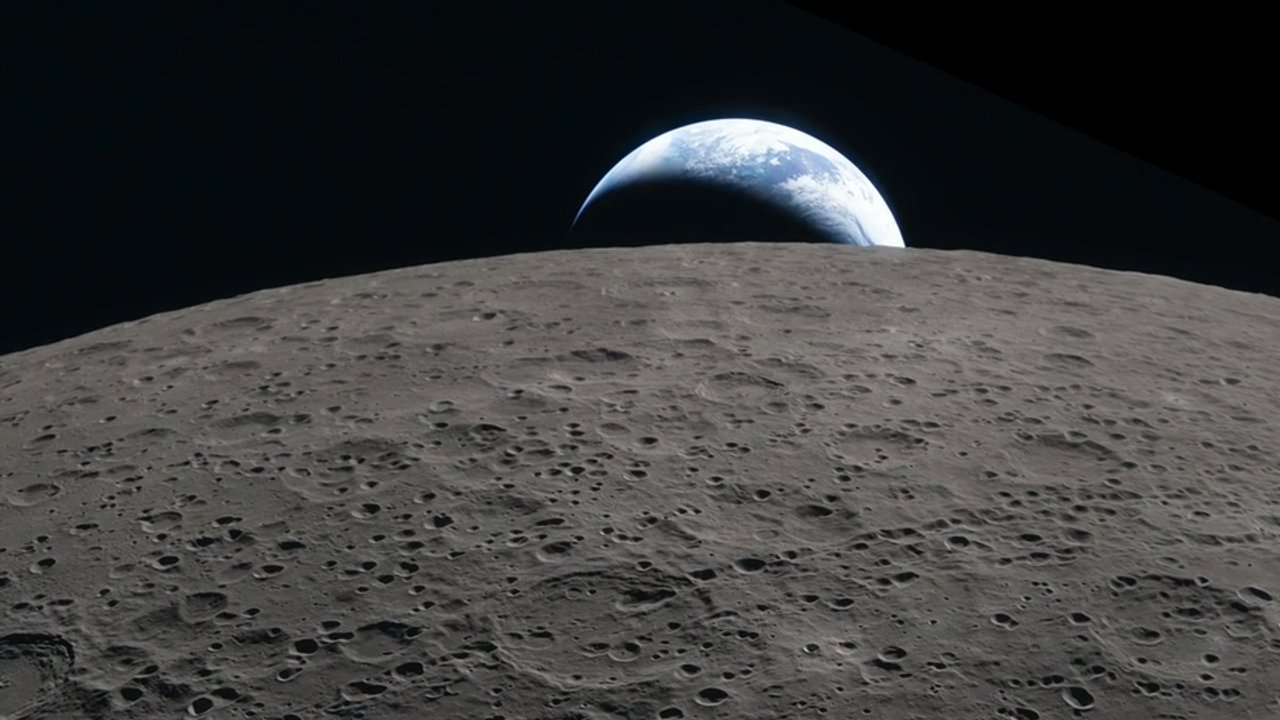
After a historic 10-day mission around the Moon — the first time humans have traveled so far into space since the 70s — the Artemis II crew came away with crucial knowledge: appreciate doors on bathrooms.
Commander Reid Wiseman dished on some other reflections about the trip. For example, the crew didn’t even realize what a big deal this was to people on Earth and didn’t hear much of the news until they talked to their families a few days into the mission. We suppose that’s what happens when you literally have your head in the clouds.
Not only was the journey unforgettable for science, but it was also personally significant for the crew members. One of the most powerful moments came when astronaut Jeremy Hansen named a lunar crater after Wiseman’s late wife, Carroll, a pivotal moment that solidified the crew’s bond.
But that bond wasn’t just to make things more fun — getting along in space is actually a matter of safety, and life inside a spacecraft requires serious teamwork. Think about sharing a room with a stinky sibling or living with a roommate who keeps eating your snacks. Now imagine that, in a room one-fifth the size and no way to escape! The astronauts lived, slept, and worked in extremely close quarters, so it was important to deal with disagreements immediately instead of letting tension build.
As exciting as it was to orbit the Moon, the return to Earth may have been just as intense. The crew re-entered the atmosphere at about 39 times the speed of sound. That’s about 30,000 miles per hour. They experienced forces of about four times normal gravity — about what you feel during the most intense parts of a roller coaster, but the astronauts felt this way for about 13 minutes. Nonstop! And that’s all before parachuting into the Pacific Ocean. All that probably makes it just a little more exhilarating than your bus ride to school.
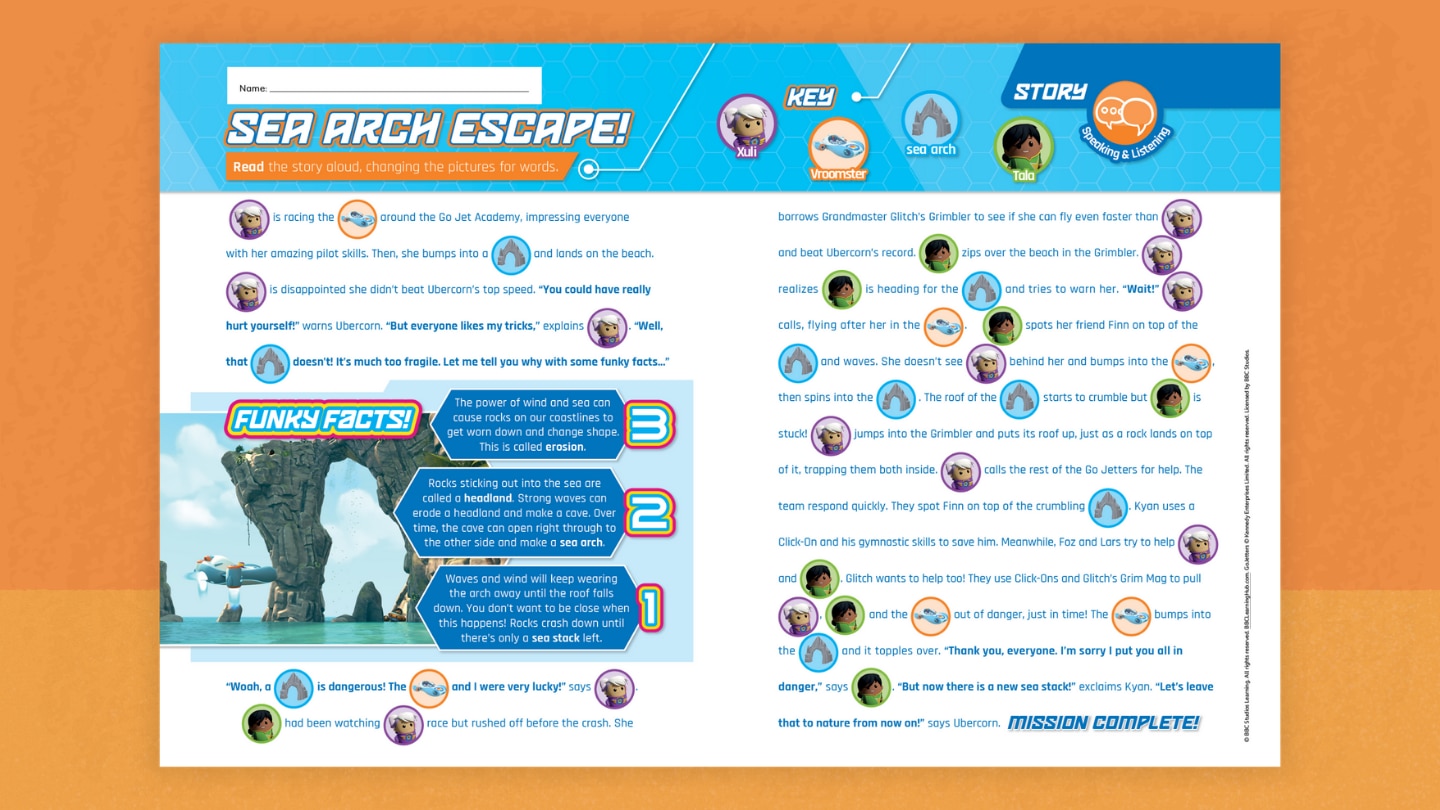
Join the Go Jetters on a flying adventure around a fragile sea arch. In this fun story, you'll:
- Read out loud, changing the pictures for words.
- Learn how erosion transforms rocks into caves, arches, and stacks.
- Discover funky facts about rock formations.
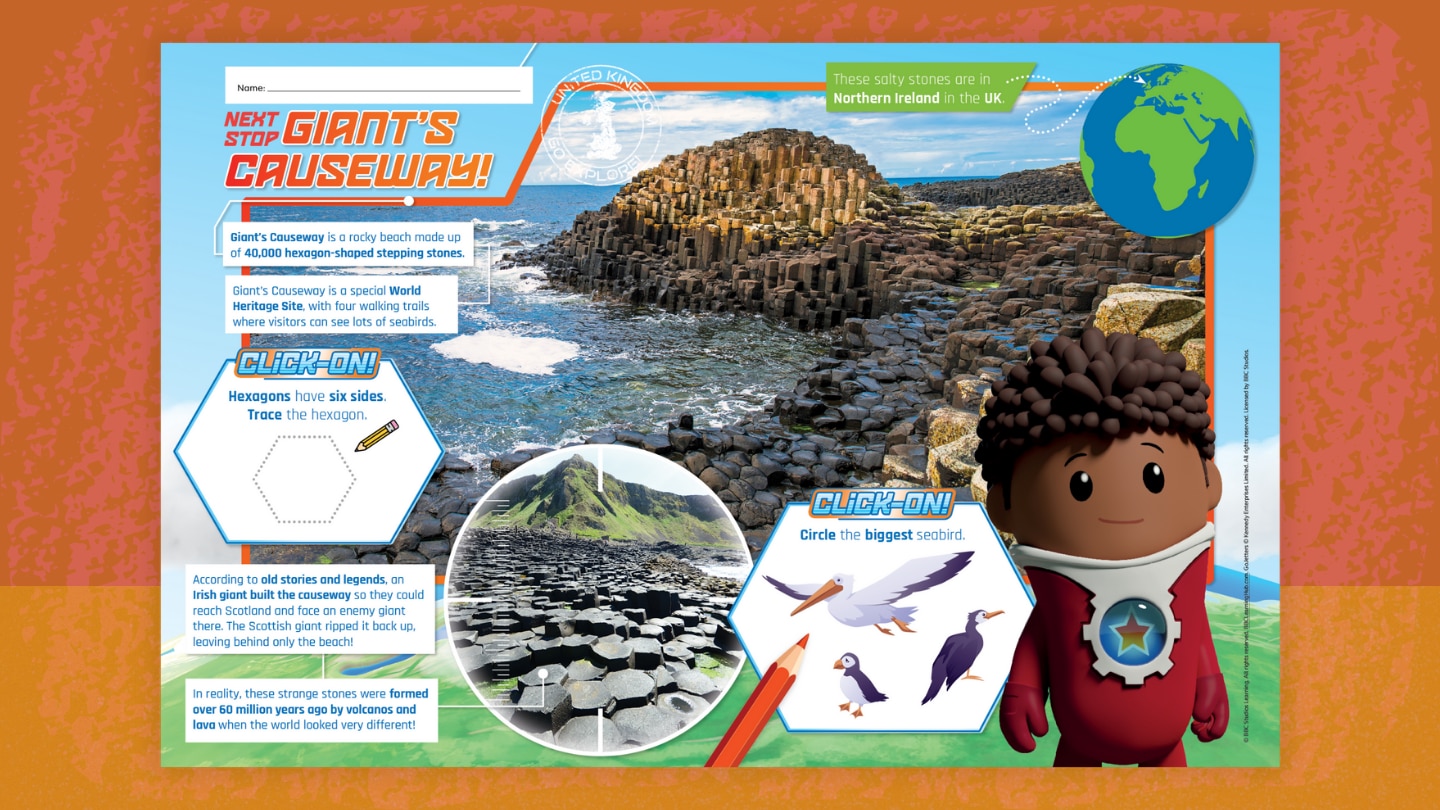
Join the Go Jetters on a journey to Northern Ireland’s famous landmark — Giant's Causeway! In this fun worksheet, you'll:
- Discover how volcanic activity shaped this World Heritage Site.
- Locate Giant's Causeway on a map.
- Practice hexagonal patterns.
- Identify seabirds.

Fill this journal with lovely nature things. Start by circling the weather. Is it sunny, cloudy, rainy, or rainbow-y? Next, finish coloring a beautiful rainbow. Name and draw your favorite bug and then circle all the things you like to do in nature. Ask a grown-up to help you make a fruity rainbow with strawberries, mandarins, bananas, sliced grapes, and blueberries.
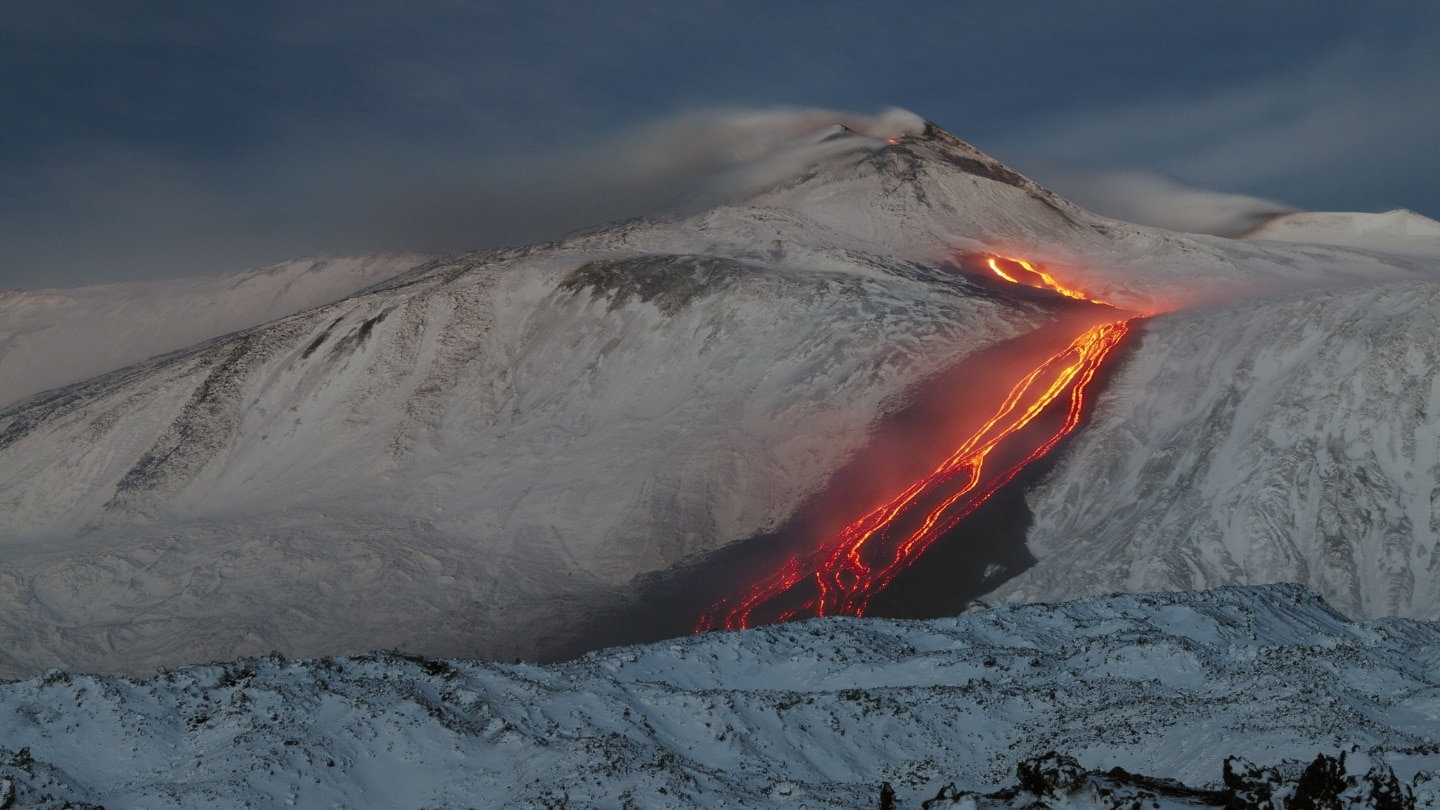
The article "New Computer Model Helps Predict Volcano Eruptions More Accurately" from BBC's Science Focus details how scientists have created a model that improves eruption forecasts. By analyzing historical data from Italy’s Campi Flegrei, the model enhances predictions and helps in disaster preparedness.
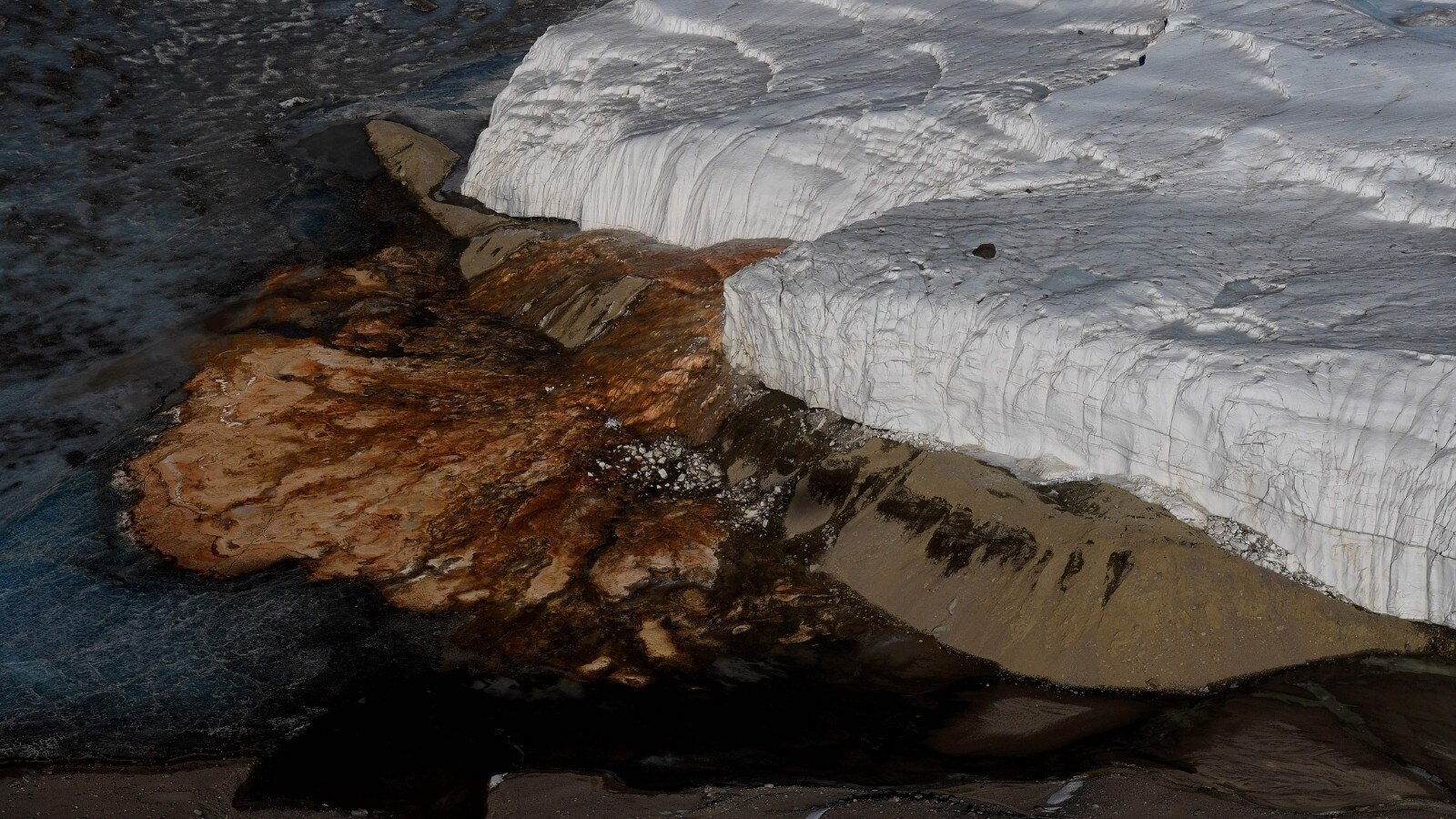
The article "Exploring the Strangest Locations in the Universe, Where the Rules of Nature Don’t Always Apply" from BBC's Science Focus is about the strange and mysterious places in space and on Earth where the rules of nature seem to be different. These places include planets made of diamonds, stars that spin too fast, and black holes that stretch and squeeze time.
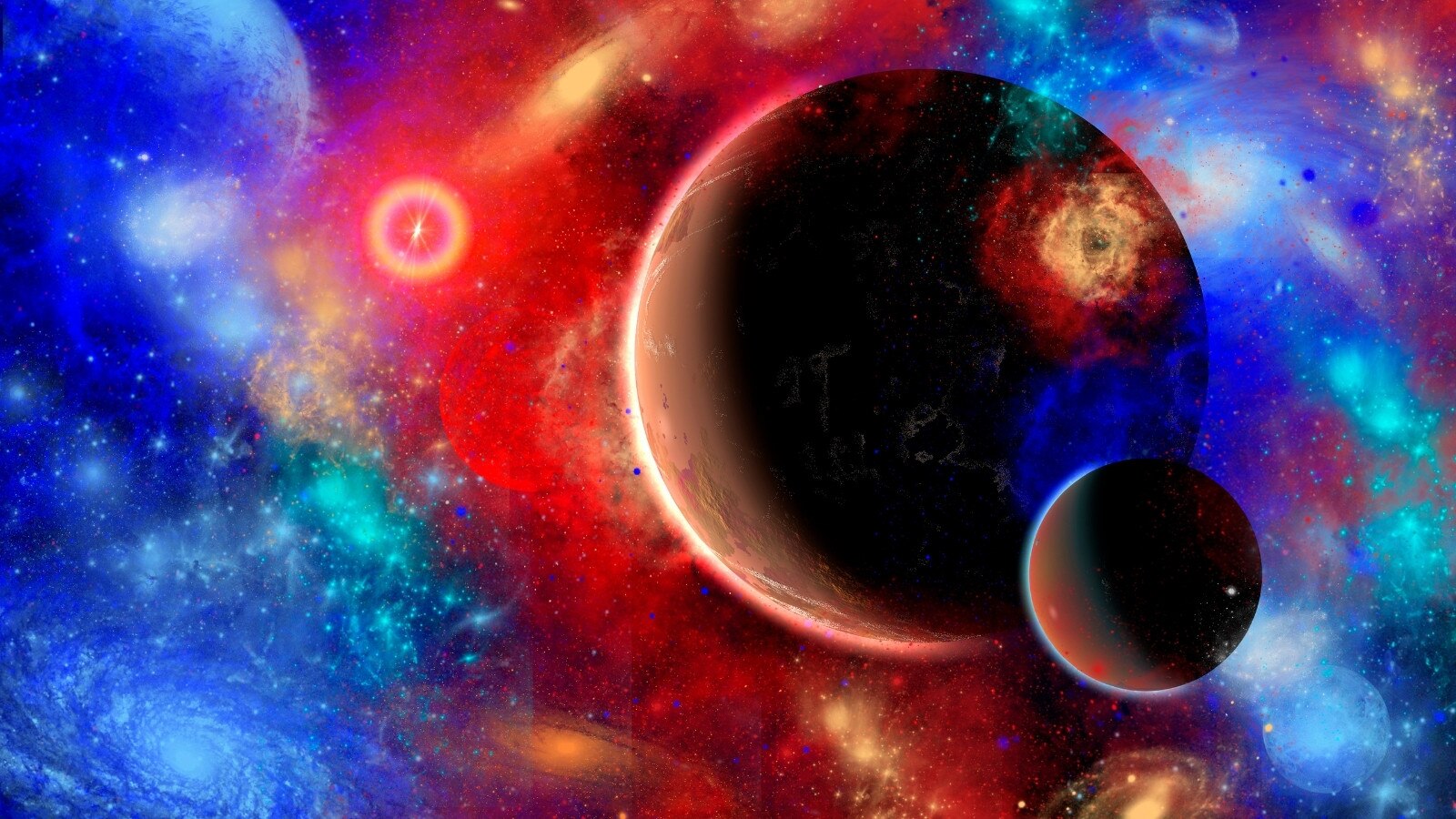
The article "Is Our Universe Stranger Than We Thought?" from BBC's Science Focus is a fascinating look at new research on the Universe that challenges what we thought we knew. Differences in how we measure the Universe's expansion and how galaxies are spread out suggest there may be missing pieces in our understanding of space.
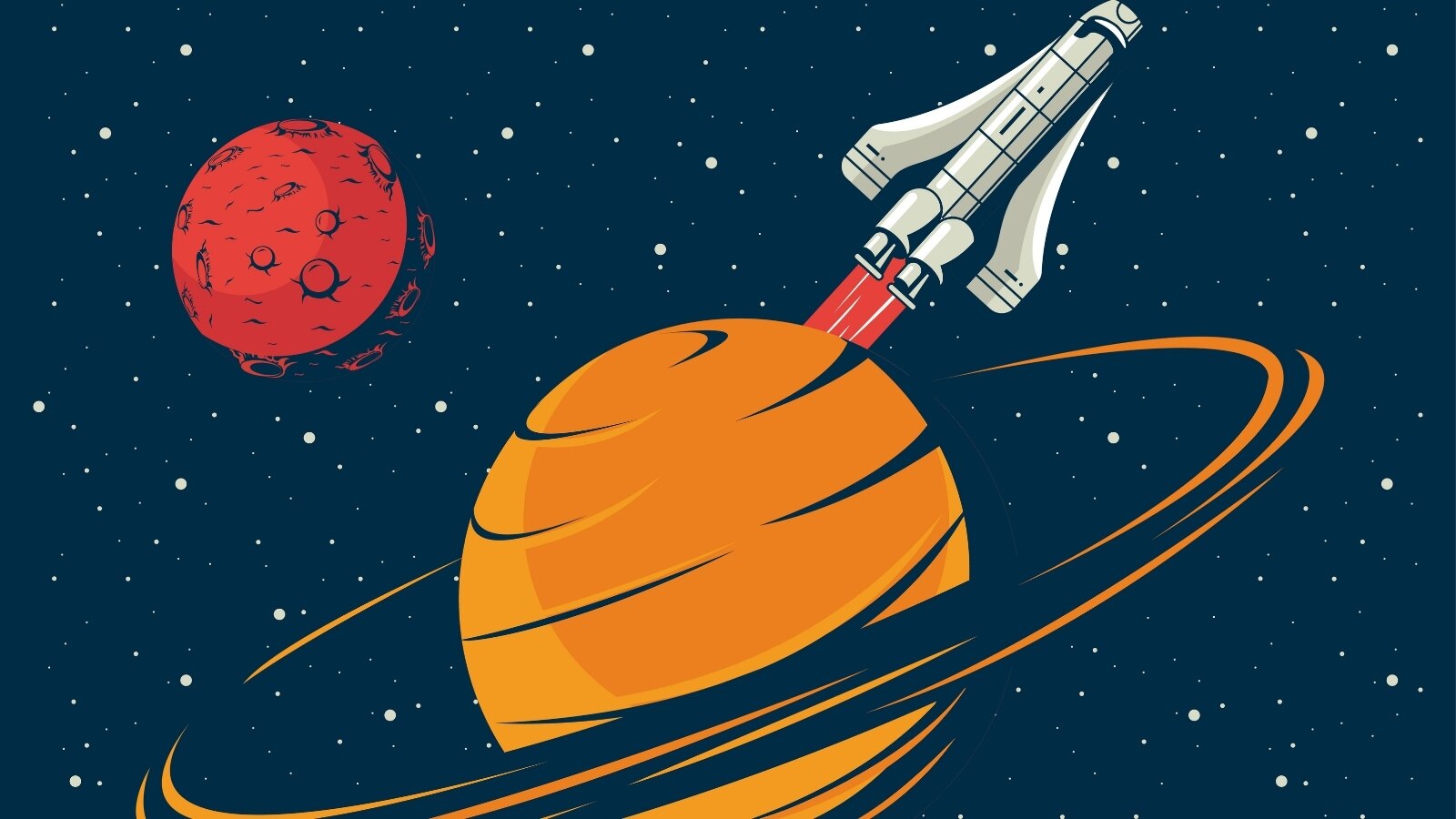
The article "Everything You Need to Know About Space Travel (Almost)" from BBC's Science Focus covers the history of space travel, its importance for science and humanity, the challenges of interstellar travel, and the benefits of space exploration.
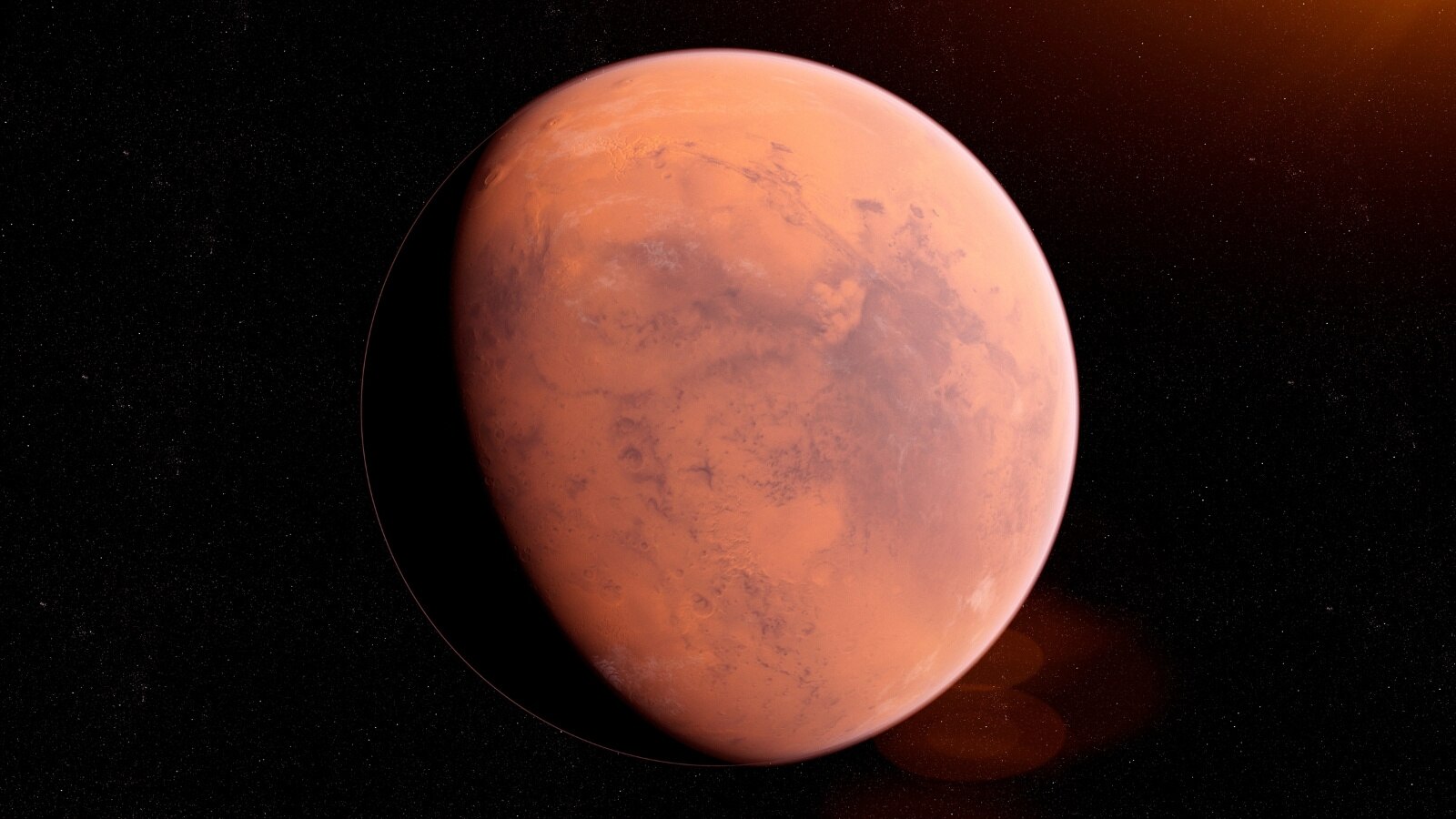
The article "Water found buried under Mars equator" from BBC's Science Focus showcases the discovery of ice beneath Mars' equator using data from ESA's Mars Express spacecraft. This finding could be crucial for future human missions to Mars, as the ice deposits could provide a valuable water source.
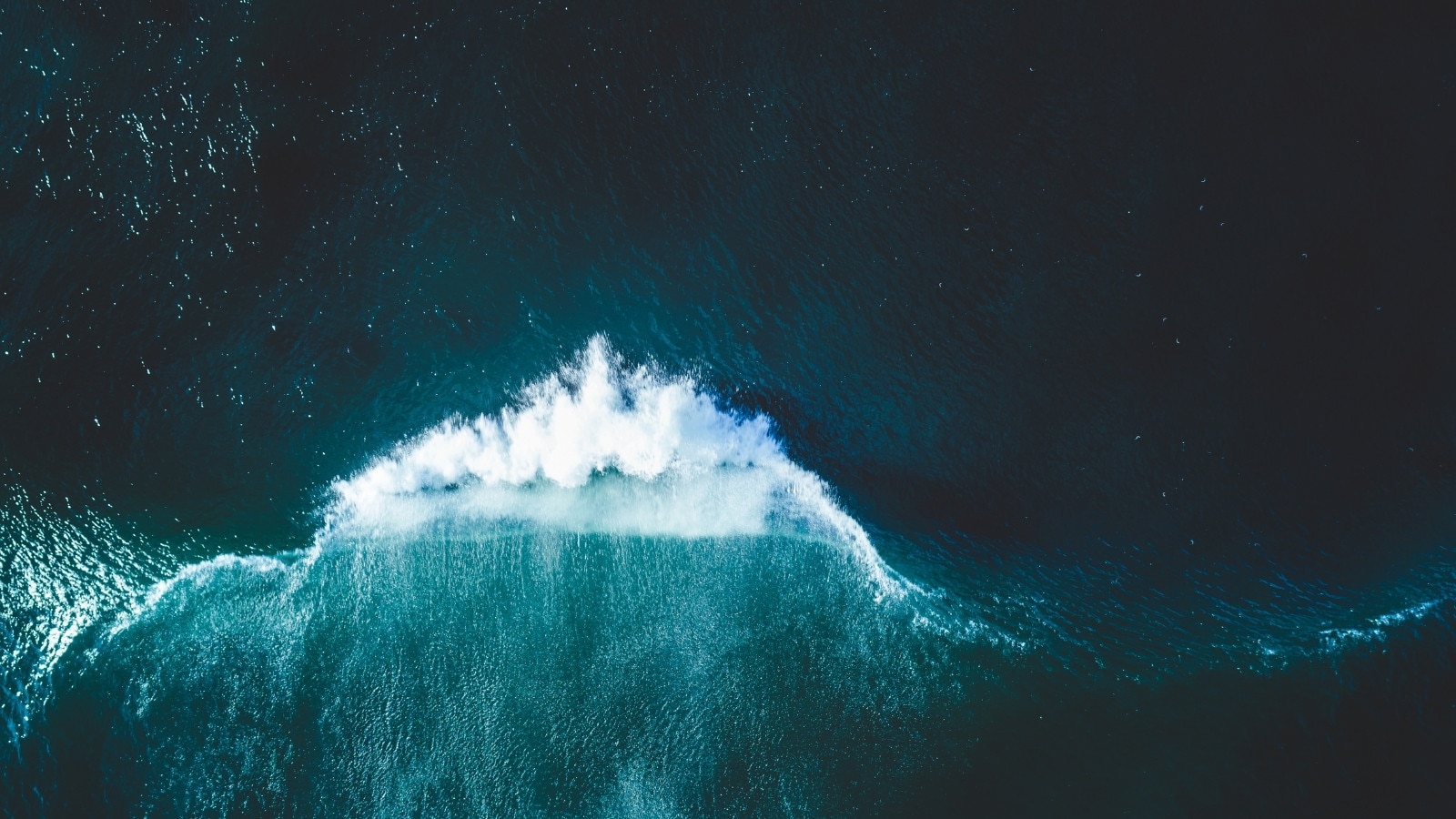
The article "Is It True That the Pacific and Atlantic Oceans Don’t Mix?" from BBC's Science Focus debunks the viral myth that these two oceans remain separate. It explains how their waters do mix due to ocean currents and salinity differences.
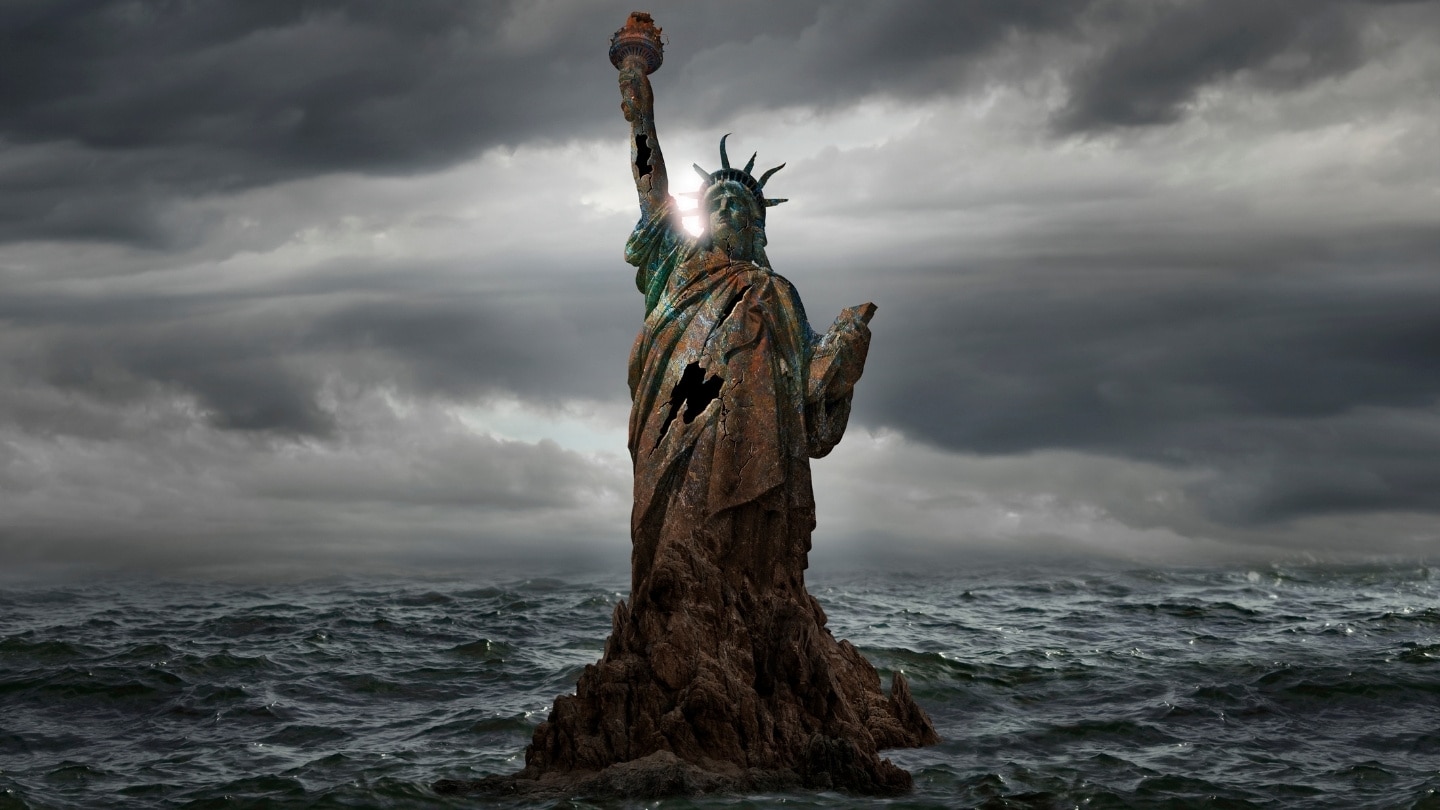
The article "Something Very Weird Is Happening to the Planet's Earthquakes; Here's Why" from BBC's Science Focus discusses earthquakes that occur away from fault lines, known as intraplate earthquakes. Scientists are studying factors like ice sheet melting and deep-earth stress to understand these mysterious seismic events.
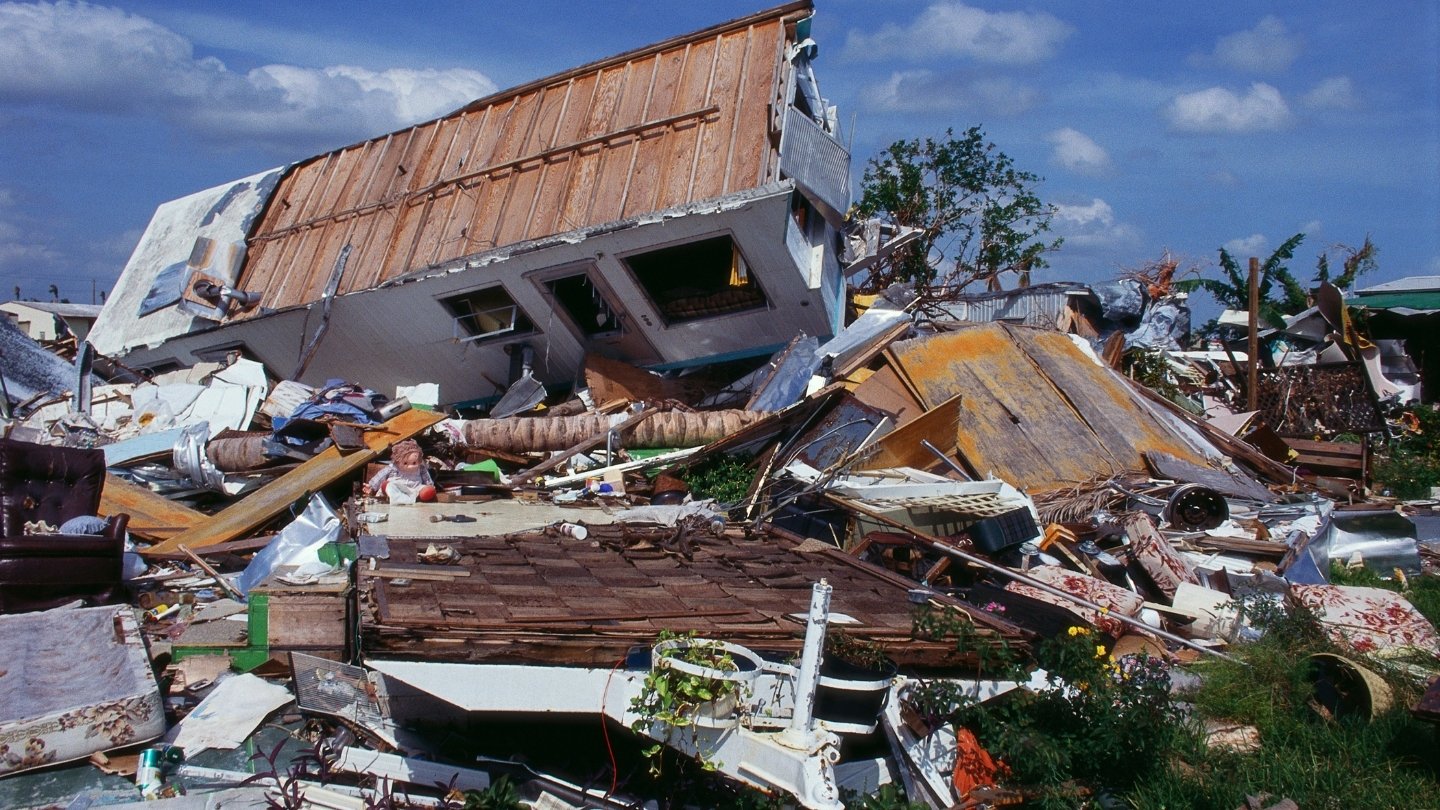
The article "Can We Stop Hurricanes? Exploring Innovative Solutions" from BBC's Science Focus explores futuristic ideas to mitigate hurricane damage. Scientists are developing methods such as offshore wind farms and cooling ocean surfaces to weaken storms before they reach land.
After a historic 10-day mission around the Moon — the first time humans have traveled so far into space since the 70s — the Artemis II crew came away with crucial knowledge: appreciate doors on bathrooms.
Commander Reid Wiseman dished on some other reflections about the trip. For example, the crew didn’t even realize what a big deal this was to people on Earth and didn’t hear much of the news until they talked to their families a few days into the mission. We suppose that’s what happens when you literally have your head in the clouds.
Not only was the journey unforgettable for science, but it was also personally significant for the crew members. One of the most powerful moments came when astronaut Jeremy Hansen named a lunar crater after Wiseman’s late wife, Carroll, a pivotal moment that solidified the crew’s bond.
But that bond wasn’t just to make things more fun — getting along in space is actually a matter of safety, and life inside a spacecraft requires serious teamwork. Think about sharing a room with a stinky sibling or living with a roommate who keeps eating your snacks. Now imagine that, in a room one-fifth the size and no way to escape! The astronauts lived, slept, and worked in extremely close quarters, so it was important to deal with disagreements immediately instead of letting tension build.
As exciting as it was to orbit the Moon, the return to Earth may have been just as intense. The crew re-entered the atmosphere at about 39 times the speed of sound. That’s about 30,000 miles per hour. They experienced forces of about four times normal gravity — about what you feel during the most intense parts of a roller coaster, but the astronauts felt this way for about 13 minutes. Nonstop! And that’s all before parachuting into the Pacific Ocean. All that probably makes it just a little more exhilarating than your bus ride to school.
Join the Go Jetters on a flying adventure around a fragile sea arch. In this fun story, you'll:
- Read out loud, changing the pictures for words.
- Learn how erosion transforms rocks into caves, arches, and stacks.
- Discover funky facts about rock formations.
Join the Go Jetters on a journey to Northern Ireland’s famous landmark — Giant's Causeway! In this fun worksheet, you'll:
- Discover how volcanic activity shaped this World Heritage Site.
- Locate Giant's Causeway on a map.
- Practice hexagonal patterns.
- Identify seabirds.
Fill this journal with lovely nature things. Start by circling the weather. Is it sunny, cloudy, rainy, or rainbow-y? Next, finish coloring a beautiful rainbow. Name and draw your favorite bug and then circle all the things you like to do in nature. Ask a grown-up to help you make a fruity rainbow with strawberries, mandarins, bananas, sliced grapes, and blueberries.
The article "New Computer Model Helps Predict Volcano Eruptions More Accurately" from BBC's Science Focus details how scientists have created a model that improves eruption forecasts. By analyzing historical data from Italy’s Campi Flegrei, the model enhances predictions and helps in disaster preparedness.
The article "Exploring the Strangest Locations in the Universe, Where the Rules of Nature Don’t Always Apply" from BBC's Science Focus is about the strange and mysterious places in space and on Earth where the rules of nature seem to be different. These places include planets made of diamonds, stars that spin too fast, and black holes that stretch and squeeze time.
The article "Is Our Universe Stranger Than We Thought?" from BBC's Science Focus is a fascinating look at new research on the Universe that challenges what we thought we knew. Differences in how we measure the Universe's expansion and how galaxies are spread out suggest there may be missing pieces in our understanding of space.
The article "Everything You Need to Know About Space Travel (Almost)" from BBC's Science Focus covers the history of space travel, its importance for science and humanity, the challenges of interstellar travel, and the benefits of space exploration.
The article "Water found buried under Mars equator" from BBC's Science Focus showcases the discovery of ice beneath Mars' equator using data from ESA's Mars Express spacecraft. This finding could be crucial for future human missions to Mars, as the ice deposits could provide a valuable water source.
The article "Is It True That the Pacific and Atlantic Oceans Don’t Mix?" from BBC's Science Focus debunks the viral myth that these two oceans remain separate. It explains how their waters do mix due to ocean currents and salinity differences.
The article "Something Very Weird Is Happening to the Planet's Earthquakes; Here's Why" from BBC's Science Focus discusses earthquakes that occur away from fault lines, known as intraplate earthquakes. Scientists are studying factors like ice sheet melting and deep-earth stress to understand these mysterious seismic events.
The article "Can We Stop Hurricanes? Exploring Innovative Solutions" from BBC's Science Focus explores futuristic ideas to mitigate hurricane damage. Scientists are developing methods such as offshore wind farms and cooling ocean surfaces to weaken storms before they reach land.