
Seven Worlds, One Planet
Sir David Attenborough showcases the wonders of our planet's seven continents — from frozen tundras to dense jungles — where life always finds a way.
Seven Worlds, One Planet takes learners on a journey across Earth's seven continents, revealing the remarkable animals and ecosystems that make each one unique. Younger viewers can discover fascinating wildlife and habitats, while older elementary, middle, and high school students can explore deeper ideas about adaptation, biodiversity, ecosystems, and the ways animals respond to environmental change.
Ages 4–18
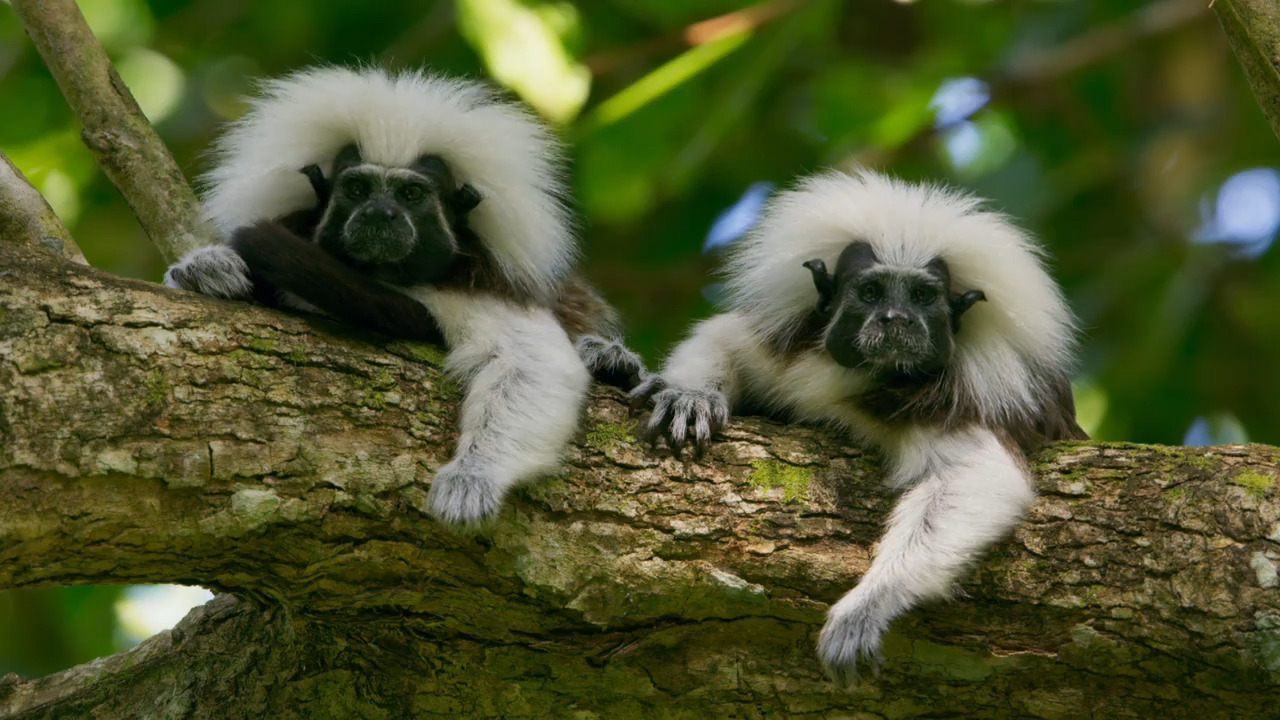
In The Future of Cotton-Topped Tamarins, learn how over 95% of Colombia's lowland forest has been cleared. Some cotton-topped tamarins are now cut off from the rest of their species, and this, together with fewer insects for them to eat, has made them endangered. This video is excerpted from BBC’s Seven Worlds, One Planet, a series featuring remarkable animal behavior from all seven continents.
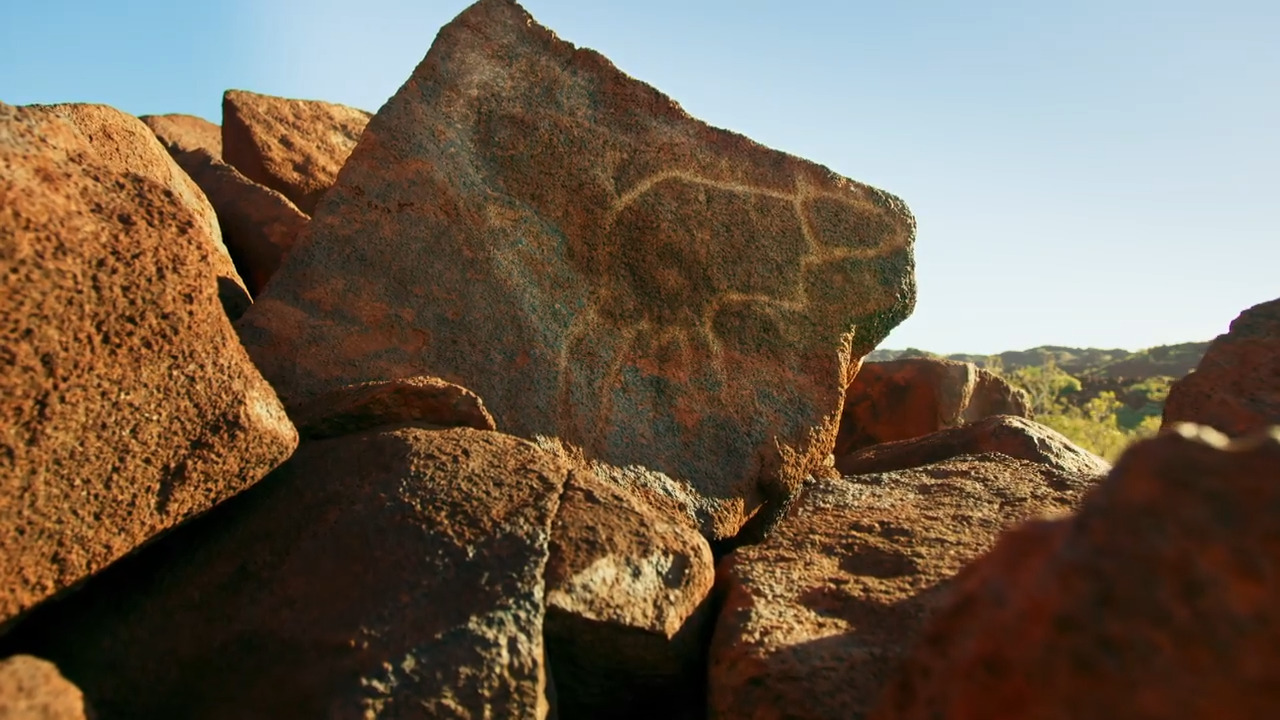
In The Disappearing Mammals of Australia, narrator Sir David Attenborough discusses animal images carved on stone by prehistoric humans. Then Europeans arrived and decimated the unique wildlife of Australia. The future of wildlife now depends on human intervention. This video is excerpted from BBC’s Seven Worlds, One Planet, a series featuring remarkable animal behavior from all seven continents.

In The Sumatran Rhinoceros Faces Extinction, narrator Sir David Attenborough highlights the dire situation of the Sumatran rhinoceros, with fewer than 70 individuals left. The rapid destruction of South East Asia’s forests, driven by deforestation for timber and agriculture, has led to the loss of habitats for many species, including the rhino. This video is excerpted from BBC’s Seven Worlds, One Planet, a series featuring remarkable animal behavior from all seven continents.
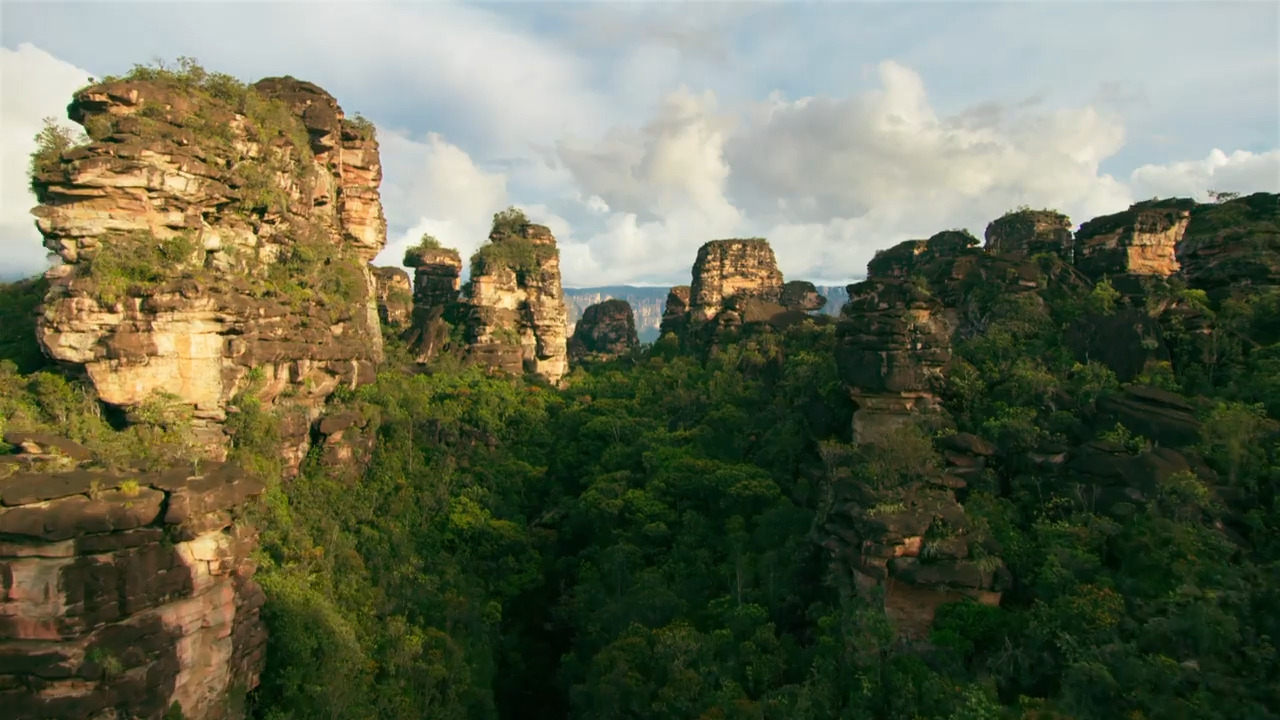
In Venezuela's Angel Falls, learn how many sandstone plateaus have been created by rivers. Venezuela is home to Angel Falls — the world's tallest waterfall. This video is excerpted from BBC’s Seven Worlds, One Planet, a series featuring remarkable animal behavior from all seven continents.
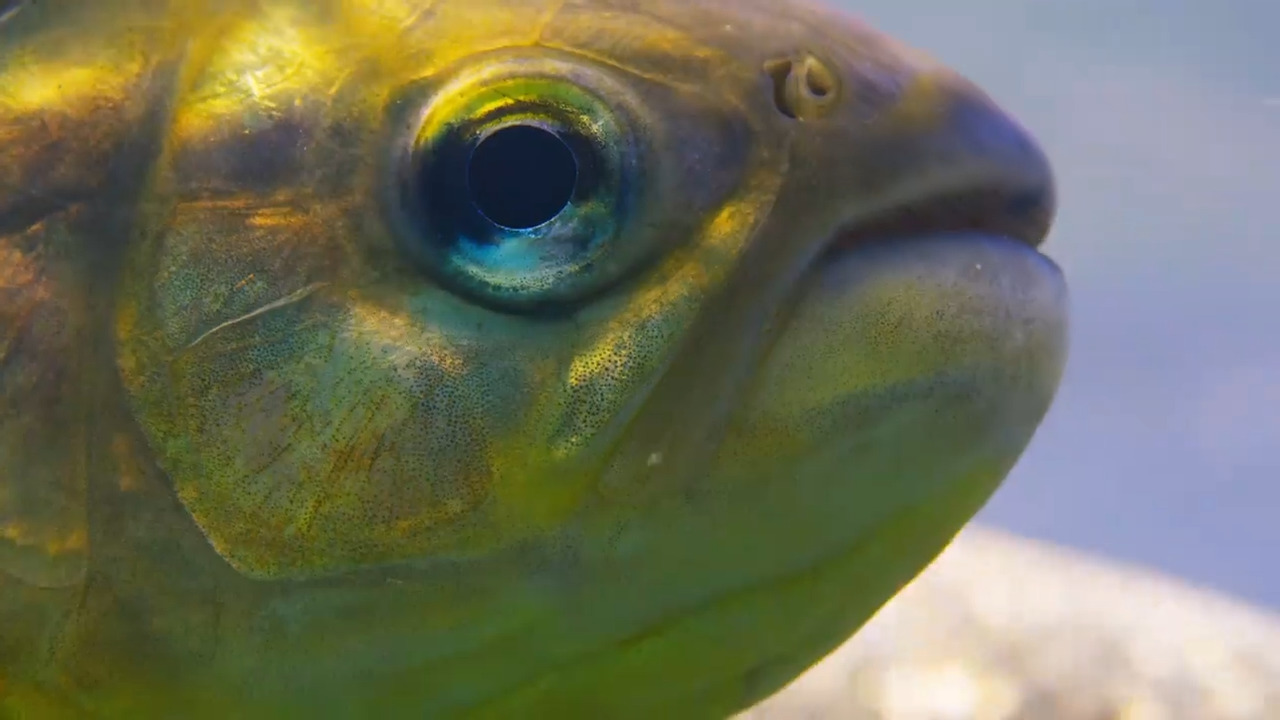
In The Crystal Clear Waters of Bonito, explore the many types of fish that swim in the crystal clear waters of Bonito, a region in Brazil. The fish can see the monkeys above, feeding on berries, and wait for them to accidentally drop them into the water. This video is excerpted from BBC’s Seven Worlds, One Planet, a series featuring remarkable animal behavior from all seven continents.
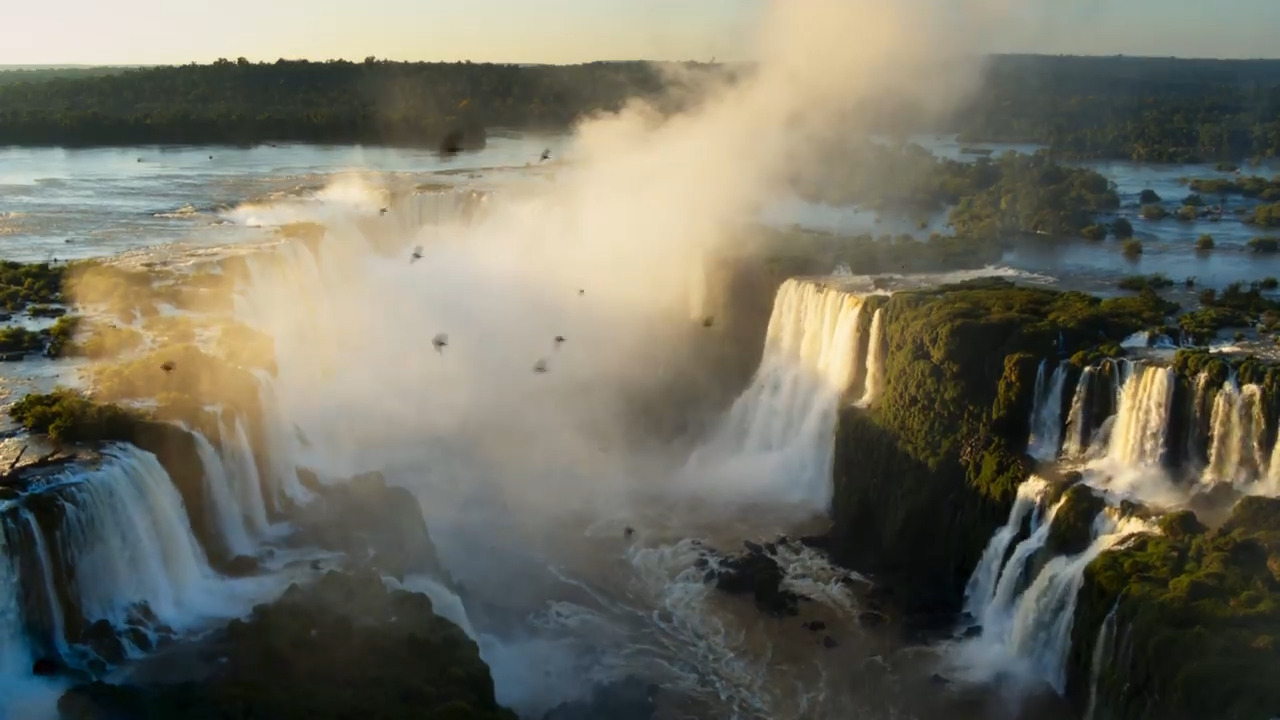
In Iguazu Falls and Human Interference, learn how piraputanga leap out of the clear waters to feed on berries growing on the branches above. However, the future of animals in this area may be at risk from humans using nearby waters for hydroelectric power. This video is excerpted from BBC’s Seven Worlds, One Planet, a series featuring remarkable animal behavior from all seven continents.

In Whale Sharks in Southern Asia's Seas, narrator Sir David Attenborough shows how the once-endangered whale shark is now protected in Indonesian waters, thanks to local fishermen. With respect for the ocean and its inhabitants, these communities have made sustainable fishing choices, allowing whale shark populations to recover. This video is excerpted from BBC’s Seven Worlds, One Planet, a series featuring remarkable animal behavior from all seven continents.
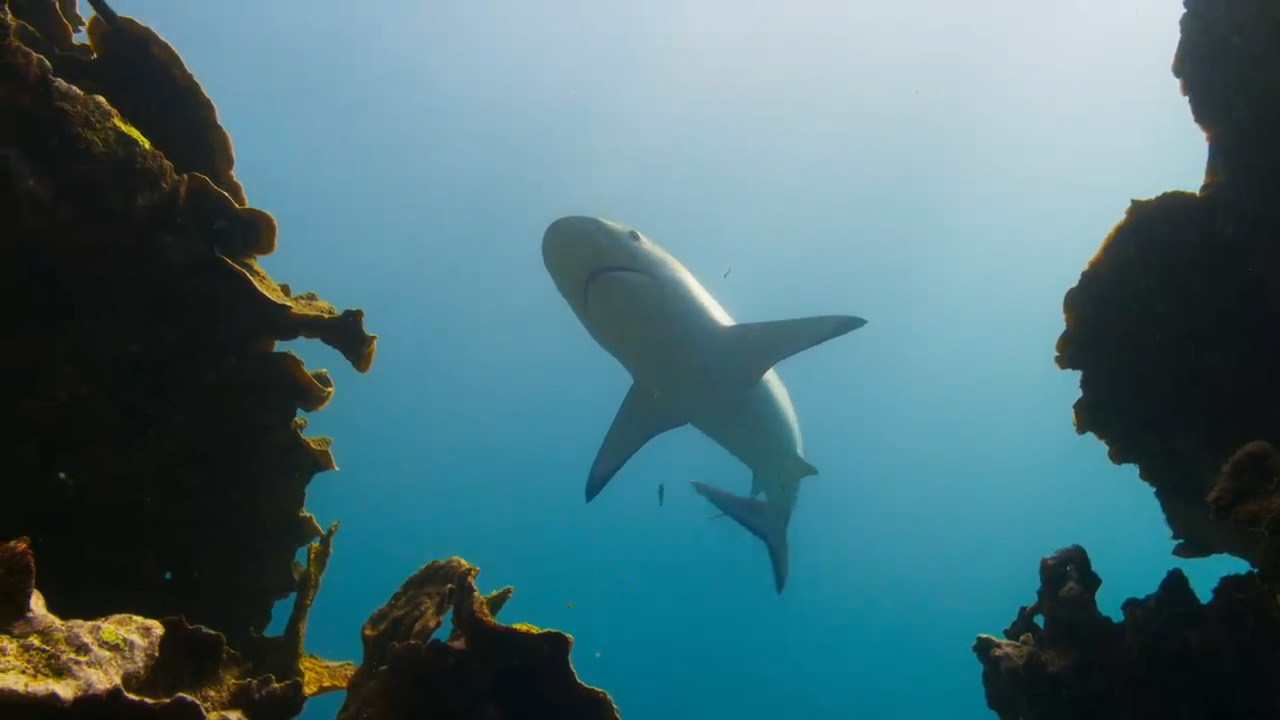
In Sharks' Hunting Techniques on the Coral Reef, narrator Sir David Attenborough explains how sharks around the coral reef work together to herd shoals of fish toward the shore. Their technique traps millions of fish in shallow waters, allowing the sharks to fill their stomachs. This video is excerpted from BBC’s Seven Worlds, One Planet, a series featuring remarkable animal behavior from all seven continents.
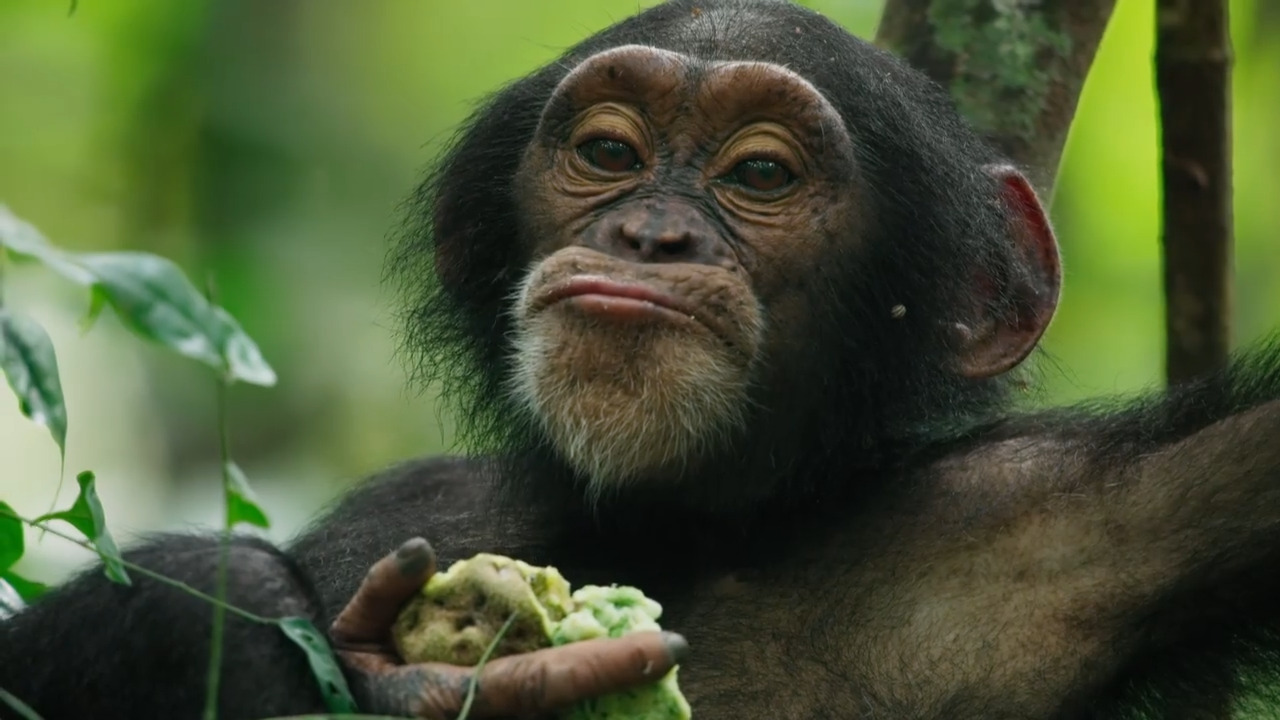
In How Chimpanzees Use Tools, narrator Sir David Attenborough investigates how young chimpanzees are taught how to crack nuts by their mothers. Young chimps can take up to 10 years to master this skill. This video is excerpted from BBC’s Seven Worlds, One Planet, a series featuring remarkable animal behavior from all seven continents.
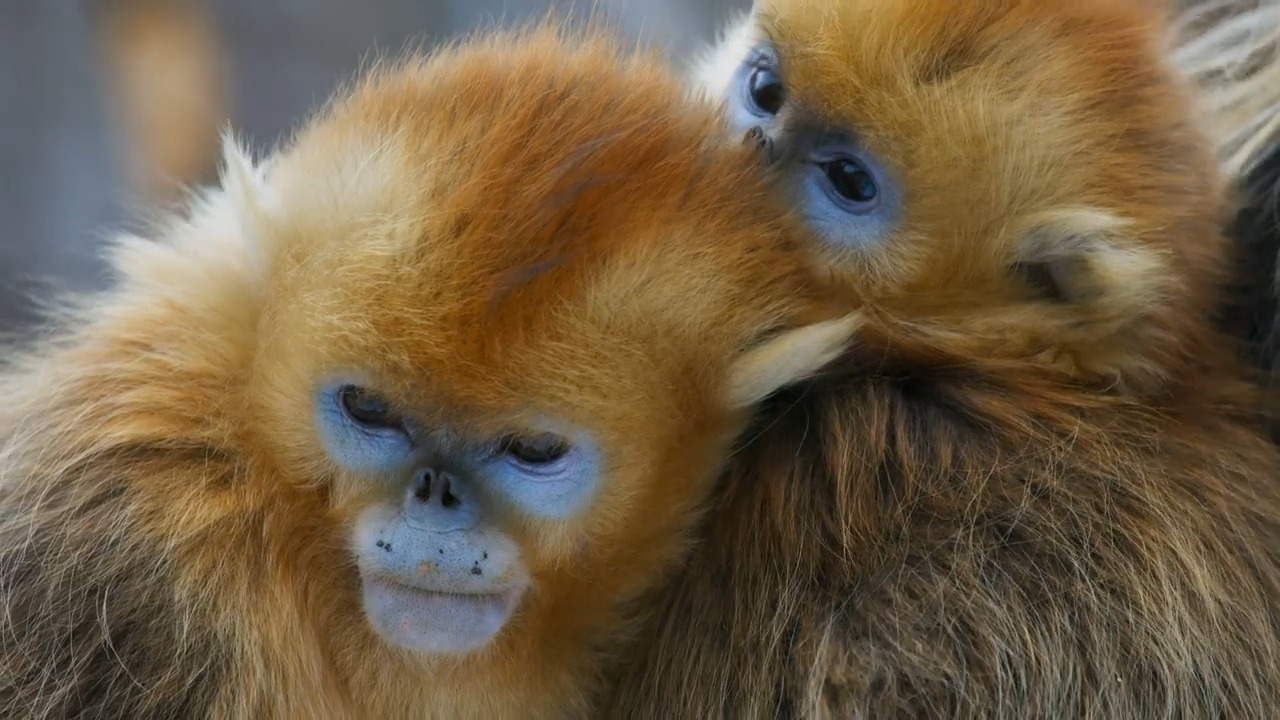
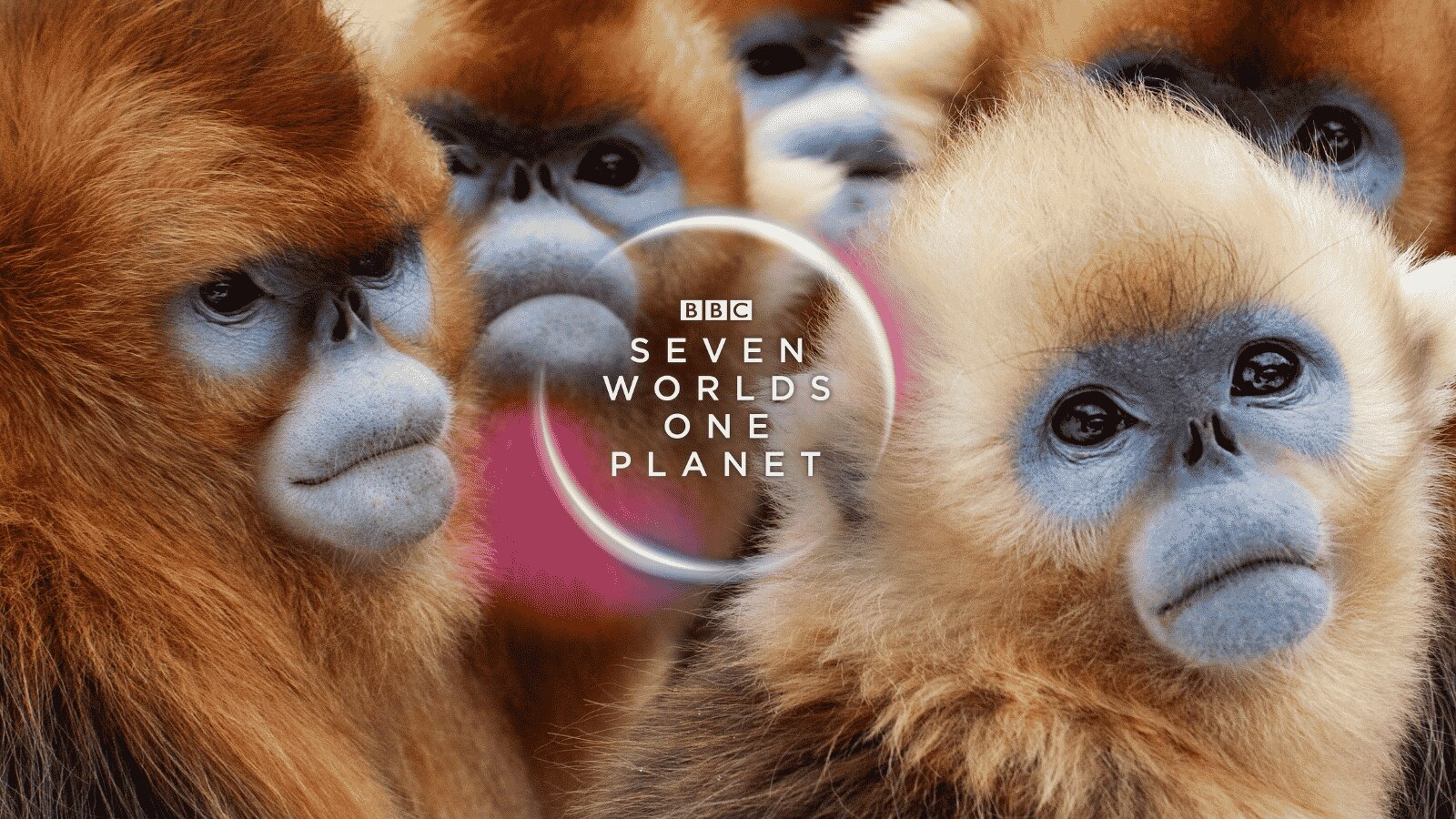
In Snow Monkeys in the Mountains, narrator Sir David Attenborough introduces the blue-faced, golden-coated snow monkeys, who thrive in the coldest conditions. He explains how these large monkeys use their size to stay warm and rely on the group for survival in harsh, food-scarce winters. This video is excerpted from BBC’s Seven Worlds, One Planet, a series featuring remarkable animal behavior from all seven continents
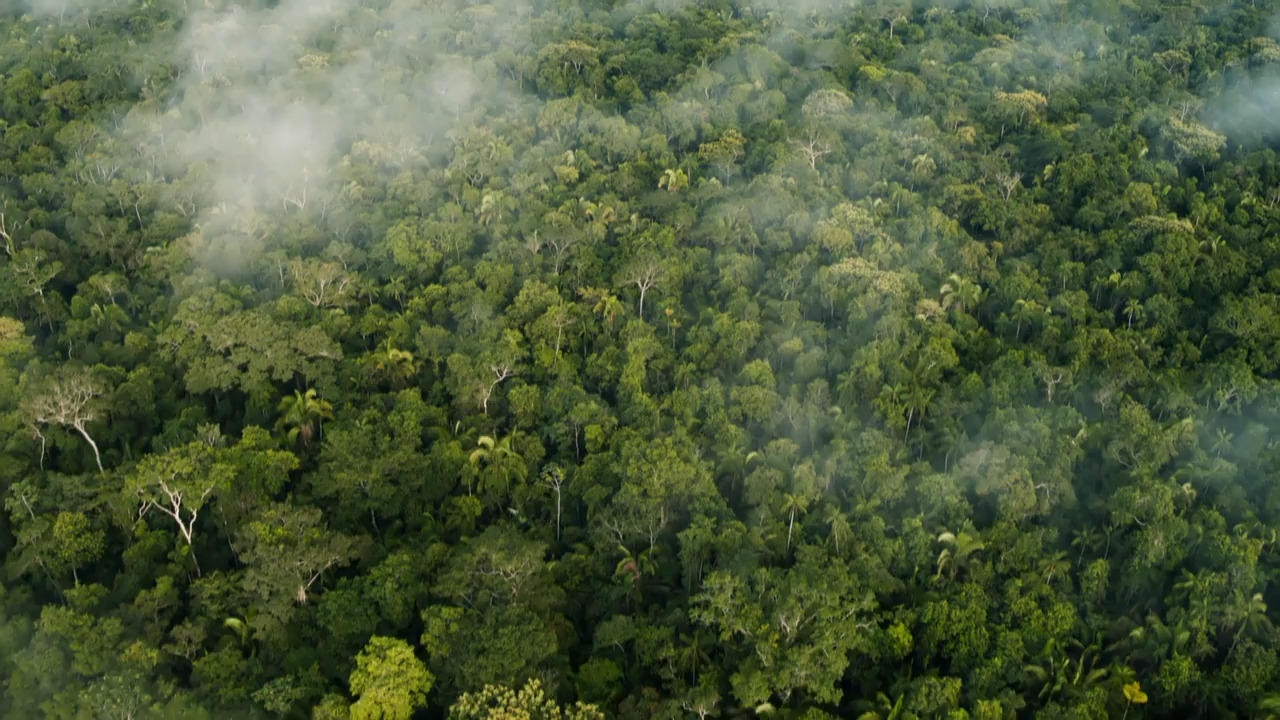
In The Amazon Rainforest and Human Destruction, look at satellite images that show how forests across South America are being replaced by farms at a rapid pace. Over two million species of plants and animals live in the Amazon rainforest and many are endangered. This video is excerpted from BBC’s Seven Worlds, One Planet, a series featuring remarkable animal behavior from all seven continents.
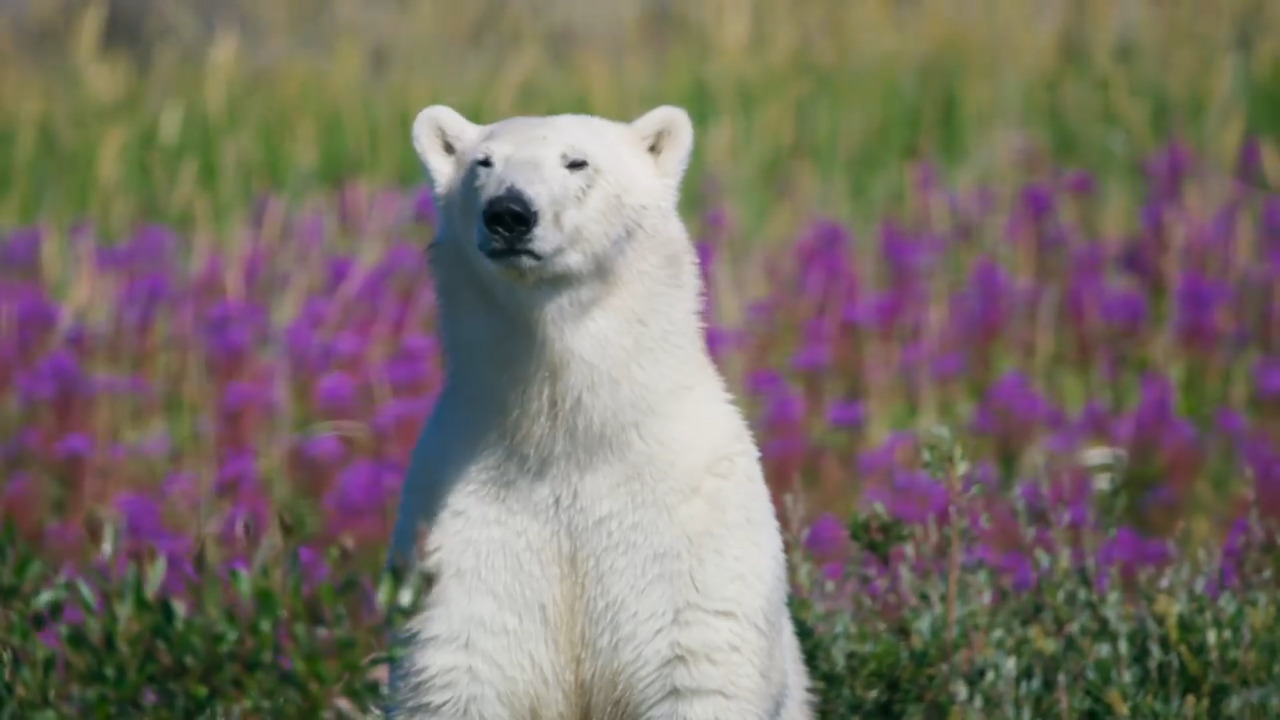
In Climate Change and Polar Bears, learn how human impacts are causing Canada to warm faster than any country on Earth. Lack of sea ice is now causing major problems for polar bears, and they have had to find a new source of food — beluga whale calves. This video is excerpted from BBC’s Seven Worlds, One Planet, a series featuring remarkable animal behavior from all seven continents.
In The Future of Cotton-Topped Tamarins, learn how over 95% of Colombia's lowland forest has been cleared. Some cotton-topped tamarins are now cut off from the rest of their species, and this, together with fewer insects for them to eat, has made them endangered. This video is excerpted from BBC’s Seven Worlds, One Planet, a series featuring remarkable animal behavior from all seven continents.
In The Disappearing Mammals of Australia, narrator Sir David Attenborough discusses animal images carved on stone by prehistoric humans. Then Europeans arrived and decimated the unique wildlife of Australia. The future of wildlife now depends on human intervention. This video is excerpted from BBC’s Seven Worlds, One Planet, a series featuring remarkable animal behavior from all seven continents.
In The Sumatran Rhinoceros Faces Extinction, narrator Sir David Attenborough highlights the dire situation of the Sumatran rhinoceros, with fewer than 70 individuals left. The rapid destruction of South East Asia’s forests, driven by deforestation for timber and agriculture, has led to the loss of habitats for many species, including the rhino. This video is excerpted from BBC’s Seven Worlds, One Planet, a series featuring remarkable animal behavior from all seven continents.
In Venezuela's Angel Falls, learn how many sandstone plateaus have been created by rivers. Venezuela is home to Angel Falls — the world's tallest waterfall. This video is excerpted from BBC’s Seven Worlds, One Planet, a series featuring remarkable animal behavior from all seven continents.
In The Crystal Clear Waters of Bonito, explore the many types of fish that swim in the crystal clear waters of Bonito, a region in Brazil. The fish can see the monkeys above, feeding on berries, and wait for them to accidentally drop them into the water. This video is excerpted from BBC’s Seven Worlds, One Planet, a series featuring remarkable animal behavior from all seven continents.
In Iguazu Falls and Human Interference, learn how piraputanga leap out of the clear waters to feed on berries growing on the branches above. However, the future of animals in this area may be at risk from humans using nearby waters for hydroelectric power. This video is excerpted from BBC’s Seven Worlds, One Planet, a series featuring remarkable animal behavior from all seven continents.
In Whale Sharks in Southern Asia's Seas, narrator Sir David Attenborough shows how the once-endangered whale shark is now protected in Indonesian waters, thanks to local fishermen. With respect for the ocean and its inhabitants, these communities have made sustainable fishing choices, allowing whale shark populations to recover. This video is excerpted from BBC’s Seven Worlds, One Planet, a series featuring remarkable animal behavior from all seven continents.
In Sharks' Hunting Techniques on the Coral Reef, narrator Sir David Attenborough explains how sharks around the coral reef work together to herd shoals of fish toward the shore. Their technique traps millions of fish in shallow waters, allowing the sharks to fill their stomachs. This video is excerpted from BBC’s Seven Worlds, One Planet, a series featuring remarkable animal behavior from all seven continents.
In How Chimpanzees Use Tools, narrator Sir David Attenborough investigates how young chimpanzees are taught how to crack nuts by their mothers. Young chimps can take up to 10 years to master this skill. This video is excerpted from BBC’s Seven Worlds, One Planet, a series featuring remarkable animal behavior from all seven continents.
In Snow Monkeys in the Mountains, narrator Sir David Attenborough introduces the blue-faced, golden-coated snow monkeys, who thrive in the coldest conditions. He explains how these large monkeys use their size to stay warm and rely on the group for survival in harsh, food-scarce winters. This video is excerpted from BBC’s Seven Worlds, One Planet, a series featuring remarkable animal behavior from all seven continents
In The Amazon Rainforest and Human Destruction, look at satellite images that show how forests across South America are being replaced by farms at a rapid pace. Over two million species of plants and animals live in the Amazon rainforest and many are endangered. This video is excerpted from BBC’s Seven Worlds, One Planet, a series featuring remarkable animal behavior from all seven continents.
In Climate Change and Polar Bears, learn how human impacts are causing Canada to warm faster than any country on Earth. Lack of sea ice is now causing major problems for polar bears, and they have had to find a new source of food — beluga whale calves. This video is excerpted from BBC’s Seven Worlds, One Planet, a series featuring remarkable animal behavior from all seven continents.