Life
Sir David Attenborough looks at the extraordinary ends to which animals and plants go in order to survive.
Life gives upper elementary and middle school students a close-up look at the extraordinary strategies animals and plants use to survive. The program makes concepts like adaptation, animal behavior, competition, and biodiversity vivid and memorable through remarkable wildlife stories.
Ages 8–14
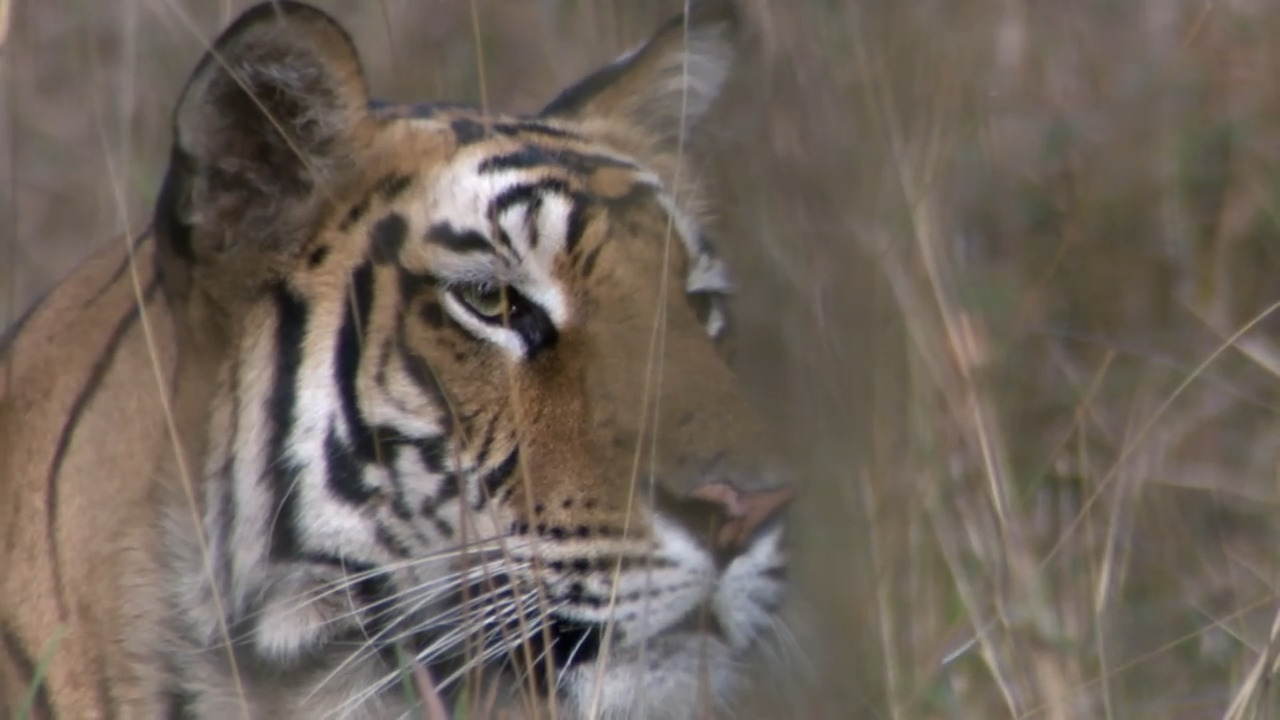
In How Langur Monkeys Help Chital Deer Escape, narrator Sir David Attenborough follows a group of chital deer in India during the dry season as they search for food, all while staying alert for danger. Luckily, they have help from the langur monkeys, who spot a tiger from high in the trees and warn the deer, allowing them to escape safely — showing how animals can work together to stay alive in the wild! This video is excerpted from BBC’s Life, a show that explores the remarkable strategies animals and plants use to ensure their survival.
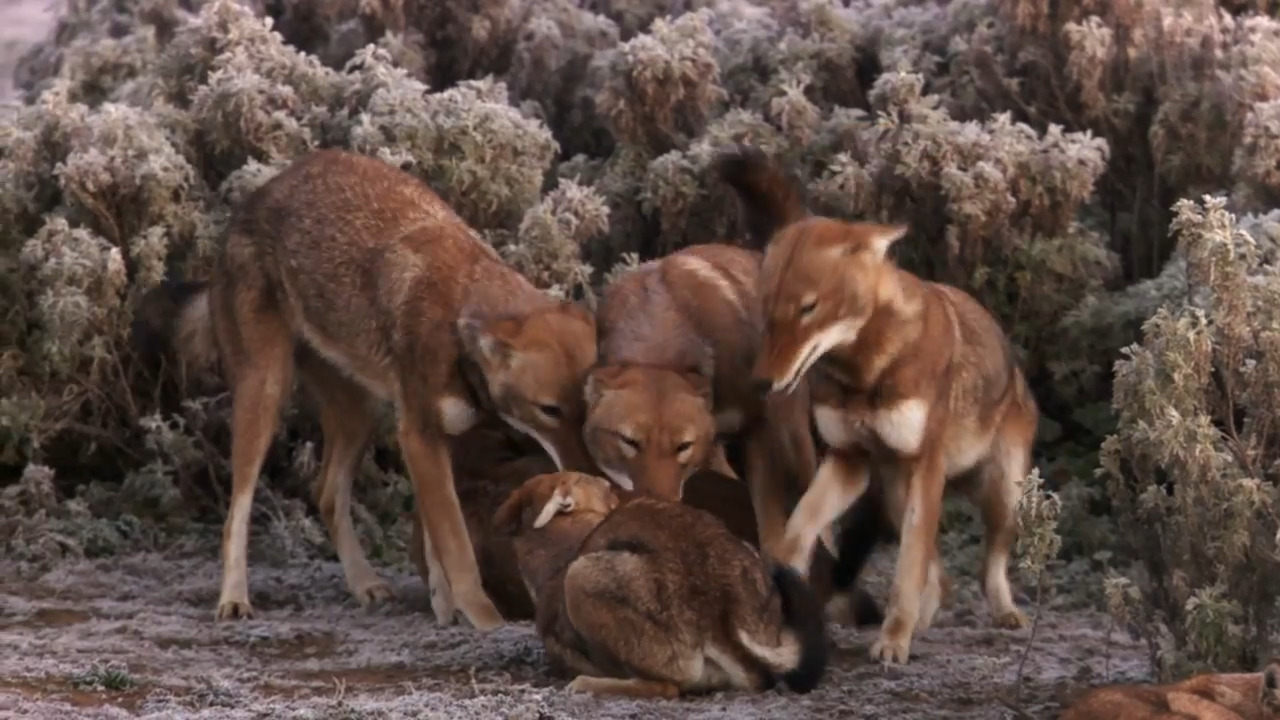
In Ethiopian Wolves’ Hunting Strategy, narrator Sir David Attenborough shows the packs of Ethiopian wolves that live high up in the mountaintops. With one dominant female, the pack works together to care for the pups. In this pack, a mother wolf with six pups stays behind to care for them while the rest head out each day to hunt. But unlike other wolves that hunt in groups, these wolves spread out across the mountains to hunt rats, bringing their daily catch back to the den. This video is excerpted from BBC's Life, a show that explores the remarkable strategies animals and plants use to ensure their survival.
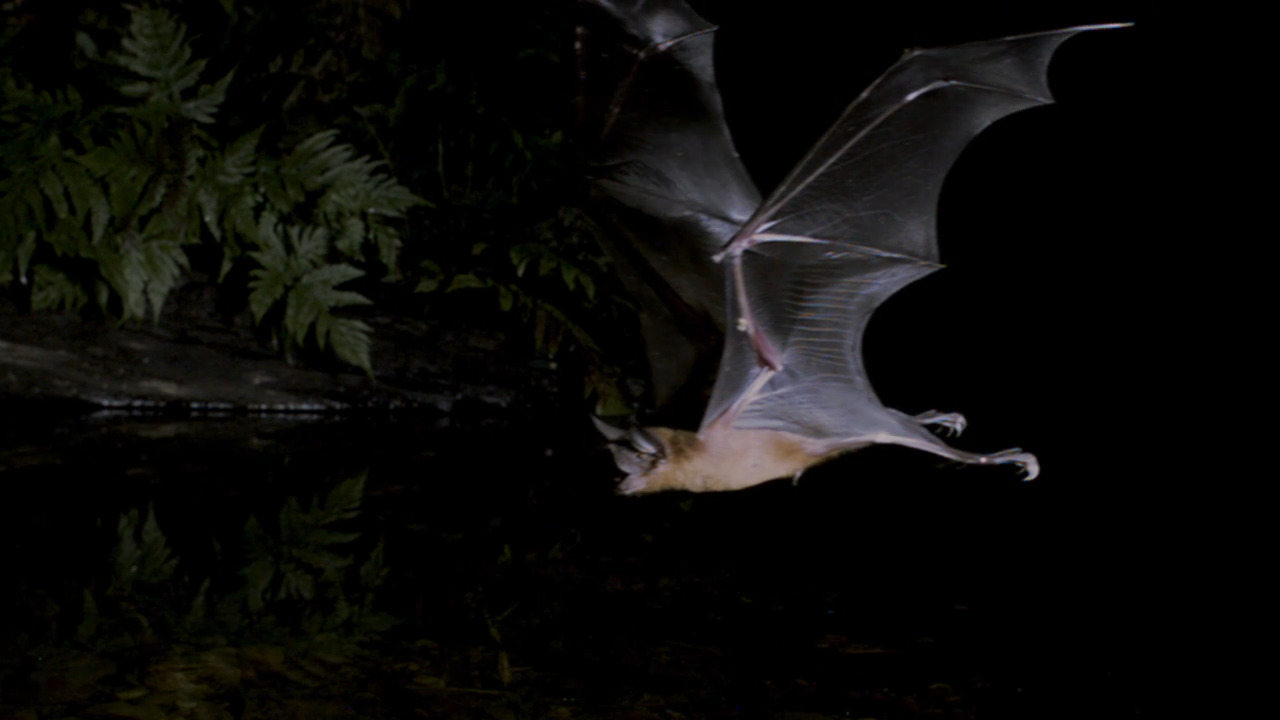
In How Bulldog Bats Hunt in the Night, Sir David Attenborough describes how, as night falls in Belize, bulldog bats take to the skies, ready for an evening feast. These incredible flying mammals are expert fishers, spotting tiny ripples on the water's surface to locate their prey. With lightning speed, they skim the water at 40 mph, snatching fish with their feet — but the splashy success attracts other bats to the scene. This video is excerpted from BBC's Life, a show that explores the remarkable strategies animals and plants use to ensure their survival.
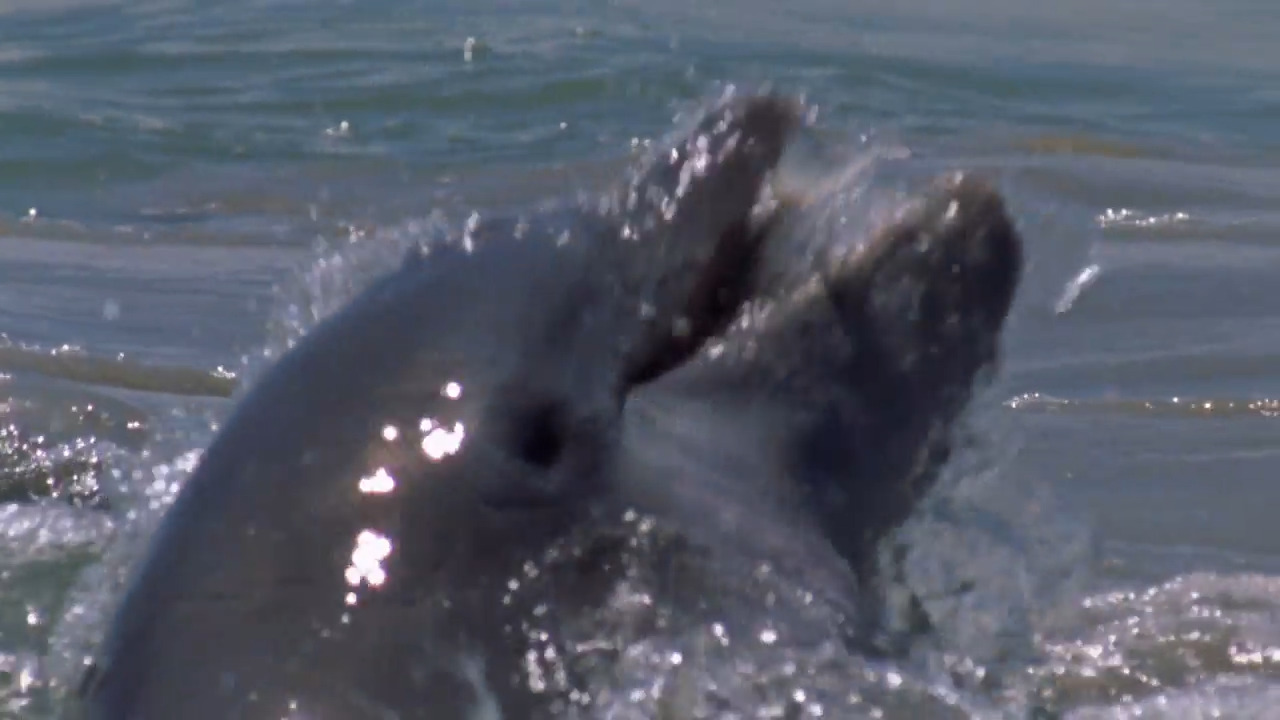
In How Dolphins in Florida Bay Hunt Together, narrator Sir David Attenborough describes bottlenose dolphins’ incredible way of hunting fish in Florida Bay! One dolphin takes charge, stirring up the seafloor to trap fish in a swirling circle. The fish panic and leap out of the water — straight into the mouths of the dolphins! This behavior is passed down through generations, showing how dolphins teach each other to survive in a unique environment. This video is excerpted from BBC's Life, a show that explores the remarkable strategies animals and plants use to ensure their survival.
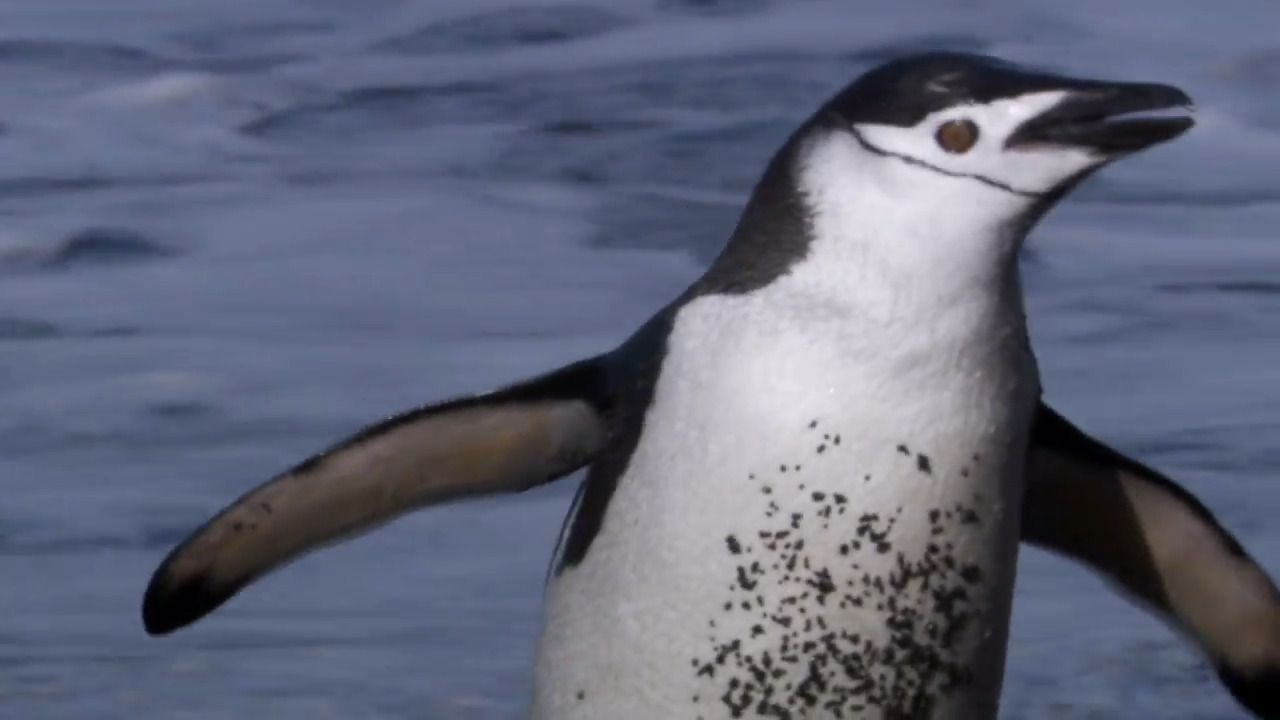
In Penguin Parents' Epic Journey to Feed Their Chicks, narrator Sir David Attenborough describes how chinstrap penguins in Antarctica travel very far to hunt for krill, but the real challenge is getting the food back to their babies on the steep, muddy rim of Deception Island. After battling powerful currents and a slippery climb, the penguins use their excellent hearing to find their chicks in a colony of over 150,000. Once they deliver the krill, the other parent heads out to sea to repeat the journey. This video is excerpted from BBC's Life, a show that explores the remarkable strategies animals and plants use to ensure their survival.
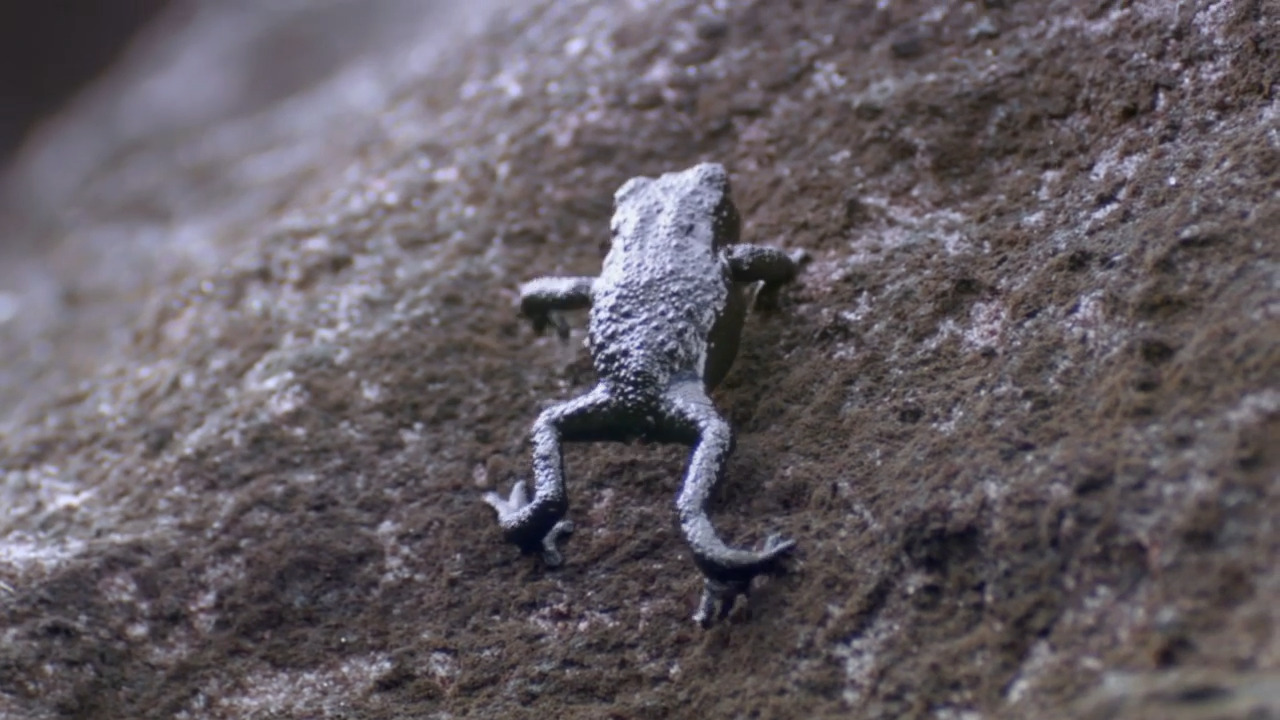
In The Pebble Toad’s Survival Tactic, narrator Sir David Attenborough introduces the tiny pebble toad from Venezuela that's smaller than a stamp! Living high in the rocks, it faces a unique danger — a toad-eating tarantula. Like the waterfall toad, the pebble toad can’t jump far enough to escape, so it uses a clever trick: it free-falls down the rocks, making its body stiff like a rubber ball, bouncing safely to the ground! This video is excerpted from BBC's Life, a show that explores the remarkable strategies animals and plants use to ensure their survival.
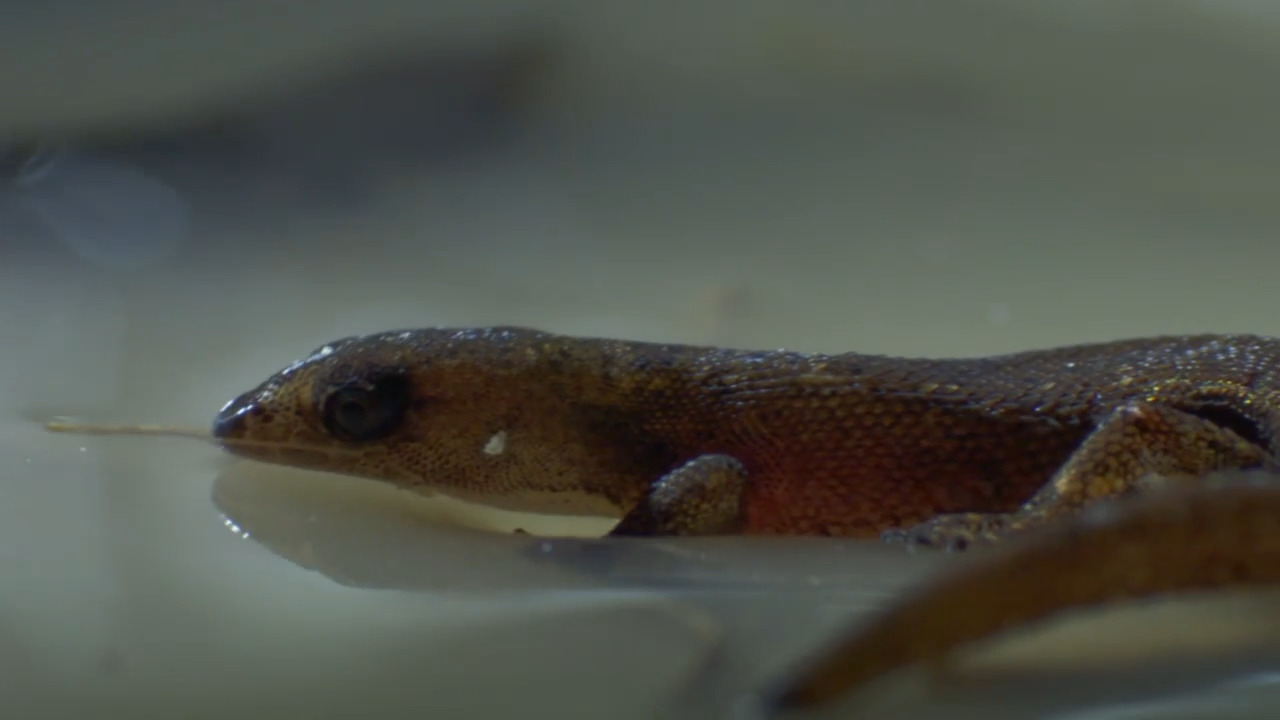
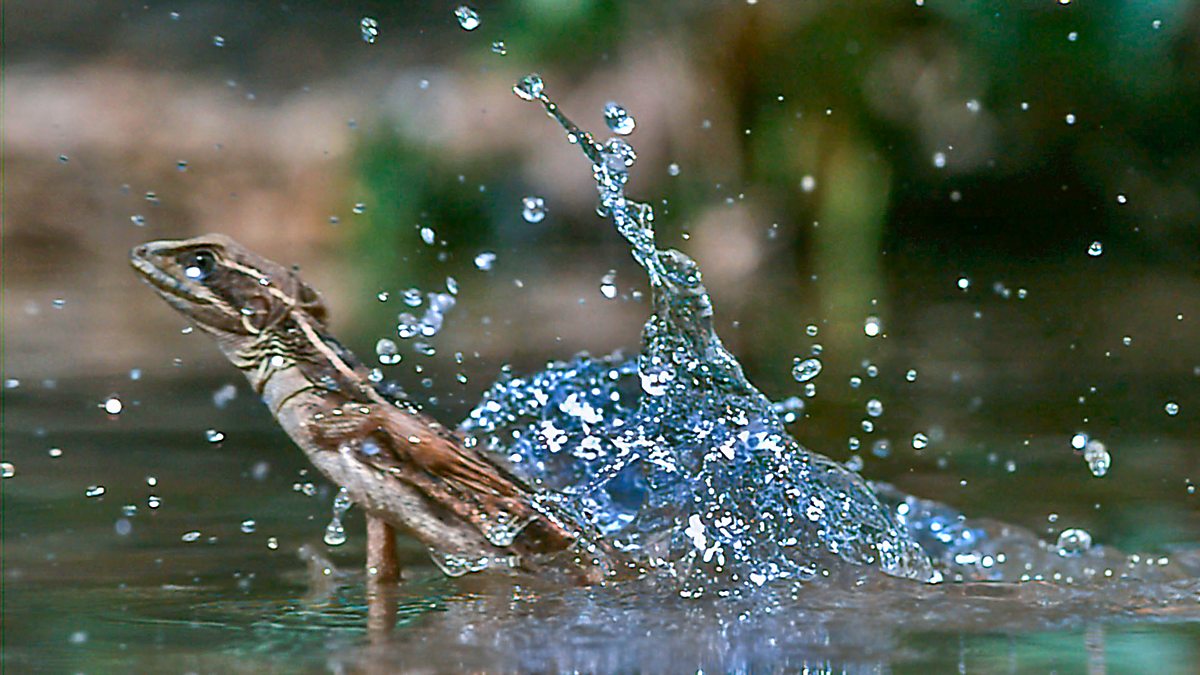
In A Gecko’s Survival Tale, narrator Sir David Attenborough introduces the Brazilian pygmy gecko, a rainforest creature so tiny it could rest on your fingertip! This speedy little gecko has amazing survival tricks, like hydrophobic skin that keeps it dry and the ability to stand on water. Even in the face of a rainstorm, this gecko’s lightweight and clever moves help it thrive in its wild and watery home. This video is excerpted from BBC's Life, a show that explores the remarkable strategies animals and plants use to ensure their survival.
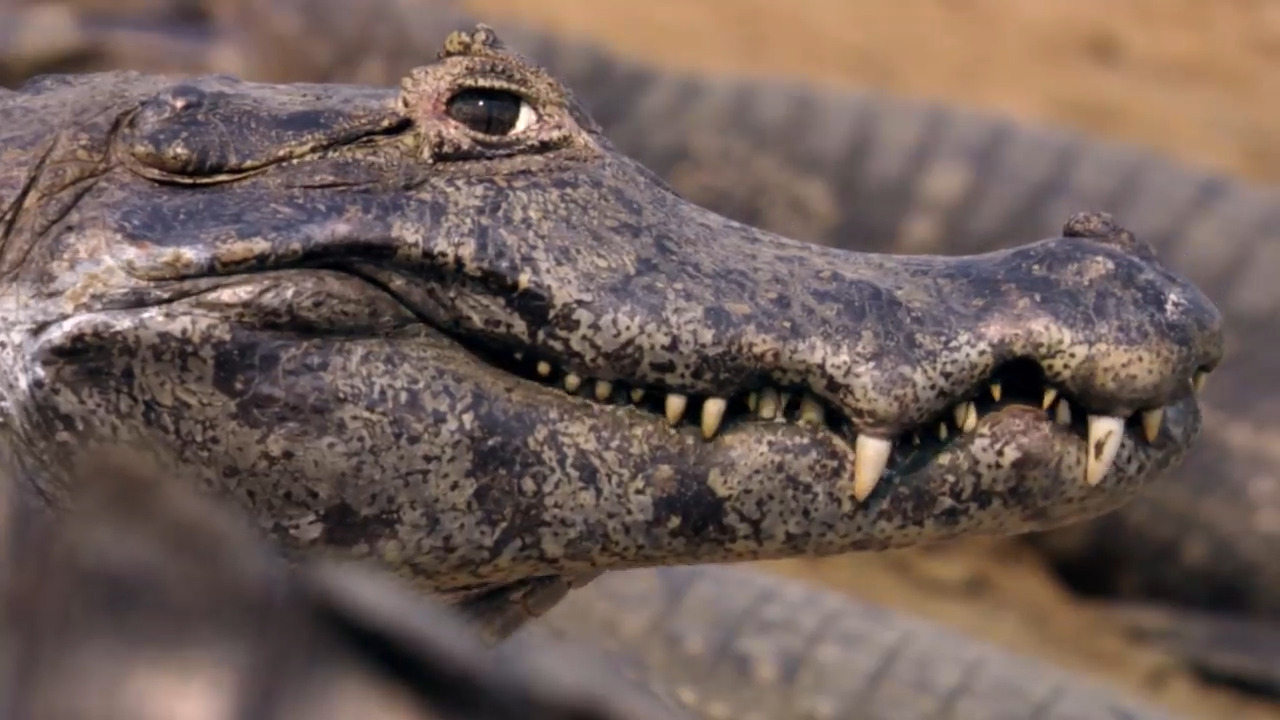
In Meet the Caiman Crocodile, narrator Sir David Attenborough takes us into the vast Brazilian swamps, where caiman crocodiles face a tough dry season when water shrinks into small pools, and food becomes scarce. These cold-blooded reptiles can go months without eating, but hunger makes them cranky and aggressive toward each other. However, when the rains finally return, the rivers fill, and the caimans get to relax, lining up to catch fish with little effort! This video is excerpted from BBC's Life, a show that explores the remarkable strategies animals and plants use to ensure their survival.
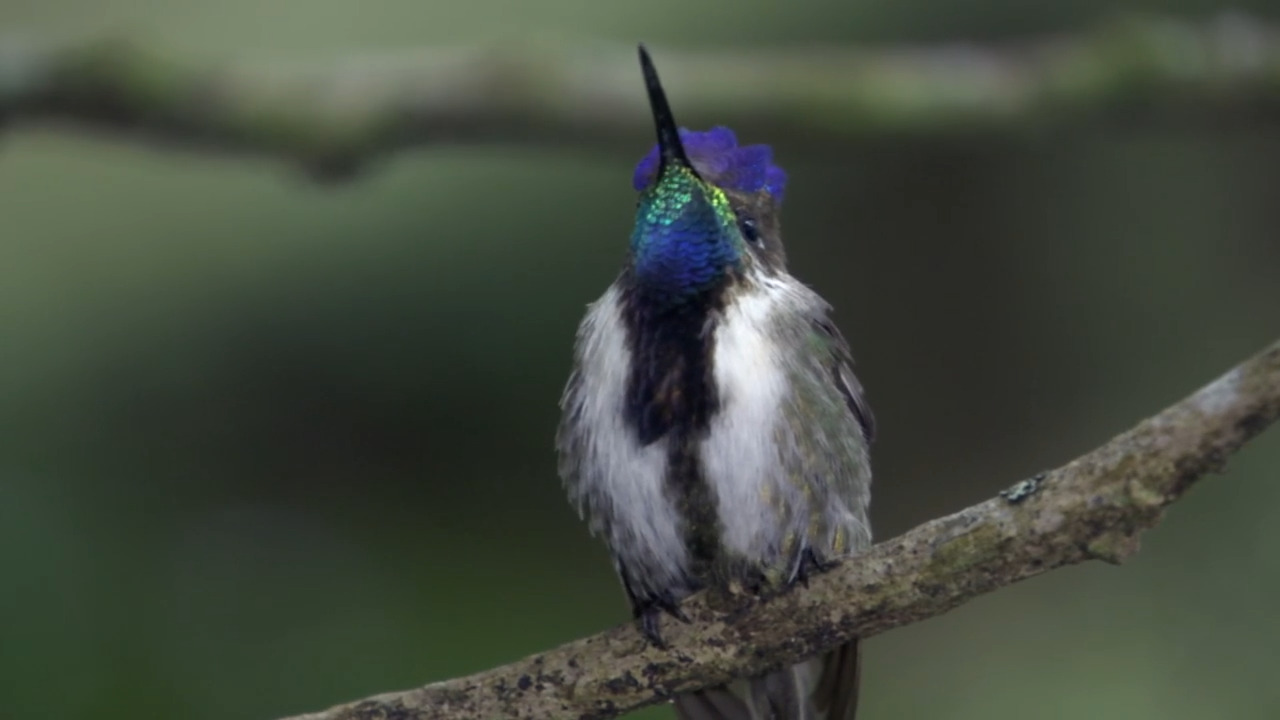
In The Spectacular Dance of Spatuletail Hummingbirds, narrator Sir David Attenborough introduces the marvelous spatuletail hummingbird, a tiny bird with big challenges! While the females fly with ease thanks to their lightweight bodies, the males have long colorful tail feathers they use to perform amazing dances to impress a mate. These fancy moves are exhausting, but the male pulls out all the stops, hoping his performance will win the female's attention. This video is excerpted from BBC's Life, a show that explores the remarkable strategies animals and plants use to ensure their survival.
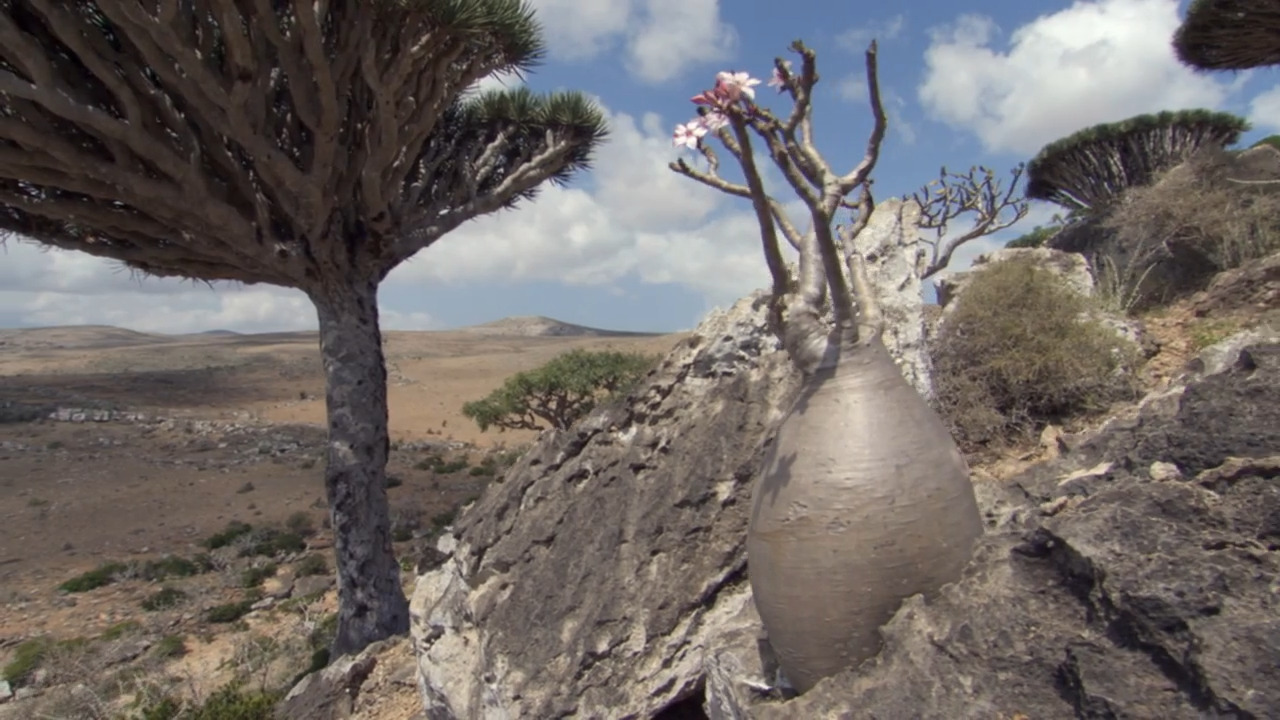
In How Plants Thrive in Extreme Conditions, narrator Sir David Attenborough describes plants that thrive in some of the harshest places on Earth. The dragon’s blood tree in Socotra uses its unique shape to catch the morning mist and water its roots, while the desert rose stores water in its thick trunk and grows right out of bare rock. Meanwhile, the red mangrove tree survives salty water by filtering out most of the salt through pores, showing how nature helps plants adapt to tough environments! This video is excerpted from BBC’s Life, a show that explores the remarkable strategies animals and plants use to ensure their survival.
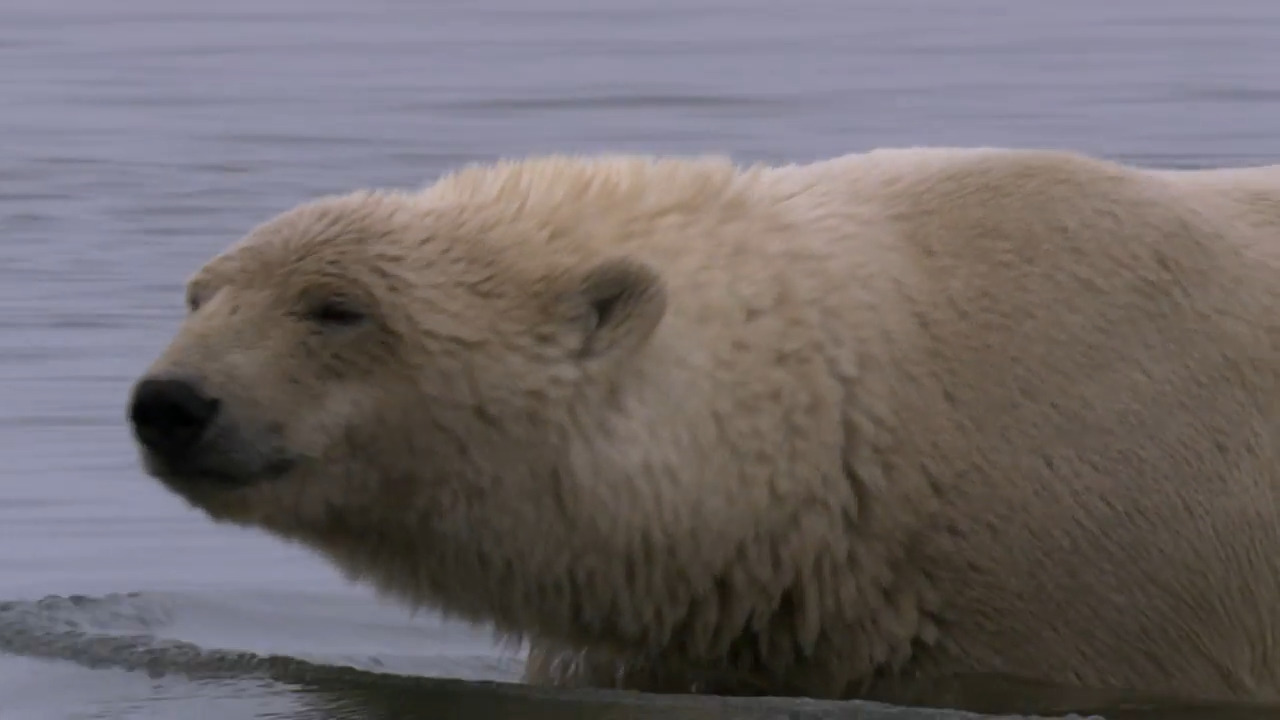
In A Polar Bear Family’s Struggle, narrator Sir David Attenborough describes how a mother polar bear protects and cares for her cubs on a journey through the icy sea and onto dry land. Food is scarce, but with her supersensitive nose, she picks up the scent of a bowhead whale carcass, a rare find with enough meat to feed many bears. While the cubs eat their meal, danger looms as male polar bears and other hungry bears gather at the site. This video is excerpted from BBC's Life, a show that explores the remarkable strategies animals and plants use to ensure their survival.
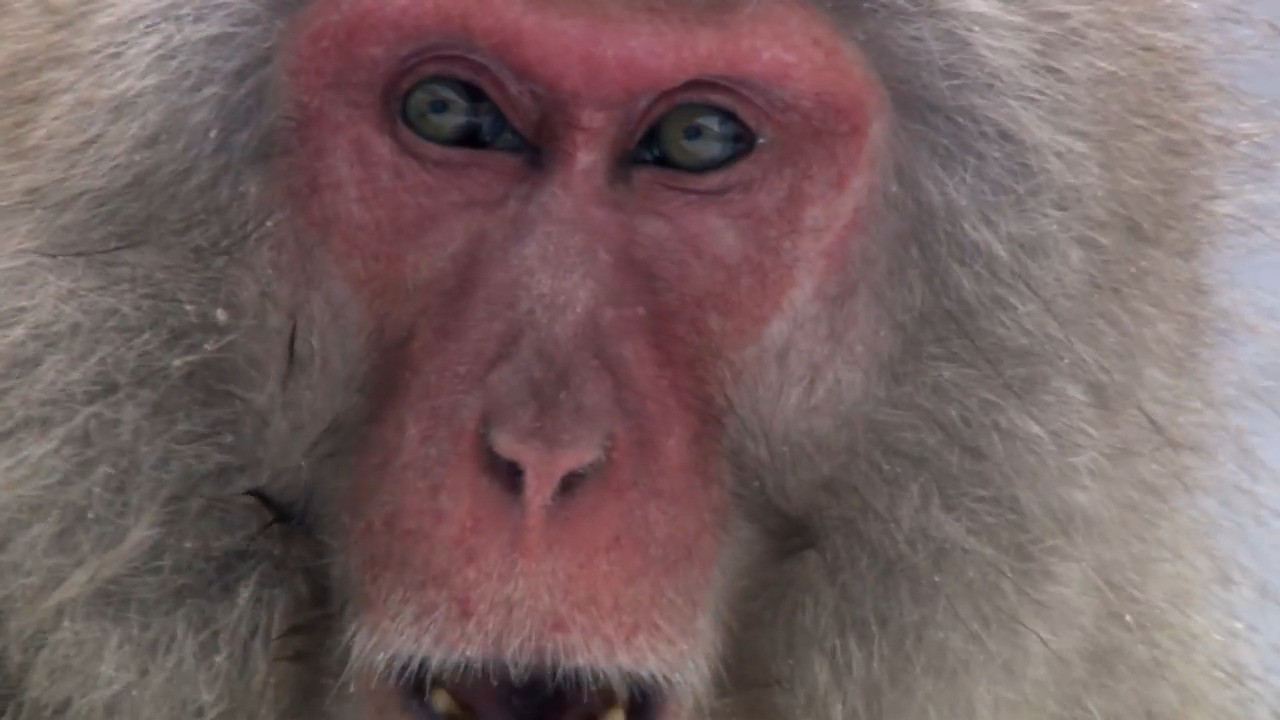
In A Hierarchy of Japanese Macaques, these monkeys native to Japan are trying to survive the harsh Japanese winter. They seek out a thermal spa, then primate politics comes into play. This video is excerpted from BBC's Life, a show that explores the remarkable strategies animals and plants use to ensure their survival.
In How Langur Monkeys Help Chital Deer Escape, narrator Sir David Attenborough follows a group of chital deer in India during the dry season as they search for food, all while staying alert for danger. Luckily, they have help from the langur monkeys, who spot a tiger from high in the trees and warn the deer, allowing them to escape safely — showing how animals can work together to stay alive in the wild! This video is excerpted from BBC’s Life, a show that explores the remarkable strategies animals and plants use to ensure their survival.
In Ethiopian Wolves’ Hunting Strategy, narrator Sir David Attenborough shows the packs of Ethiopian wolves that live high up in the mountaintops. With one dominant female, the pack works together to care for the pups. In this pack, a mother wolf with six pups stays behind to care for them while the rest head out each day to hunt. But unlike other wolves that hunt in groups, these wolves spread out across the mountains to hunt rats, bringing their daily catch back to the den. This video is excerpted from BBC's Life, a show that explores the remarkable strategies animals and plants use to ensure their survival.
In How Bulldog Bats Hunt in the Night, Sir David Attenborough describes how, as night falls in Belize, bulldog bats take to the skies, ready for an evening feast. These incredible flying mammals are expert fishers, spotting tiny ripples on the water's surface to locate their prey. With lightning speed, they skim the water at 40 mph, snatching fish with their feet — but the splashy success attracts other bats to the scene. This video is excerpted from BBC's Life, a show that explores the remarkable strategies animals and plants use to ensure their survival.
In How Dolphins in Florida Bay Hunt Together, narrator Sir David Attenborough describes bottlenose dolphins’ incredible way of hunting fish in Florida Bay! One dolphin takes charge, stirring up the seafloor to trap fish in a swirling circle. The fish panic and leap out of the water — straight into the mouths of the dolphins! This behavior is passed down through generations, showing how dolphins teach each other to survive in a unique environment. This video is excerpted from BBC's Life, a show that explores the remarkable strategies animals and plants use to ensure their survival.
In Penguin Parents' Epic Journey to Feed Their Chicks, narrator Sir David Attenborough describes how chinstrap penguins in Antarctica travel very far to hunt for krill, but the real challenge is getting the food back to their babies on the steep, muddy rim of Deception Island. After battling powerful currents and a slippery climb, the penguins use their excellent hearing to find their chicks in a colony of over 150,000. Once they deliver the krill, the other parent heads out to sea to repeat the journey. This video is excerpted from BBC's Life, a show that explores the remarkable strategies animals and plants use to ensure their survival.
In The Pebble Toad’s Survival Tactic, narrator Sir David Attenborough introduces the tiny pebble toad from Venezuela that's smaller than a stamp! Living high in the rocks, it faces a unique danger — a toad-eating tarantula. Like the waterfall toad, the pebble toad can’t jump far enough to escape, so it uses a clever trick: it free-falls down the rocks, making its body stiff like a rubber ball, bouncing safely to the ground! This video is excerpted from BBC's Life, a show that explores the remarkable strategies animals and plants use to ensure their survival.
In A Gecko’s Survival Tale, narrator Sir David Attenborough introduces the Brazilian pygmy gecko, a rainforest creature so tiny it could rest on your fingertip! This speedy little gecko has amazing survival tricks, like hydrophobic skin that keeps it dry and the ability to stand on water. Even in the face of a rainstorm, this gecko’s lightweight and clever moves help it thrive in its wild and watery home. This video is excerpted from BBC's Life, a show that explores the remarkable strategies animals and plants use to ensure their survival.
In Meet the Caiman Crocodile, narrator Sir David Attenborough takes us into the vast Brazilian swamps, where caiman crocodiles face a tough dry season when water shrinks into small pools, and food becomes scarce. These cold-blooded reptiles can go months without eating, but hunger makes them cranky and aggressive toward each other. However, when the rains finally return, the rivers fill, and the caimans get to relax, lining up to catch fish with little effort! This video is excerpted from BBC's Life, a show that explores the remarkable strategies animals and plants use to ensure their survival.
In The Spectacular Dance of Spatuletail Hummingbirds, narrator Sir David Attenborough introduces the marvelous spatuletail hummingbird, a tiny bird with big challenges! While the females fly with ease thanks to their lightweight bodies, the males have long colorful tail feathers they use to perform amazing dances to impress a mate. These fancy moves are exhausting, but the male pulls out all the stops, hoping his performance will win the female's attention. This video is excerpted from BBC's Life, a show that explores the remarkable strategies animals and plants use to ensure their survival.
In How Plants Thrive in Extreme Conditions, narrator Sir David Attenborough describes plants that thrive in some of the harshest places on Earth. The dragon’s blood tree in Socotra uses its unique shape to catch the morning mist and water its roots, while the desert rose stores water in its thick trunk and grows right out of bare rock. Meanwhile, the red mangrove tree survives salty water by filtering out most of the salt through pores, showing how nature helps plants adapt to tough environments! This video is excerpted from BBC’s Life, a show that explores the remarkable strategies animals and plants use to ensure their survival.
In A Polar Bear Family’s Struggle, narrator Sir David Attenborough describes how a mother polar bear protects and cares for her cubs on a journey through the icy sea and onto dry land. Food is scarce, but with her supersensitive nose, she picks up the scent of a bowhead whale carcass, a rare find with enough meat to feed many bears. While the cubs eat their meal, danger looms as male polar bears and other hungry bears gather at the site. This video is excerpted from BBC's Life, a show that explores the remarkable strategies animals and plants use to ensure their survival.
In A Hierarchy of Japanese Macaques, these monkeys native to Japan are trying to survive the harsh Japanese winter. They seek out a thermal spa, then primate politics comes into play. This video is excerpted from BBC's Life, a show that explores the remarkable strategies animals and plants use to ensure their survival.