Planet Earth I
This first installment of the landmark, award-winning series is an epic exploration of the wild and beautiful parts of our planet. Sir David Attenborough narrates the amazing variety of the natural world in this iconic documentary series, filmed over four years across 64 different countries.
Planet Earth I is an outstanding resource for upper elementary through high school learners, offering a breathtaking introduction to Earth's ecosystems, biodiversity, and natural processes. The program encourages scientific observation, environmental stewardship, and a deeper appreciation for the diversity and resilience of the natural world.
Ages 8–18
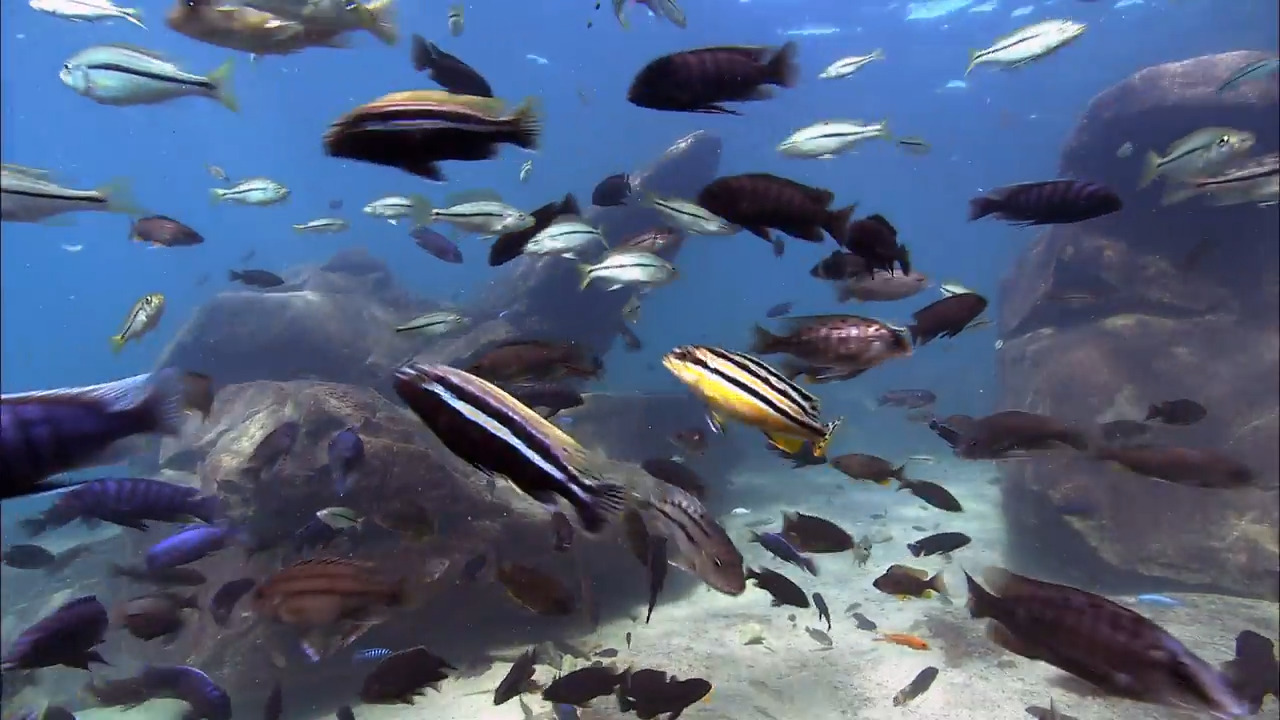
In Cichlids in Lake Malawi narrator Sir David Attenborough dives deep underwater in Lake Malawi. Explore unusual craters formed by cichlids, and see how these fish breed, care for their young, and survive among dangerous electric predators! This video is excerpted from BBC's Planet Earth, a breathtaking documentary series that highlights the natural wonders of our planet.
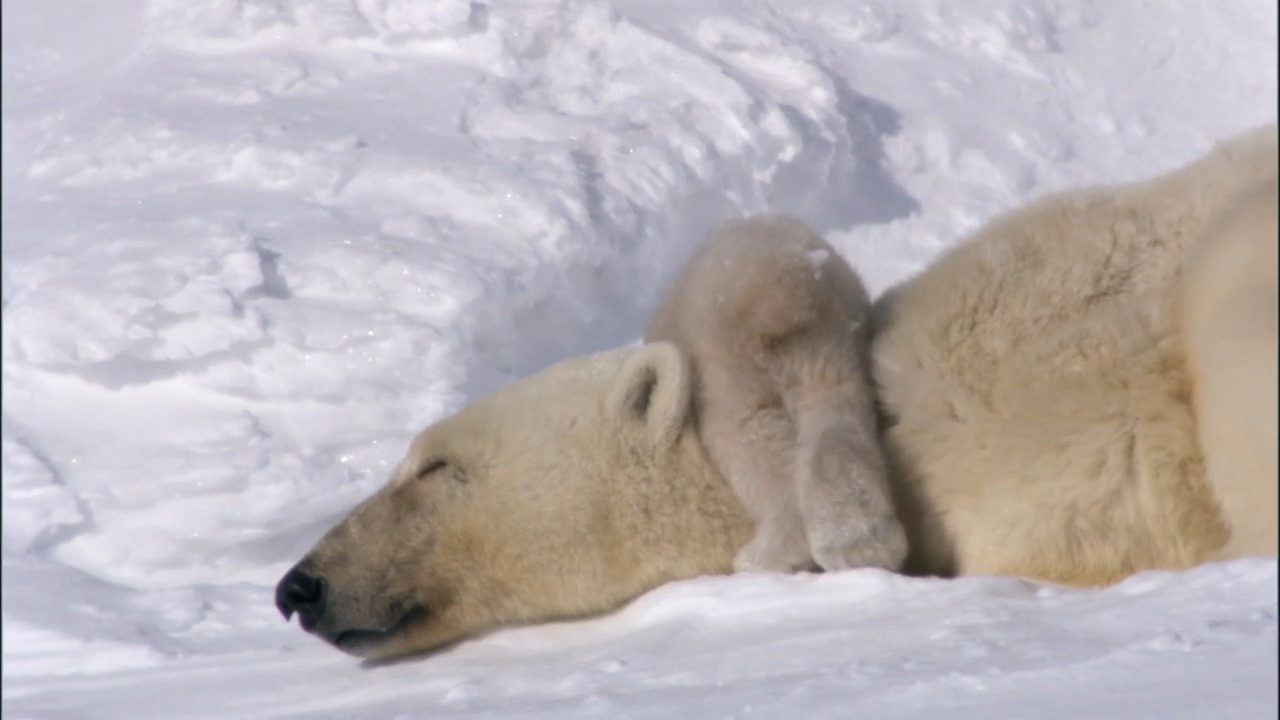
In What Happens When Polar Bears Wake Up Hungry?, narrator Sir David Attenborough explains that a mother polar bear must hunt seals before the spring ice melts. However, a blizzard threatens her two young cubs, and the sea ice is a dangerous place for them. This video is excerpted from BBC's Planet Earth, a breathtaking documentary series that highlights the natural wonders of our planet.
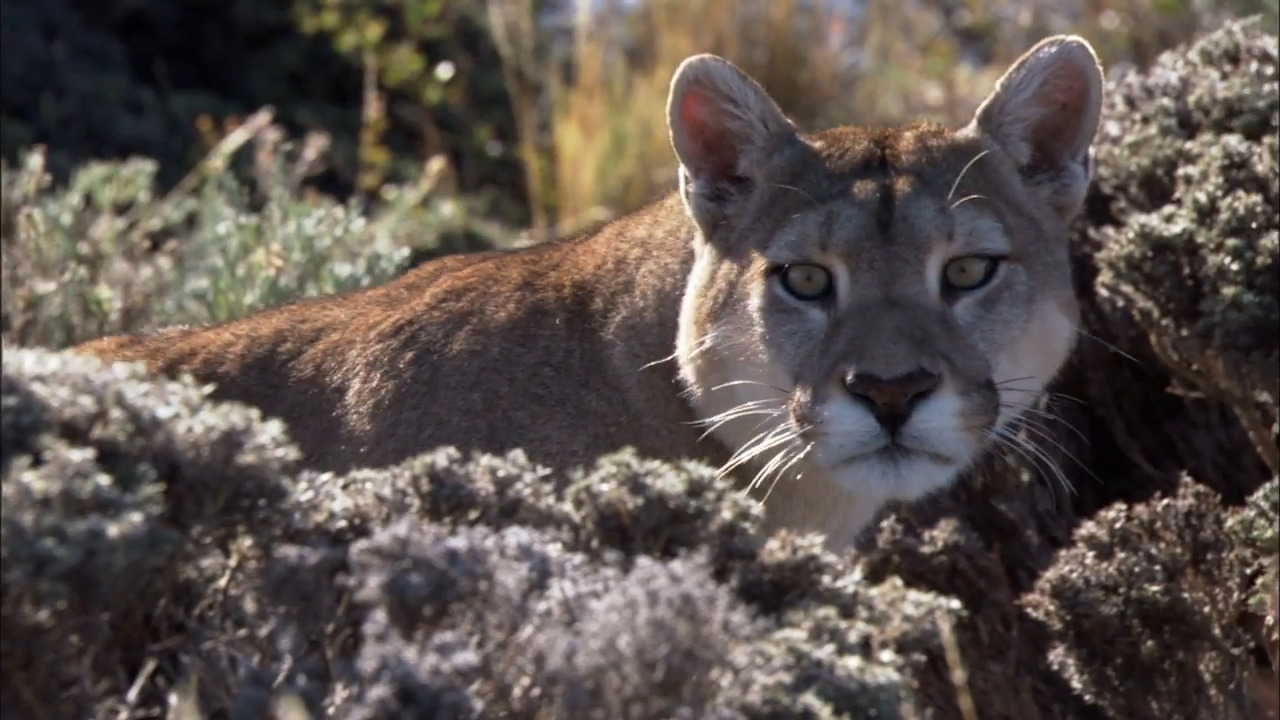
In Pumas: Learning From Mother, narrator Sir David Attenborough describes rare footage that shows pumas, “the lions of the Andes,” out in the open as a group. Four young pumas learn from their mother how to hunt for food as she stalks her prey by moonlight. This video is excerpted from BBC's Planet Earth, a breathtaking documentary series that highlights the natural wonders of our planet.
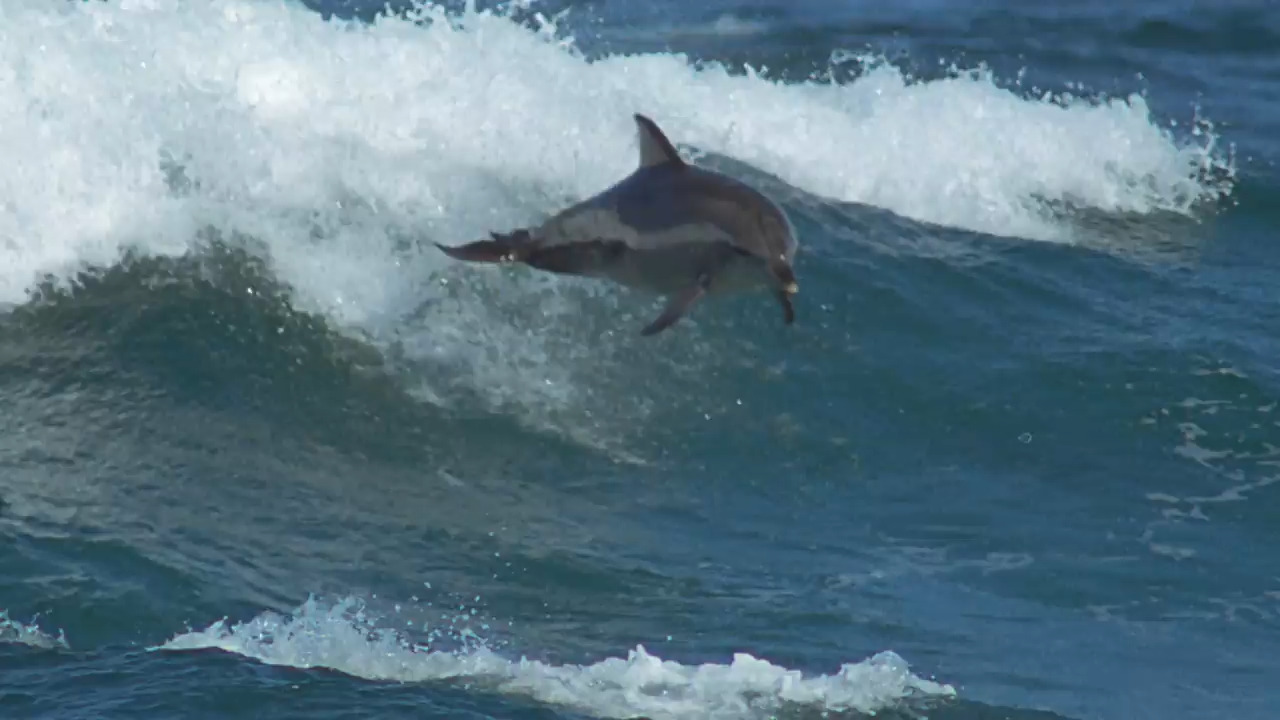
In How Dolphins Hunt in Shallow Water, narrator Sir David Attenborough explains that shallow water is no problem for smart and skilled bottlenose dolphins. See the many strategies they have for hunting fish in just centimeters of water. This video is excerpted from BBC's Planet Earth, a breathtaking documentary series that highlights the natural wonders of our planet.
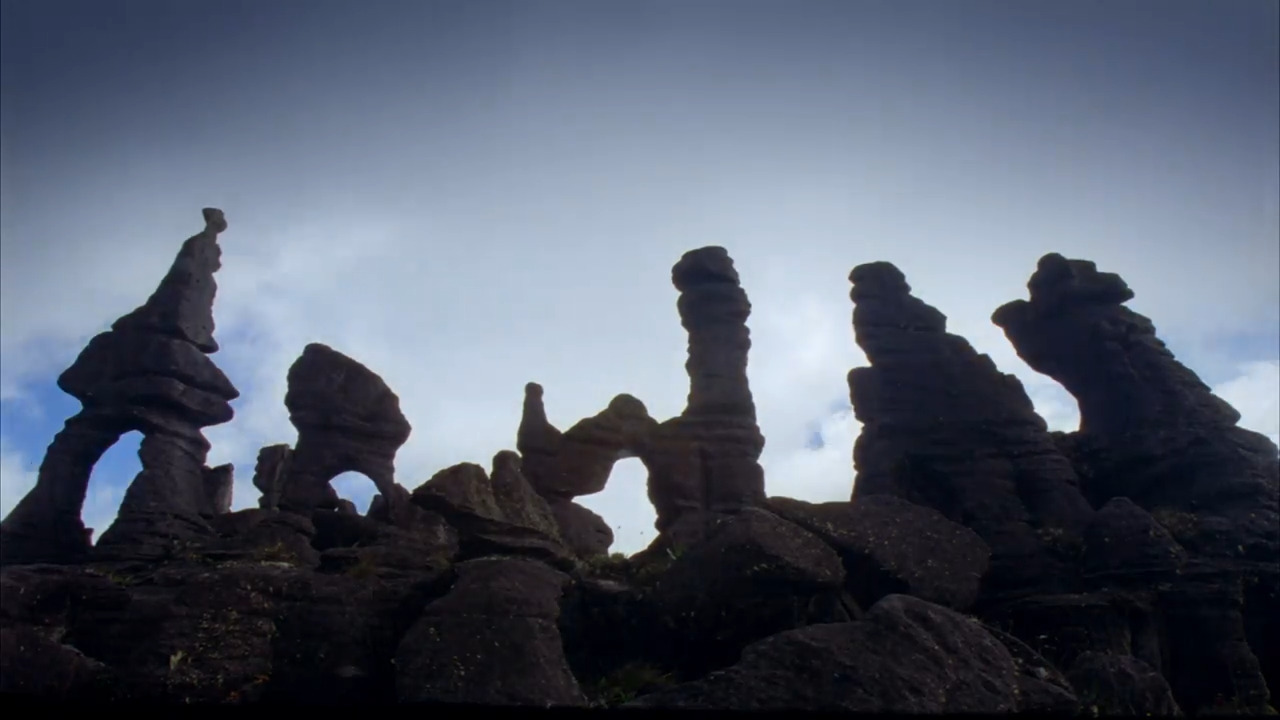
In The Tepuis of Venezuela, narrator Sir David Attenborough describes how wind and rain have carved sandstone mountains into a landscape like something out of a fictional world. As wind and rain impact the mountains, so too do the mountains impact the weather system. This video is excerpted from BBC's Planet Earth, a breathtaking documentary series that highlights the natural wonders of our planet.
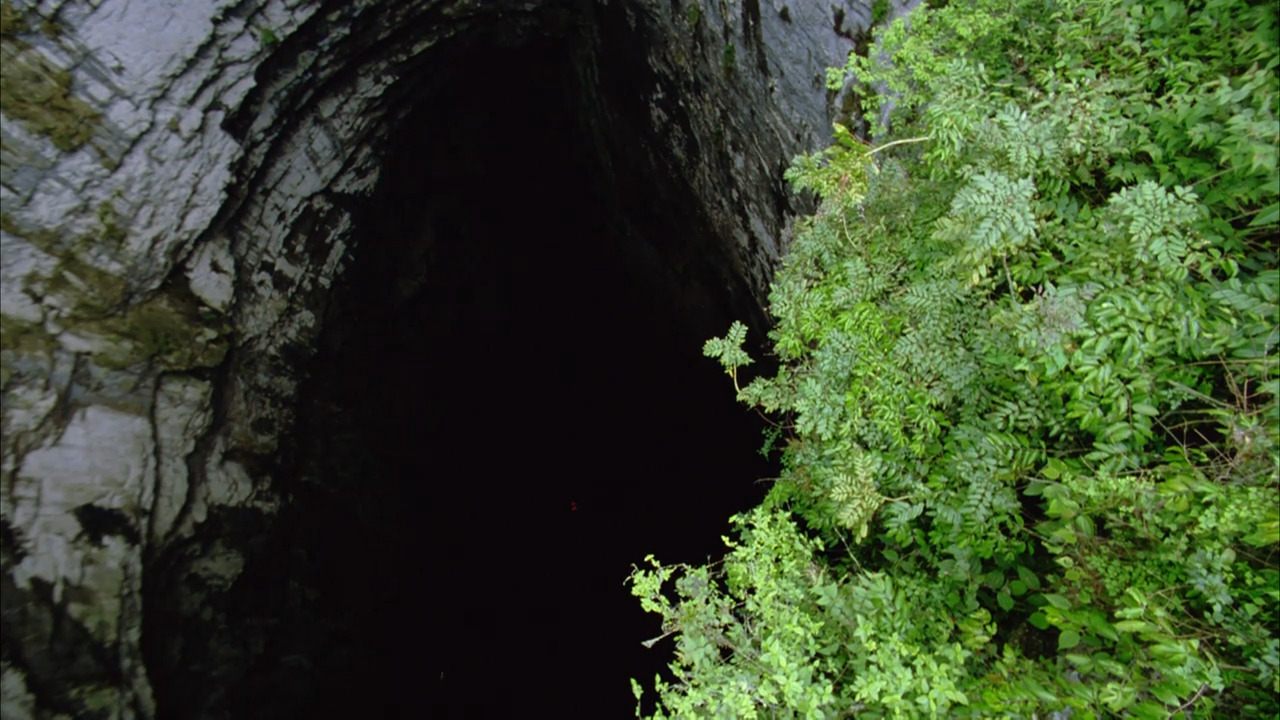
In Exploring the Cave of Swallows, narrator Sir David Attenborough dives deep into the Cave of Swallows in Mexico, the largest cave shaft in the world. Despite its massive size, it was only fully explored two years before humans landed on the Moon. Caves remain some of the least explored places on Earth. However, humans are rarely the first to arrive in these dark, damp environments — many strange and fascinating creatures have already made them their home. This video is excerpted from BBC’s Planet Earth, a breathtaking documentary series that highlights the natural wonders of our planet.
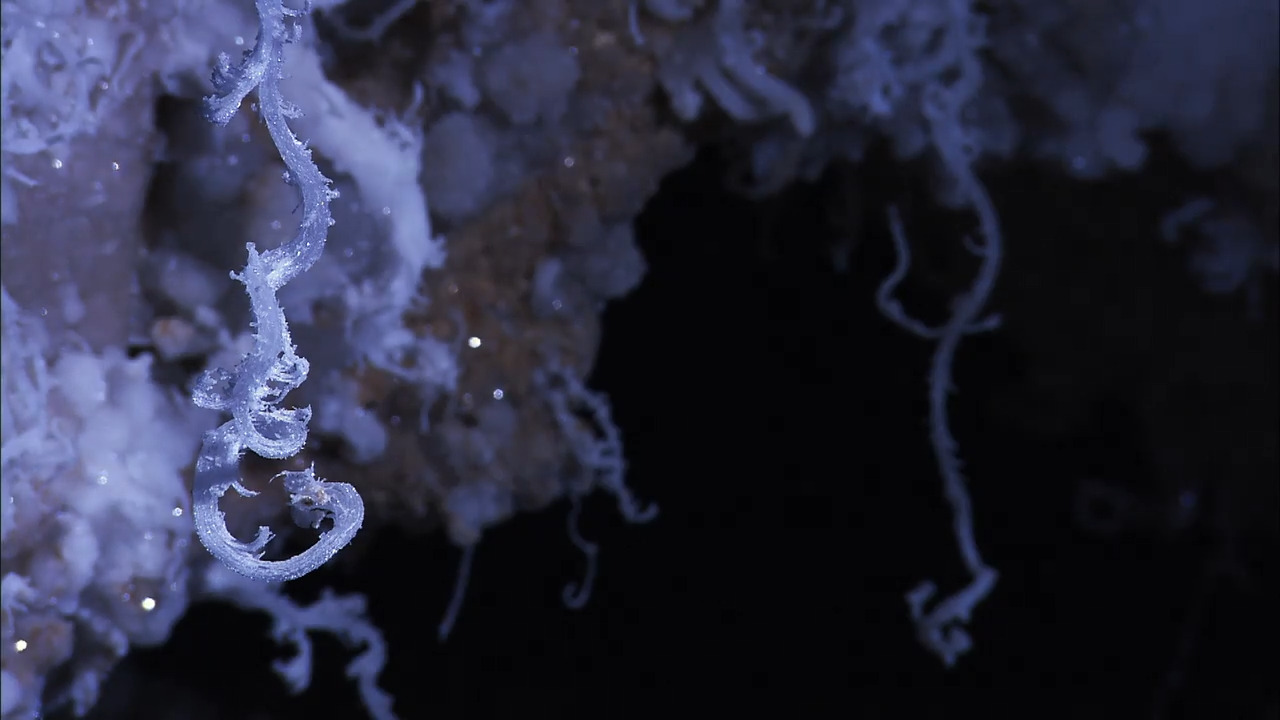
In The Discovery of Lechuguilla Cave, narrator Sir David Attenborough takes students on a journey into Lechuguilla Cave. Located beneath the desert in the United States, Lechuguilla was discovered in 1986 when cavers dug through loose rock and uncovered a vast system of passageways stretching over 120 miles. The cave is renowned for its breathtaking formations, including delicate gypsum crystals that cover its walls. This video is excerpted from BBC’s Planet Earth, a breathtaking documentary series that highlights the natural wonders of our planet.
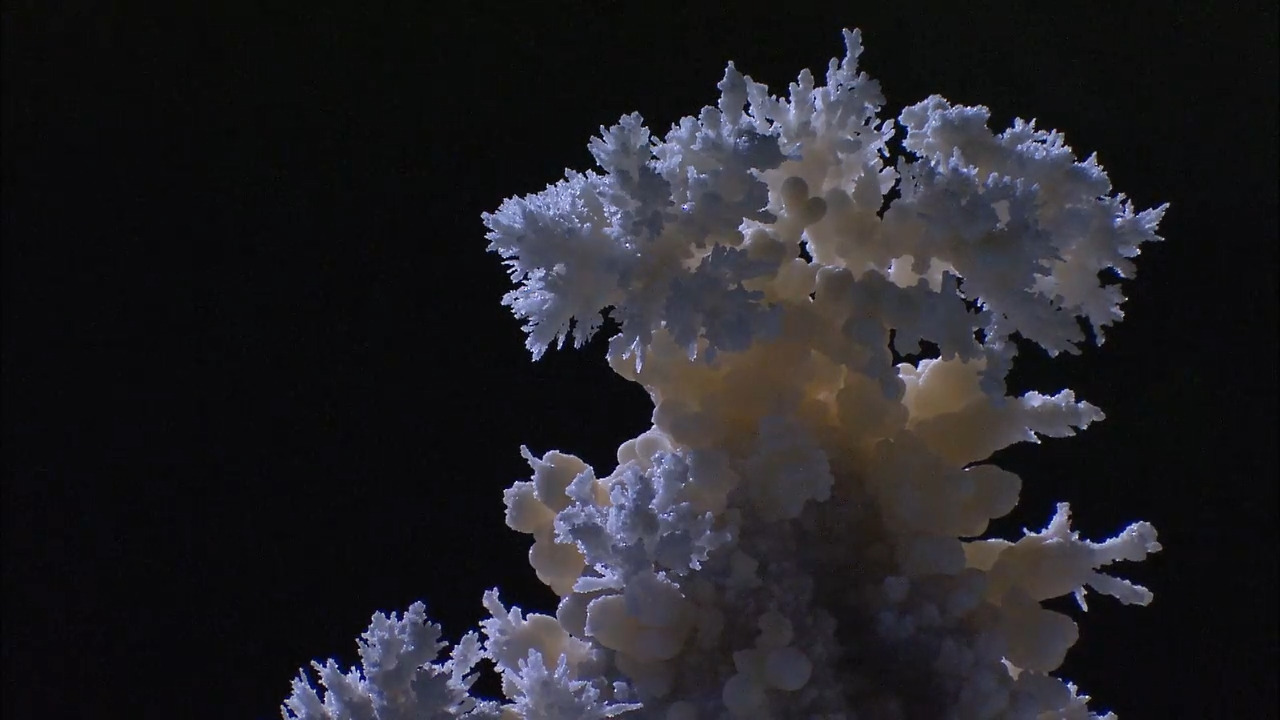
In The Formation of Lechuguilla Cave, narrator David Attenborough reveals the spectacular underground landscape of Lechuguilla Cave. Scientists were fascinated by its enormous gypsum formations and discovered that sulfuric acid played a key role in carving out the limestone caverns. Within its depths lies the breathtaking Chandelier Ballroom, where 20-foot-long crystal formations hang from the ceiling. Even more astonishing, extremophile bacteria thrive in the cave, drawing energy not from the Sun, but from the rocks themselves. This video is excerpted from BBC’s Planet Earth, a breathtaking documentary series that highlights the natural wonders of our planet.
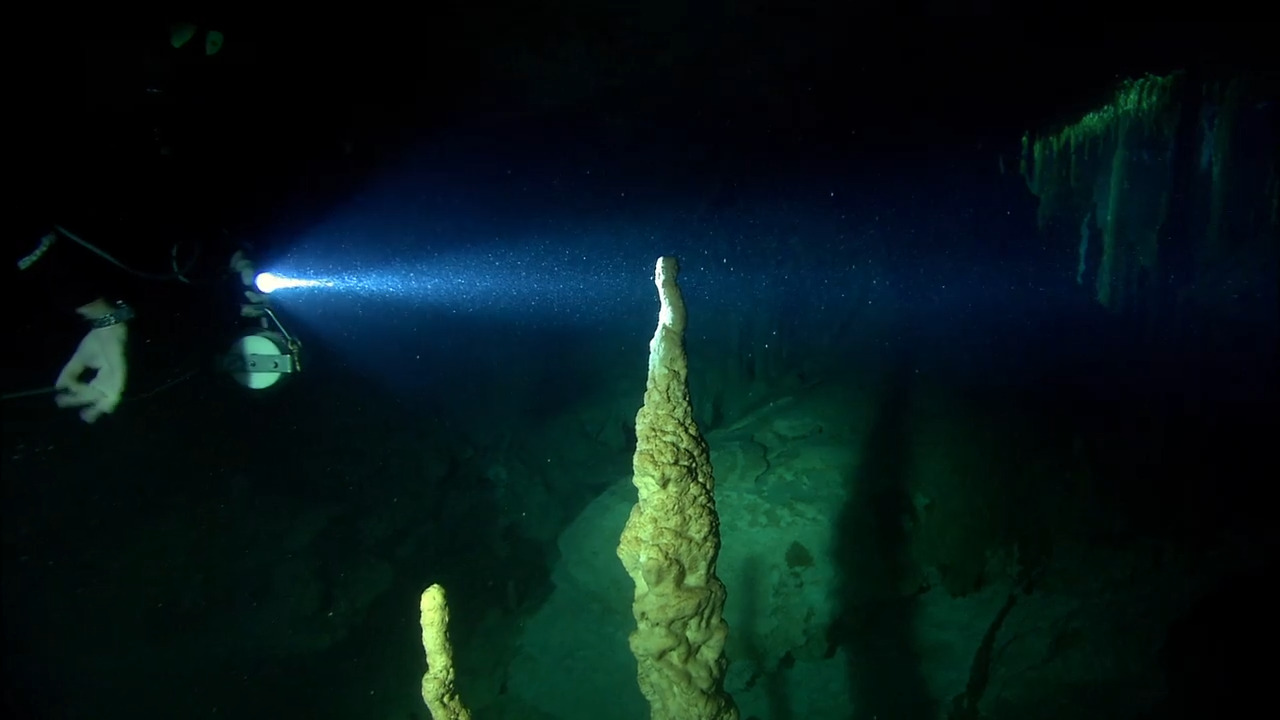
In Exploring the World's Largest Submerged Caverns, narrator Sir David Attenborough follows divers as they explore Mexico's flooded caves, using spools of string as lifelines to navigate these perilous environments. The divers encounter the natural formation of underwater caves, the dangers of disorientation, and fascinating phenomena like haloclines — where fresh water and salt water meet. This video is excerpted from BBC's Planet Earth, a breathtaking documentary series that highlights the natural wonders of our planet.
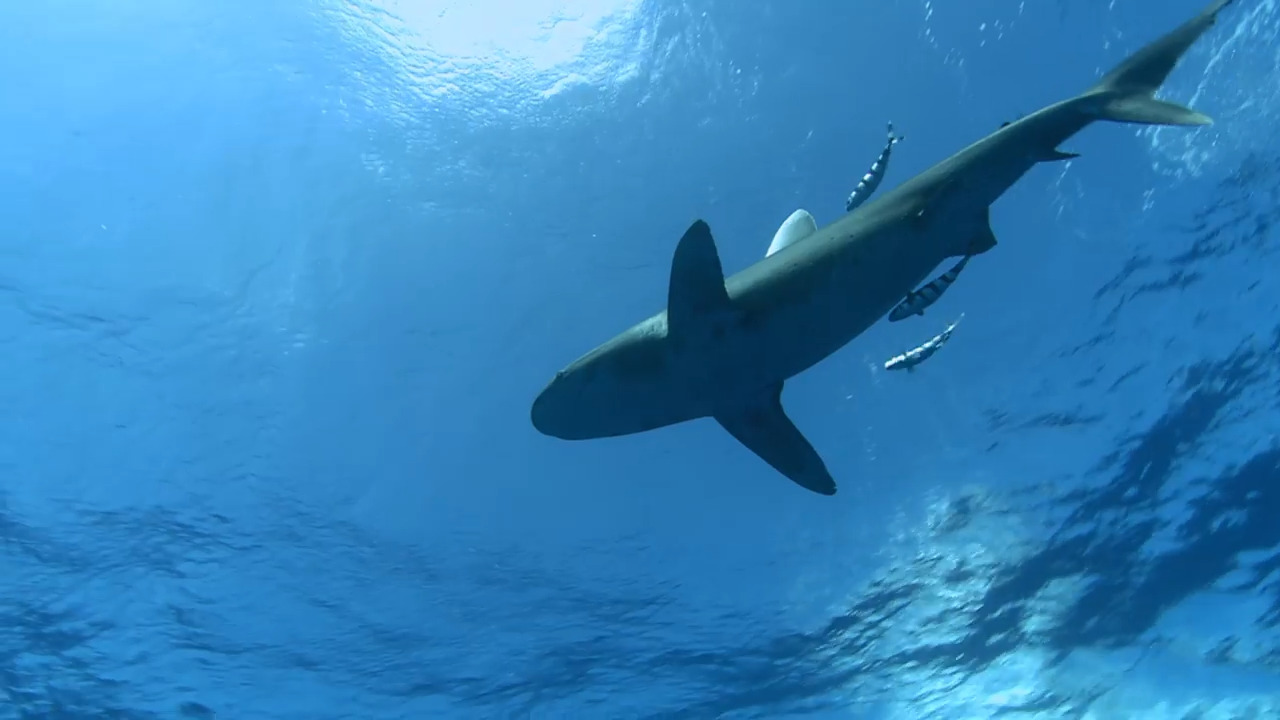
In The Ocean's Patient Predators, narrator Sir David Attenborough highlights the behavior of ocean predators like manta rays and whitetip sharks, and their prey. These predators navigate the vast ocean, using senses like taste to locate food. Smaller fish, like pilot fish, benefit from the shark's hunting efforts. Even predators face challenges when hunting swift and agile prey, such as rainbow runners. This video is excerpted from BBC’s Planet Earth, a breathtaking documentary series that highlights the natural wonders of our planet.
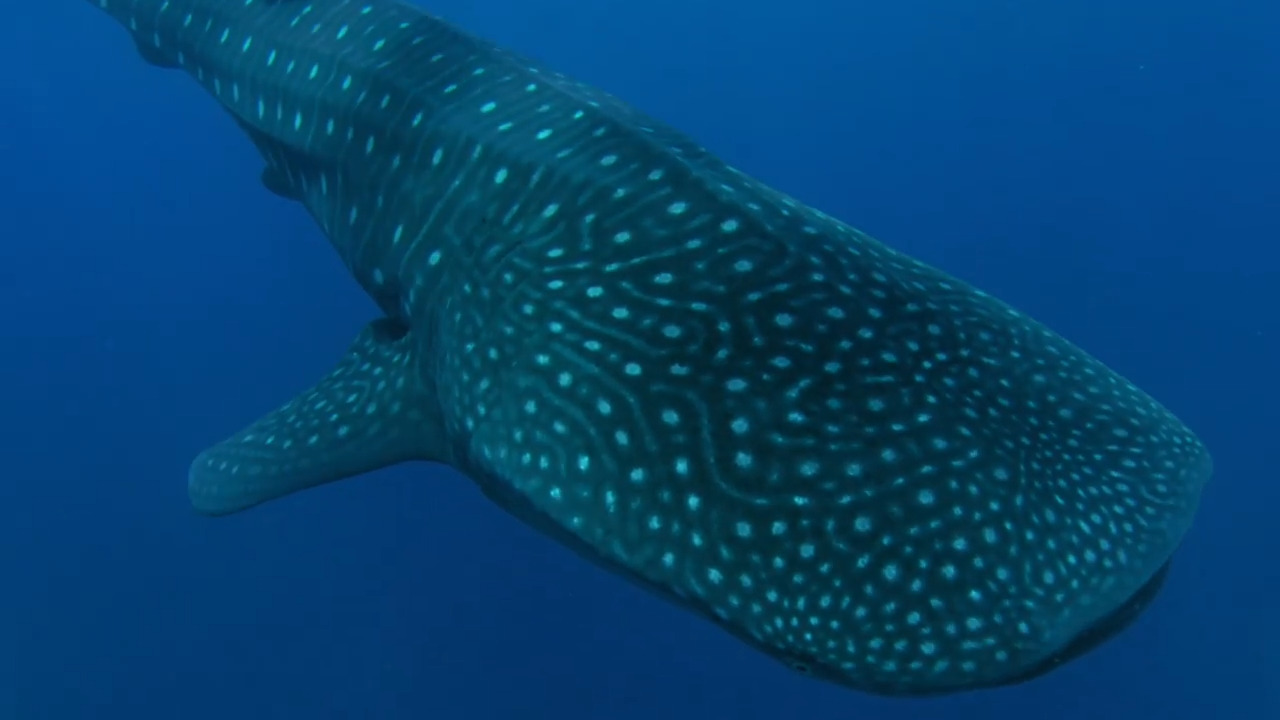
In Whale Sharks Are Both Protector and Predator, narrator Sir David Attenborough explores the fascinating behavior of whale sharks, the largest fish in the ocean. Whale sharks use their massive size and feeding strategies to survive in the ocean, often sharing food sources with predatory species like tuna. This video is excerpted from BBC’s Planet Earth, a breathtaking documentary series that highlights the natural wonders of our planet.
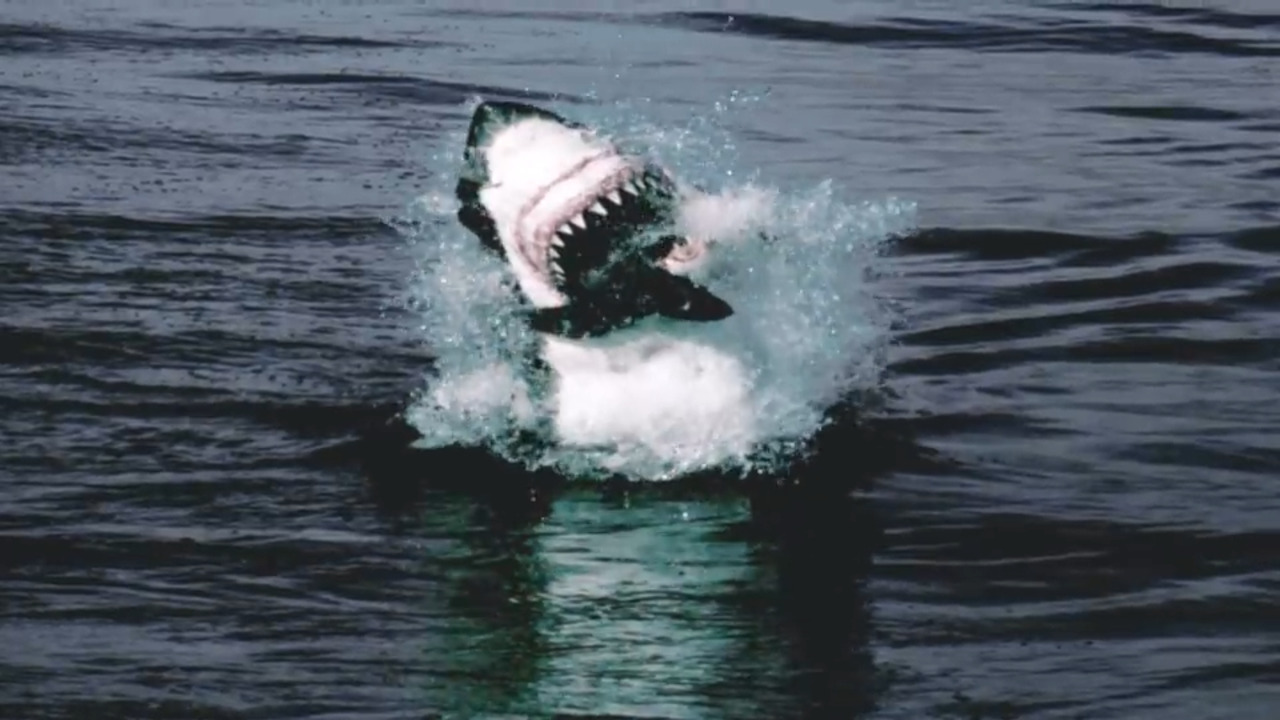
In Great White Sharks vs. Cape Fur Seals, seals head out to sea. As they swim, they must get past great white sharks, apex predators that are waiting to throw their weight around to capture a seal snack. This video is excerpted from BBC’s Planet Earth, a breathtaking documentary series that highlights the natural wonders of our planet.
In Cichlids in Lake Malawi narrator Sir David Attenborough dives deep underwater in Lake Malawi. Explore unusual craters formed by cichlids, and see how these fish breed, care for their young, and survive among dangerous electric predators! This video is excerpted from BBC's Planet Earth, a breathtaking documentary series that highlights the natural wonders of our planet.
In What Happens When Polar Bears Wake Up Hungry?, narrator Sir David Attenborough explains that a mother polar bear must hunt seals before the spring ice melts. However, a blizzard threatens her two young cubs, and the sea ice is a dangerous place for them. This video is excerpted from BBC's Planet Earth, a breathtaking documentary series that highlights the natural wonders of our planet.
In Pumas: Learning From Mother, narrator Sir David Attenborough describes rare footage that shows pumas, “the lions of the Andes,” out in the open as a group. Four young pumas learn from their mother how to hunt for food as she stalks her prey by moonlight. This video is excerpted from BBC's Planet Earth, a breathtaking documentary series that highlights the natural wonders of our planet.
In How Dolphins Hunt in Shallow Water, narrator Sir David Attenborough explains that shallow water is no problem for smart and skilled bottlenose dolphins. See the many strategies they have for hunting fish in just centimeters of water. This video is excerpted from BBC's Planet Earth, a breathtaking documentary series that highlights the natural wonders of our planet.
In The Tepuis of Venezuela, narrator Sir David Attenborough describes how wind and rain have carved sandstone mountains into a landscape like something out of a fictional world. As wind and rain impact the mountains, so too do the mountains impact the weather system. This video is excerpted from BBC's Planet Earth, a breathtaking documentary series that highlights the natural wonders of our planet.
In Exploring the Cave of Swallows, narrator Sir David Attenborough dives deep into the Cave of Swallows in Mexico, the largest cave shaft in the world. Despite its massive size, it was only fully explored two years before humans landed on the Moon. Caves remain some of the least explored places on Earth. However, humans are rarely the first to arrive in these dark, damp environments — many strange and fascinating creatures have already made them their home. This video is excerpted from BBC’s Planet Earth, a breathtaking documentary series that highlights the natural wonders of our planet.
In The Discovery of Lechuguilla Cave, narrator Sir David Attenborough takes students on a journey into Lechuguilla Cave. Located beneath the desert in the United States, Lechuguilla was discovered in 1986 when cavers dug through loose rock and uncovered a vast system of passageways stretching over 120 miles. The cave is renowned for its breathtaking formations, including delicate gypsum crystals that cover its walls. This video is excerpted from BBC’s Planet Earth, a breathtaking documentary series that highlights the natural wonders of our planet.
In The Formation of Lechuguilla Cave, narrator David Attenborough reveals the spectacular underground landscape of Lechuguilla Cave. Scientists were fascinated by its enormous gypsum formations and discovered that sulfuric acid played a key role in carving out the limestone caverns. Within its depths lies the breathtaking Chandelier Ballroom, where 20-foot-long crystal formations hang from the ceiling. Even more astonishing, extremophile bacteria thrive in the cave, drawing energy not from the Sun, but from the rocks themselves. This video is excerpted from BBC’s Planet Earth, a breathtaking documentary series that highlights the natural wonders of our planet.
In Exploring the World's Largest Submerged Caverns, narrator Sir David Attenborough follows divers as they explore Mexico's flooded caves, using spools of string as lifelines to navigate these perilous environments. The divers encounter the natural formation of underwater caves, the dangers of disorientation, and fascinating phenomena like haloclines — where fresh water and salt water meet. This video is excerpted from BBC's Planet Earth, a breathtaking documentary series that highlights the natural wonders of our planet.
In The Ocean's Patient Predators, narrator Sir David Attenborough highlights the behavior of ocean predators like manta rays and whitetip sharks, and their prey. These predators navigate the vast ocean, using senses like taste to locate food. Smaller fish, like pilot fish, benefit from the shark's hunting efforts. Even predators face challenges when hunting swift and agile prey, such as rainbow runners. This video is excerpted from BBC’s Planet Earth, a breathtaking documentary series that highlights the natural wonders of our planet.
In Whale Sharks Are Both Protector and Predator, narrator Sir David Attenborough explores the fascinating behavior of whale sharks, the largest fish in the ocean. Whale sharks use their massive size and feeding strategies to survive in the ocean, often sharing food sources with predatory species like tuna. This video is excerpted from BBC’s Planet Earth, a breathtaking documentary series that highlights the natural wonders of our planet.
In Great White Sharks vs. Cape Fur Seals, seals head out to sea. As they swim, they must get past great white sharks, apex predators that are waiting to throw their weight around to capture a seal snack. This video is excerpted from BBC’s Planet Earth, a breathtaking documentary series that highlights the natural wonders of our planet.