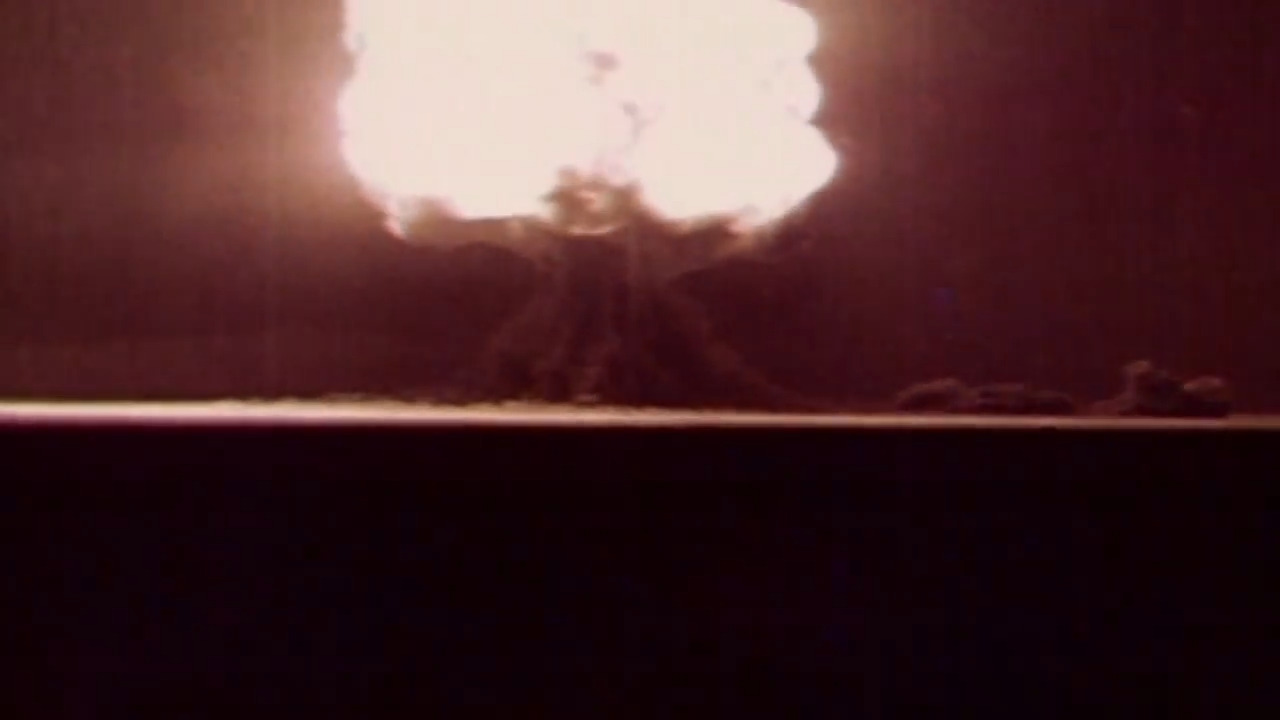
In Oppenheimer’s Atomic Bombs and the End of World War II, host Andrew Marr describes how J. Robert Oppenheimer developed the technology to end World War II with two atomic bombs dropped on the Japanese cities of Hiroshima and Nagasaki. Before the bombs were dropped, Oppenheimer calculated how to drop them to create the most damage. After the war was over, Oppenheimer felt conflicted about the creation of the bombs. This video is excerpted from BBC’s Andrew Marr's History of the World, a story of human history that uses reenactments, modern footage, and storytelling to explain history’s greatest achievements.
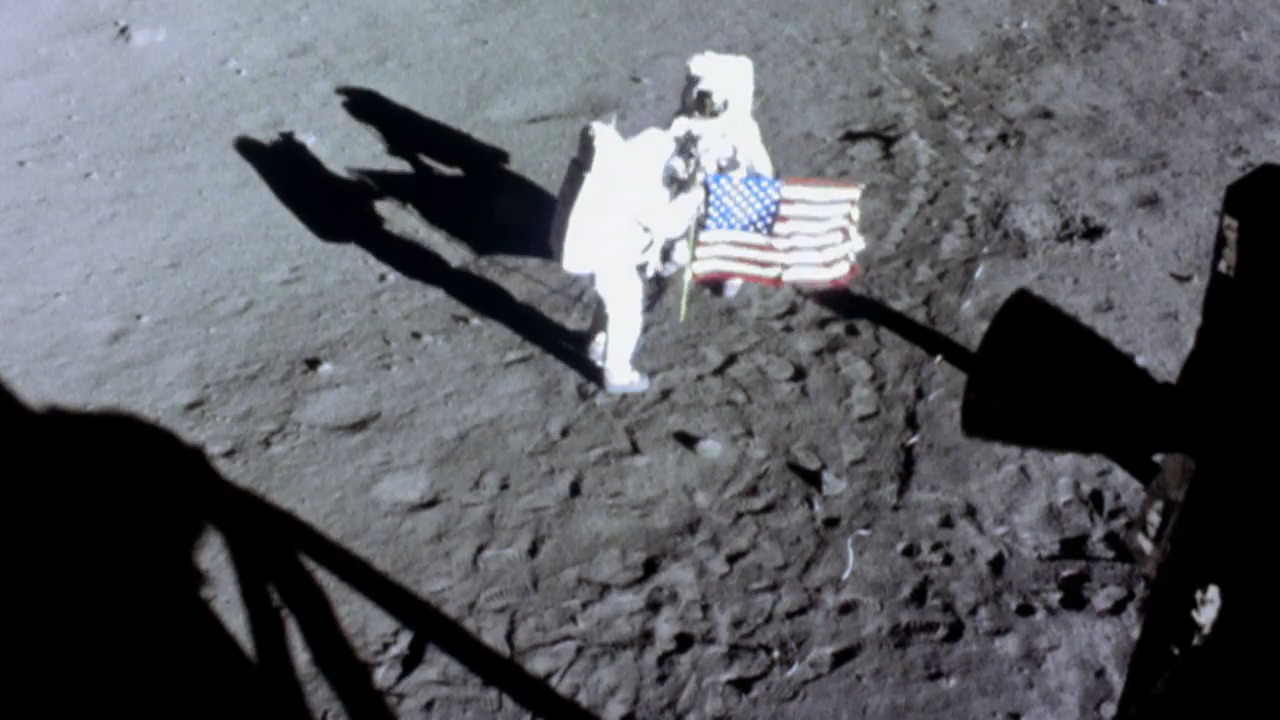
In Communism vs. Capitalism During the Cold War Years, host Andrew Marr describes the post-World War II world, in which the United States and Soviet Union were in competition, as each country sought supremacy. While the U.S. capitalized on economic prosperity, space exploration and the arms race defined the Cold War era. This video is excerpted from BBC’s Andrew Marr's History of the World, a story of human history that uses reenactments, modern footage, and storytelling to explain history’s greatest achievements.
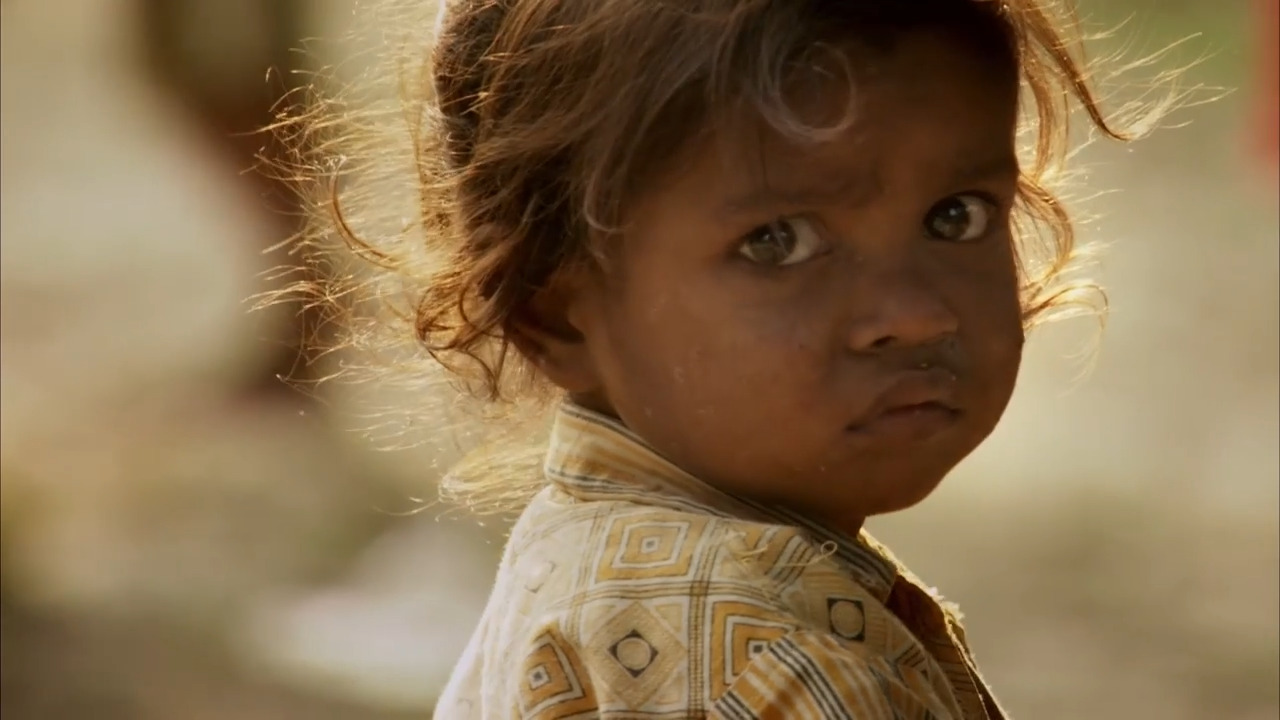
In The Life of Ashoka, From Bloodshed to Buddhism, host Andrew Marr describes how Ashoka started his reign of the Mauryan Empire in India with a brutal conquest that killed 100,000 people. But after that bloodshed, Ashoka embraced Buddhism and worked to spread the peaceful philosophy across the ancient world. This included writing and sharing his Edicts, which have been called the first declaration of human rights. This video is excerpted from BBC’s Andrew Marr's History of the World, a story of human history that uses reenactments, modern footage, and storytelling to explain history’s greatest achievements.
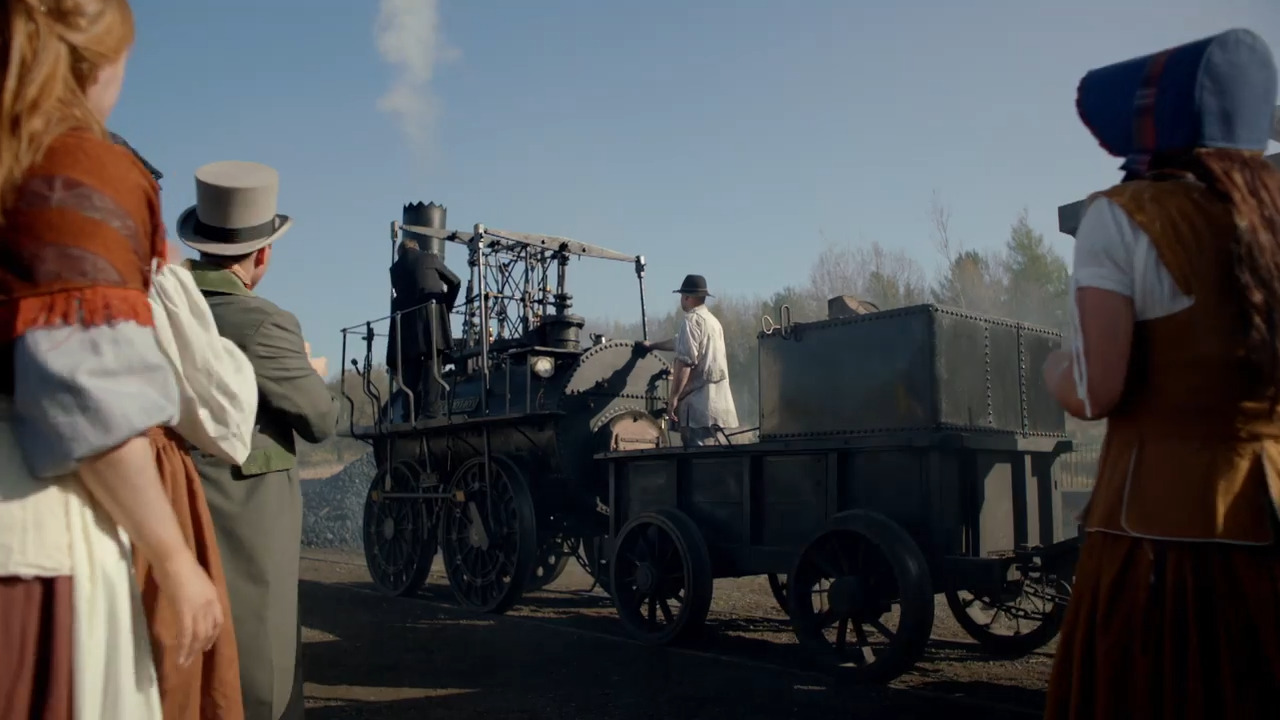
In How Railways Powered the Industrial Revolution, host Andrew Marr describes how when the first locomotive went for a test run it drove for 26 miles. But by the end of the Industrial Revolution, locomotion and trains had reshaped transportation, industry, and the world. This video is excerpted from BBC’s Andrew Marr's History of the World, a story of human history that uses reenactments, modern footage, and storytelling to explain history’s greatest achievements.
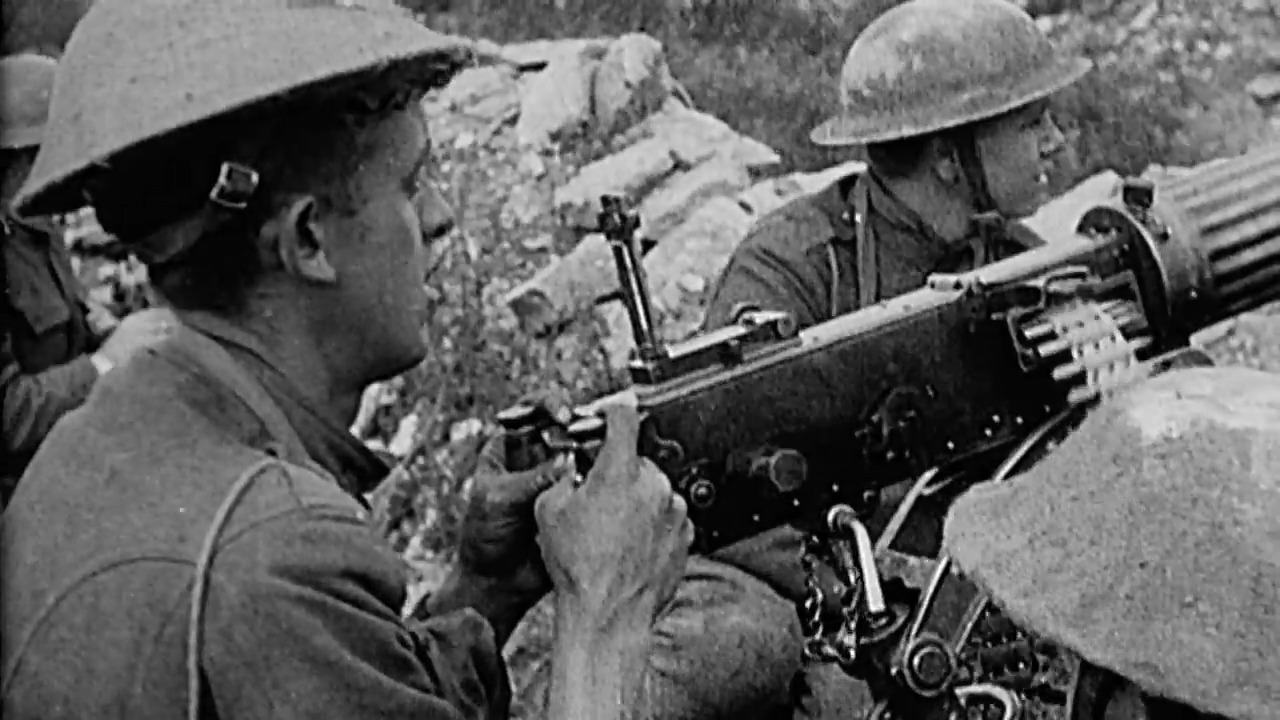
In The Zimmerman Telegram and America’s Entry into WWI, host Andrew Marr takes us back to when the Great War was raging but the Americans hadn’t yet entered the fighting. The Germans attempted to keep America out of the war by getting Mexico to reclaim the territory it lost to the U.S., but this backfired when their telegram was intercepted by the British, ultimately pulling the Americans into the First World War. This video is excerpted from BBC’s Andrew Marr's History of the World, a story of human history that uses reenactments, modern footage, and storytelling to explain history’s greatest achievements.
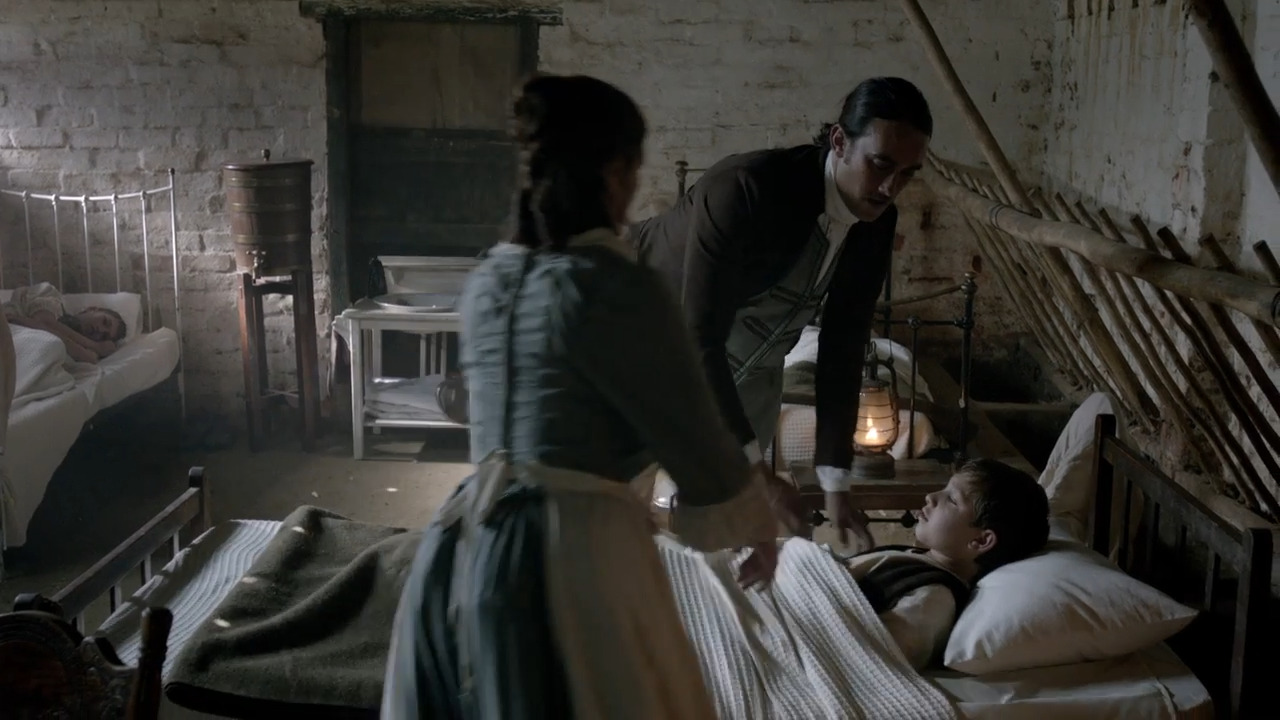
In From Cowpox to a Smallpox Vaccine, host Andrew Marr introduces us to Edward Jenner, a young English doctor who was impacted by smallpox as a child. As an adult, he heard a rumor that people who catch cowpox were protected against smallpox. This sparked the idea for the first vaccine and produced a vaccine that would eradicate smallpox from the world, saving millions of lives. This video is excerpted from BBC’s Andrew Marr's History of the World, a story of human history that uses reenactments, modern footage, and storytelling to explain history’s greatest achievements.
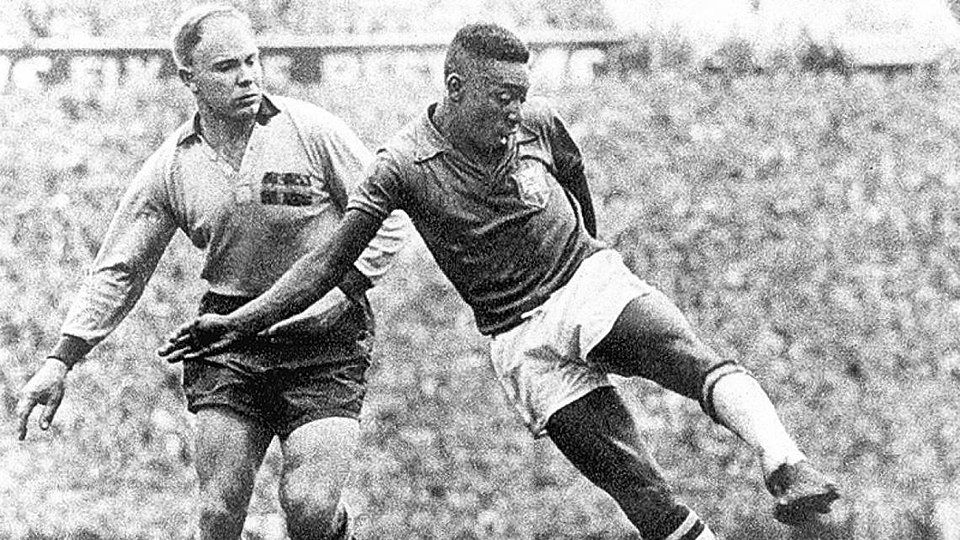
Explore the incredible life and global influence of Pelé, from his rise as a young football star in Brazil to his unforgettable World Cup victories and worldwide fame. Students will discover how Pelé’s extraordinary skill, creativity, and sportsmanship helped transform football into the world’s most popular sport.
This Kahoot examines key moments in Pelé’s career, including his record-breaking achievements, his role in Brazil’s World Cup success, and his impact on the international growth of the game. Students will build listening skills, vocabulary, and historical awareness while exploring how Pelé influenced culture, identity, and the global popularity of football across generations.
Watch the related BBC videos, Pelé's Pledge to His Father and How Pelé Brought Soccer to the U.S., then invite your Grade 6–12 students to test their knowledge and explore the legacy of one of the greatest athletes in sports history.
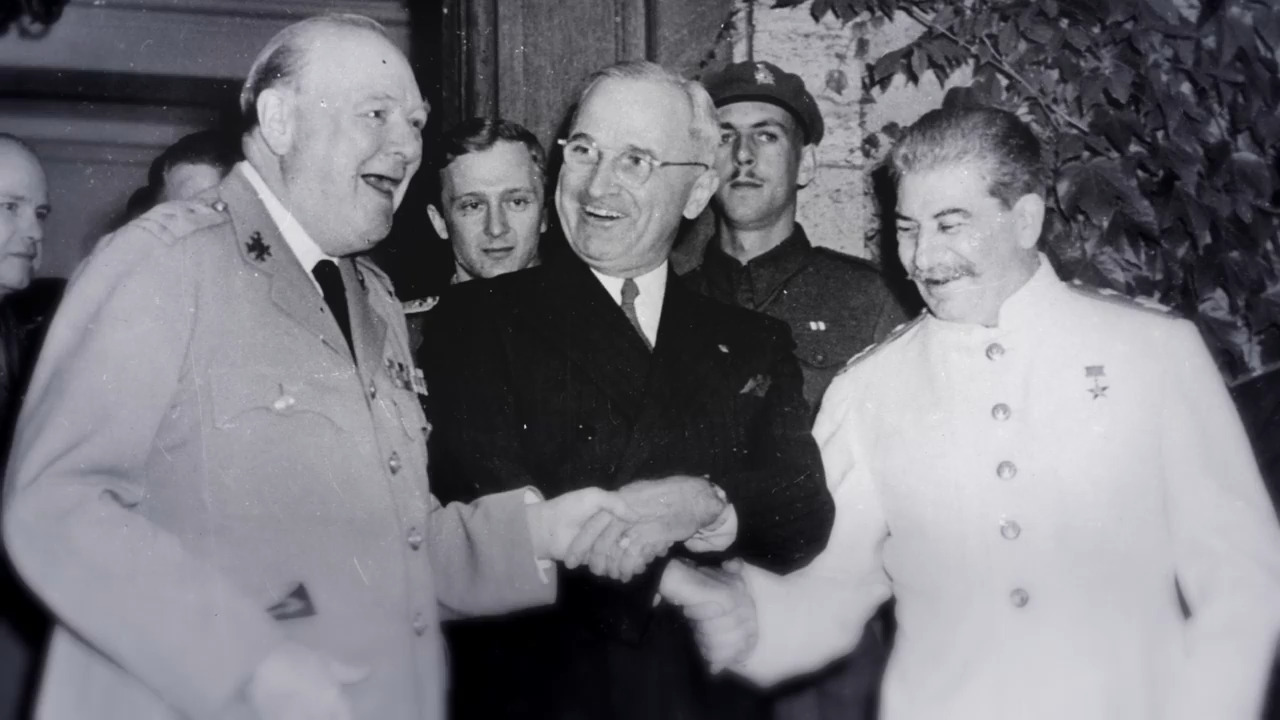
In Did Two Atomic Bombs Really End the War in Japan?, historian Lucy Worsley learns how Harry S. Truman came to office in 1945. World War II had ended in Europe, but Americans were still fighting in Japan. The official story was that the two atomic bombs ended the war in Japan. This video is excerpted from BBC's American History's Biggest Fibs with Lucy Worsley, in which Worsley reveals the myths and manipulations behind American history.
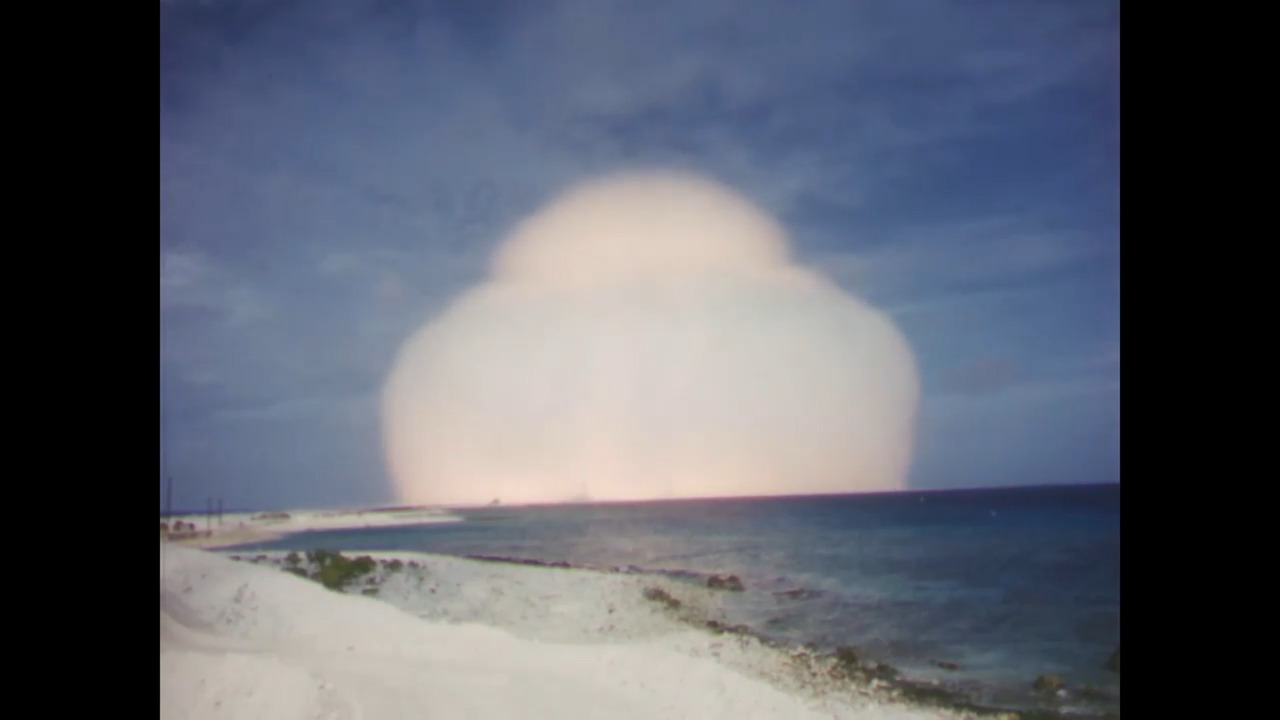
In Codename NSC 68, historian Lucy Worsley discovers that the purpose of this top-secret report was to set America's new defense strategy during the Cold War. It justified the spending of $47 billion to defend America and the rest of the world from Russian dominance. The reality was that the Soviet economy had been destroyed in World War II, and it did not have the capability to fight against America. This video is excerpted from BBC's American History's Biggest Fibs with Lucy Worsley, in which Worsley reveals the myths and manipulations behind American history.
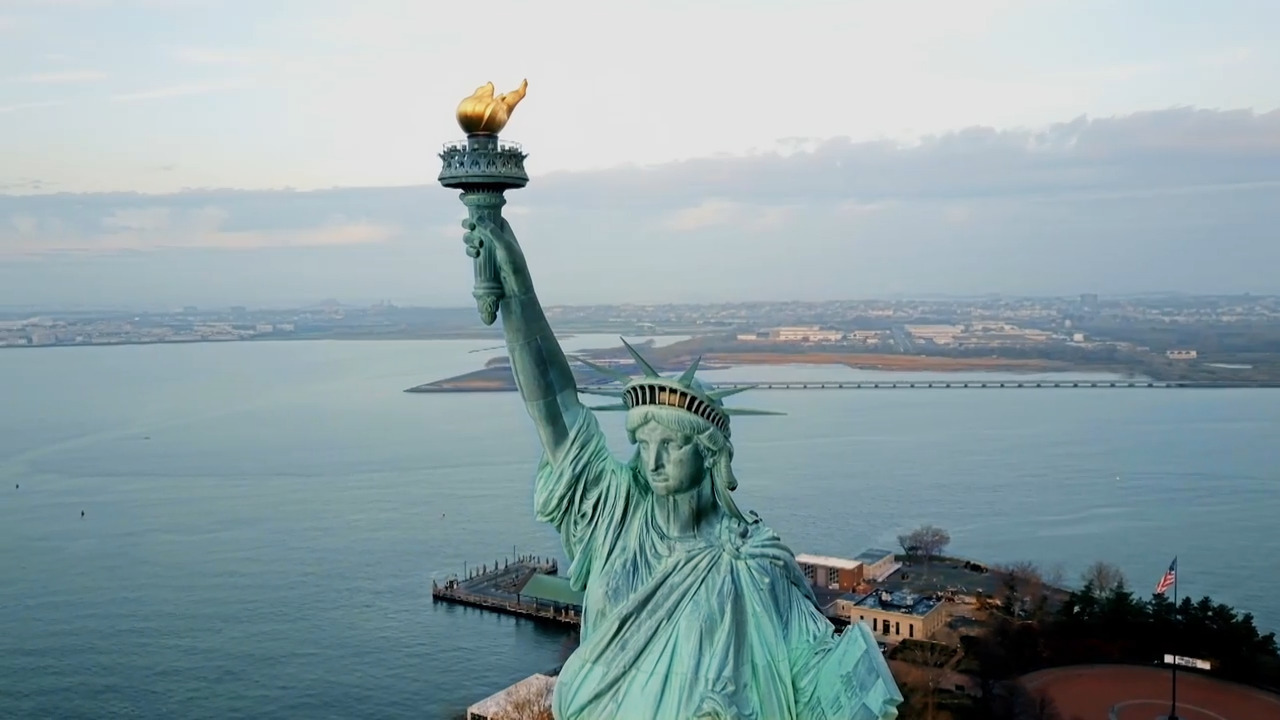
In What Does the Statue of Liberty Stand For?, historian Lucy Worsley investigates the origins and meanings of the Statue of Liberty. When it was unveiled in 1886, women protested that women did not have liberty; neither was there liberty and equality for African Americans. Emma Lazarus wrote a poem, The New Colossus, which not only raised money for the statue but gave her a new purpose: to welcome immigrants from the rest of the world. This video is excerpted from BBC's American History's Biggest Fibs with Lucy Worsley, in which Worsley reveals the myths and manipulations behind American history.
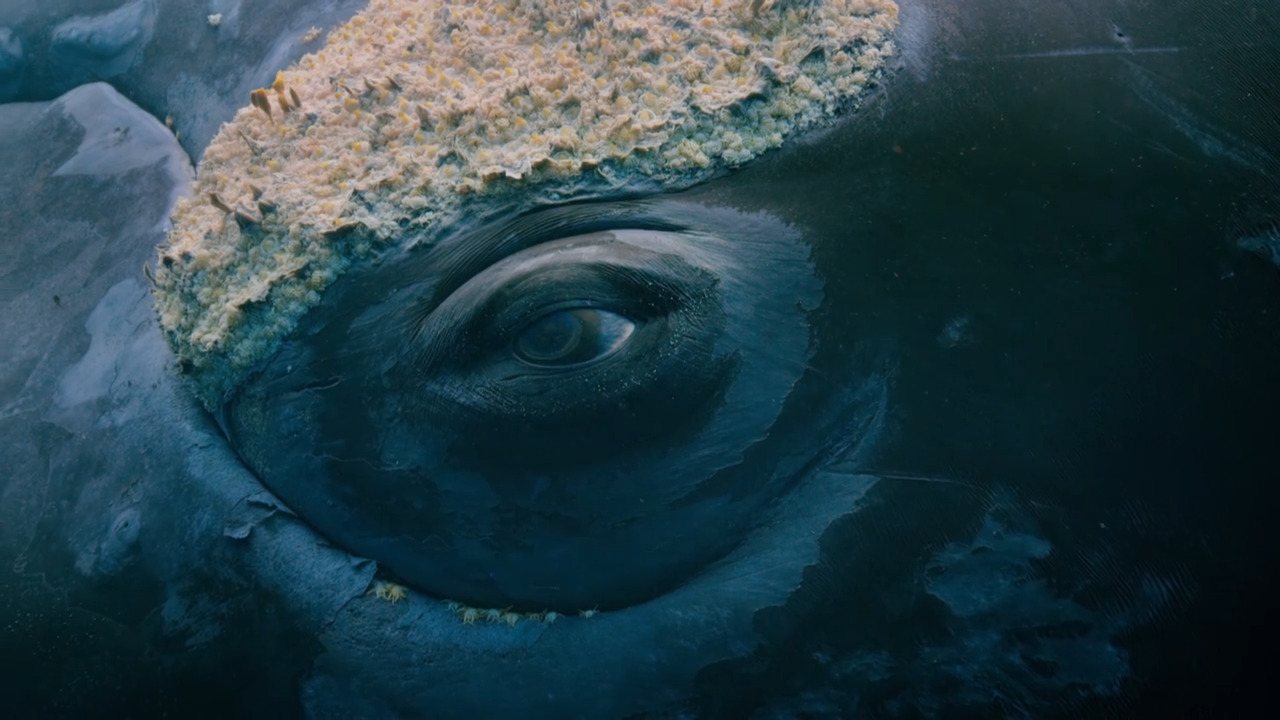
In The Tragic History of the Antarctica Whaling Industry, learn about the devastating impact of industrial whaling. Human activity has transformed the Southern Ocean, nearly driving iconic species like the blue whale and southern right whale to extinction. This video is excerpted from BBC’s Seven Worlds, One Planet, a series featuring remarkable animal behavior from all seven continents.
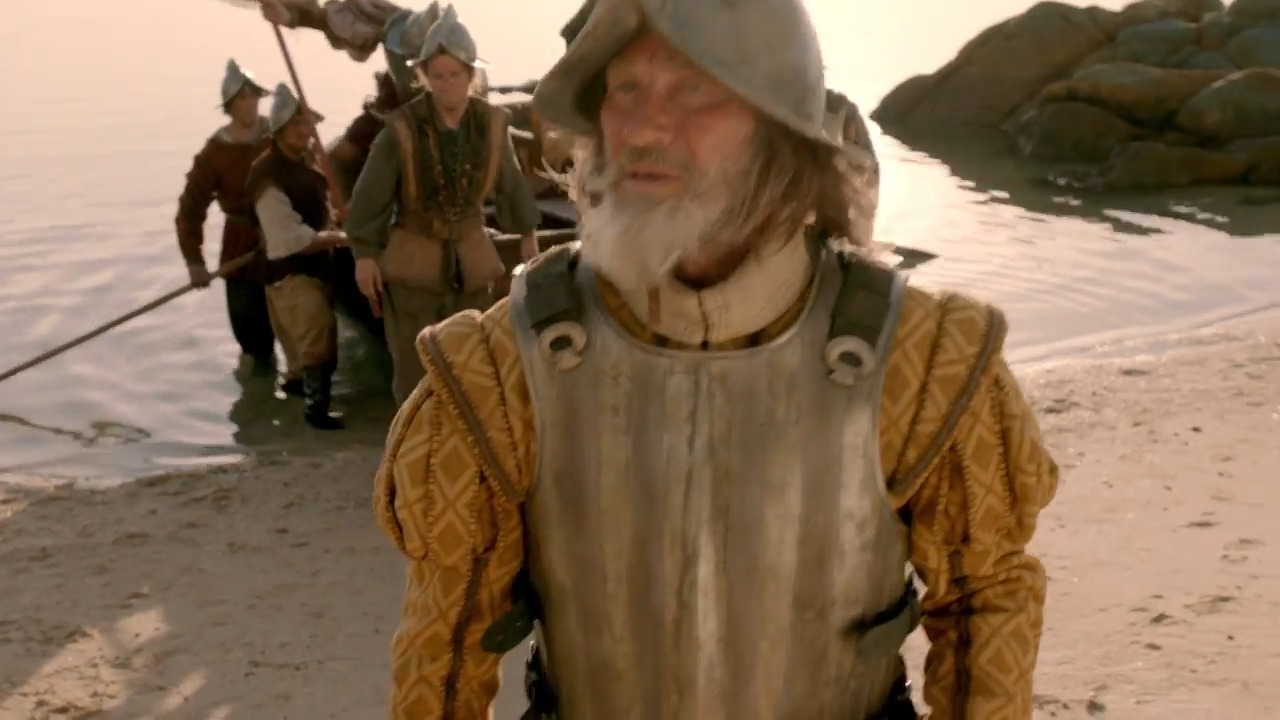
In Columbus in the New World, host Andrew Marr recounts how Christopher Columbus lands on the Bahamian island of Guanahani and decides to name it San Salvador. After meeting with the Indigenous people on the island, Columbus describes how he thinks he can claim the land for Spain, enslave the people, and convert them to Christianity. This kicks off a global gold rush. This video is excerpted from BBC’s Andrew Marr's History of the World, a story of human history that uses reenactments, modern footage, and storytelling to explain history’s greatest achievements.
In Oppenheimer’s Atomic Bombs and the End of World War II, host Andrew Marr describes how J. Robert Oppenheimer developed the technology to end World War II with two atomic bombs dropped on the Japanese cities of Hiroshima and Nagasaki. Before the bombs were dropped, Oppenheimer calculated how to drop them to create the most damage. After the war was over, Oppenheimer felt conflicted about the creation of the bombs. This video is excerpted from BBC’s Andrew Marr's History of the World, a story of human history that uses reenactments, modern footage, and storytelling to explain history’s greatest achievements.
In Communism vs. Capitalism During the Cold War Years, host Andrew Marr describes the post-World War II world, in which the United States and Soviet Union were in competition, as each country sought supremacy. While the U.S. capitalized on economic prosperity, space exploration and the arms race defined the Cold War era. This video is excerpted from BBC’s Andrew Marr's History of the World, a story of human history that uses reenactments, modern footage, and storytelling to explain history’s greatest achievements.
In The Life of Ashoka, From Bloodshed to Buddhism, host Andrew Marr describes how Ashoka started his reign of the Mauryan Empire in India with a brutal conquest that killed 100,000 people. But after that bloodshed, Ashoka embraced Buddhism and worked to spread the peaceful philosophy across the ancient world. This included writing and sharing his Edicts, which have been called the first declaration of human rights. This video is excerpted from BBC’s Andrew Marr's History of the World, a story of human history that uses reenactments, modern footage, and storytelling to explain history’s greatest achievements.
In How Railways Powered the Industrial Revolution, host Andrew Marr describes how when the first locomotive went for a test run it drove for 26 miles. But by the end of the Industrial Revolution, locomotion and trains had reshaped transportation, industry, and the world. This video is excerpted from BBC’s Andrew Marr's History of the World, a story of human history that uses reenactments, modern footage, and storytelling to explain history’s greatest achievements.
In The Zimmerman Telegram and America’s Entry into WWI, host Andrew Marr takes us back to when the Great War was raging but the Americans hadn’t yet entered the fighting. The Germans attempted to keep America out of the war by getting Mexico to reclaim the territory it lost to the U.S., but this backfired when their telegram was intercepted by the British, ultimately pulling the Americans into the First World War. This video is excerpted from BBC’s Andrew Marr's History of the World, a story of human history that uses reenactments, modern footage, and storytelling to explain history’s greatest achievements.
In From Cowpox to a Smallpox Vaccine, host Andrew Marr introduces us to Edward Jenner, a young English doctor who was impacted by smallpox as a child. As an adult, he heard a rumor that people who catch cowpox were protected against smallpox. This sparked the idea for the first vaccine and produced a vaccine that would eradicate smallpox from the world, saving millions of lives. This video is excerpted from BBC’s Andrew Marr's History of the World, a story of human history that uses reenactments, modern footage, and storytelling to explain history’s greatest achievements.
Explore the incredible life and global influence of Pelé, from his rise as a young football star in Brazil to his unforgettable World Cup victories and worldwide fame. Students will discover how Pelé’s extraordinary skill, creativity, and sportsmanship helped transform football into the world’s most popular sport.
This Kahoot examines key moments in Pelé’s career, including his record-breaking achievements, his role in Brazil’s World Cup success, and his impact on the international growth of the game. Students will build listening skills, vocabulary, and historical awareness while exploring how Pelé influenced culture, identity, and the global popularity of football across generations.
Watch the related BBC videos, Pelé's Pledge to His Father and How Pelé Brought Soccer to the U.S., then invite your Grade 6–12 students to test their knowledge and explore the legacy of one of the greatest athletes in sports history.
In Did Two Atomic Bombs Really End the War in Japan?, historian Lucy Worsley learns how Harry S. Truman came to office in 1945. World War II had ended in Europe, but Americans were still fighting in Japan. The official story was that the two atomic bombs ended the war in Japan. This video is excerpted from BBC's American History's Biggest Fibs with Lucy Worsley, in which Worsley reveals the myths and manipulations behind American history.
In Codename NSC 68, historian Lucy Worsley discovers that the purpose of this top-secret report was to set America's new defense strategy during the Cold War. It justified the spending of $47 billion to defend America and the rest of the world from Russian dominance. The reality was that the Soviet economy had been destroyed in World War II, and it did not have the capability to fight against America. This video is excerpted from BBC's American History's Biggest Fibs with Lucy Worsley, in which Worsley reveals the myths and manipulations behind American history.
In What Does the Statue of Liberty Stand For?, historian Lucy Worsley investigates the origins and meanings of the Statue of Liberty. When it was unveiled in 1886, women protested that women did not have liberty; neither was there liberty and equality for African Americans. Emma Lazarus wrote a poem, The New Colossus, which not only raised money for the statue but gave her a new purpose: to welcome immigrants from the rest of the world. This video is excerpted from BBC's American History's Biggest Fibs with Lucy Worsley, in which Worsley reveals the myths and manipulations behind American history.
In The Tragic History of the Antarctica Whaling Industry, learn about the devastating impact of industrial whaling. Human activity has transformed the Southern Ocean, nearly driving iconic species like the blue whale and southern right whale to extinction. This video is excerpted from BBC’s Seven Worlds, One Planet, a series featuring remarkable animal behavior from all seven continents.
In Columbus in the New World, host Andrew Marr recounts how Christopher Columbus lands on the Bahamian island of Guanahani and decides to name it San Salvador. After meeting with the Indigenous people on the island, Columbus describes how he thinks he can claim the land for Spain, enslave the people, and convert them to Christianity. This kicks off a global gold rush. This video is excerpted from BBC’s Andrew Marr's History of the World, a story of human history that uses reenactments, modern footage, and storytelling to explain history’s greatest achievements.