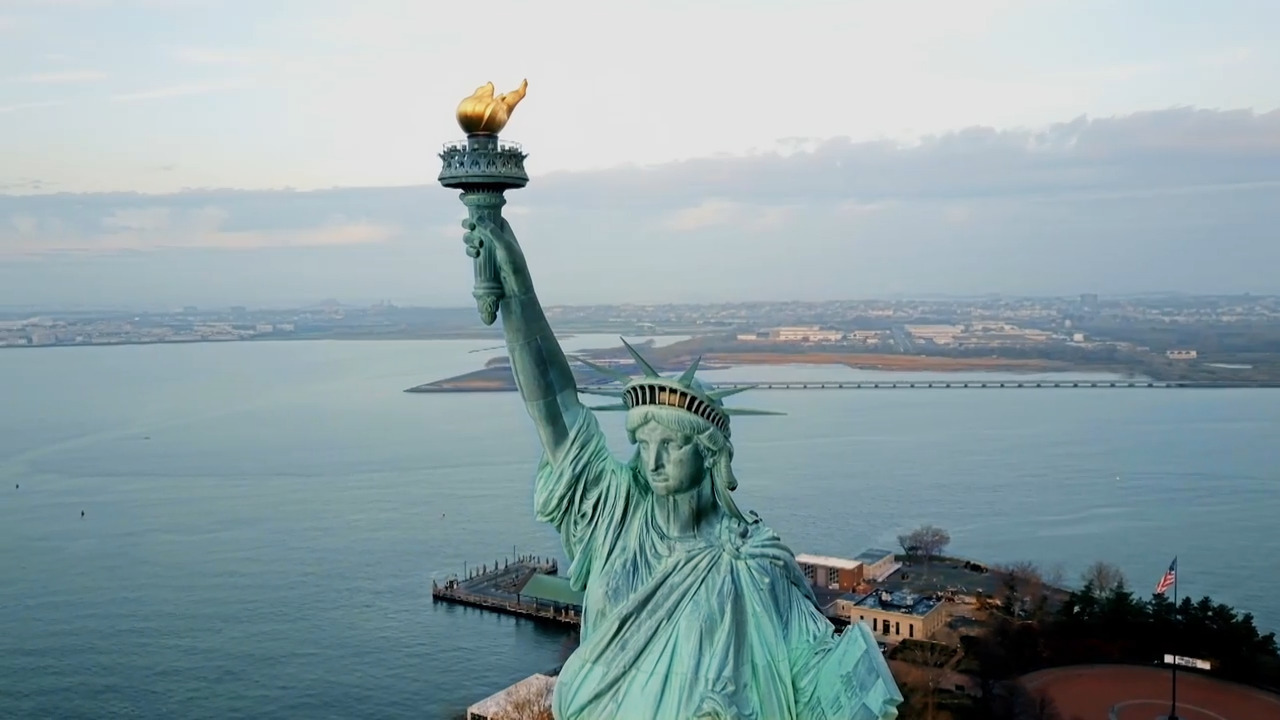
In What Does the Statue of Liberty Stand For?, historian Lucy Worsley investigates the origins and meanings of the Statue of Liberty. When it was unveiled in 1886, women protested that women did not have liberty; neither was there liberty and equality for African Americans. Emma Lazarus wrote a poem, The New Colossus, which not only raised money for the statue but gave her a new purpose: to welcome immigrants from the rest of the world. This video is excerpted from BBC's American History's Biggest Fibs with Lucy Worsley, in which Worsley reveals the myths and manipulations behind American history.
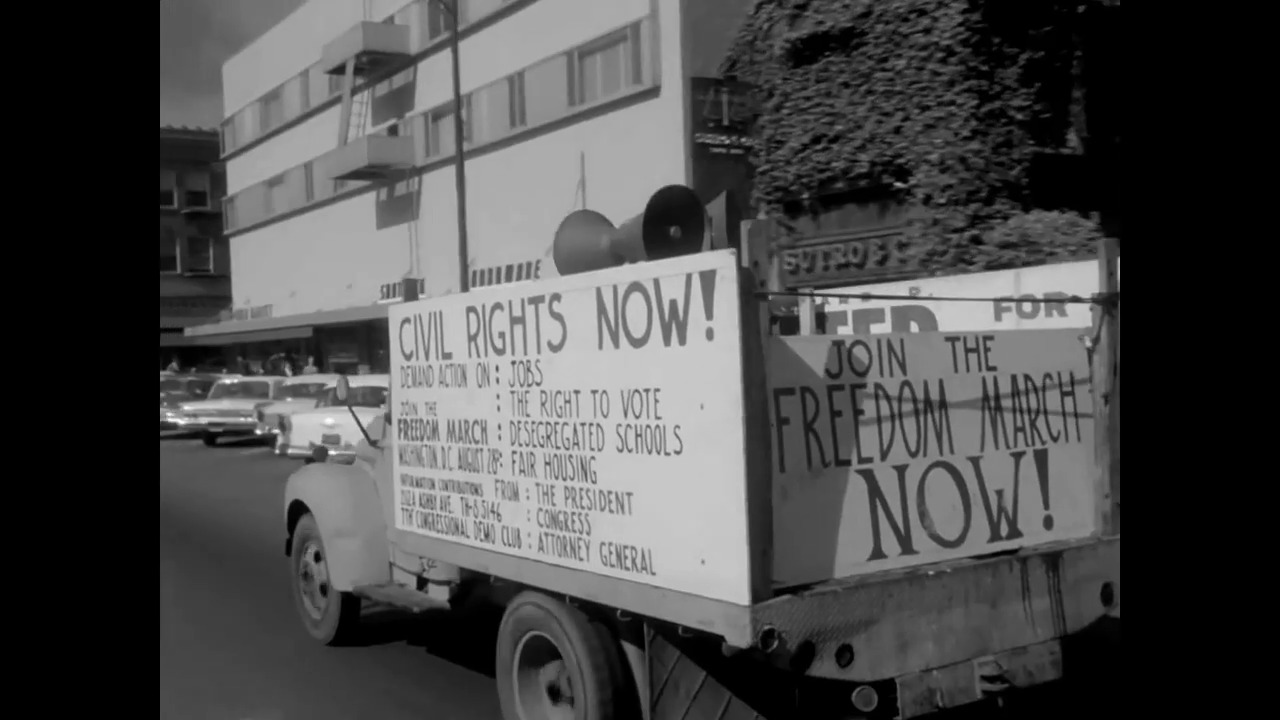
In Martin Luther King Jr.'s Conflicting Politics, historian Lucy Worsley learns that although Martin Luther King Jr. campaigned for Civil Rights, he didn't have the same beliefs of equality for men and women. Women were not allowed to speak at the March in Washington. This video is excerpted from BBC's American History's Biggest Fibs with Lucy Worsley, in which Worsley reveals the myths and manipulations behind American history.
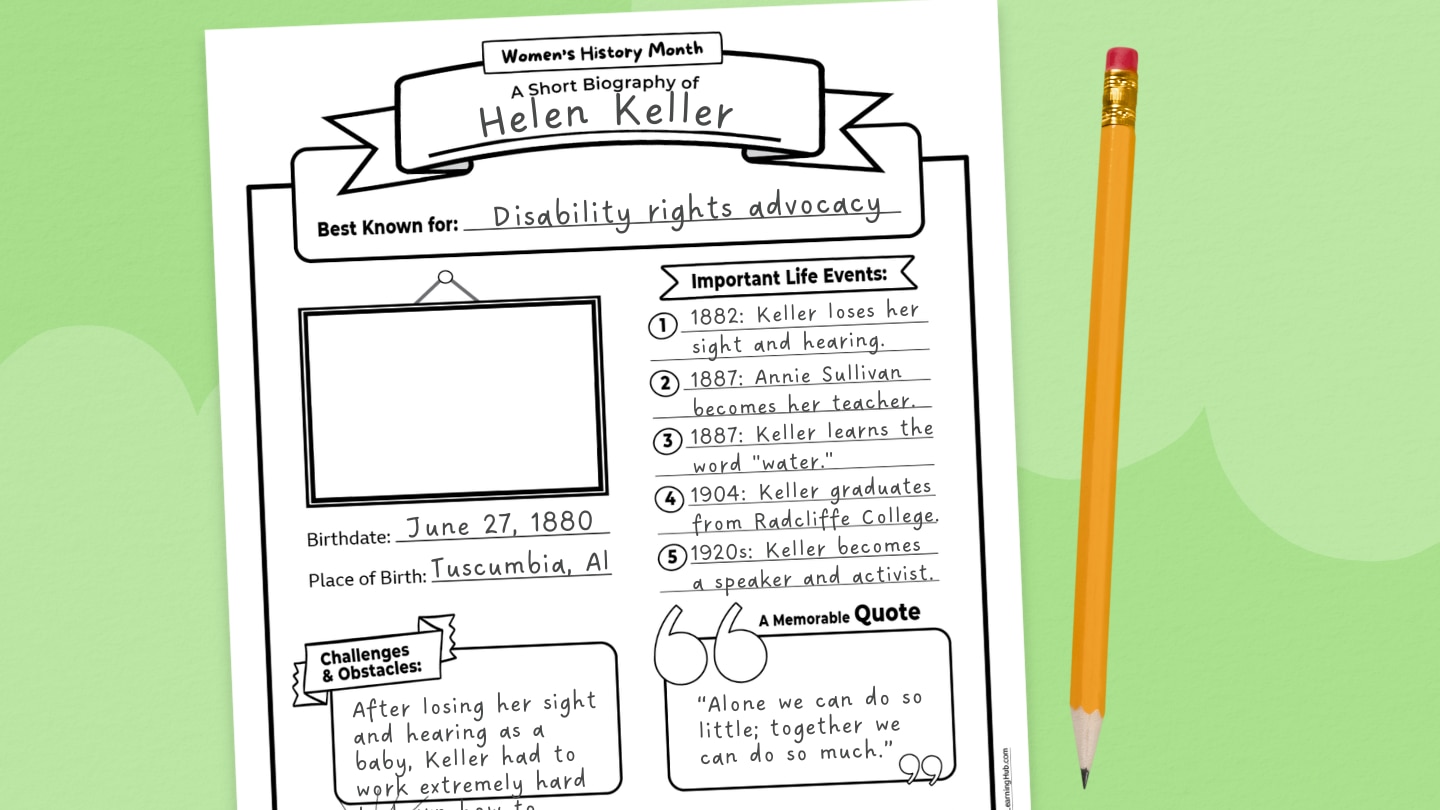
This Women’s History Month, invite your students to step into the role of historian, storyteller, and researcher as they create profiles of extraordinary women in history. Our Women’s History Biography Template is designed for ages 8–14 and helps students organize key facts, explore challenges and accomplishments, and reflect on why these figures still matter today. With guided sections for important life events, obstacles overcome, and lasting impact, this ready-to-use template supports research skills, critical thinking, and strong writing.
To get started, visit our Figures in Women’s History microsite and explore a rich video library featuring trailblazing leaders, artists, scientists, and activists. Learn about Jane Goodall and her pioneering work in conservation and animal behavior, or dive into the groundbreaking research and storytelling of Zora Neale Hurston, who preserved and celebrated African American folklore and culture. Students can also discover figures who fought for women's suffrage, advanced medicine, and transformed sports. This is a great jumping off point for students to begin further research on their chosen icon.
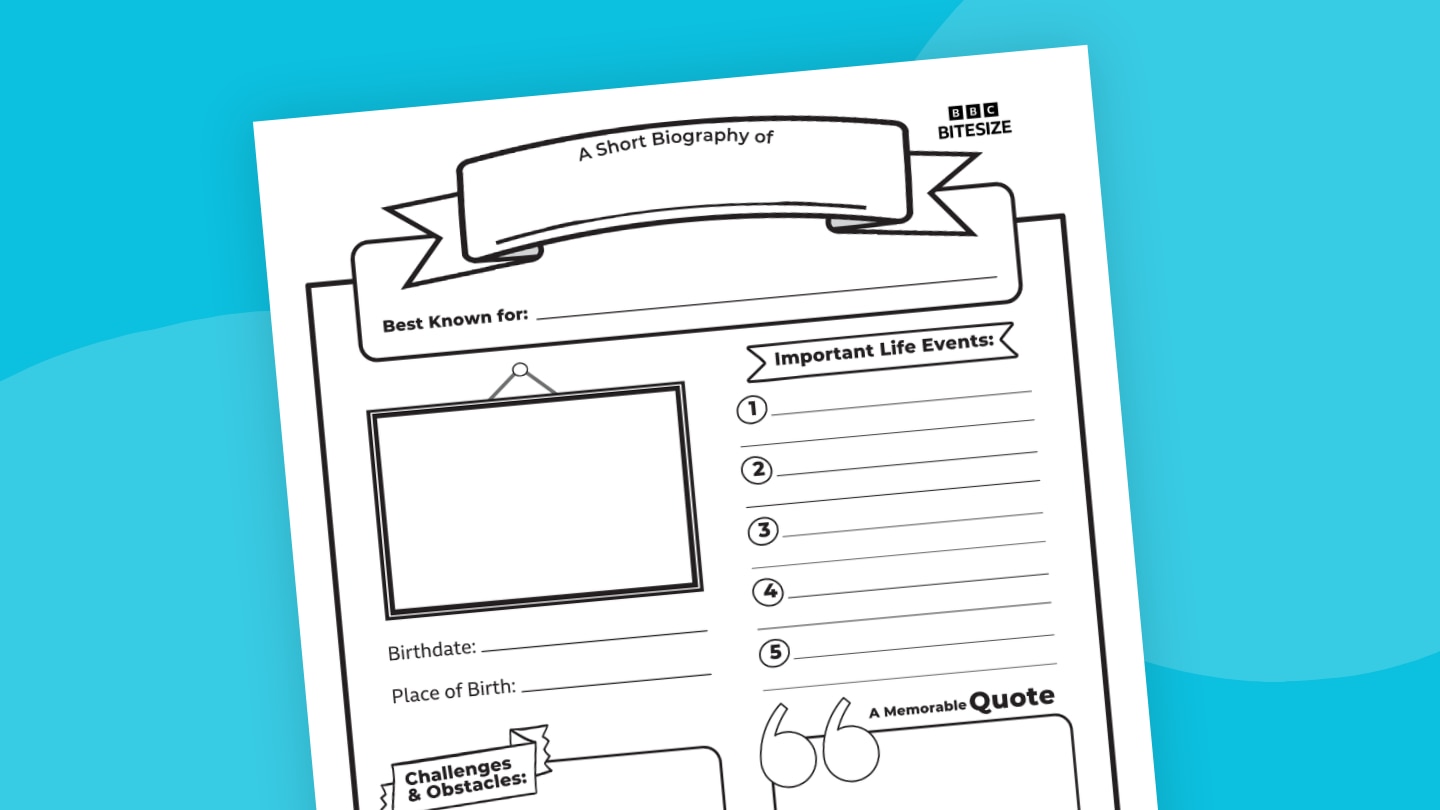
This mini biography template is a flexible, engaging tool designed to help students in Grades 3–8 explore the lives of important historical figures. With sections like Best Known For, Important Life Events, Challenges and Obstacles, Memorable Quote, and Legacy and Achievements, students are guided to think beyond basic facts and develop a deeper understanding of a person’s impact.
This template can be used with any historical figure and pairs especially well with video-based research. Encourage students to explore our BBC video library to gather key details, hear stories in context, and build stronger connections to the people they’re studying.
Here are a few ways you can use this template in your classroom:
- Celebrate special months: Have students research and complete biographies for influential figures during observances like Women’s History Month or Black History Month.
- Scientist spotlights: Use the template to profile important scientists, inventors, or innovators throughout history.
- “Living museum” projects: Have students complete the template, then present their figure in a short first-person speech or display as part of a classroom museum exhibit.
In What Does the Statue of Liberty Stand For?, historian Lucy Worsley investigates the origins and meanings of the Statue of Liberty. When it was unveiled in 1886, women protested that women did not have liberty; neither was there liberty and equality for African Americans. Emma Lazarus wrote a poem, The New Colossus, which not only raised money for the statue but gave her a new purpose: to welcome immigrants from the rest of the world. This video is excerpted from BBC's American History's Biggest Fibs with Lucy Worsley, in which Worsley reveals the myths and manipulations behind American history.
In Martin Luther King Jr.'s Conflicting Politics, historian Lucy Worsley learns that although Martin Luther King Jr. campaigned for Civil Rights, he didn't have the same beliefs of equality for men and women. Women were not allowed to speak at the March in Washington. This video is excerpted from BBC's American History's Biggest Fibs with Lucy Worsley, in which Worsley reveals the myths and manipulations behind American history.
This Women’s History Month, invite your students to step into the role of historian, storyteller, and researcher as they create profiles of extraordinary women in history. Our Women’s History Biography Template is designed for ages 8–14 and helps students organize key facts, explore challenges and accomplishments, and reflect on why these figures still matter today. With guided sections for important life events, obstacles overcome, and lasting impact, this ready-to-use template supports research skills, critical thinking, and strong writing.
To get started, visit our Figures in Women’s History microsite and explore a rich video library featuring trailblazing leaders, artists, scientists, and activists. Learn about Jane Goodall and her pioneering work in conservation and animal behavior, or dive into the groundbreaking research and storytelling of Zora Neale Hurston, who preserved and celebrated African American folklore and culture. Students can also discover figures who fought for women's suffrage, advanced medicine, and transformed sports. This is a great jumping off point for students to begin further research on their chosen icon.
This mini biography template is a flexible, engaging tool designed to help students in Grades 3–8 explore the lives of important historical figures. With sections like Best Known For, Important Life Events, Challenges and Obstacles, Memorable Quote, and Legacy and Achievements, students are guided to think beyond basic facts and develop a deeper understanding of a person’s impact.
This template can be used with any historical figure and pairs especially well with video-based research. Encourage students to explore our BBC video library to gather key details, hear stories in context, and build stronger connections to the people they’re studying.
Here are a few ways you can use this template in your classroom:
- Celebrate special months: Have students research and complete biographies for influential figures during observances like Women’s History Month or Black History Month.
- Scientist spotlights: Use the template to profile important scientists, inventors, or innovators throughout history.
- “Living museum” projects: Have students complete the template, then present their figure in a short first-person speech or display as part of a classroom museum exhibit.