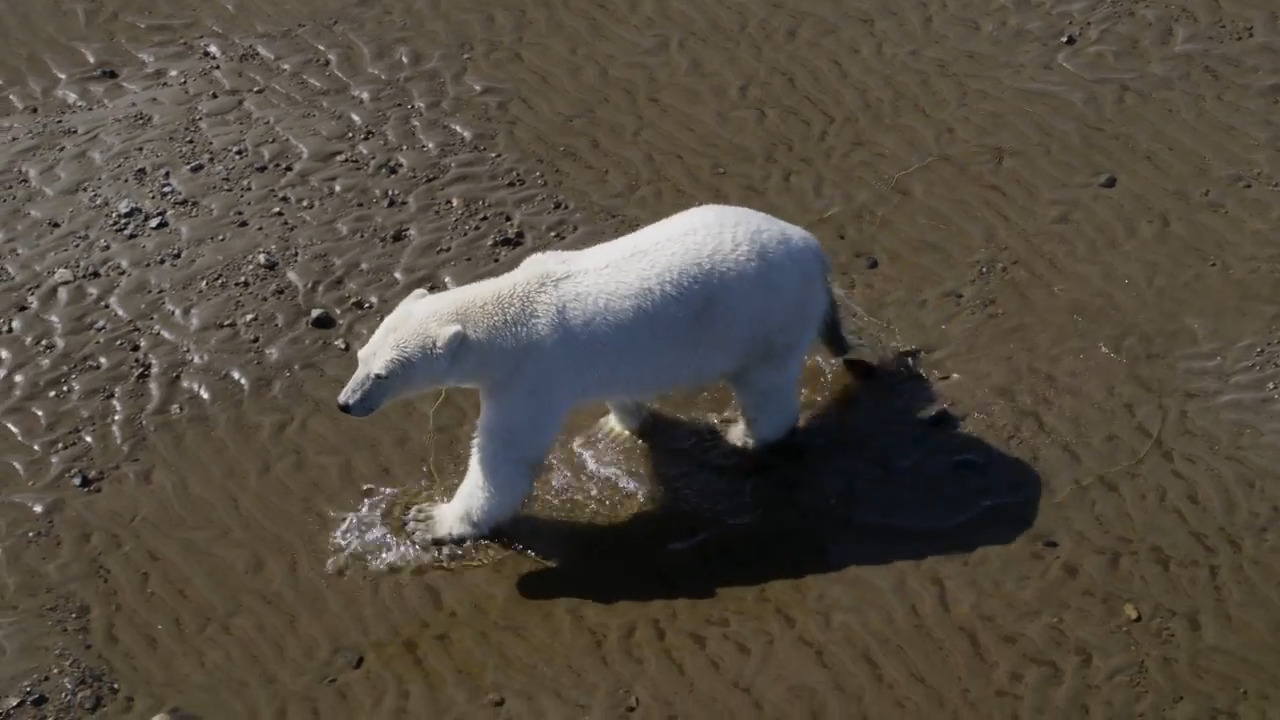
In The Human Impact on Wildlife narrator Sir David Attenborough explains the devastating impact human activities have had on wildlife. Many species are now under threat, but decisions must be made to help reverse these harmful activities. This video is excerpted from BBC’s Seven Worlds, One Planet, a series featuring remarkable animal behavior from all seven continents.
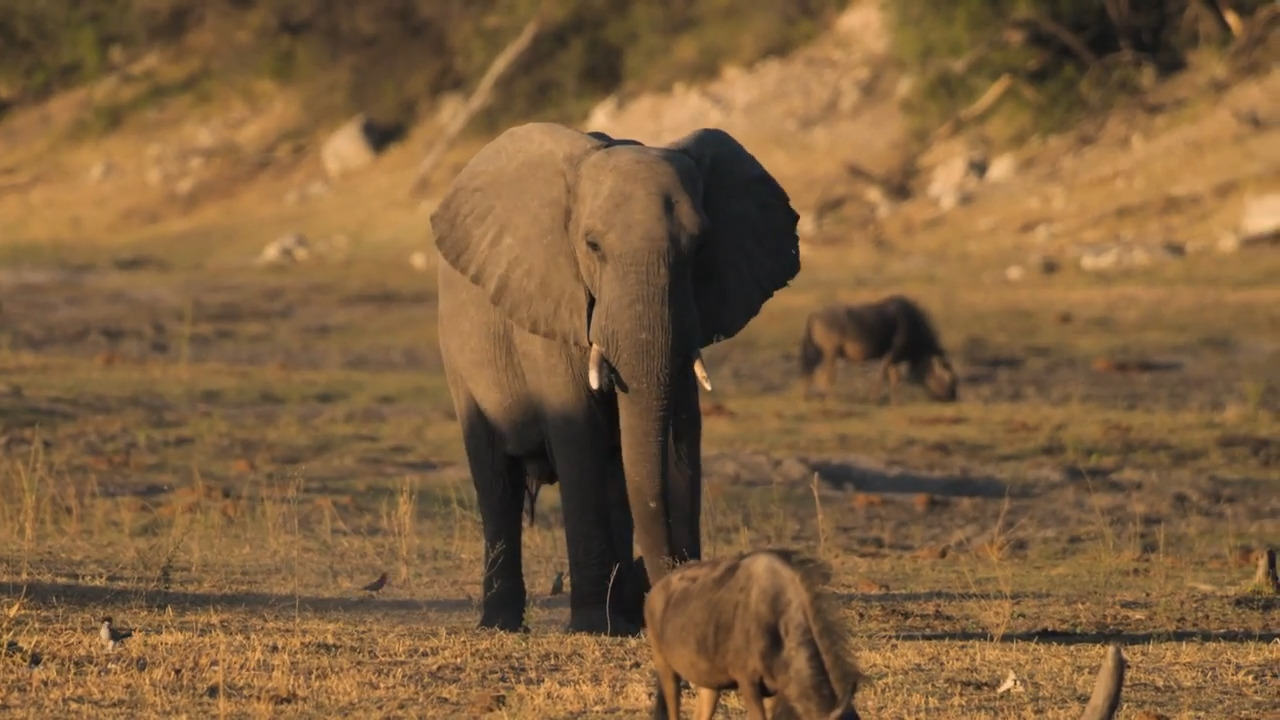
In Can People and Wildlife Coexist? host Simon Reeve sits with Tatah, who shares his experiences living alongside elephants, including the potential dangers when they are startled or protecting their young. Despite witnessing tragic elephant encounters, he emphasizes the importance of coexistence, as people and wildlife must share the same space here. This video is excerpted from BBC’s Wilderness With Simon Reeve, an epic adventure into the heart of Earth’s last great wild areas, where nature is at its most beautiful and fragile.
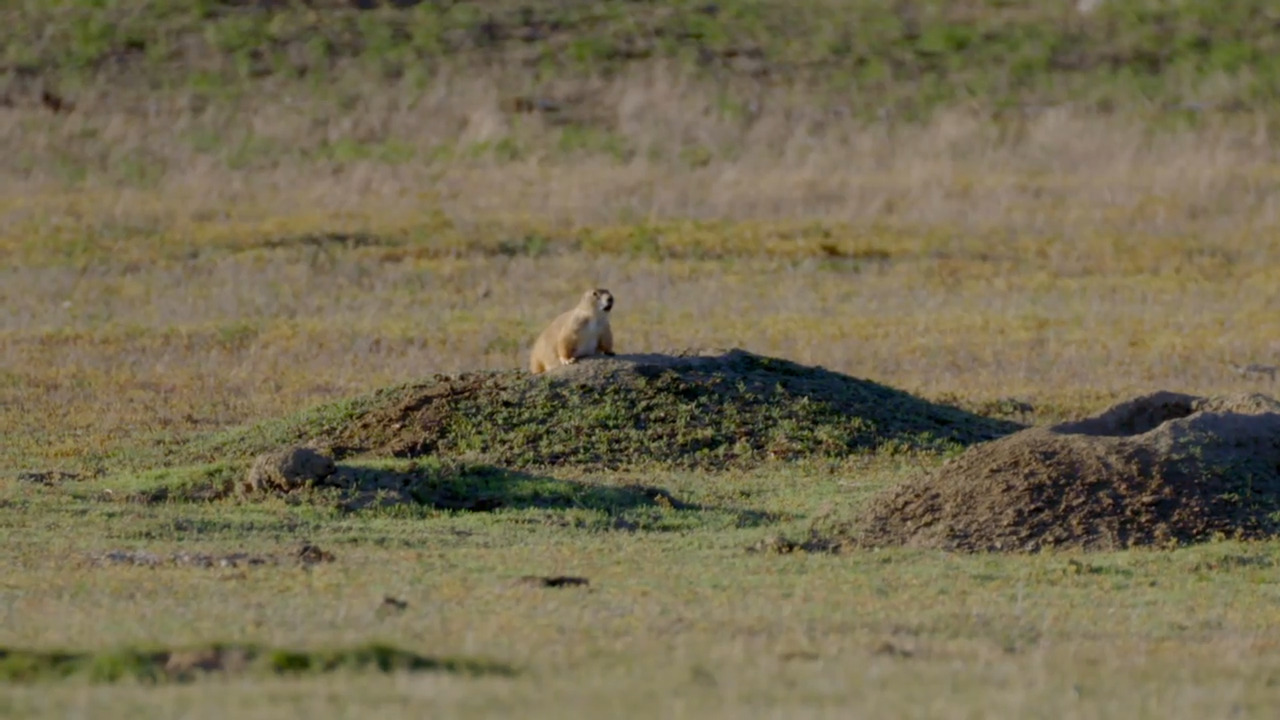
In Wildlife, Climate, and the Power of Rewilding the American Prairie, host Simon Reeve teams up with Shawn at the American Prairie Reserve to explore how rewilding efforts are bringing back wildlife like buffaloes, prairie dogs, and hawks while helping the planet tackle climate change. Shawn’s mission is clear: protect the land, restore nature’s balance, and show the world that preserving prairies is just as important as turning a profit. This video is excerpted from BBC’s The Americas With Simon Reeve, in which Simon Reeve explores the landscapes, cultures, and wildlife of North and South America.
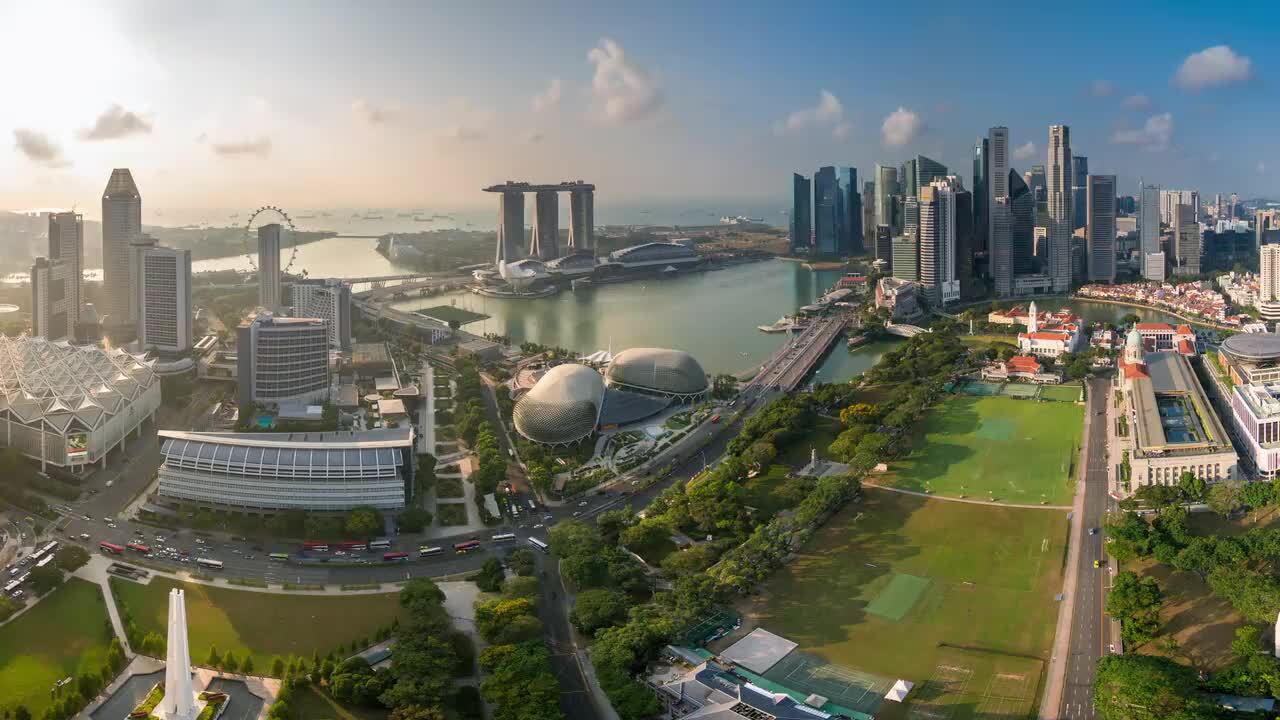
In Building Urban Havens for Wildlife, narrator Sir David Attenborough shows how urban areas like Milan, Italy, and Singapore are designing spaces to support wildlife. By incorporating nature into city planning, these cities create habitats for wildlife, helping to preserve biodiversity and promote sustainability. This video is excerpted from BBC’s Planet Earth II, a breathtaking documentary series that highlights the natural wonders of our planet.
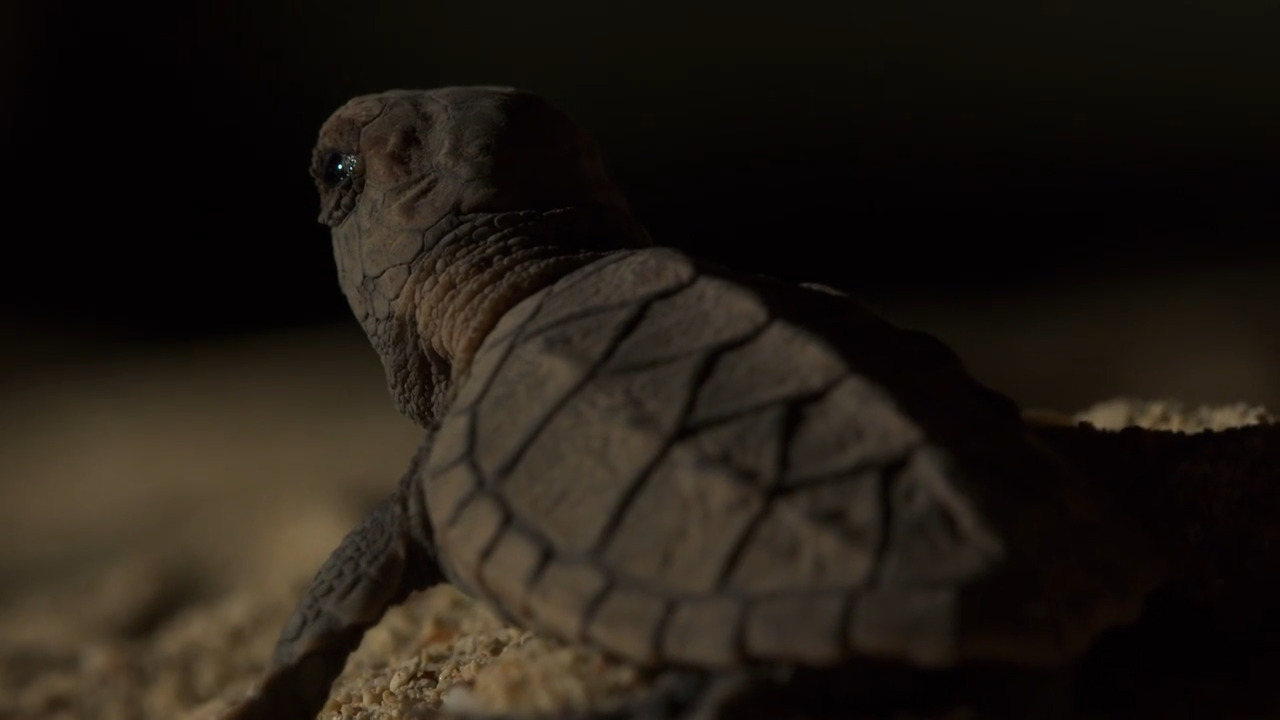
In Impact of City Lights on Wildlife, narrator Sir David Attenborough explores how artificial lighting disrupts the natural instincts of sea turtle hatchlings. Instead of heading toward the ocean, they are drawn to the bright lights of urban areas, putting them in danger. This video is excerpted from BBC’s Planet Earth II, a breathtaking documentary series that highlights the natural wonders of our planet.
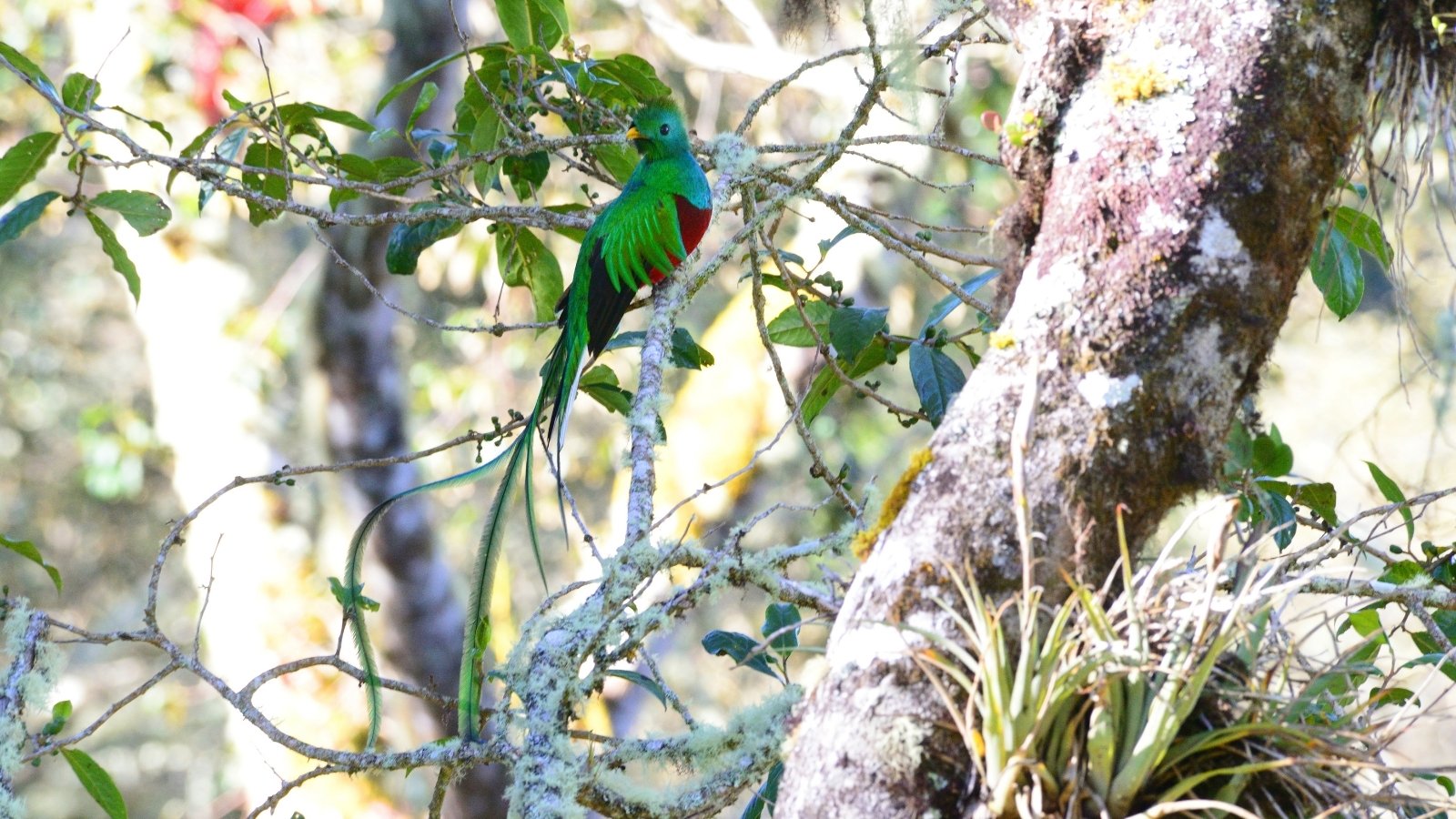
The article "Exploring Costa Rica’s Rich Wildlife: Which Animals Can You See?" from BBC's Discover Wildlife explores the incredible range of animals that live in Costa Rica. From howler monkeys whose calls can be heard over long distances, to the rare jaguar, the country is home to some of the most unique species in the world. It also highlights vibrant creatures like the resplendent quetzal and endangered sea turtles.
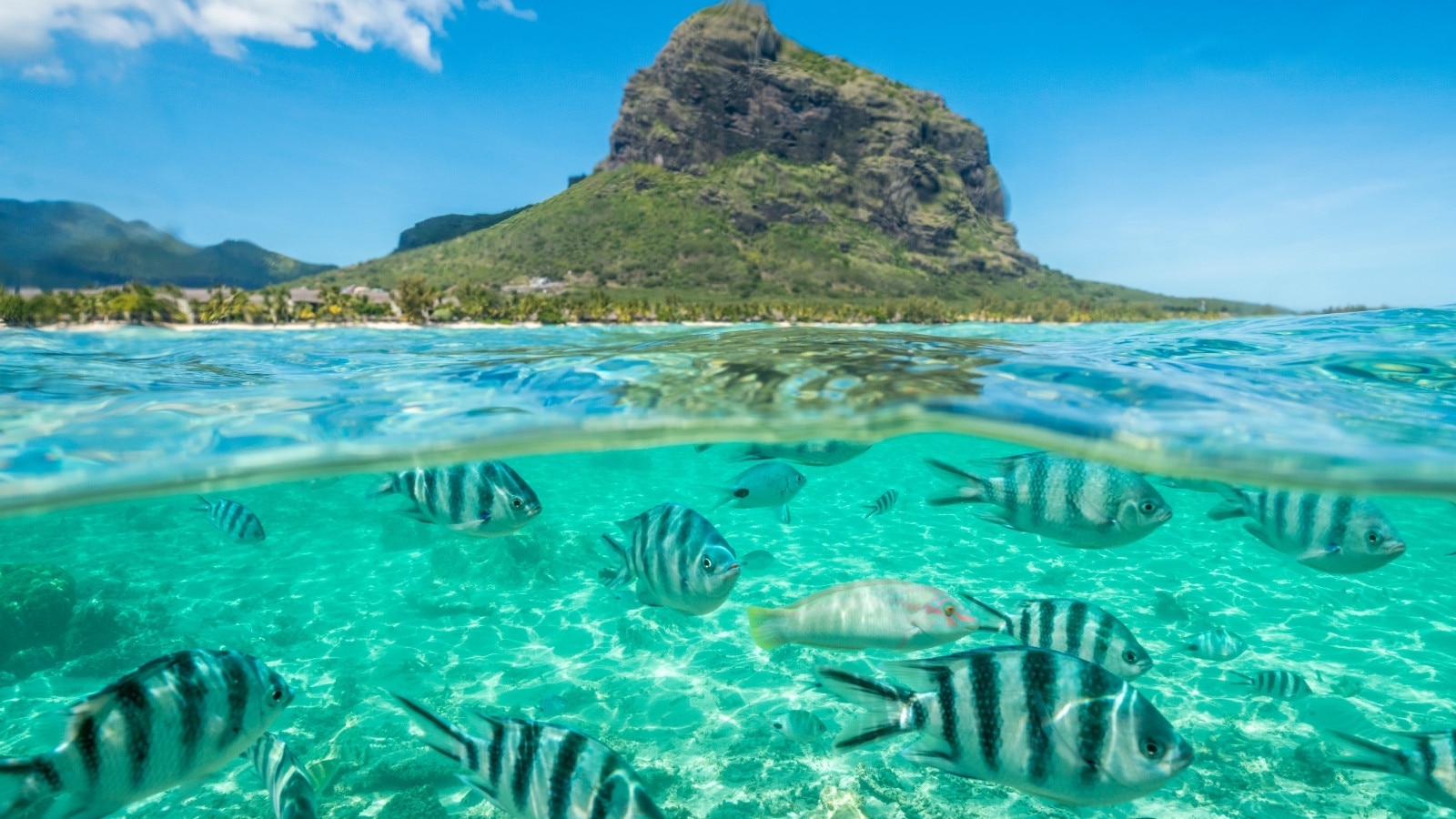
The article "Mauritius: How Sustainable Tourism Is Reviving Its Endangered Wildlife" from BBC's Discover Wildlife explores how luxury tourism is helping the island of Mauritius restore its devastated biodiversity. Through sustainable practices and conservation efforts, the tourism industry is playing a crucial role in supporting rewilding projects, combating invasive species, and contributing to reforestation, with positive results for local wildlife like the Mauritian kestrel and endemic plants.
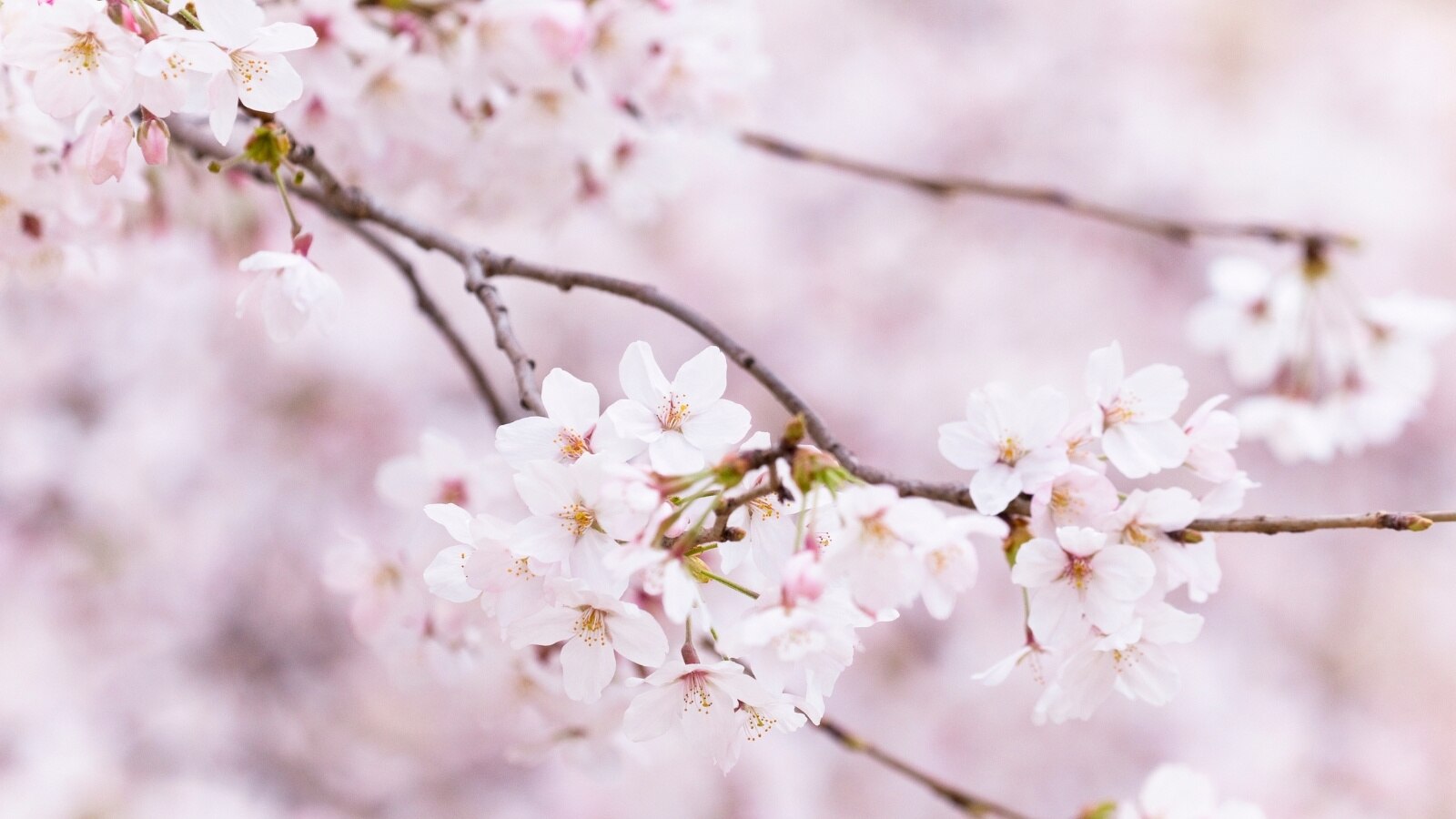
The article "Japan in Spring: Top Wildlife Spectacles and Species to See" from BBC's Discover Wildlife explores the diverse wildlife of Japan during the cherry blossom season. From whooper swans and Japanese macaques to red-crowned cranes and cherry blossoms, Japan offers a rich array of species and natural spectacles across its various climatic zones.
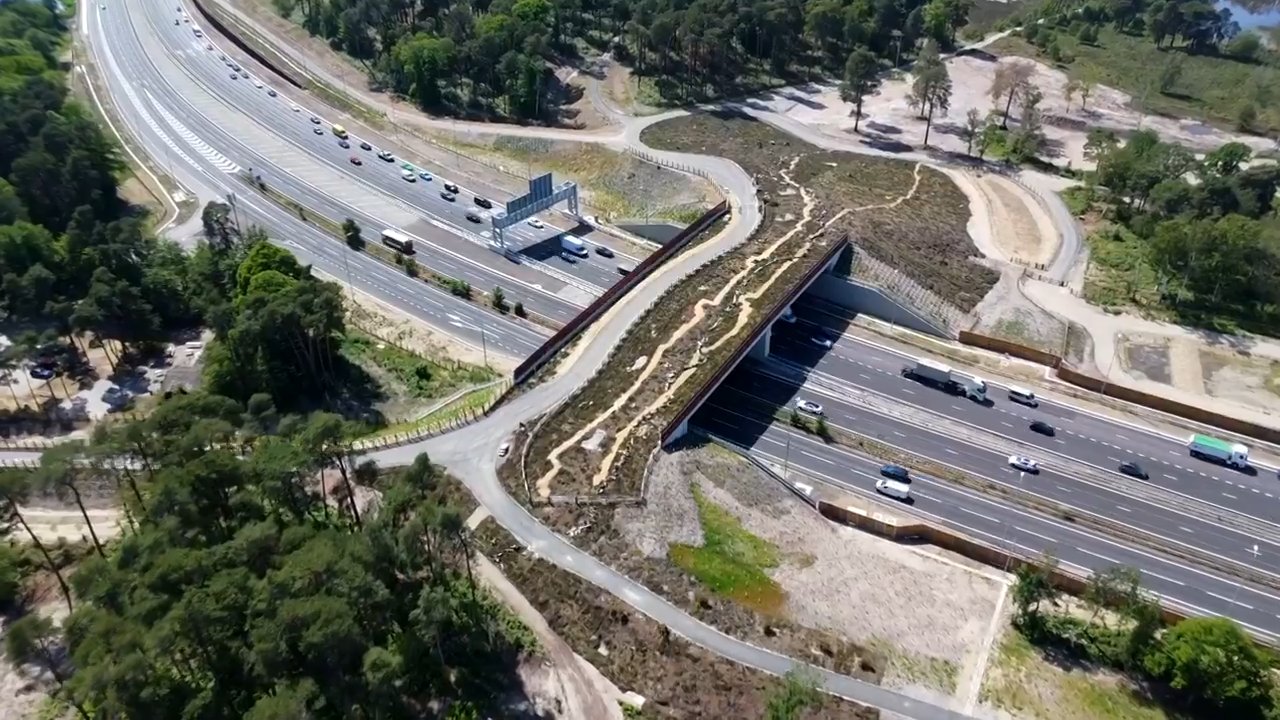
Why did the various wildlife species cross the road? To test the new heathland bridge!
It may look like a bridge that’s just unfinished, but the dirt and grass butting up against the pavement is very intentional.
This heathland bridge separating two commons is the first of its kind to include a network of natural routes that encourage species to reunite for the first time in over 40 years. Man, we would not remember ANYONE’S names! The bridge is home to mosses and vegetative grounds, as well as sand that could be a habitat to species like sand lizards, adders, foxes, deer, and bugs. Lots of bugs.
The bridge connects the heathland on either side, which the Wildlife Trusts are working to restore, so the aim of the bridge is to let wildlife move from side to side, building up the population and their resilience. But, it wasn’t as simple as leaving the bridge half-paved. Crews had to create the heathland by distributing acidic sand before adding areas of ground taken directly from larger heathland sites.
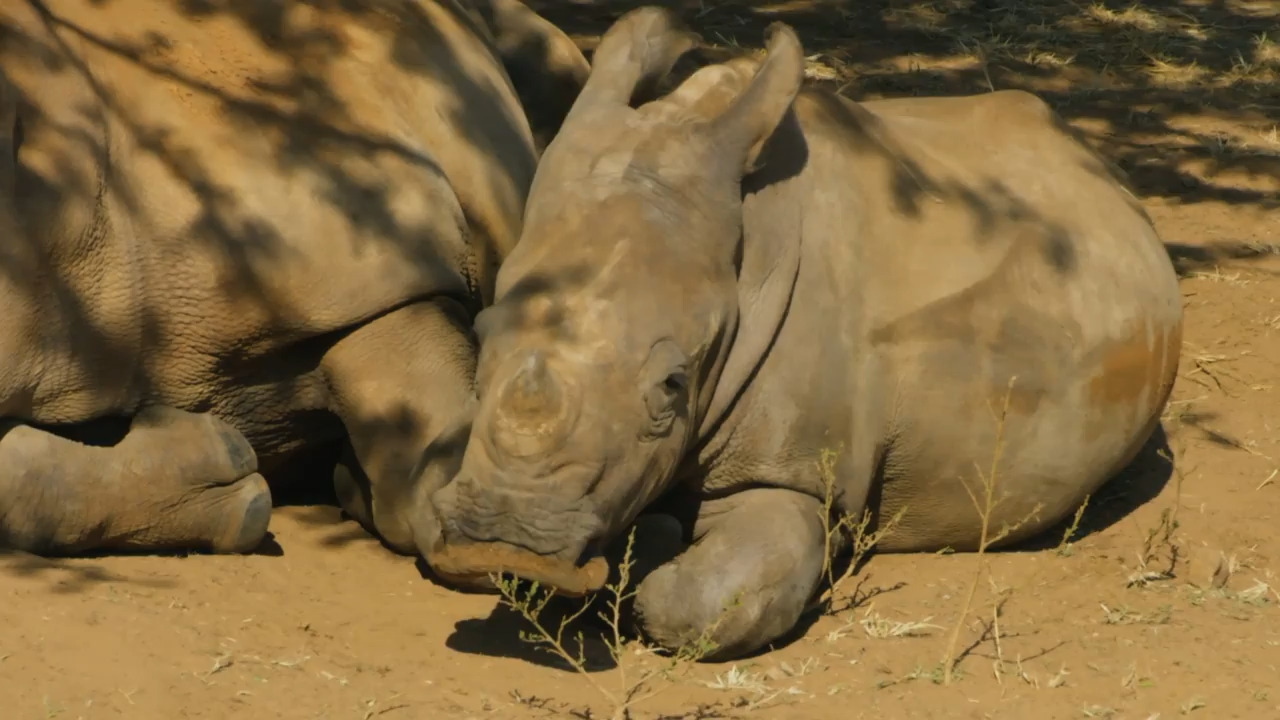
In Inside a Rhino Wildlife Sanctuary, naturalist Steve Backshall visits a high-security wildlife sanctuary in South Africa. Here he meets baby rhinos that have lost their mothers. This video is excerpted from BBC's Deadly 60, an award-winning nature and adventure show for kids in which narrator Steve Backshall has one mission: to travel the globe in search of 60 of the world's deadliest animals.
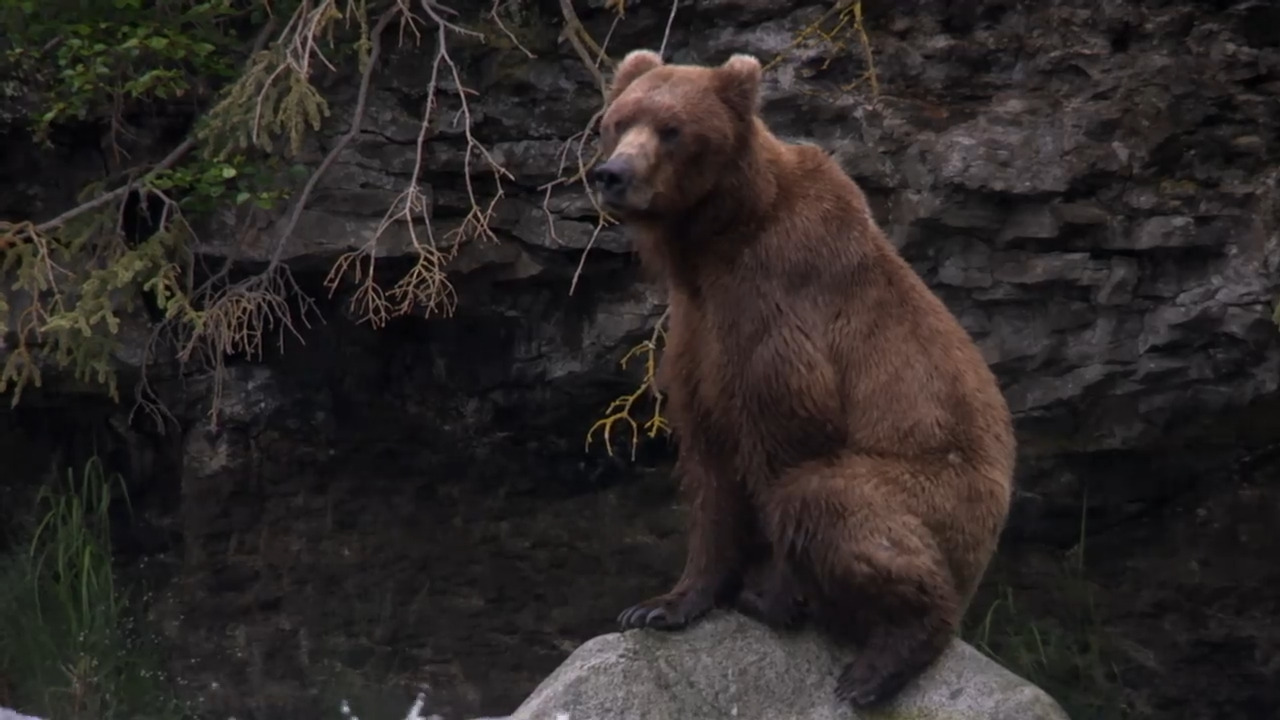
In The Epic Battle Between Salmon and Bears, narrator Andrew Scott describes how, as autumn arrives in southern Alaska, the landscape transforms along with the weather! Chilly temperatures and storms bring heavy rain, flooding the rivers just in time for one of nature’s greatest events. Millions of Pacific salmon make their epic journey upstream, leaping over waterfalls while hungry grizzly bears wait for their biggest feast of the year. The bears battle for the best spots, catching up to 30 salmon a day to pack on weight for the winter ahead — but for the salmon, it’s a life-or-death challenge to make it home. This video is excerpted from BBC’s Earth’s Great Seasons, which reveals how seasonal changes shape the planet and its wildlife.
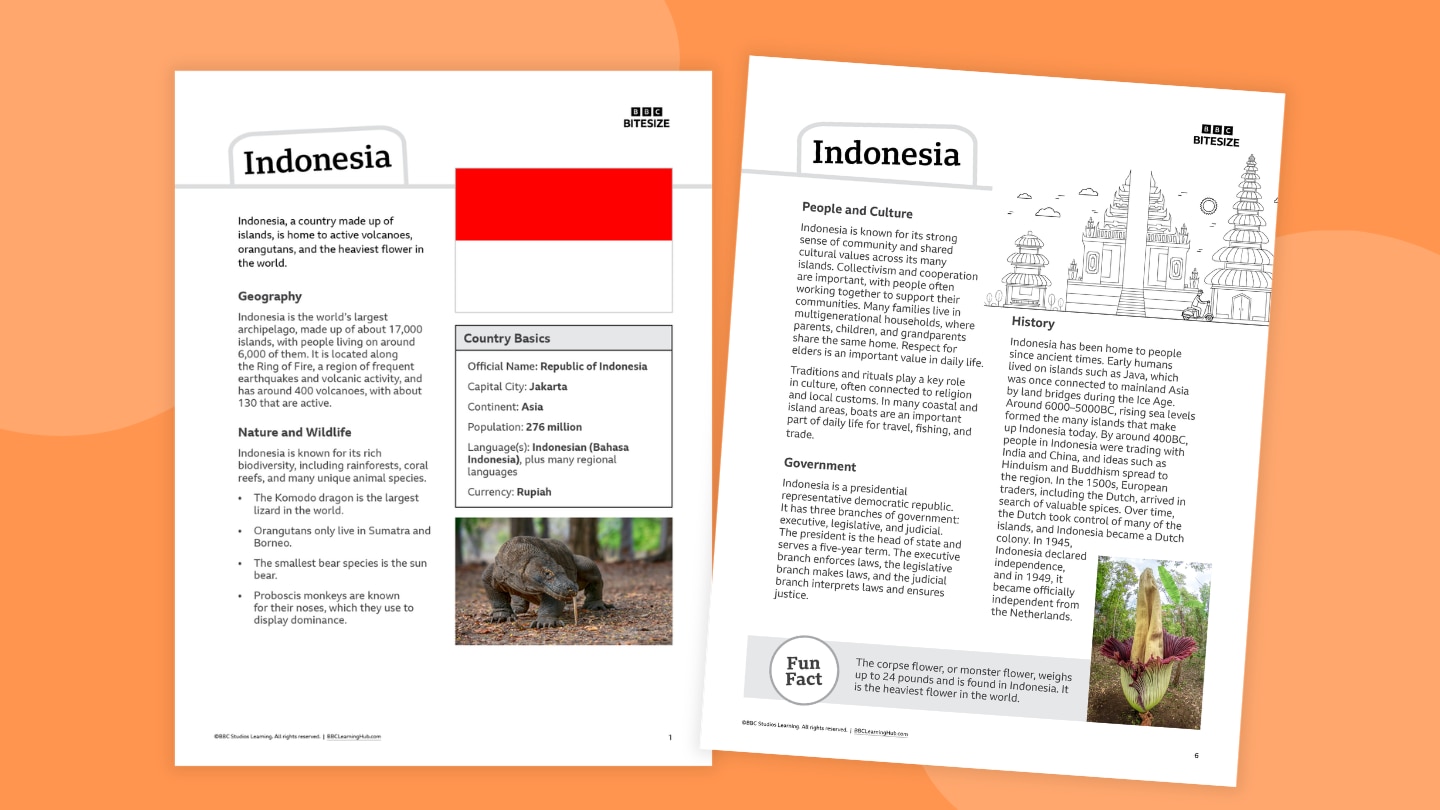
What country is made up of thousands of islands and sits along the Pacific Ring of Fire? Meet Indonesia, an island nation filled with volcanoes, rainforests, coral reefs, and some of the most unusual animals on Earth.
From Komodo dragons and orangutans to vibrant coral reefs and towering volcanoes, Indonesia’s islands are packed with natural wonders. Discover how the country’s geography has shaped the way people live, explore its history and government, and learn about its many languages, traditions, foods, and celebrations. You’ll also meet some of Indonesia’s incredible wildlife.
Teachers and parents, you can use this fact file to:
- Introduce a geography or social studies unit
- Support nonfiction reading practice
- Compare countries and cultures
- Complete map and research activities
- Prepare students for projects or presentations (use our country report template!)
- Pair with videos, articles, or other informational texts (see Related Resources below)
In The Human Impact on Wildlife narrator Sir David Attenborough explains the devastating impact human activities have had on wildlife. Many species are now under threat, but decisions must be made to help reverse these harmful activities. This video is excerpted from BBC’s Seven Worlds, One Planet, a series featuring remarkable animal behavior from all seven continents.
In Can People and Wildlife Coexist? host Simon Reeve sits with Tatah, who shares his experiences living alongside elephants, including the potential dangers when they are startled or protecting their young. Despite witnessing tragic elephant encounters, he emphasizes the importance of coexistence, as people and wildlife must share the same space here. This video is excerpted from BBC’s Wilderness With Simon Reeve, an epic adventure into the heart of Earth’s last great wild areas, where nature is at its most beautiful and fragile.
In Wildlife, Climate, and the Power of Rewilding the American Prairie, host Simon Reeve teams up with Shawn at the American Prairie Reserve to explore how rewilding efforts are bringing back wildlife like buffaloes, prairie dogs, and hawks while helping the planet tackle climate change. Shawn’s mission is clear: protect the land, restore nature’s balance, and show the world that preserving prairies is just as important as turning a profit. This video is excerpted from BBC’s The Americas With Simon Reeve, in which Simon Reeve explores the landscapes, cultures, and wildlife of North and South America.
In Building Urban Havens for Wildlife, narrator Sir David Attenborough shows how urban areas like Milan, Italy, and Singapore are designing spaces to support wildlife. By incorporating nature into city planning, these cities create habitats for wildlife, helping to preserve biodiversity and promote sustainability. This video is excerpted from BBC’s Planet Earth II, a breathtaking documentary series that highlights the natural wonders of our planet.
In Impact of City Lights on Wildlife, narrator Sir David Attenborough explores how artificial lighting disrupts the natural instincts of sea turtle hatchlings. Instead of heading toward the ocean, they are drawn to the bright lights of urban areas, putting them in danger. This video is excerpted from BBC’s Planet Earth II, a breathtaking documentary series that highlights the natural wonders of our planet.
The article "Exploring Costa Rica’s Rich Wildlife: Which Animals Can You See?" from BBC's Discover Wildlife explores the incredible range of animals that live in Costa Rica. From howler monkeys whose calls can be heard over long distances, to the rare jaguar, the country is home to some of the most unique species in the world. It also highlights vibrant creatures like the resplendent quetzal and endangered sea turtles.
The article "Mauritius: How Sustainable Tourism Is Reviving Its Endangered Wildlife" from BBC's Discover Wildlife explores how luxury tourism is helping the island of Mauritius restore its devastated biodiversity. Through sustainable practices and conservation efforts, the tourism industry is playing a crucial role in supporting rewilding projects, combating invasive species, and contributing to reforestation, with positive results for local wildlife like the Mauritian kestrel and endemic plants.
The article "Japan in Spring: Top Wildlife Spectacles and Species to See" from BBC's Discover Wildlife explores the diverse wildlife of Japan during the cherry blossom season. From whooper swans and Japanese macaques to red-crowned cranes and cherry blossoms, Japan offers a rich array of species and natural spectacles across its various climatic zones.
Why did the various wildlife species cross the road? To test the new heathland bridge!
It may look like a bridge that’s just unfinished, but the dirt and grass butting up against the pavement is very intentional.
This heathland bridge separating two commons is the first of its kind to include a network of natural routes that encourage species to reunite for the first time in over 40 years. Man, we would not remember ANYONE’S names! The bridge is home to mosses and vegetative grounds, as well as sand that could be a habitat to species like sand lizards, adders, foxes, deer, and bugs. Lots of bugs.
The bridge connects the heathland on either side, which the Wildlife Trusts are working to restore, so the aim of the bridge is to let wildlife move from side to side, building up the population and their resilience. But, it wasn’t as simple as leaving the bridge half-paved. Crews had to create the heathland by distributing acidic sand before adding areas of ground taken directly from larger heathland sites.
In Inside a Rhino Wildlife Sanctuary, naturalist Steve Backshall visits a high-security wildlife sanctuary in South Africa. Here he meets baby rhinos that have lost their mothers. This video is excerpted from BBC's Deadly 60, an award-winning nature and adventure show for kids in which narrator Steve Backshall has one mission: to travel the globe in search of 60 of the world's deadliest animals.
In The Epic Battle Between Salmon and Bears, narrator Andrew Scott describes how, as autumn arrives in southern Alaska, the landscape transforms along with the weather! Chilly temperatures and storms bring heavy rain, flooding the rivers just in time for one of nature’s greatest events. Millions of Pacific salmon make their epic journey upstream, leaping over waterfalls while hungry grizzly bears wait for their biggest feast of the year. The bears battle for the best spots, catching up to 30 salmon a day to pack on weight for the winter ahead — but for the salmon, it’s a life-or-death challenge to make it home. This video is excerpted from BBC’s Earth’s Great Seasons, which reveals how seasonal changes shape the planet and its wildlife.
What country is made up of thousands of islands and sits along the Pacific Ring of Fire? Meet Indonesia, an island nation filled with volcanoes, rainforests, coral reefs, and some of the most unusual animals on Earth.
From Komodo dragons and orangutans to vibrant coral reefs and towering volcanoes, Indonesia’s islands are packed with natural wonders. Discover how the country’s geography has shaped the way people live, explore its history and government, and learn about its many languages, traditions, foods, and celebrations. You’ll also meet some of Indonesia’s incredible wildlife.
Teachers and parents, you can use this fact file to:
- Introduce a geography or social studies unit
- Support nonfiction reading practice
- Compare countries and cultures
- Complete map and research activities
- Prepare students for projects or presentations (use our country report template!)
- Pair with videos, articles, or other informational texts (see Related Resources below)