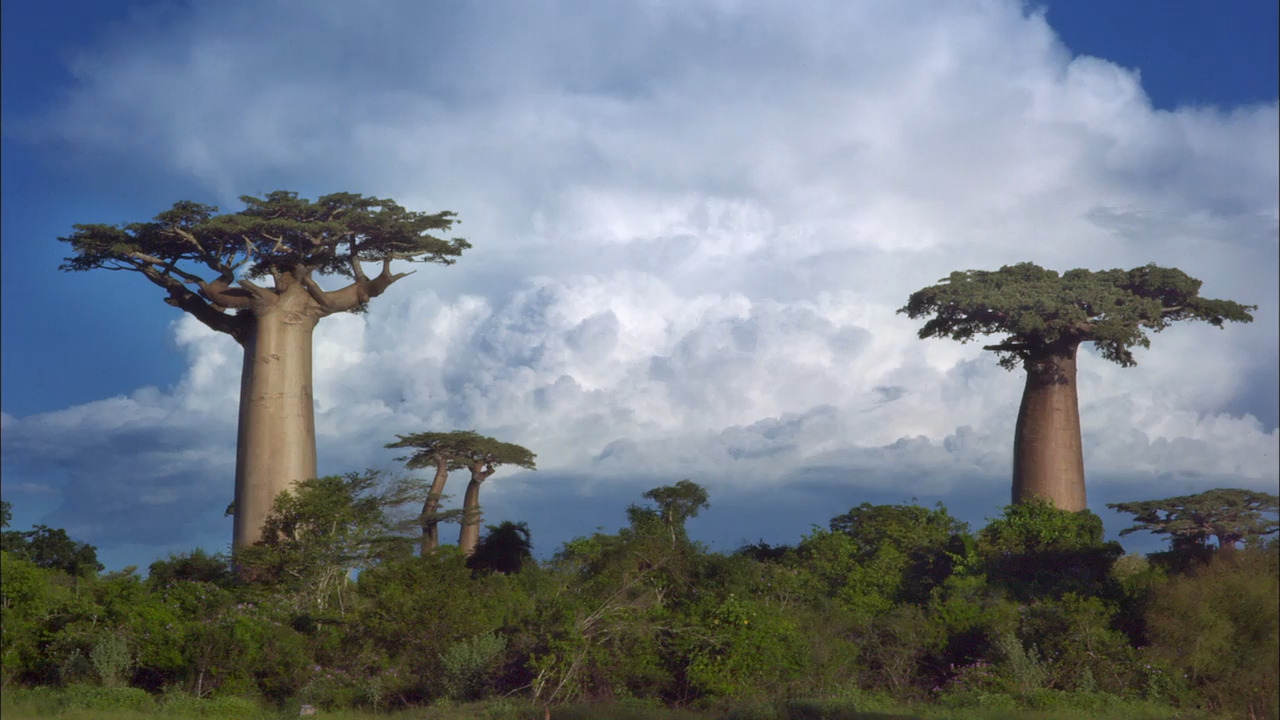
In Baobab Trees: Bursting Into Bloom, narrator Sir David Attenborough describes how Madagascar’s strangest tree puts on a spectacular show at night. As its large flowers bloom, mouse lemurs emerge from hibernation. This video is excerpted from BBC's Planet Earth, a breathtaking documentary series that highlights the natural wonders of our planet.
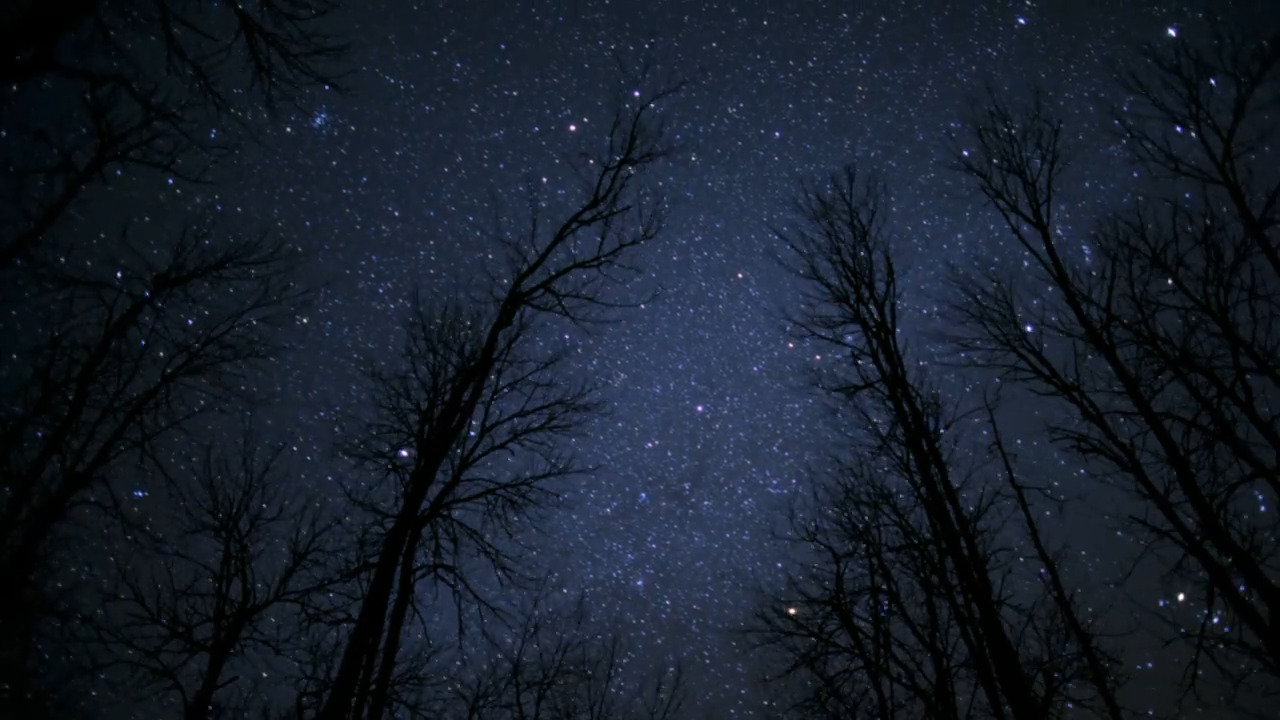
In How Trees Prepare for the Toughest Seasons, narrator Sir David Attenborough explains how trees survive harsh winter environments. In northern forests, trees prepare for the cold by pulling water into their trunks and creating a sugary antifreeze. But while most trees lose their leaves, pine trees can survive temperatures as low as -40°F and keep their needles all winter. One special type of pine, the bristlecone, can live for up to 5,000 years, with its cones growing for only six weeks each year. This video is excerpted from BBC's Life, a show that explores the remarkable strategies animals and plants use to ensure their survival.
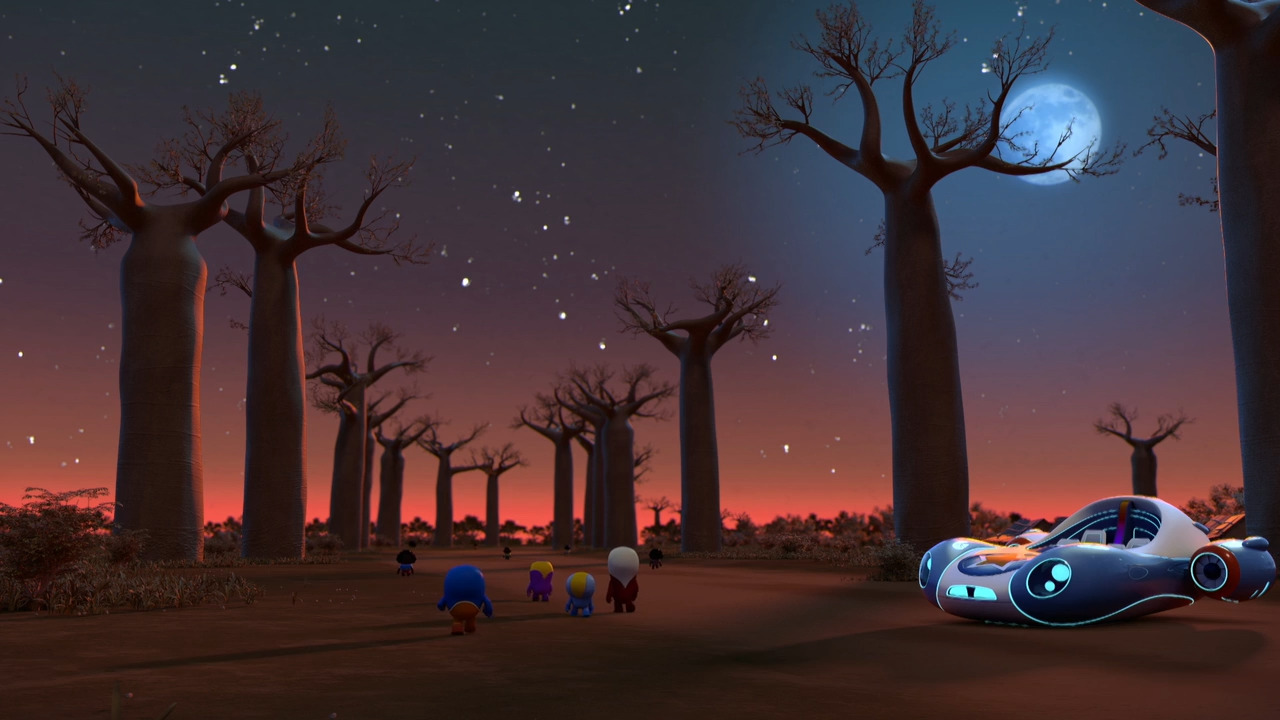
In The Go Jetters Learn About Upside-Down Trees, the Go Jetters crew explores the Avenue of the Baobabs in Madagascar. Ubercorn shares funky facts about these trees, including why they are called the "upside-down tree," and why they are important to nocturnal animals. This video is excerpted from BBC’s Go Jetters, a series that follows the adventures of four international heroes as they travel the globe visiting landmarks and solving environmental problems with Ubercorn, a disco-dancing unicorn.
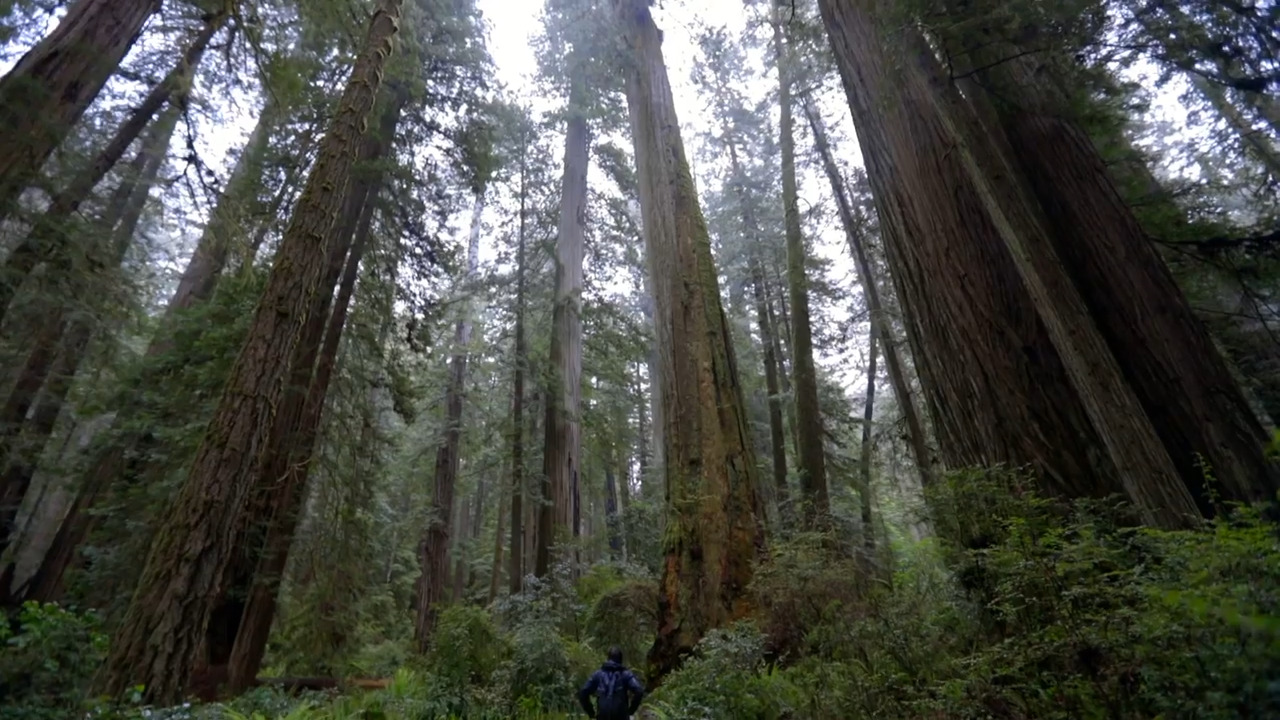
In Protecting the Redwoods, Earth's Tallest Trees, host Simon Reeve journeys to the towering redwoods, some of the oldest and tallest trees on the planet. These giants are in danger, with 95% of the original redwoods already cut down and poachers still threatening their survival. But conservationists are stepping up, using methods like biomimicry to bring these mighty trees back to life, all while Simon climbs 250 feet to see it firsthand! This video is excerpted from BBC’s The Americas With Simon Reeve, in which Simon Reeve explores the landscapes, cultures, and wildlife of North and South America.
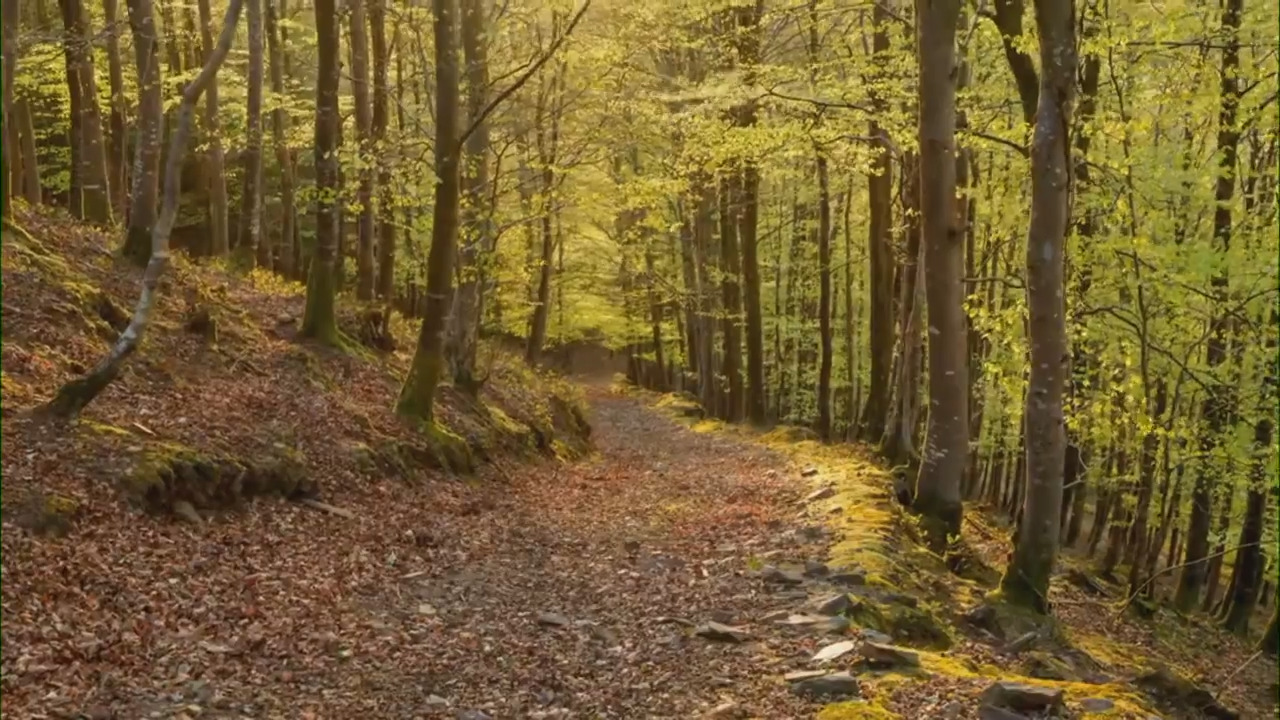
Historical buildings are often protected by law, but what about older trees? The Woodland Trust is working on a Heritage Trees Bill, planting new trees, and attempting to create a national database to make sure these living legends are also protected by the law. This video is excerpted from BBC News.
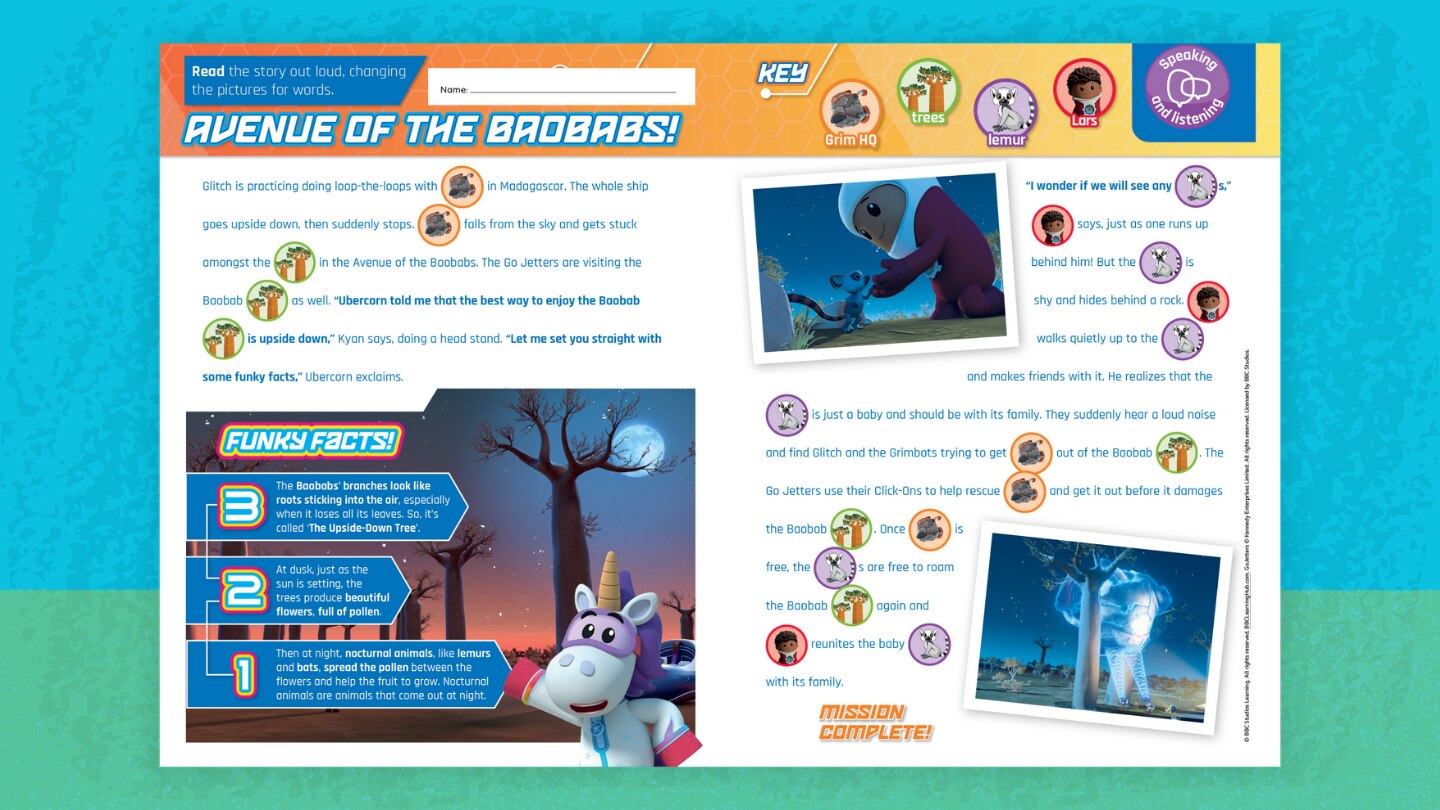
Join the Go Jetters on a magical sunset-to-night adventure to the Avenue of the Baobabs. In this fun story, you'll:
- Read out loud, changing the pictures for words.
- Learn about this fascinating location within Madagascar.
- Discover funky facts about these amazing "upside-down" trees.
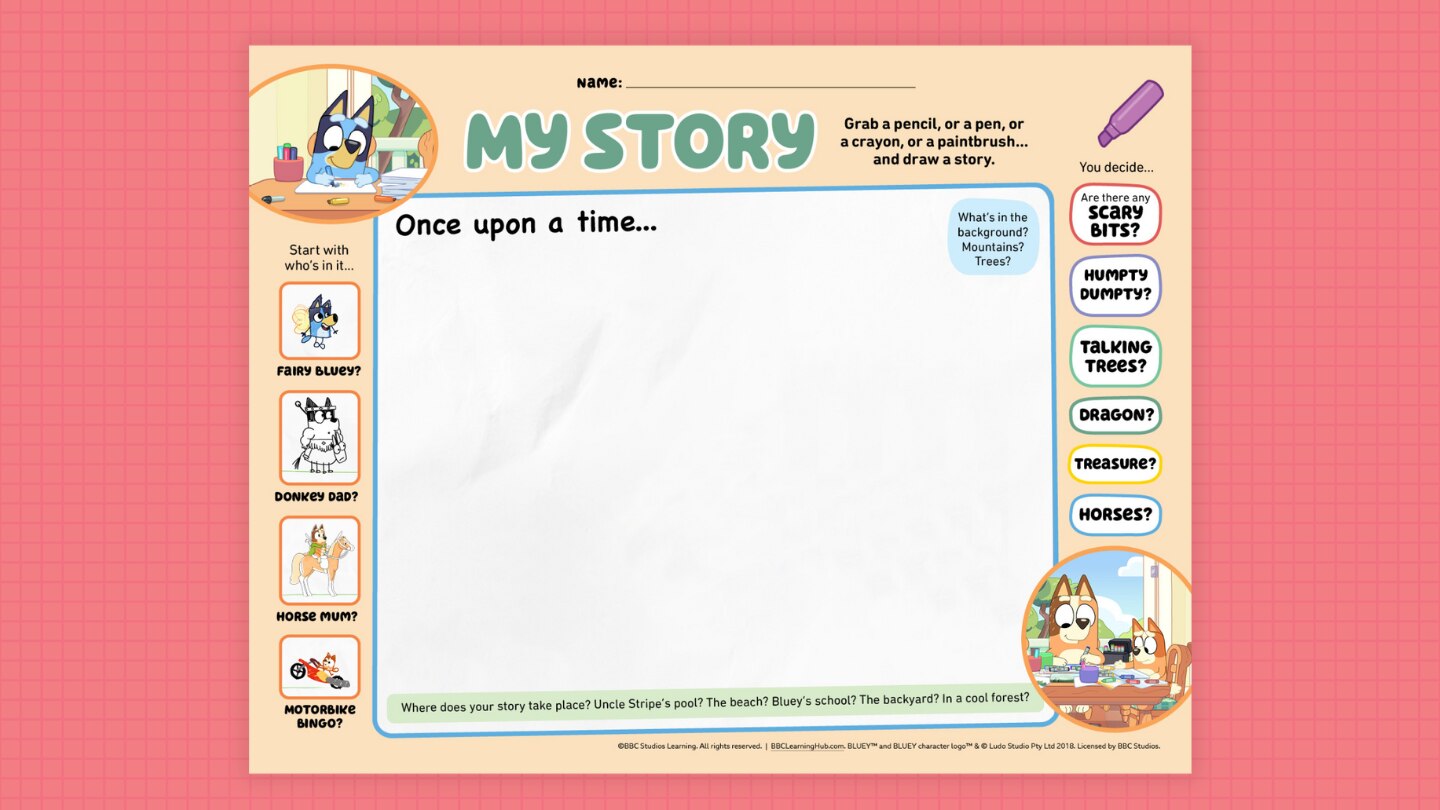
Grab a pencil and draw or write a story. Think about:
- Who's in the story? Fairy Bluey, Donkey Dad, Horse Mum, or Motorbike Bingo
- Where does your story take place? Uncle Stripe's pool, the beach, Bluey's school, the backyard, or in a cool forest
- What's in the background? Mountains or trees
You can also decide if there are scary bits, Humpty Dumpty, talking trees, a dragon, treasure, horses, or anything else you can imagine!
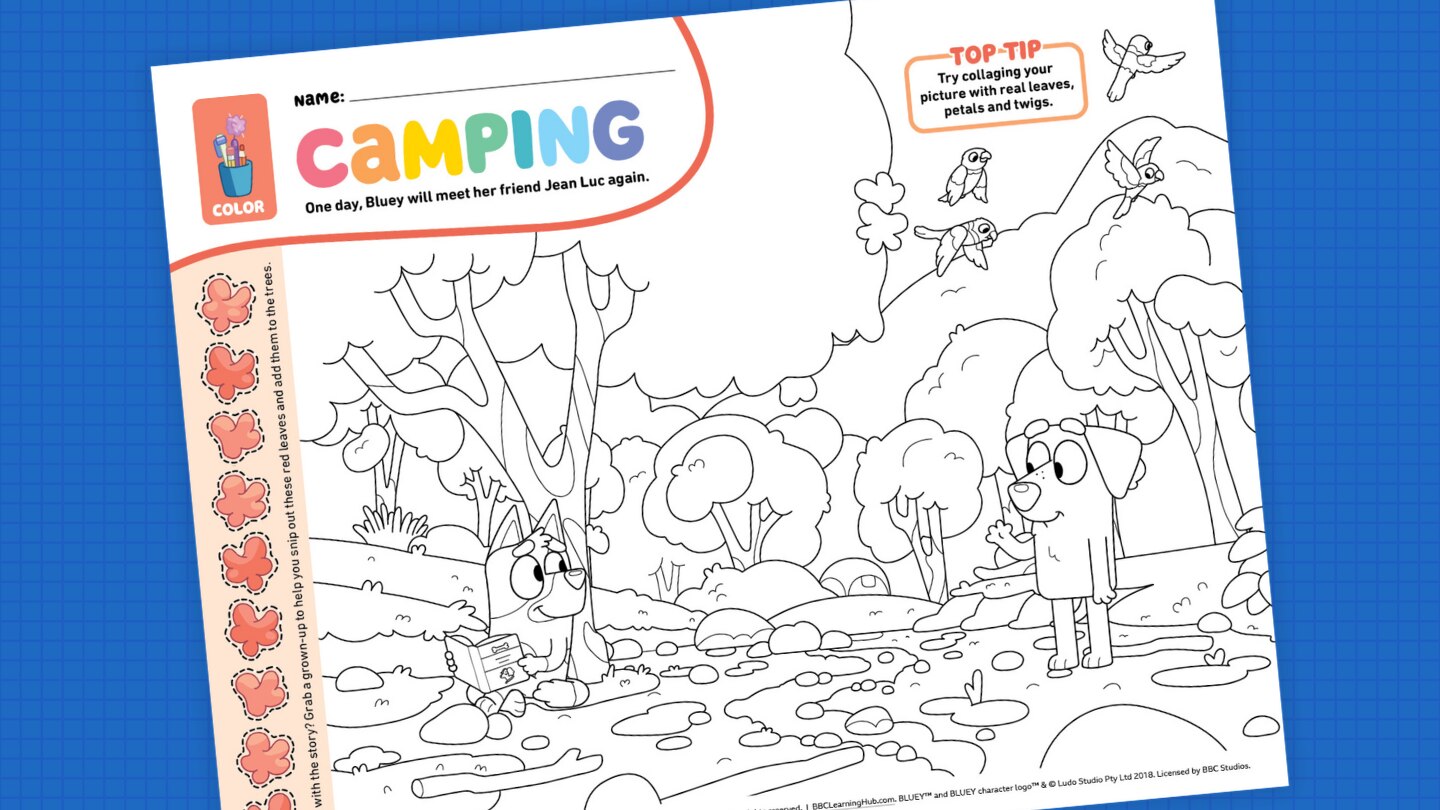
Bluey and Jean Luc meet each other on a camping trip! Color the camping scene. Try collaging your picture with real leaves, petals, and twigs. You can also snip out the red leaves and glue them to the trees.
Inspired by Season 1, Episode 43 "Camping": While on a camping holiday, Bluey makes a new friend called Jean-Luc. Bluey may not understand him, but they find common language playing and hunting for a wild Daddy pig.
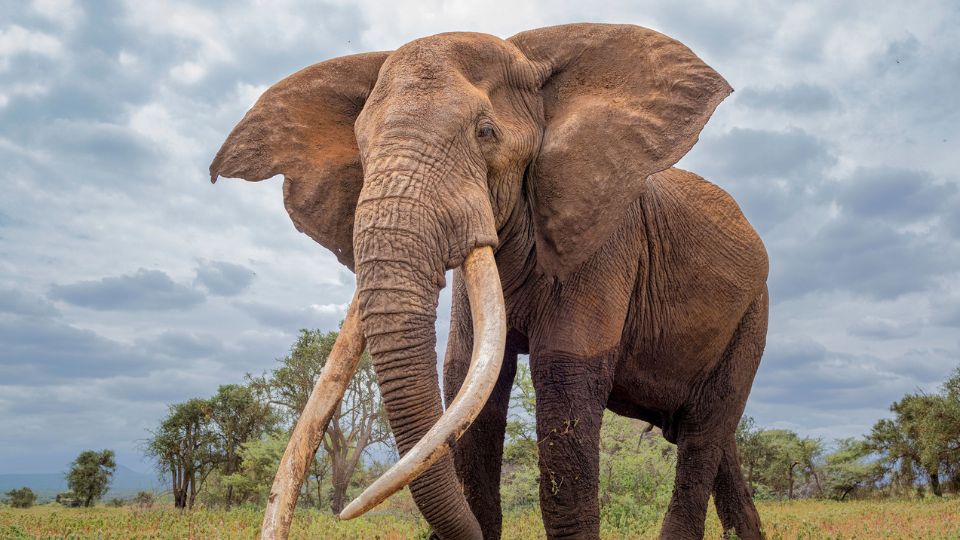
Explore the wide-open world of grasslands and discover the amazing animals that live in one of Earth’s largest biomes. From enormous elephants and powerful buffalo to towering Kori bustards, hardworking leafcutter ants, and rare Saiga antelope, students will learn how animals survive and thrive in these vast landscapes of grasses and few trees.
This Kahoot explores the unique features of grassland ecosystems, including climate, food chains, migration, and the special adaptations that help animals find food, avoid predators, and survive changing seasons. Students will also discover the differences between tropical savannas and temperate grasslands and the incredible diversity of life found in each.
Watch the related BBC videos (below), then invite your Grade 3–8 students to test their knowledge and uncover the wonders of life on the grasslands.
In Baobab Trees: Bursting Into Bloom, narrator Sir David Attenborough describes how Madagascar’s strangest tree puts on a spectacular show at night. As its large flowers bloom, mouse lemurs emerge from hibernation. This video is excerpted from BBC's Planet Earth, a breathtaking documentary series that highlights the natural wonders of our planet.
In How Trees Prepare for the Toughest Seasons, narrator Sir David Attenborough explains how trees survive harsh winter environments. In northern forests, trees prepare for the cold by pulling water into their trunks and creating a sugary antifreeze. But while most trees lose their leaves, pine trees can survive temperatures as low as -40°F and keep their needles all winter. One special type of pine, the bristlecone, can live for up to 5,000 years, with its cones growing for only six weeks each year. This video is excerpted from BBC's Life, a show that explores the remarkable strategies animals and plants use to ensure their survival.
In The Go Jetters Learn About Upside-Down Trees, the Go Jetters crew explores the Avenue of the Baobabs in Madagascar. Ubercorn shares funky facts about these trees, including why they are called the "upside-down tree," and why they are important to nocturnal animals. This video is excerpted from BBC’s Go Jetters, a series that follows the adventures of four international heroes as they travel the globe visiting landmarks and solving environmental problems with Ubercorn, a disco-dancing unicorn.
In Protecting the Redwoods, Earth's Tallest Trees, host Simon Reeve journeys to the towering redwoods, some of the oldest and tallest trees on the planet. These giants are in danger, with 95% of the original redwoods already cut down and poachers still threatening their survival. But conservationists are stepping up, using methods like biomimicry to bring these mighty trees back to life, all while Simon climbs 250 feet to see it firsthand! This video is excerpted from BBC’s The Americas With Simon Reeve, in which Simon Reeve explores the landscapes, cultures, and wildlife of North and South America.
Historical buildings are often protected by law, but what about older trees? The Woodland Trust is working on a Heritage Trees Bill, planting new trees, and attempting to create a national database to make sure these living legends are also protected by the law. This video is excerpted from BBC News.
Join the Go Jetters on a magical sunset-to-night adventure to the Avenue of the Baobabs. In this fun story, you'll:
- Read out loud, changing the pictures for words.
- Learn about this fascinating location within Madagascar.
- Discover funky facts about these amazing "upside-down" trees.
Grab a pencil and draw or write a story. Think about:
- Who's in the story? Fairy Bluey, Donkey Dad, Horse Mum, or Motorbike Bingo
- Where does your story take place? Uncle Stripe's pool, the beach, Bluey's school, the backyard, or in a cool forest
- What's in the background? Mountains or trees
You can also decide if there are scary bits, Humpty Dumpty, talking trees, a dragon, treasure, horses, or anything else you can imagine!
Bluey and Jean Luc meet each other on a camping trip! Color the camping scene. Try collaging your picture with real leaves, petals, and twigs. You can also snip out the red leaves and glue them to the trees.
Inspired by Season 1, Episode 43 "Camping": While on a camping holiday, Bluey makes a new friend called Jean-Luc. Bluey may not understand him, but they find common language playing and hunting for a wild Daddy pig.
Explore the wide-open world of grasslands and discover the amazing animals that live in one of Earth’s largest biomes. From enormous elephants and powerful buffalo to towering Kori bustards, hardworking leafcutter ants, and rare Saiga antelope, students will learn how animals survive and thrive in these vast landscapes of grasses and few trees.
This Kahoot explores the unique features of grassland ecosystems, including climate, food chains, migration, and the special adaptations that help animals find food, avoid predators, and survive changing seasons. Students will also discover the differences between tropical savannas and temperate grasslands and the incredible diversity of life found in each.
Watch the related BBC videos (below), then invite your Grade 3–8 students to test their knowledge and uncover the wonders of life on the grasslands.