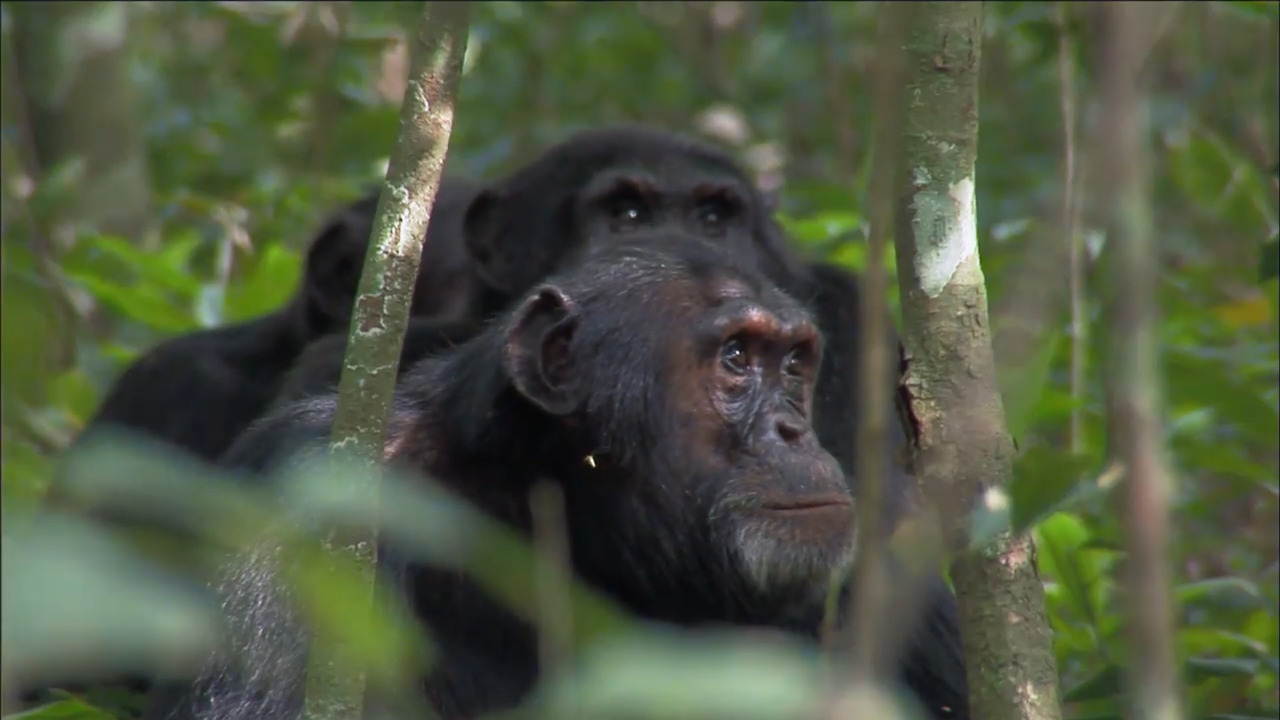
A troop of 150 chimpanzees. That's not a typo — it's the largest chimp community ever recorded in Africa, and they all live in one stretch of forest in Uganda. Sir David Attenborough takes you inside their world in this clip from BBC's Planet Earth, and it's not exactly peaceful. Chimps are unusual among jungle animals — they move just as easily through the treetops as they do on the ground, which comes in handy when your diet depends on finding enough fig trees to feed 150 mouths. But a community this size needs serious territory to sustain it, and that means defending it.
Watch as the troop uses coordinated calls to launch a raid into a rival group's land. Once they cross into enemy territory, everything changes: the calls stop, the pace slows, and every chimp is on high alert, listening for signs of who — and how many — they're up against.
It's a side of chimpanzees you don't usually see: strategic, tense, and surprisingly military in style. Great conversation starter for anything on animal behavior, group dynamics, or how intelligence shows up in unexpected ways.
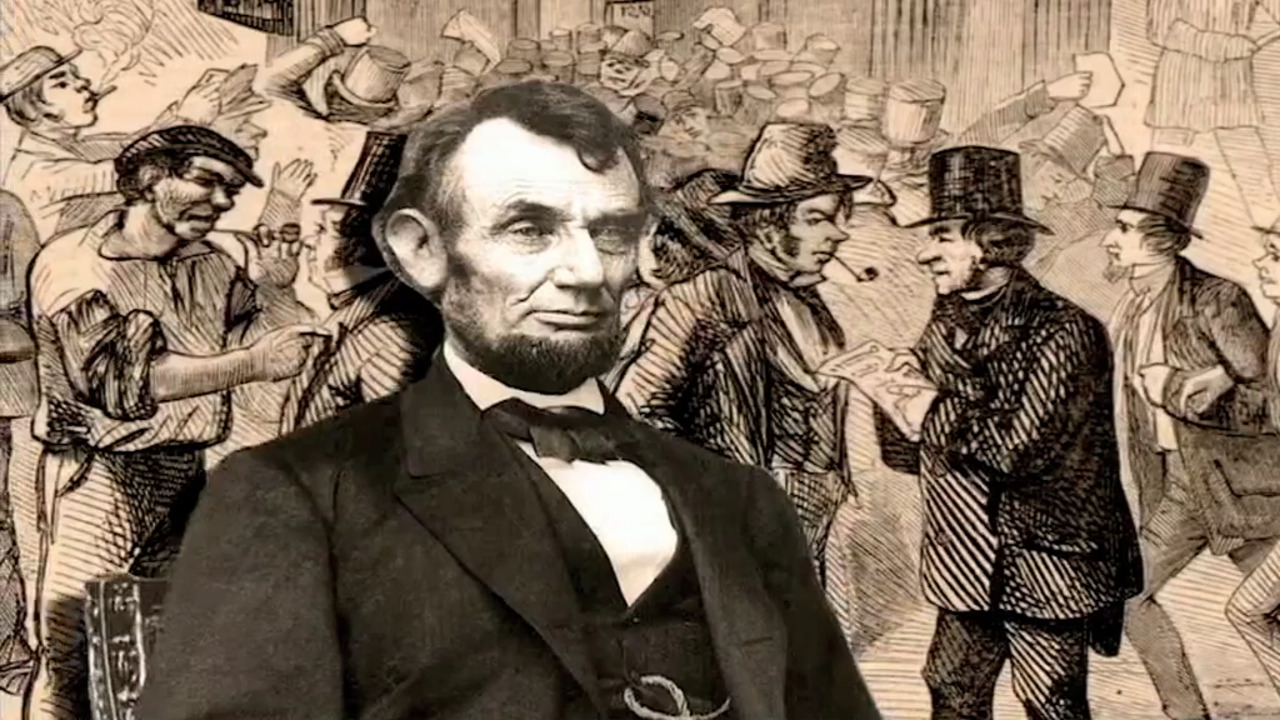
In Abraham Lincoln, the Road to the Confederacy, and the Civil War , learn how growing sectional divisions over slavery and politics led southern states to secede from the Union. After Abraham Lincoln’s election in 1860, seven states left the Union before he even took office, forming the Confederate States of America with Jefferson Davis as their president. Tensions erupted on April 12, 1861, when Confederate forces attacked Fort Sumter, officially beginning the Civil War.
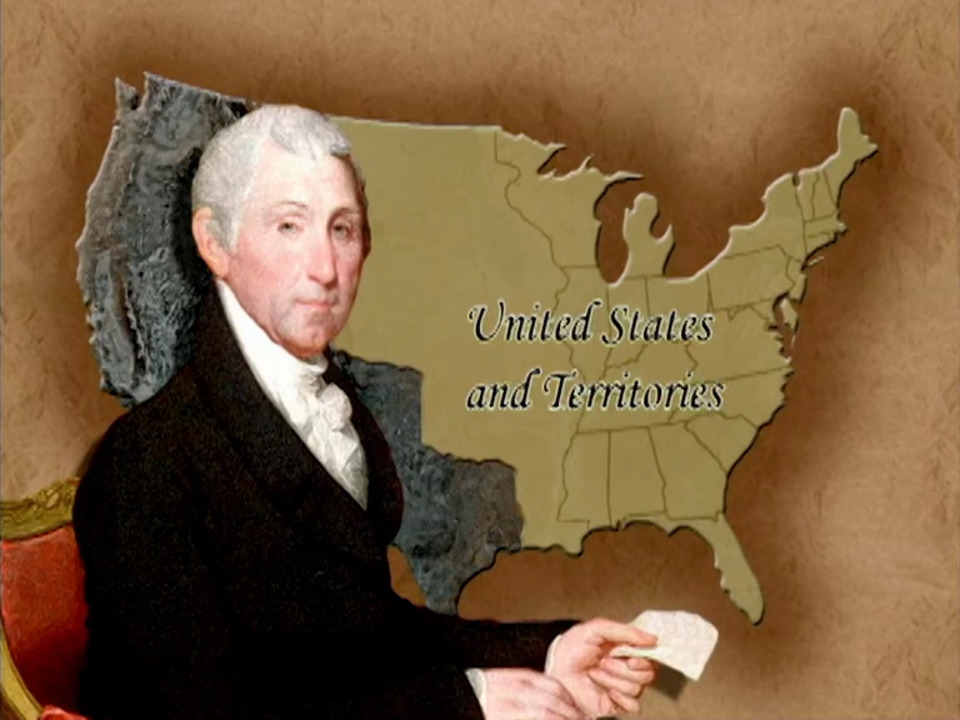
In James Monroe, the Monroe Doctrine, and a Growing Nation, learn how President James Monroe led the United States during a period of rising national pride and optimism after the War of 1812. His administration obtained Florida from Spain, and in 1823, Monroe issued the Monroe Doctrine, declaring the Western Hemisphere closed to new European colonies while pledging U.S. neutrality in European conflicts. These actions helped establish the United States as a full-fledged nation, though the "Era of Good Feelings" would eventually come to a bitter end as political and sectional tensions resurfaced.
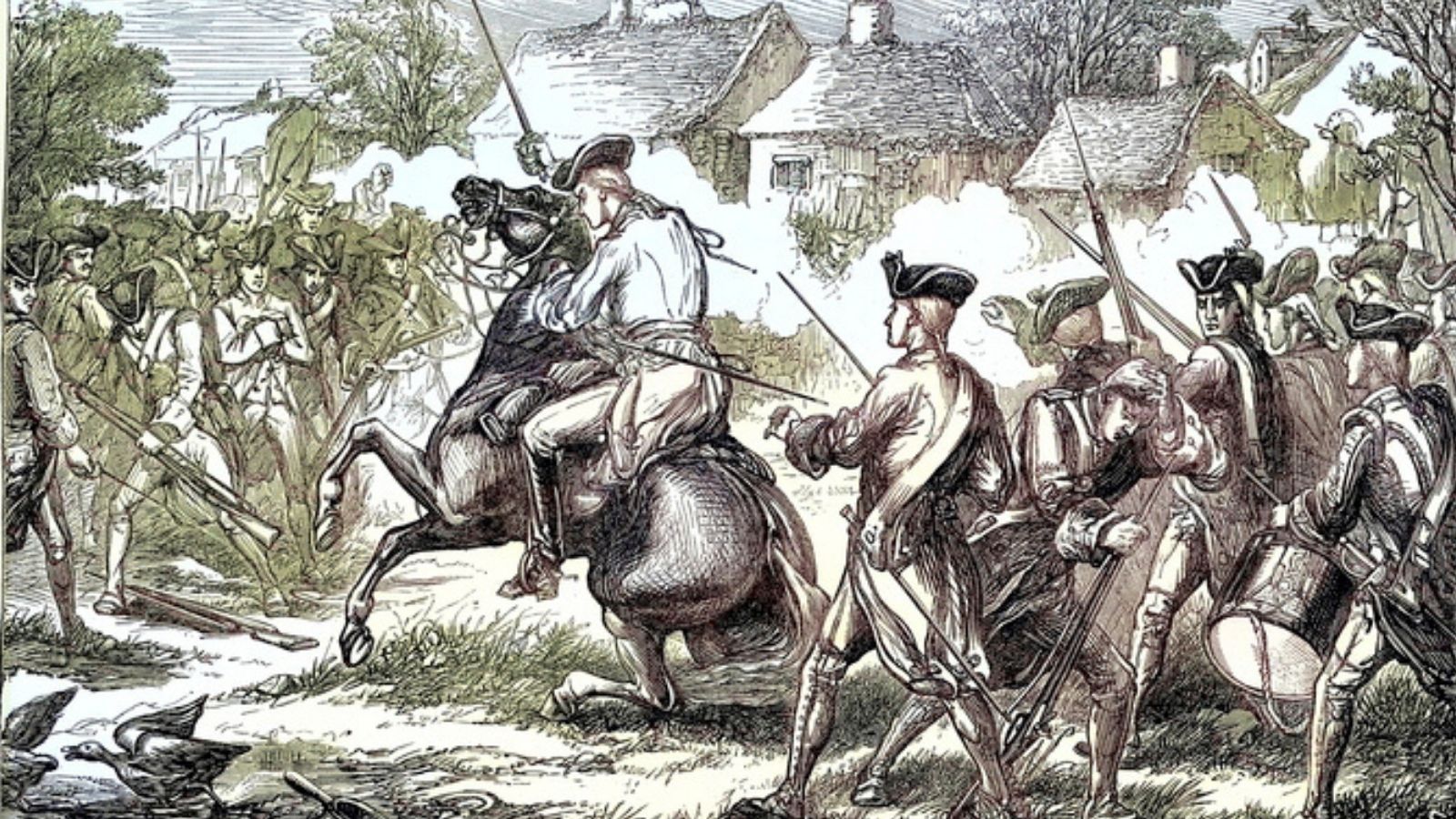
The article "From Tea to Treaty: A Timeline of the American Revolution" from BBC's HistoryExtra is a detailed journey through the pivotal moments of the American Revolution. It explores the tensions between Britain and its American colonies — from unfair taxes to the outbreak of war — culminating in the formation of the United States and the signing of the Constitution.
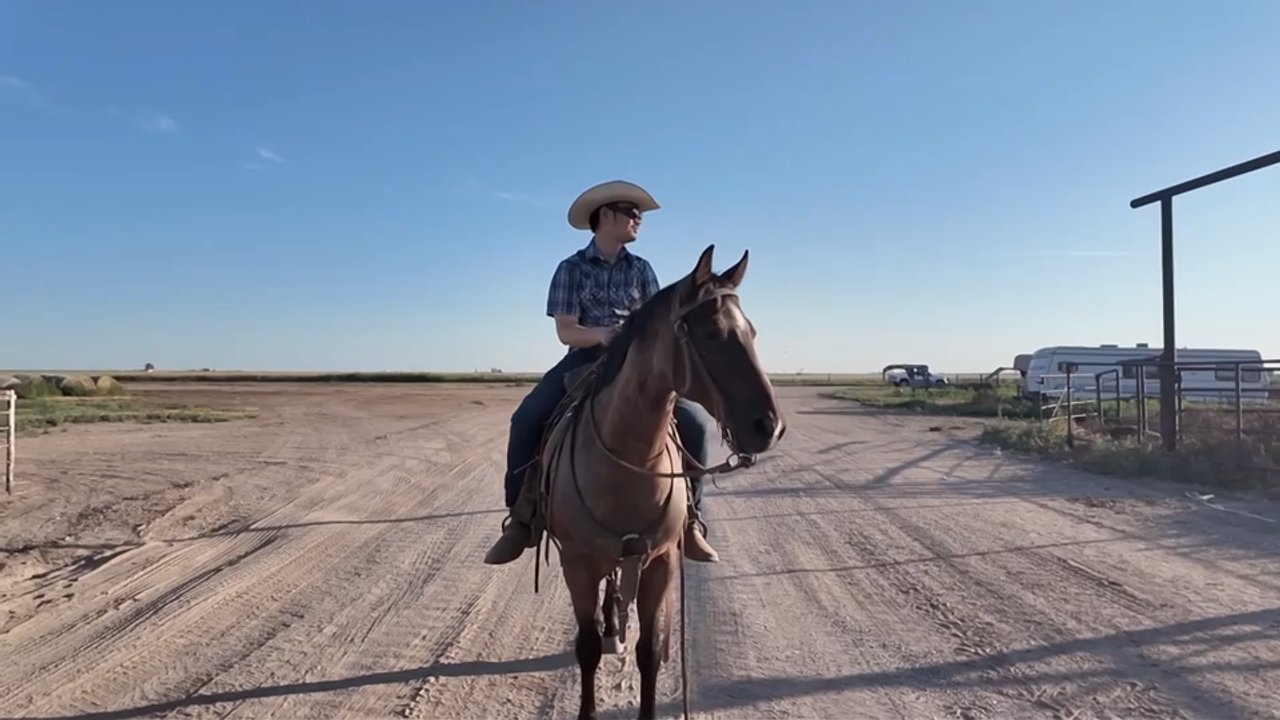
Cowboy culture might seem uniquely American, but one Chinese immigrant says it feels surprisingly familiar. Bruce Wang is originally from Yunnan, a region of China with a long history of horse breeding among many ethnic groups, but became fascinated with the cowboy lifestyle after moving to Texas as an international student at 20 years old.
At first, he dressed like a cowboy, but looking the part wasn't enough — he wanted the real experience. So he joined the cattle industry, learning to ride horses and work with livestock. Maybe he even learned to appreciate the smell of cow manure — or at least not complain about it.
After more than a decade in the United States, cowboy culture has become an important part of his identity, and he says it will stay with him even if he returns to China one day. By sharing his story, Bruce hopes people in China and the United States will better understand one another despite ongoing political tensions. What a moooooooo-ving story.
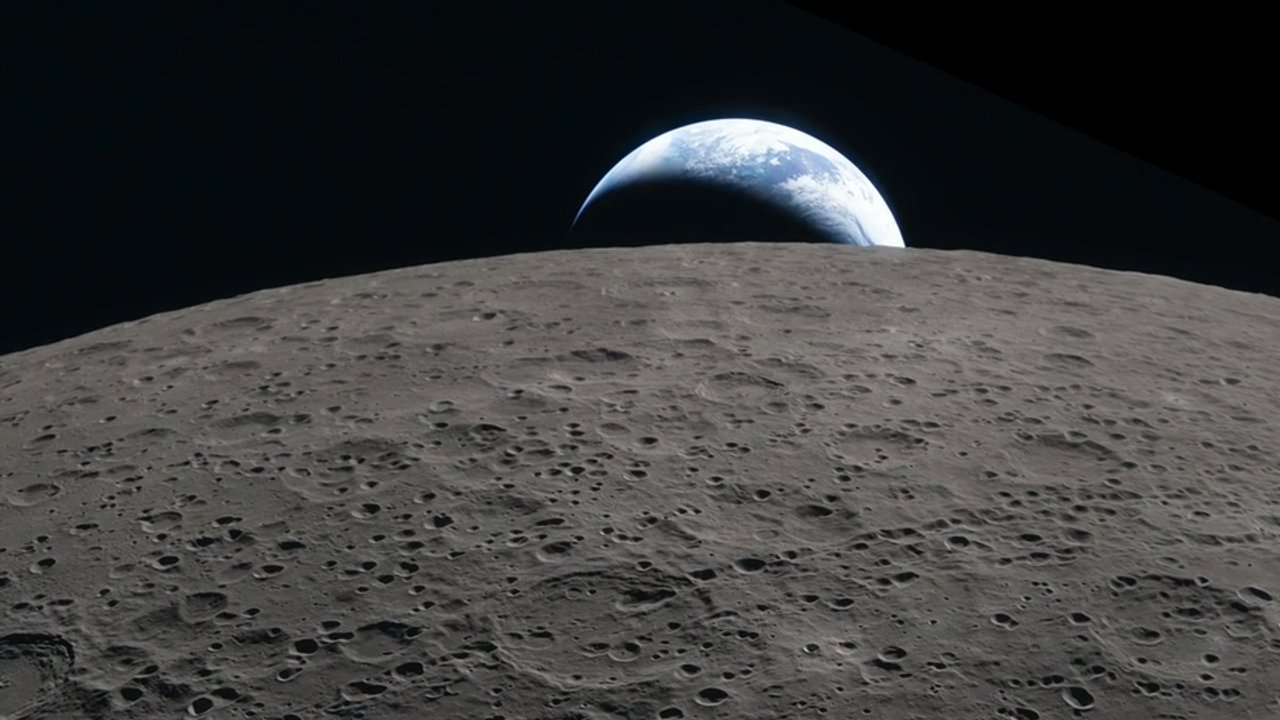
After a historic 10-day mission around the Moon — the first time humans have traveled so far into space since the 70s — the Artemis II crew came away with crucial knowledge: appreciate doors on bathrooms.
Commander Reid Wiseman dished on some other reflections about the trip. For example, the crew didn’t even realize what a big deal this was to people on Earth and didn’t hear much of the news until they talked to their families a few days into the mission. We suppose that’s what happens when you literally have your head in the clouds.
Not only was the journey unforgettable for science, but it was also personally significant for the crew members. One of the most powerful moments came when astronaut Jeremy Hansen named a lunar crater after Wiseman’s late wife, Carroll, a pivotal moment that solidified the crew’s bond.
But that bond wasn’t just to make things more fun — getting along in space is actually a matter of safety, and life inside a spacecraft requires serious teamwork. Think about sharing a room with a stinky sibling or living with a roommate who keeps eating your snacks. Now imagine that, in a room one-fifth the size and no way to escape! The astronauts lived, slept, and worked in extremely close quarters, so it was important to deal with disagreements immediately instead of letting tension build.
As exciting as it was to orbit the Moon, the return to Earth may have been just as intense. The crew re-entered the atmosphere at about 39 times the speed of sound. That’s about 30,000 miles per hour. They experienced forces of about four times normal gravity — about what you feel during the most intense parts of a roller coaster, but the astronauts felt this way for about 13 minutes. Nonstop! And that’s all before parachuting into the Pacific Ocean. All that probably makes it just a little more exhilarating than your bus ride to school.
A troop of 150 chimpanzees. That's not a typo — it's the largest chimp community ever recorded in Africa, and they all live in one stretch of forest in Uganda. Sir David Attenborough takes you inside their world in this clip from BBC's Planet Earth, and it's not exactly peaceful. Chimps are unusual among jungle animals — they move just as easily through the treetops as they do on the ground, which comes in handy when your diet depends on finding enough fig trees to feed 150 mouths. But a community this size needs serious territory to sustain it, and that means defending it.
Watch as the troop uses coordinated calls to launch a raid into a rival group's land. Once they cross into enemy territory, everything changes: the calls stop, the pace slows, and every chimp is on high alert, listening for signs of who — and how many — they're up against.
It's a side of chimpanzees you don't usually see: strategic, tense, and surprisingly military in style. Great conversation starter for anything on animal behavior, group dynamics, or how intelligence shows up in unexpected ways.
In Abraham Lincoln, the Road to the Confederacy, and the Civil War , learn how growing sectional divisions over slavery and politics led southern states to secede from the Union. After Abraham Lincoln’s election in 1860, seven states left the Union before he even took office, forming the Confederate States of America with Jefferson Davis as their president. Tensions erupted on April 12, 1861, when Confederate forces attacked Fort Sumter, officially beginning the Civil War.
In James Monroe, the Monroe Doctrine, and a Growing Nation, learn how President James Monroe led the United States during a period of rising national pride and optimism after the War of 1812. His administration obtained Florida from Spain, and in 1823, Monroe issued the Monroe Doctrine, declaring the Western Hemisphere closed to new European colonies while pledging U.S. neutrality in European conflicts. These actions helped establish the United States as a full-fledged nation, though the "Era of Good Feelings" would eventually come to a bitter end as political and sectional tensions resurfaced.
The article "From Tea to Treaty: A Timeline of the American Revolution" from BBC's HistoryExtra is a detailed journey through the pivotal moments of the American Revolution. It explores the tensions between Britain and its American colonies — from unfair taxes to the outbreak of war — culminating in the formation of the United States and the signing of the Constitution.
Cowboy culture might seem uniquely American, but one Chinese immigrant says it feels surprisingly familiar. Bruce Wang is originally from Yunnan, a region of China with a long history of horse breeding among many ethnic groups, but became fascinated with the cowboy lifestyle after moving to Texas as an international student at 20 years old.
At first, he dressed like a cowboy, but looking the part wasn't enough — he wanted the real experience. So he joined the cattle industry, learning to ride horses and work with livestock. Maybe he even learned to appreciate the smell of cow manure — or at least not complain about it.
After more than a decade in the United States, cowboy culture has become an important part of his identity, and he says it will stay with him even if he returns to China one day. By sharing his story, Bruce hopes people in China and the United States will better understand one another despite ongoing political tensions. What a moooooooo-ving story.
After a historic 10-day mission around the Moon — the first time humans have traveled so far into space since the 70s — the Artemis II crew came away with crucial knowledge: appreciate doors on bathrooms.
Commander Reid Wiseman dished on some other reflections about the trip. For example, the crew didn’t even realize what a big deal this was to people on Earth and didn’t hear much of the news until they talked to their families a few days into the mission. We suppose that’s what happens when you literally have your head in the clouds.
Not only was the journey unforgettable for science, but it was also personally significant for the crew members. One of the most powerful moments came when astronaut Jeremy Hansen named a lunar crater after Wiseman’s late wife, Carroll, a pivotal moment that solidified the crew’s bond.
But that bond wasn’t just to make things more fun — getting along in space is actually a matter of safety, and life inside a spacecraft requires serious teamwork. Think about sharing a room with a stinky sibling or living with a roommate who keeps eating your snacks. Now imagine that, in a room one-fifth the size and no way to escape! The astronauts lived, slept, and worked in extremely close quarters, so it was important to deal with disagreements immediately instead of letting tension build.
As exciting as it was to orbit the Moon, the return to Earth may have been just as intense. The crew re-entered the atmosphere at about 39 times the speed of sound. That’s about 30,000 miles per hour. They experienced forces of about four times normal gravity — about what you feel during the most intense parts of a roller coaster, but the astronauts felt this way for about 13 minutes. Nonstop! And that’s all before parachuting into the Pacific Ocean. All that probably makes it just a little more exhilarating than your bus ride to school.