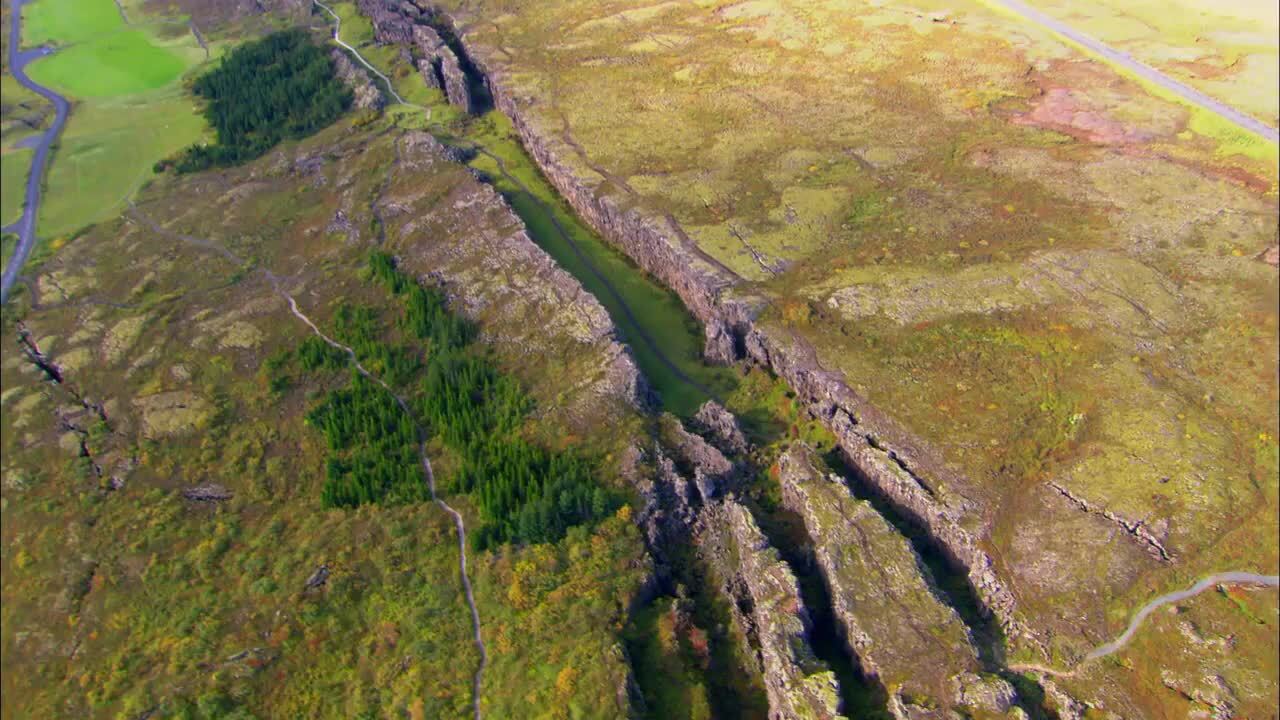
In The Story of Tectonic Plates Is the Story of Our Planet, geologist Iain Stewart explains how hot rock below the Earth’s surface causes tectonic plates and continents to both diverge and collide, creating landscapes like the bold rock face of the Thingvellir fissure in Iceland, and the 5-million-year-old mountains of New Zealand. Over millions of years, our continents have drifted apart from the supercontinent known as Pangaea, but the plates continue moving and the continents will once again converge in the future. This video is excerpted from BBC’s Earth: The Power of the Planet, a documentary series in which Dr. Iain Stewart discovers how Earth's forces can shape nature, species, and even the climate.
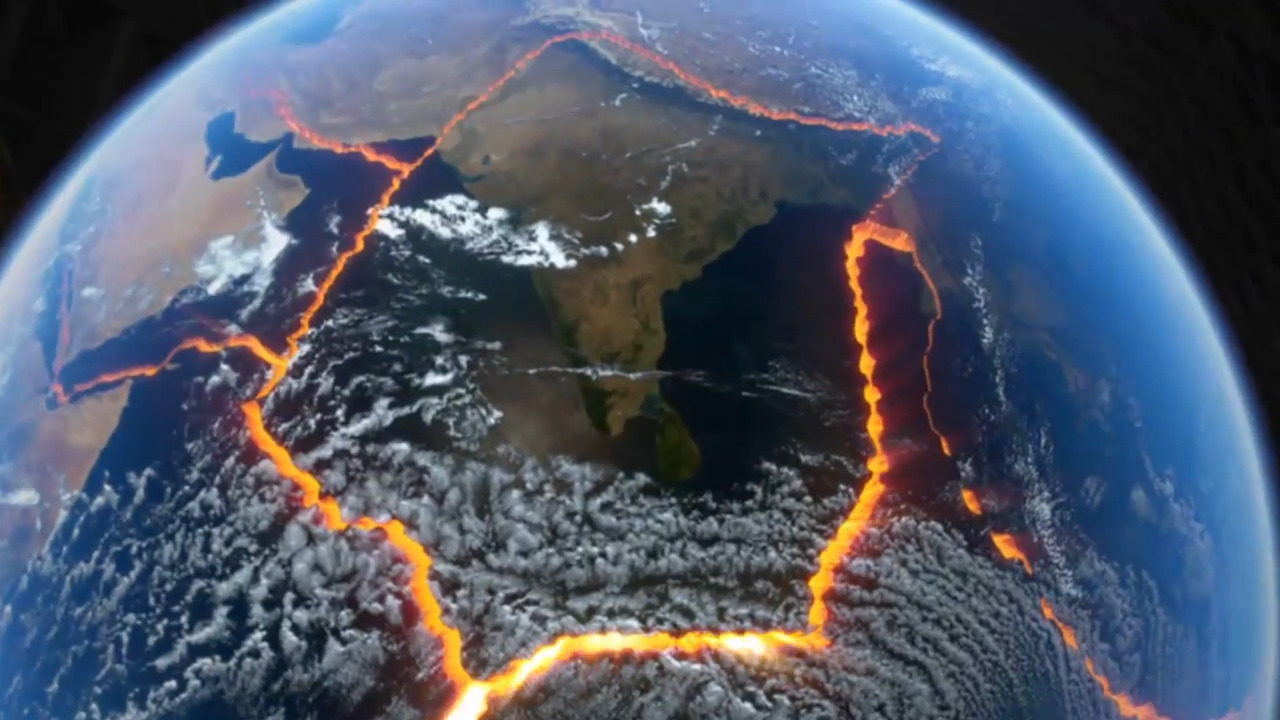
In On the Move, Tectonic Plates Continue to Shape Our World, narrator Richard Hammond describes how shifting tectonic plates are responsible for earthquakes and mountain ranges, and even the creation of new land. When plates collide, the land buckles and creates mountain ranges like the Alps and the Himalayas. Mount Everest, the highest peak on the planet, gets higher by two-tenths of an inch each year because the tectonic plates are still pushing together. This video is excerpted from BBC's Earth Machine, in which Richard Hammond goes to the center of the planet to find out how the Earth works.
In The Story of Tectonic Plates Is the Story of Our Planet, geologist Iain Stewart explains how hot rock below the Earth’s surface causes tectonic plates and continents to both diverge and collide, creating landscapes like the bold rock face of the Thingvellir fissure in Iceland, and the 5-million-year-old mountains of New Zealand. Over millions of years, our continents have drifted apart from the supercontinent known as Pangaea, but the plates continue moving and the continents will once again converge in the future. This video is excerpted from BBC’s Earth: The Power of the Planet, a documentary series in which Dr. Iain Stewart discovers how Earth's forces can shape nature, species, and even the climate.
In On the Move, Tectonic Plates Continue to Shape Our World, narrator Richard Hammond describes how shifting tectonic plates are responsible for earthquakes and mountain ranges, and even the creation of new land. When plates collide, the land buckles and creates mountain ranges like the Alps and the Himalayas. Mount Everest, the highest peak on the planet, gets higher by two-tenths of an inch each year because the tectonic plates are still pushing together. This video is excerpted from BBC's Earth Machine, in which Richard Hammond goes to the center of the planet to find out how the Earth works.