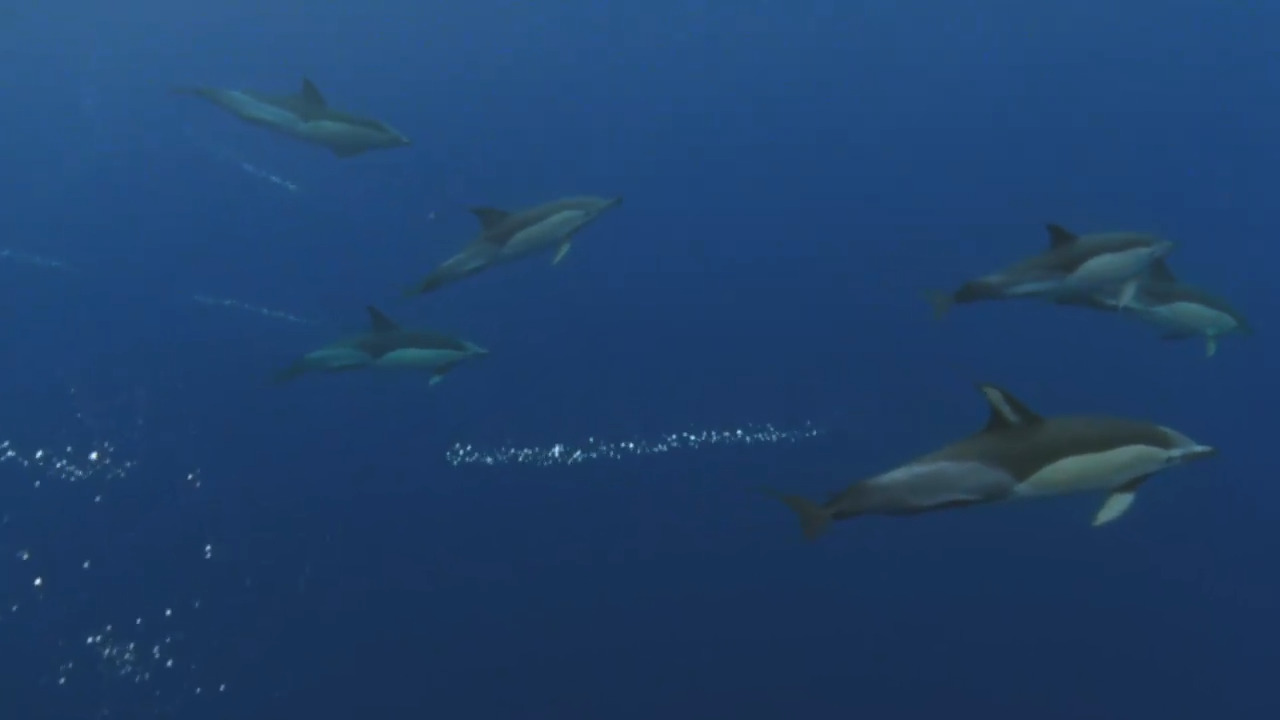
In Dolphin Schools and Cory’s Shearwater Are a Team Effort for Survival, narrator Sir David Attenborough captures an extraordinary sight of 500 dolphins leaping through the water and then hunting in coordination with Cory’s shearwaters — seabirds in the waters around the Azores, volcanic islands located 1,000 miles west of Portugal. The dolphins use teamwork to herd schools of mackerel toward the water's surface, where the fish become easy prey for the diving shearwaters. This video is excerpted from BBC’s Planet Earth, a breathtaking documentary series that highlights the natural wonders of our planet.
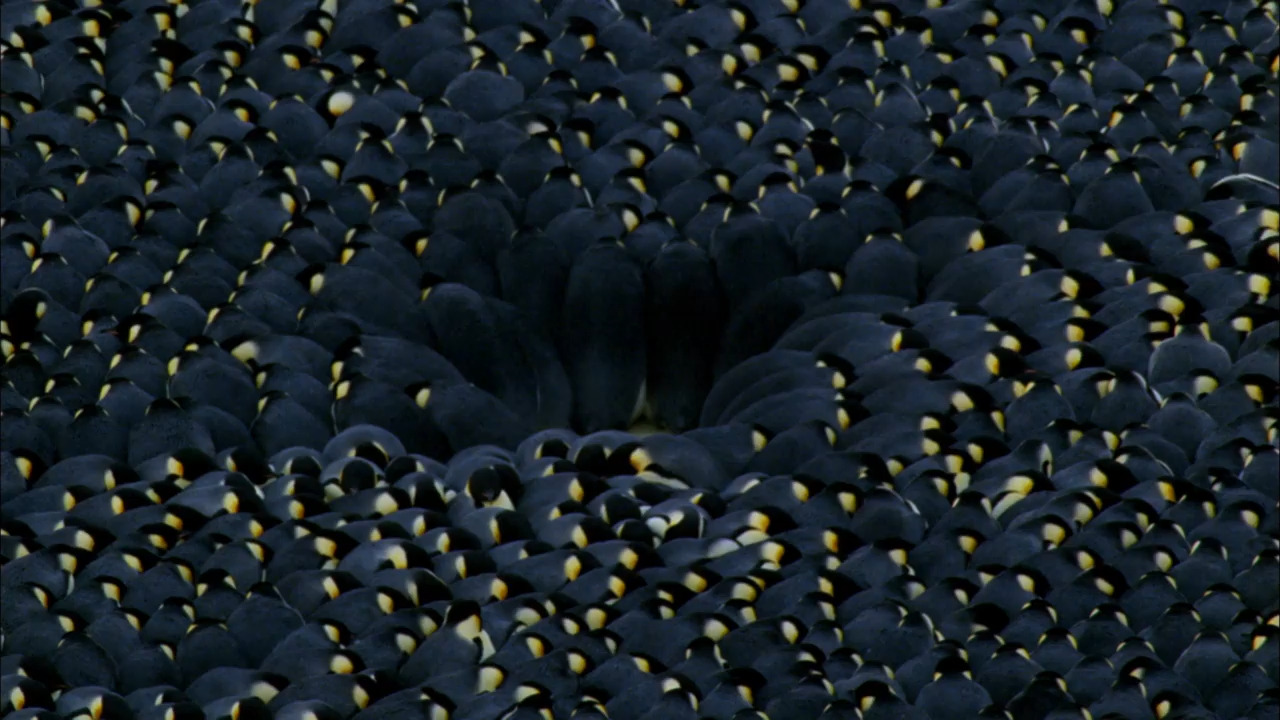
In The Winter Survival Strategies of Male Emperor Penguins, narrator Sir David Attenborough details the incredible survival strategies of male emperor penguins during the harsh Antarctic winter. After the females leave, the males form tightly packed groups to protect their eggs from the extreme cold. Facing brutal conditions, the penguins huddle together, constantly shifting to ensure everyone has a chance to stay warm. This video is excerpted from BBC’s Planet Earth, a breathtaking documentary series that highlights the natural wonders of our planet.
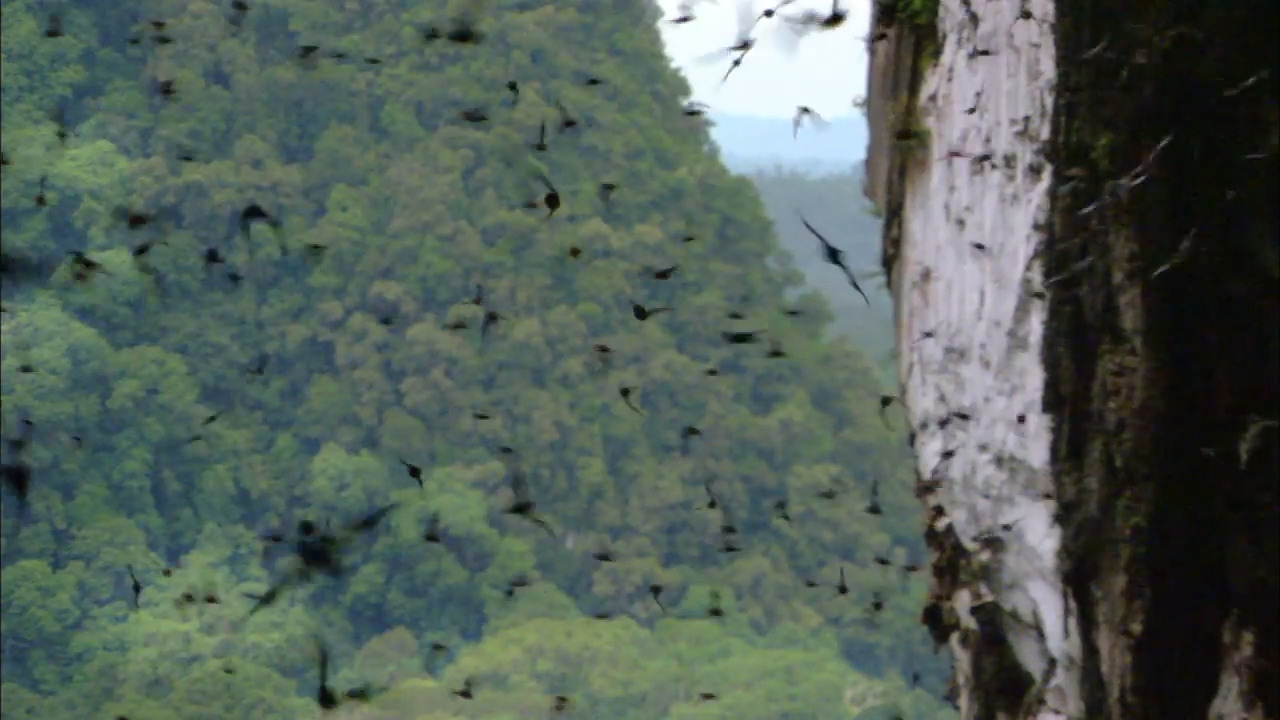
In Bats' A Nightly Journey of Survival, narrator Sir David Attenborough explores the nightly journey of three million bats as they leave their cave to hunt for insects. The bats face many challenges, including evading predatory birds such as rufous-bellied eagles, falcons, and black hawks. Despite these dangers, most bats return safely to their cave by morning. This video is excerpted from BBC’s Planet Earth, a breathtaking documentary series that highlights the natural wonders of our planet.
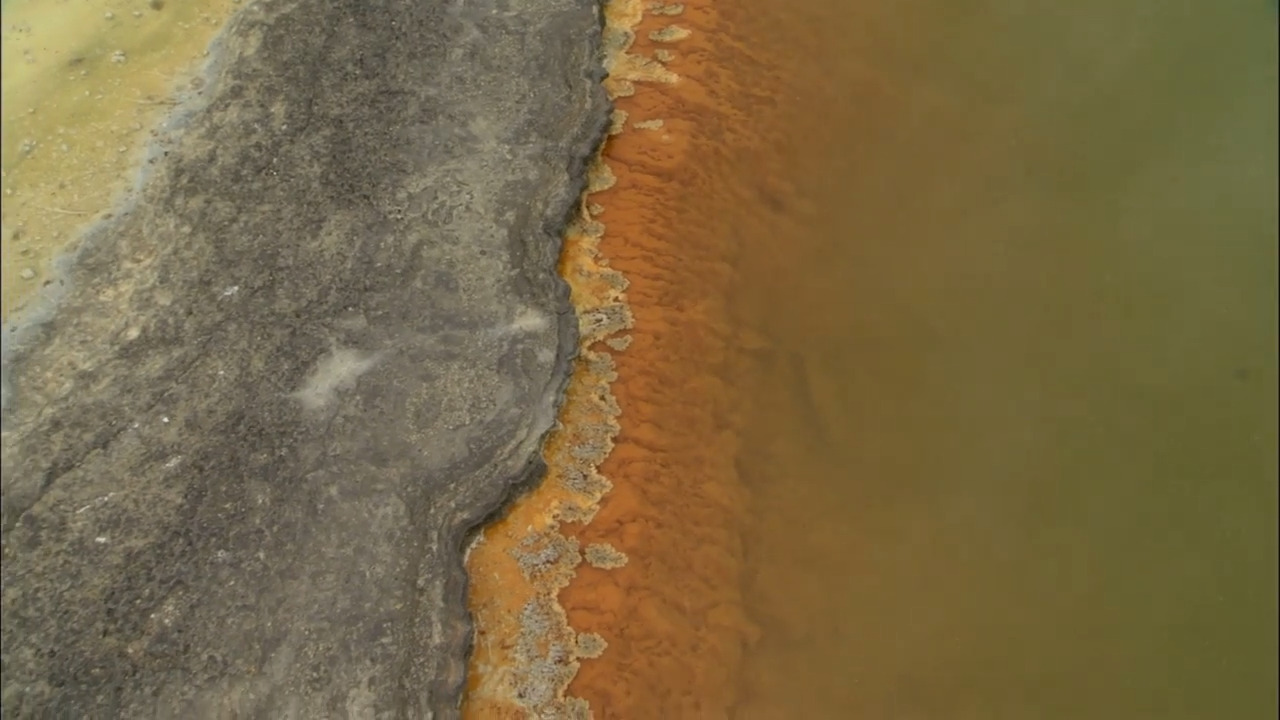
In Why CO₂ Is Crucial for Our Planet's Survival, geologist Iain Stewart explains how carbon dioxide is essential for life on Earth. Without enough, planets like Mars are freezing cold, while Venus is scorching hot because it has too much. Early volcanoes released carbon dioxide that helped keep the planet warm enough for life to evolve. Yet, scientists have discovered evidence of a catastrophic "Snowball Earth" event 700 million years ago, where the planet may have been completely frozen, as shown by mysterious drop stones found in Namibia. This video is excerpted from BBC’s Earth: The Power of the Planet, a documentary series in which Dr. Iain Stewart discovers how Earth's forces can shape nature, species, and even the climate.
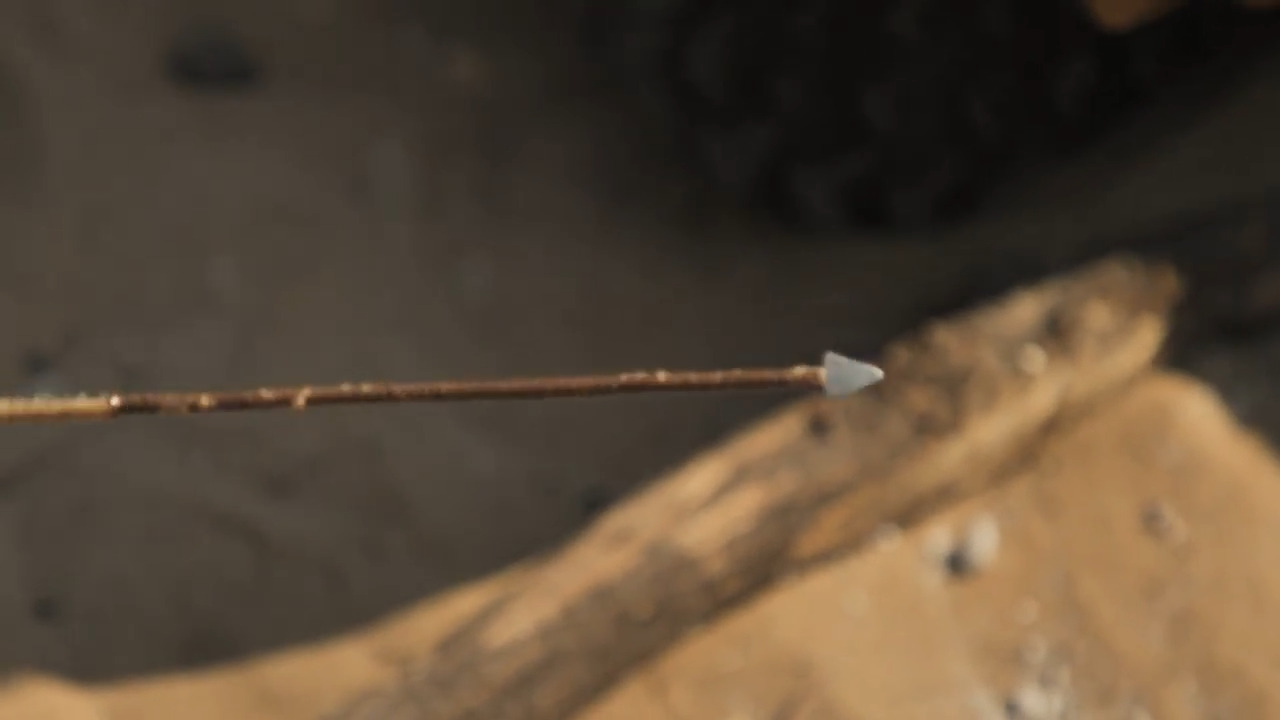
In Hunting With the Masters: The Art of Survival in Deniui, host Simon Reeve visits a remote village in Deniui, Namibia, where some of the world’s last expert wildlife hunters live. The locals welcome Simon and teach him survival skills, like digging deep into the sand to find poisonous beetle larvae. He watches as they craft toxic darts for hunting, a skill passed down to young men as a vital part of providing for their families. This video is excerpted from BBC’s Wilderness With Simon Reeve, an epic adventure into the heart of Earth’s last great wild areas, where nature is at its most beautiful and fragile.
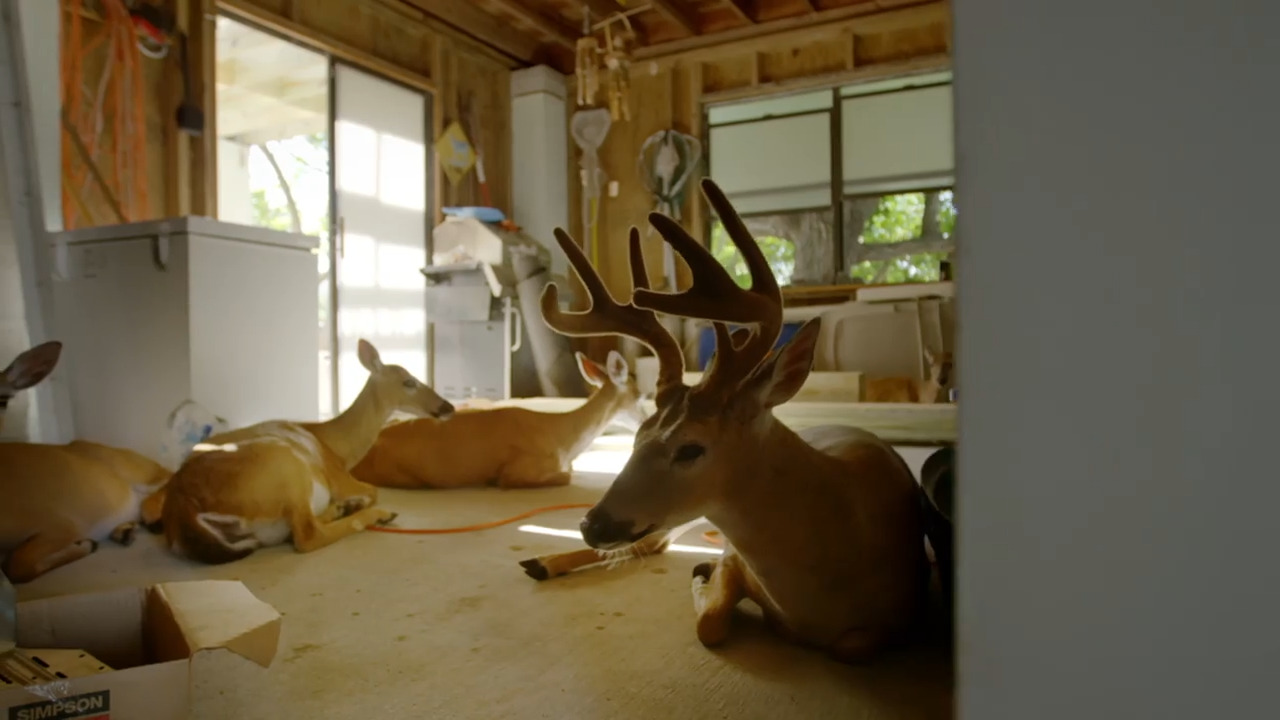
In One Deer Species' "Key" to Survival this smaller subspecies of white-tailed deer survived the devastating effects of Hurricane Irma by moving in closer to human habitats. But will this help or hurt the deer in the long run? This video is excerpted from BBC's Natural World: Florida - America's Animal Paradise, a series displaying Florida’s diverse wildlife and its resilience against increasing environmental threats.
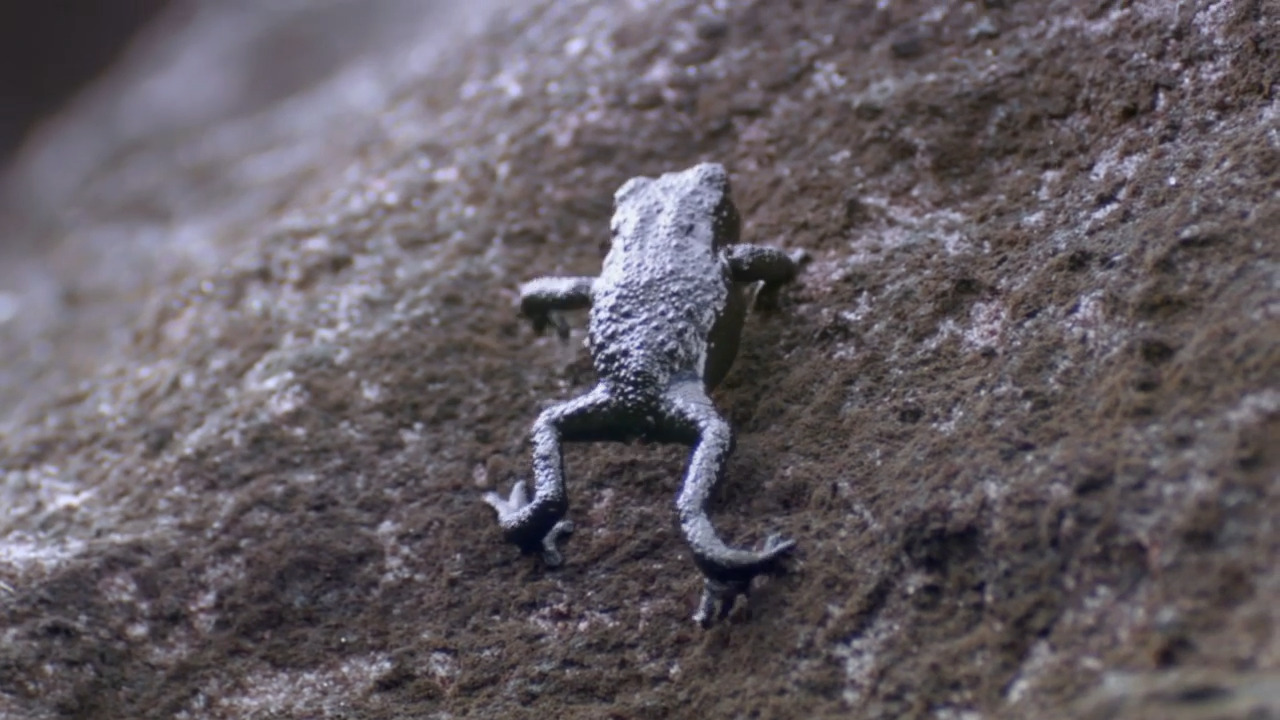
In The Pebble Toad’s Survival Tactic, narrator Sir David Attenborough introduces the tiny pebble toad from Venezuela that's smaller than a stamp! Living high in the rocks, it faces a unique danger — a toad-eating tarantula. Like the waterfall toad, the pebble toad can’t jump far enough to escape, so it uses a clever trick: it free-falls down the rocks, making its body stiff like a rubber ball, bouncing safely to the ground! This video is excerpted from BBC's Life, a show that explores the remarkable strategies animals and plants use to ensure their survival.
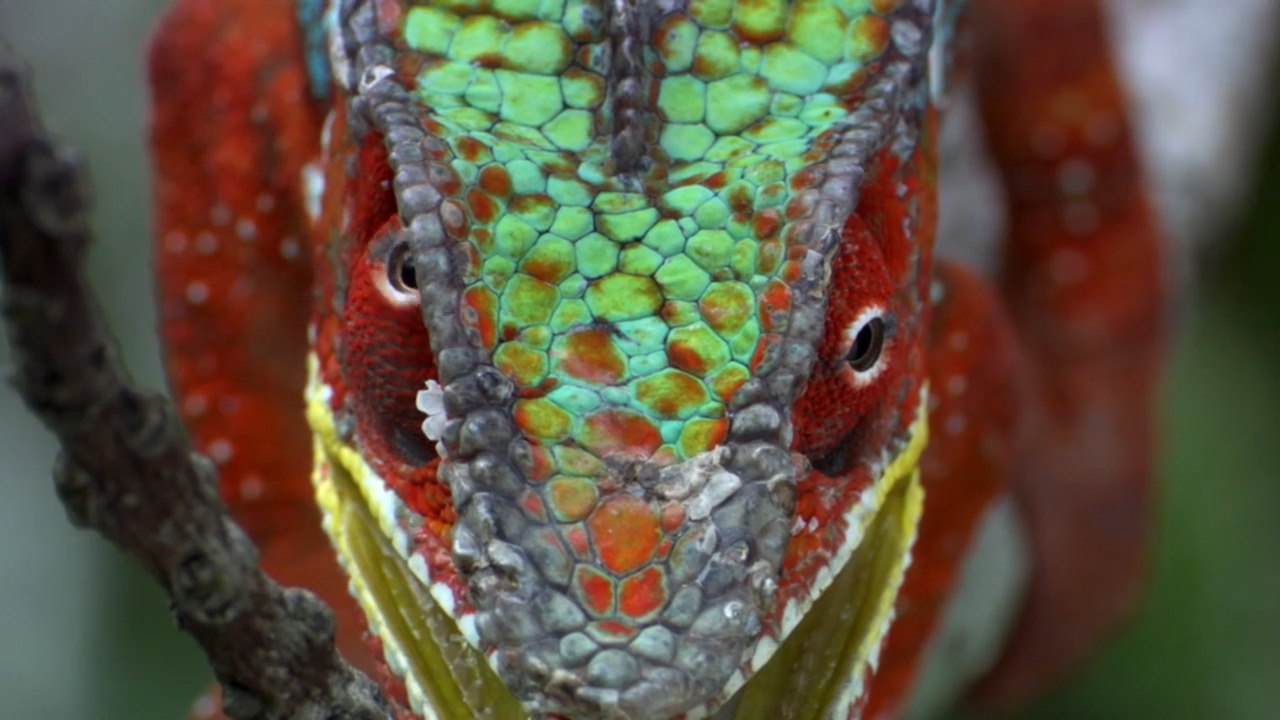
In The Panther Chameleon’s Survival Skills, narrator Sir David Attenborough looks at the amazing panther chameleon and how it has adapted to survive. This chameleon uses its long, fast tongue like a missile to catch insects, and its toes act like pincers to grip branches. Its eyes rotate in all directions, and its skin changes color to blend in with its surroundings, helping it thrive and hunt in the jungles of Madagascar. This video is excerpted from BBC's Life, a show that explores the remarkable strategies animals and plants use to ensure their survival.
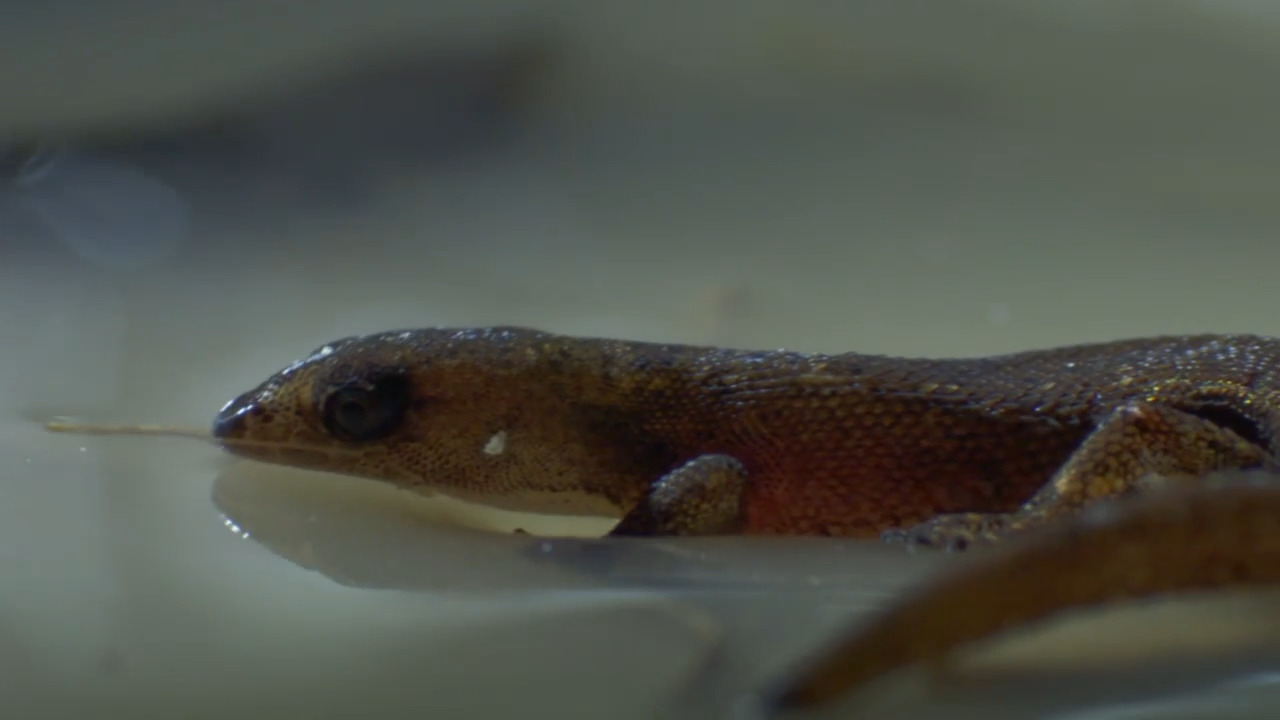
In A Gecko’s Survival Tale, narrator Sir David Attenborough introduces the Brazilian pygmy gecko, a rainforest creature so tiny it could rest on your fingertip! This speedy little gecko has amazing survival tricks, like hydrophobic skin that keeps it dry and the ability to stand on water. Even in the face of a rainstorm, this gecko’s lightweight and clever moves help it thrive in its wild and watery home. This video is excerpted from BBC's Life, a show that explores the remarkable strategies animals and plants use to ensure their survival.
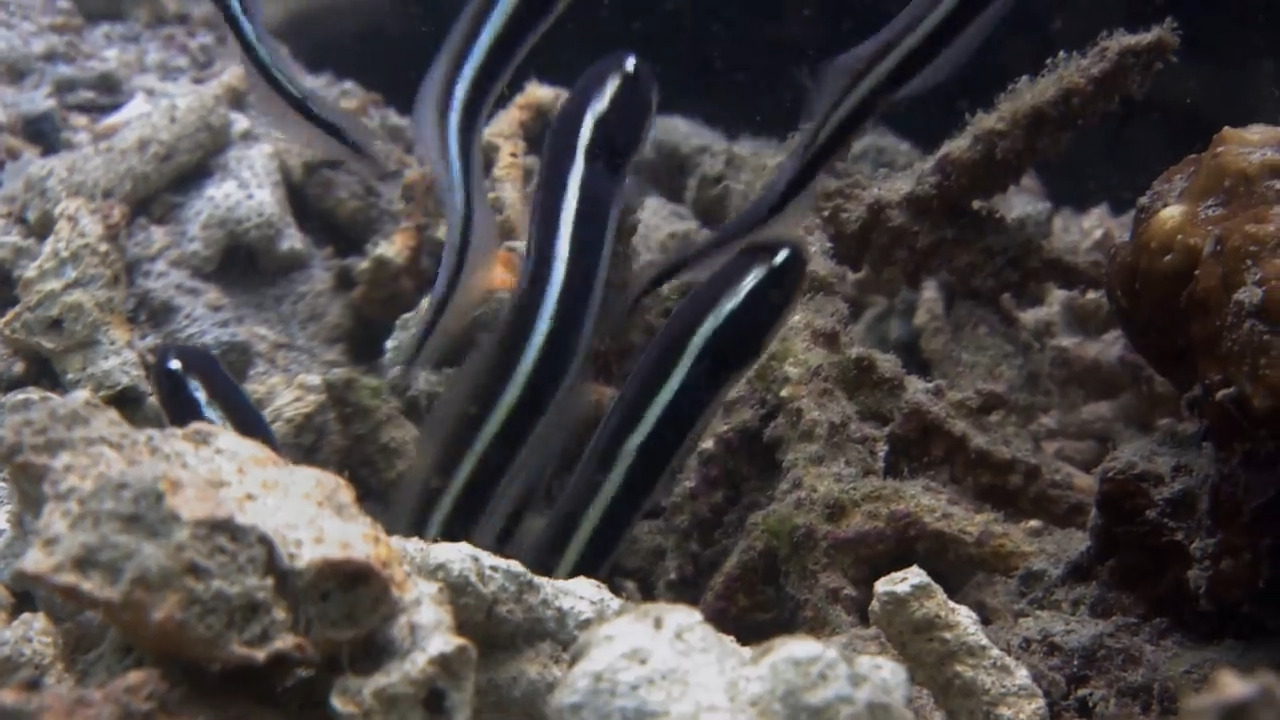
In The Amazing Story of Convict Fish Survival, narrator Sir David Attenborough ventures deep in the southwestern Pacific Ocean, where the convict fish has a mysterious and puzzling life. The adults never leave their mazelike burrow under the sand, while thousands of baby convict fish swarm out to gather plankton. Scientists believe the youngsters might feed the adults in return for a safe place to live, but the truth behind their teamwork remains a fascinating mystery! This video is excerpted from BBC's Life, a show that explores the remarkable strategies animals and plants use to ensure their survival.
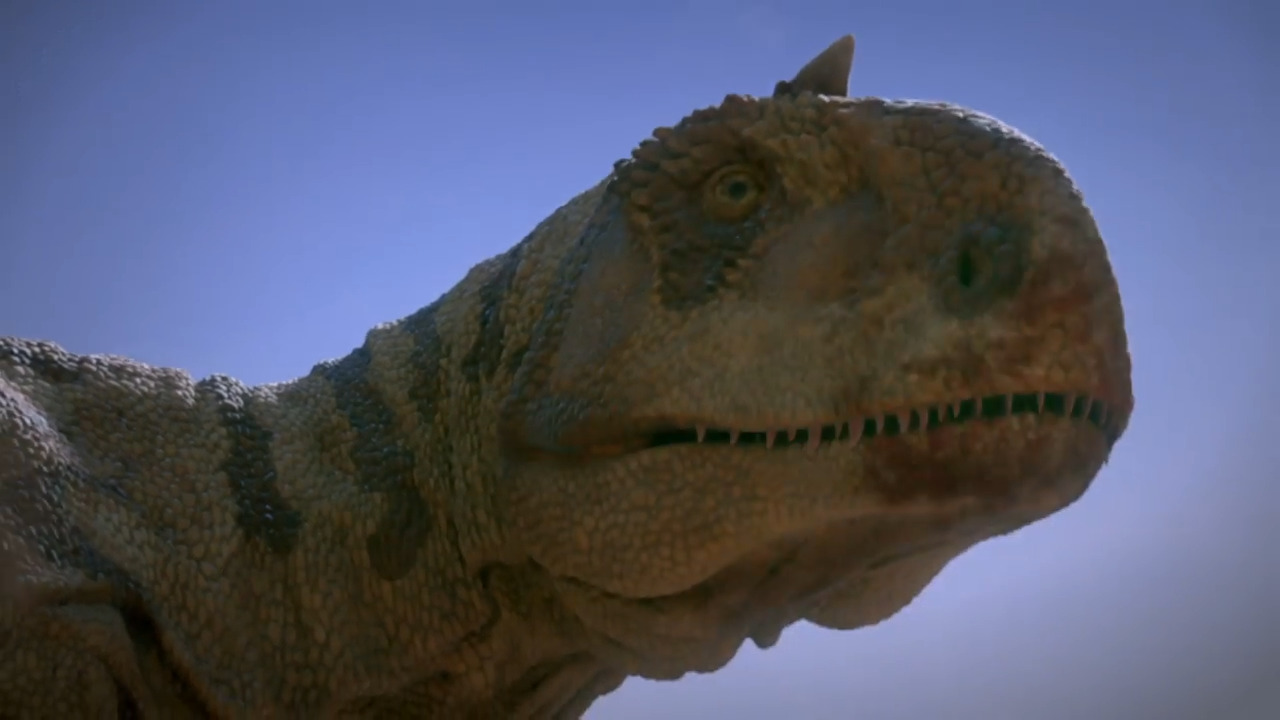
In The Survival of Majungasaurus, naturalist Steve Backshall details the lengths that this type of dinosaur had to go to in order to survive, including cannibalism.This video is excerpted from BBC’s Deadly Dinosaurs, a documentary series in which host Steve Backshall is on the hunt for the deadliest animals to have walked the Earth — dinosaurs — exploring features of several species and putting their abilities to the test to reveal the raw power of these creatures.
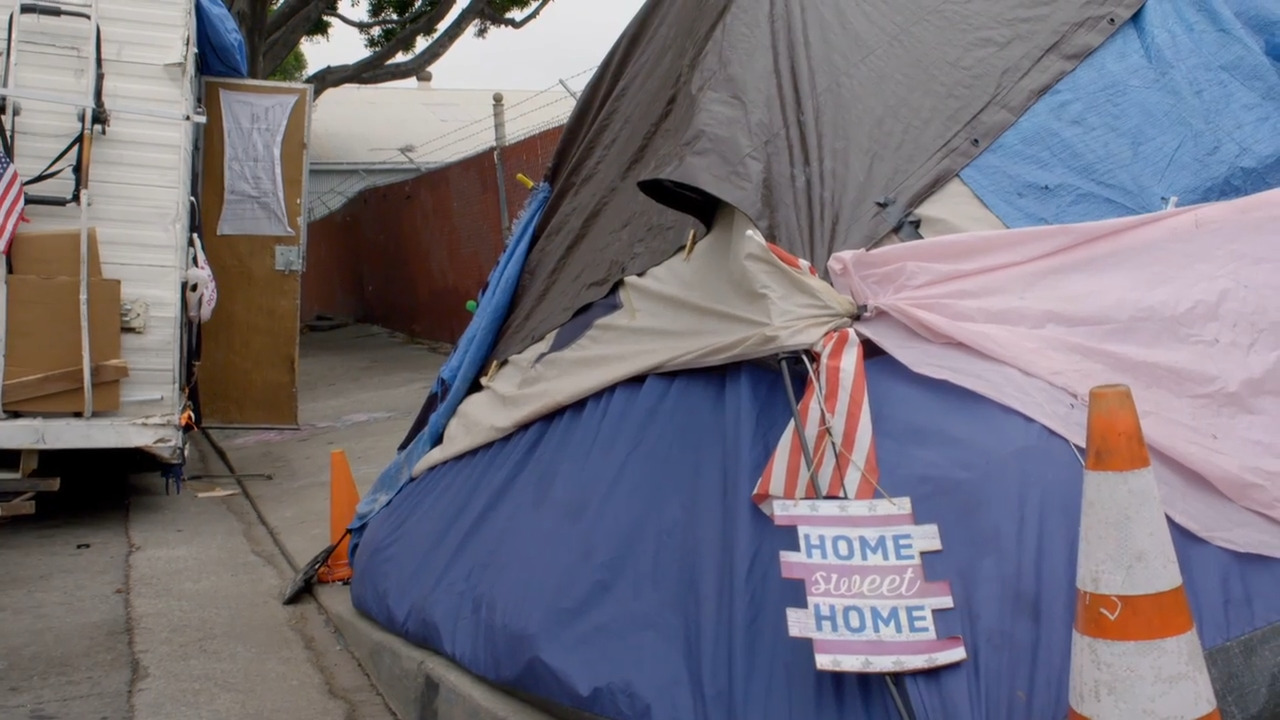
In The Struggle for Housing and Survival in Los Angeles, host Simon Reeve witnesses the homelessness crisis in Los Angeles, where over 45,000 people live on the streets. With the cost of living skyrocketing and a lack of affordable housing, he meets street medics who provide care to those living in makeshift shelters. Simon also meets Amy, a “rough sleeper,” who shares the challenges of escaping homelessness despite the moral judgments people face. This video is excerpted from BBC’s The Americas With Simon Reeve, in which Simon Reeve explores the landscapes, cultures, and wildlife of North and South America.
In Dolphin Schools and Cory’s Shearwater Are a Team Effort for Survival, narrator Sir David Attenborough captures an extraordinary sight of 500 dolphins leaping through the water and then hunting in coordination with Cory’s shearwaters — seabirds in the waters around the Azores, volcanic islands located 1,000 miles west of Portugal. The dolphins use teamwork to herd schools of mackerel toward the water's surface, where the fish become easy prey for the diving shearwaters. This video is excerpted from BBC’s Planet Earth, a breathtaking documentary series that highlights the natural wonders of our planet.
In The Winter Survival Strategies of Male Emperor Penguins, narrator Sir David Attenborough details the incredible survival strategies of male emperor penguins during the harsh Antarctic winter. After the females leave, the males form tightly packed groups to protect their eggs from the extreme cold. Facing brutal conditions, the penguins huddle together, constantly shifting to ensure everyone has a chance to stay warm. This video is excerpted from BBC’s Planet Earth, a breathtaking documentary series that highlights the natural wonders of our planet.
In Bats' A Nightly Journey of Survival, narrator Sir David Attenborough explores the nightly journey of three million bats as they leave their cave to hunt for insects. The bats face many challenges, including evading predatory birds such as rufous-bellied eagles, falcons, and black hawks. Despite these dangers, most bats return safely to their cave by morning. This video is excerpted from BBC’s Planet Earth, a breathtaking documentary series that highlights the natural wonders of our planet.
In Why CO₂ Is Crucial for Our Planet's Survival, geologist Iain Stewart explains how carbon dioxide is essential for life on Earth. Without enough, planets like Mars are freezing cold, while Venus is scorching hot because it has too much. Early volcanoes released carbon dioxide that helped keep the planet warm enough for life to evolve. Yet, scientists have discovered evidence of a catastrophic "Snowball Earth" event 700 million years ago, where the planet may have been completely frozen, as shown by mysterious drop stones found in Namibia. This video is excerpted from BBC’s Earth: The Power of the Planet, a documentary series in which Dr. Iain Stewart discovers how Earth's forces can shape nature, species, and even the climate.
In Hunting With the Masters: The Art of Survival in Deniui, host Simon Reeve visits a remote village in Deniui, Namibia, where some of the world’s last expert wildlife hunters live. The locals welcome Simon and teach him survival skills, like digging deep into the sand to find poisonous beetle larvae. He watches as they craft toxic darts for hunting, a skill passed down to young men as a vital part of providing for their families. This video is excerpted from BBC’s Wilderness With Simon Reeve, an epic adventure into the heart of Earth’s last great wild areas, where nature is at its most beautiful and fragile.
In One Deer Species' "Key" to Survival this smaller subspecies of white-tailed deer survived the devastating effects of Hurricane Irma by moving in closer to human habitats. But will this help or hurt the deer in the long run? This video is excerpted from BBC's Natural World: Florida - America's Animal Paradise, a series displaying Florida’s diverse wildlife and its resilience against increasing environmental threats.
In The Pebble Toad’s Survival Tactic, narrator Sir David Attenborough introduces the tiny pebble toad from Venezuela that's smaller than a stamp! Living high in the rocks, it faces a unique danger — a toad-eating tarantula. Like the waterfall toad, the pebble toad can’t jump far enough to escape, so it uses a clever trick: it free-falls down the rocks, making its body stiff like a rubber ball, bouncing safely to the ground! This video is excerpted from BBC's Life, a show that explores the remarkable strategies animals and plants use to ensure their survival.
In The Panther Chameleon’s Survival Skills, narrator Sir David Attenborough looks at the amazing panther chameleon and how it has adapted to survive. This chameleon uses its long, fast tongue like a missile to catch insects, and its toes act like pincers to grip branches. Its eyes rotate in all directions, and its skin changes color to blend in with its surroundings, helping it thrive and hunt in the jungles of Madagascar. This video is excerpted from BBC's Life, a show that explores the remarkable strategies animals and plants use to ensure their survival.
In A Gecko’s Survival Tale, narrator Sir David Attenborough introduces the Brazilian pygmy gecko, a rainforest creature so tiny it could rest on your fingertip! This speedy little gecko has amazing survival tricks, like hydrophobic skin that keeps it dry and the ability to stand on water. Even in the face of a rainstorm, this gecko’s lightweight and clever moves help it thrive in its wild and watery home. This video is excerpted from BBC's Life, a show that explores the remarkable strategies animals and plants use to ensure their survival.
In The Amazing Story of Convict Fish Survival, narrator Sir David Attenborough ventures deep in the southwestern Pacific Ocean, where the convict fish has a mysterious and puzzling life. The adults never leave their mazelike burrow under the sand, while thousands of baby convict fish swarm out to gather plankton. Scientists believe the youngsters might feed the adults in return for a safe place to live, but the truth behind their teamwork remains a fascinating mystery! This video is excerpted from BBC's Life, a show that explores the remarkable strategies animals and plants use to ensure their survival.
In The Survival of Majungasaurus, naturalist Steve Backshall details the lengths that this type of dinosaur had to go to in order to survive, including cannibalism.This video is excerpted from BBC’s Deadly Dinosaurs, a documentary series in which host Steve Backshall is on the hunt for the deadliest animals to have walked the Earth — dinosaurs — exploring features of several species and putting their abilities to the test to reveal the raw power of these creatures.
In The Struggle for Housing and Survival in Los Angeles, host Simon Reeve witnesses the homelessness crisis in Los Angeles, where over 45,000 people live on the streets. With the cost of living skyrocketing and a lack of affordable housing, he meets street medics who provide care to those living in makeshift shelters. Simon also meets Amy, a “rough sleeper,” who shares the challenges of escaping homelessness despite the moral judgments people face. This video is excerpted from BBC’s The Americas With Simon Reeve, in which Simon Reeve explores the landscapes, cultures, and wildlife of North and South America.