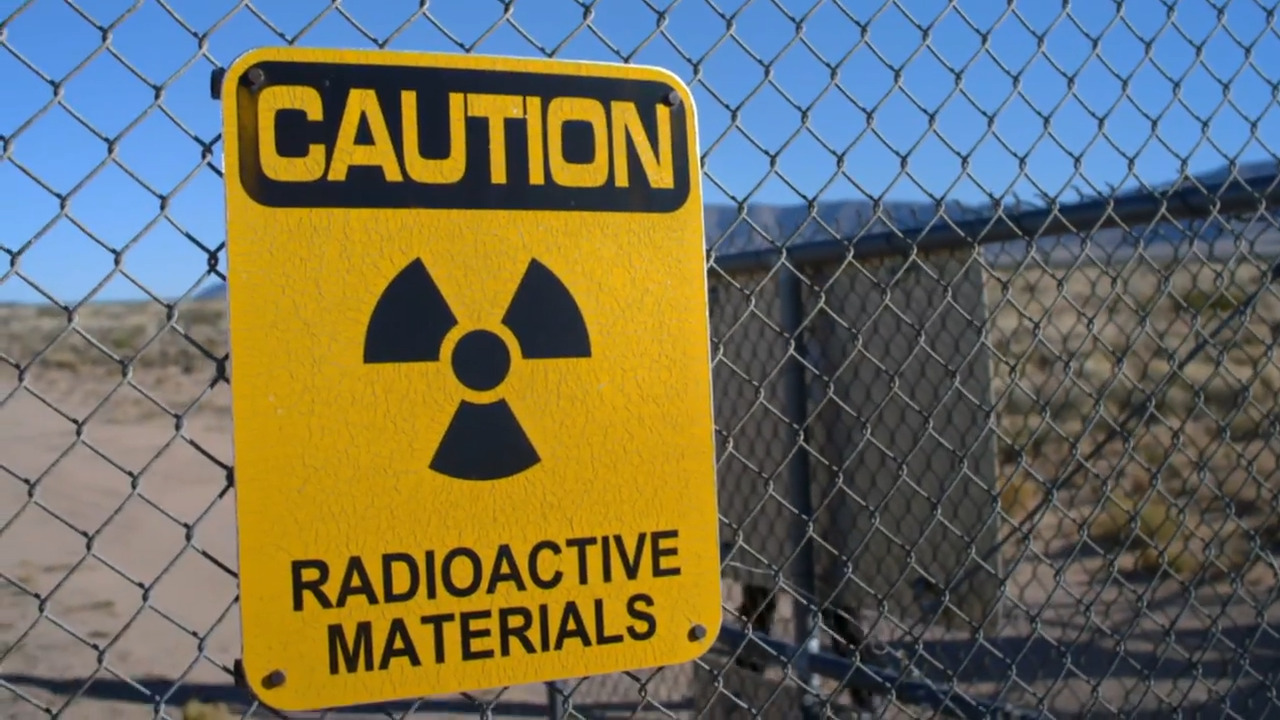
In The Radioactive Secret of the Stars, narrator Kate Yule explains how Einstein discovered that nuclear fusion within stars creates energy. Learn how harnessing this energy led to the creation of nuclear power and nuclear weapons. This video is excerpted from BBC’s Einstein & Hawking: Masters of Our Universe, a mind-bending documentary that tells the story of how the two most famous scientists of the 20th Century transformed our understanding of the Universe and changed the world.
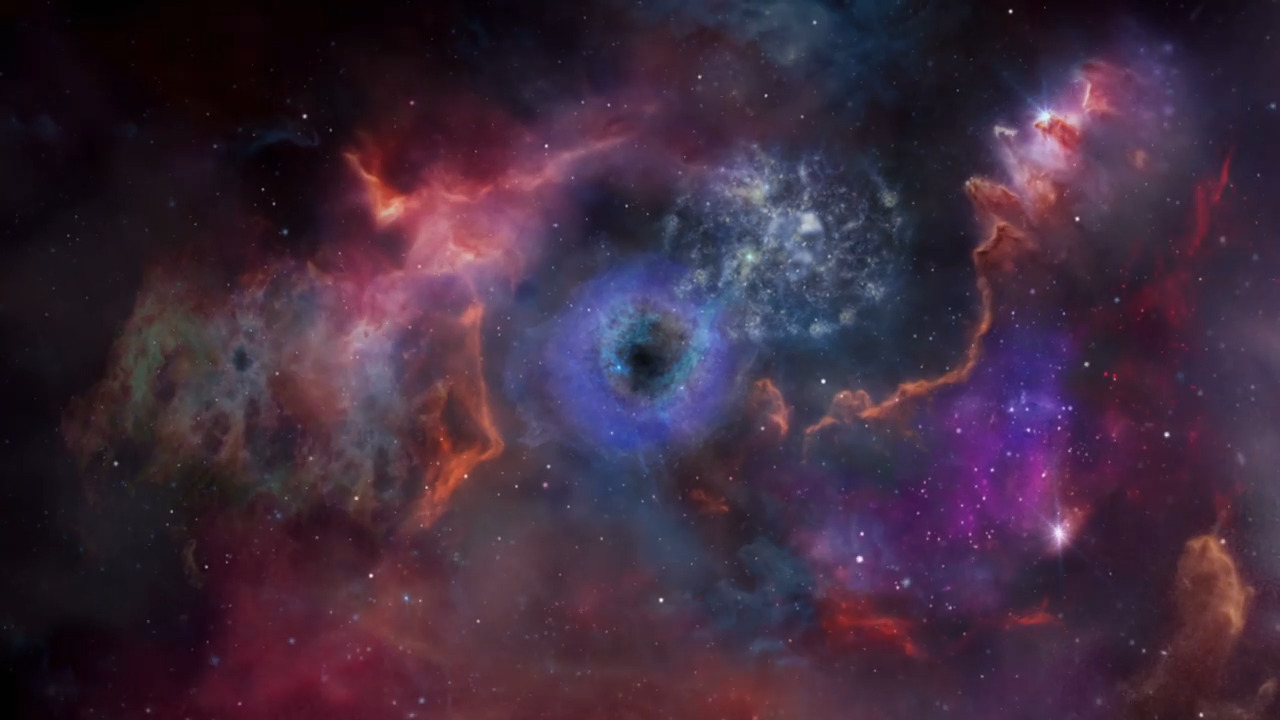
In The Death of Stars, narrator Kate Yule explores how stars reach the end of their lives and can no longer fight against their own gravity. Some stars expand, whereas giant stars contract to form black holes, invisible to telescopes. Learn how Jocelyn Bell Burnell built a new telescope which detected pulsars, which emit no visible light, but send out radio waves. This video is excerpted from BBC’s Einstein & Hawking: Masters of Our Universe, a mind-bending documentary that tells the story of how the two most famous scientists of the 20th Century transformed our understanding of the Universe and changed the world.
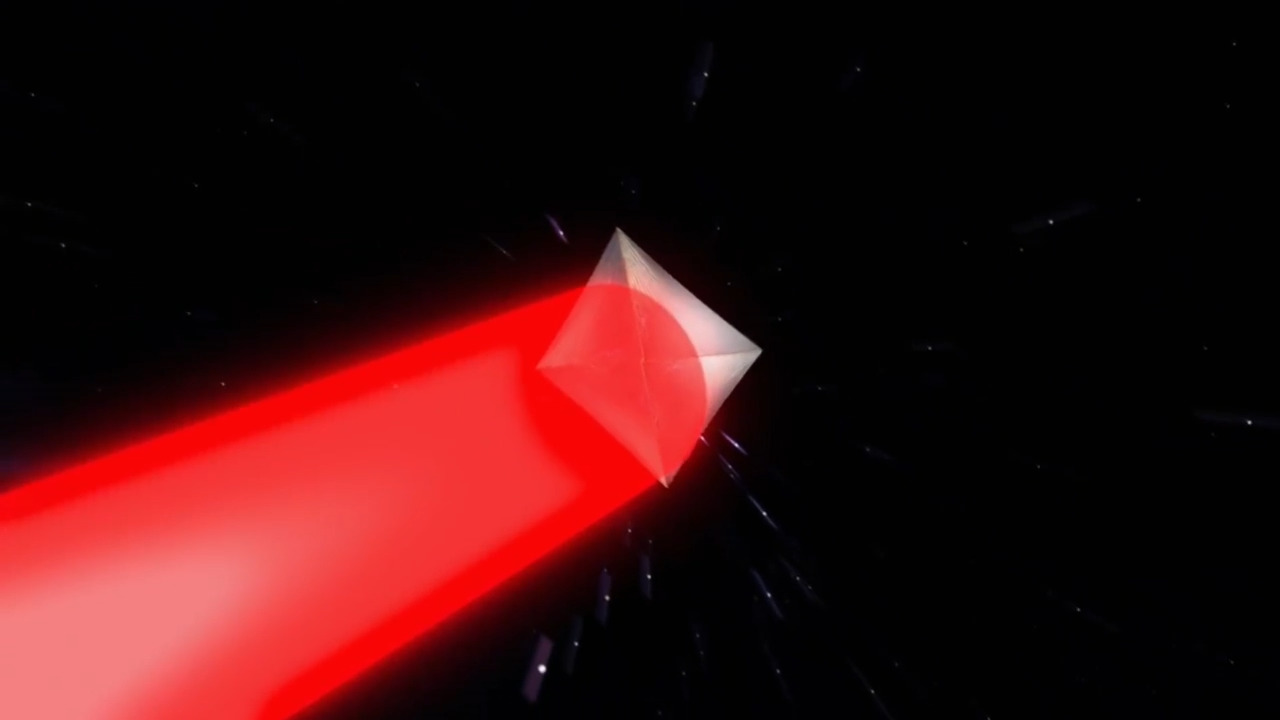
In Traveling at the Speed of Light, narrator Kate Yule describes how Einstein's theory could allow humans to explore the cosmos, but to do so would involve traveling at the speed of light. Learn about Stephen Hawking’s Breakthrough Starshot, which aimed to develop a spaceship that could do just that. Zac Manchester from Stanford University has continued these efforts and developed sprites, which are tiny spacecraft that travel at a speed of 20% of the speed of light. This video is excerpted from BBC’s Einstein & Hawking: Masters of Our Universe, a mind-bending documentary that tells the story of how the two most famous scientists of the 20th Century transformed our understanding of the Universe and changed the world.
“Shoot for the Moon — if you miss, you’ll land among the stars,” won’t cut it for NASA, who says “Nah, Moon or bust.”
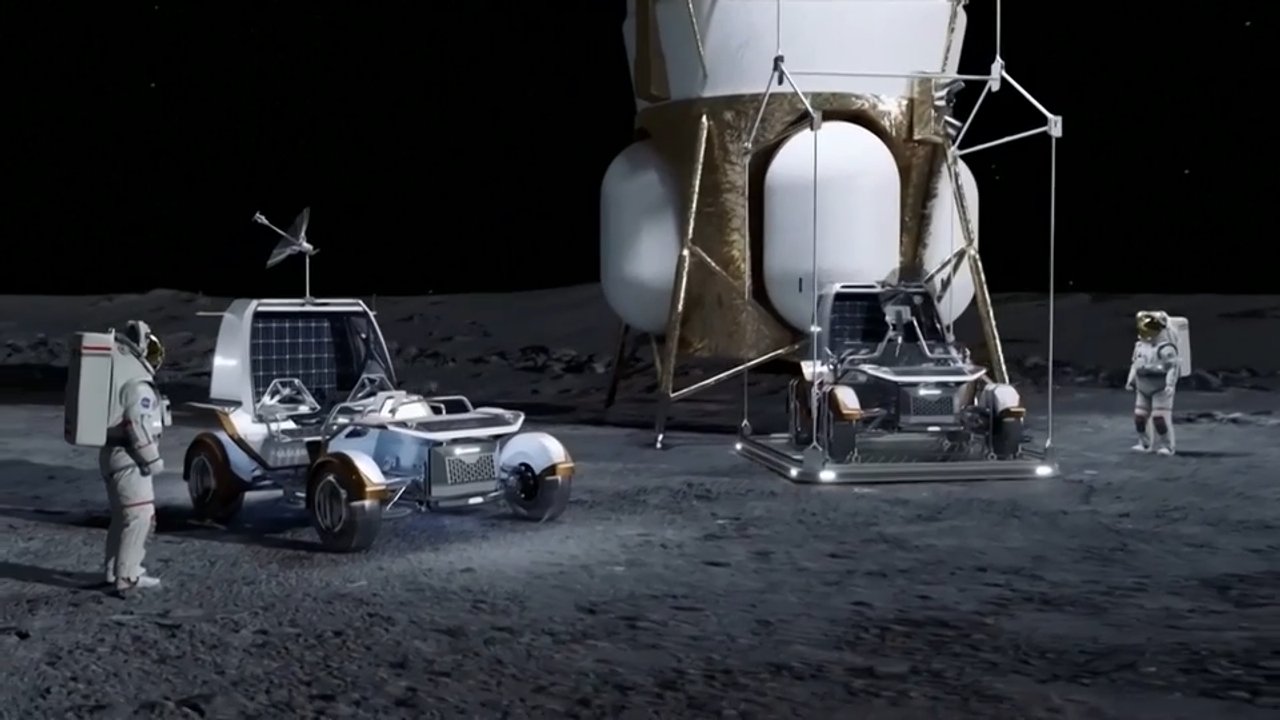
NASA’s got big plans, and their names are Moonbase 1, 2, and 3. They were too busy working on the science to put more into the names, okay? Moonbase 1 will be the first privately-funded lander to reach the lunar south pole, Moonbase 2 will deliver a record amount of equipment that would support astronauts at a lunar base, and Moonbase 3 will focus on gathering research and data.
But these are just glimpses of NASA’s lunar ambitions, namely to put a base on the Moon. It starts with sending dozens of rovers and lunar landers to scope out the perfect spot, followed by building small cabins for short missions, and then building larger structures sustained by nuclear power for the long term. That’s not until 2033, but NASA wants to send astronauts back to the lunar surface by 2028.
In The Radioactive Secret of the Stars, narrator Kate Yule explains how Einstein discovered that nuclear fusion within stars creates energy. Learn how harnessing this energy led to the creation of nuclear power and nuclear weapons. This video is excerpted from BBC’s Einstein & Hawking: Masters of Our Universe, a mind-bending documentary that tells the story of how the two most famous scientists of the 20th Century transformed our understanding of the Universe and changed the world.
In The Death of Stars, narrator Kate Yule explores how stars reach the end of their lives and can no longer fight against their own gravity. Some stars expand, whereas giant stars contract to form black holes, invisible to telescopes. Learn how Jocelyn Bell Burnell built a new telescope which detected pulsars, which emit no visible light, but send out radio waves. This video is excerpted from BBC’s Einstein & Hawking: Masters of Our Universe, a mind-bending documentary that tells the story of how the two most famous scientists of the 20th Century transformed our understanding of the Universe and changed the world.
In Traveling at the Speed of Light, narrator Kate Yule describes how Einstein's theory could allow humans to explore the cosmos, but to do so would involve traveling at the speed of light. Learn about Stephen Hawking’s Breakthrough Starshot, which aimed to develop a spaceship that could do just that. Zac Manchester from Stanford University has continued these efforts and developed sprites, which are tiny spacecraft that travel at a speed of 20% of the speed of light. This video is excerpted from BBC’s Einstein & Hawking: Masters of Our Universe, a mind-bending documentary that tells the story of how the two most famous scientists of the 20th Century transformed our understanding of the Universe and changed the world.
“Shoot for the Moon — if you miss, you’ll land among the stars,” won’t cut it for NASA, who says “Nah, Moon or bust.”
NASA’s got big plans, and their names are Moonbase 1, 2, and 3. They were too busy working on the science to put more into the names, okay? Moonbase 1 will be the first privately-funded lander to reach the lunar south pole, Moonbase 2 will deliver a record amount of equipment that would support astronauts at a lunar base, and Moonbase 3 will focus on gathering research and data.
But these are just glimpses of NASA’s lunar ambitions, namely to put a base on the Moon. It starts with sending dozens of rovers and lunar landers to scope out the perfect spot, followed by building small cabins for short missions, and then building larger structures sustained by nuclear power for the long term. That’s not until 2033, but NASA wants to send astronauts back to the lunar surface by 2028.