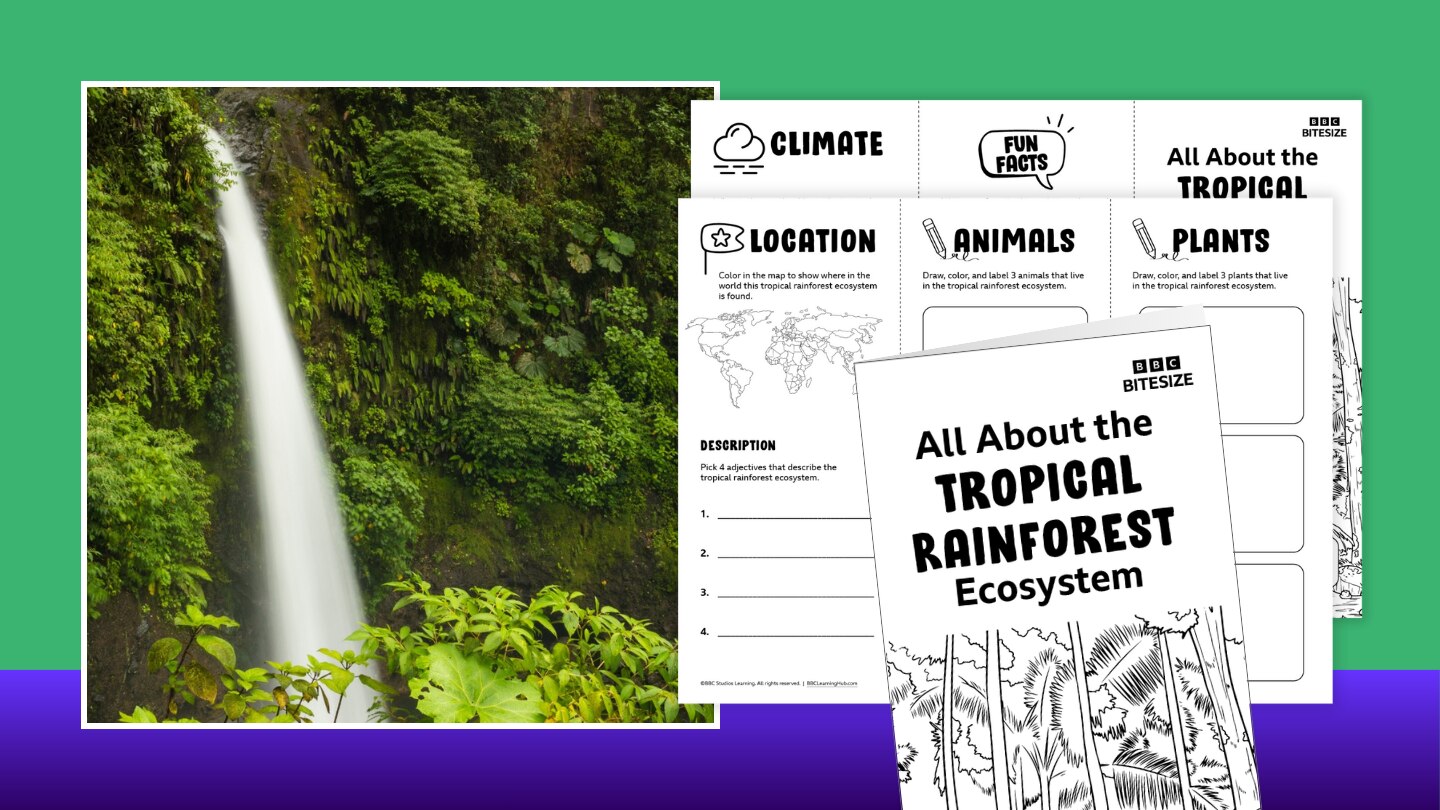
Guide your students on a hike through the tropical rainforest ecosystem! From the Amazon in South America to the jungles of Southeast Asia, rainforests are full of unique and amazing species.
✨ Perfect for grades 3–8, here’s what you need to bring ecosystems to life:
- Iconic BBC Videos: Share the clips on this page to introduce the location, plants, animals, and climate of the rainforest. (Don't miss the spider monkeys and waterfall toads!) Brought to you by world-class BBC programs like Planet Earth, Deadly 60, Seven Worlds, One Planet, and Life.
- Free Printable: Use the Tropical Rainforest Brochure Template to help students pull it all together in an ecosystem report with facts they’ve learned (and a little extra research).
It’s everything you need to make ecosystems easy to teach and truly memorable for your students.
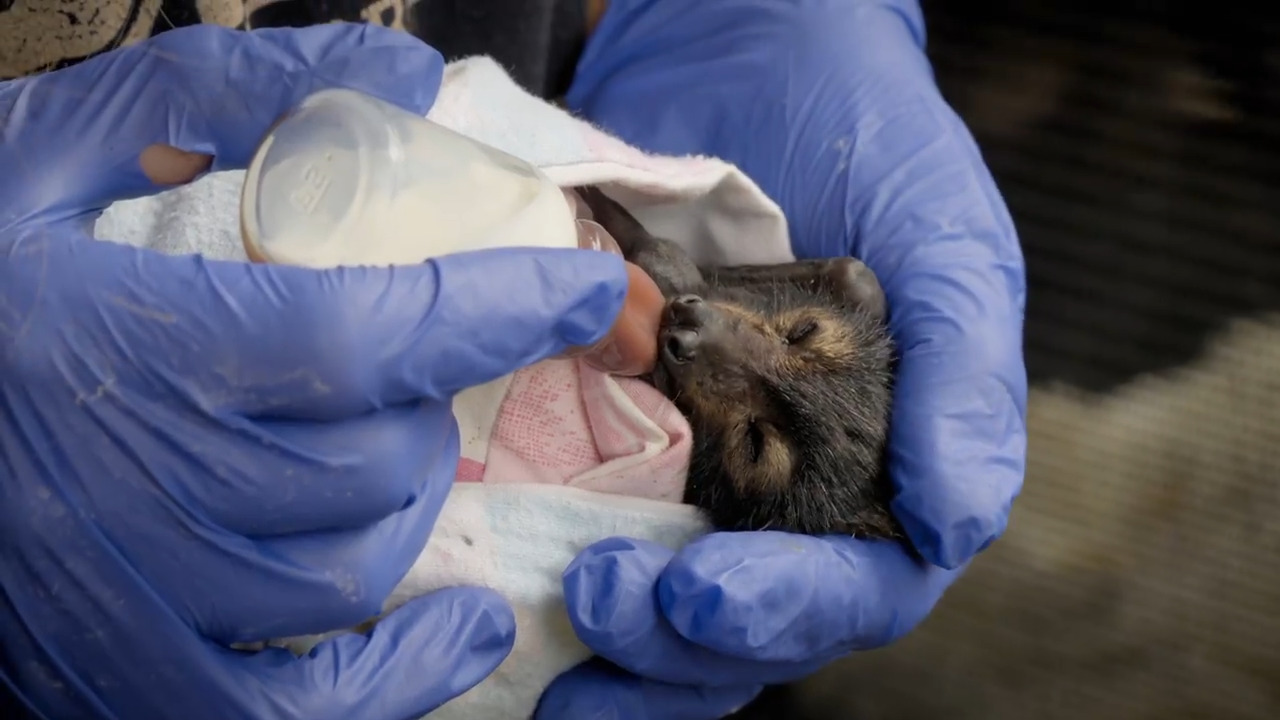
In Climate Change and Its Effect on Species, discover the devastating impact of extreme heat in Australia on flying foxes. Thousands of these creatures died as a result of the intense heat waves caused by climate change. This phenomenon is a stark reminder of how rising temperatures are putting many species at risk of extinction. This video is excerpted from BBC’s Climate Change - The Facts, a documentary that delves into the science of climate change and its far-reaching consequences.
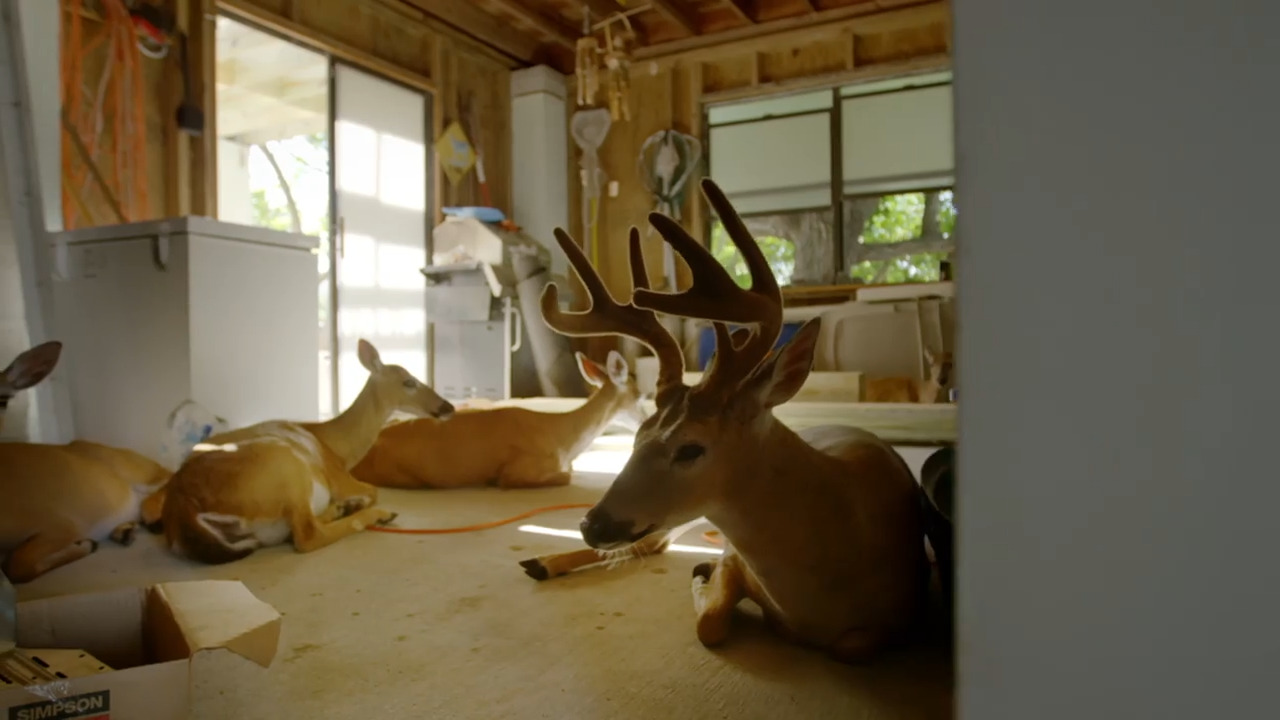
In One Deer Species' "Key" to Survival this smaller subspecies of white-tailed deer survived the devastating effects of Hurricane Irma by moving in closer to human habitats. But will this help or hurt the deer in the long run? This video is excerpted from BBC's Natural World: Florida - America's Animal Paradise, a series displaying Florida’s diverse wildlife and its resilience against increasing environmental threats.
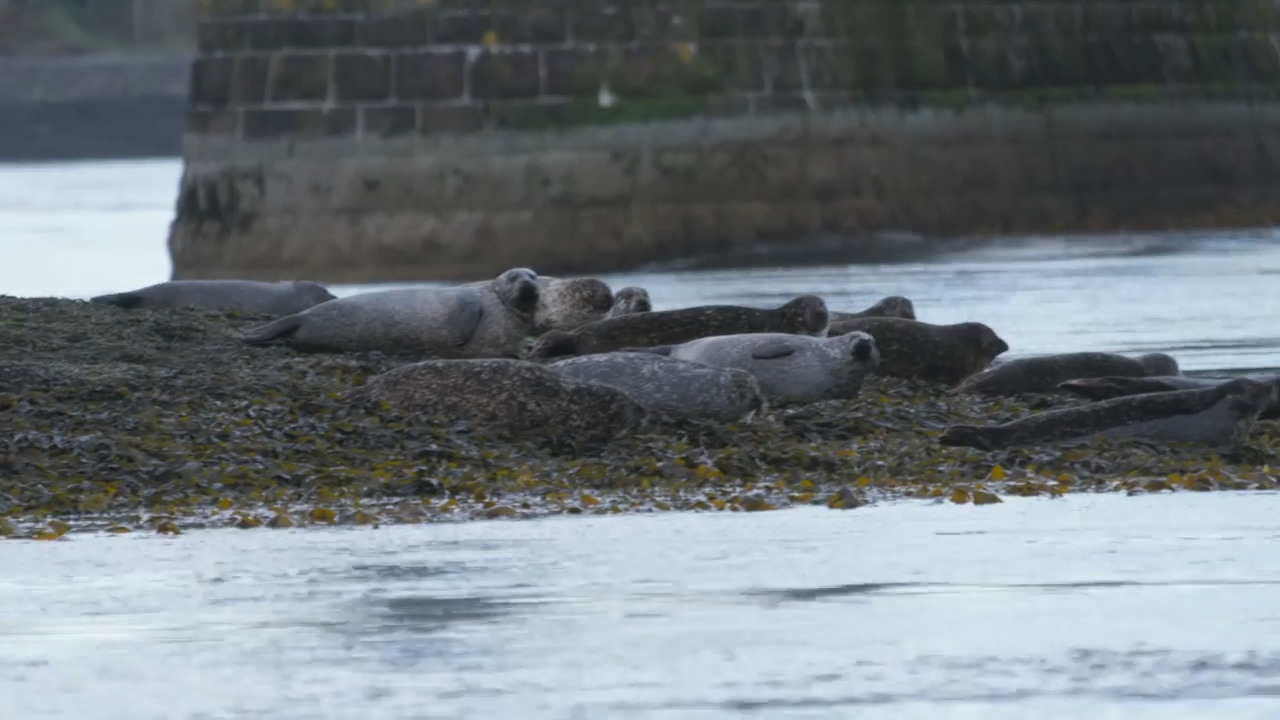
In Seals, a Keystone Species, Ranger Hamza and the Ramblers are on a boat and they spot seals! Join them as they learn how the seals are a keystone species in this ecosystem, and how the seals help the environment around them. This video is excerpted from BBC's Ranger Hamza’s Eco Quest, a nature exploration show in which Ranger Hamza and the Ramblers go on quests to discover nature’s wonders and the important role they play in our environment.
Most of our sub-par pictures just take up space on our phones and show off the insides of our pockets, but one blurry photo launched an almost two decades-long scientific endeavor.
A search that began with a picture of a tail in the trees eventually took researchers deep into Lomami National Park in the Democratic Republic of Congo on a quest to find out exactly what kind of monkey they were dealing with. Using microphones, cameras and genetic testing, they gathered enough evidence to confirm that the animal is a distinct species, now named Colobus congoensis — the first time a monkey is being named after the Congo!
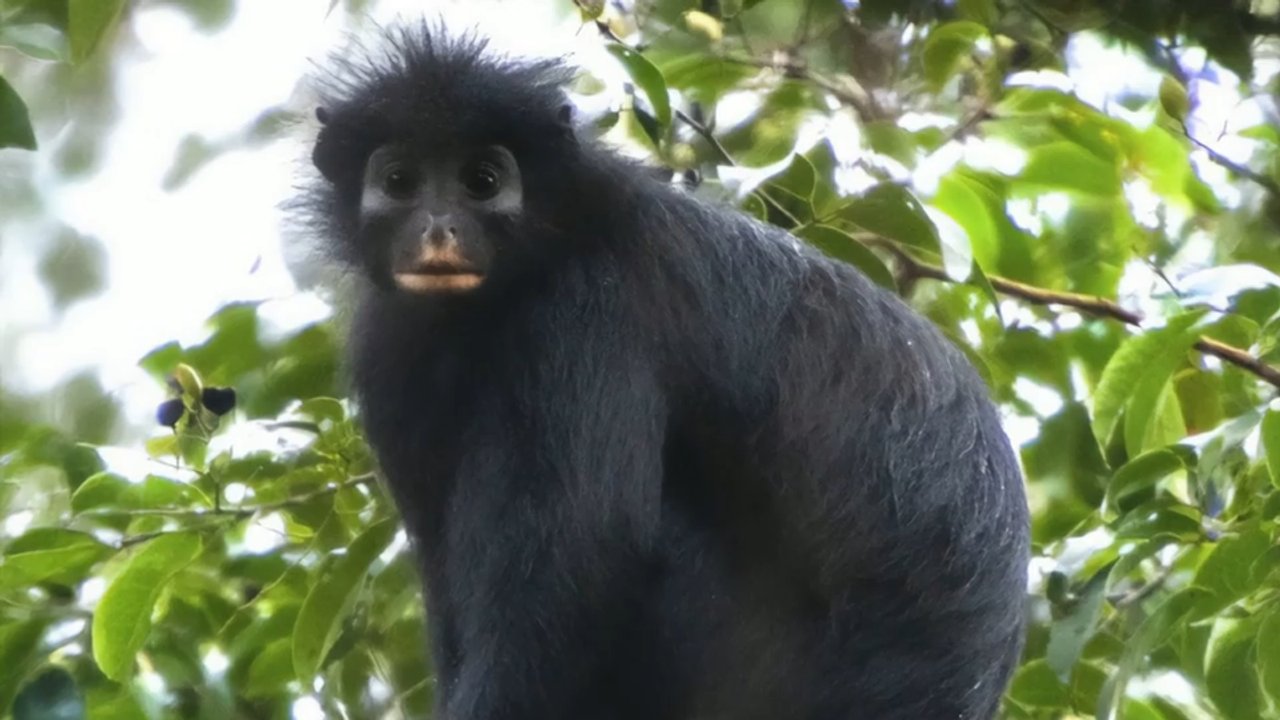
It belongs to a group of plant-eating primates that live high in trees and do not have thumbs, but the Colobus congoensis has some unique characteristics. It uses a roaring call that announces its presence through dense tropical forest and has distinctive pinkish-orange lips that researchers think could act as a visual signal, perhaps helping it attract a mate. It also gives you someone to blame if your sibling asks, “Who ate the last orange creamsicle?!”
Scientists still have a lot to learn about this monkey, but it seems rare and limited to a particular habitat in the central-eastern part of the country. Researchers hope that officially recognizing it as a separate species will help protect both the monkey and the environment it depends on.
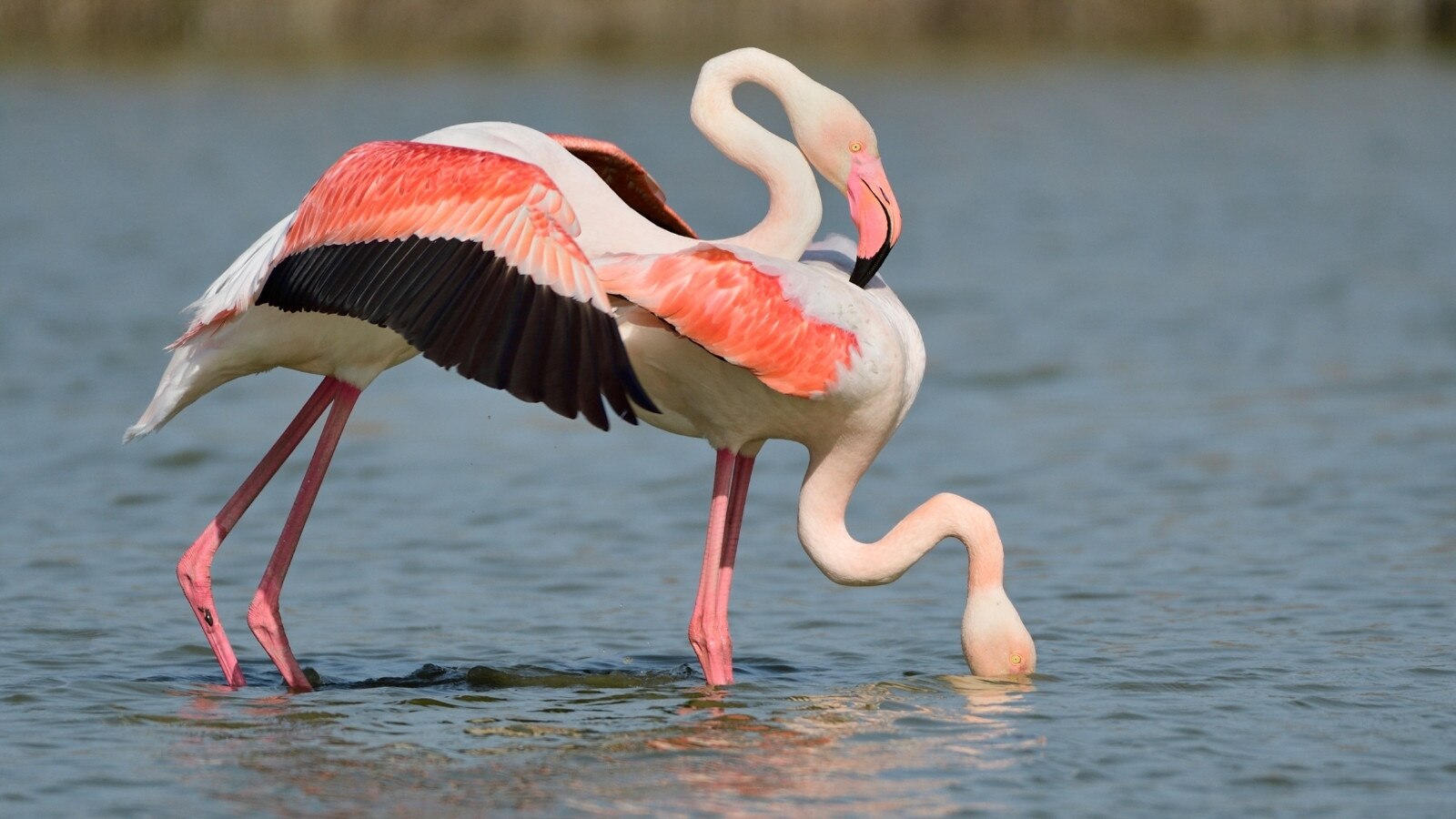
The article "Flamingo Guide: How to Identify Each Species, Where to See Them — and Why Flamingos Are Pink" from BBC's Discover Wildlife is a colorful exploration of one of the world’s most striking birds. It explains the six different flamingo species, how diet affects their bright coloring, and where to find them in the wild. The article also highlights flamingo behavior, nesting, communication, and how they feed their chicks pink "milk."
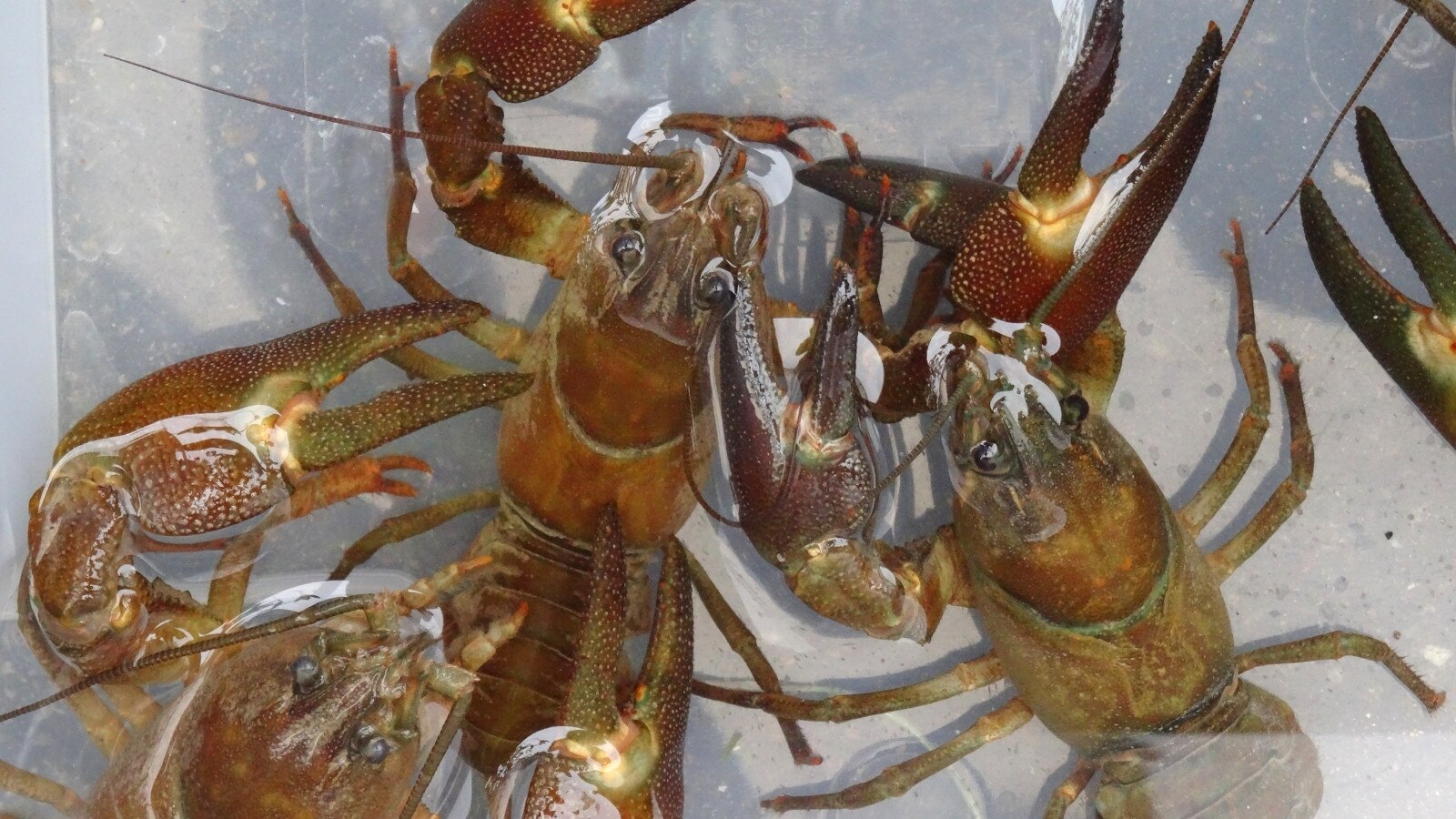
The article "American Crayfish Trapping Strategy Fails to Control Invasive Species" from BBC's Discover Wildlife relates the results of a study that shows trapping invasive American crayfish is ineffective at controlling their population and may even harm native species. Researchers urge a shift in focus to biosecurity measures rather than trapping.
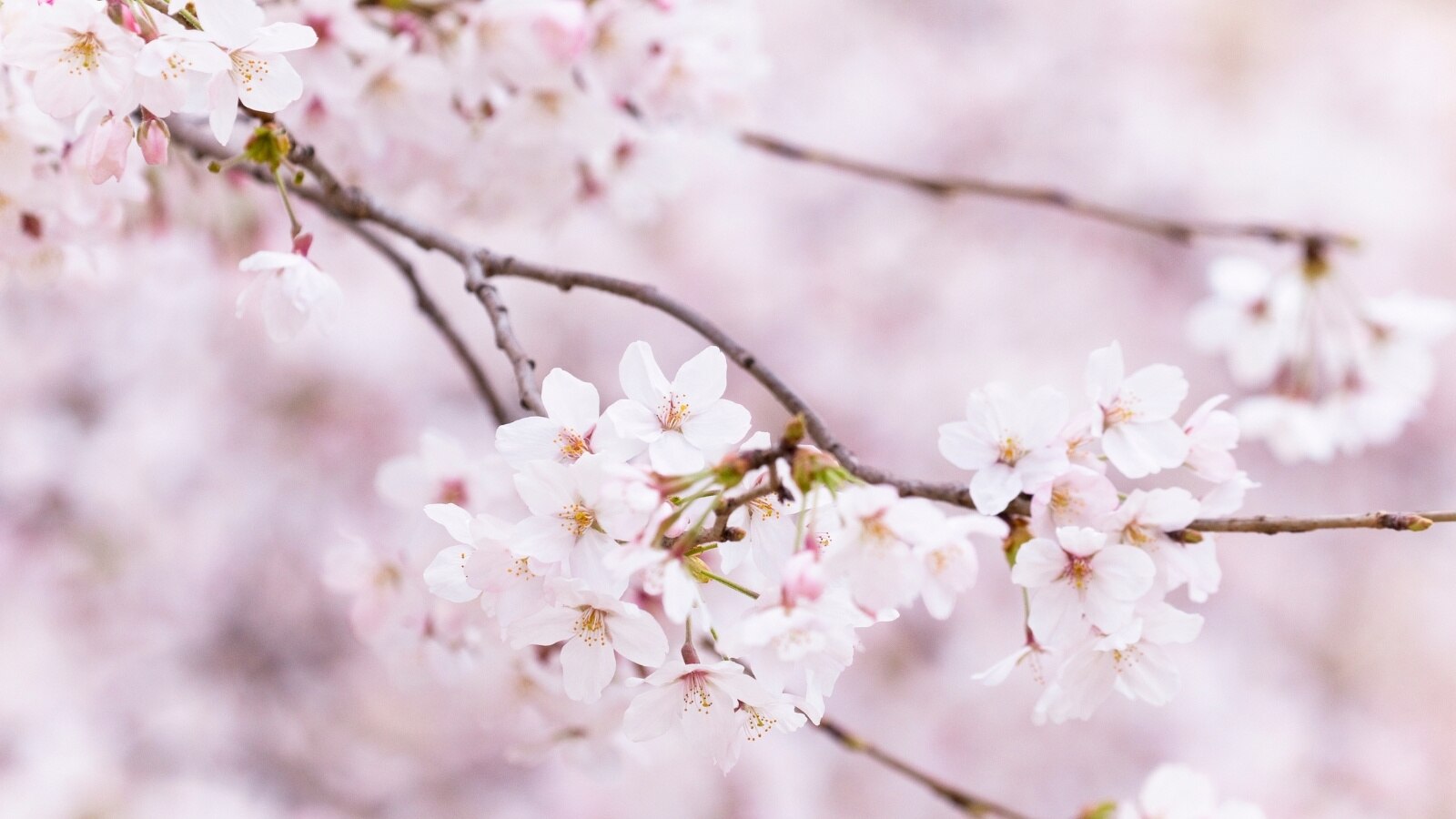
The article "Japan in Spring: Top Wildlife Spectacles and Species to See" from BBC's Discover Wildlife explores the diverse wildlife of Japan during the cherry blossom season. From whooper swans and Japanese macaques to red-crowned cranes and cherry blossoms, Japan offers a rich array of species and natural spectacles across its various climatic zones.
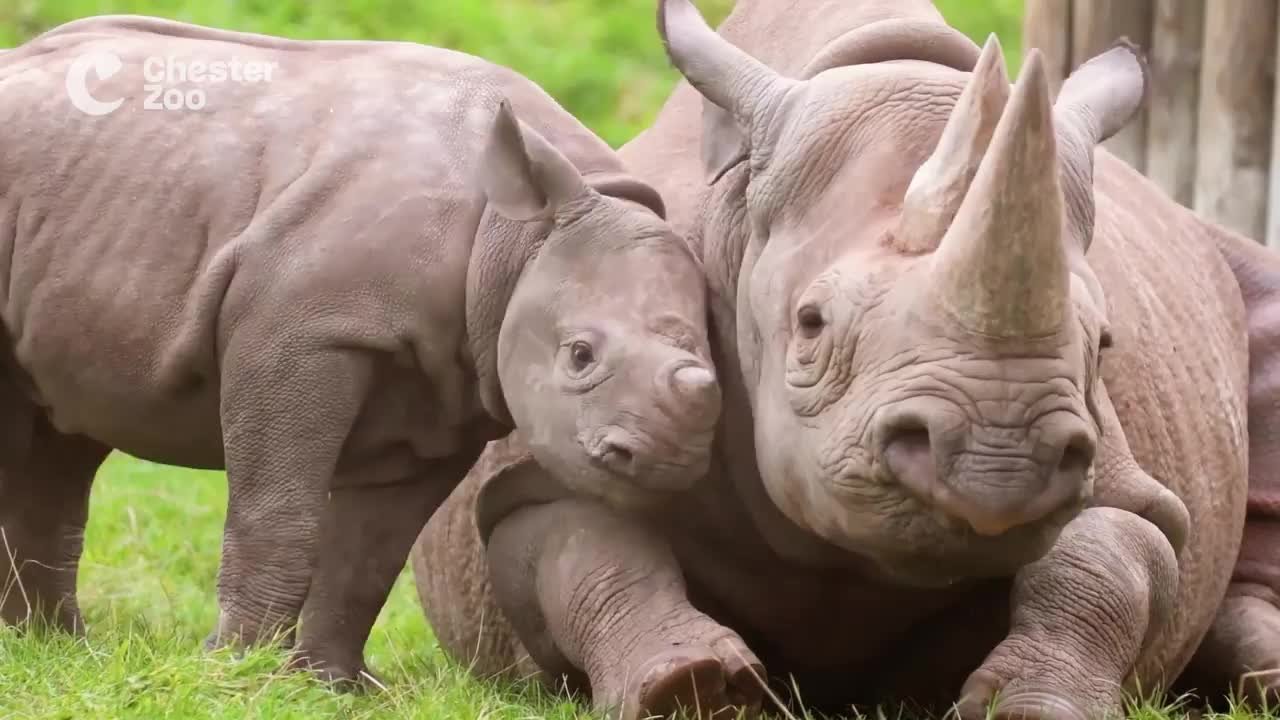
Rhinos are among the oldest groups of mammals on Earth, with ancestors that roamed the planet millions of years before humans. Today, however, these iconic animals are among the world's most endangered species.
In this fact file video from Chester Zoo, discover the remarkable adaptations of the eastern black rhinoceros, from its iconic double horns and swiveling ears to its unique prehensile lip that helps it feed on leaves and branches. Learn how these solitary giants communicate, care for their calves, and survive in the grasslands and savannas of eastern Africa, while exploring the conservation efforts working to protect this critically endangered species from extinction.
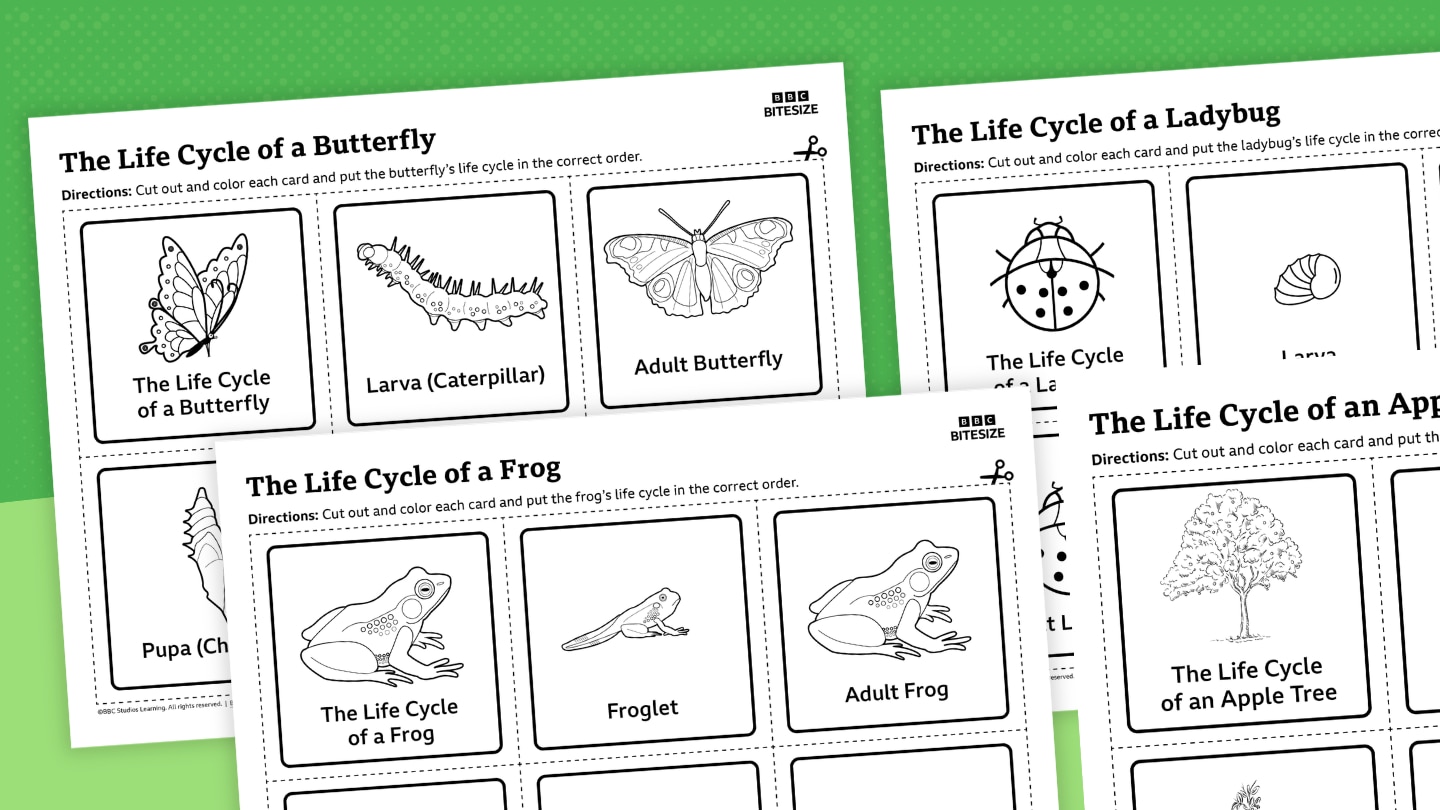
Invite your students to explore the life cycles of common organisms with these life cycle sequencing cards. The cards cover the bean plant, butterfly, birch tree, apple tree, honeybee, ladybug, and frog. They come already mixed up, so kids can color, cut, and put them in order. Use as an introductory task, check for understanding, center activity, or study guide!
As you introduce life cycles, focus on key concepts such as stages of growth, changes in form and function, and the idea that all living things follow a pattern from beginning to end. Encourage students to ask questions, make predictions, and notice patterns across plants and animals.
Teaching life cycles in elementary school is not only standards-based, it's also a great way to help students understand how living things grow and change over time. At this level, students are ready to explore clear, observable stages — like seed to plant or egg to adult—and begin comparing similarities and differences across species.
Guide your students on a hike through the tropical rainforest ecosystem! From the Amazon in South America to the jungles of Southeast Asia, rainforests are full of unique and amazing species.
✨ Perfect for grades 3–8, here’s what you need to bring ecosystems to life:
- Iconic BBC Videos: Share the clips on this page to introduce the location, plants, animals, and climate of the rainforest. (Don't miss the spider monkeys and waterfall toads!) Brought to you by world-class BBC programs like Planet Earth, Deadly 60, Seven Worlds, One Planet, and Life.
- Free Printable: Use the Tropical Rainforest Brochure Template to help students pull it all together in an ecosystem report with facts they’ve learned (and a little extra research).
It’s everything you need to make ecosystems easy to teach and truly memorable for your students.
In Climate Change and Its Effect on Species, discover the devastating impact of extreme heat in Australia on flying foxes. Thousands of these creatures died as a result of the intense heat waves caused by climate change. This phenomenon is a stark reminder of how rising temperatures are putting many species at risk of extinction. This video is excerpted from BBC’s Climate Change - The Facts, a documentary that delves into the science of climate change and its far-reaching consequences.
In One Deer Species' "Key" to Survival this smaller subspecies of white-tailed deer survived the devastating effects of Hurricane Irma by moving in closer to human habitats. But will this help or hurt the deer in the long run? This video is excerpted from BBC's Natural World: Florida - America's Animal Paradise, a series displaying Florida’s diverse wildlife and its resilience against increasing environmental threats.
In Seals, a Keystone Species, Ranger Hamza and the Ramblers are on a boat and they spot seals! Join them as they learn how the seals are a keystone species in this ecosystem, and how the seals help the environment around them. This video is excerpted from BBC's Ranger Hamza’s Eco Quest, a nature exploration show in which Ranger Hamza and the Ramblers go on quests to discover nature’s wonders and the important role they play in our environment.
Most of our sub-par pictures just take up space on our phones and show off the insides of our pockets, but one blurry photo launched an almost two decades-long scientific endeavor.
A search that began with a picture of a tail in the trees eventually took researchers deep into Lomami National Park in the Democratic Republic of Congo on a quest to find out exactly what kind of monkey they were dealing with. Using microphones, cameras and genetic testing, they gathered enough evidence to confirm that the animal is a distinct species, now named Colobus congoensis — the first time a monkey is being named after the Congo!
It belongs to a group of plant-eating primates that live high in trees and do not have thumbs, but the Colobus congoensis has some unique characteristics. It uses a roaring call that announces its presence through dense tropical forest and has distinctive pinkish-orange lips that researchers think could act as a visual signal, perhaps helping it attract a mate. It also gives you someone to blame if your sibling asks, “Who ate the last orange creamsicle?!”
Scientists still have a lot to learn about this monkey, but it seems rare and limited to a particular habitat in the central-eastern part of the country. Researchers hope that officially recognizing it as a separate species will help protect both the monkey and the environment it depends on.
The article "Flamingo Guide: How to Identify Each Species, Where to See Them — and Why Flamingos Are Pink" from BBC's Discover Wildlife is a colorful exploration of one of the world’s most striking birds. It explains the six different flamingo species, how diet affects their bright coloring, and where to find them in the wild. The article also highlights flamingo behavior, nesting, communication, and how they feed their chicks pink "milk."
The article "American Crayfish Trapping Strategy Fails to Control Invasive Species" from BBC's Discover Wildlife relates the results of a study that shows trapping invasive American crayfish is ineffective at controlling their population and may even harm native species. Researchers urge a shift in focus to biosecurity measures rather than trapping.
The article "Japan in Spring: Top Wildlife Spectacles and Species to See" from BBC's Discover Wildlife explores the diverse wildlife of Japan during the cherry blossom season. From whooper swans and Japanese macaques to red-crowned cranes and cherry blossoms, Japan offers a rich array of species and natural spectacles across its various climatic zones.
Rhinos are among the oldest groups of mammals on Earth, with ancestors that roamed the planet millions of years before humans. Today, however, these iconic animals are among the world's most endangered species.
In this fact file video from Chester Zoo, discover the remarkable adaptations of the eastern black rhinoceros, from its iconic double horns and swiveling ears to its unique prehensile lip that helps it feed on leaves and branches. Learn how these solitary giants communicate, care for their calves, and survive in the grasslands and savannas of eastern Africa, while exploring the conservation efforts working to protect this critically endangered species from extinction.
Invite your students to explore the life cycles of common organisms with these life cycle sequencing cards. The cards cover the bean plant, butterfly, birch tree, apple tree, honeybee, ladybug, and frog. They come already mixed up, so kids can color, cut, and put them in order. Use as an introductory task, check for understanding, center activity, or study guide!
As you introduce life cycles, focus on key concepts such as stages of growth, changes in form and function, and the idea that all living things follow a pattern from beginning to end. Encourage students to ask questions, make predictions, and notice patterns across plants and animals.
Teaching life cycles in elementary school is not only standards-based, it's also a great way to help students understand how living things grow and change over time. At this level, students are ready to explore clear, observable stages — like seed to plant or egg to adult—and begin comparing similarities and differences across species.