
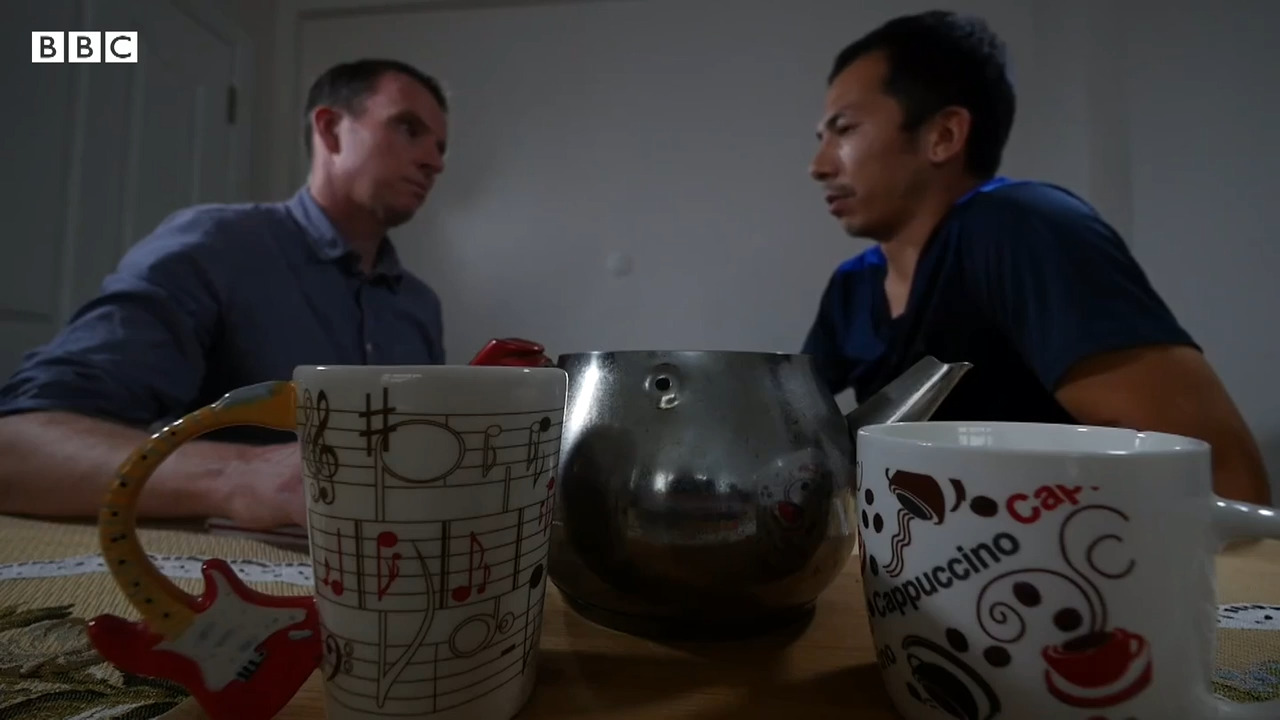
In Who’s Your Source?, host Radzi Chinyanganya examines how reporters get their information from different sources and ensure their accuracy. For example, BBC journalists exposed a network of hidden detention centers in Western China where Muslims were detained without a trial. The Chinese government was working hard to keep this story hidden by closely monitoring, and even detaining, journalists. Reporters used satellites to investigate, and they also interviewed Muslims in Turkey who claimed to have been in the detention compounds. They looked for consistency and overlap in their stories. Verifying information from multiple sources helps a journalist assess a story and tell it accurately. This video is excerpted from BBC’s My World, a program created for teenagers eager to learn more about the important stories shaping our world.
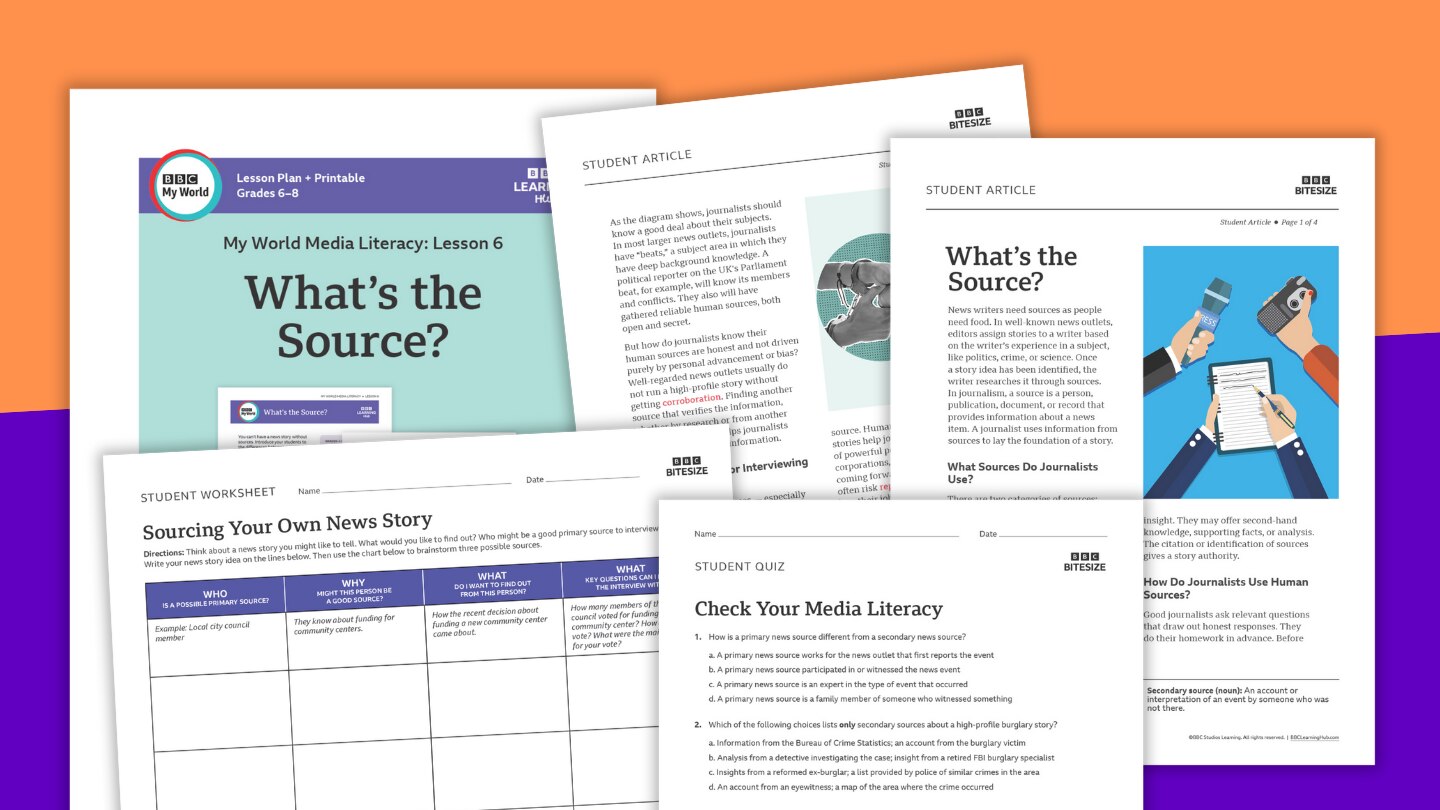
You can’t have a news story without sources. Introduce your students to the differences between primary and secondary sources. In this lesson, they’ll learn about how journalists ask effective interview questions and verify the accuracy of a source’s account.
In Where Do You Find Your News?, host Radzi Chinyanganya highlights the importance of making sure your news comes from a trustworthy source. Some things to think about include noting whether or not the topic is the source’s area of expertise, whether they’ve shown a commitment to accuracy over a period of time, and whether or not they’ve been willing to admit when they’ve made a mistake. The news should be watched with a critical eye, letting facts shape our views instead of our views shaping the facts. This video is excerpted from BBC’s My World, a program created for teenagers eager to learn more about the important stories shaping our world.
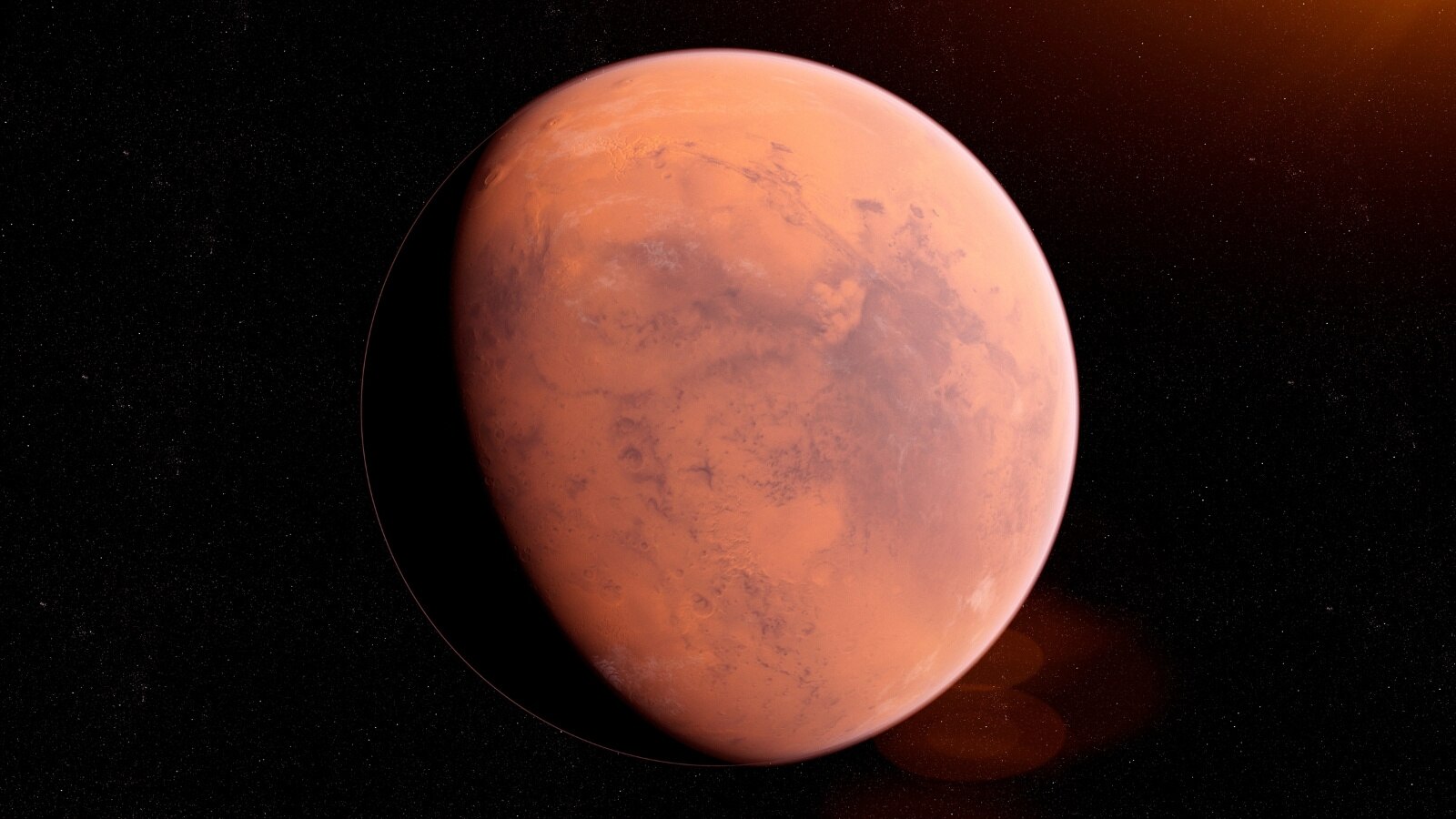
The article "Water found buried under Mars equator" from BBC's Science Focus showcases the discovery of ice beneath Mars' equator using data from ESA's Mars Express spacecraft. This finding could be crucial for future human missions to Mars, as the ice deposits could provide a valuable water source.
In Who’s Your Source?, host Radzi Chinyanganya examines how reporters get their information from different sources and ensure their accuracy. For example, BBC journalists exposed a network of hidden detention centers in Western China where Muslims were detained without a trial. The Chinese government was working hard to keep this story hidden by closely monitoring, and even detaining, journalists. Reporters used satellites to investigate, and they also interviewed Muslims in Turkey who claimed to have been in the detention compounds. They looked for consistency and overlap in their stories. Verifying information from multiple sources helps a journalist assess a story and tell it accurately. This video is excerpted from BBC’s My World, a program created for teenagers eager to learn more about the important stories shaping our world.
You can’t have a news story without sources. Introduce your students to the differences between primary and secondary sources. In this lesson, they’ll learn about how journalists ask effective interview questions and verify the accuracy of a source’s account.
In Where Do You Find Your News?, host Radzi Chinyanganya highlights the importance of making sure your news comes from a trustworthy source. Some things to think about include noting whether or not the topic is the source’s area of expertise, whether they’ve shown a commitment to accuracy over a period of time, and whether or not they’ve been willing to admit when they’ve made a mistake. The news should be watched with a critical eye, letting facts shape our views instead of our views shaping the facts. This video is excerpted from BBC’s My World, a program created for teenagers eager to learn more about the important stories shaping our world.
The article "Water found buried under Mars equator" from BBC's Science Focus showcases the discovery of ice beneath Mars' equator using data from ESA's Mars Express spacecraft. This finding could be crucial for future human missions to Mars, as the ice deposits could provide a valuable water source.