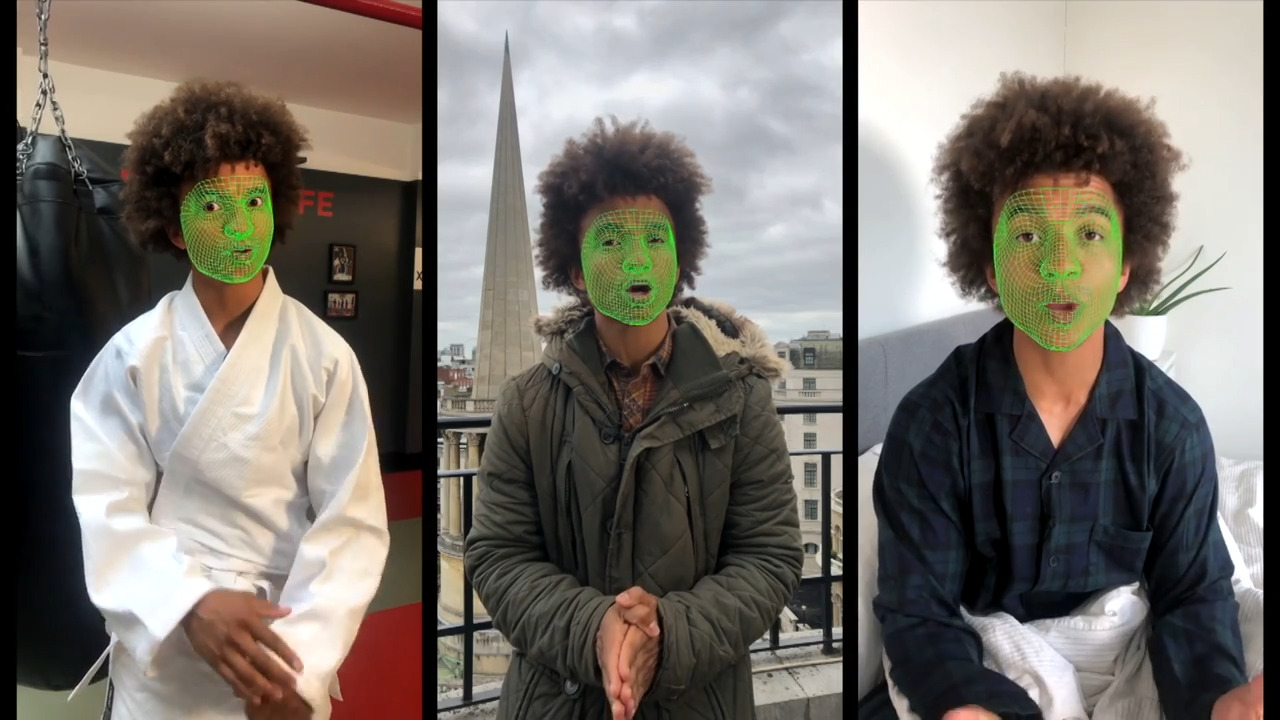
In Is Digital Media Reliable?, host Radzi Chinyanganya explores the emerging technology of deep fakes and its implications for the media, politics, and society. This video explains how deep fake videos, which use artificial intelligence to manipulate images and sound, can create realistic yet entirely fabricated content. Learn how deep fakes are made, discuss their potential uses (both harmful and harmless), and examine the dangers they pose in spreading misinformation. This video is excerpted from BBC’s My World, a program created for teenagers eager to learn more about the important stories shaping our world.
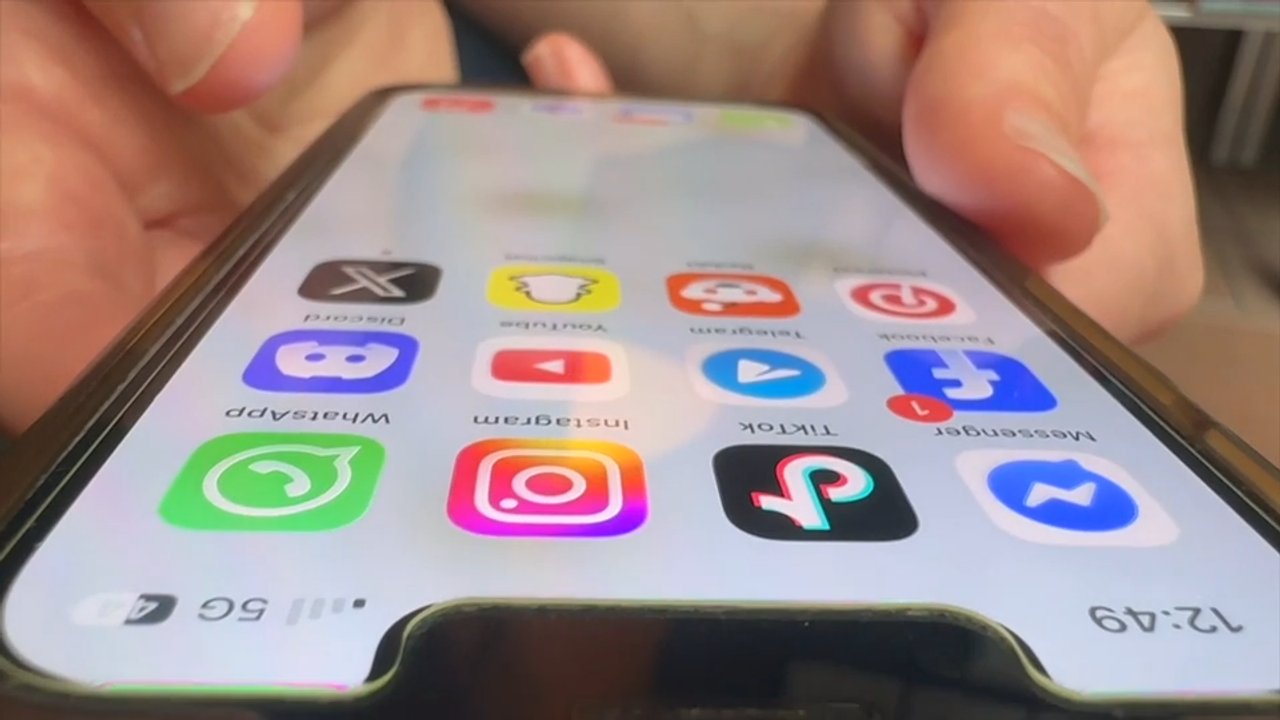
The UK might be looking at 2027 with a lot less scrolling and far fewer TikTok dances, as Prime Minister (at the time) Kier Starmer announced plans to ban people under 16 from using social media, planned for spring.
Many of the ban's strongest supporters are parents who lost children in cases linked to online harms and have been campaigning for this for years. Though they’re happy about the announcement, there’s still some skepticism about how the ban will actually work, the logistics of how it will be enforced, and what sort of pushback there will be.
Even before taking effect, the proposal has sparked debate. Some people argue the ban is too strict and that better guidance, education, and parental controls would be more effective. Others point out that many teenagers use social media to stay in touch with friends and family. Some also worry the ban could give parents a false sense of security if they rely on it instead of staying involved in their children's online lives.
Tech companies argue the ban may not keep children as safe as supporters hope, as a ban on widely-used platforms might push some young people toward less-regulated online spaces that aren’t included in the ban or entice them to find a work-around for the age verification.
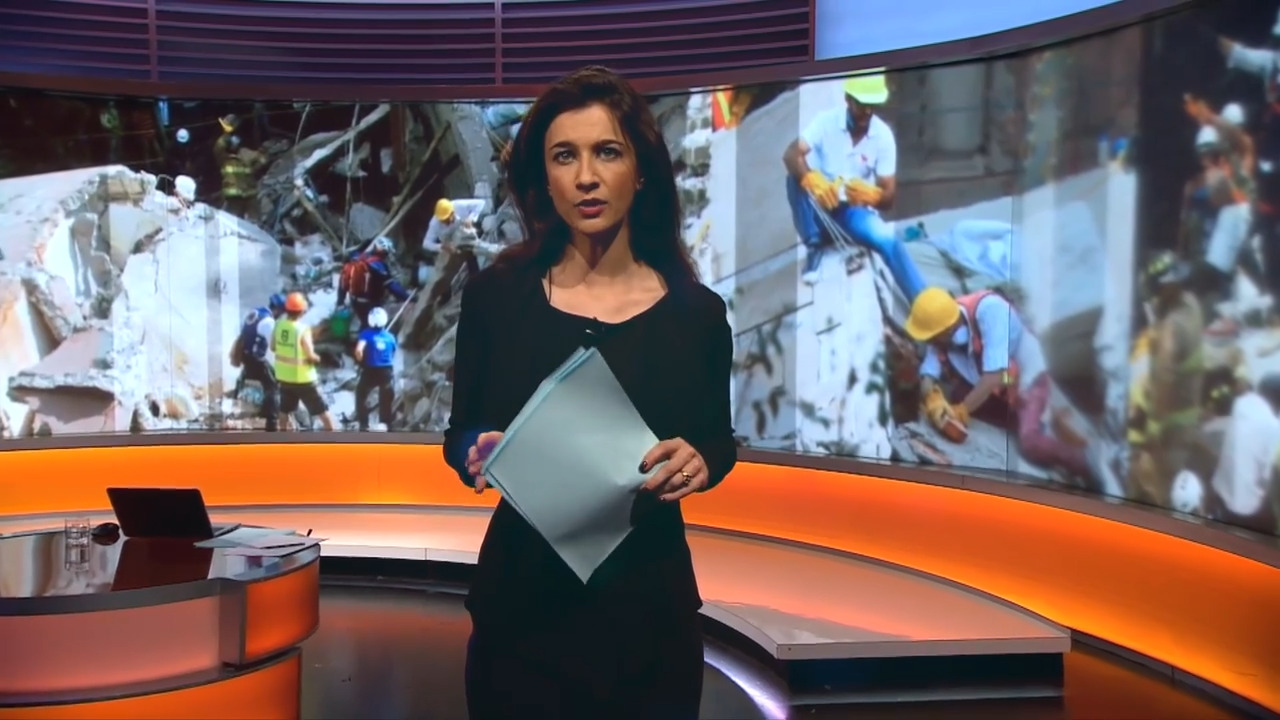
In How Do Journalists Earn Our Trust?, host Radzi Chinyanganya explains how journalists can earn our trust in a world of viral social media and misinformation. He highlights the importance of accuracy in the story of a rescue operation of a little girl named Frida Sofia after a devastating earthquake in September of 2017 in Mexico. International media, including The New York Times and the Associated Press, picked up the story and Frida went viral. In the end, the story wasn’t based on fact, and no one named Frida had ever even attended the school. Being transparent and admitting their mistakes can help journalists earn trust. This video is excerpted from BBC’s My World, a program created for teenagers eager to learn more about the important stories shaping our world.
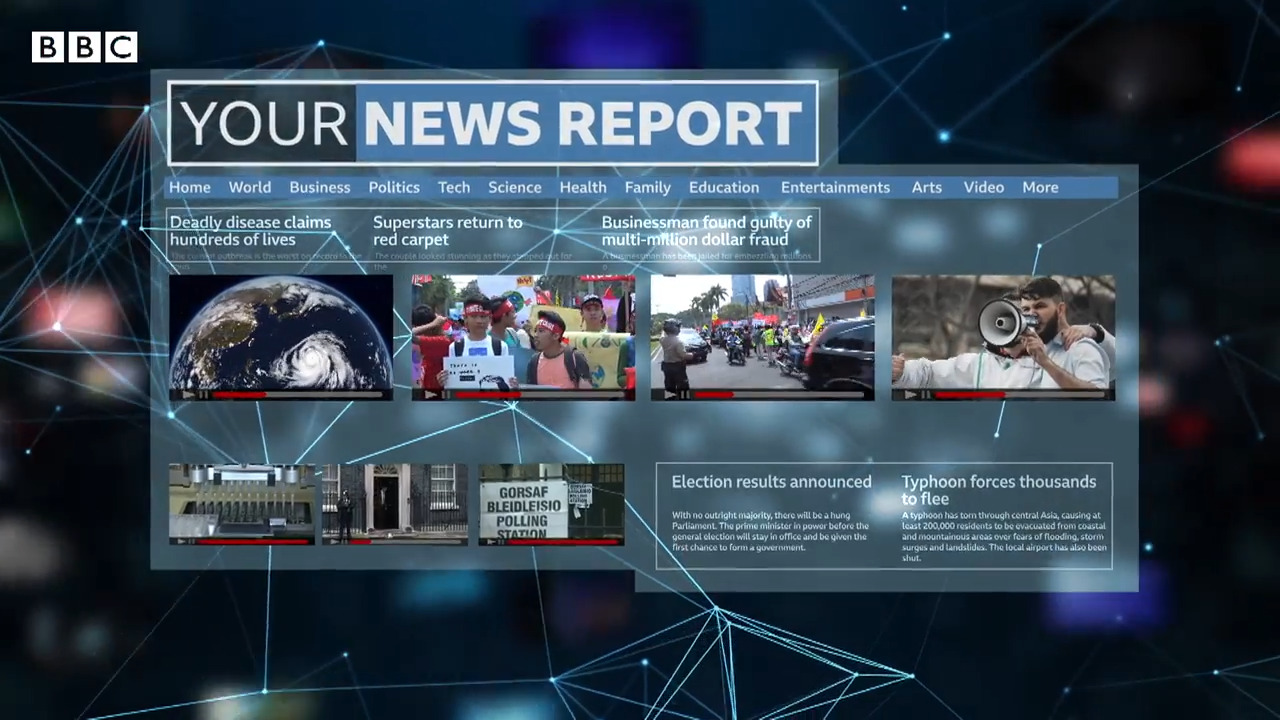
In Who Decides?, host Radzi Chinyanganya discovers who decides what people see, read, and hear in the news. Because there are so many events and limited space to report the news, all news is filtered. In journalism, editors decide which stories are worth telling. The companies that run apps, social media, and websites, use computer programs called algorithms to decide which content individuals see. They might try to influence consumers’ views or emotions. Getting news from varied sources is the only way to ensure you’re seeing the complete picture. This video is excerpted from BBC’s My World, a program created for teenagers eager to learn more about the important stories shaping our world.
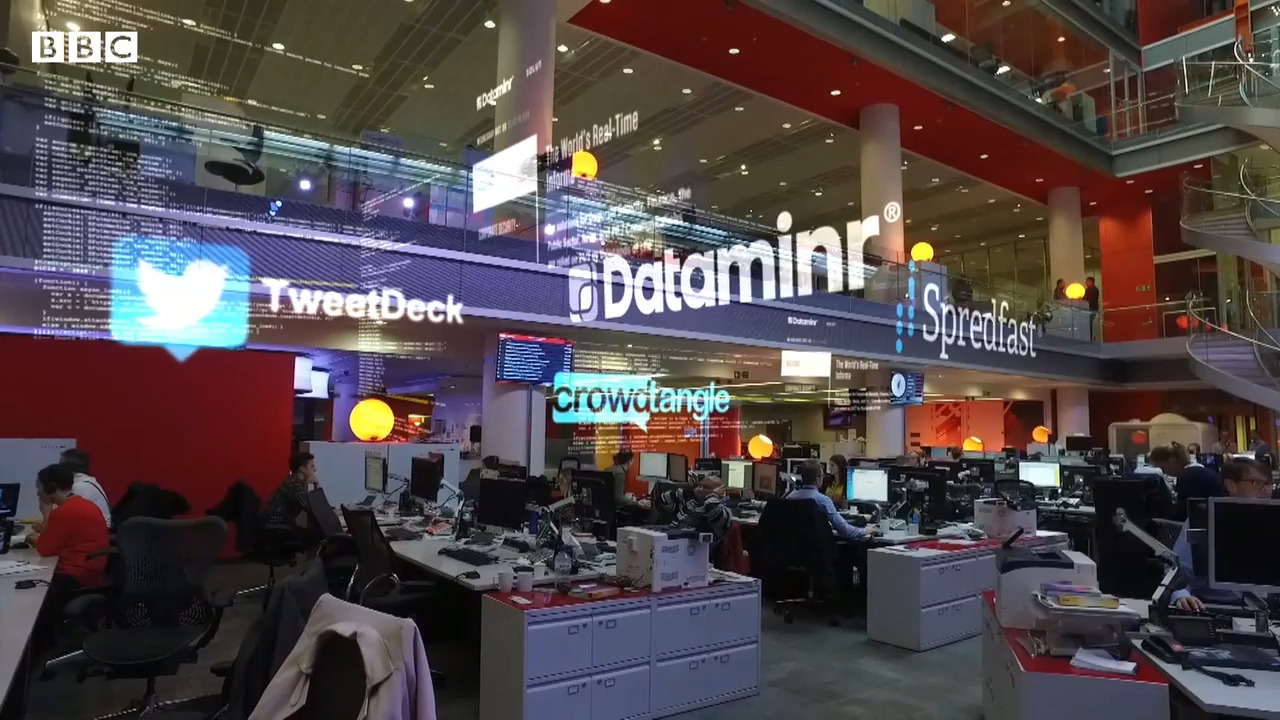
In How Do Journalists Find the News?, host Radzi Chinyanganya explores how journalists find and gather their news, ask the right questions, and let their curiosity drive them. Today, journalists still look to trusted sources, correspondents, and news agencies, but they also use online tools like social media to discover what the public is talking about. Then they send teams to the scene to talk to eyewitnesses, emergency services, and to gather statements. This video is excerpted from BBC’s My World, a program created for teenagers eager to learn more about the important stories shaping our world.
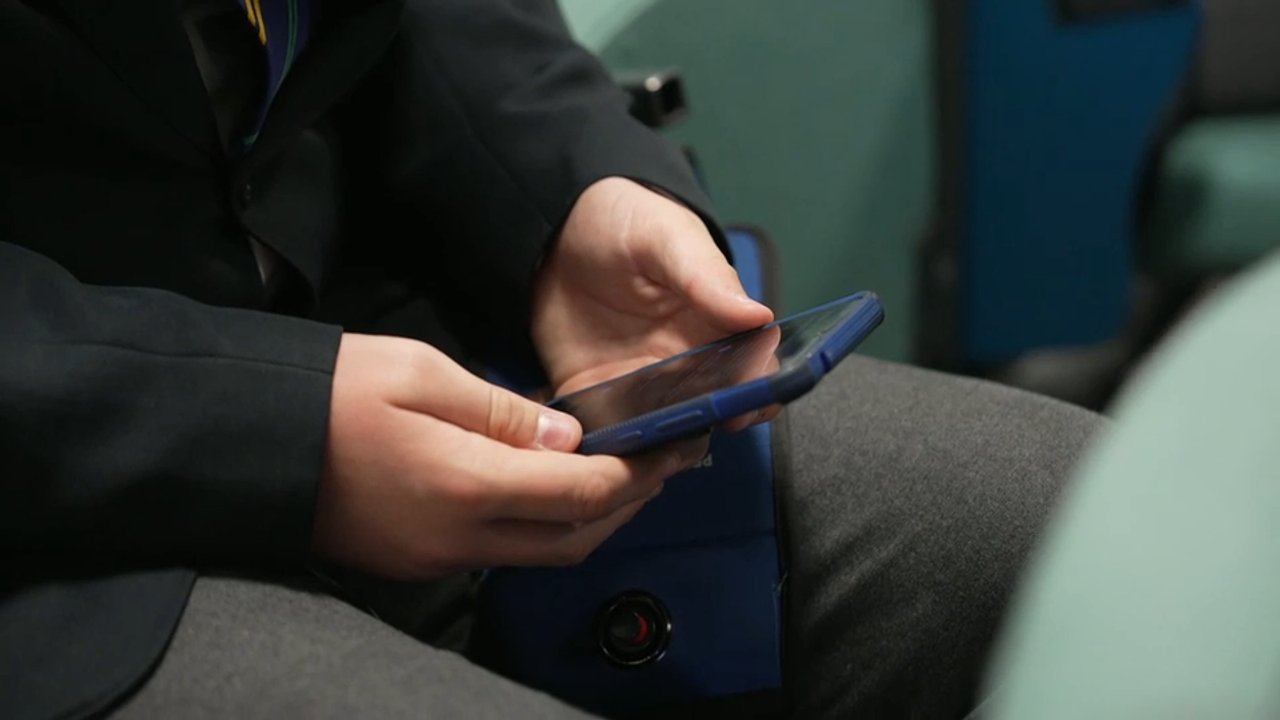
Some high school students recently swapped their smartphones for basic "brick" phones — the kind with no social media or apps, just texting, calling, and the classic game Snake.
The three-week experiment offered a preview of what life might look like once the UK's proposed ban on social media for under-16s takes effect next year. Calls to limit young people's social media use have been building for years, as critics argue some app features are designed to keep users scrolling. Some young people spend up to 20 hours a day on screens, which can affect sleep and time for schoolwork. Many students — along with their parents or carers — say they're struggling to manage screen time.
Feedback from the students was mixed. Some missed chatting with friends online and keeping up with trends. Others found they spent more time outdoors or with family and friends in person. Many said they didn't end up missing screen time as much as they expected.
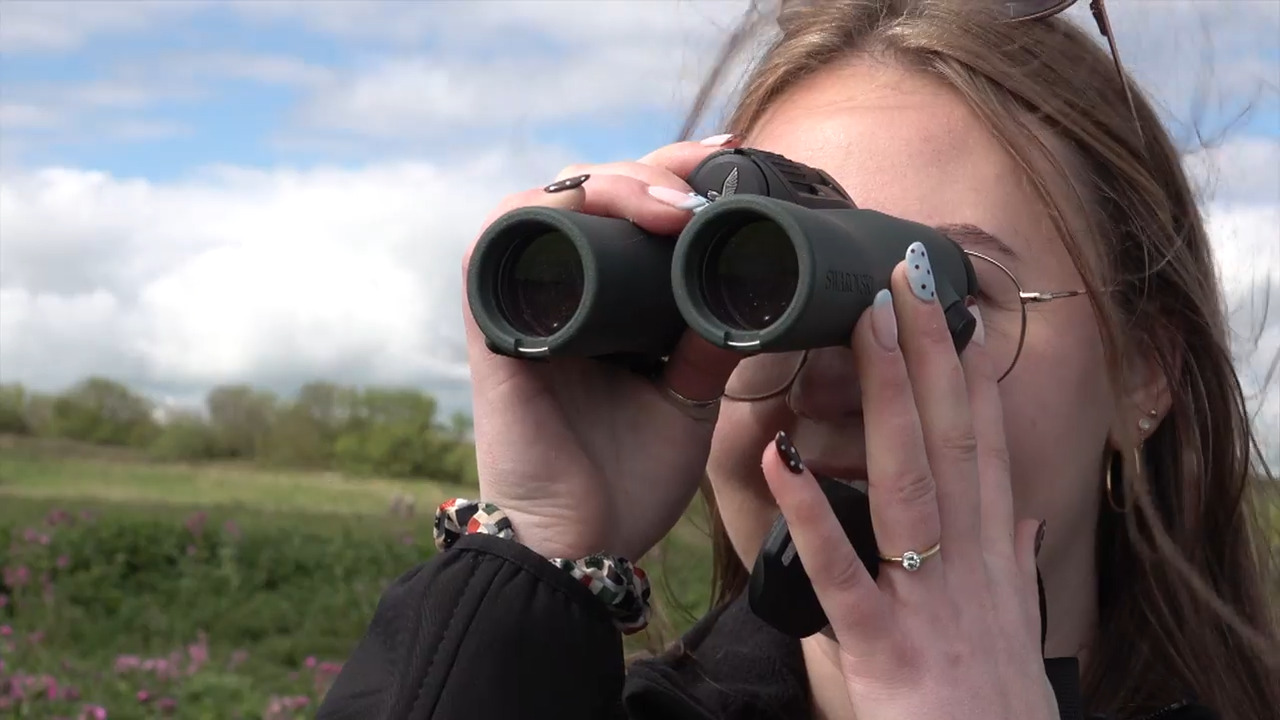
Birdwatching is taking off in a big way among young people. Reports say that around 750,000 people aged 16–29 in the UK and millions in the U.S. now regularly go birdwatching — turning what was once seen as a “quiet” hobby into a fast-growing trend.
Part of the appeal is how simple it is to start. You don’t need expensive gear or special training — just curiosity and a bit of time outdoors. It’s a low-pressure way to take a break from screens, notice what’s around you, and actually tune into sounds and spaces most people scroll past.
Ironically, social media is helping drive the trend. Birdwatching accounts, short videos, and identification apps are making it easier than ever to learn bird calls, spot species, and share discoveries with others. Instead of pulling people away from nature, platforms like TikTok and Instagram are often pushing people back into it.
Conservationists are especially excited because this kind of interest helps more people connect with wildlife and care about protecting it. Birdwatching is becoming less about binoculars and notebooks — and more about curiosity, community, and noticing the world a little differently.
In Where Do You Find Your News?, host Radzi Chinyanganya highlights the importance of making sure your news comes from a trustworthy source. Some things to think about include noting whether or not the topic is the source’s area of expertise, whether they’ve shown a commitment to accuracy over a period of time, and whether or not they’ve been willing to admit when they’ve made a mistake. The news should be watched with a critical eye, letting facts shape our views instead of our views shaping the facts. This video is excerpted from BBC’s My World, a program created for teenagers eager to learn more about the important stories shaping our world.
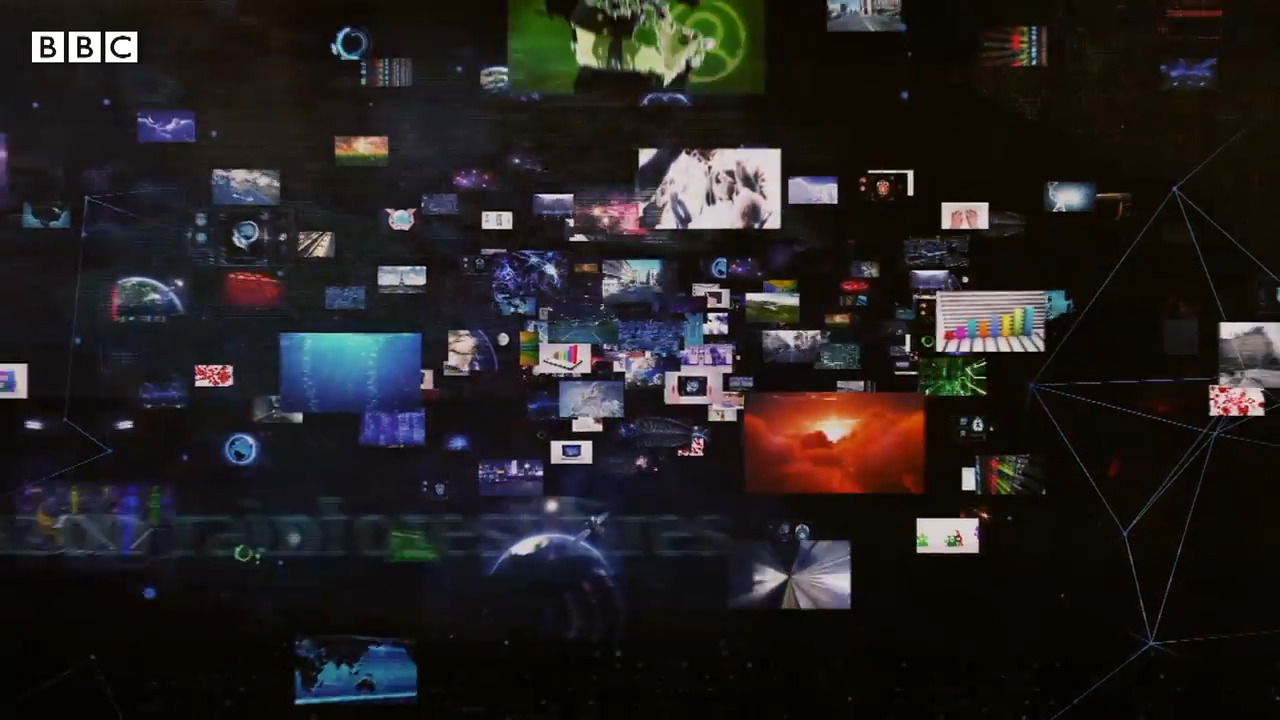
In What Is News?, host Radzi Chinyanganya introduces the concept of news: its history, purpose, and its potential downside. From its earliest iterations, news provides the information needed for people to make decisions and stay safe. Today, technology allows us to learn information in real time on both a local and global scale. It can be overwhelming to know what to give our attention to and what is real or fake, so it’s necessary to be a smart consumer of news and have trusted sources. This video is excerpted from BBC’s My World, a program created for teenagers eager to learn more about the important stories shaping our world.

End-to-end encryption prevents anyone from viewing online communications except the sender and the receiver. Or, it prevents anyone online from viewing it. Can’t do much about someone looking over your shoulder on the subway.
In 2019, Meta CEO Mark Zuckerberg promised to roll it out across his suite of apps — you know, those Facebook and Instagram things you may have heard of? But that promise was met with mixed results. On one hand, many were happy that their private conversations could be kept, well, private. On the other hand, there was pushback from police and government groups that could use messages to catch criminals.
Implementing end-to-end encryption was a years-long process for Zuckerberg, until his platforms abandoned the concept just this year. The company tweaked their terms and conditions to suggest that not enough people were opting into the encryption, but critics have questioned that explanation, pointing out that private messaging is an important part of how platforms keep users engaged and can support their advertising business.
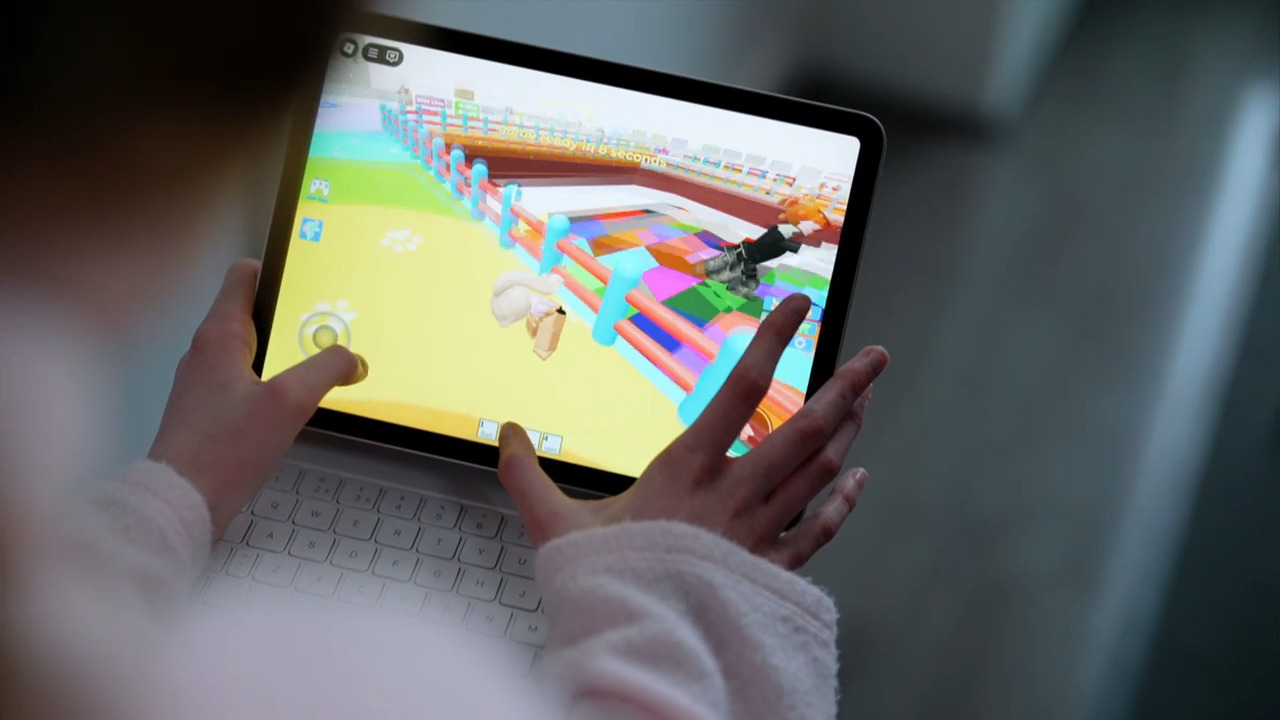
Roblox has exploded into one of the most popular gaming platforms in the world, especially for kids ages 8–12. What started as a small company has grown into a massive online universe with more than 40 million user-created games and experiences — from obstacle courses and role-playing worlds to fashion shows and virtual adventures. In fact, Roblox now has more monthly users than Nintendo Switch and Sony PlayStation combined.
But with its huge popularity comes growing controversy. Critics say that because almost anyone can create a game on the platform, some content may not always be appropriate for younger users. That has raised questions from parents and safety experts about how well kids are protected online.
Roblox co-founder and CEO Dave Baszucki says the company takes safety seriously and has “no tolerance” for inappropriate content. The platform has introduced new protections, including limits on messaging for users under 13. Still, reports show that some kids can sometimes find ways around age restrictions, which keeps the debate going.
Baszucki also says millions of users are having positive, creative experiences on Roblox every day — and reminds parents that they ultimately decide whether it’s the right platform for their children.
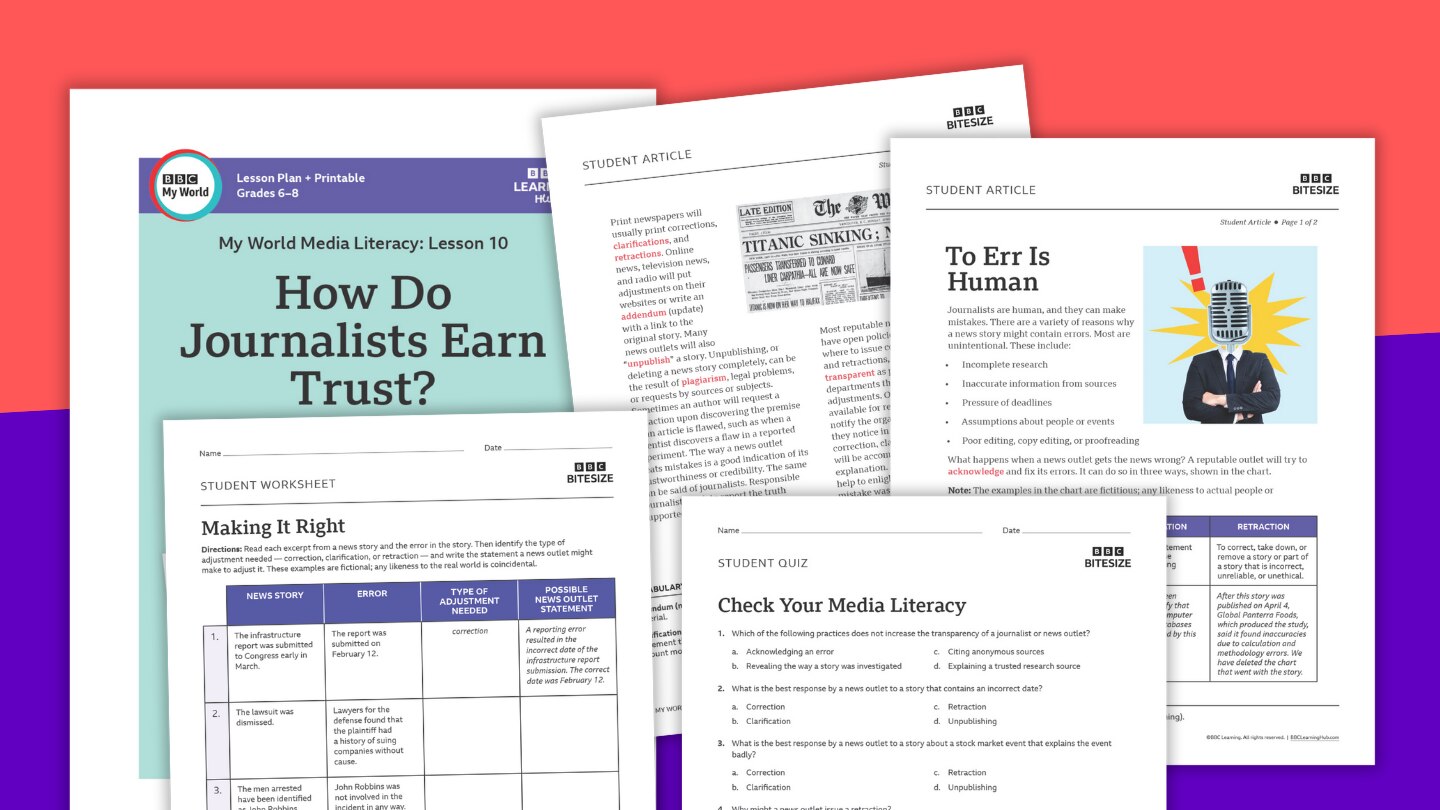
Everyone makes mistakes, and that includes journalists. Introduce your students to the concept of trust and transparency in journalism. In this lesson, they’ll look at examples of mistakes and wrong information, as well as the ways in which news outlets can correct errors.
In Is Digital Media Reliable?, host Radzi Chinyanganya explores the emerging technology of deep fakes and its implications for the media, politics, and society. This video explains how deep fake videos, which use artificial intelligence to manipulate images and sound, can create realistic yet entirely fabricated content. Learn how deep fakes are made, discuss their potential uses (both harmful and harmless), and examine the dangers they pose in spreading misinformation. This video is excerpted from BBC’s My World, a program created for teenagers eager to learn more about the important stories shaping our world.
The UK might be looking at 2027 with a lot less scrolling and far fewer TikTok dances, as Prime Minister (at the time) Kier Starmer announced plans to ban people under 16 from using social media, planned for spring.
Many of the ban's strongest supporters are parents who lost children in cases linked to online harms and have been campaigning for this for years. Though they’re happy about the announcement, there’s still some skepticism about how the ban will actually work, the logistics of how it will be enforced, and what sort of pushback there will be.
Even before taking effect, the proposal has sparked debate. Some people argue the ban is too strict and that better guidance, education, and parental controls would be more effective. Others point out that many teenagers use social media to stay in touch with friends and family. Some also worry the ban could give parents a false sense of security if they rely on it instead of staying involved in their children's online lives.
Tech companies argue the ban may not keep children as safe as supporters hope, as a ban on widely-used platforms might push some young people toward less-regulated online spaces that aren’t included in the ban or entice them to find a work-around for the age verification.
In How Do Journalists Earn Our Trust?, host Radzi Chinyanganya explains how journalists can earn our trust in a world of viral social media and misinformation. He highlights the importance of accuracy in the story of a rescue operation of a little girl named Frida Sofia after a devastating earthquake in September of 2017 in Mexico. International media, including The New York Times and the Associated Press, picked up the story and Frida went viral. In the end, the story wasn’t based on fact, and no one named Frida had ever even attended the school. Being transparent and admitting their mistakes can help journalists earn trust. This video is excerpted from BBC’s My World, a program created for teenagers eager to learn more about the important stories shaping our world.
In Who Decides?, host Radzi Chinyanganya discovers who decides what people see, read, and hear in the news. Because there are so many events and limited space to report the news, all news is filtered. In journalism, editors decide which stories are worth telling. The companies that run apps, social media, and websites, use computer programs called algorithms to decide which content individuals see. They might try to influence consumers’ views or emotions. Getting news from varied sources is the only way to ensure you’re seeing the complete picture. This video is excerpted from BBC’s My World, a program created for teenagers eager to learn more about the important stories shaping our world.
In How Do Journalists Find the News?, host Radzi Chinyanganya explores how journalists find and gather their news, ask the right questions, and let their curiosity drive them. Today, journalists still look to trusted sources, correspondents, and news agencies, but they also use online tools like social media to discover what the public is talking about. Then they send teams to the scene to talk to eyewitnesses, emergency services, and to gather statements. This video is excerpted from BBC’s My World, a program created for teenagers eager to learn more about the important stories shaping our world.
Some high school students recently swapped their smartphones for basic "brick" phones — the kind with no social media or apps, just texting, calling, and the classic game Snake.
The three-week experiment offered a preview of what life might look like once the UK's proposed ban on social media for under-16s takes effect next year. Calls to limit young people's social media use have been building for years, as critics argue some app features are designed to keep users scrolling. Some young people spend up to 20 hours a day on screens, which can affect sleep and time for schoolwork. Many students — along with their parents or carers — say they're struggling to manage screen time.
Feedback from the students was mixed. Some missed chatting with friends online and keeping up with trends. Others found they spent more time outdoors or with family and friends in person. Many said they didn't end up missing screen time as much as they expected.
Birdwatching is taking off in a big way among young people. Reports say that around 750,000 people aged 16–29 in the UK and millions in the U.S. now regularly go birdwatching — turning what was once seen as a “quiet” hobby into a fast-growing trend.
Part of the appeal is how simple it is to start. You don’t need expensive gear or special training — just curiosity and a bit of time outdoors. It’s a low-pressure way to take a break from screens, notice what’s around you, and actually tune into sounds and spaces most people scroll past.
Ironically, social media is helping drive the trend. Birdwatching accounts, short videos, and identification apps are making it easier than ever to learn bird calls, spot species, and share discoveries with others. Instead of pulling people away from nature, platforms like TikTok and Instagram are often pushing people back into it.
Conservationists are especially excited because this kind of interest helps more people connect with wildlife and care about protecting it. Birdwatching is becoming less about binoculars and notebooks — and more about curiosity, community, and noticing the world a little differently.
In Where Do You Find Your News?, host Radzi Chinyanganya highlights the importance of making sure your news comes from a trustworthy source. Some things to think about include noting whether or not the topic is the source’s area of expertise, whether they’ve shown a commitment to accuracy over a period of time, and whether or not they’ve been willing to admit when they’ve made a mistake. The news should be watched with a critical eye, letting facts shape our views instead of our views shaping the facts. This video is excerpted from BBC’s My World, a program created for teenagers eager to learn more about the important stories shaping our world.
In What Is News?, host Radzi Chinyanganya introduces the concept of news: its history, purpose, and its potential downside. From its earliest iterations, news provides the information needed for people to make decisions and stay safe. Today, technology allows us to learn information in real time on both a local and global scale. It can be overwhelming to know what to give our attention to and what is real or fake, so it’s necessary to be a smart consumer of news and have trusted sources. This video is excerpted from BBC’s My World, a program created for teenagers eager to learn more about the important stories shaping our world.
End-to-end encryption prevents anyone from viewing online communications except the sender and the receiver. Or, it prevents anyone online from viewing it. Can’t do much about someone looking over your shoulder on the subway.
In 2019, Meta CEO Mark Zuckerberg promised to roll it out across his suite of apps — you know, those Facebook and Instagram things you may have heard of? But that promise was met with mixed results. On one hand, many were happy that their private conversations could be kept, well, private. On the other hand, there was pushback from police and government groups that could use messages to catch criminals.
Implementing end-to-end encryption was a years-long process for Zuckerberg, until his platforms abandoned the concept just this year. The company tweaked their terms and conditions to suggest that not enough people were opting into the encryption, but critics have questioned that explanation, pointing out that private messaging is an important part of how platforms keep users engaged and can support their advertising business.
Roblox has exploded into one of the most popular gaming platforms in the world, especially for kids ages 8–12. What started as a small company has grown into a massive online universe with more than 40 million user-created games and experiences — from obstacle courses and role-playing worlds to fashion shows and virtual adventures. In fact, Roblox now has more monthly users than Nintendo Switch and Sony PlayStation combined.
But with its huge popularity comes growing controversy. Critics say that because almost anyone can create a game on the platform, some content may not always be appropriate for younger users. That has raised questions from parents and safety experts about how well kids are protected online.
Roblox co-founder and CEO Dave Baszucki says the company takes safety seriously and has “no tolerance” for inappropriate content. The platform has introduced new protections, including limits on messaging for users under 13. Still, reports show that some kids can sometimes find ways around age restrictions, which keeps the debate going.
Baszucki also says millions of users are having positive, creative experiences on Roblox every day — and reminds parents that they ultimately decide whether it’s the right platform for their children.
Everyone makes mistakes, and that includes journalists. Introduce your students to the concept of trust and transparency in journalism. In this lesson, they’ll look at examples of mistakes and wrong information, as well as the ways in which news outlets can correct errors.