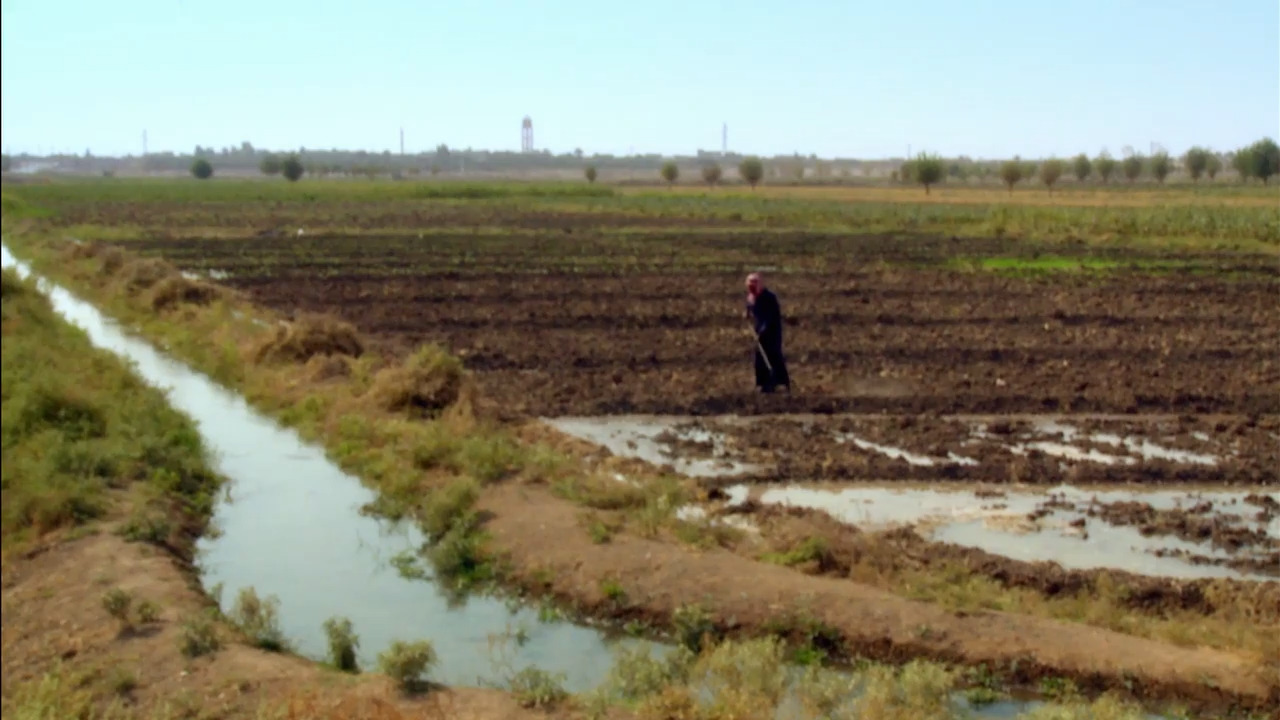
In Uruk and the Dark Side of Civilization, archaeologist and historian Richard Miles explains how the first cities brought advancement as well as progress and oppression. As people specialized their skills, civilization became more stratified. Miles examines the archaeological evidence that violence occurred in one of the first Mesopotamian cities, Uruk. This video is excerpted from BBC’s Ancient Worlds, an epic series with archaeologist and historian Richard Miles as he explores the roots of civilization from Mesopotamia to the fall of the Roman Empire.
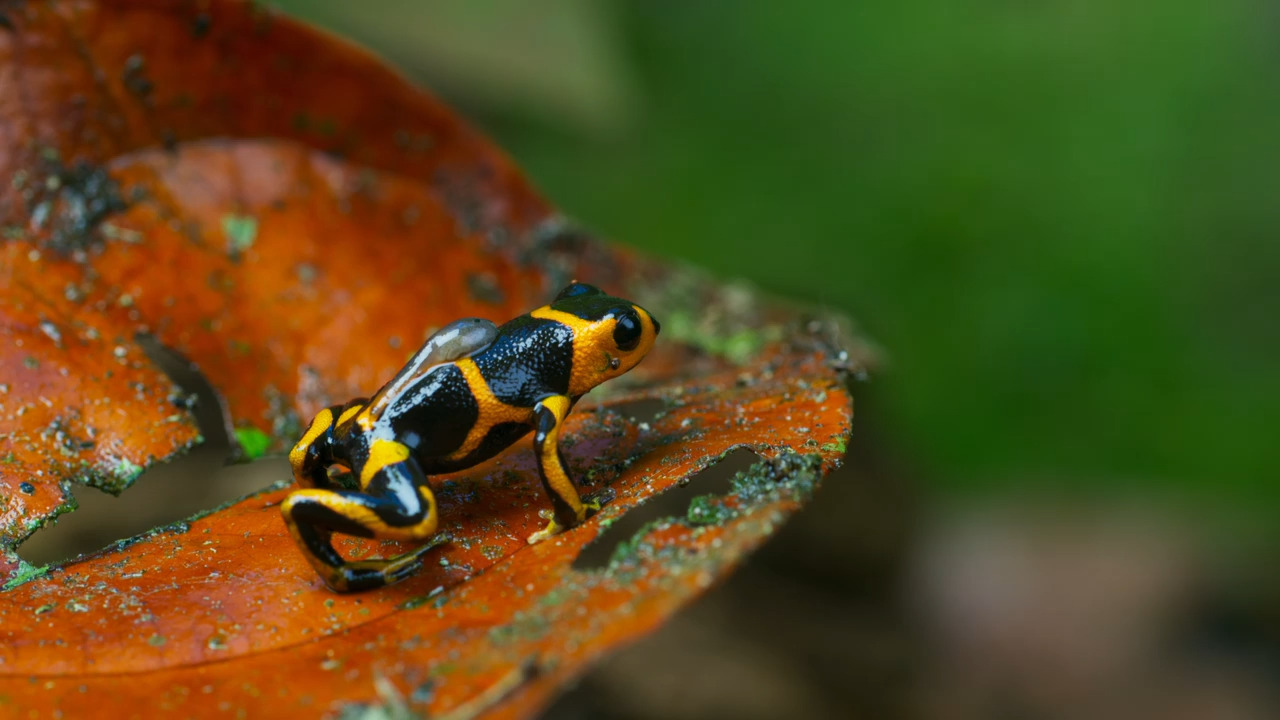
In Poison Dart Frog Piggyback Rides, learn how a male poison dart frog carefully nurtures his tadpoles. He rescues one of them from a dried-up pool and brings its mother to help feed it. This video is excerpted from BBC’s Seven Worlds, One Planet, a series featuring remarkable animal behavior from all seven continents.
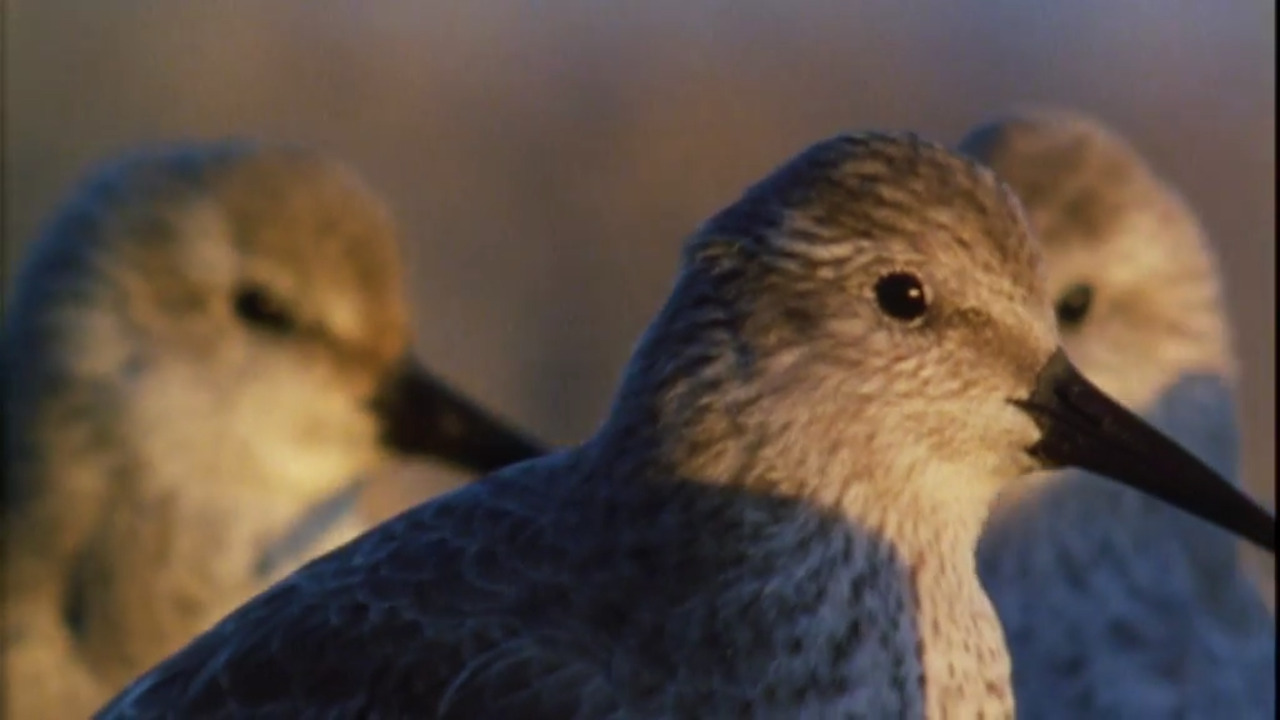
In Animal Adaptations Due to Receding Tides, narrator Sir David Attenborough explains how invertebrates in the mud are impacted by the receding tide, how flounder use the currents, and how ospreys hunt. Observe animal adaptations in the wading birds and the flounder. This video is excerpted from BBC’s Blue Planet, a definitive documentary series diving into the mysterious depths of the sea to discover the natural history of the world’s oceans and the rarely seen marine life that reside there.
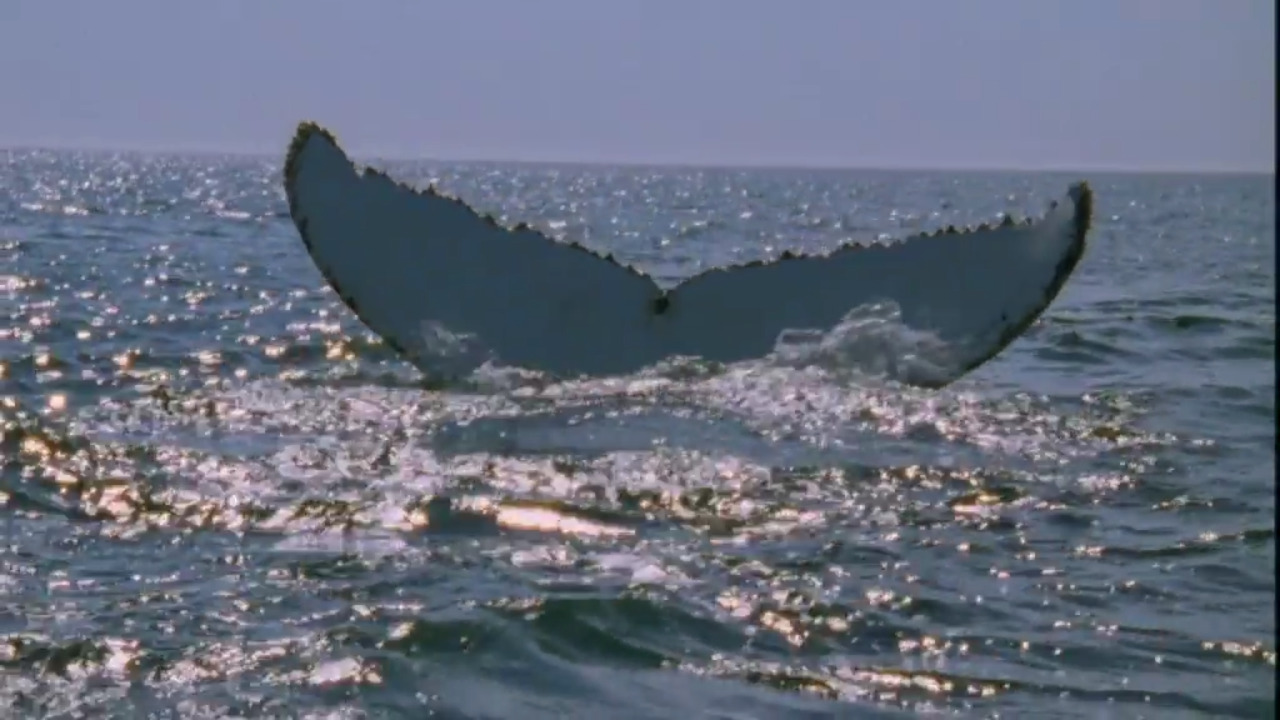
In Feeding in the Tides Off Nova Scotia, narrator Sir David Attenborough explores the large tides off of Nova Scotia and the humpback and finback whales that come to feed. Learn about the finback whale, the fastest whale and second-largest animal in the world. This video is excerpted from BBC’s Blue Planet, a definitive documentary series diving into the mysterious depths of the sea to discover the natural history of the world’s oceans and the rarely seen marine life that reside there.
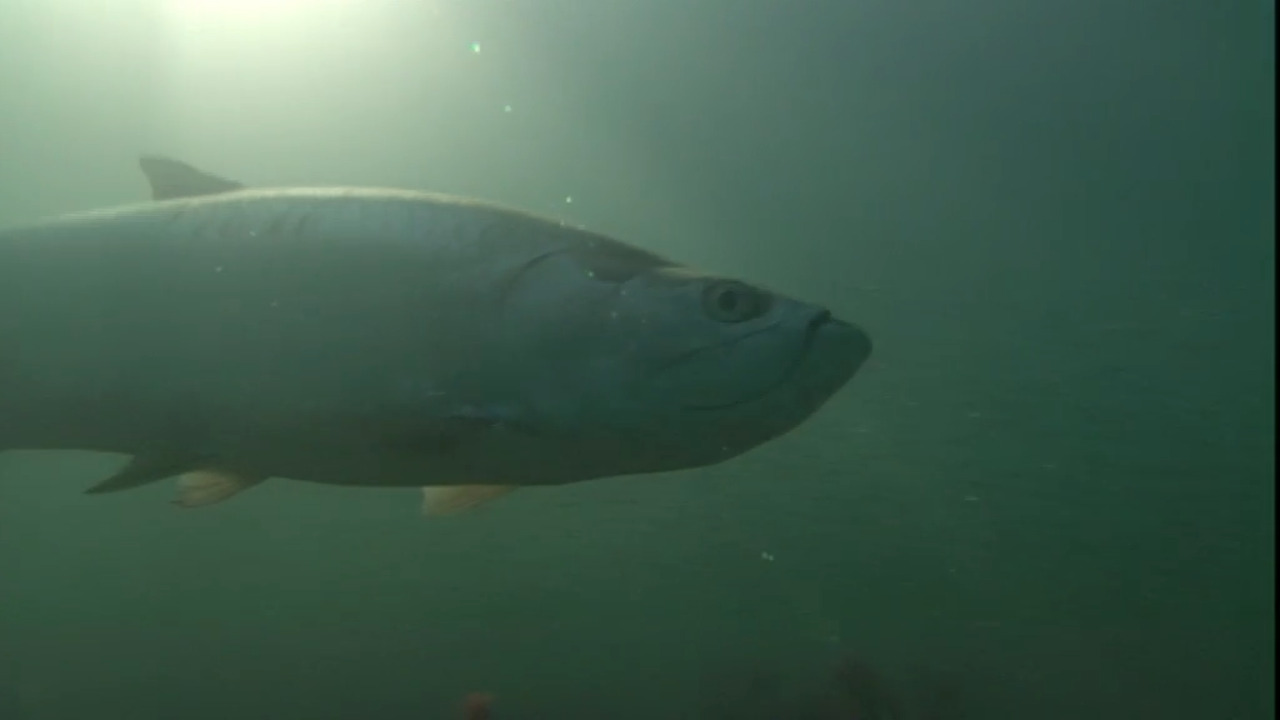
In Life in the Mangroves During Spring Tides, narrator Sir David Attenborough examines what happens in the sea-grass bed and mangrove forest when a large tide comes in. Learn how one animal, the tarpon, has adapted to living in an ecosystem that has low levels of oxygen. This video is excerpted from BBC’s Blue Planet, a definitive documentary series diving into the mysterious depths of the sea to discover the natural history of the world’s oceans and the rarely seen marine life that reside there.
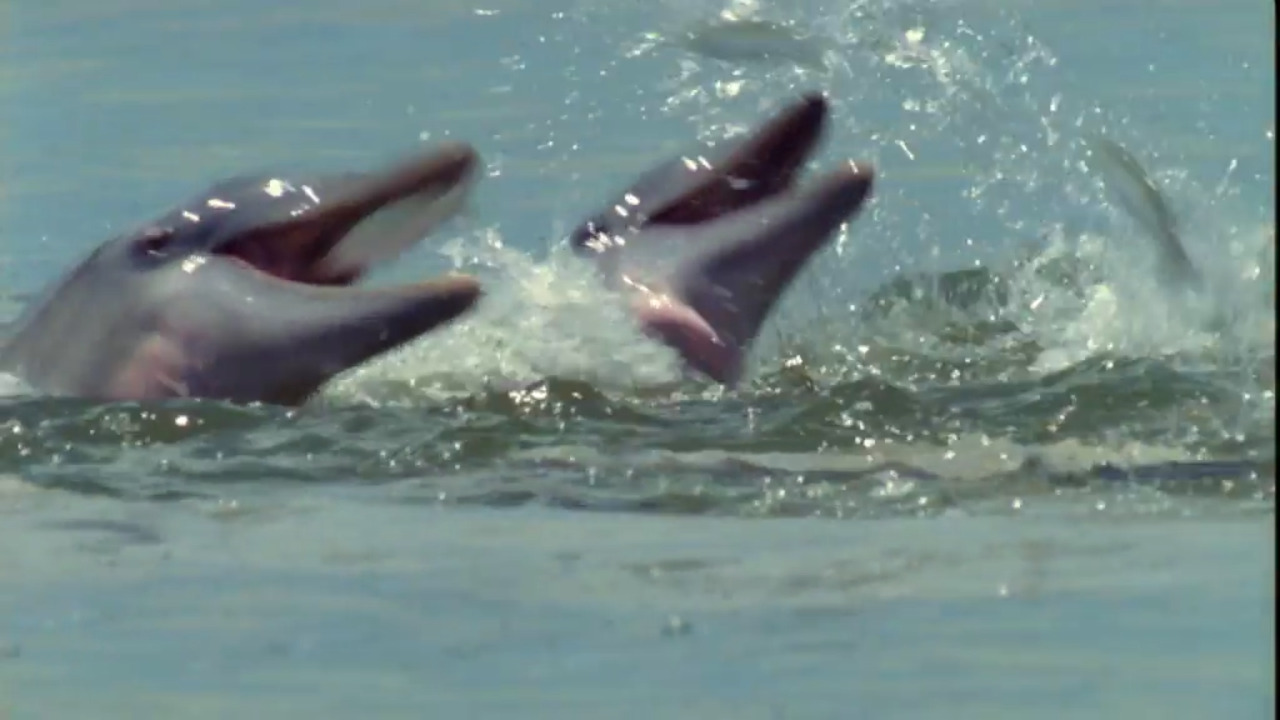
In Opportunity for Animals as the Tides Ebb and Flow, narrator Sir David Attenborough examines how the Moon’s impact on the Earth and the tides create opportunity for animals, like the bottlenose dolphins who move into shallow waters at high tide to feast on mullets. This video is excerpted from BBC’s Blue Planet, a definitive documentary series diving into the mysterious depths of the sea to discover the natural history of the world’s oceans and the rarely seen marine life that reside there.
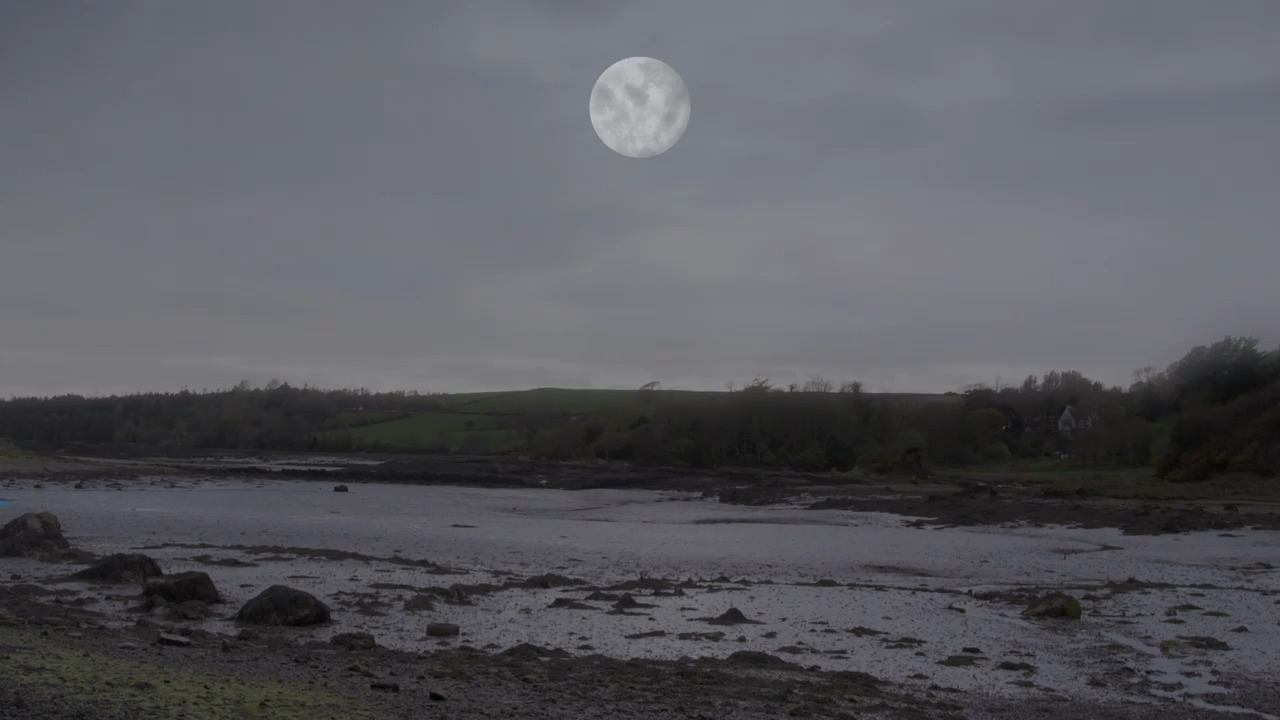
In The Moon and the Tides, Ranger Hamza and the Ramblers observe that the tide has gone out. Join the Ramblers as they learn how the Moon impacts the tides all around the Earth. This video is excerpted from BBC's Ranger Hamza’s Eco Quest, a nature exploration show in which Ranger Hamza and the Ramblers go on quests to discover nature’s wonders and the important role they play in our environment.
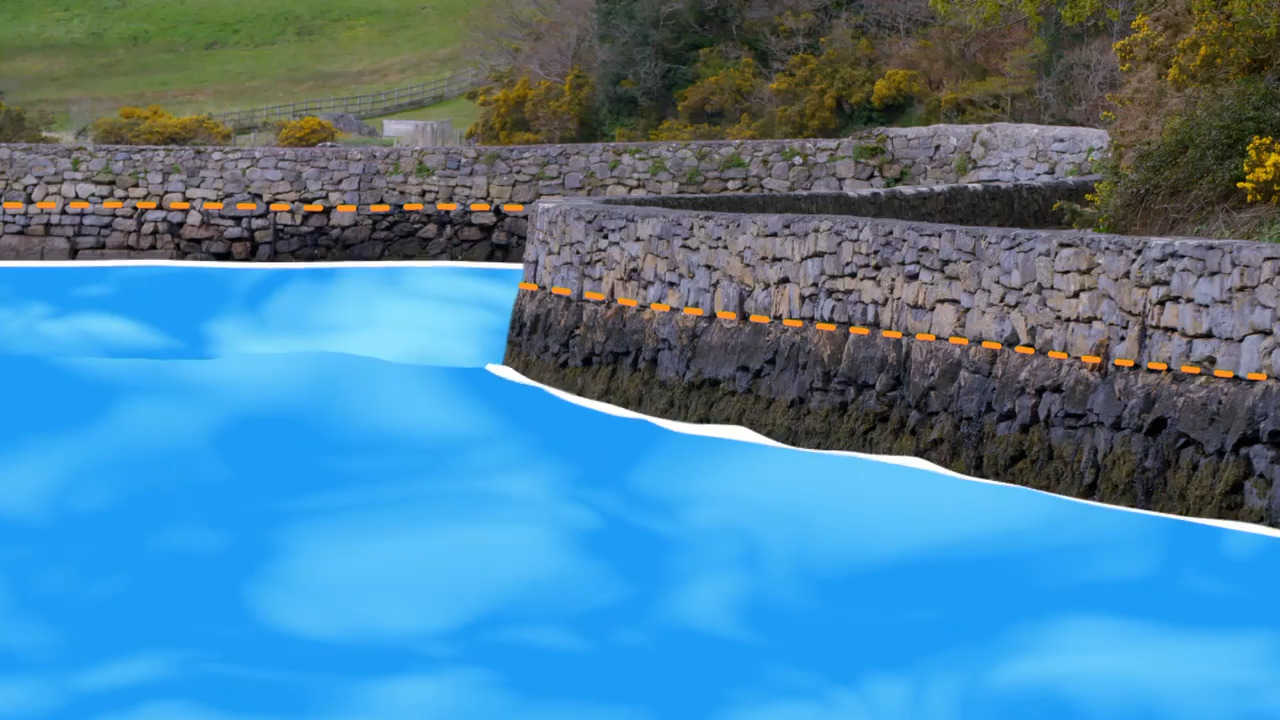
In Tides — How Low Can You Go?, Ranger Hamza and the Ramblers explore a promenade by the ocean. They know the tide comes in and out, but is it high tide or low tide? This video is excerpted from BBC's Ranger Hamza’s Eco Quest, a nature exploration show in which Ranger Hamza and the Ramblers go on quests to discover nature’s wonders and the important role they play in our environment.
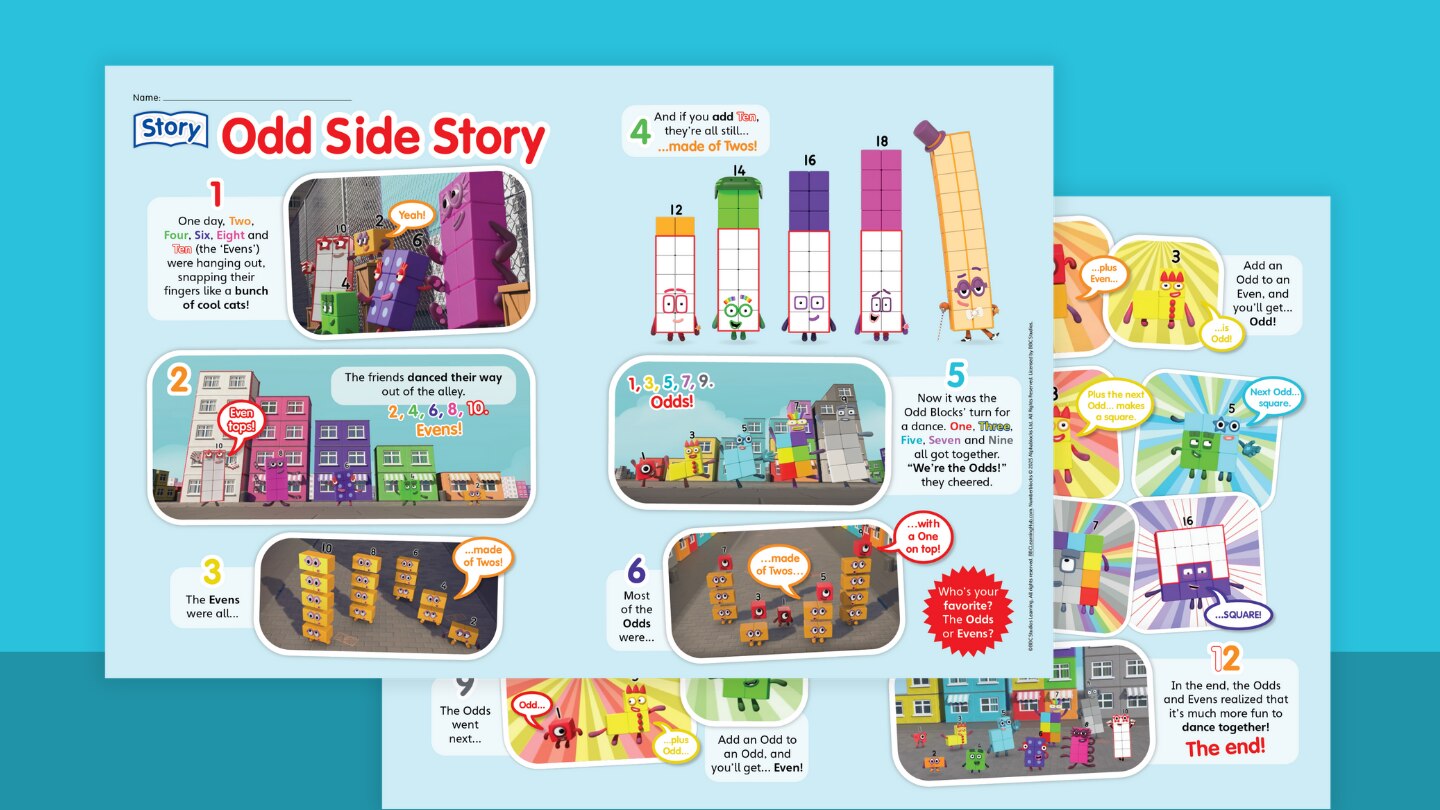
"One day, Two, Four, Six, Eight, and Ten (the "Evens" were hanging out, snapping their fingers like a bunch of cool cats. The friends danced their way out of the alley. The evens were all made of Twos! And if you add Ten, they're all still... made of Twos! Now it was the Odd Blocks' turn for a dance." What will happen next?
Watch full episodes of Numberblocks on their official YouTube channel!
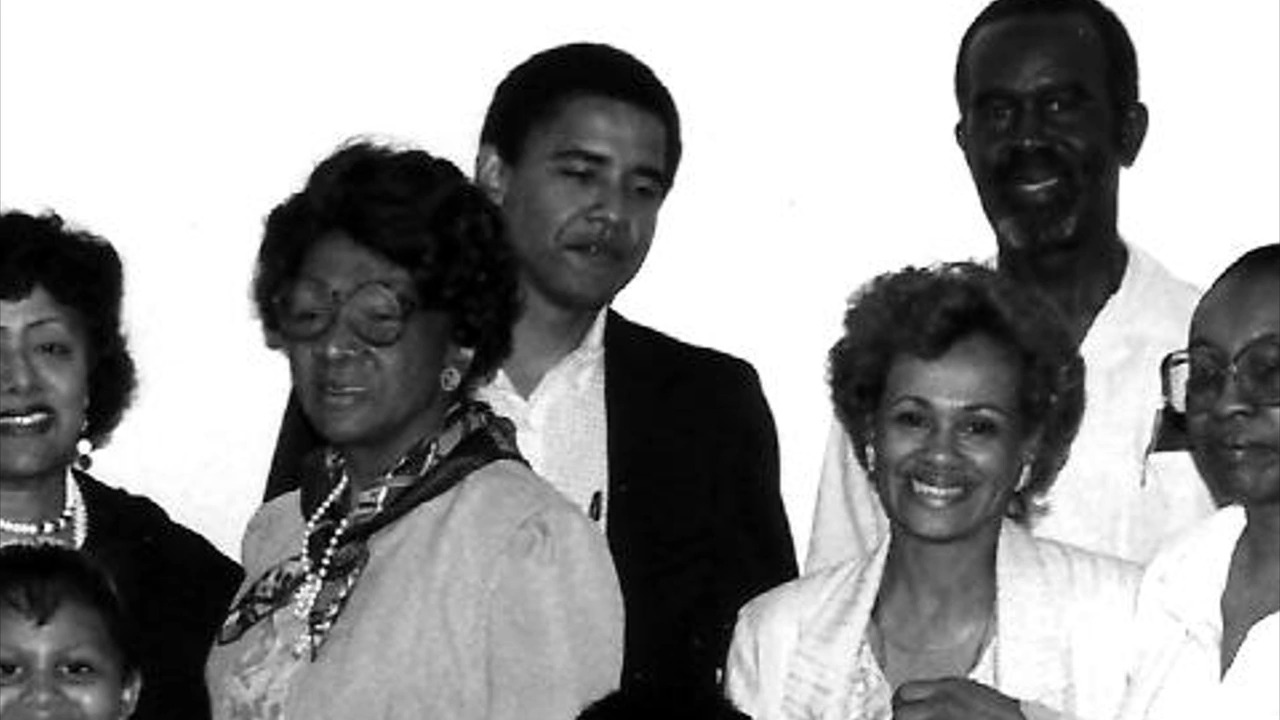
In Obama’s Political Beginnings, historian Simon Schama explains how before Barack Obama was president, he worked to organize laid off factory workers in the South Side of Chicago. As a community organizer, Obama learned how to build alliances and the importance of being at the table. This video is excerpted from BBC’s Obama’s America, in which Simon Schama examines the challenges faced by Barack Obama on the world stage and at home.
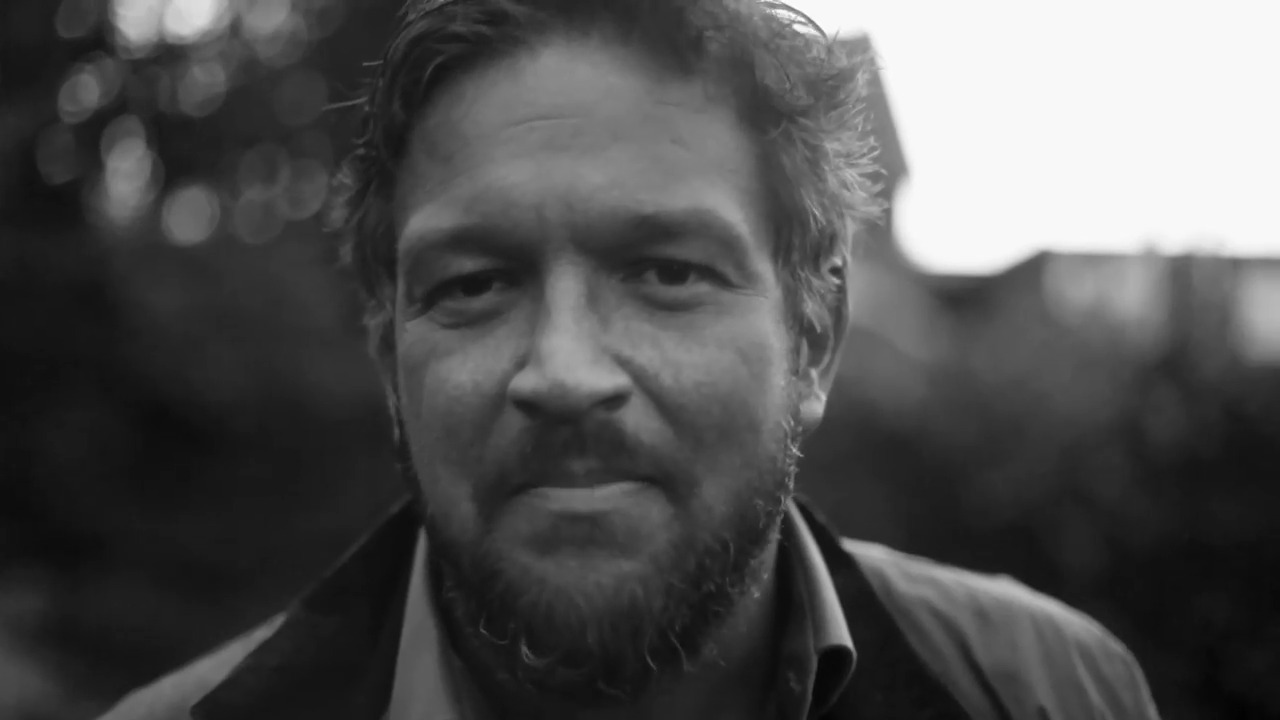
In How Sunscreen Works, evolutionary biologist Ben Garrod explains why pale skin needs extra protection from the Sun because it doesn't have much melanin, which helps block harmful UV rays. He uses a special UV camera to see how much protection his skin naturally has and discovers he needs sunscreen to stay safe from sunburn. After applying sunscreen to one side of his face, the camera shows that the sunscreen makes his skin much darker, proving it's protecting him from the Sun’s harmful rays. This video is excerpted from BBC’s Secrets of Skin, a documentary series exploring the natural history of the body's largest organ.
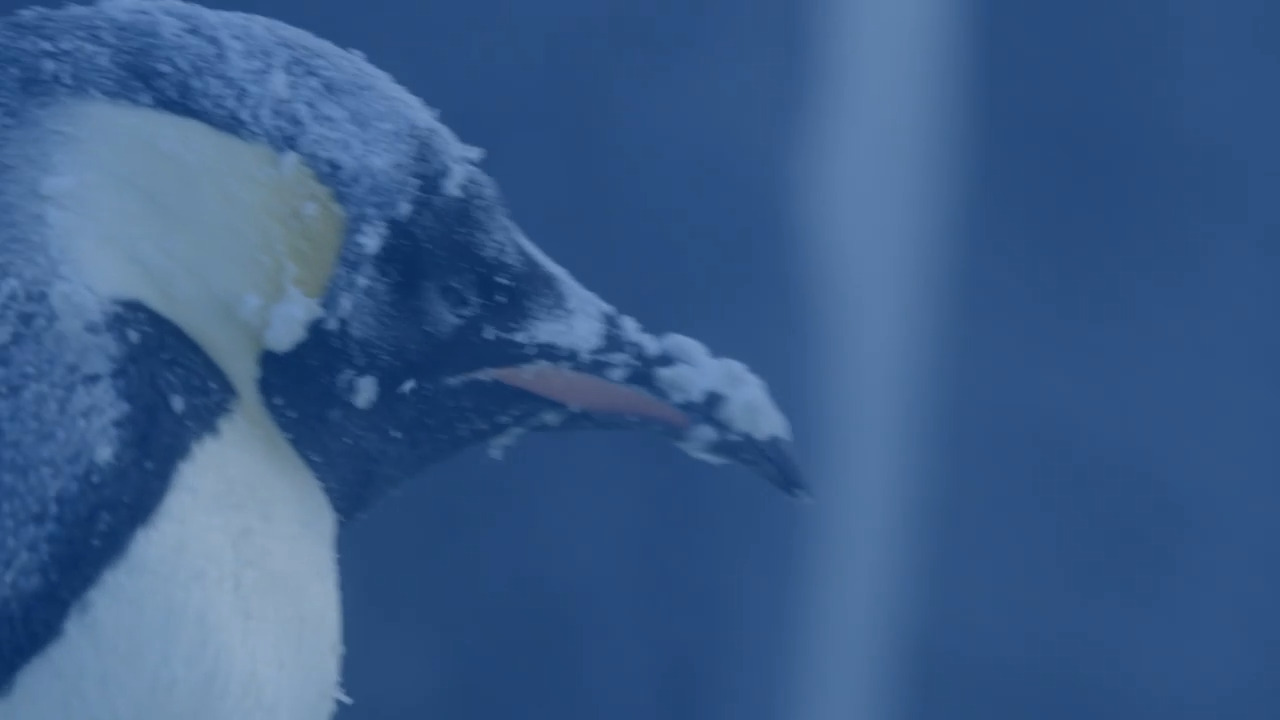
In Inside a Penguin Huddle, narrator Sir David Attenborough describes how male emperor penguins huddle together to keep warm, and to keep their eggs warm. But when a winter blizzard becomes too much for a group of the penguins, the males must move from one side of the huddle to the other without dropping their precious eggs. This video is excerpted from BBC’s Dynasties, a documentary that follows endangered species fighting for their survival.
In Uruk and the Dark Side of Civilization, archaeologist and historian Richard Miles explains how the first cities brought advancement as well as progress and oppression. As people specialized their skills, civilization became more stratified. Miles examines the archaeological evidence that violence occurred in one of the first Mesopotamian cities, Uruk. This video is excerpted from BBC’s Ancient Worlds, an epic series with archaeologist and historian Richard Miles as he explores the roots of civilization from Mesopotamia to the fall of the Roman Empire.
In Poison Dart Frog Piggyback Rides, learn how a male poison dart frog carefully nurtures his tadpoles. He rescues one of them from a dried-up pool and brings its mother to help feed it. This video is excerpted from BBC’s Seven Worlds, One Planet, a series featuring remarkable animal behavior from all seven continents.
In Animal Adaptations Due to Receding Tides, narrator Sir David Attenborough explains how invertebrates in the mud are impacted by the receding tide, how flounder use the currents, and how ospreys hunt. Observe animal adaptations in the wading birds and the flounder. This video is excerpted from BBC’s Blue Planet, a definitive documentary series diving into the mysterious depths of the sea to discover the natural history of the world’s oceans and the rarely seen marine life that reside there.
In Feeding in the Tides Off Nova Scotia, narrator Sir David Attenborough explores the large tides off of Nova Scotia and the humpback and finback whales that come to feed. Learn about the finback whale, the fastest whale and second-largest animal in the world. This video is excerpted from BBC’s Blue Planet, a definitive documentary series diving into the mysterious depths of the sea to discover the natural history of the world’s oceans and the rarely seen marine life that reside there.
In Life in the Mangroves During Spring Tides, narrator Sir David Attenborough examines what happens in the sea-grass bed and mangrove forest when a large tide comes in. Learn how one animal, the tarpon, has adapted to living in an ecosystem that has low levels of oxygen. This video is excerpted from BBC’s Blue Planet, a definitive documentary series diving into the mysterious depths of the sea to discover the natural history of the world’s oceans and the rarely seen marine life that reside there.
In Opportunity for Animals as the Tides Ebb and Flow, narrator Sir David Attenborough examines how the Moon’s impact on the Earth and the tides create opportunity for animals, like the bottlenose dolphins who move into shallow waters at high tide to feast on mullets. This video is excerpted from BBC’s Blue Planet, a definitive documentary series diving into the mysterious depths of the sea to discover the natural history of the world’s oceans and the rarely seen marine life that reside there.
In The Moon and the Tides, Ranger Hamza and the Ramblers observe that the tide has gone out. Join the Ramblers as they learn how the Moon impacts the tides all around the Earth. This video is excerpted from BBC's Ranger Hamza’s Eco Quest, a nature exploration show in which Ranger Hamza and the Ramblers go on quests to discover nature’s wonders and the important role they play in our environment.
In Tides — How Low Can You Go?, Ranger Hamza and the Ramblers explore a promenade by the ocean. They know the tide comes in and out, but is it high tide or low tide? This video is excerpted from BBC's Ranger Hamza’s Eco Quest, a nature exploration show in which Ranger Hamza and the Ramblers go on quests to discover nature’s wonders and the important role they play in our environment.
"One day, Two, Four, Six, Eight, and Ten (the "Evens" were hanging out, snapping their fingers like a bunch of cool cats. The friends danced their way out of the alley. The evens were all made of Twos! And if you add Ten, they're all still... made of Twos! Now it was the Odd Blocks' turn for a dance." What will happen next?
Watch full episodes of Numberblocks on their official YouTube channel!
In Obama’s Political Beginnings, historian Simon Schama explains how before Barack Obama was president, he worked to organize laid off factory workers in the South Side of Chicago. As a community organizer, Obama learned how to build alliances and the importance of being at the table. This video is excerpted from BBC’s Obama’s America, in which Simon Schama examines the challenges faced by Barack Obama on the world stage and at home.
In How Sunscreen Works, evolutionary biologist Ben Garrod explains why pale skin needs extra protection from the Sun because it doesn't have much melanin, which helps block harmful UV rays. He uses a special UV camera to see how much protection his skin naturally has and discovers he needs sunscreen to stay safe from sunburn. After applying sunscreen to one side of his face, the camera shows that the sunscreen makes his skin much darker, proving it's protecting him from the Sun’s harmful rays. This video is excerpted from BBC’s Secrets of Skin, a documentary series exploring the natural history of the body's largest organ.
In Inside a Penguin Huddle, narrator Sir David Attenborough describes how male emperor penguins huddle together to keep warm, and to keep their eggs warm. But when a winter blizzard becomes too much for a group of the penguins, the males must move from one side of the huddle to the other without dropping their precious eggs. This video is excerpted from BBC’s Dynasties, a documentary that follows endangered species fighting for their survival.