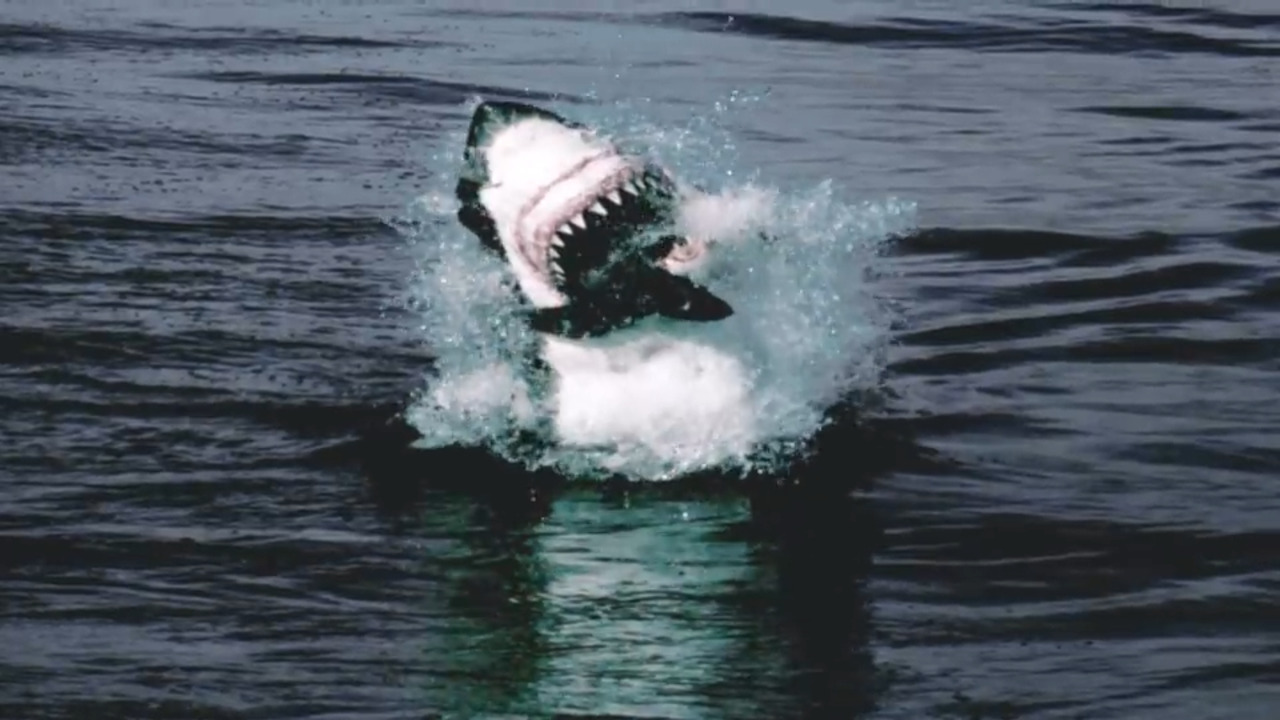
In Great White Sharks vs. Cape Fur Seals, seals head out to sea. As they swim, they must get past great white sharks, apex predators that are waiting to throw their weight around to capture a seal snack. This video is excerpted from BBC’s Planet Earth, a breathtaking documentary series that highlights the natural wonders of our planet.

In Whale Sharks in Southern Asia's Seas, narrator Sir David Attenborough shows how the once-endangered whale shark is now protected in Indonesian waters, thanks to local fishermen. With respect for the ocean and its inhabitants, these communities have made sustainable fishing choices, allowing whale shark populations to recover. This video is excerpted from BBC’s Seven Worlds, One Planet, a series featuring remarkable animal behavior from all seven continents.
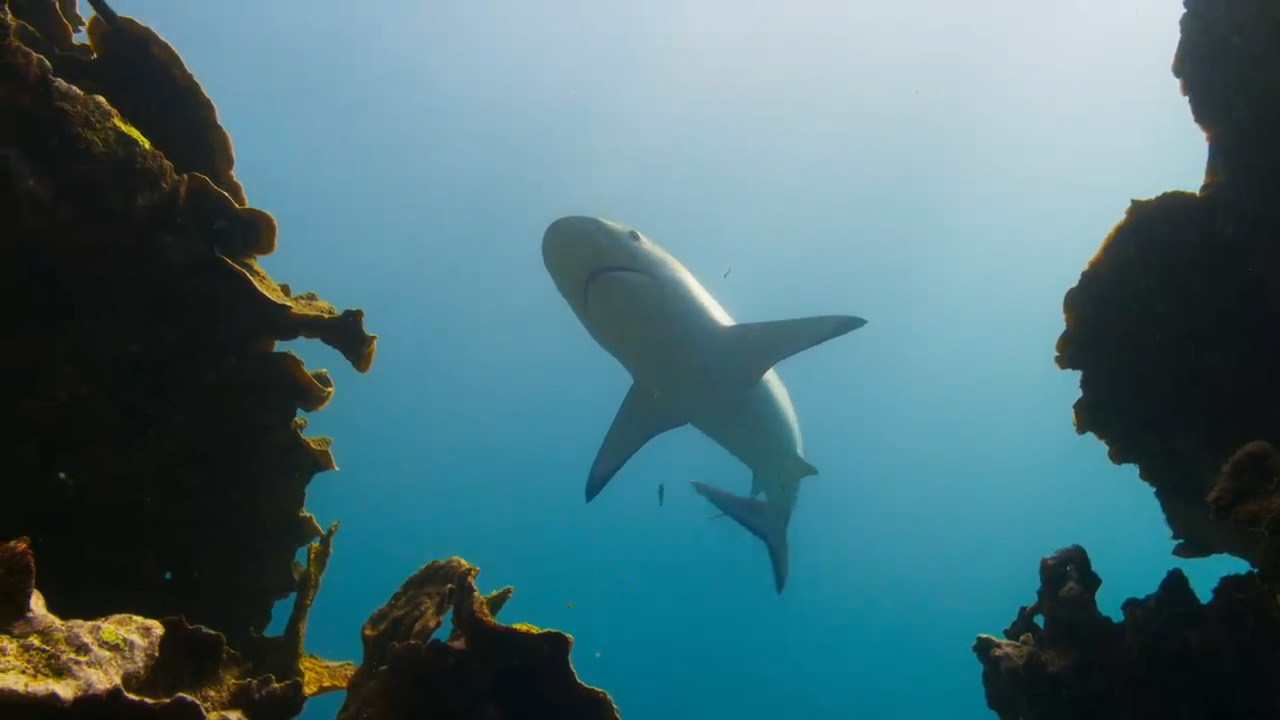
In Sharks' Hunting Techniques on the Coral Reef, narrator Sir David Attenborough explains how sharks around the coral reef work together to herd shoals of fish toward the shore. Their technique traps millions of fish in shallow waters, allowing the sharks to fill their stomachs. This video is excerpted from BBC’s Seven Worlds, One Planet, a series featuring remarkable animal behavior from all seven continents.
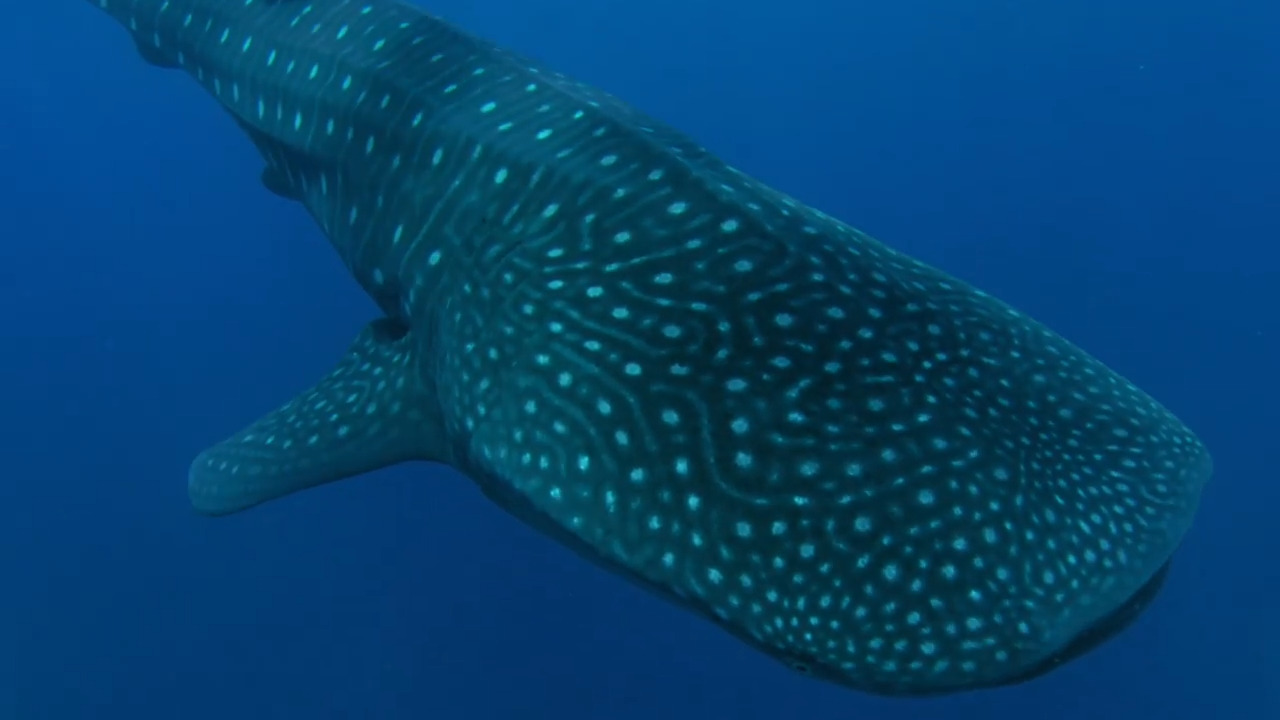
In Whale Sharks Are Both Protector and Predator, narrator Sir David Attenborough explores the fascinating behavior of whale sharks, the largest fish in the ocean. Whale sharks use their massive size and feeding strategies to survive in the ocean, often sharing food sources with predatory species like tuna. This video is excerpted from BBC’s Planet Earth, a breathtaking documentary series that highlights the natural wonders of our planet.
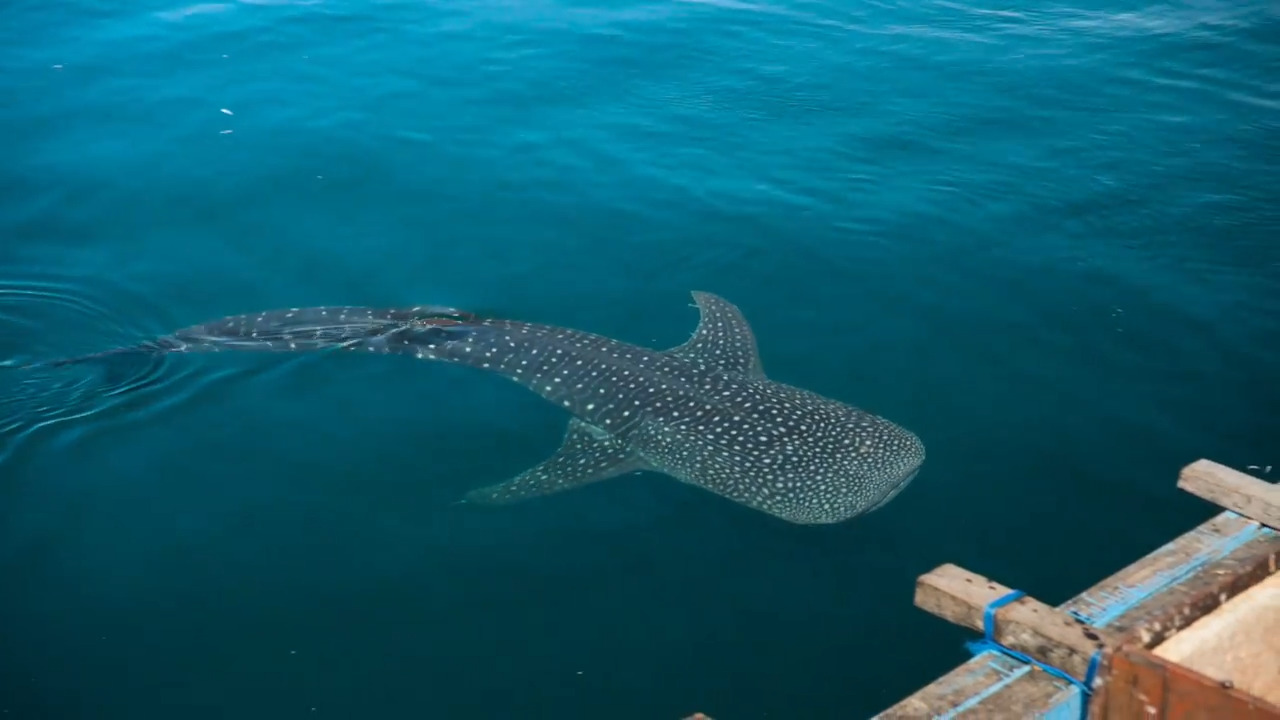
In The Whale Sharks and Fishermen’s Bond, host Simon Reeve explores Cenderawasih Bay, where fishermen have a special bond with local whale sharks. The fishermen believe the sharks bring them good luck and have cared for the sharks for years. Simon dives into the water to see these massive creatures up close and learns that whale sharks feed on tiny fish and plankton, not humans. He also discovers how vital it is for the community to protect the ocean and its ecosystem for future generations. This video is excerpted from BBC’s Wilderness With Simon Reeve, an epic adventure into the heart of Earth’s last great wild areas, where nature is at its most beautiful and fragile.
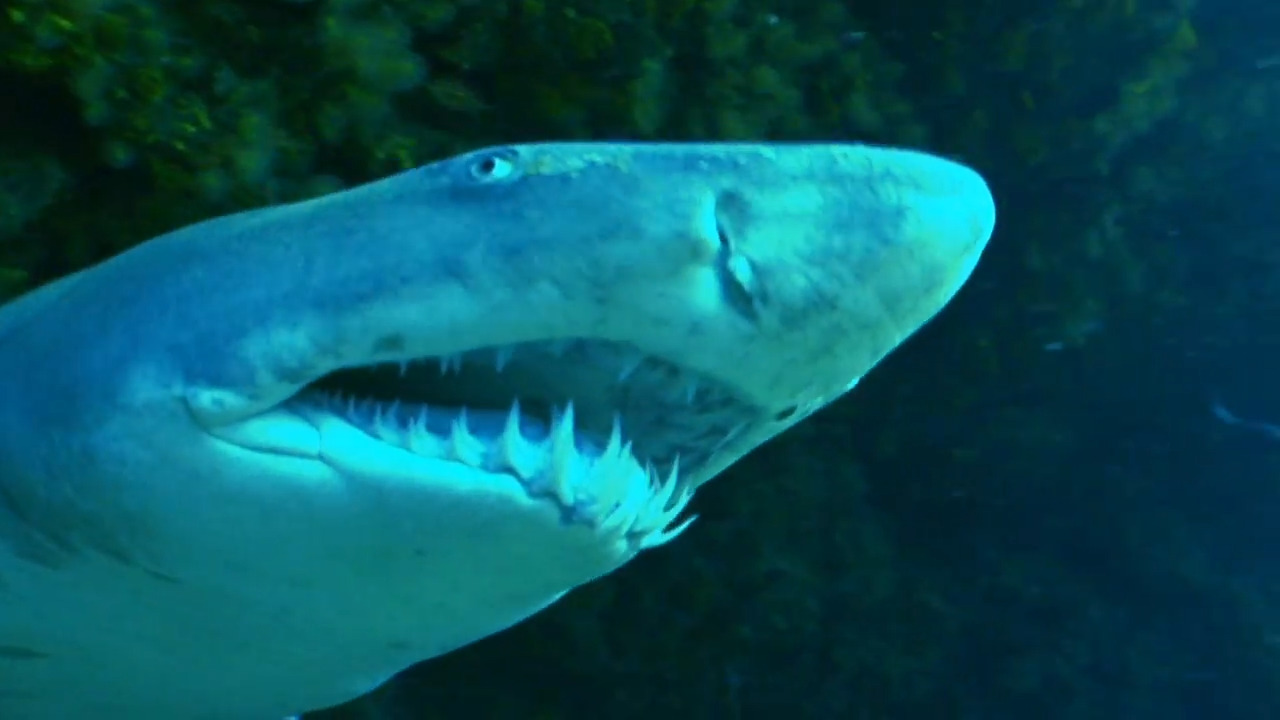
In Sharks and the Marine Ecosystem, host Simon Reeve goes diving with sharks off the coast of South Africa, where he learns about the important work of a shark conservation organization. This video is excerpted from BBC's Incredible Journeys With Simon Reeve, a series that highlights one journalist’s travels across the globe and the diverse cultures and peoples he meets along the way.
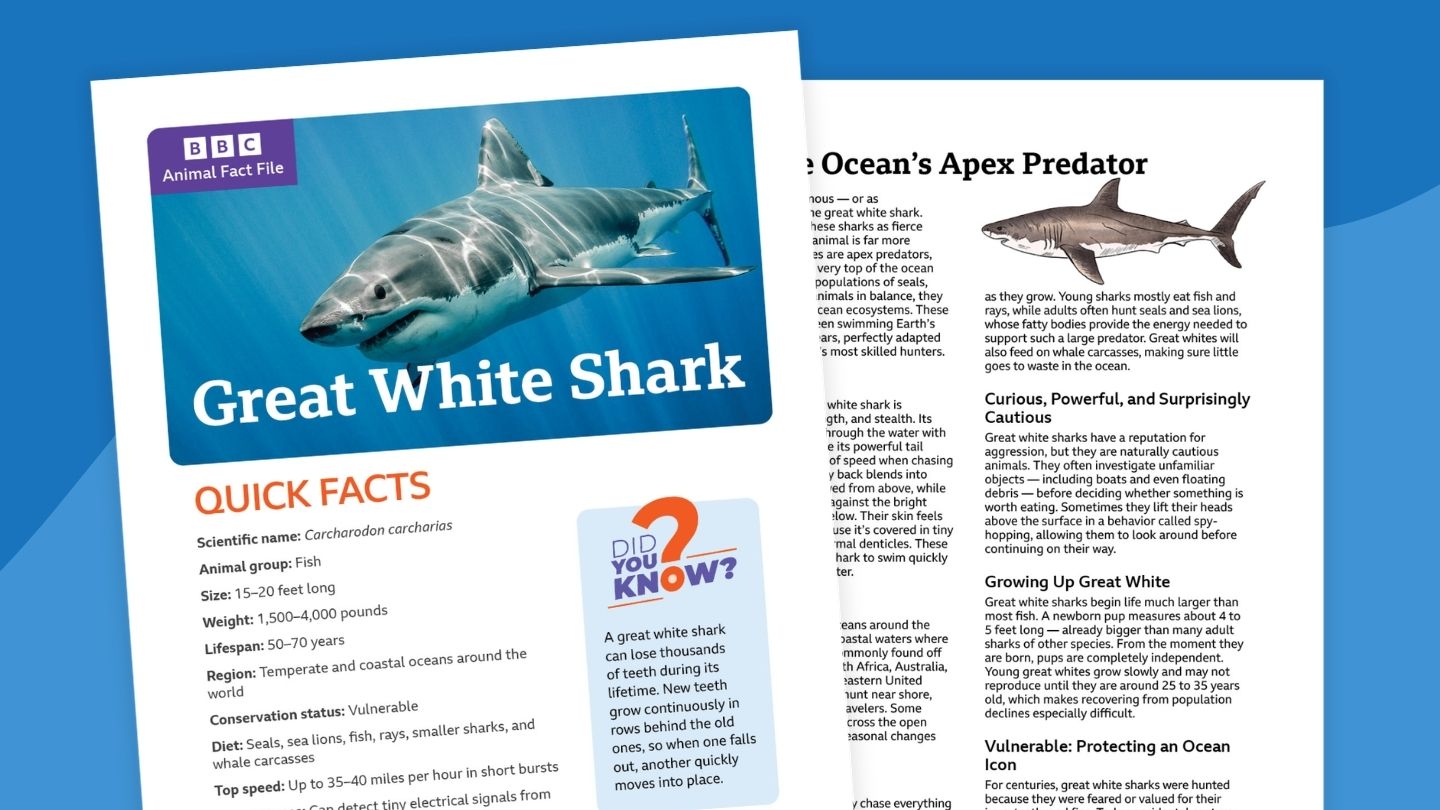
What predator can burst through the ocean at nearly 40 miles per hour, replace thousands of teeth during its lifetime, and help keep marine ecosystems healthy? The answer may surprise you.
Separate fact from fiction as you dive into the world of the great white shark. Discover the incredible adaptations that make it one of the ocean's most successful hunters, from powerful jaws and razor-sharp senses to stealthy hunting strategies. You'll also learn why great white sharks are essential to healthy oceans and how conservation efforts are helping protect this iconic predator.
Teachers and parents, you can use this fact file to:
- Introduce an animal, wildlife, or life science unit
- Support nonfiction reading and vocabulary practice
- Explore animal adaptations, behaviors, and habitats
- Compare animals and the ecosystems they live in
- Practice finding and organizing information from nonfiction texts
- Prepare students for animal research projects or presentations (use our animal report templates!)
- Connect science learning to conservation and environmental issues
- Pair with videos, articles, or other informational texts (see Related Resources below)
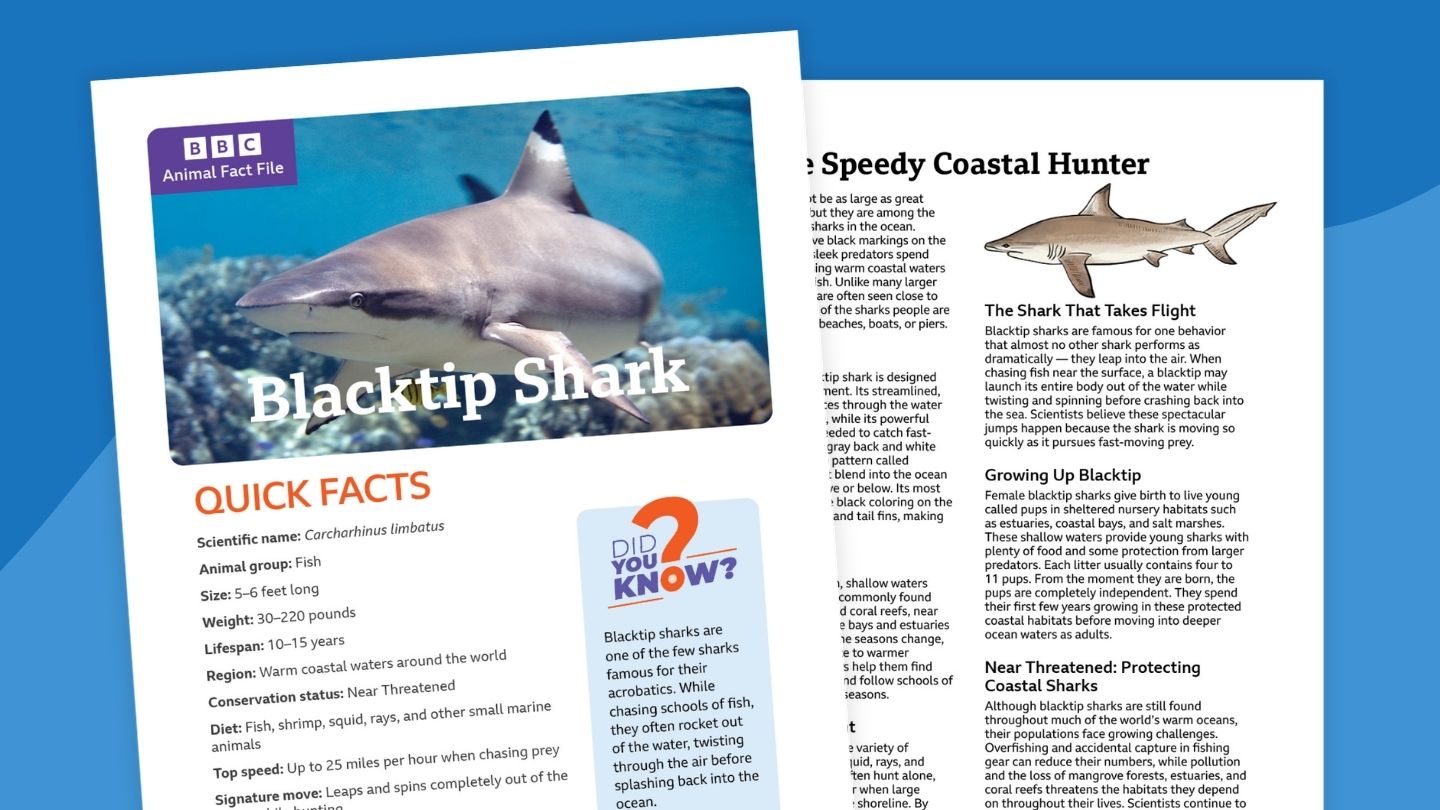
What shark can leap completely out of the water while chasing its dinner? If you guessed the blacktip shark, you're right!
Known for their speed, agility, and spectacular spinning jumps, blacktip sharks are among the ocean's most exciting predators. Explore the warm coastal waters they call home, discover how they sometimes work together to herd schools of fish, and learn why mangroves, coral reefs, and estuaries are so important to their survival. You'll also find out how people are helping keep these remarkable coastal sharks thriving.
Teachers and parents, you can use this fact file to:
- Introduce an animal, wildlife, or life science unit
- Support nonfiction reading and vocabulary practice
- Explore animal adaptations, behaviors, and habitats
- Compare animals and the ecosystems they live in
- Practice finding and organizing information from nonfiction texts
- Prepare students for animal research projects or presentations (use our animal report templates!)
- Connect science learning to conservation and environmental issues
- Pair with videos, articles, or other informational texts (see Related Resources below)
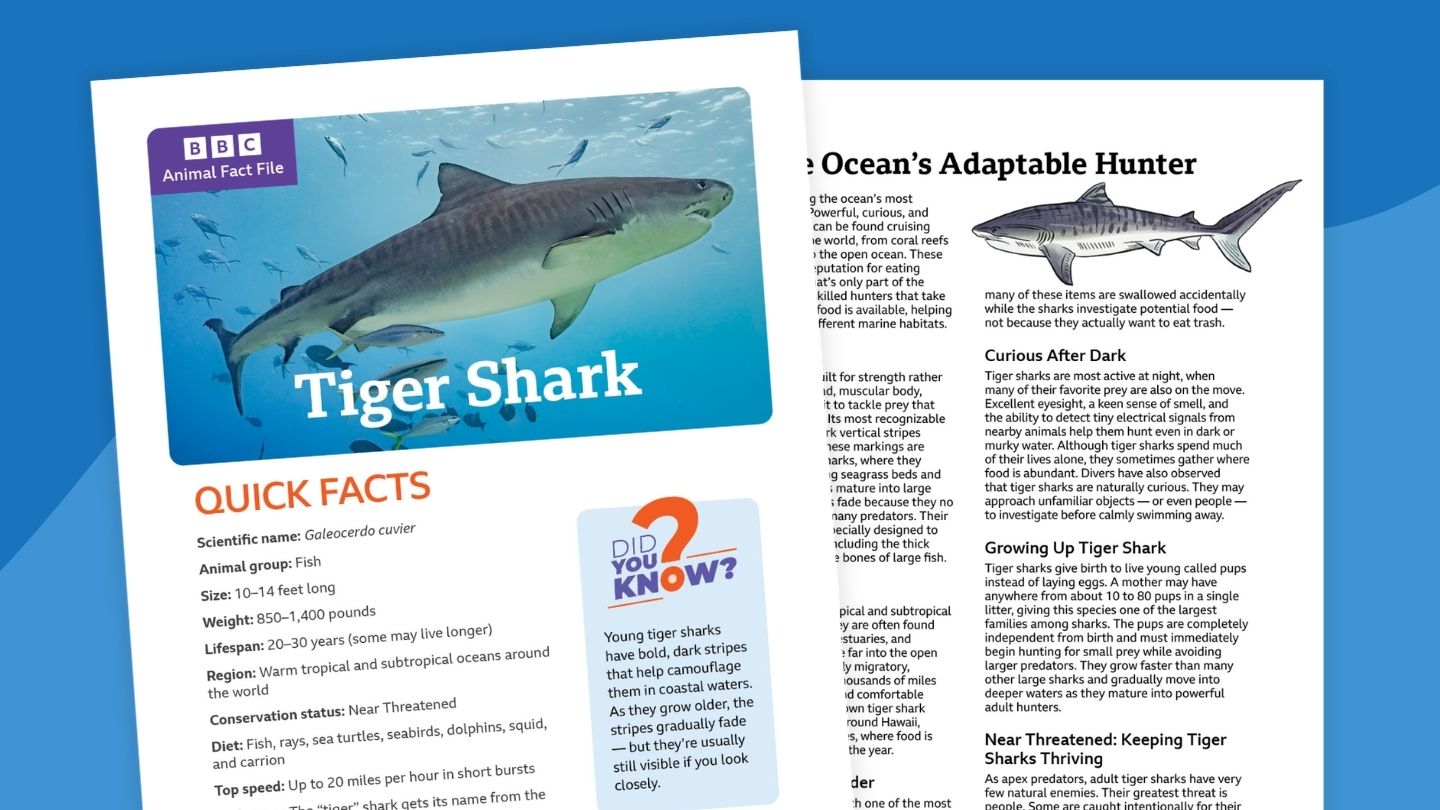
What shark gets its name from the dark stripes along its body and has one of the most varied diets in the ocean? Meet one of the sea's most adaptable predators.
Powerful, curious, and built to thrive in a wide range of habitats, tiger sharks are among the ocean's most successful hunters. Discover how they use their keen senses and powerful jaws to find food, why they migrate across thousands of miles of ocean, and what role they play in keeping marine ecosystems in balance. You'll also learn about the challenges tiger sharks face and the efforts underway to protect them.
Teachers and parents, you can use this fact file to:
- Introduce an animal, wildlife, or life science unit
- Support nonfiction reading and vocabulary practice
- Explore animal adaptations, behaviors, and habitats
- Compare animals and the ecosystems they live in
- Practice finding and organizing information from nonfiction texts
- Prepare students for animal research projects or presentations (use our animal report templates!)
- Connect science learning to conservation and environmental issues
- Pair with videos, articles, or other informational texts (see Related Resources below)
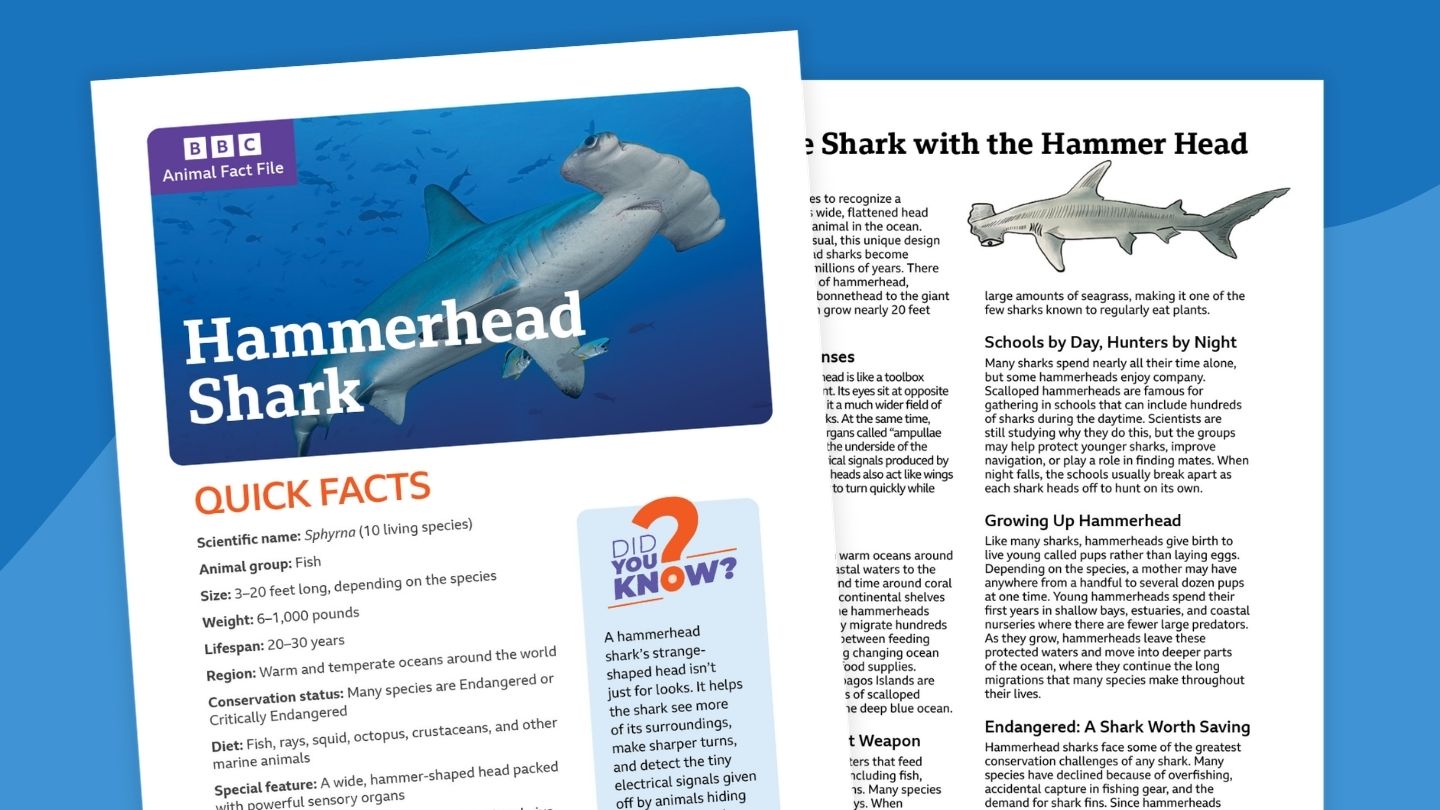
What shark has a head shaped like a hammer — and uses it like a high-tech hunting tool? Hammerhead sharks may look unusual, but every part of their unique design helps them survive.
Explore the fascinating world of these extraordinary sharks and discover how their wide heads help them see more, sense hidden prey, and make sharp turns while hunting. Learn why some hammerheads gather in schools of hundreds, travel thousands of miles across the ocean, and face growing conservation challenges that make protecting them more important than ever.
Teachers and parents, you can use this fact file to:
- Introduce an animal, wildlife, or life science unit
- Support nonfiction reading and vocabulary practice
- Explore animal adaptations, behaviors, and habitats
- Compare animals and the ecosystems they live in
- Practice finding and organizing information from nonfiction texts
- Prepare students for animal research projects or presentations (use our animal report templates!)
- Connect science learning to conservation and environmental issues
- Pair with videos, articles, or other informational texts (see Related Resources below)
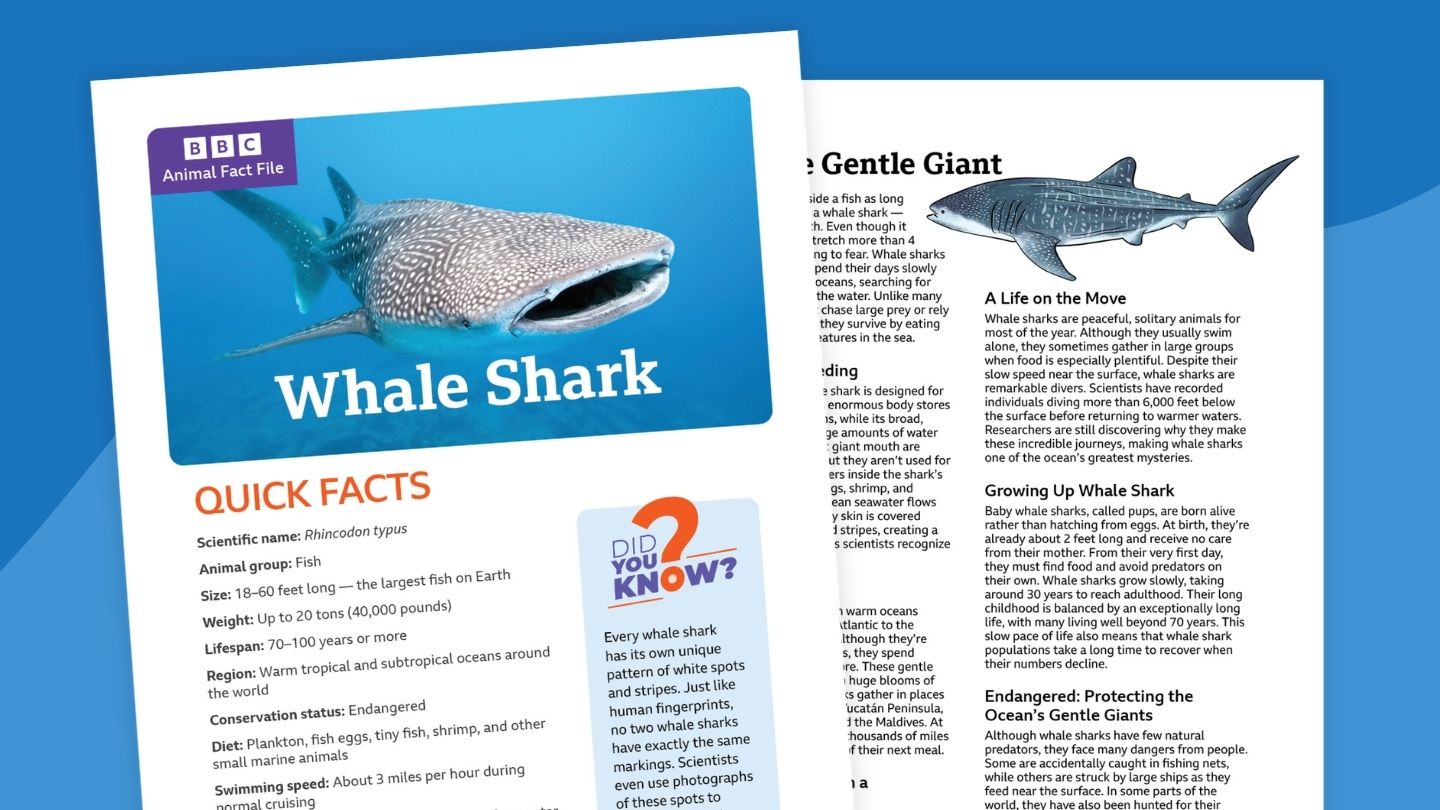
What fish can grow longer than a school bus but feeds on tiny plankton? The whale shark is the largest fish on Earth — and one of its gentlest.
From tropical coastlines to the open ocean, these enormous fish spend their lives searching for tiny creatures drifting through the water. Discover how whale sharks use filter feeding instead of hunting, dive thousands of feet beneath the surface, and migrate incredible distances across the globe. You'll also learn why these gentle giants are endangered and how scientists are working to protect them for generations to come.
Teachers and parents, you can use this fact file to:
- Introduce an animal, wildlife, or life science unit
- Support nonfiction reading and vocabulary practice
- Explore animal adaptations, behaviors, and habitats
- Compare animals and the ecosystems they live in
- Practice finding and organizing information from nonfiction texts
- Prepare students for animal research projects or presentations (use our animal report templates!)
- Connect science learning to conservation and environmental issues
- Pair with videos, articles, or other informational texts (see Related Resources below)
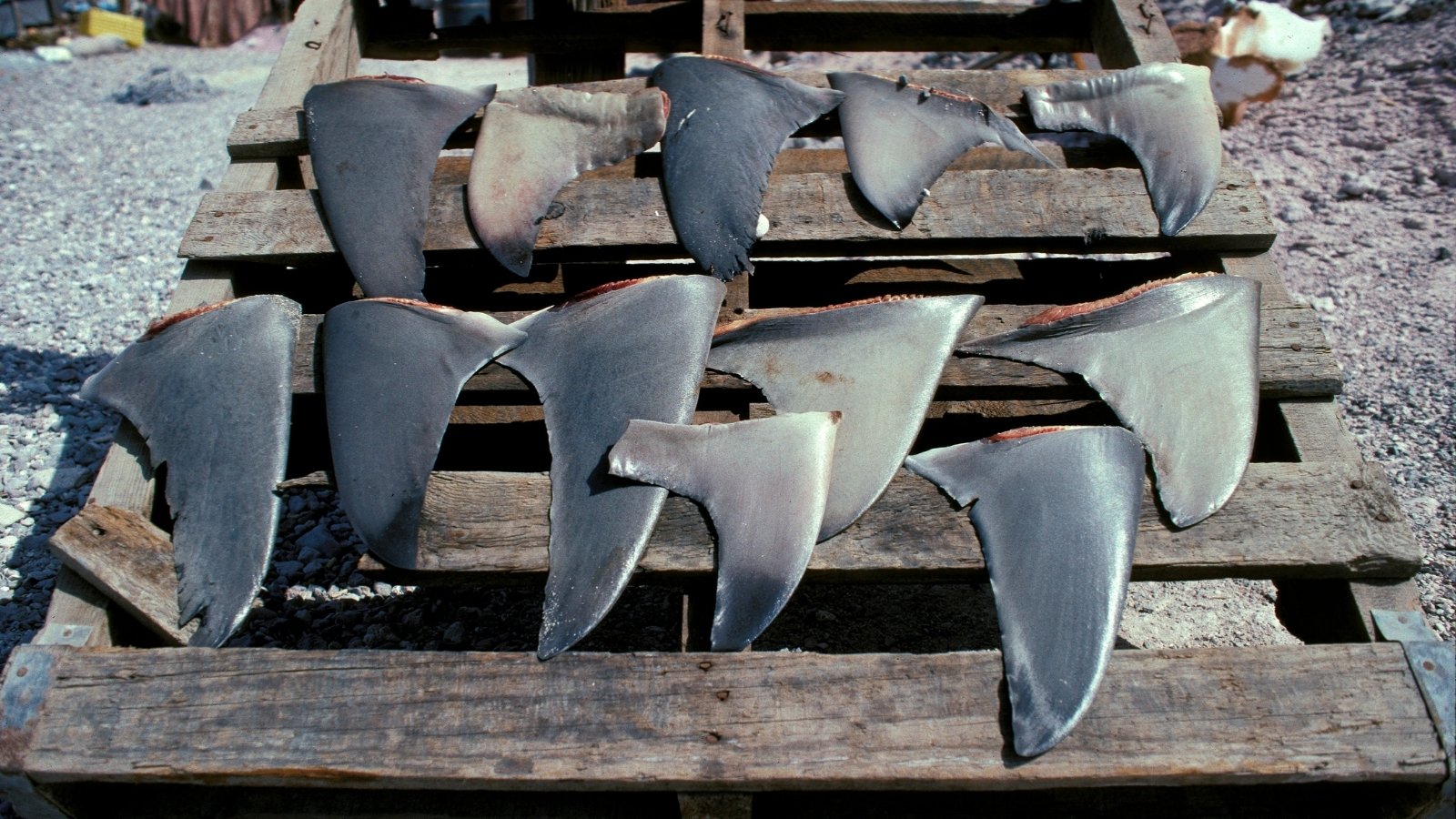
The article "The Dangers of Shark Finning: Why It’s Harmful to Sharks and the Oceans" from BBC's Discover Wildlife discusses the severe impact of shark finning, a practice where sharks are killed for their fins and used in shark fin soup. The demand for this luxury dish, mostly in China, is rapidly growing, pushing many shark species to the brink of extinction.
In Great White Sharks vs. Cape Fur Seals, seals head out to sea. As they swim, they must get past great white sharks, apex predators that are waiting to throw their weight around to capture a seal snack. This video is excerpted from BBC’s Planet Earth, a breathtaking documentary series that highlights the natural wonders of our planet.
In Whale Sharks in Southern Asia's Seas, narrator Sir David Attenborough shows how the once-endangered whale shark is now protected in Indonesian waters, thanks to local fishermen. With respect for the ocean and its inhabitants, these communities have made sustainable fishing choices, allowing whale shark populations to recover. This video is excerpted from BBC’s Seven Worlds, One Planet, a series featuring remarkable animal behavior from all seven continents.
In Sharks' Hunting Techniques on the Coral Reef, narrator Sir David Attenborough explains how sharks around the coral reef work together to herd shoals of fish toward the shore. Their technique traps millions of fish in shallow waters, allowing the sharks to fill their stomachs. This video is excerpted from BBC’s Seven Worlds, One Planet, a series featuring remarkable animal behavior from all seven continents.
In Whale Sharks Are Both Protector and Predator, narrator Sir David Attenborough explores the fascinating behavior of whale sharks, the largest fish in the ocean. Whale sharks use their massive size and feeding strategies to survive in the ocean, often sharing food sources with predatory species like tuna. This video is excerpted from BBC’s Planet Earth, a breathtaking documentary series that highlights the natural wonders of our planet.
In The Whale Sharks and Fishermen’s Bond, host Simon Reeve explores Cenderawasih Bay, where fishermen have a special bond with local whale sharks. The fishermen believe the sharks bring them good luck and have cared for the sharks for years. Simon dives into the water to see these massive creatures up close and learns that whale sharks feed on tiny fish and plankton, not humans. He also discovers how vital it is for the community to protect the ocean and its ecosystem for future generations. This video is excerpted from BBC’s Wilderness With Simon Reeve, an epic adventure into the heart of Earth’s last great wild areas, where nature is at its most beautiful and fragile.
In Sharks and the Marine Ecosystem, host Simon Reeve goes diving with sharks off the coast of South Africa, where he learns about the important work of a shark conservation organization. This video is excerpted from BBC's Incredible Journeys With Simon Reeve, a series that highlights one journalist’s travels across the globe and the diverse cultures and peoples he meets along the way.
What predator can burst through the ocean at nearly 40 miles per hour, replace thousands of teeth during its lifetime, and help keep marine ecosystems healthy? The answer may surprise you.
Separate fact from fiction as you dive into the world of the great white shark. Discover the incredible adaptations that make it one of the ocean's most successful hunters, from powerful jaws and razor-sharp senses to stealthy hunting strategies. You'll also learn why great white sharks are essential to healthy oceans and how conservation efforts are helping protect this iconic predator.
Teachers and parents, you can use this fact file to:
- Introduce an animal, wildlife, or life science unit
- Support nonfiction reading and vocabulary practice
- Explore animal adaptations, behaviors, and habitats
- Compare animals and the ecosystems they live in
- Practice finding and organizing information from nonfiction texts
- Prepare students for animal research projects or presentations (use our animal report templates!)
- Connect science learning to conservation and environmental issues
- Pair with videos, articles, or other informational texts (see Related Resources below)
What shark can leap completely out of the water while chasing its dinner? If you guessed the blacktip shark, you're right!
Known for their speed, agility, and spectacular spinning jumps, blacktip sharks are among the ocean's most exciting predators. Explore the warm coastal waters they call home, discover how they sometimes work together to herd schools of fish, and learn why mangroves, coral reefs, and estuaries are so important to their survival. You'll also find out how people are helping keep these remarkable coastal sharks thriving.
Teachers and parents, you can use this fact file to:
- Introduce an animal, wildlife, or life science unit
- Support nonfiction reading and vocabulary practice
- Explore animal adaptations, behaviors, and habitats
- Compare animals and the ecosystems they live in
- Practice finding and organizing information from nonfiction texts
- Prepare students for animal research projects or presentations (use our animal report templates!)
- Connect science learning to conservation and environmental issues
- Pair with videos, articles, or other informational texts (see Related Resources below)
What shark gets its name from the dark stripes along its body and has one of the most varied diets in the ocean? Meet one of the sea's most adaptable predators.
Powerful, curious, and built to thrive in a wide range of habitats, tiger sharks are among the ocean's most successful hunters. Discover how they use their keen senses and powerful jaws to find food, why they migrate across thousands of miles of ocean, and what role they play in keeping marine ecosystems in balance. You'll also learn about the challenges tiger sharks face and the efforts underway to protect them.
Teachers and parents, you can use this fact file to:
- Introduce an animal, wildlife, or life science unit
- Support nonfiction reading and vocabulary practice
- Explore animal adaptations, behaviors, and habitats
- Compare animals and the ecosystems they live in
- Practice finding and organizing information from nonfiction texts
- Prepare students for animal research projects or presentations (use our animal report templates!)
- Connect science learning to conservation and environmental issues
- Pair with videos, articles, or other informational texts (see Related Resources below)
What shark has a head shaped like a hammer — and uses it like a high-tech hunting tool? Hammerhead sharks may look unusual, but every part of their unique design helps them survive.
Explore the fascinating world of these extraordinary sharks and discover how their wide heads help them see more, sense hidden prey, and make sharp turns while hunting. Learn why some hammerheads gather in schools of hundreds, travel thousands of miles across the ocean, and face growing conservation challenges that make protecting them more important than ever.
Teachers and parents, you can use this fact file to:
- Introduce an animal, wildlife, or life science unit
- Support nonfiction reading and vocabulary practice
- Explore animal adaptations, behaviors, and habitats
- Compare animals and the ecosystems they live in
- Practice finding and organizing information from nonfiction texts
- Prepare students for animal research projects or presentations (use our animal report templates!)
- Connect science learning to conservation and environmental issues
- Pair with videos, articles, or other informational texts (see Related Resources below)
What fish can grow longer than a school bus but feeds on tiny plankton? The whale shark is the largest fish on Earth — and one of its gentlest.
From tropical coastlines to the open ocean, these enormous fish spend their lives searching for tiny creatures drifting through the water. Discover how whale sharks use filter feeding instead of hunting, dive thousands of feet beneath the surface, and migrate incredible distances across the globe. You'll also learn why these gentle giants are endangered and how scientists are working to protect them for generations to come.
Teachers and parents, you can use this fact file to:
- Introduce an animal, wildlife, or life science unit
- Support nonfiction reading and vocabulary practice
- Explore animal adaptations, behaviors, and habitats
- Compare animals and the ecosystems they live in
- Practice finding and organizing information from nonfiction texts
- Prepare students for animal research projects or presentations (use our animal report templates!)
- Connect science learning to conservation and environmental issues
- Pair with videos, articles, or other informational texts (see Related Resources below)
The article "The Dangers of Shark Finning: Why It’s Harmful to Sharks and the Oceans" from BBC's Discover Wildlife discusses the severe impact of shark finning, a practice where sharks are killed for their fins and used in shark fin soup. The demand for this luxury dish, mostly in China, is rapidly growing, pushing many shark species to the brink of extinction.