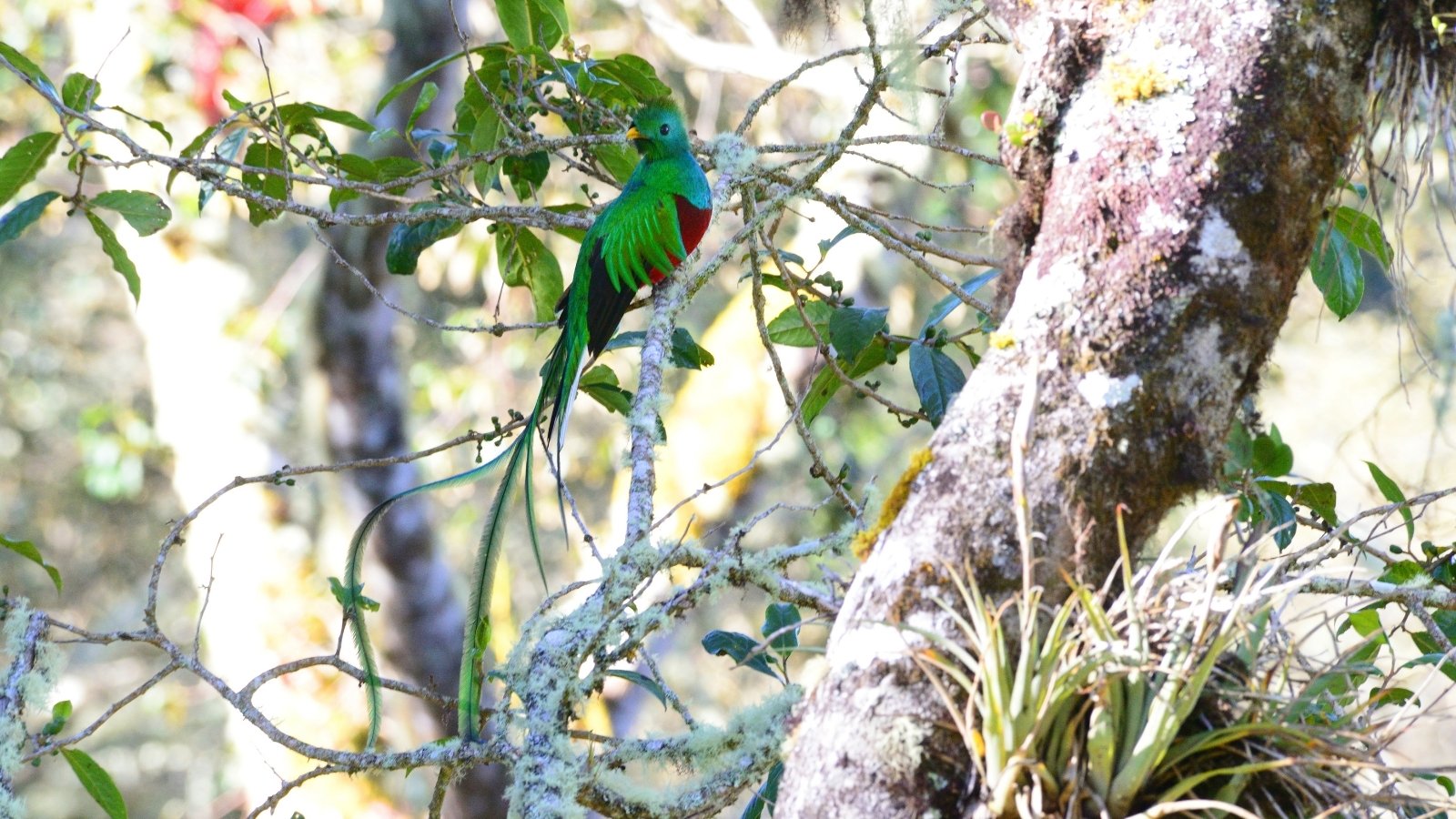
The article "Exploring Costa Rica’s Rich Wildlife: Which Animals Can You See?" from BBC's Discover Wildlife explores the incredible range of animals that live in Costa Rica. From howler monkeys whose calls can be heard over long distances, to the rare jaguar, the country is home to some of the most unique species in the world. It also highlights vibrant creatures like the resplendent quetzal and endangered sea turtles.
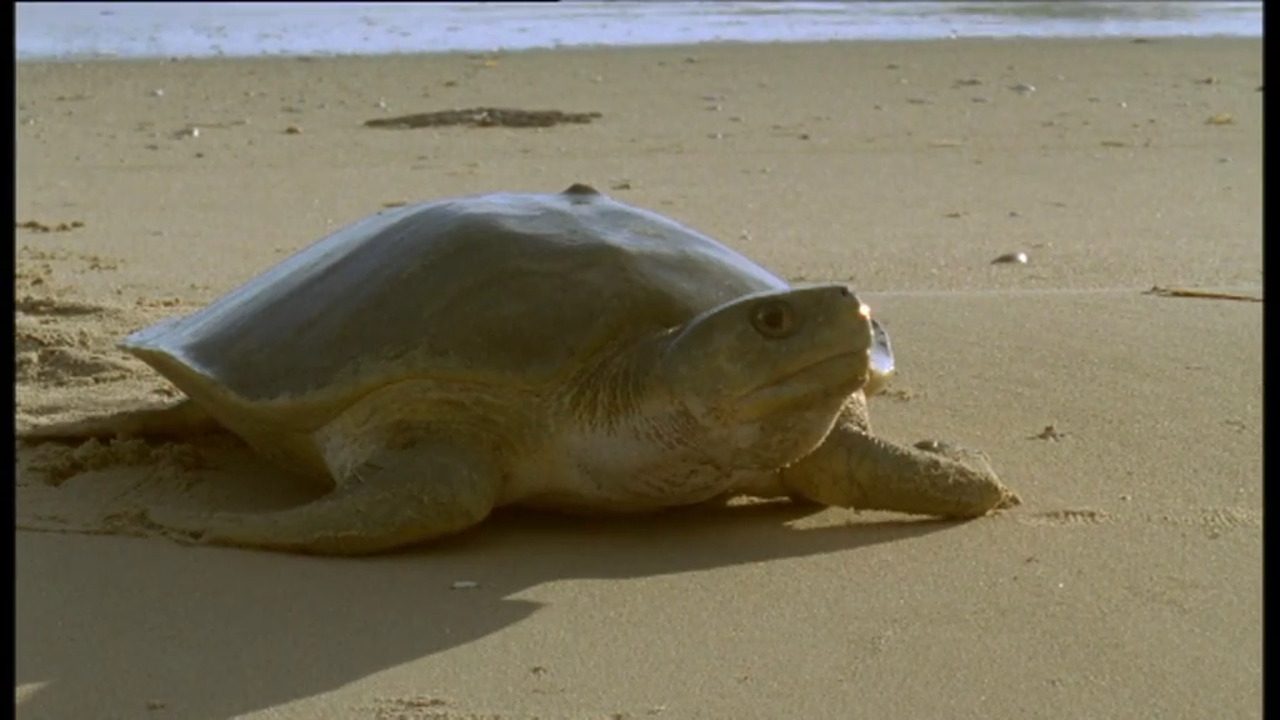
In Two Types of Turtles, narrator Sir David Attenborough explores two types of sea turtles — flatback and Ridley turtles. Both lay their eggs in the sand on the coast, but their strategies and survival rates differ. This video is excerpted from BBC’s Blue Planet, a definitive documentary series diving into the mysterious depths of the sea to discover the natural history of the world’s oceans and the rarely seen marine life that reside there.
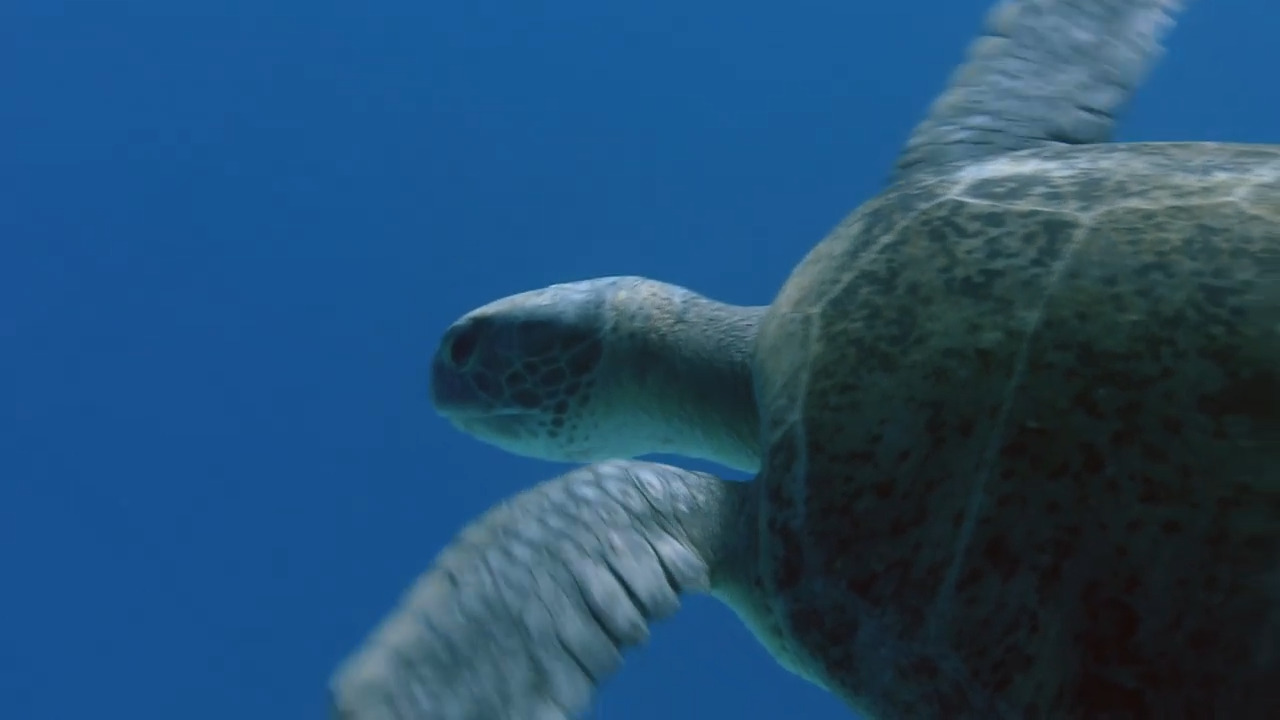
In Turtles on Ascension Island, narrator David Attenborough highlights the green sea turtles that travel incredible distances to lay their eggs on the beaches of Ascension Island. A female turtle may swim over 1,000 miles from her feeding grounds without eating for two months. At night, female turtles come ashore to nest, while eggs laid earlier in the season begin to hatch. Newly hatched turtles must quickly reach the ocean to avoid predators. However, their journey is just beginning — most will not survive the next 20 years. Yet, those that do will return to the same beach where they were born, guided by an instinct that scientists still do not fully understand. This video is excerpted from BBC’s Planet Earth, a breathtaking documentary series that highlights the natural wonders of our planet.
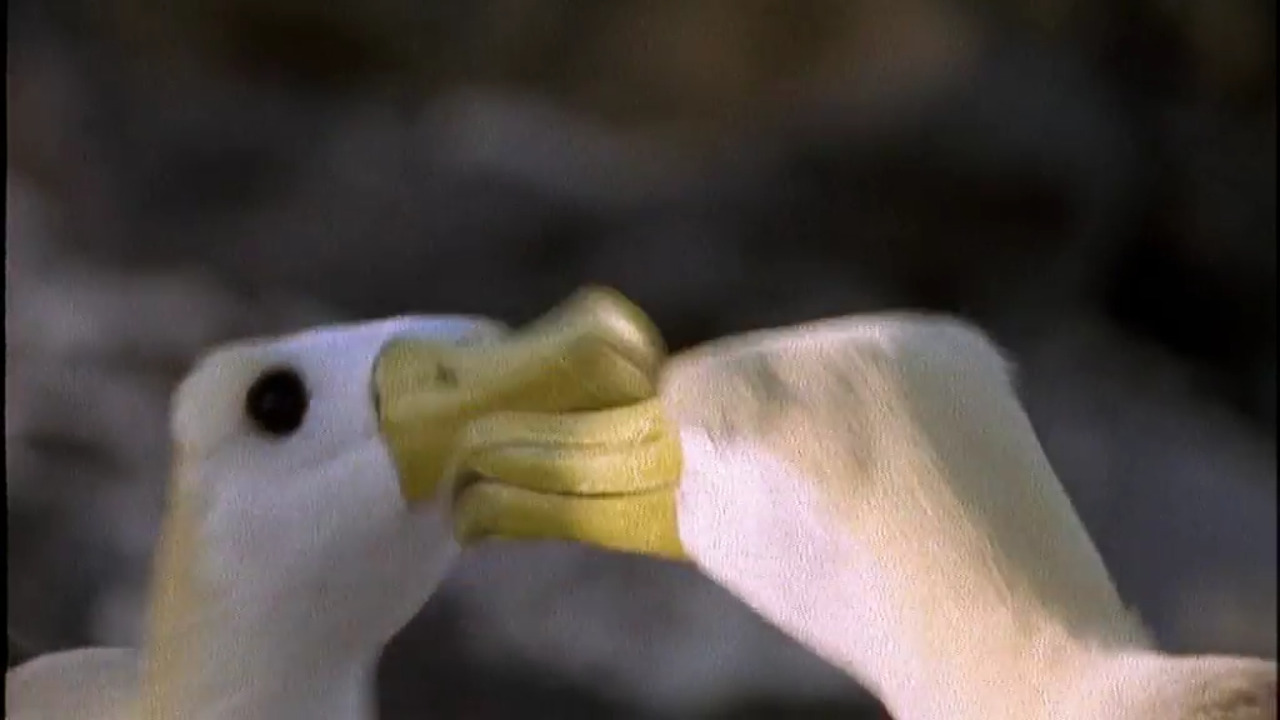
In Seabirds and Green Turtles Breed on Land, narrator Sir David Attenborough explores how seabirds and green turtles breed on land even though they live their lives in and on the water. This video is excerpted from BBC’s Blue Planet, a definitive documentary series diving into the mysterious depths of the sea to discover the natural history of the world’s oceans and the rarely seen marine life that reside there.
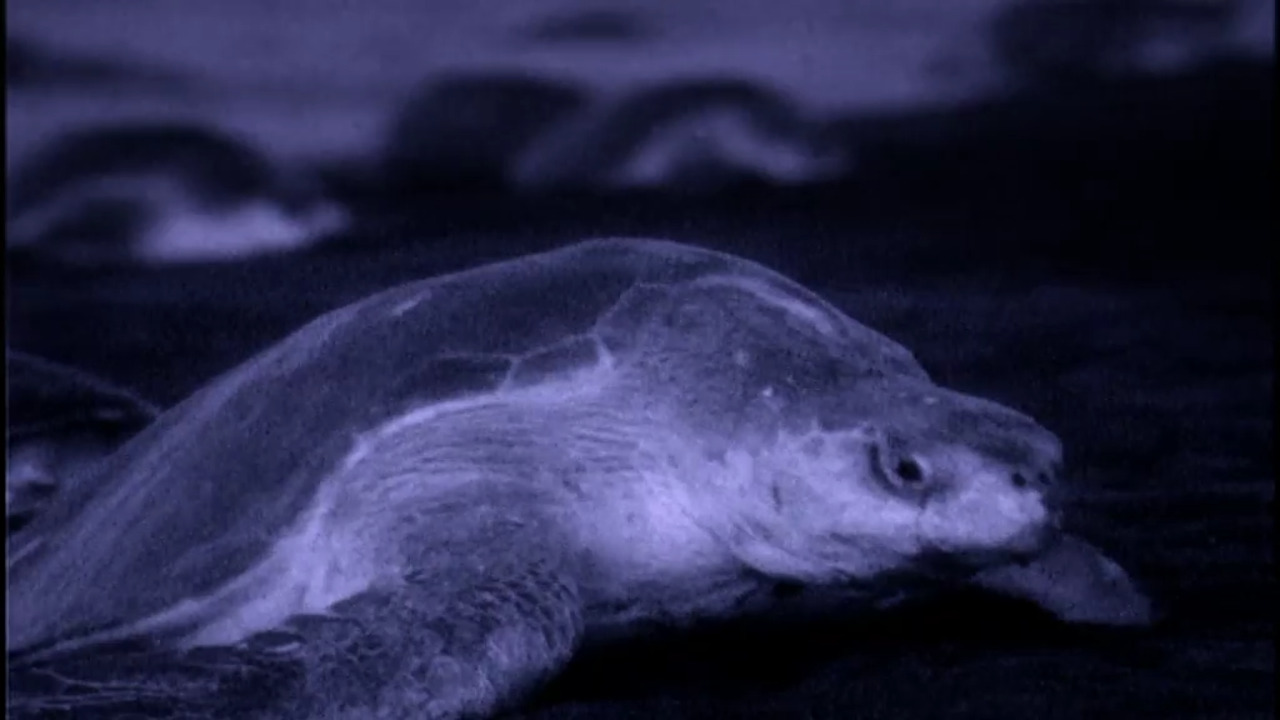
In Ridley Turtles Guided by the Moon, narrator Sir David Attenborough explains how the Moon influences the ocean, specifically when Ridley turtles come to lay their eggs. The turtles come during the first or last quarter of the Moon so that the ocean is weaker and less likely to uncover their eggs. This video is excerpted from BBC’s Blue Planet, a definitive documentary series diving into the mysterious depths of the sea to discover the natural history of the world’s oceans and the rarely seen marine life that reside there.
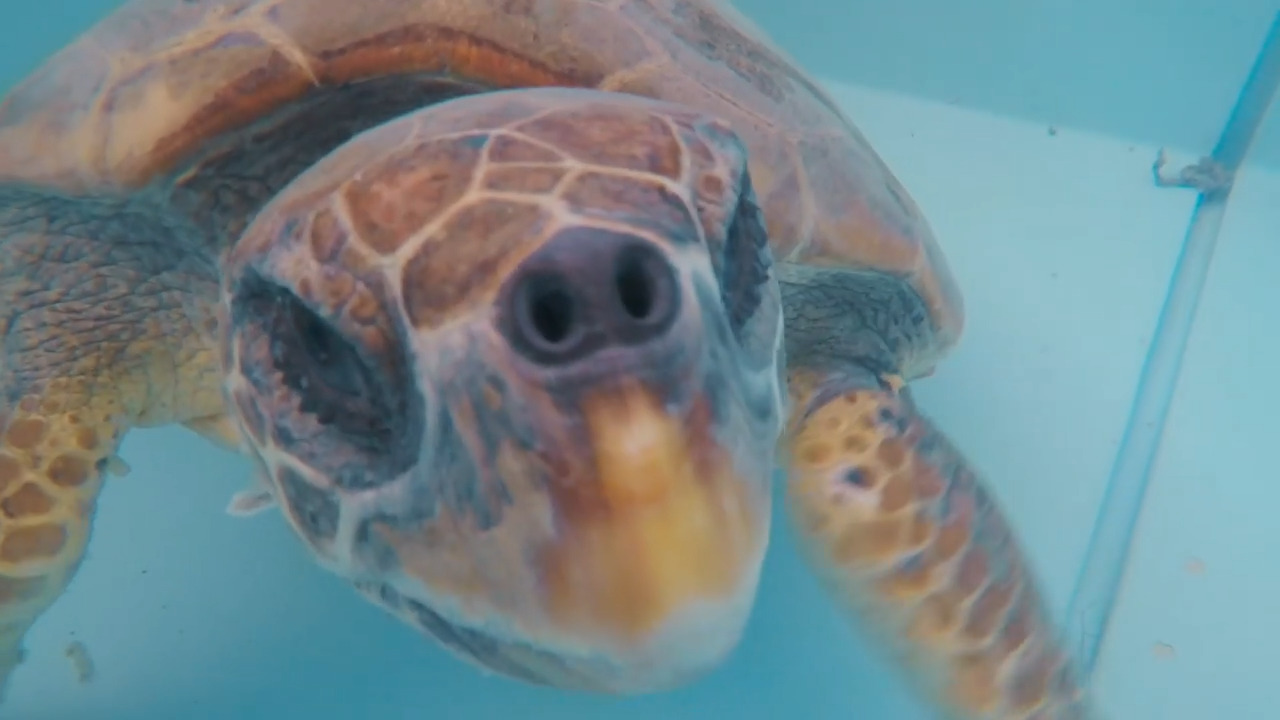
In Turtles and the Problem With Plastic, host Simon Reeve visits a turtle rescue center and observes the devastating ways plastic is harming marine wildlife. This video is excerpted from BBC's Incredible Journeys With Simon Reeve, a series that highlights one journalist’s travels across the globe and the diverse cultures and peoples he meets along the way.
The article "Exploring Costa Rica’s Rich Wildlife: Which Animals Can You See?" from BBC's Discover Wildlife explores the incredible range of animals that live in Costa Rica. From howler monkeys whose calls can be heard over long distances, to the rare jaguar, the country is home to some of the most unique species in the world. It also highlights vibrant creatures like the resplendent quetzal and endangered sea turtles.
In Two Types of Turtles, narrator Sir David Attenborough explores two types of sea turtles — flatback and Ridley turtles. Both lay their eggs in the sand on the coast, but their strategies and survival rates differ. This video is excerpted from BBC’s Blue Planet, a definitive documentary series diving into the mysterious depths of the sea to discover the natural history of the world’s oceans and the rarely seen marine life that reside there.
In Turtles on Ascension Island, narrator David Attenborough highlights the green sea turtles that travel incredible distances to lay their eggs on the beaches of Ascension Island. A female turtle may swim over 1,000 miles from her feeding grounds without eating for two months. At night, female turtles come ashore to nest, while eggs laid earlier in the season begin to hatch. Newly hatched turtles must quickly reach the ocean to avoid predators. However, their journey is just beginning — most will not survive the next 20 years. Yet, those that do will return to the same beach where they were born, guided by an instinct that scientists still do not fully understand. This video is excerpted from BBC’s Planet Earth, a breathtaking documentary series that highlights the natural wonders of our planet.
In Seabirds and Green Turtles Breed on Land, narrator Sir David Attenborough explores how seabirds and green turtles breed on land even though they live their lives in and on the water. This video is excerpted from BBC’s Blue Planet, a definitive documentary series diving into the mysterious depths of the sea to discover the natural history of the world’s oceans and the rarely seen marine life that reside there.
In Ridley Turtles Guided by the Moon, narrator Sir David Attenborough explains how the Moon influences the ocean, specifically when Ridley turtles come to lay their eggs. The turtles come during the first or last quarter of the Moon so that the ocean is weaker and less likely to uncover their eggs. This video is excerpted from BBC’s Blue Planet, a definitive documentary series diving into the mysterious depths of the sea to discover the natural history of the world’s oceans and the rarely seen marine life that reside there.
In Turtles and the Problem With Plastic, host Simon Reeve visits a turtle rescue center and observes the devastating ways plastic is harming marine wildlife. This video is excerpted from BBC's Incredible Journeys With Simon Reeve, a series that highlights one journalist’s travels across the globe and the diverse cultures and peoples he meets along the way.