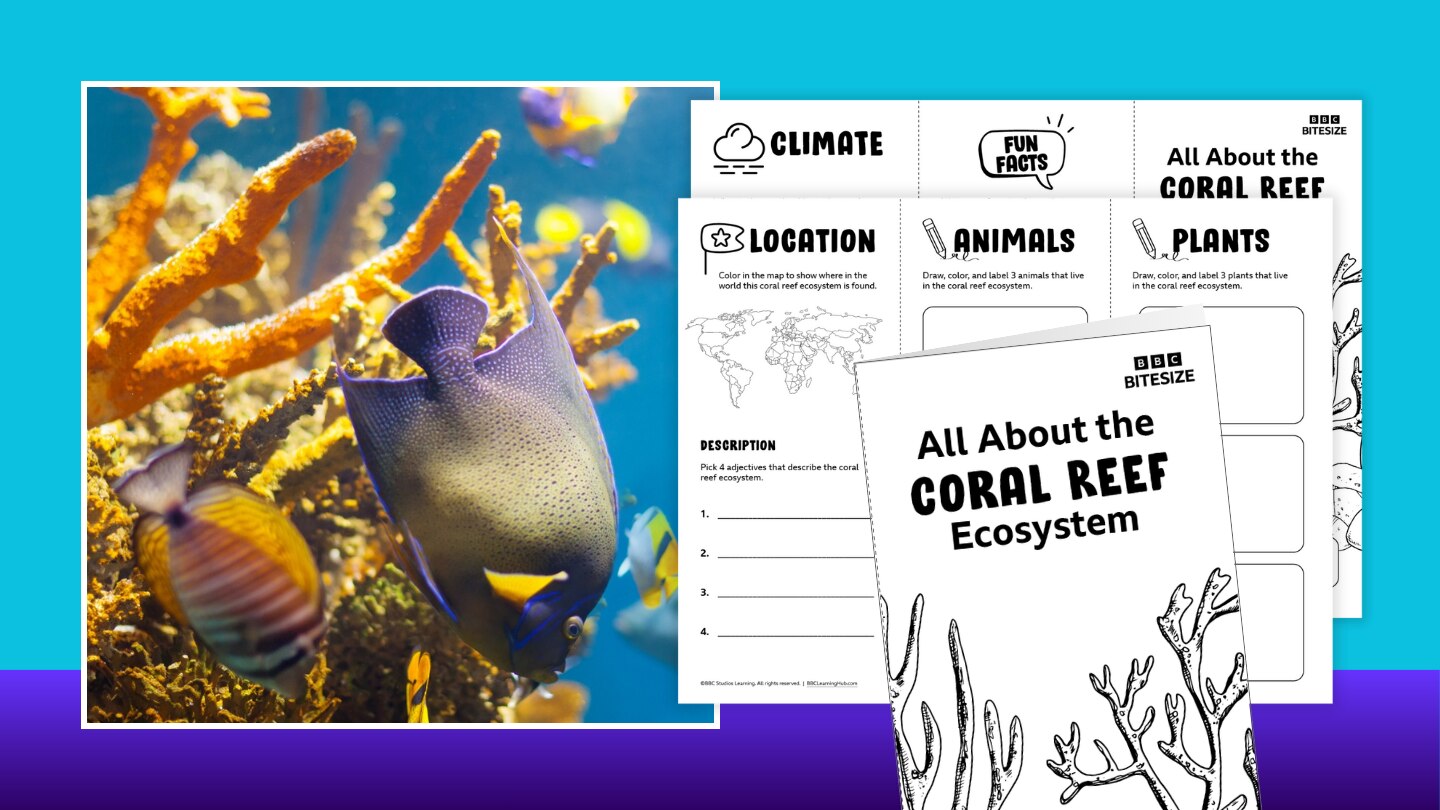
Bring your students on an underwater adventure into the coral reef ecosystem! Whether you're exploring the vast beauty of the Great Barrier Reef in Australia or diving into the rich, biodiverse waters of Indonesia, coral reefs are some of the most vibrant and important ecosystems on Earth.
✨ Perfect for grades 3–8, here’s what you need to bring ecosystems to life:
- Iconic BBC Videos: Share the clips on this page to introduce the location, plants, animals, and climate of the coral reefs. (Don't miss the tusk fish and octopuses!) Brought to you by world-class BBC programs like Planet Earth, Blue Planet, Animal Babies, and Life.
- Free Printable: Use the Coral Reef Brochure Template to help students pull it all together in an ecosystem report with facts they’ve learned (and a little extra research).
It’s everything you need to make ecosystems easy to teach and truly memorable for your students.
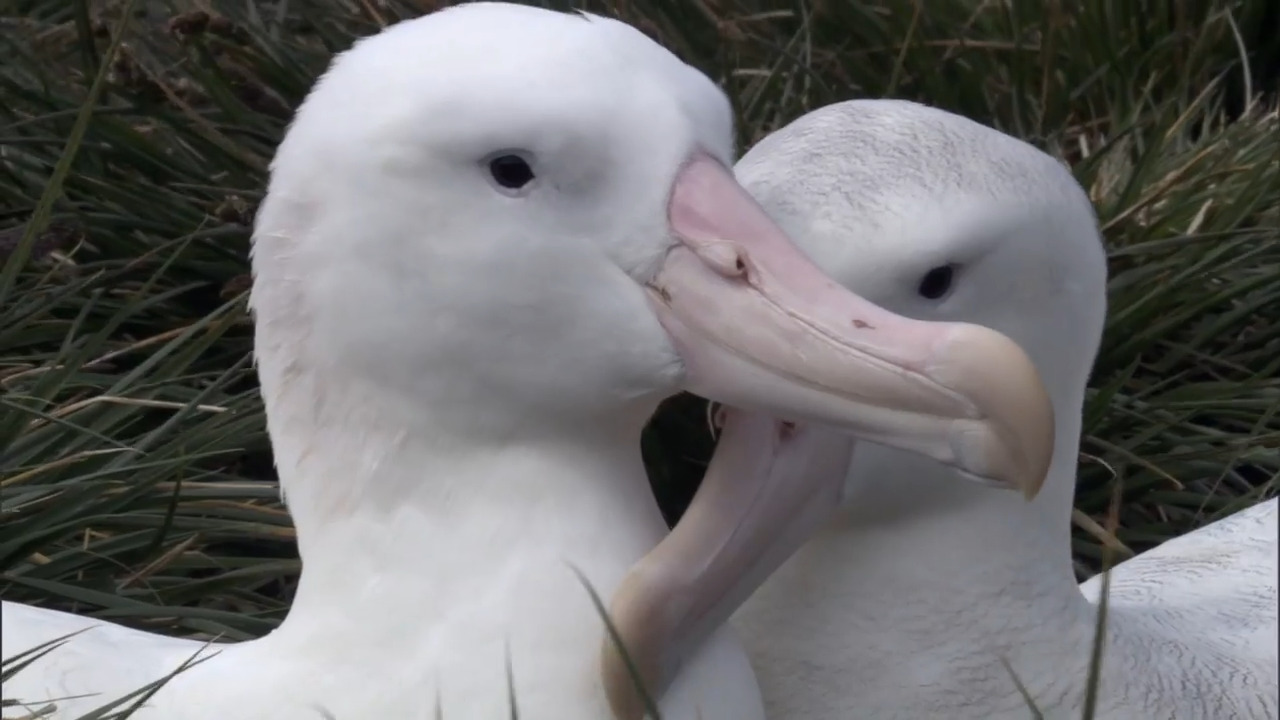
In Albatross Courtship Dance, narrator Sir David Attenborough describes the arrival of macaroni penguins and albatrosses in South Georgia. The albatrosses in particular are here to find mates using elaborate courtship dances. This video is excerpted from BBC’s Frozen Planet, a series that shows a fragile world of beauty and hostility, where nature finds a way to survive and thrive in frigid conditions.
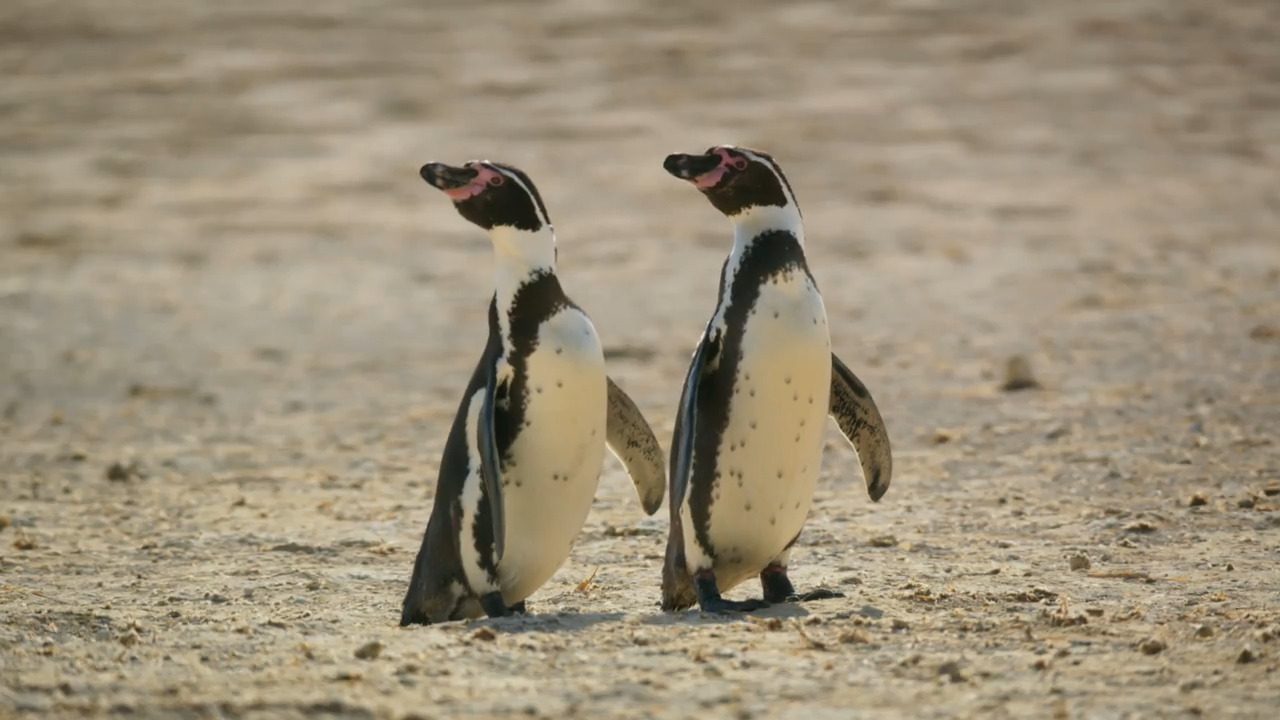
In Humboldt Penguins' Path to the Sea, learn how the Humboldt penguins need to reach the sea to wash themselves after building their nests. They have to find a way through a beach crowded with sea lions. This video is excerpted from BBC’s Seven Worlds, One Planet, a series featuring remarkable animal behavior from all seven continents.
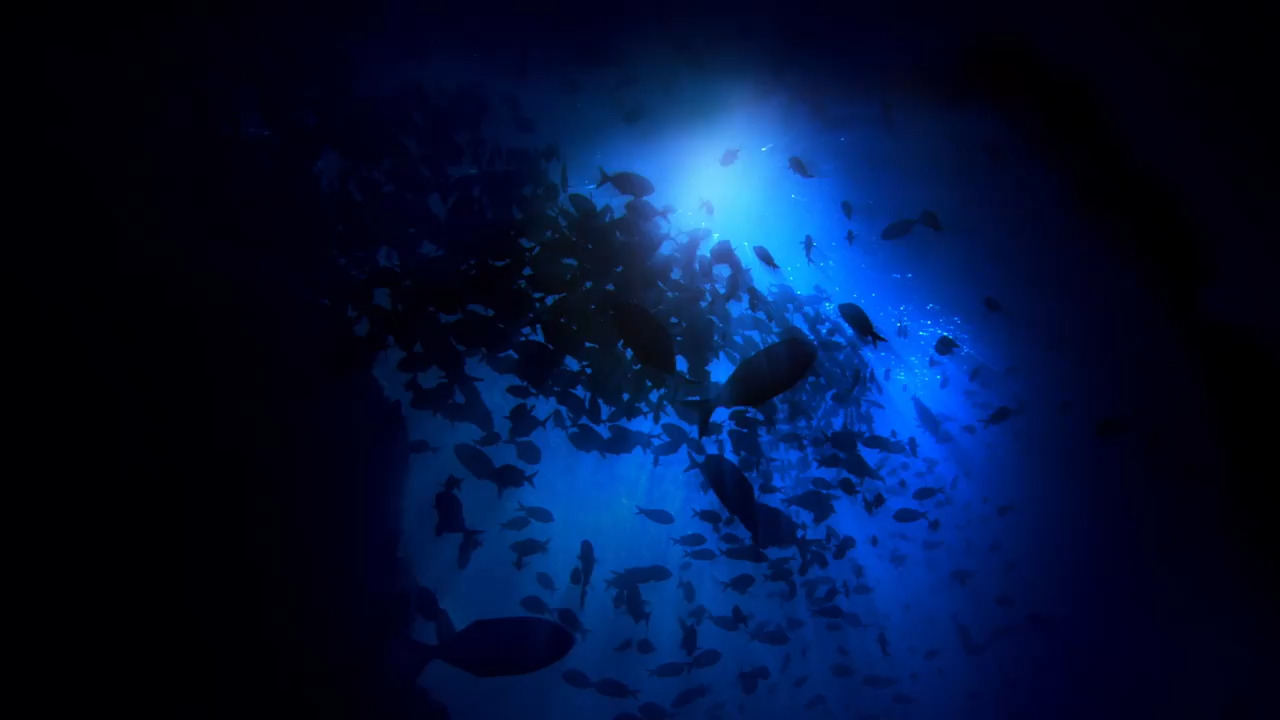
In Finding Refuge in the Sea Caves of Poor Knights Islands, narrator Sir David Attenborough explores the Poor Knights Islands in New Zealand, focusing on the survival strategies of fish and bats that use sea caves as their refuge. After feeding in the open water, demersal fish return to the caves to avoid predators. Big-eyes are night-feeding fish that leave the caves each evening. Bats face danger from snakes that sense their body heat and strike at them as they exit the caves. This video is excerpted from BBC’s Planet Earth, a breathtaking documentary series that highlights the natural wonders of our planet.

In How Banded Sea Kraits Team Up to Hunt narrator Sir David Attenborough describes an amazing case of underwater cooperation taking place in Indonesia's coral reefs. The venomous banded sea krait works together with larger fish to hunt smaller fish. Watch their rare, coordinated approach to the hunt! This video is excerpted from BBC's Planet Earth, a breathtaking documentary series that highlights the natural wonders of our planet.
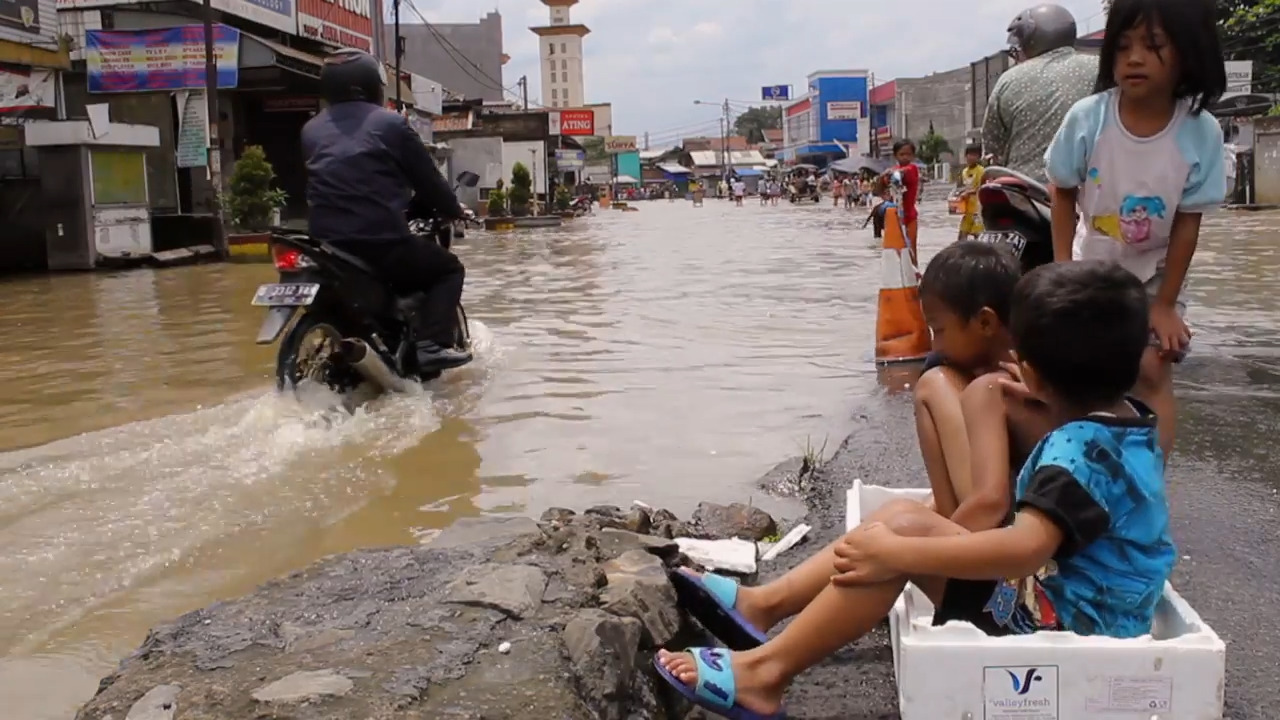
In Climate Change and Rising Sea Levels, learn how sea levels have risen by about 8 inches (20 cm) in the past 100 years, significantly affecting coastal communities. See the impacts on Isle de Jean Charles, Louisiana, where residents are being forced to relocate due to the rising waters. This video is excerpted from BBC’s Climate Change - The Facts, a documentary that delves into the science of climate change and its far-reaching consequences.
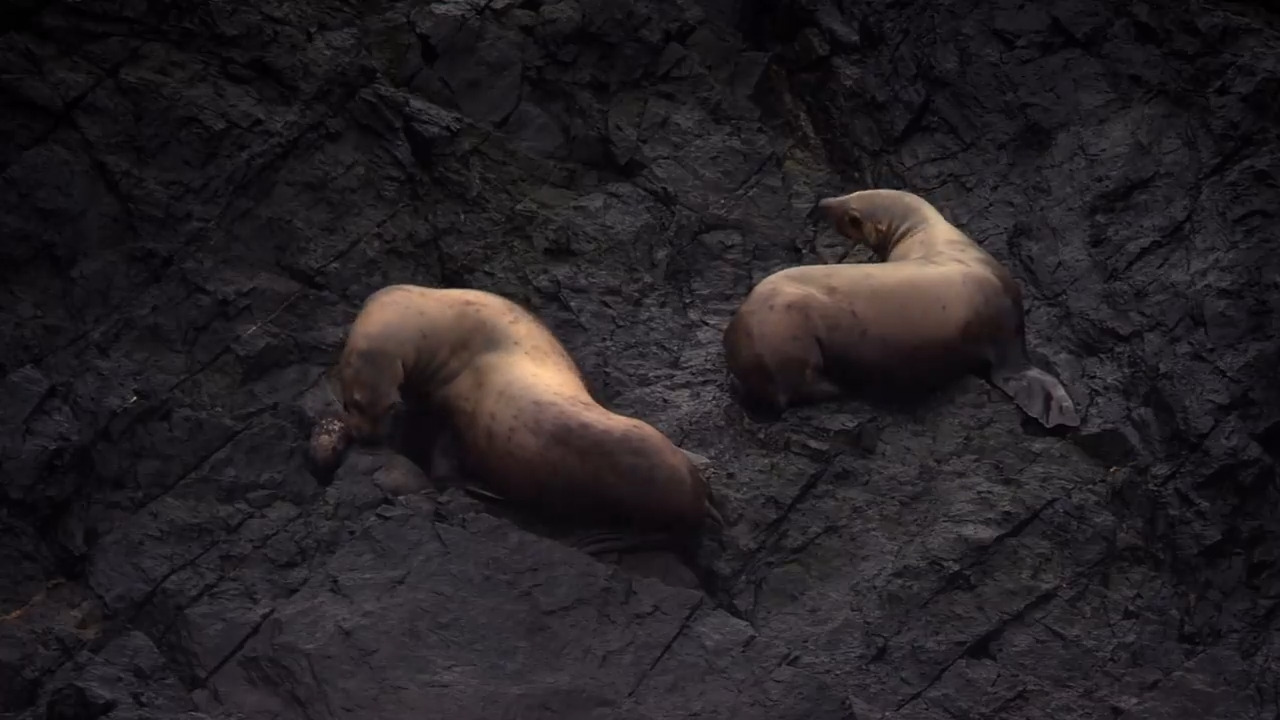
In Sea Lions and Storms, narrator Sir David Attenborough explains how mother sea lions try to shield their pups from harsh storms hitting the coast where they are raising their young. This video is an excerpt from BBC’s Nature's Great Events, a documentary series that showcases some of the most dramatic wildlife spectacles on Earth, exploring how life adapts to natural events that can transform entire landscapes.
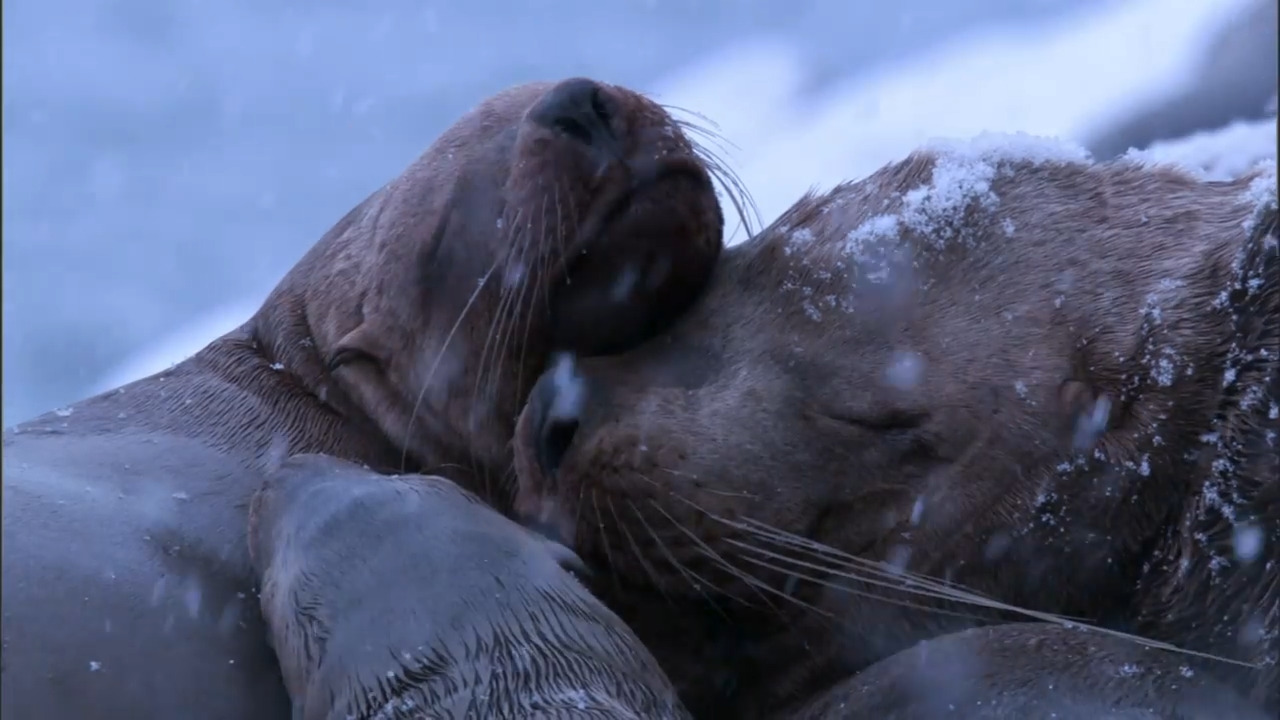
In A Harsh Winter for Sea Lions, narrator Sir David Attenborough shows how these animals endure freezing temperatures and protect their young in an unforgiving environment. This video is an excerpt from BBC’s Nature's Great Events, a documentary series that showcases some of the most dramatic wildlife spectacles on Earth, exploring how life adapts to natural events that can transform entire landscapes.
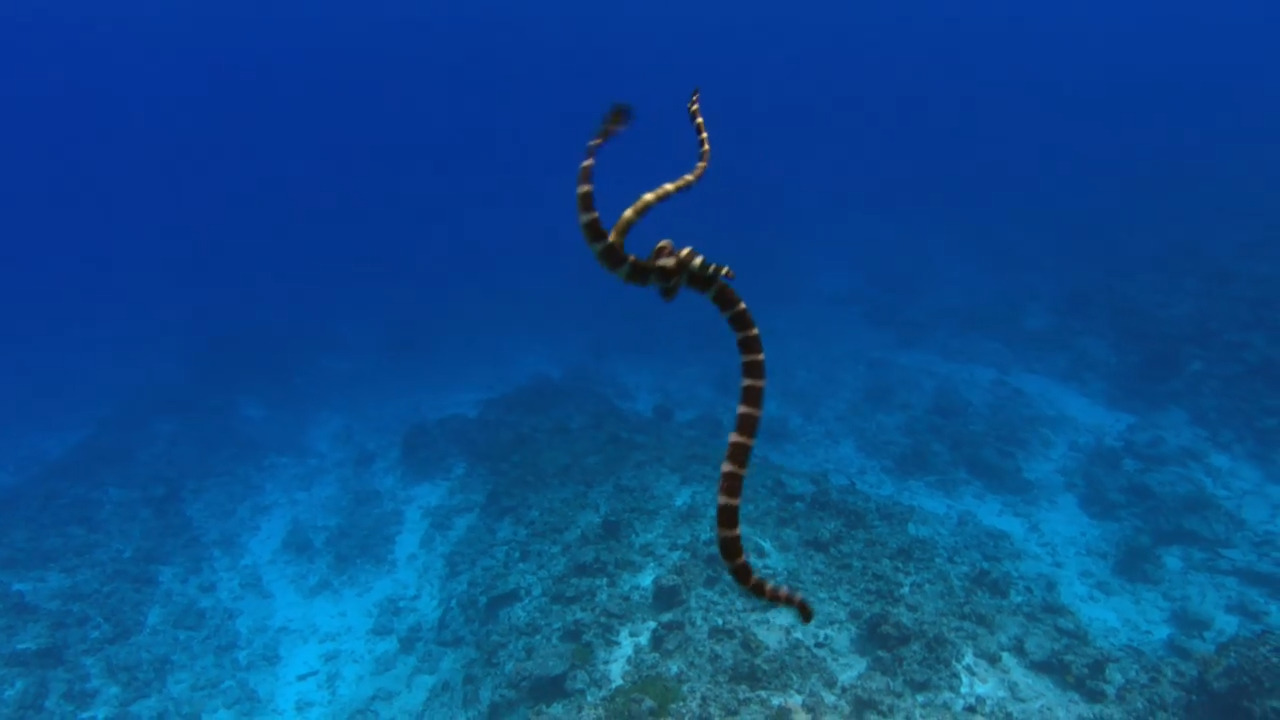
In The Strange Life of the Sea Krait, narrator Sir David Attenborough discovers the mysterious sea krait snake, a reptile that has completely adapted to life underwater. Unlike most land-dwelling reptiles, the female sea krait only leaves the ocean when it's time to lay her eggs, finding secret caverns with air pockets. Six months later, the baby snakes hatch and make their way back to the water, continuing this fascinating cycle. This video is excerpted from BBC's Life, a show that explores the remarkable strategies animals and plants use to ensure their survival.
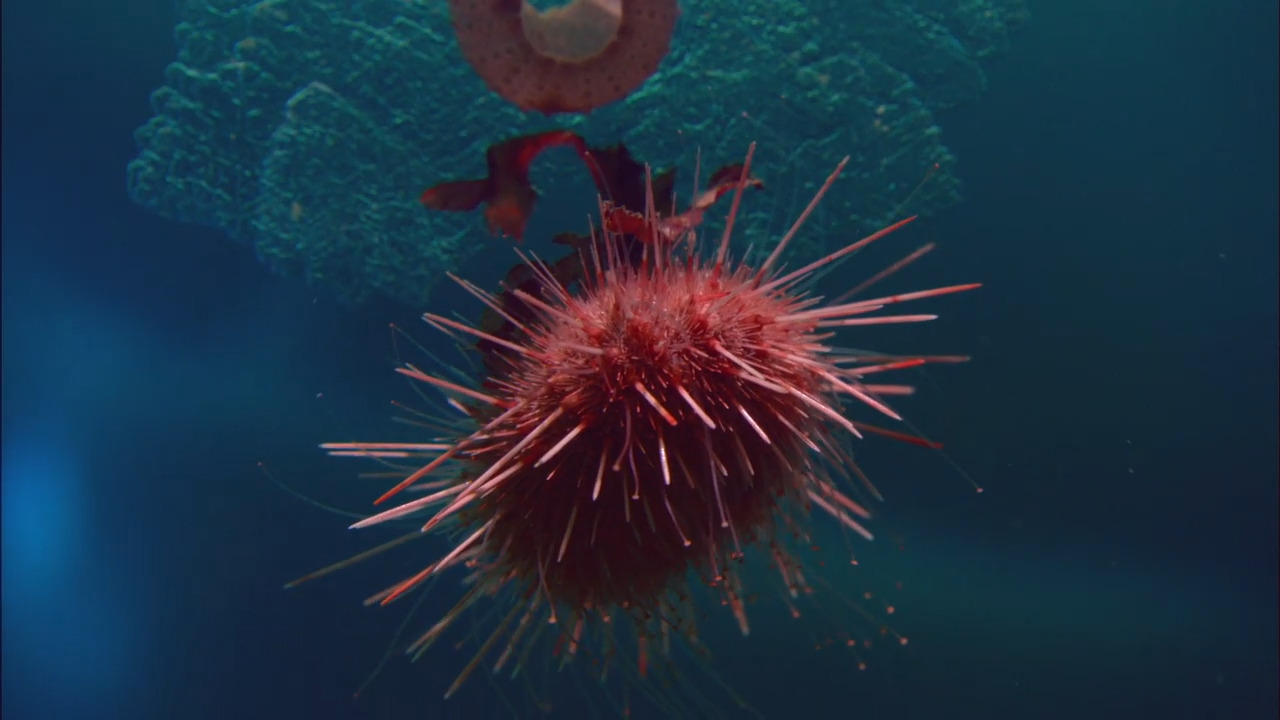
In Life and Danger Under the Antarctic Sea, narrator Sir David Attenborough explores life under the Antarctic Sea where fish have antifreeze in their blood and jellyfish and starfish thrive. But when brine starts seeping down, it catches animals in its wake. This video is excerpted from BBC’s Frozen Planet, a series that shows a fragile world of beauty and hostility, where nature finds a way to survive and thrive in frigid conditions.
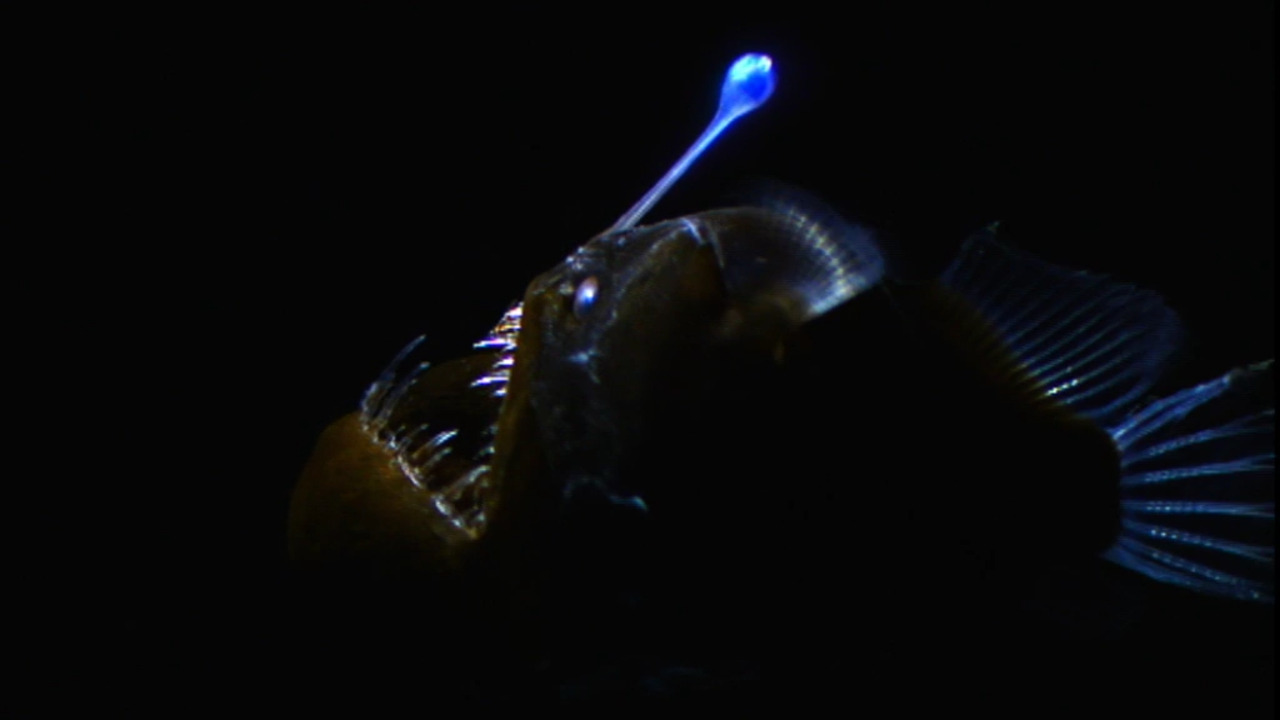
In The Deep Sea Anglerfish, narrator Sir David Attenborough explains how the anglerfish captures prey. Watch how the anglerfish uses light and learn how that light is created. This video is excerpted from BBC’s Blue Planet, a definitive documentary series diving into the mysterious depths of the sea to discover the natural history of the world’s oceans and the rarely seen marine life that reside there.
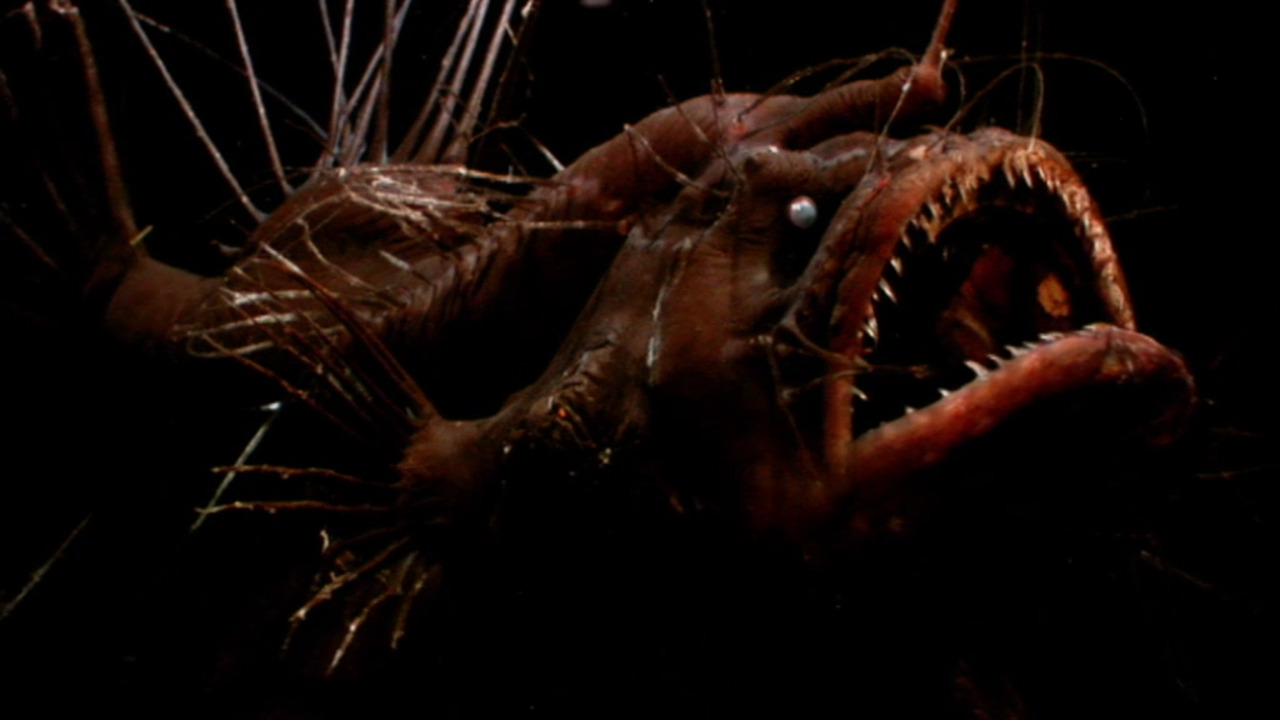
In Strange Predators of the Deep Sea, narrator Sir David Attenborough details animals that live in the deep sea. Watch anglerfish and gulper eels catch prey. This video is excerpted from BBC’s Blue Planet, a definitive documentary series diving into the mysterious depths of the sea to discover the natural history of the world’s oceans and the rarely seen marine life that reside there.
Bring your students on an underwater adventure into the coral reef ecosystem! Whether you're exploring the vast beauty of the Great Barrier Reef in Australia or diving into the rich, biodiverse waters of Indonesia, coral reefs are some of the most vibrant and important ecosystems on Earth.
✨ Perfect for grades 3–8, here’s what you need to bring ecosystems to life:
- Iconic BBC Videos: Share the clips on this page to introduce the location, plants, animals, and climate of the coral reefs. (Don't miss the tusk fish and octopuses!) Brought to you by world-class BBC programs like Planet Earth, Blue Planet, Animal Babies, and Life.
- Free Printable: Use the Coral Reef Brochure Template to help students pull it all together in an ecosystem report with facts they’ve learned (and a little extra research).
It’s everything you need to make ecosystems easy to teach and truly memorable for your students.
In Albatross Courtship Dance, narrator Sir David Attenborough describes the arrival of macaroni penguins and albatrosses in South Georgia. The albatrosses in particular are here to find mates using elaborate courtship dances. This video is excerpted from BBC’s Frozen Planet, a series that shows a fragile world of beauty and hostility, where nature finds a way to survive and thrive in frigid conditions.
In Humboldt Penguins' Path to the Sea, learn how the Humboldt penguins need to reach the sea to wash themselves after building their nests. They have to find a way through a beach crowded with sea lions. This video is excerpted from BBC’s Seven Worlds, One Planet, a series featuring remarkable animal behavior from all seven continents.
In Finding Refuge in the Sea Caves of Poor Knights Islands, narrator Sir David Attenborough explores the Poor Knights Islands in New Zealand, focusing on the survival strategies of fish and bats that use sea caves as their refuge. After feeding in the open water, demersal fish return to the caves to avoid predators. Big-eyes are night-feeding fish that leave the caves each evening. Bats face danger from snakes that sense their body heat and strike at them as they exit the caves. This video is excerpted from BBC’s Planet Earth, a breathtaking documentary series that highlights the natural wonders of our planet.
In How Banded Sea Kraits Team Up to Hunt narrator Sir David Attenborough describes an amazing case of underwater cooperation taking place in Indonesia's coral reefs. The venomous banded sea krait works together with larger fish to hunt smaller fish. Watch their rare, coordinated approach to the hunt! This video is excerpted from BBC's Planet Earth, a breathtaking documentary series that highlights the natural wonders of our planet.
In Climate Change and Rising Sea Levels, learn how sea levels have risen by about 8 inches (20 cm) in the past 100 years, significantly affecting coastal communities. See the impacts on Isle de Jean Charles, Louisiana, where residents are being forced to relocate due to the rising waters. This video is excerpted from BBC’s Climate Change - The Facts, a documentary that delves into the science of climate change and its far-reaching consequences.
In Sea Lions and Storms, narrator Sir David Attenborough explains how mother sea lions try to shield their pups from harsh storms hitting the coast where they are raising their young. This video is an excerpt from BBC’s Nature's Great Events, a documentary series that showcases some of the most dramatic wildlife spectacles on Earth, exploring how life adapts to natural events that can transform entire landscapes.
In A Harsh Winter for Sea Lions, narrator Sir David Attenborough shows how these animals endure freezing temperatures and protect their young in an unforgiving environment. This video is an excerpt from BBC’s Nature's Great Events, a documentary series that showcases some of the most dramatic wildlife spectacles on Earth, exploring how life adapts to natural events that can transform entire landscapes.
In The Strange Life of the Sea Krait, narrator Sir David Attenborough discovers the mysterious sea krait snake, a reptile that has completely adapted to life underwater. Unlike most land-dwelling reptiles, the female sea krait only leaves the ocean when it's time to lay her eggs, finding secret caverns with air pockets. Six months later, the baby snakes hatch and make their way back to the water, continuing this fascinating cycle. This video is excerpted from BBC's Life, a show that explores the remarkable strategies animals and plants use to ensure their survival.
In Life and Danger Under the Antarctic Sea, narrator Sir David Attenborough explores life under the Antarctic Sea where fish have antifreeze in their blood and jellyfish and starfish thrive. But when brine starts seeping down, it catches animals in its wake. This video is excerpted from BBC’s Frozen Planet, a series that shows a fragile world of beauty and hostility, where nature finds a way to survive and thrive in frigid conditions.
In The Deep Sea Anglerfish, narrator Sir David Attenborough explains how the anglerfish captures prey. Watch how the anglerfish uses light and learn how that light is created. This video is excerpted from BBC’s Blue Planet, a definitive documentary series diving into the mysterious depths of the sea to discover the natural history of the world’s oceans and the rarely seen marine life that reside there.
In Strange Predators of the Deep Sea, narrator Sir David Attenborough details animals that live in the deep sea. Watch anglerfish and gulper eels catch prey. This video is excerpted from BBC’s Blue Planet, a definitive documentary series diving into the mysterious depths of the sea to discover the natural history of the world’s oceans and the rarely seen marine life that reside there.