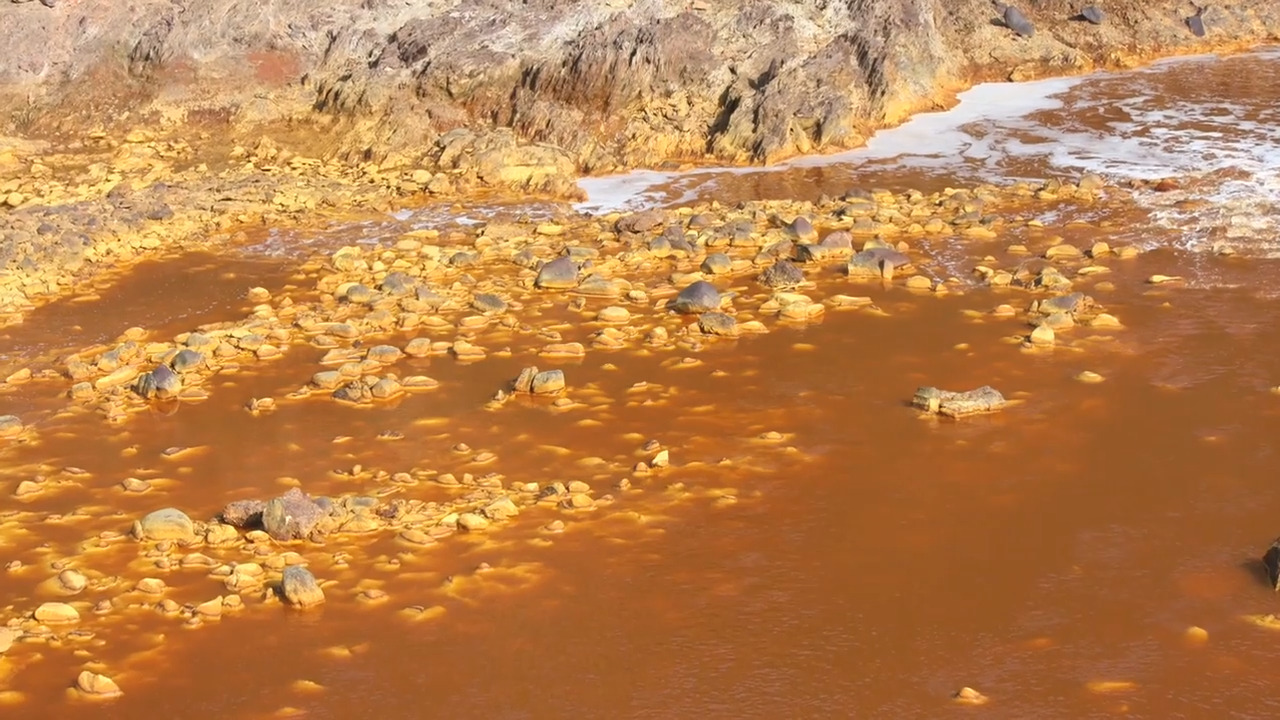
In How Earth's Extreme Environments Are Helping Scientists Search for Habitable Worlds, astrobiologist Louisa Preston explores how life in extreme environments on Earth can provide clues for finding life on Mars. Scientists believe that if life can survive in Earth’s harshest conditions, similar life could exist on Mars. This exploration not only advances our search for life on Mars but also helps us better understand the origins of life on Earth and may lead to future innovations in space exploration.

The article "How Scientists From Around the World Helped Shape Modern Science" from BBC's HistoryExtra explains how science in the 16th to 18th Centuries wasn't only shaped by famous Europeans like Copernicus or Newton. Thinkers from Asia, Africa, and the Americas also made important contributions.
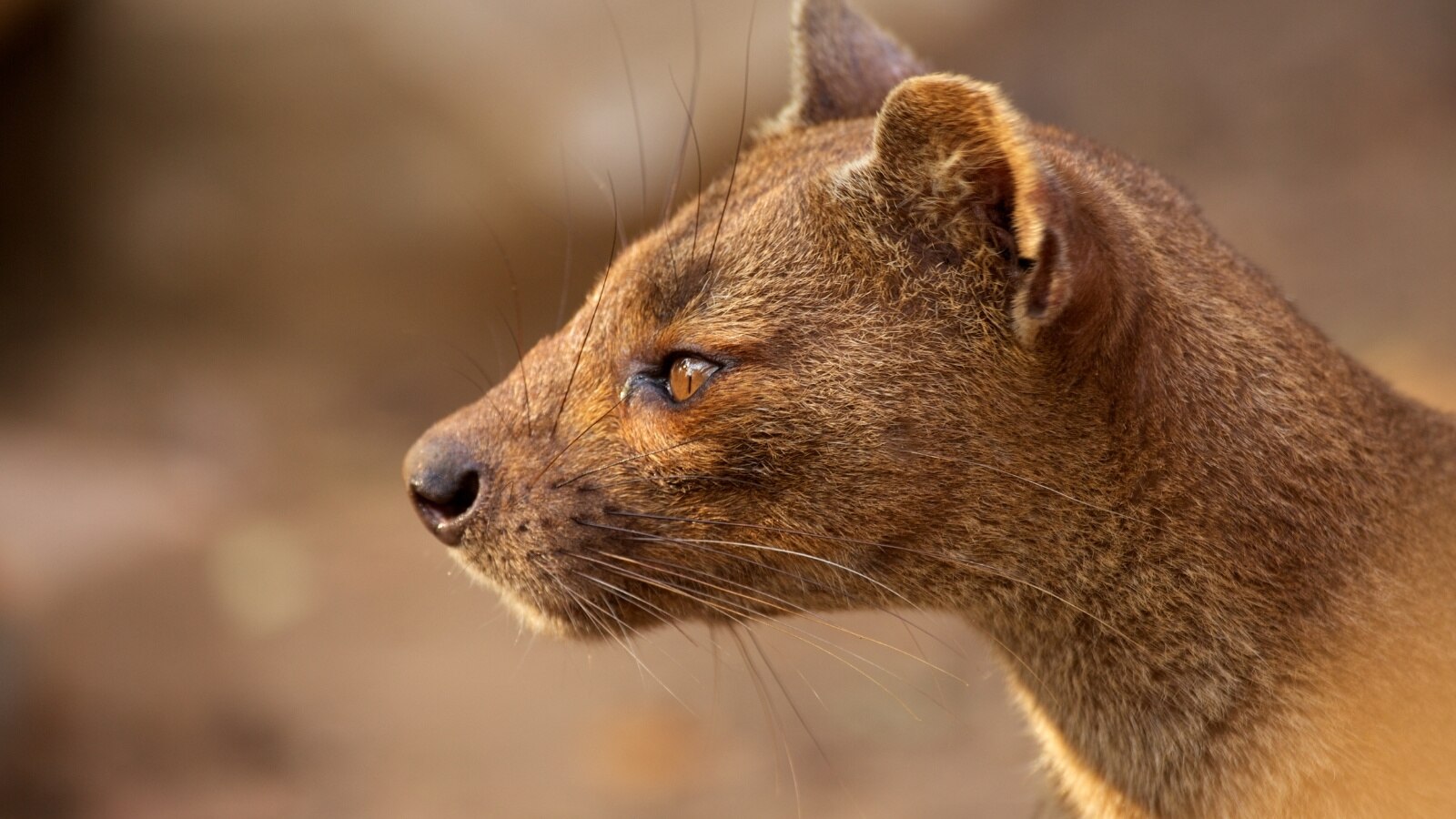
The article "A Cougar-Like Predator Is Attacking Lemurs in Madagascar — Both Are in Jeopardy and Scientists Don't Know What to Do" from BBC's Discover Wildlife explains how researchers in Madagascar discovered that the fossa, a vulnerable predator, is targeting diademed sifaka lemurs, which are critically endangered. Both species urgently need protection, making the situation a complex issue for conservationists.
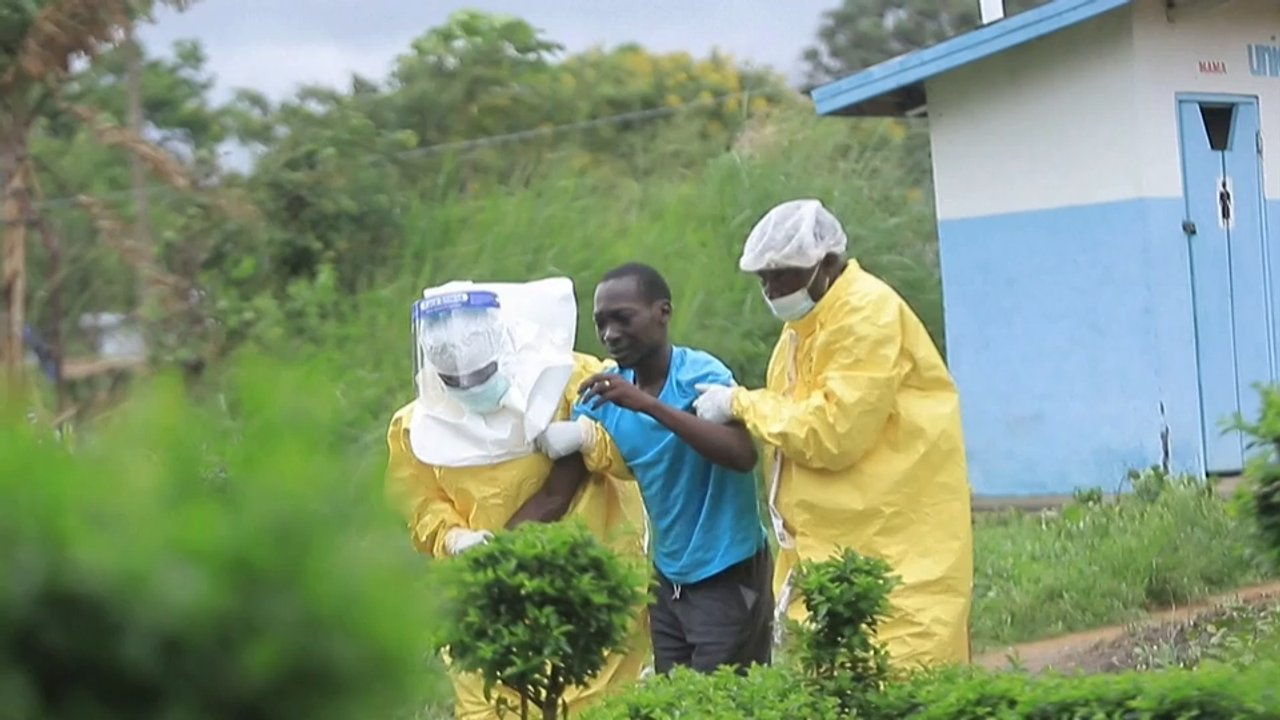
The Democratic Republic of the Congo (DRC) is months into a serious Ebola outbreak caused by the Bundibugyo species of the virus. Its rapid spread has prompted health officials to raise the risk assessment to "very high" nationally, "high" regionally, and "low" globally. The Bundibugyo species has a case fatality rate of about one in three people, and there's currently no approved vaccine for this type of Ebola. Scientists at the University of Oxford are racing to develop one, using a strategy that may sound familiar.
During the COVID-19 pandemic, scientists were able to develop vaccines quickly by using a harmless virus to deliver genetic material from the coronavirus. It may sound like the world’s worst Amazon delivery, but that material acts as instructions to teach the immune system what to recognize, so it can fight the real virus if a person is exposed later. It’s like showing your immune system a "wanted poster" of a criminal, and giving your body time to figure out how to respond if faced with the actual criminal.
Now, scientists are using the same strategy for Ebola: a harmless virus delivers genetic instructions from the Bundibugyo Ebola virus, helping the immune system prepare without causing the disease itself. Health officials hope the outbreak can be contained without a vaccine, but because Ebola can spread quickly and cause severe illness, having a vaccine ready would provide another powerful tool to help stop it — a definite case of "better safe than sorry."
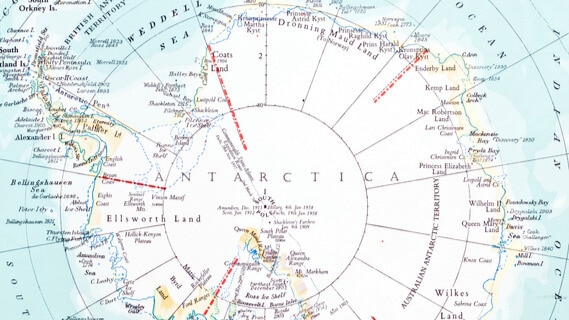
In this lesson, your students will step into the shoes of Antarctic scientists! They'll dive into the fascinating world of Antarctic research stations and unique wildlife with video clips from BBC’s Seven Worlds, One Planet and Frozen Planet. After exploring the videos and researching more about this frozen continent, your students will write a creative journal entry from the perspective of a research scientist sharing their experiences in Antarctica. You’ll wrap up the lesson with a meaningful class discussion about why studying Antarctica matters and how the discoveries made there could shape our world.
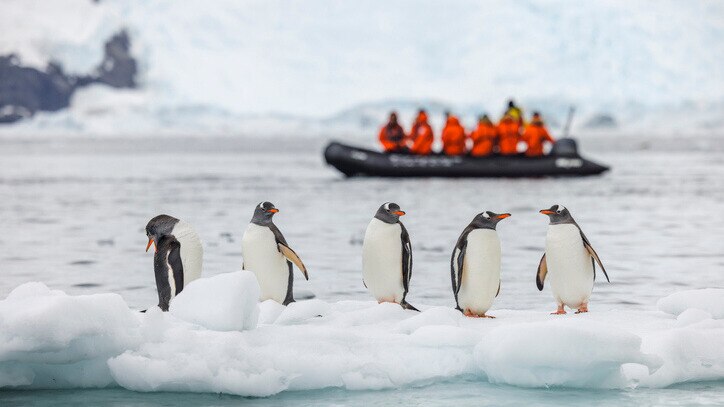
Take your students on a research journey to Antarctica! In this lesson, students will become Antarctic scientists as they explore the continent’s unique wildlife using video clips from BBC’s Seven Worlds, One Planet and Frozen Planet. Students will watch the videos, then research an Antarctic animal of their choice. They will explore what is known about the animal, identify gaps in scientific knowledge, and suggest future research areas. Finally, students will present their findings in a class display to inspire others to learn more about this amazing environment!

Explore one of the solar system's greatest mysteries in this Kahoot about Saturn's iconic rings and the discoveries that are changing what scientists thought they knew. From clues about their origins to evidence that they may be much younger than expected, discover why Saturn's rings continue to fascinate scientists.
This Kahoot explores planetary science, space exploration, and the evidence researchers use to uncover the history of distant worlds while revealing surprising facts about one of the most recognizable features in our solar system.
Watch the BBC videos about Saturn's rings (below), then take the Kahoot and see how much you know about Saturn's spectacular and ever-changing rings.
In How Earth's Extreme Environments Are Helping Scientists Search for Habitable Worlds, astrobiologist Louisa Preston explores how life in extreme environments on Earth can provide clues for finding life on Mars. Scientists believe that if life can survive in Earth’s harshest conditions, similar life could exist on Mars. This exploration not only advances our search for life on Mars but also helps us better understand the origins of life on Earth and may lead to future innovations in space exploration.
The article "How Scientists From Around the World Helped Shape Modern Science" from BBC's HistoryExtra explains how science in the 16th to 18th Centuries wasn't only shaped by famous Europeans like Copernicus or Newton. Thinkers from Asia, Africa, and the Americas also made important contributions.
The article "A Cougar-Like Predator Is Attacking Lemurs in Madagascar — Both Are in Jeopardy and Scientists Don't Know What to Do" from BBC's Discover Wildlife explains how researchers in Madagascar discovered that the fossa, a vulnerable predator, is targeting diademed sifaka lemurs, which are critically endangered. Both species urgently need protection, making the situation a complex issue for conservationists.
The Democratic Republic of the Congo (DRC) is months into a serious Ebola outbreak caused by the Bundibugyo species of the virus. Its rapid spread has prompted health officials to raise the risk assessment to "very high" nationally, "high" regionally, and "low" globally. The Bundibugyo species has a case fatality rate of about one in three people, and there's currently no approved vaccine for this type of Ebola. Scientists at the University of Oxford are racing to develop one, using a strategy that may sound familiar.
During the COVID-19 pandemic, scientists were able to develop vaccines quickly by using a harmless virus to deliver genetic material from the coronavirus. It may sound like the world’s worst Amazon delivery, but that material acts as instructions to teach the immune system what to recognize, so it can fight the real virus if a person is exposed later. It’s like showing your immune system a "wanted poster" of a criminal, and giving your body time to figure out how to respond if faced with the actual criminal.
Now, scientists are using the same strategy for Ebola: a harmless virus delivers genetic instructions from the Bundibugyo Ebola virus, helping the immune system prepare without causing the disease itself. Health officials hope the outbreak can be contained without a vaccine, but because Ebola can spread quickly and cause severe illness, having a vaccine ready would provide another powerful tool to help stop it — a definite case of "better safe than sorry."
In this lesson, your students will step into the shoes of Antarctic scientists! They'll dive into the fascinating world of Antarctic research stations and unique wildlife with video clips from BBC’s Seven Worlds, One Planet and Frozen Planet. After exploring the videos and researching more about this frozen continent, your students will write a creative journal entry from the perspective of a research scientist sharing their experiences in Antarctica. You’ll wrap up the lesson with a meaningful class discussion about why studying Antarctica matters and how the discoveries made there could shape our world.
Take your students on a research journey to Antarctica! In this lesson, students will become Antarctic scientists as they explore the continent’s unique wildlife using video clips from BBC’s Seven Worlds, One Planet and Frozen Planet. Students will watch the videos, then research an Antarctic animal of their choice. They will explore what is known about the animal, identify gaps in scientific knowledge, and suggest future research areas. Finally, students will present their findings in a class display to inspire others to learn more about this amazing environment!
Explore one of the solar system's greatest mysteries in this Kahoot about Saturn's iconic rings and the discoveries that are changing what scientists thought they knew. From clues about their origins to evidence that they may be much younger than expected, discover why Saturn's rings continue to fascinate scientists.
This Kahoot explores planetary science, space exploration, and the evidence researchers use to uncover the history of distant worlds while revealing surprising facts about one of the most recognizable features in our solar system.
Watch the BBC videos about Saturn's rings (below), then take the Kahoot and see how much you know about Saturn's spectacular and ever-changing rings.