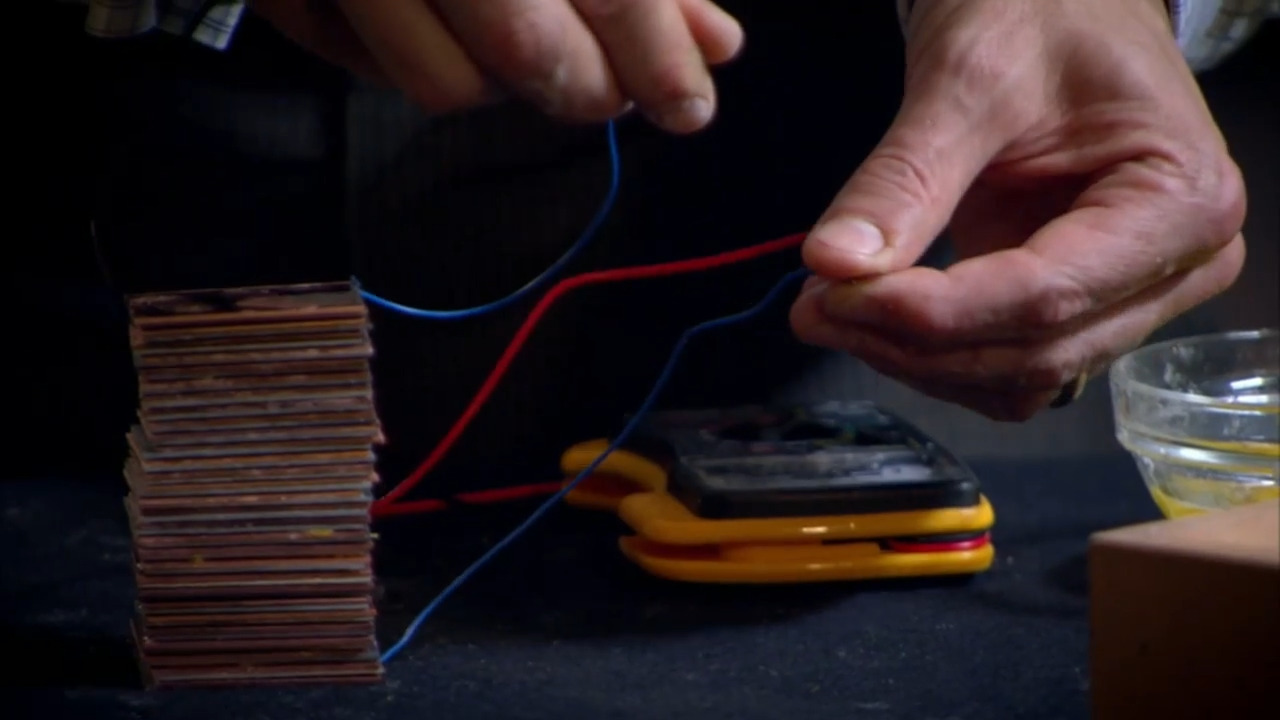
In The Role of One Rudimentary Battery in Transforming the World, narrator Michael Mosley uncovers the story of the first battery. It begins with a letter in 1800 with simple instructions from Italian scientist Alessandro Volta on how to make an artificial torpedo fish, and ends in a classroom where Hans Christian Oersted took it one step further, noticing how the battery current created magnetic fields. The electric telegraph and using steam power weren’t far behind, transforming the world as we knew it. This video is excerpted from BBC's The Story of Science, in which Michael Mosley takes an informative and ambitious journey exploring how the evolution of scientific understanding is intimately interwoven with society's historical path.
Most of our sub-par pictures just take up space on our phones and show off the insides of our pockets, but one blurry photo launched an almost two decades-long scientific endeavor.
A search that began with a picture of a tail in the trees eventually took researchers deep into Lomami National Park in the Democratic Republic of Congo on a quest to find out exactly what kind of monkey they were dealing with. Using microphones, cameras and genetic testing, they gathered enough evidence to confirm that the animal is a distinct species, now named Colobus congoensis — the first time a monkey is being named after the Congo!
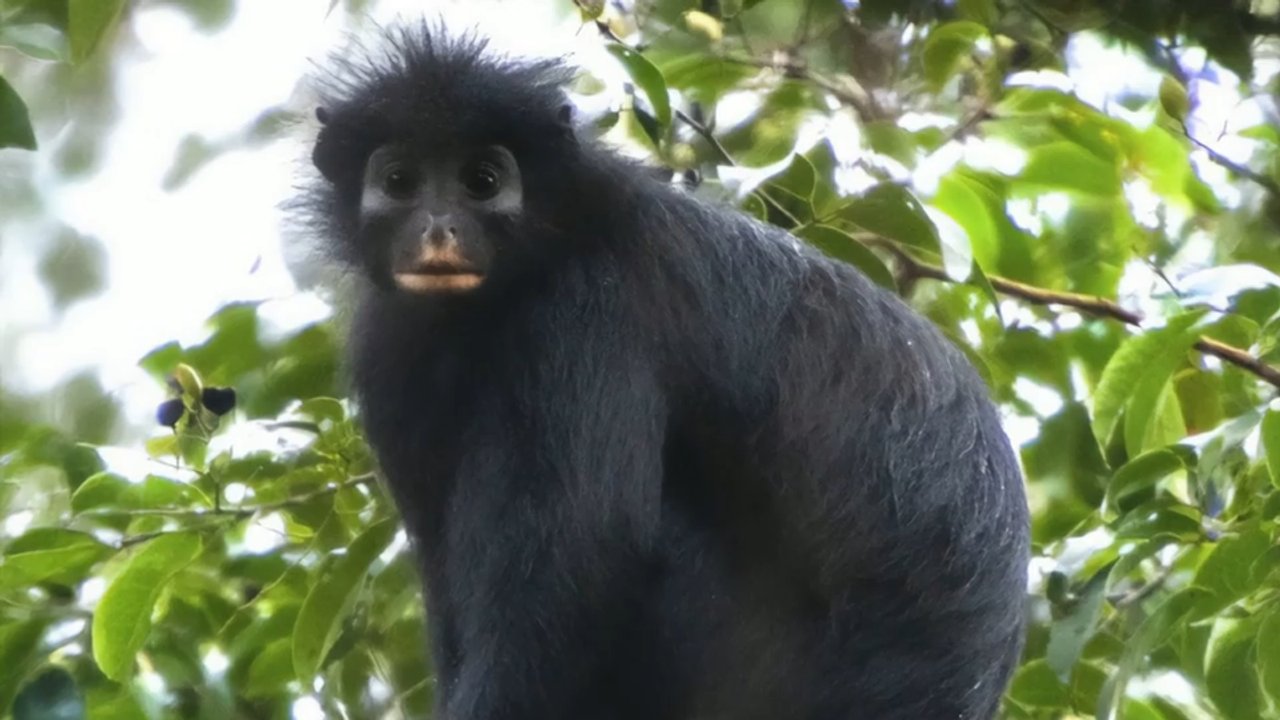
It belongs to a group of plant-eating primates that live high in trees and do not have thumbs, but the Colobus congoensis has some unique characteristics. It uses a roaring call that announces its presence through dense tropical forest and has distinctive pinkish-orange lips that researchers think could act as a visual signal, perhaps helping it attract a mate. It also gives you someone to blame if your sibling asks, “Who ate the last orange creamsicle?!”
Scientists still have a lot to learn about this monkey, but it seems rare and limited to a particular habitat in the central-eastern part of the country. Researchers hope that officially recognizing it as a separate species will help protect both the monkey and the environment it depends on.
In The Role of One Rudimentary Battery in Transforming the World, narrator Michael Mosley uncovers the story of the first battery. It begins with a letter in 1800 with simple instructions from Italian scientist Alessandro Volta on how to make an artificial torpedo fish, and ends in a classroom where Hans Christian Oersted took it one step further, noticing how the battery current created magnetic fields. The electric telegraph and using steam power weren’t far behind, transforming the world as we knew it. This video is excerpted from BBC's The Story of Science, in which Michael Mosley takes an informative and ambitious journey exploring how the evolution of scientific understanding is intimately interwoven with society's historical path.
Most of our sub-par pictures just take up space on our phones and show off the insides of our pockets, but one blurry photo launched an almost two decades-long scientific endeavor.
A search that began with a picture of a tail in the trees eventually took researchers deep into Lomami National Park in the Democratic Republic of Congo on a quest to find out exactly what kind of monkey they were dealing with. Using microphones, cameras and genetic testing, they gathered enough evidence to confirm that the animal is a distinct species, now named Colobus congoensis — the first time a monkey is being named after the Congo!
It belongs to a group of plant-eating primates that live high in trees and do not have thumbs, but the Colobus congoensis has some unique characteristics. It uses a roaring call that announces its presence through dense tropical forest and has distinctive pinkish-orange lips that researchers think could act as a visual signal, perhaps helping it attract a mate. It also gives you someone to blame if your sibling asks, “Who ate the last orange creamsicle?!”
Scientists still have a lot to learn about this monkey, but it seems rare and limited to a particular habitat in the central-eastern part of the country. Researchers hope that officially recognizing it as a separate species will help protect both the monkey and the environment it depends on.