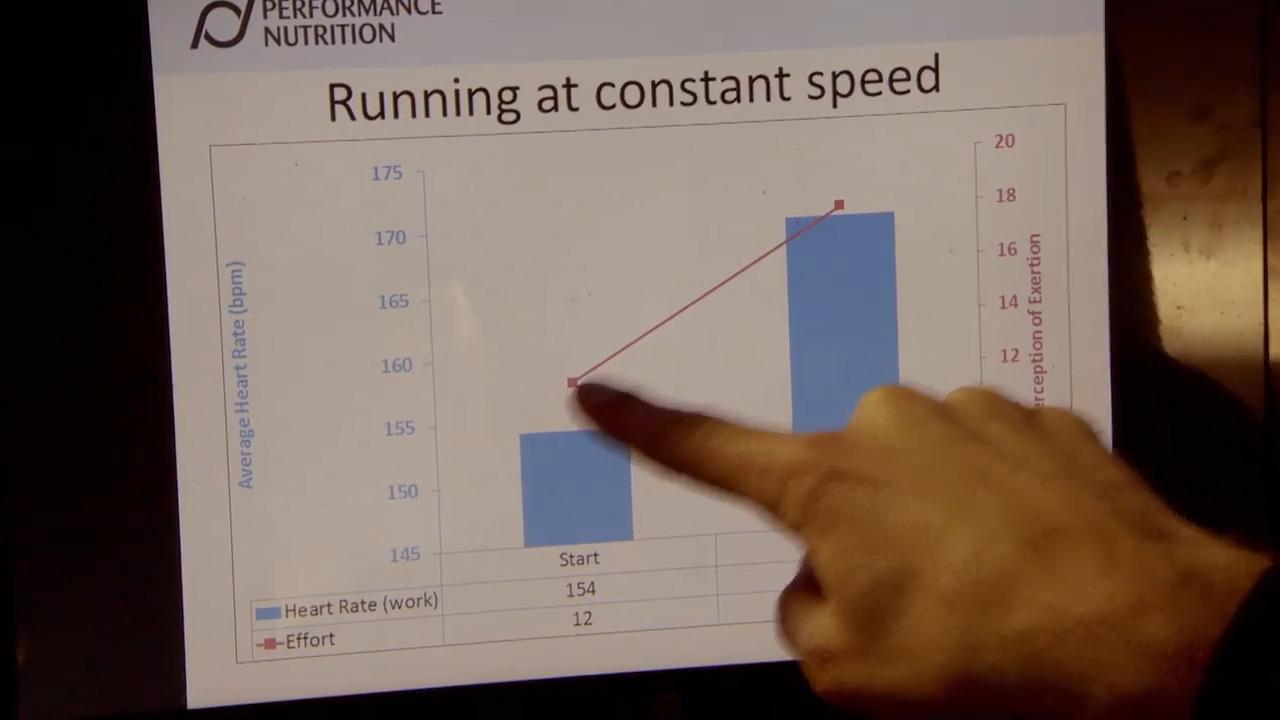
In The Science of Dehydration, Jem pushes his body to the limit with intense exercise while scientists measure how dehydration affects his performance. After sweating it out on a treadmill and exercise bike — without drinking any water — his blood volume drops, and his reaction time slows by a third! The results prove just how crucial hydration is for both the body and the brain. This video is excerpted from BBC’s Bang Goes the Theory, a series that delves into the ways science impacts our lives and shapes the world we experience every day.

In Islamic Advances in Math and Science Helped Update the Math of the World, host Andrew Marr takes us back to the 9th Century. The Islamic scholar Muhammad al-Khwarizmi and other scholars are using measurements and calculations to calculate the Earth’s circumference and create an updated map the Earth. Learn how the work of the Islamic scholars impacts today’s technology and mathematics. This video is excerpted from BBC’s Andrew Marr's History of the World, a story of human history that uses reenactments, modern footage, and storytelling to explain history’s greatest achievements.
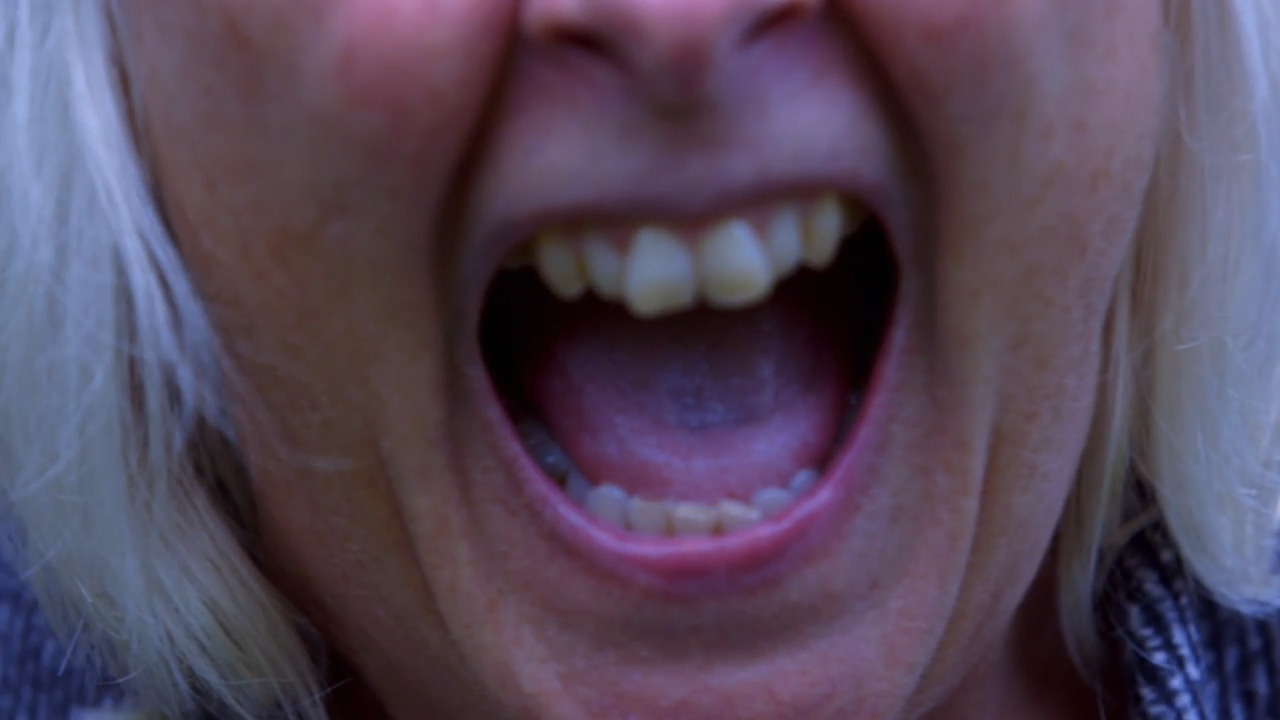
In The Science of Screaming, learn how and why humans scream. Discover the biological mechanisms behind screaming, such as the role of the larynx and vocal cords, and why certain sounds can be louder or more intense than others. Meet Jill, who learned she had an incredibly loud scream when competing in a Halloween scream competition. This video is excerpted from BBC’s The World’s Most Extraordinary People, a documentary series revealing how rare medical conditions inspire groundbreaking scientific discoveries.

In The Science Behind Roasting Coffee Beans, presenter Cherry Healey visits a coffee roaster. Learn about the physical and chemical changes that occur when coffee beans are roasted for differing amounts of time, creating the light, medium, and dark roasts that we see in coffee stores. This video is excerpted from BBC’s Inside the Factory, a series that takes viewers behind the scenes in the factories that make our favorite products.

In How the Human Body Adjusts to Space Travel, host Harith Iskander explains the challenges astronauts face when traveling in space. These challenges include nausea, dizziness, and disorientation due to the lack of gravity. This video is excerpted from BBC’s Got Science?, a science magazine series that explores and explains science in everyday life.

In Melting Mountains and Sinking Cities, host Harith Iskander explains how physical features of the the Earth, such as the melting snow on Mount Kilimanjaro, the sinking of Mexico City, and the potential disappearance of the Dead Sea, are changing over time. Learn how natural and human-made factors contribute to the transformation of the Earth's physical landscape. This video is excerpted from BBC’s Got Science?, a science magazine series that explores and explains science in everyday life

In How High Altitude Affects Our Bodies, host Harith Iskander explains why the air feels thinner in high-altitude locations and how our bodies adapt to less oxygen. At high altitudes, the lower oxygen levels can make people feel breathless, but the body responds by adjusting its red blood cells to carry more oxygen. This change in the respiratory system helps people acclimate over time to the challenges of mountain environments. This video is excerpted from BBC’s Got Science?, a science magazine series that explores and explains science in everyday life.

In Understanding Jet Lag, host Harith Iskander explains how jet lag occurs when a person’s internal clock doesn’t match the external time of a new location. The brain’s oscillator cells in the hypothalamus, which help regulate our sleep-wake cycles, struggle to adjust quickly. Traveling east can be especially difficult because it shortens the body’s natural circadian cycle, while flying west allows for more gradual adjustment. This video is excerpted from BBC’s Got Science?, a science magazine series that explores and explains science in everyday life.
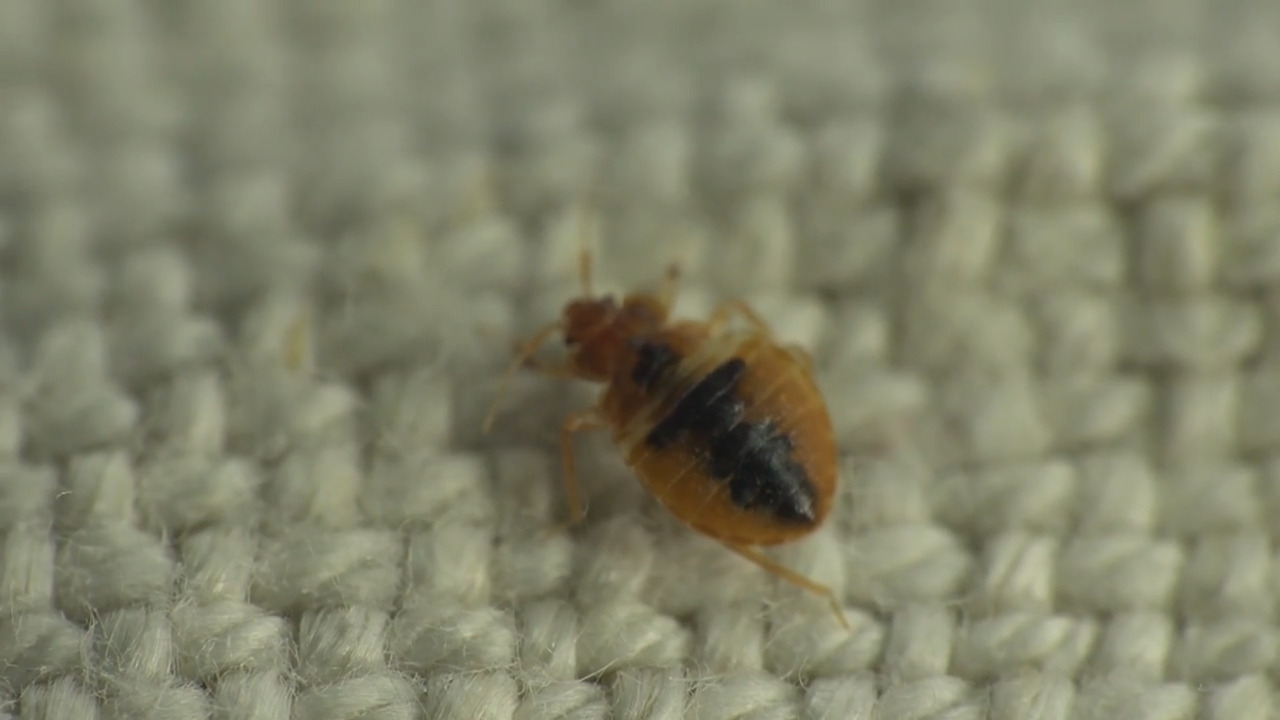
In The Survival Strategies of Bedbugs, host Harith Iskander dives into the fascinating survival strategies of Cimex Lectularius, commonly known as bedbugs. These tiny insects, about the size of an apple seed, rely on human blood to reproduce and are highly attuned to their environment. With an excellent sense of smell, bedbugs can detect over 100 compounds found in human skin and are drawn to carbon dioxide and even dirty laundry. This video is excerpted from BBC’s Got Science? a science magazine series that explores and explains science in everyday life.
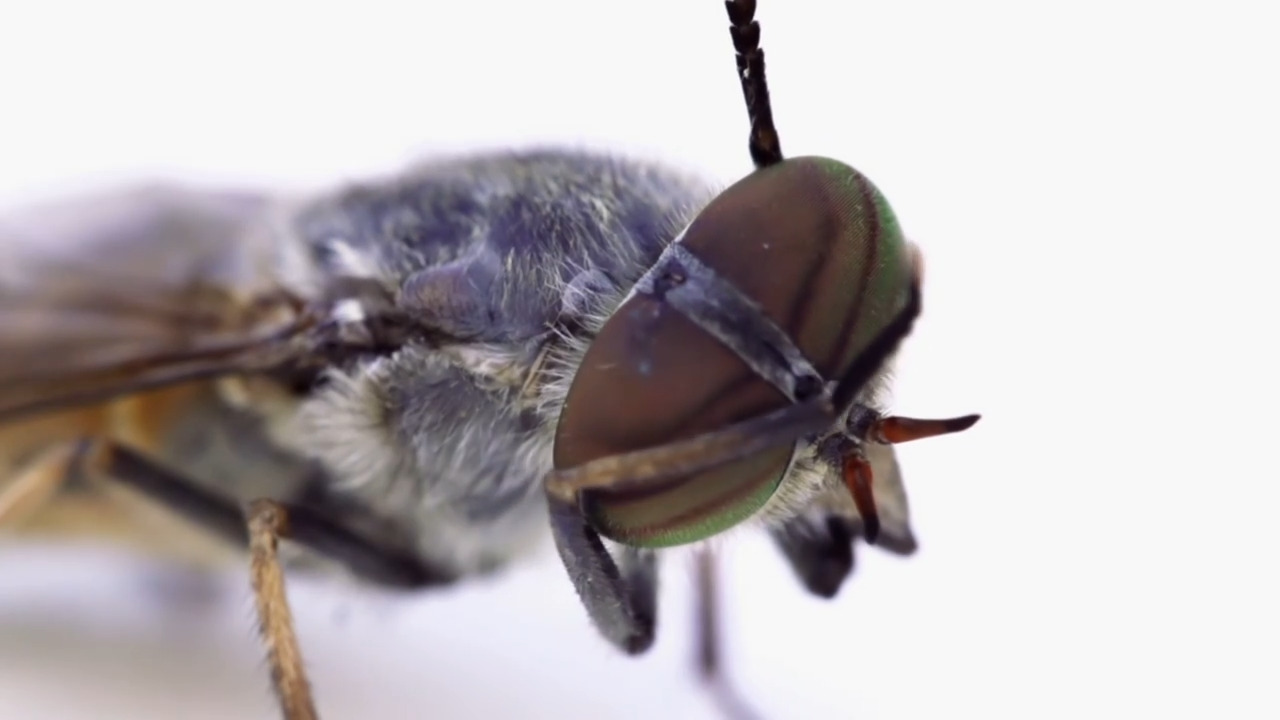
In Why It's So Hard to Catch a Fly, host Harith Iskander explores how flies can quickly evade capture due to their nearly 360-degree vision. Flies have unique vision which makes them incredibly agile and fast, helping them react in an instant when a threat approaches. Learn how and why catching one is often more difficult than we think. This video is excerpted from BBC’s Got Science?, a science magazine series that explores and explains science in everyday life.

In Why We Love Baby Animals, host Harith Iskander explores the science behind the overwhelming urge humans feel to squeeze or cuddle baby animals. This feeling, known as cute aggression, is an evolutionary response. The brain releases dopamine, making us feel happy and protective when we see something cute. This video is excerpted from BBC’s Got Science?, a science magazine series that explores and explains science in everyday life.

In Does the Moon Affect Human Behavior? host Harith Iskander debunks myths that connect the Moon's phases to human behavior, particularly the idea of "lunacy" or madness. The Moon's gravitational pull does influence tides, but it does not have an effect on the water in our bodies, despite common myths. Learn about the Moon’s gravitational force and its real effects on Earth, as well as the science that dispels these longstanding myths. This video is excerpted from BBC’s Got Science?, a science magazine series that explores and explains science in everyday life.
In The Science of Dehydration, Jem pushes his body to the limit with intense exercise while scientists measure how dehydration affects his performance. After sweating it out on a treadmill and exercise bike — without drinking any water — his blood volume drops, and his reaction time slows by a third! The results prove just how crucial hydration is for both the body and the brain. This video is excerpted from BBC’s Bang Goes the Theory, a series that delves into the ways science impacts our lives and shapes the world we experience every day.
In Islamic Advances in Math and Science Helped Update the Math of the World, host Andrew Marr takes us back to the 9th Century. The Islamic scholar Muhammad al-Khwarizmi and other scholars are using measurements and calculations to calculate the Earth’s circumference and create an updated map the Earth. Learn how the work of the Islamic scholars impacts today’s technology and mathematics. This video is excerpted from BBC’s Andrew Marr's History of the World, a story of human history that uses reenactments, modern footage, and storytelling to explain history’s greatest achievements.
In The Science of Screaming, learn how and why humans scream. Discover the biological mechanisms behind screaming, such as the role of the larynx and vocal cords, and why certain sounds can be louder or more intense than others. Meet Jill, who learned she had an incredibly loud scream when competing in a Halloween scream competition. This video is excerpted from BBC’s The World’s Most Extraordinary People, a documentary series revealing how rare medical conditions inspire groundbreaking scientific discoveries.
In The Science Behind Roasting Coffee Beans, presenter Cherry Healey visits a coffee roaster. Learn about the physical and chemical changes that occur when coffee beans are roasted for differing amounts of time, creating the light, medium, and dark roasts that we see in coffee stores. This video is excerpted from BBC’s Inside the Factory, a series that takes viewers behind the scenes in the factories that make our favorite products.
In How the Human Body Adjusts to Space Travel, host Harith Iskander explains the challenges astronauts face when traveling in space. These challenges include nausea, dizziness, and disorientation due to the lack of gravity. This video is excerpted from BBC’s Got Science?, a science magazine series that explores and explains science in everyday life.
In Melting Mountains and Sinking Cities, host Harith Iskander explains how physical features of the the Earth, such as the melting snow on Mount Kilimanjaro, the sinking of Mexico City, and the potential disappearance of the Dead Sea, are changing over time. Learn how natural and human-made factors contribute to the transformation of the Earth's physical landscape. This video is excerpted from BBC’s Got Science?, a science magazine series that explores and explains science in everyday life
In How High Altitude Affects Our Bodies, host Harith Iskander explains why the air feels thinner in high-altitude locations and how our bodies adapt to less oxygen. At high altitudes, the lower oxygen levels can make people feel breathless, but the body responds by adjusting its red blood cells to carry more oxygen. This change in the respiratory system helps people acclimate over time to the challenges of mountain environments. This video is excerpted from BBC’s Got Science?, a science magazine series that explores and explains science in everyday life.
In Understanding Jet Lag, host Harith Iskander explains how jet lag occurs when a person’s internal clock doesn’t match the external time of a new location. The brain’s oscillator cells in the hypothalamus, which help regulate our sleep-wake cycles, struggle to adjust quickly. Traveling east can be especially difficult because it shortens the body’s natural circadian cycle, while flying west allows for more gradual adjustment. This video is excerpted from BBC’s Got Science?, a science magazine series that explores and explains science in everyday life.
In The Survival Strategies of Bedbugs, host Harith Iskander dives into the fascinating survival strategies of Cimex Lectularius, commonly known as bedbugs. These tiny insects, about the size of an apple seed, rely on human blood to reproduce and are highly attuned to their environment. With an excellent sense of smell, bedbugs can detect over 100 compounds found in human skin and are drawn to carbon dioxide and even dirty laundry. This video is excerpted from BBC’s Got Science? a science magazine series that explores and explains science in everyday life.
In Why It's So Hard to Catch a Fly, host Harith Iskander explores how flies can quickly evade capture due to their nearly 360-degree vision. Flies have unique vision which makes them incredibly agile and fast, helping them react in an instant when a threat approaches. Learn how and why catching one is often more difficult than we think. This video is excerpted from BBC’s Got Science?, a science magazine series that explores and explains science in everyday life.
In Why We Love Baby Animals, host Harith Iskander explores the science behind the overwhelming urge humans feel to squeeze or cuddle baby animals. This feeling, known as cute aggression, is an evolutionary response. The brain releases dopamine, making us feel happy and protective when we see something cute. This video is excerpted from BBC’s Got Science?, a science magazine series that explores and explains science in everyday life.
In Does the Moon Affect Human Behavior? host Harith Iskander debunks myths that connect the Moon's phases to human behavior, particularly the idea of "lunacy" or madness. The Moon's gravitational pull does influence tides, but it does not have an effect on the water in our bodies, despite common myths. Learn about the Moon’s gravitational force and its real effects on Earth, as well as the science that dispels these longstanding myths. This video is excerpted from BBC’s Got Science?, a science magazine series that explores and explains science in everyday life.