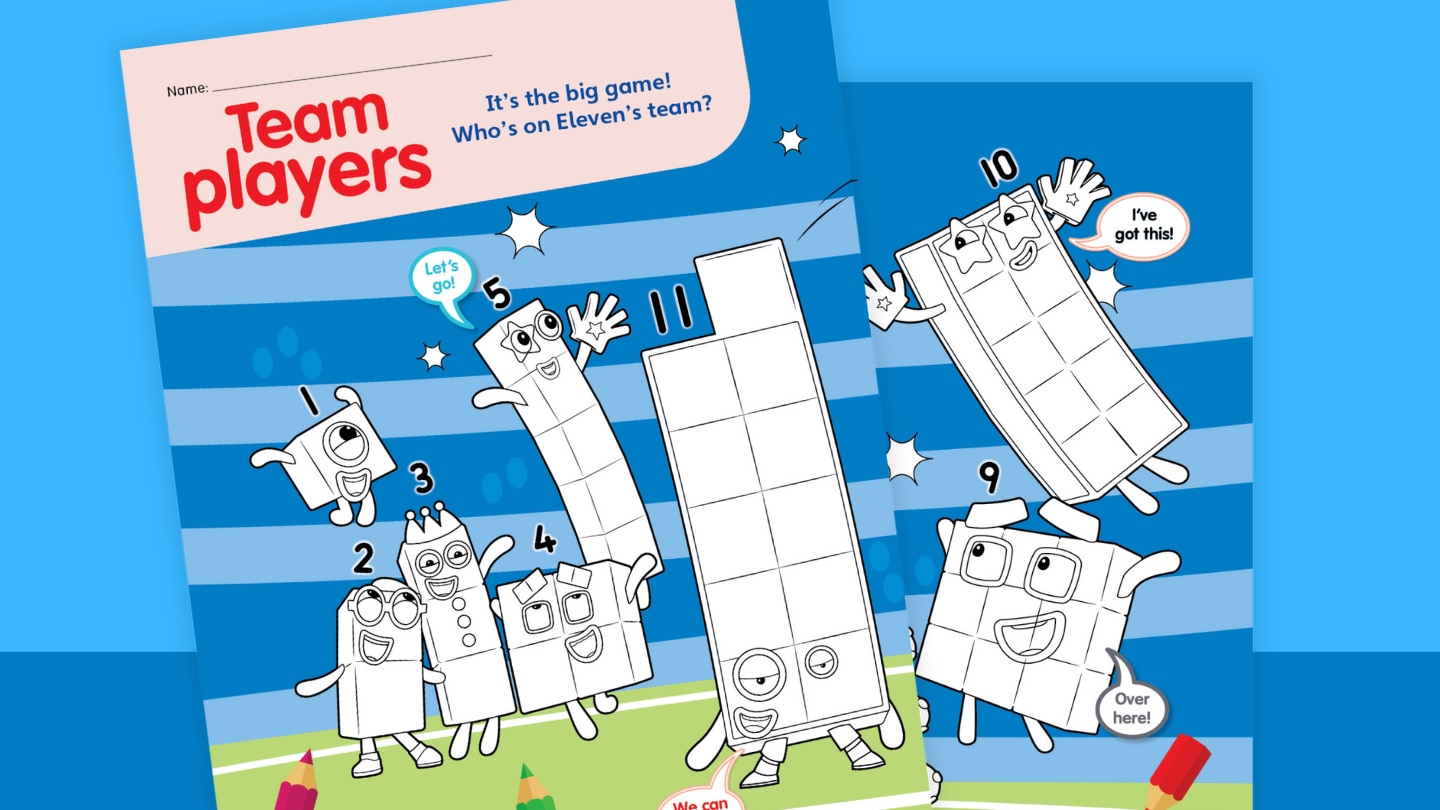
It's the big game! Who's on Eleven's team? Color him in along with in his teammates One, Two, Three, Four, Five, Six, Seven, Eight, Nine, and Ten. How many players are on the field. Count them!
Watch full episodes of Numberblocks on their official YouTube channel!
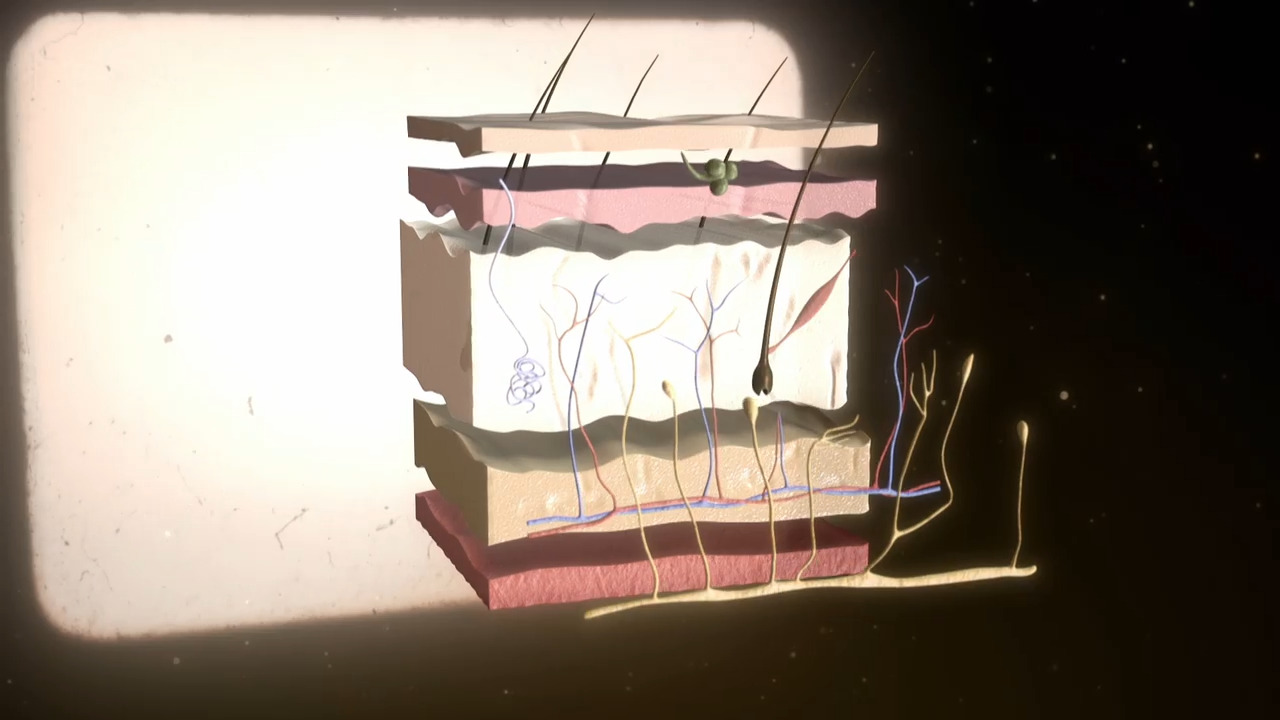
In Layers of the Skin, evolutionary biologist Ben Garrod explores the fascinating science of skin and how mammals, amphibians, fish, reptiles, and birds share a similar basic skin structure, despite differences in appearance and function. Learn about the three main layers of skin: the epidermis, dermis, and subcutaneous fat layer. Each layer plays an important role in helping animals adapt to their environment, providing protection, flexibility, and sensitivity. See how skin can be tough, flexible, colorful, and capable of growing feathers, hair, and even teeth. This video is excerpted from BBC’s Secrets of Skin, a documentary series exploring the natural history of the body's largest organ.

In Should Esports Be an Olympic Sport?, some wonder if competitive gaming should join the Olympics, which could give it global recognition. While esports already has huge international competitions, the Olympic Committee isn’t interested in these games yet. But with esports growing fast and players making millions, some say it doesn’t even need the Olympics to succeed! This video is excerpted from BBC’s My World, a program created for teenagers eager to learn more about the important stories shaping our world.
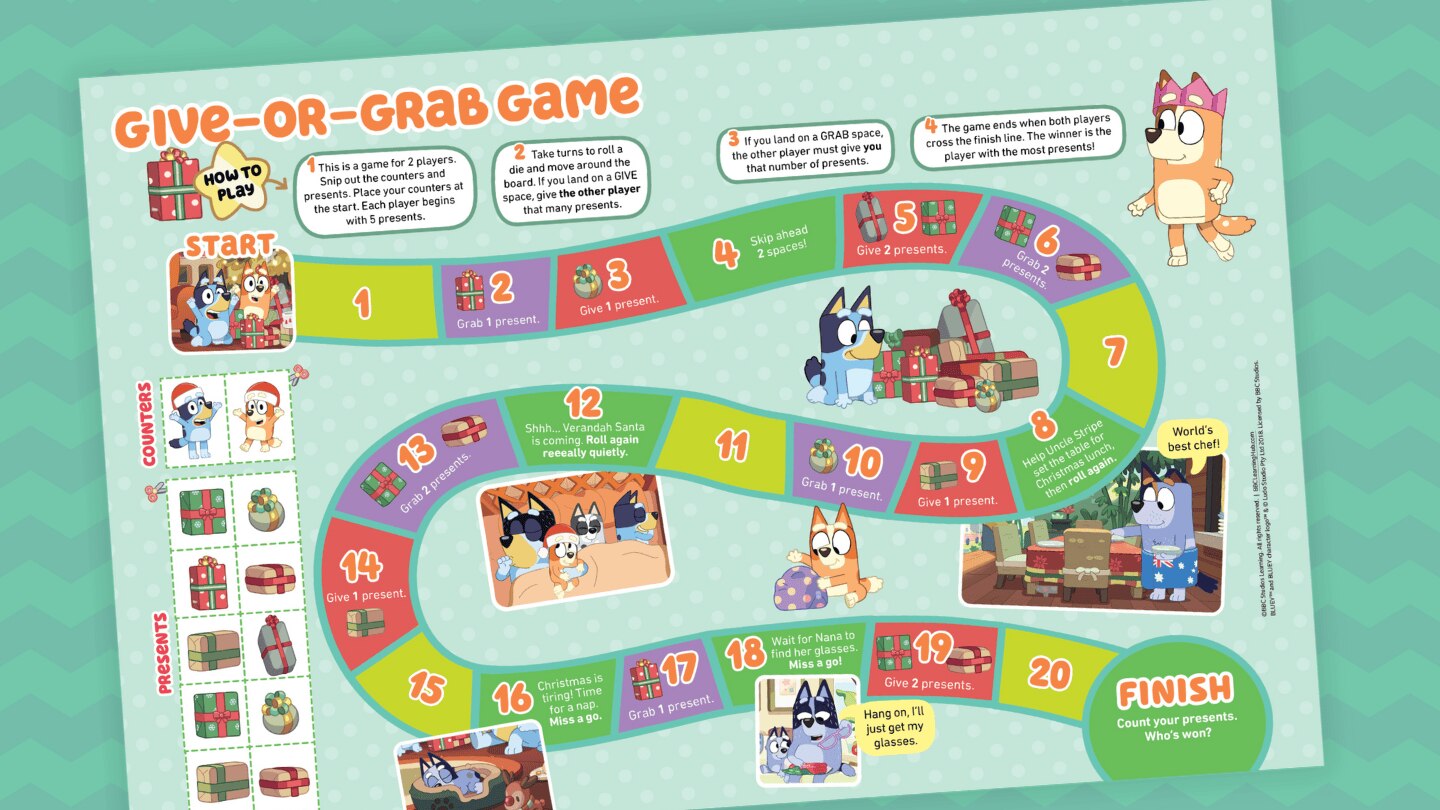
It's the holiday season! Grab a pal and play this fun game. Here's how:
- This is a game for two players. Snip out the counters and presents. Place your counters at the start. Each player begins with five presents.
- Take turns to roll a die and move around the board. If you land on a GIVE space, give the other player that many presents.
- If you land on a GRAB space, the other player must give you that number of presents.
- The game ends when both players cross the finish line. The winner is the player with the most presents!

In The Magic of Math on the Soccer Field, host Marcus du Sautoy tries to convince one math reject that math is present everywhere in the soccer game he loves — from quadratic equations on the pitch to the probability of a team winning. Du Sautoy makes the case that the soccer players are intuitive mathematical geniuses. This video is excerpted from BBC’s Horizon: Why Maths Doesn’t Add Up, where Marcus du Sautoy introduces the elegance and wonder of math to a “math reject,” traveling from the classroom to a four-dimensional world.
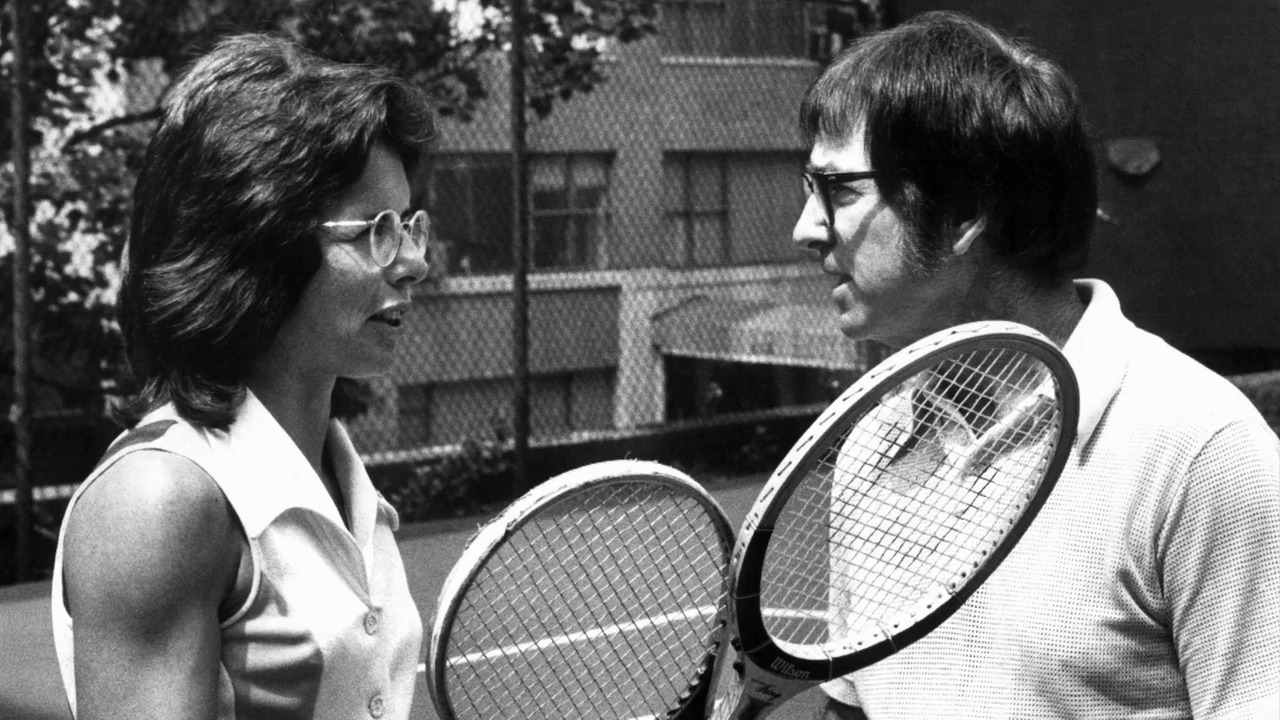
In Billie Jean King's Fight for Equality, sports journalist Clare Balding talks to Billie Jean King about her influence on equality for women in sport. King put her career on the line when she accepted an offer to play against one of the world's top male tennis players, Bobby Riggs, and won. This video is excerpted from BBC’s Icons: The Greatest Person of the 20th Century, a documentary series celebrating the achievements of the most influential figures of the era.
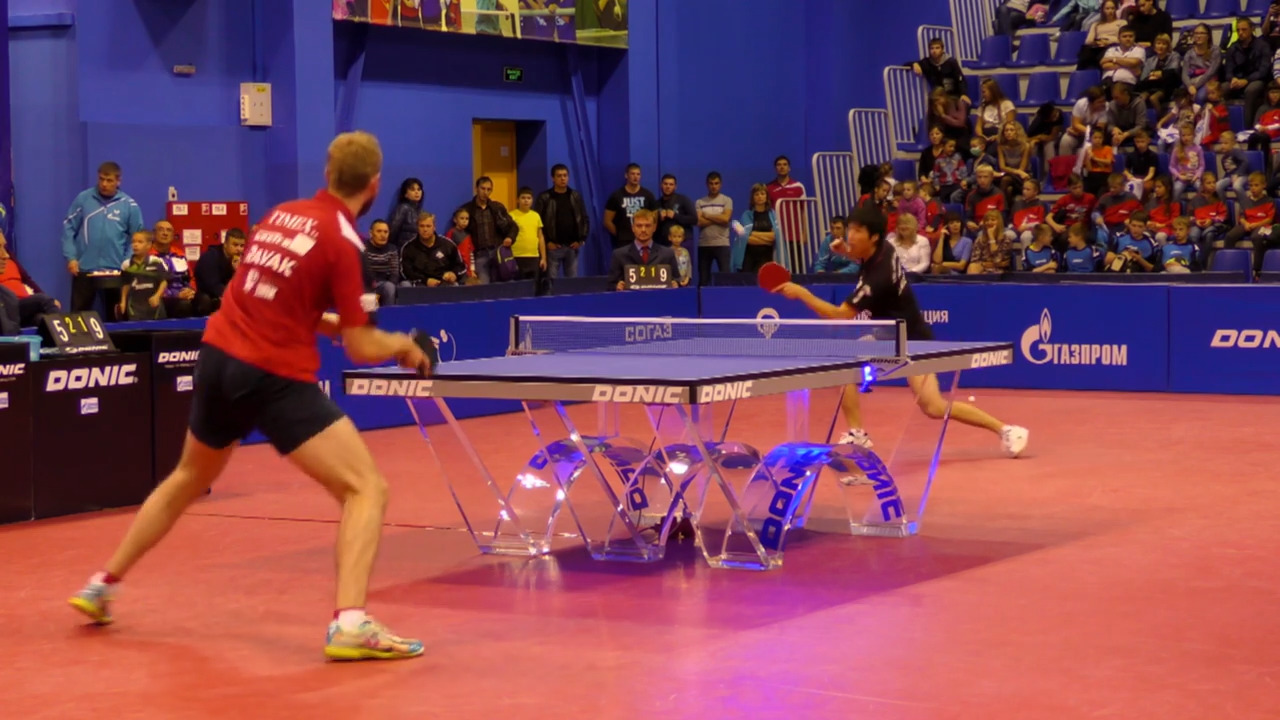
In How Playing Ping Pong Boosts Your Brain Power, host Harith Iskander shows how this fast-paced game gives your brain a major workout. From making quick decisions to coordinating hand movements, table tennis engages different parts of the brain, including the motor cortex, cerebellum, and prefrontal cortex. As players react to the ball, plan their moves, and remember their opponent’s patterns, the hippocampus — the memory center of the brain — gets stronger. This video is excerpted from BBC’s Got Science?, a science magazine series that explores and explains science in everyday life.
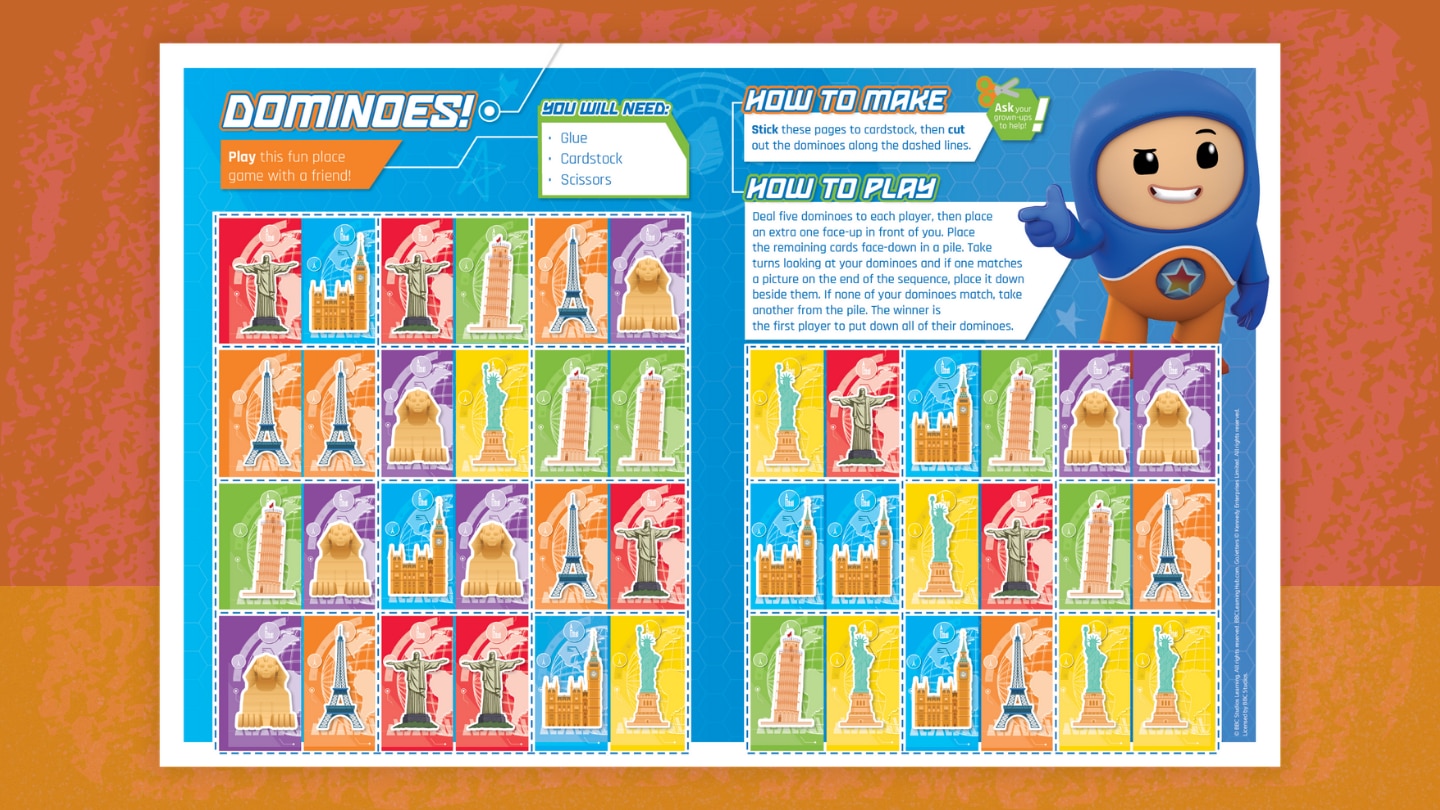
Play this fun Go Jetters dominoes game (featuring famous world landmarks) with a friend! Here's how to play:
- Deal five dominoes to each player, then place an extra one face-up in front of you.
- Place the remaining cards face-down in a pile.
- Take turns looking at your dominoes and if one matches a picture on the end of the sequence, place it down beside them. If none of your dominoes match, take another from the pile.
- The winner is the first player to put down all of their dominoes.
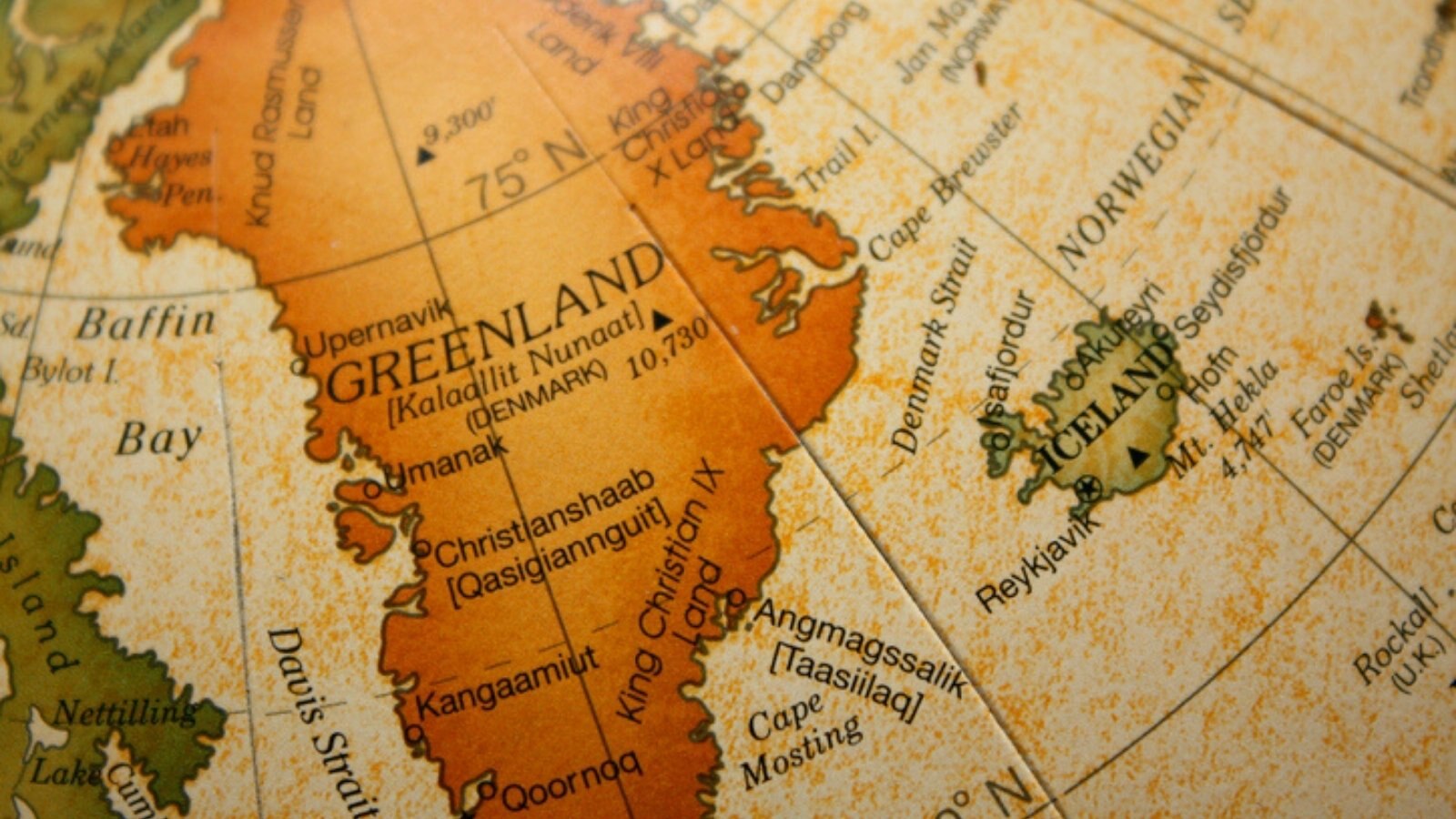
The article "Who Really Owns Greenland? A Land of Ice, Vikings, and Global Power Plays" from BBC's HistoryExtra explores Greenland’s long and complex history of ownership. It traces the island’s journey from early Inuit inhabitants to Viking explorers, Danish missionaries, and Cold War military bases — highlighting how Greenland has become a key player in global politics.
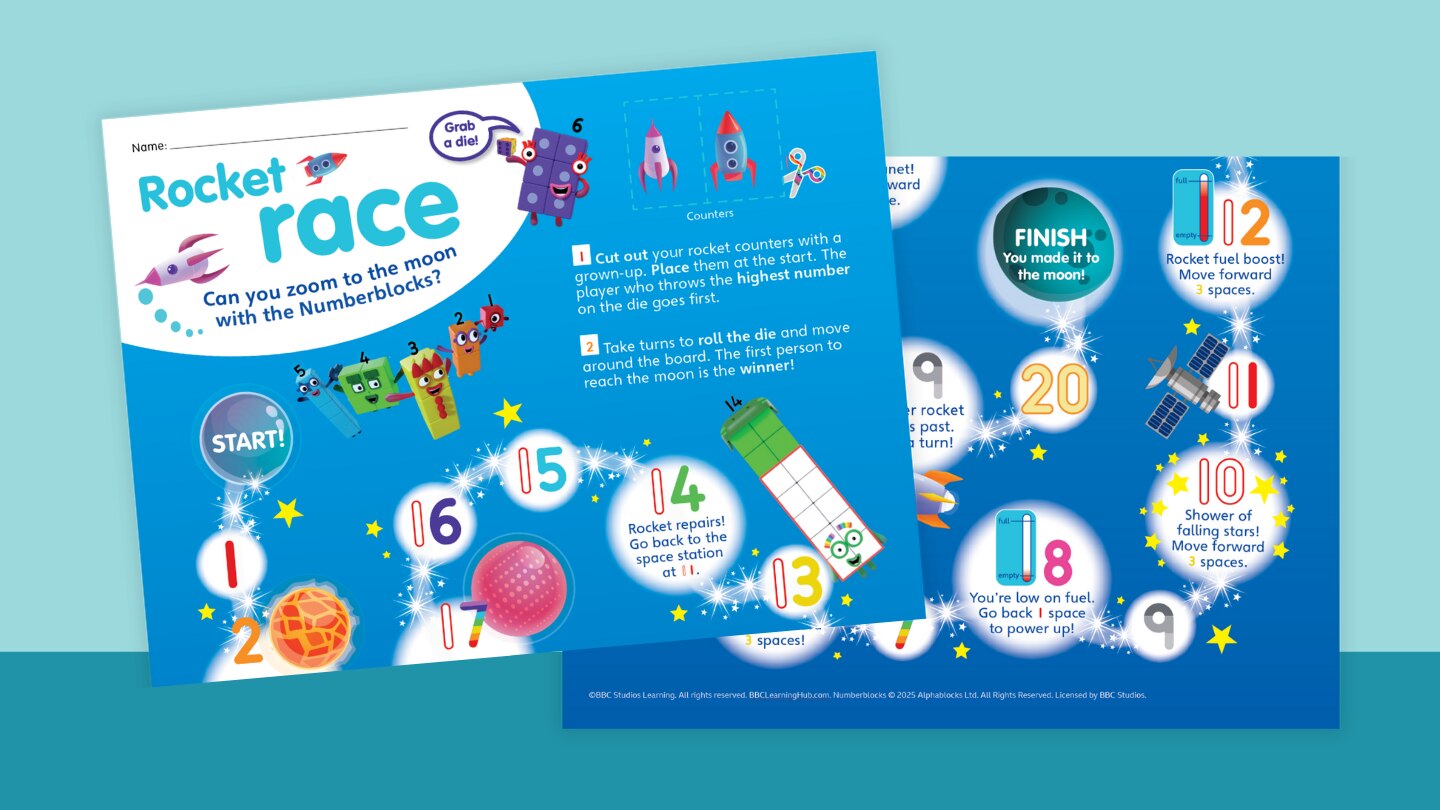
Can you zoom to the moon with the Numberblocks? Here's how to play:
- Cut out your rocket counters with a grown-up. Place them at the start. The player who throws the highest number on the die goes first.
- Take turns to roll the die and move around the board. The first person to reach the moon is the winner!
Watch full episodes of Numberblocks on their official YouTube channel!
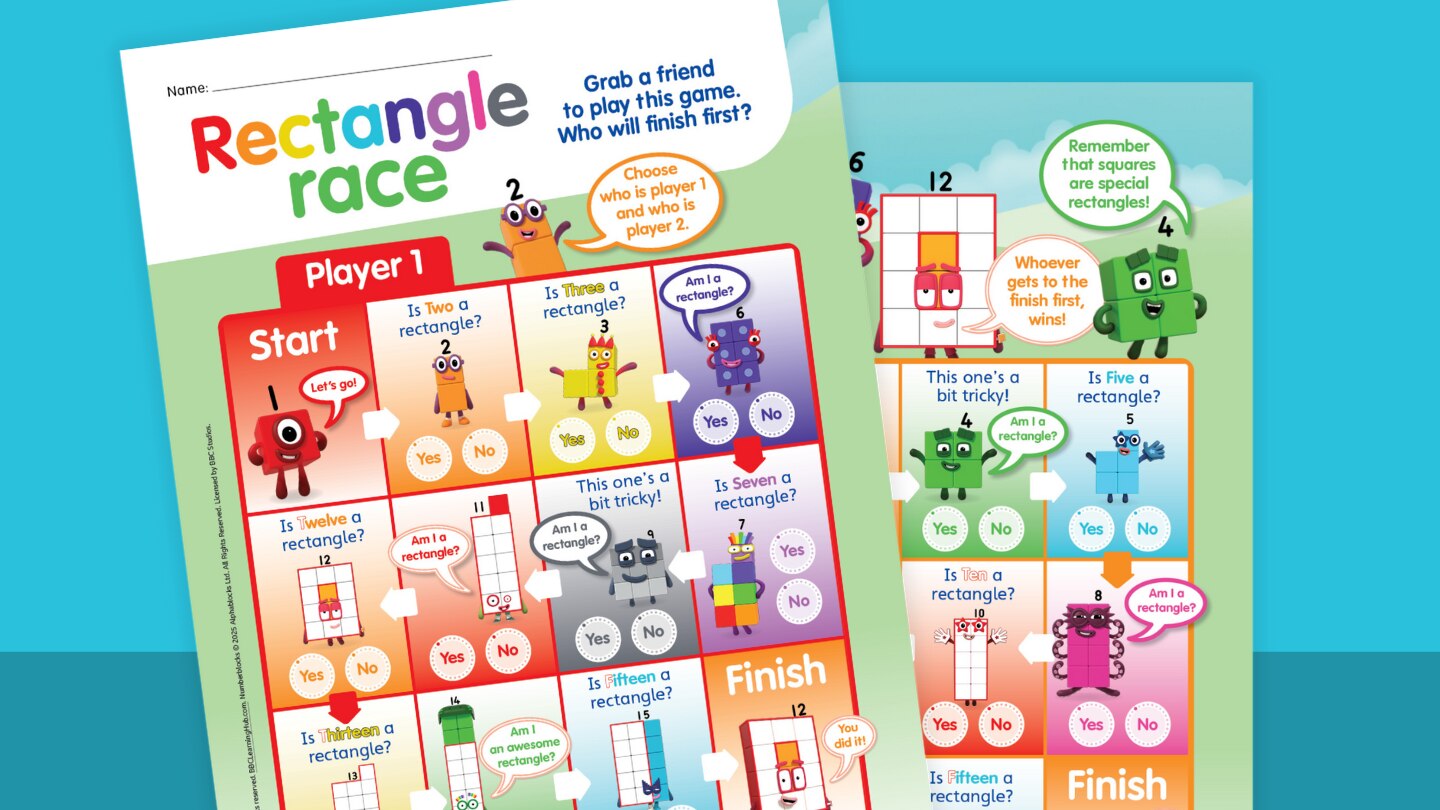
Grab a friend to play this game. Who will finish first? Choose who is player 1 and who is player 2. Count down
from 10 to one, then shout, "Go!" Answer all the questions as quickly as you can! Whoever gets to the
finish first wins! Remember that squares are special rectangles.
Watch full episodes of Numberblocks on their official YouTube channel!
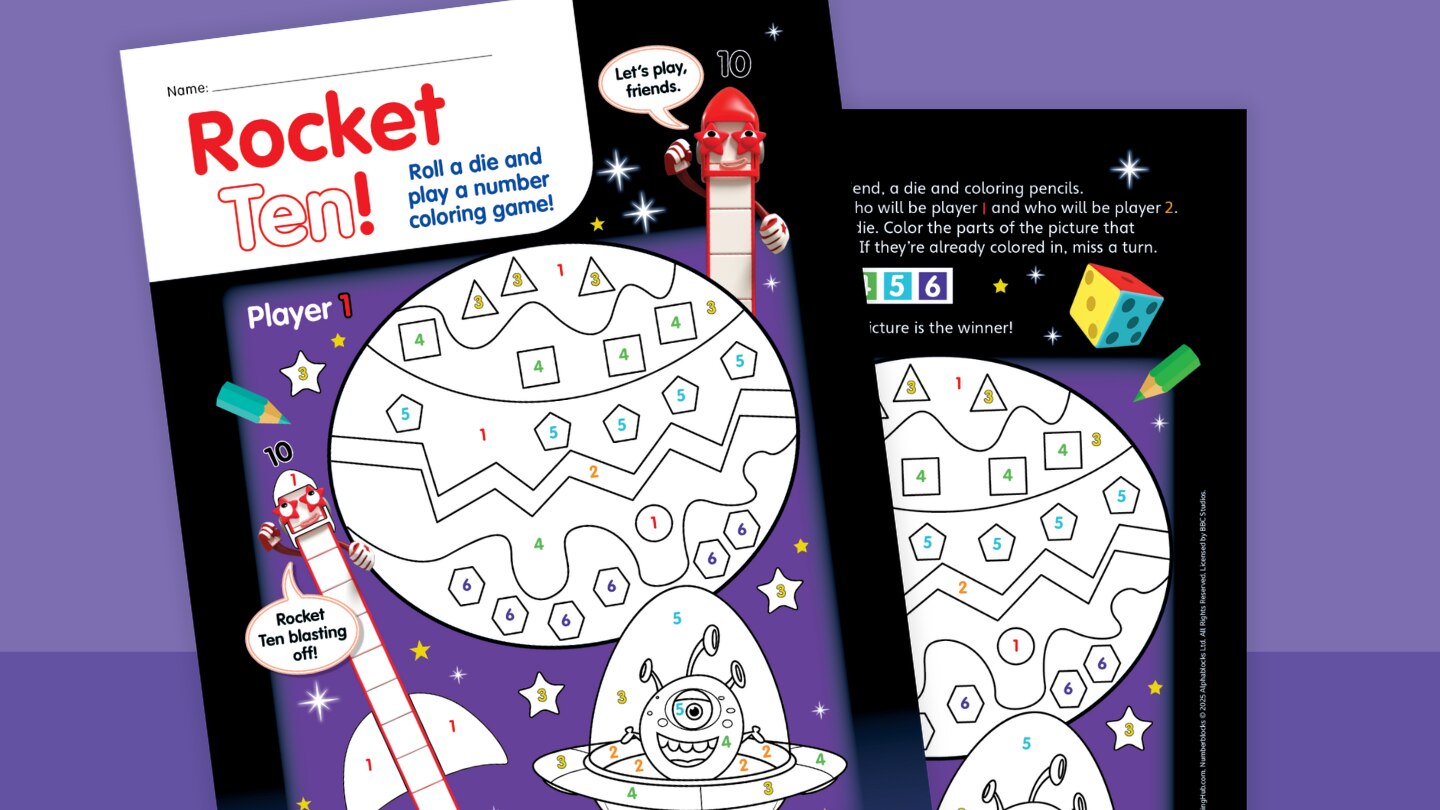
Ready for lift-off? Roll a die and play a number coloring game. Here's how it works:
- Find a friend, a die. and coloring pencils. Choose who will be player 1 and who will be player 2.
- Take it in turns to throw the die. Color the parts of the picture that contain the number you roll (use the color key to help you). If they’re already colored in, miss a turn.
- The first player to color their picture is the winner!
Watch full episodes of Numberblocks on their official YouTube channel!
It's the big game! Who's on Eleven's team? Color him in along with in his teammates One, Two, Three, Four, Five, Six, Seven, Eight, Nine, and Ten. How many players are on the field. Count them!
Watch full episodes of Numberblocks on their official YouTube channel!
In Layers of the Skin, evolutionary biologist Ben Garrod explores the fascinating science of skin and how mammals, amphibians, fish, reptiles, and birds share a similar basic skin structure, despite differences in appearance and function. Learn about the three main layers of skin: the epidermis, dermis, and subcutaneous fat layer. Each layer plays an important role in helping animals adapt to their environment, providing protection, flexibility, and sensitivity. See how skin can be tough, flexible, colorful, and capable of growing feathers, hair, and even teeth. This video is excerpted from BBC’s Secrets of Skin, a documentary series exploring the natural history of the body's largest organ.
In Should Esports Be an Olympic Sport?, some wonder if competitive gaming should join the Olympics, which could give it global recognition. While esports already has huge international competitions, the Olympic Committee isn’t interested in these games yet. But with esports growing fast and players making millions, some say it doesn’t even need the Olympics to succeed! This video is excerpted from BBC’s My World, a program created for teenagers eager to learn more about the important stories shaping our world.
It's the holiday season! Grab a pal and play this fun game. Here's how:
- This is a game for two players. Snip out the counters and presents. Place your counters at the start. Each player begins with five presents.
- Take turns to roll a die and move around the board. If you land on a GIVE space, give the other player that many presents.
- If you land on a GRAB space, the other player must give you that number of presents.
- The game ends when both players cross the finish line. The winner is the player with the most presents!
In The Magic of Math on the Soccer Field, host Marcus du Sautoy tries to convince one math reject that math is present everywhere in the soccer game he loves — from quadratic equations on the pitch to the probability of a team winning. Du Sautoy makes the case that the soccer players are intuitive mathematical geniuses. This video is excerpted from BBC’s Horizon: Why Maths Doesn’t Add Up, where Marcus du Sautoy introduces the elegance and wonder of math to a “math reject,” traveling from the classroom to a four-dimensional world.
In Billie Jean King's Fight for Equality, sports journalist Clare Balding talks to Billie Jean King about her influence on equality for women in sport. King put her career on the line when she accepted an offer to play against one of the world's top male tennis players, Bobby Riggs, and won. This video is excerpted from BBC’s Icons: The Greatest Person of the 20th Century, a documentary series celebrating the achievements of the most influential figures of the era.
In How Playing Ping Pong Boosts Your Brain Power, host Harith Iskander shows how this fast-paced game gives your brain a major workout. From making quick decisions to coordinating hand movements, table tennis engages different parts of the brain, including the motor cortex, cerebellum, and prefrontal cortex. As players react to the ball, plan their moves, and remember their opponent’s patterns, the hippocampus — the memory center of the brain — gets stronger. This video is excerpted from BBC’s Got Science?, a science magazine series that explores and explains science in everyday life.
Play this fun Go Jetters dominoes game (featuring famous world landmarks) with a friend! Here's how to play:
- Deal five dominoes to each player, then place an extra one face-up in front of you.
- Place the remaining cards face-down in a pile.
- Take turns looking at your dominoes and if one matches a picture on the end of the sequence, place it down beside them. If none of your dominoes match, take another from the pile.
- The winner is the first player to put down all of their dominoes.
The article "Who Really Owns Greenland? A Land of Ice, Vikings, and Global Power Plays" from BBC's HistoryExtra explores Greenland’s long and complex history of ownership. It traces the island’s journey from early Inuit inhabitants to Viking explorers, Danish missionaries, and Cold War military bases — highlighting how Greenland has become a key player in global politics.
Can you zoom to the moon with the Numberblocks? Here's how to play:
- Cut out your rocket counters with a grown-up. Place them at the start. The player who throws the highest number on the die goes first.
- Take turns to roll the die and move around the board. The first person to reach the moon is the winner!
Watch full episodes of Numberblocks on their official YouTube channel!
Grab a friend to play this game. Who will finish first? Choose who is player 1 and who is player 2. Count down
from 10 to one, then shout, "Go!" Answer all the questions as quickly as you can! Whoever gets to the
finish first wins! Remember that squares are special rectangles.
Watch full episodes of Numberblocks on their official YouTube channel!
Ready for lift-off? Roll a die and play a number coloring game. Here's how it works:
- Find a friend, a die. and coloring pencils. Choose who will be player 1 and who will be player 2.
- Take it in turns to throw the die. Color the parts of the picture that contain the number you roll (use the color key to help you). If they’re already colored in, miss a turn.
- The first player to color their picture is the winner!
Watch full episodes of Numberblocks on their official YouTube channel!