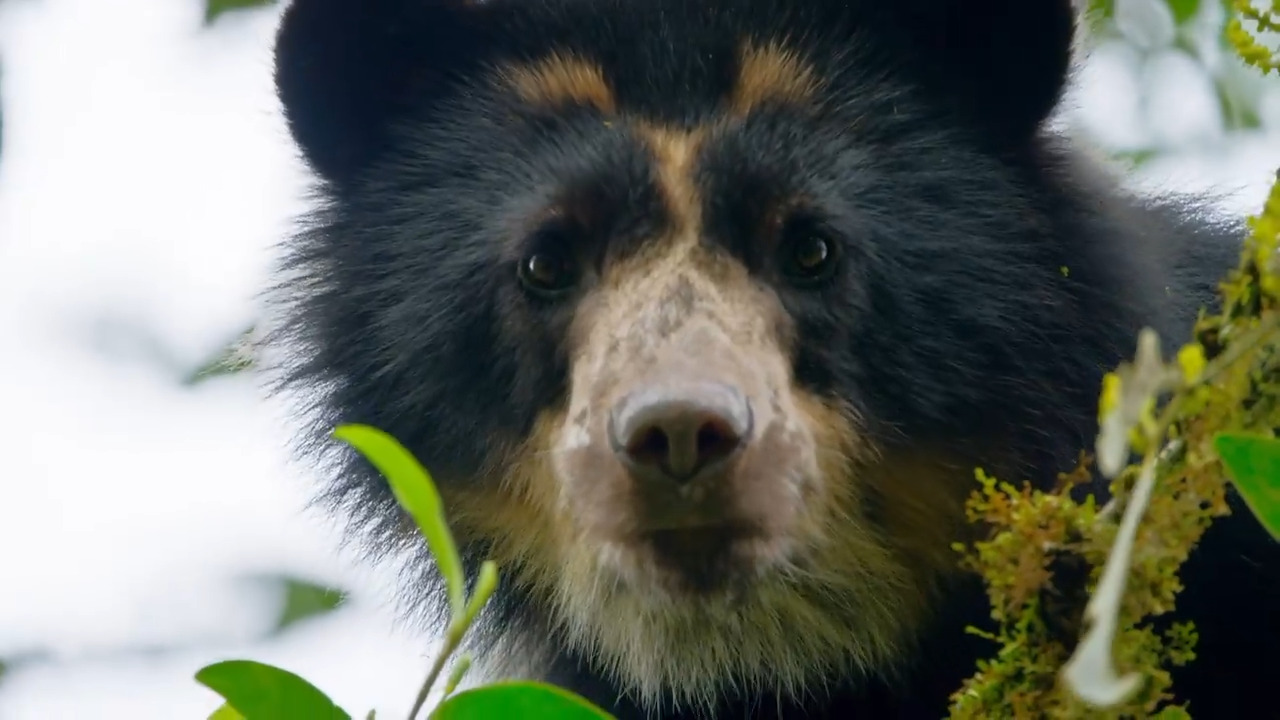
In The Unique Plants and Animals of Cloud Forests, meet the rare Andean bear, climbing to the top of the canopy to reach food. While he struggles at first, because the only fruit is on the thinnest branches, a more experienced bear arrives to teach him how to reach it. This video is excerpted from BBC’s Seven Worlds, One Planet, a series featuring remarkable animal behavior from all seven continents.
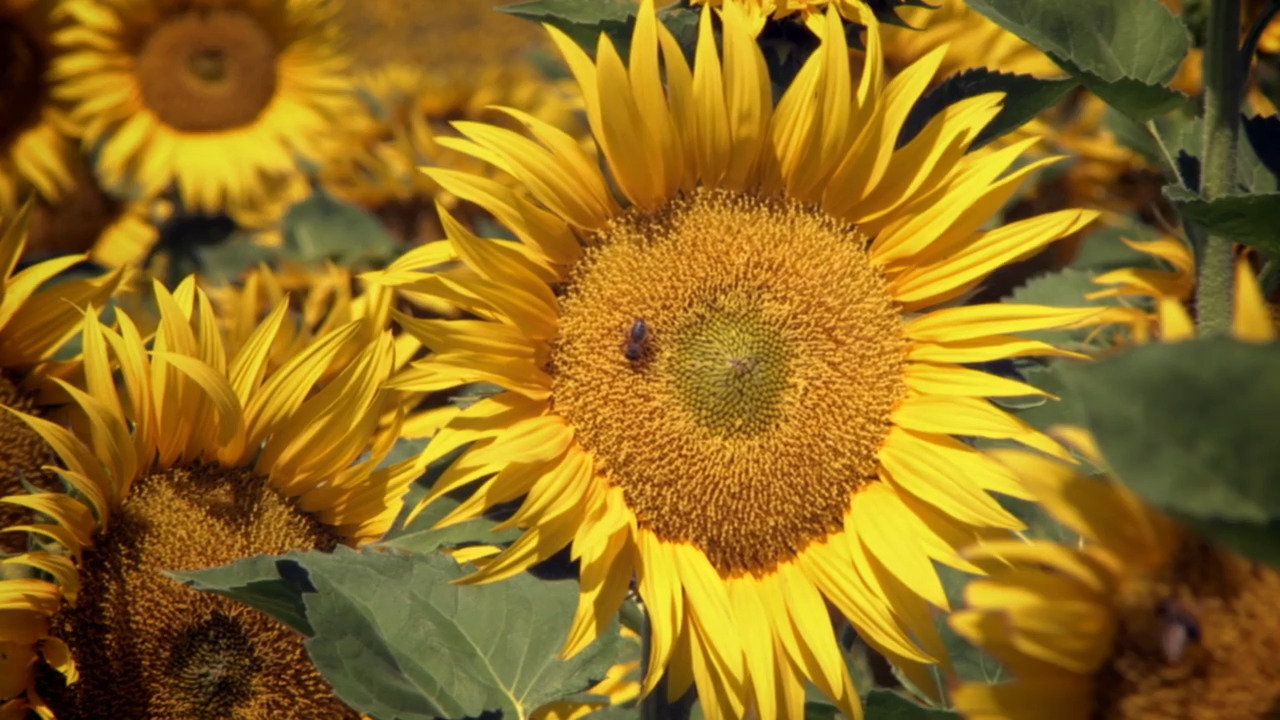
In Clever Ways Plants Reproduce, narrator Sir David Attenborough explains how flowers are amazing problem-solvers when it comes to pollination! In sunny fields of France, sunflowers use nectar to lure insects, which help spread pollen from flower to flower. But in the icy winds of Cradle Mountain, the honey bush protects its delicate parts by fusing its petals, leaving only strong birds to break through and help with pollination. Depending on its environment, flowers are problem-solvers when it comes to reproducing! This video is excerpted from BBC's Life, a show that explores the remarkable strategies animals and plants use to ensure their survival.
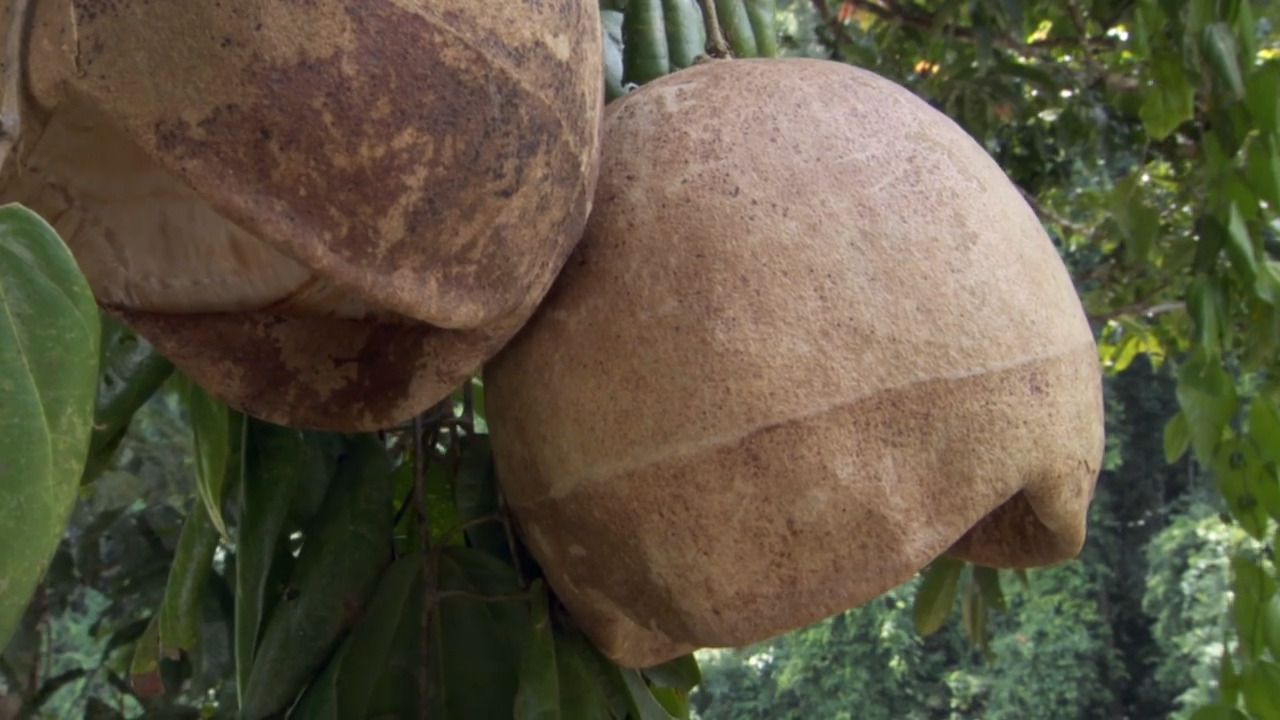
In How Plants Travel and Grow, narrator Sir David Attenborough discovers how plants spread their seeds, even though they can’t move! Deep in the Borneo forests, plants use wind to give their seeds wings — like the Alsomitra vine’s gliding seeds that soar hundreds of meters on a gentle breeze. In Arizona, the saguaro cactus relies on bats to pollinate its flowers, which bloom for just one cool night before fading. This video is excerpted from BBC's Life, a show that explores the remarkable strategies animals and plants use to ensure their survival.
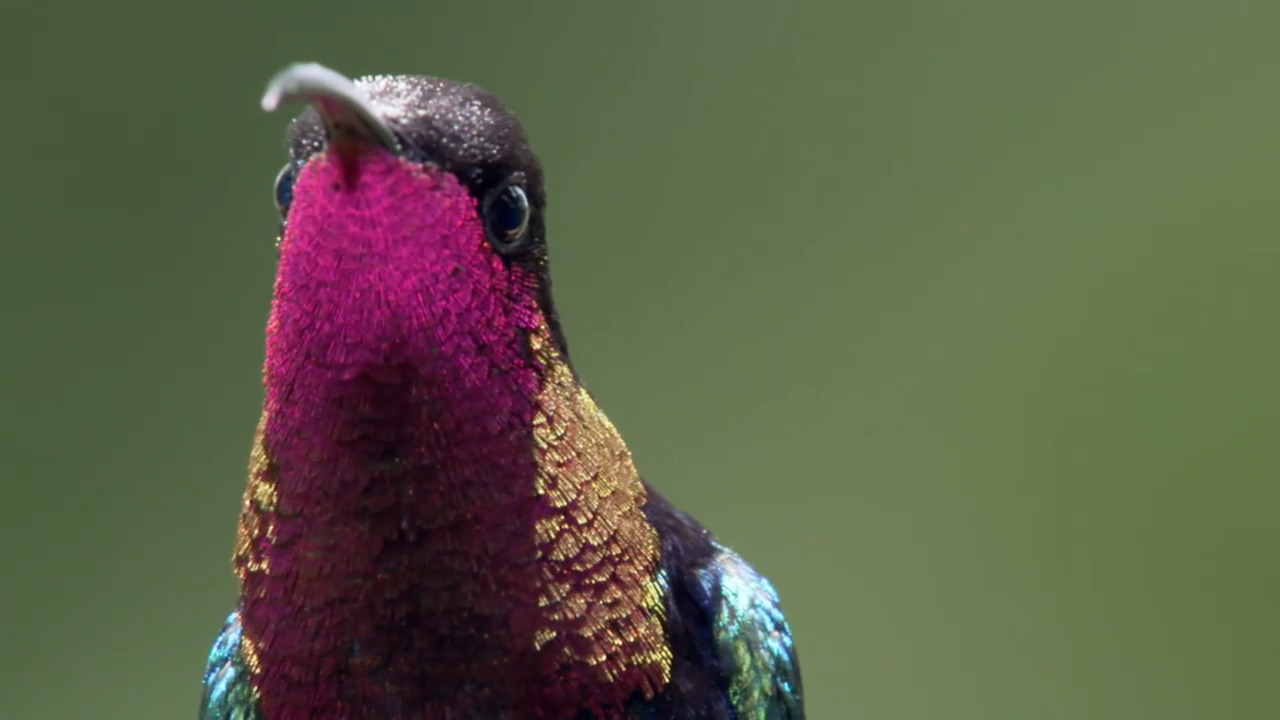
In Pollinators and Plants, Nature’s Perfect Pair, narrator Sir David Attenborough explores the fascinating teamwork — and clever defenses — between plants and pollinators! Monarch butterflies rely on milkweed plants for laying eggs and gathering nectar, but the plant defends itself with a sap that challenges the caterpillars. Meanwhile, the Heliconia plant carefully rations nectar to keep the hummingbird returning, as only this bird’s uniquely shaped beak can pollinate it! This video is excerpted from BBC's Life, a show that explores the remarkable strategies animals and plants use to ensure their survival.
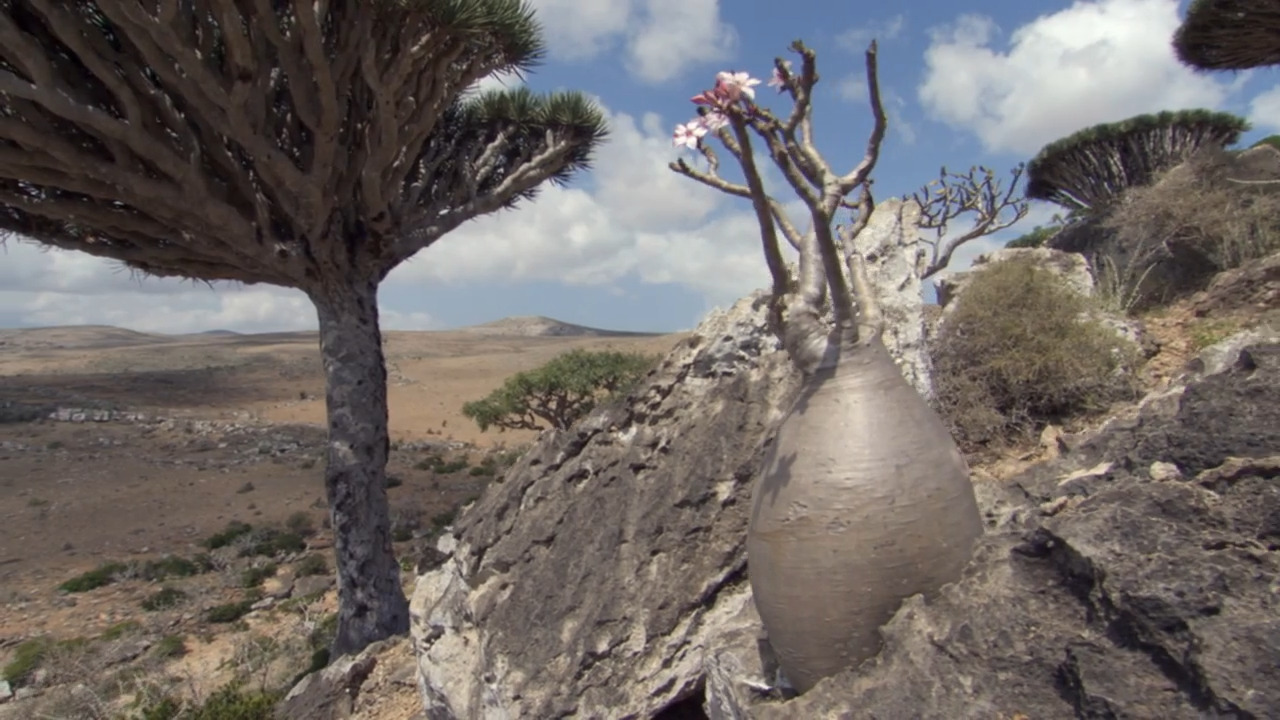
In How Plants Thrive in Extreme Conditions, narrator Sir David Attenborough describes plants that thrive in some of the harshest places on Earth. The dragon’s blood tree in Socotra uses its unique shape to catch the morning mist and water its roots, while the desert rose stores water in its thick trunk and grows right out of bare rock. Meanwhile, the red mangrove tree survives salty water by filtering out most of the salt through pores, showing how nature helps plants adapt to tough environments! This video is excerpted from BBC’s Life, a show that explores the remarkable strategies animals and plants use to ensure their survival.
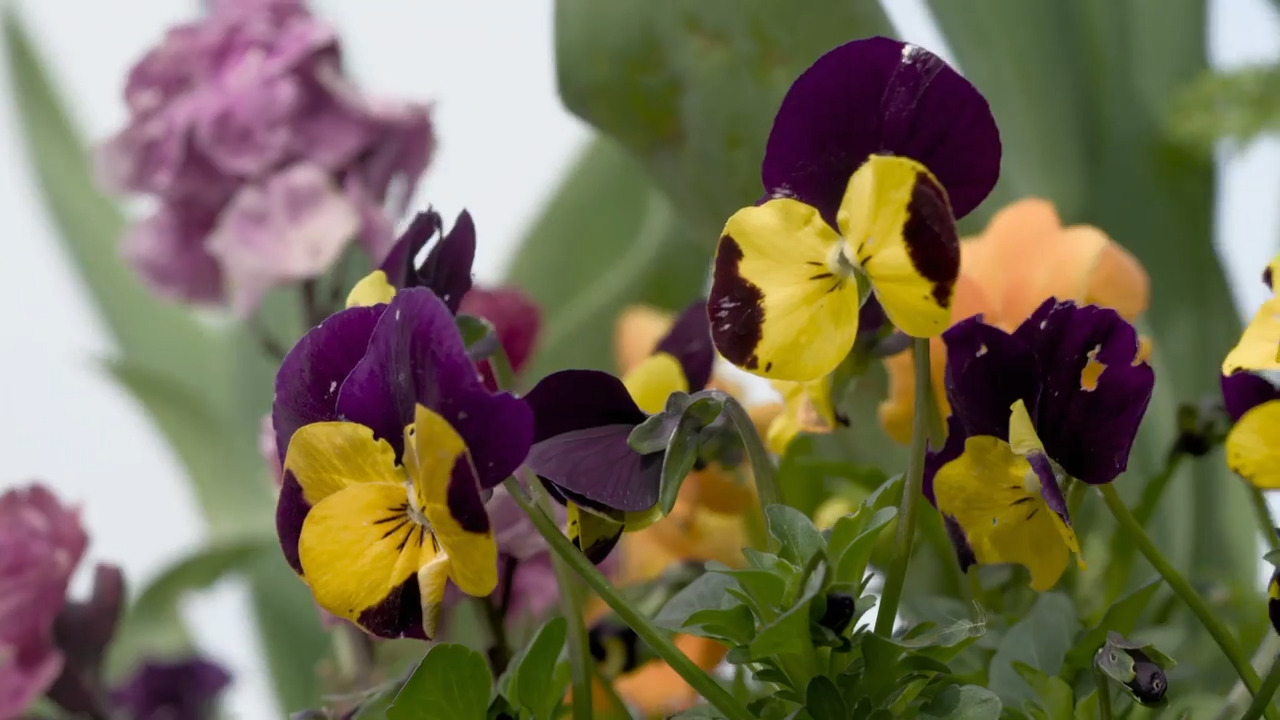
In Just Right! How Plants Grow, Ranger Hamza and the Ramblers are at the park. They get a close-up look at flowers and learn what plants need in order to grow. This video is excerpted from BBC's Ranger Hamza’s Eco Quest, a nature exploration show in which Ranger Hamza and the Ramblers go on quests to discover nature’s wonders and the important role they play in our environment.
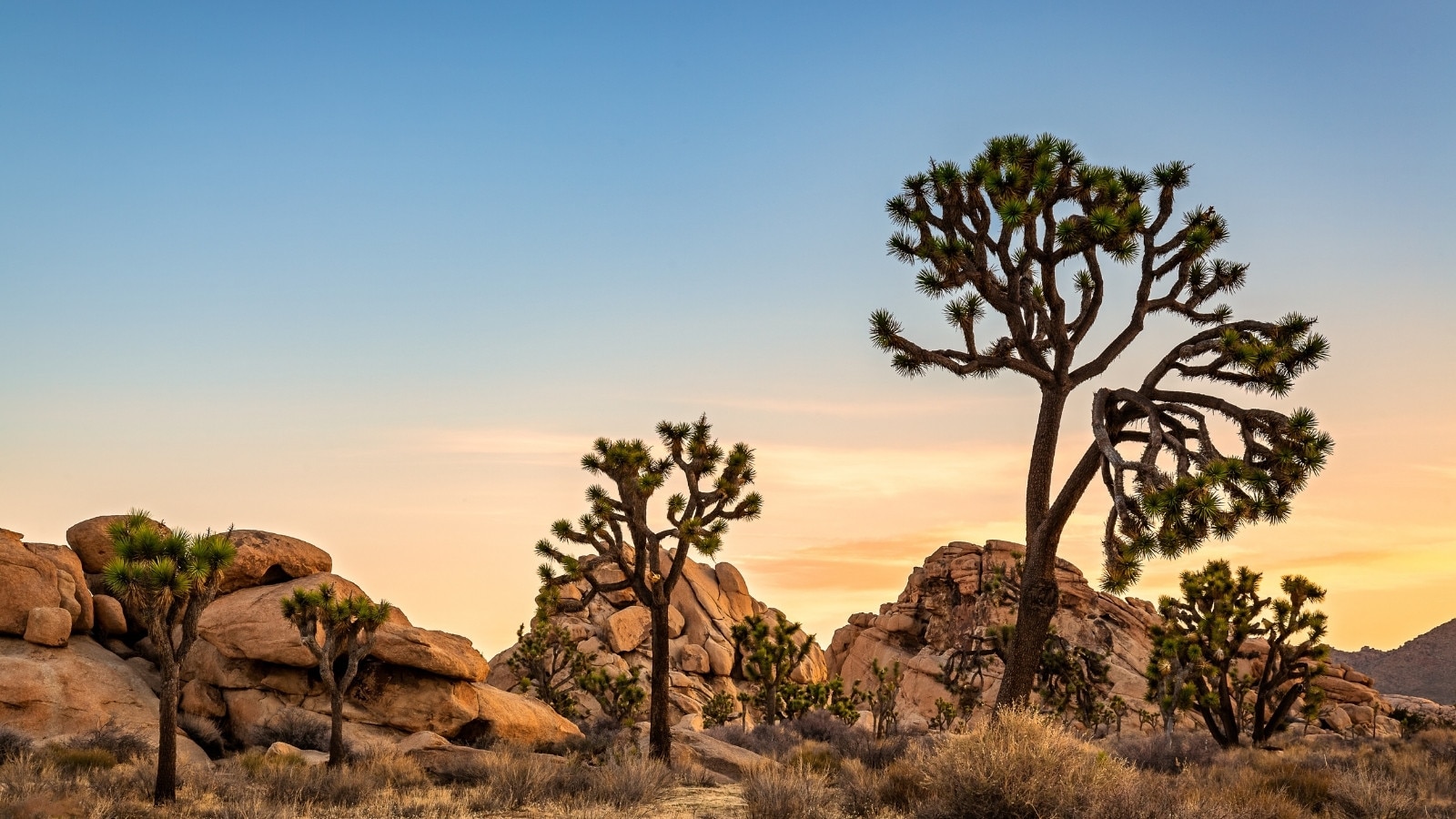
The article "10 Remarkable Desert Plants That Survive in the Harshest Places on Earth" from BBC's Discover Wildlife is an exploration of extraordinary plant species uniquely adapted to life in deserts. Highlighting everything from the ancient date palm to the fog-harvesting tara tree and water-storing saxaul, the article showcases the ways that desert flora thrive in places with extreme heat, dryness, or even cold.
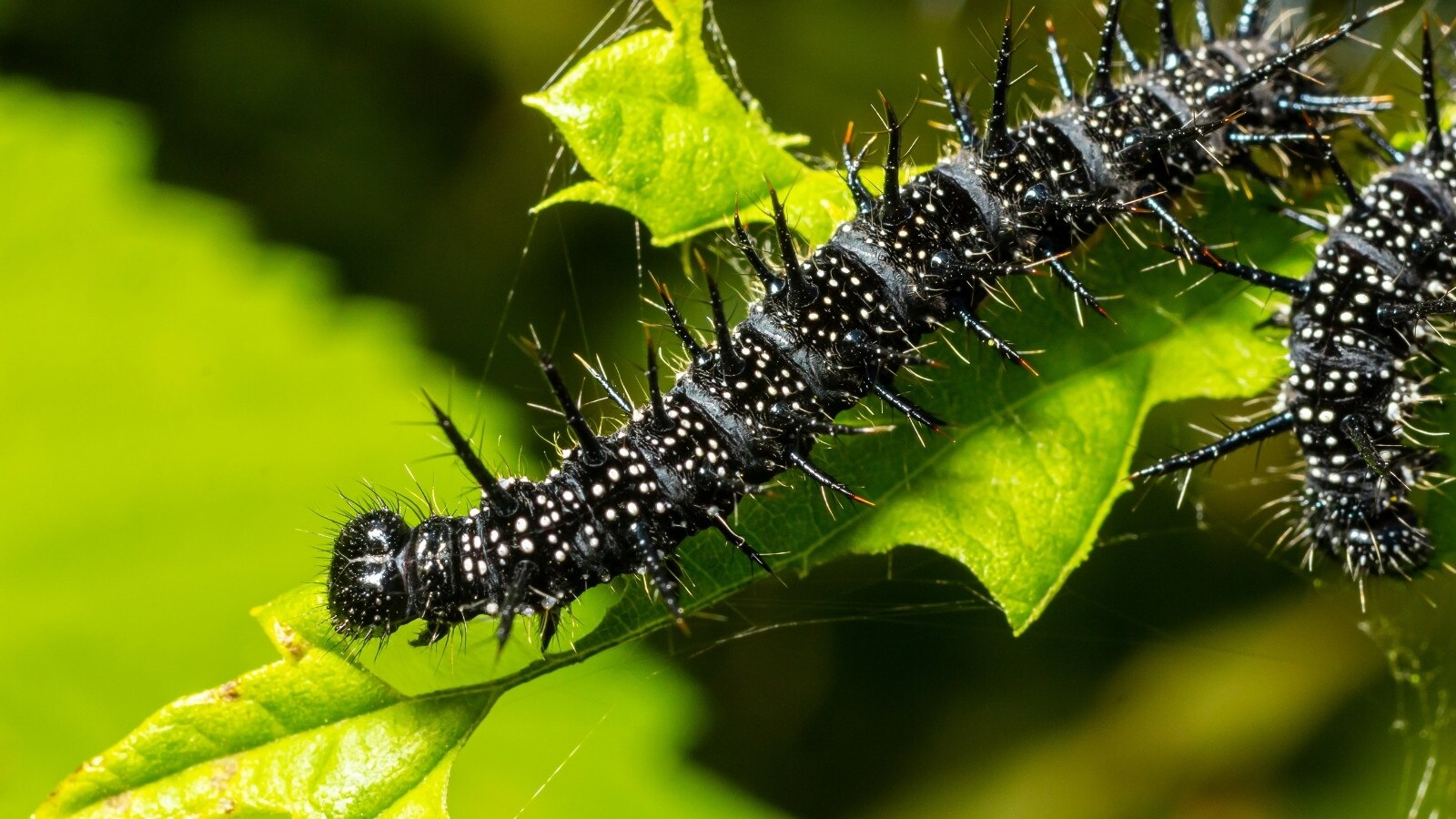
The article "Creating a Butterfly-Friendly Garden: Essential Caterpillar Food Plants" from BBC's Discover Wildlife explains how growing specific plants in your garden can help support butterfly populations. By planting food plants like nettles for peacock and small tortoiseshell butterflies, and cuckoo flower for orange-tips, you can encourage caterpillars to thrive and ensure butterflies have a safe space to lay eggs and feed.
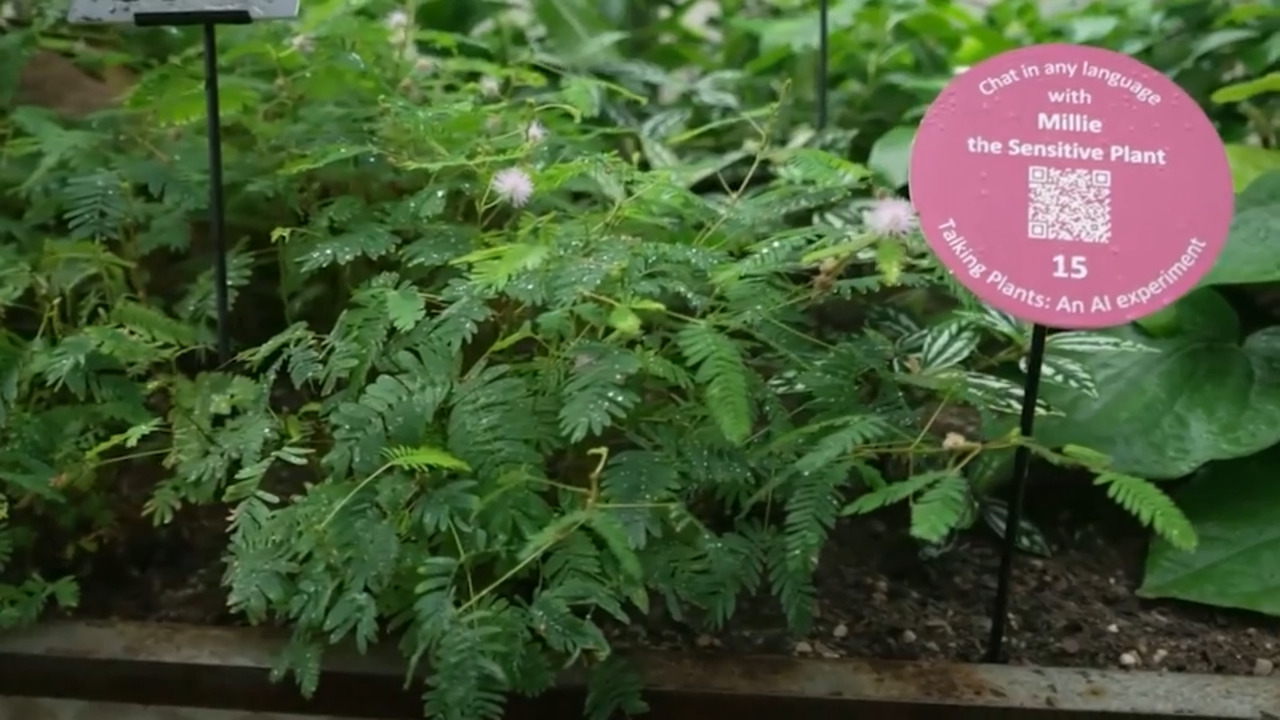
If you’ve ever wanted to ask Brussels sprouts… just… why? Well, you may be able to get pretty close. There’s an exhibition called Talking Plants at Cambridge University Botanic Garden, where visitors can talk to plants! Well, anyone can always talk to plants. But, in this greenhouse, artificial intelligence is being used to get the plants to respond.
The exhibit features a variety of plant life to go with 20 AI personalities a Cambridge professor, Sam, and his team created for the garden. With a QR code and a phone, visitors can come in and engage with the plants, ask them questions, and listen to their responses. Each plant has its own name, personality, and based on where in the world it's from, and some can speak multiple languages. They can even tell jokes!
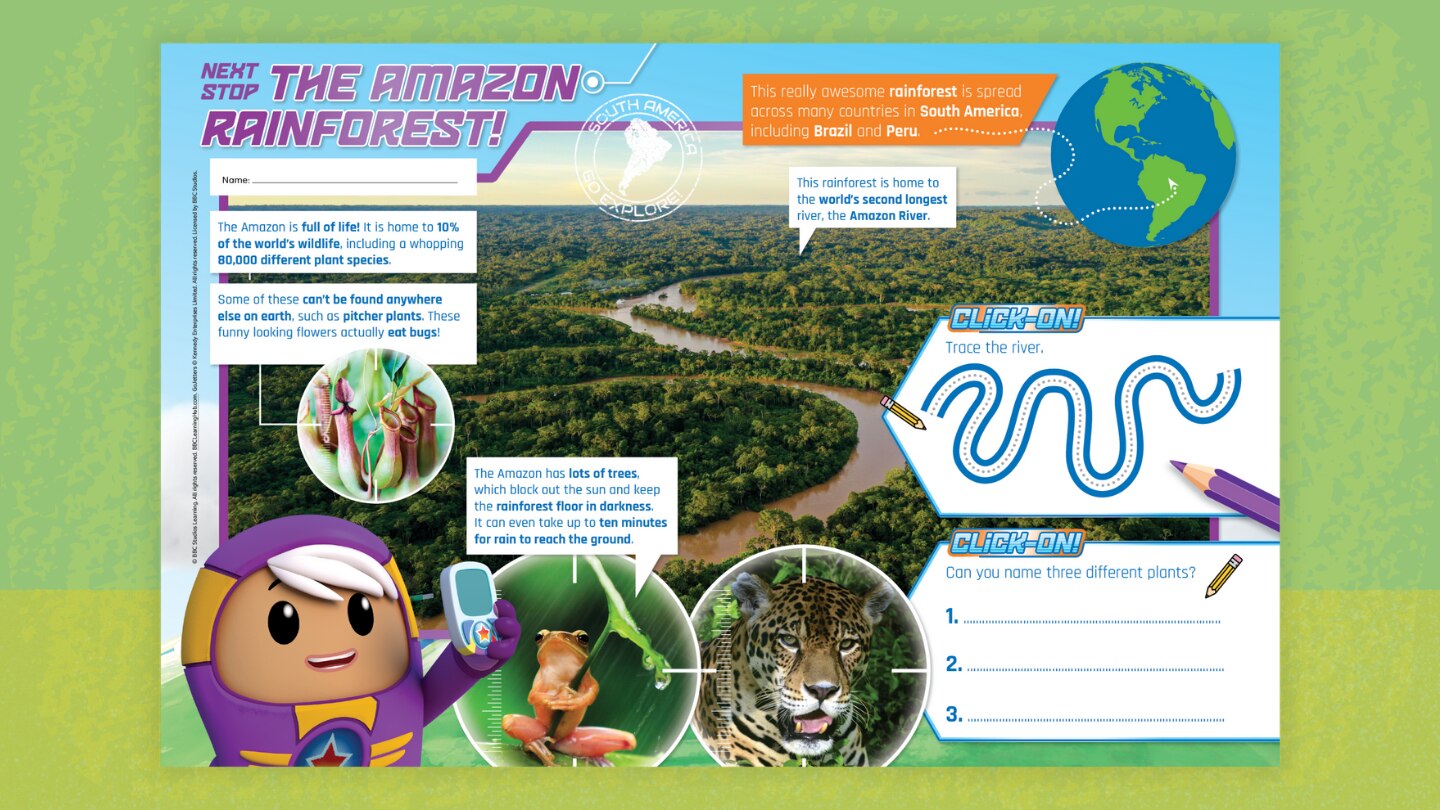
Join the Go Jetters in learning about the wonders of the Amazon rainforest. In this fun worksheet, you'll:
- Discover fascinating facts about rainforest habitats and biodiversity.
- Locate the Amazon rainforest on a map.
- Trace the Mighty Amazon River.
- Try to name three different plants.

The article "Mauritius: How Sustainable Tourism Is Reviving Its Endangered Wildlife" from BBC's Discover Wildlife explores how luxury tourism is helping the island of Mauritius restore its devastated biodiversity. Through sustainable practices and conservation efforts, the tourism industry is playing a crucial role in supporting rewilding projects, combating invasive species, and contributing to reforestation, with positive results for local wildlife like the Mauritian kestrel and endemic plants.
In The Unique Plants and Animals of Cloud Forests, meet the rare Andean bear, climbing to the top of the canopy to reach food. While he struggles at first, because the only fruit is on the thinnest branches, a more experienced bear arrives to teach him how to reach it. This video is excerpted from BBC’s Seven Worlds, One Planet, a series featuring remarkable animal behavior from all seven continents.
In Clever Ways Plants Reproduce, narrator Sir David Attenborough explains how flowers are amazing problem-solvers when it comes to pollination! In sunny fields of France, sunflowers use nectar to lure insects, which help spread pollen from flower to flower. But in the icy winds of Cradle Mountain, the honey bush protects its delicate parts by fusing its petals, leaving only strong birds to break through and help with pollination. Depending on its environment, flowers are problem-solvers when it comes to reproducing! This video is excerpted from BBC's Life, a show that explores the remarkable strategies animals and plants use to ensure their survival.
In How Plants Travel and Grow, narrator Sir David Attenborough discovers how plants spread their seeds, even though they can’t move! Deep in the Borneo forests, plants use wind to give their seeds wings — like the Alsomitra vine’s gliding seeds that soar hundreds of meters on a gentle breeze. In Arizona, the saguaro cactus relies on bats to pollinate its flowers, which bloom for just one cool night before fading. This video is excerpted from BBC's Life, a show that explores the remarkable strategies animals and plants use to ensure their survival.
In Pollinators and Plants, Nature’s Perfect Pair, narrator Sir David Attenborough explores the fascinating teamwork — and clever defenses — between plants and pollinators! Monarch butterflies rely on milkweed plants for laying eggs and gathering nectar, but the plant defends itself with a sap that challenges the caterpillars. Meanwhile, the Heliconia plant carefully rations nectar to keep the hummingbird returning, as only this bird’s uniquely shaped beak can pollinate it! This video is excerpted from BBC's Life, a show that explores the remarkable strategies animals and plants use to ensure their survival.
In How Plants Thrive in Extreme Conditions, narrator Sir David Attenborough describes plants that thrive in some of the harshest places on Earth. The dragon’s blood tree in Socotra uses its unique shape to catch the morning mist and water its roots, while the desert rose stores water in its thick trunk and grows right out of bare rock. Meanwhile, the red mangrove tree survives salty water by filtering out most of the salt through pores, showing how nature helps plants adapt to tough environments! This video is excerpted from BBC’s Life, a show that explores the remarkable strategies animals and plants use to ensure their survival.
In Just Right! How Plants Grow, Ranger Hamza and the Ramblers are at the park. They get a close-up look at flowers and learn what plants need in order to grow. This video is excerpted from BBC's Ranger Hamza’s Eco Quest, a nature exploration show in which Ranger Hamza and the Ramblers go on quests to discover nature’s wonders and the important role they play in our environment.
The article "10 Remarkable Desert Plants That Survive in the Harshest Places on Earth" from BBC's Discover Wildlife is an exploration of extraordinary plant species uniquely adapted to life in deserts. Highlighting everything from the ancient date palm to the fog-harvesting tara tree and water-storing saxaul, the article showcases the ways that desert flora thrive in places with extreme heat, dryness, or even cold.
The article "Creating a Butterfly-Friendly Garden: Essential Caterpillar Food Plants" from BBC's Discover Wildlife explains how growing specific plants in your garden can help support butterfly populations. By planting food plants like nettles for peacock and small tortoiseshell butterflies, and cuckoo flower for orange-tips, you can encourage caterpillars to thrive and ensure butterflies have a safe space to lay eggs and feed.
If you’ve ever wanted to ask Brussels sprouts… just… why? Well, you may be able to get pretty close. There’s an exhibition called Talking Plants at Cambridge University Botanic Garden, where visitors can talk to plants! Well, anyone can always talk to plants. But, in this greenhouse, artificial intelligence is being used to get the plants to respond.
The exhibit features a variety of plant life to go with 20 AI personalities a Cambridge professor, Sam, and his team created for the garden. With a QR code and a phone, visitors can come in and engage with the plants, ask them questions, and listen to their responses. Each plant has its own name, personality, and based on where in the world it's from, and some can speak multiple languages. They can even tell jokes!
Join the Go Jetters in learning about the wonders of the Amazon rainforest. In this fun worksheet, you'll:
- Discover fascinating facts about rainforest habitats and biodiversity.
- Locate the Amazon rainforest on a map.
- Trace the Mighty Amazon River.
- Try to name three different plants.
The article "Mauritius: How Sustainable Tourism Is Reviving Its Endangered Wildlife" from BBC's Discover Wildlife explores how luxury tourism is helping the island of Mauritius restore its devastated biodiversity. Through sustainable practices and conservation efforts, the tourism industry is playing a crucial role in supporting rewilding projects, combating invasive species, and contributing to reforestation, with positive results for local wildlife like the Mauritian kestrel and endemic plants.