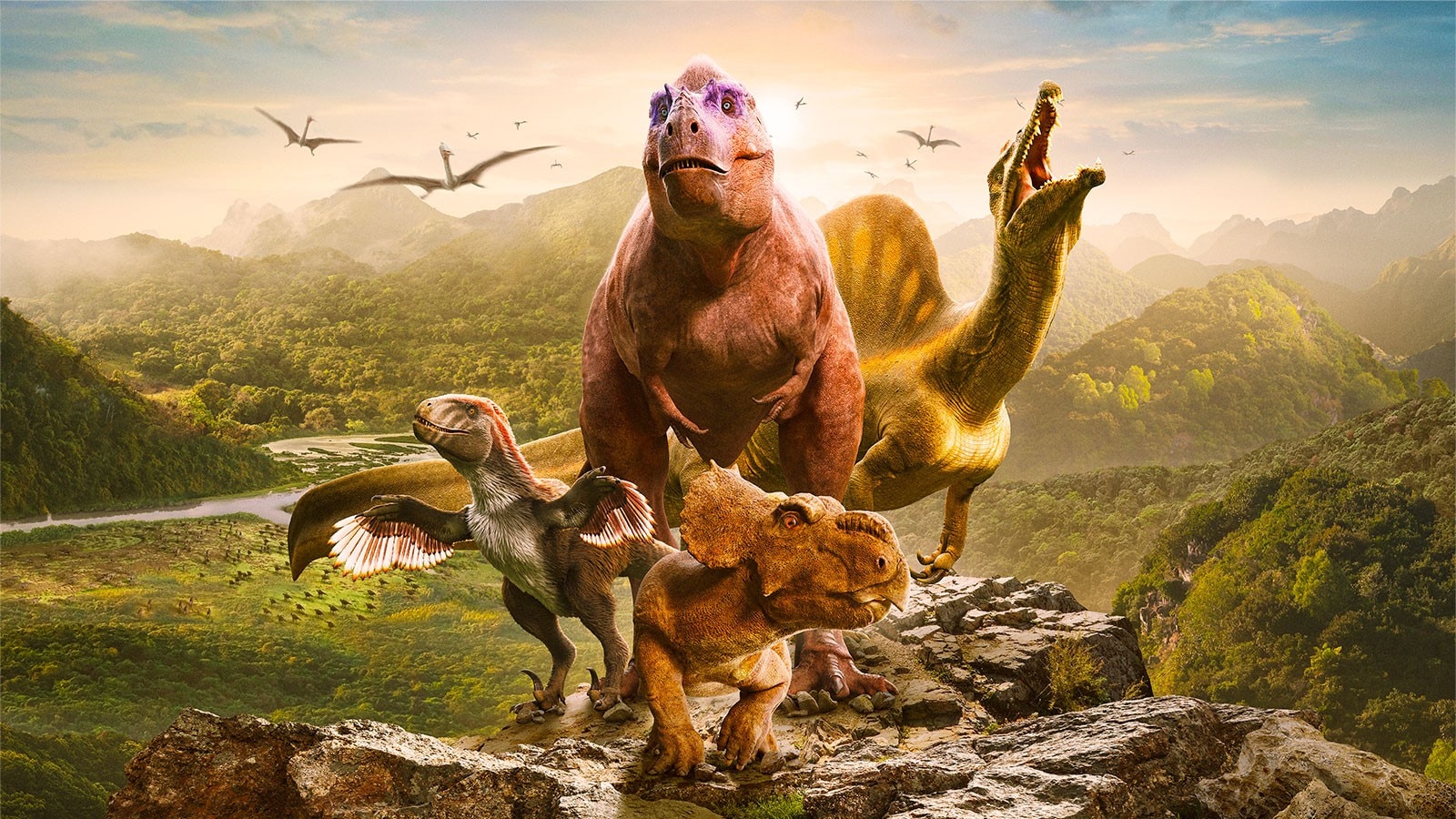
The greatest stories of all time are true.
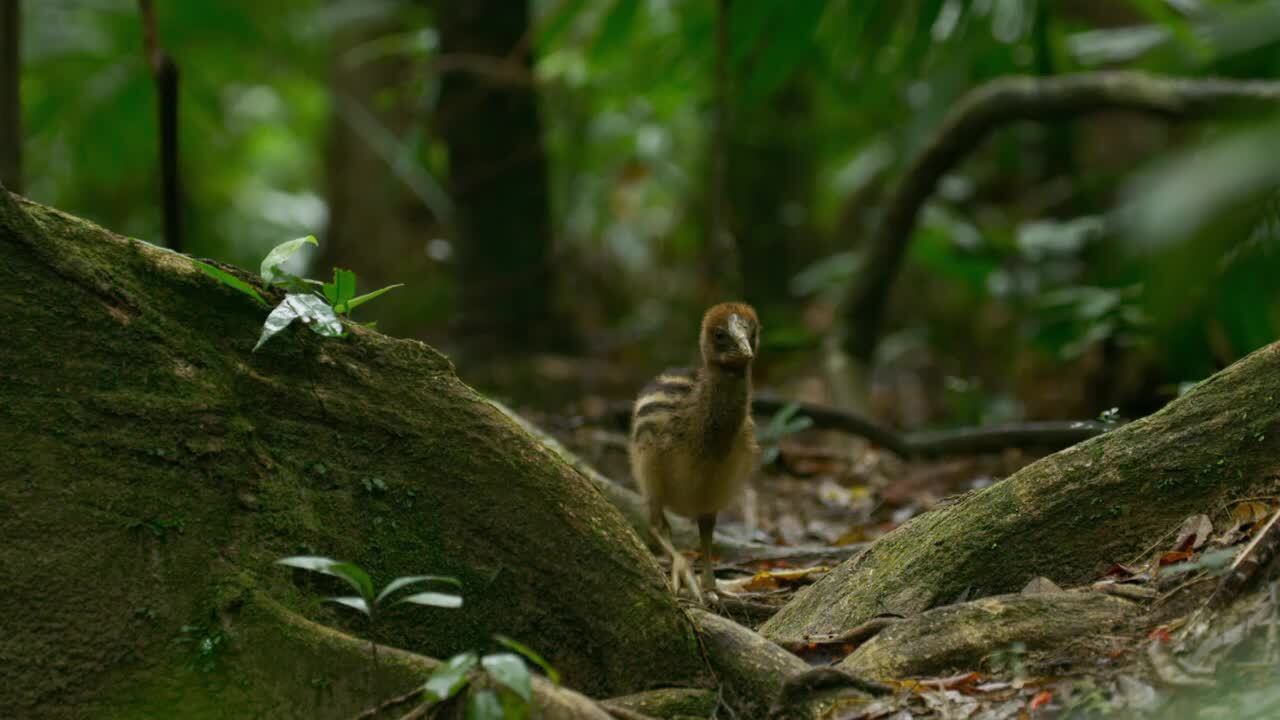
In Australia’s Cassowaries, the Descendants of Dinosaurs, narrator Sir David Attenborough describes how a male cassowary nurtures his chicks. He breaks up their food, teaches them to cross water and protects them from the many predators until they can fend for themselves. This video is excerpted from BBC’s Seven Worlds, One Planet, a series featuring remarkable animal behavior from all seven continents.
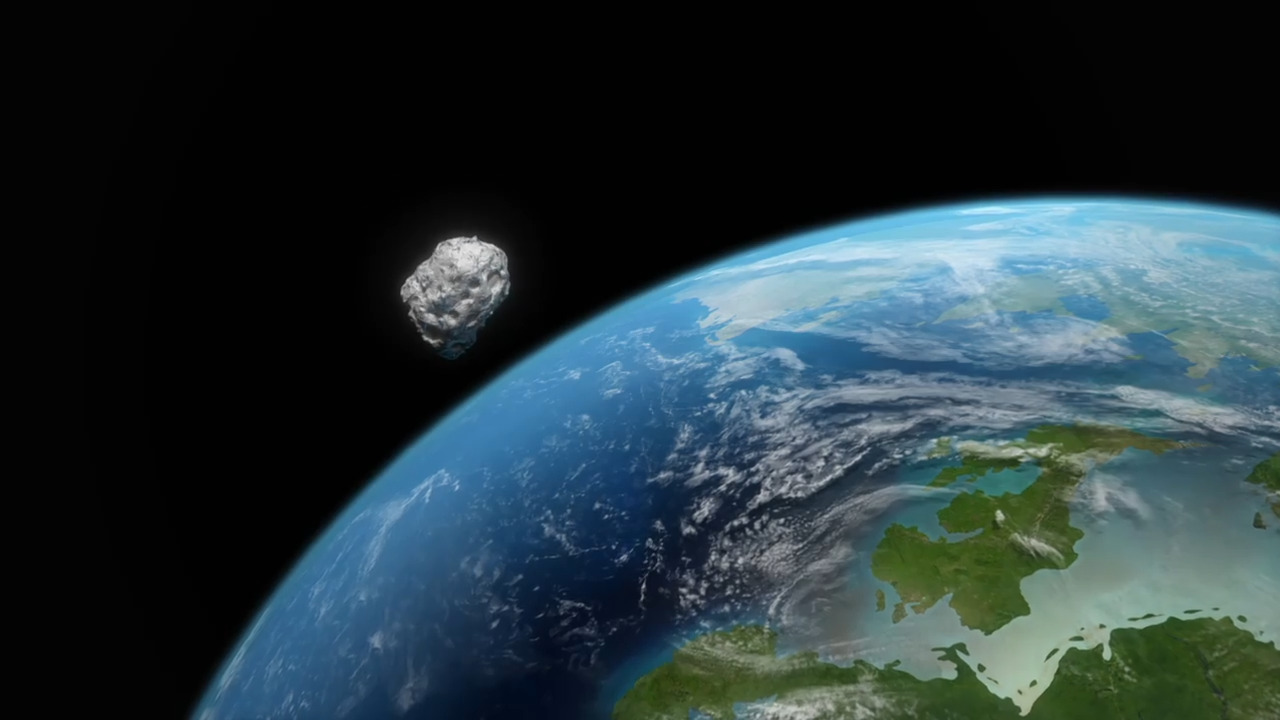
In Did Asteroids Kill the Dinosaurs?, naturalist Steve Backshall explains why scientists believe a lethal asteroid was the main cause of extinction of dinosaurs 66 million years ago. While most people know that dinosaurs were wiped out by an asteroid, many may not know that the asteroid alone didn't cause the extinction. This video is excerpted from BBC’s Deadly Dinosaurs, a documentary series in which host Steve Backshall is on the hunt for the deadliest animals to have walked the Earth — dinosaurs — exploring features of several species and putting their abilities to the test to reveal the raw power of these creatures.
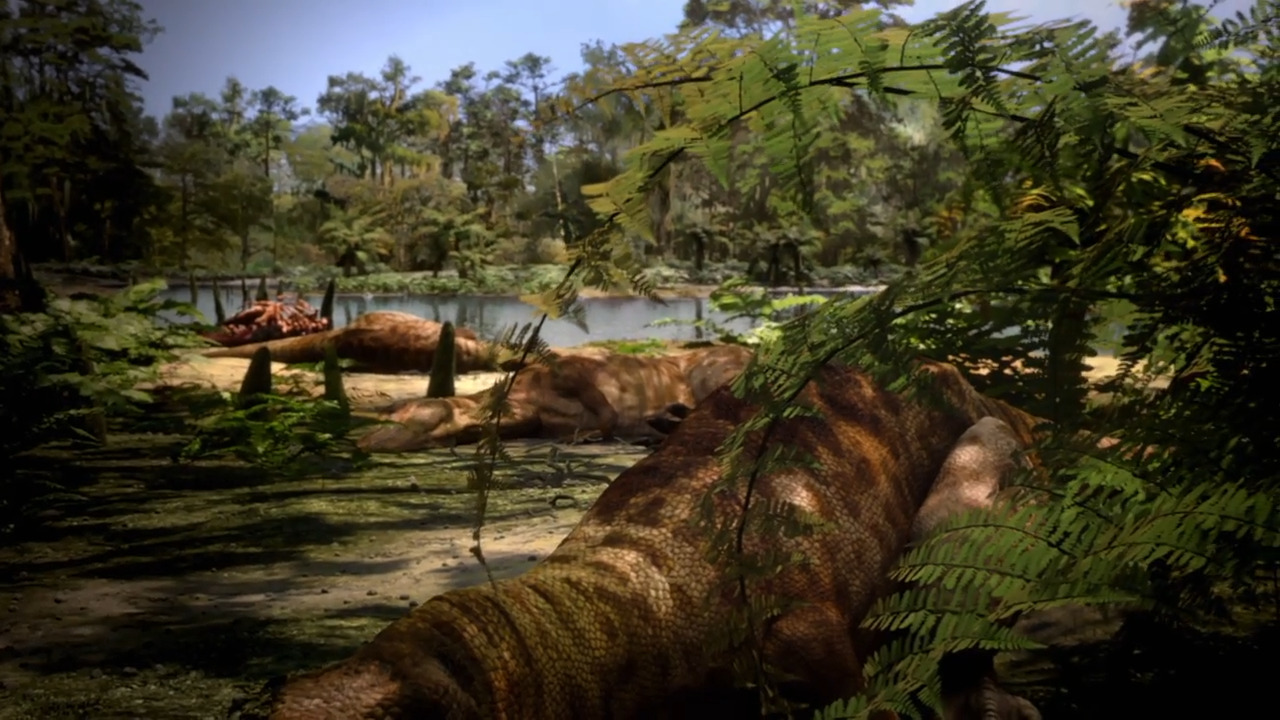
In Did Lethal Toxins Kill the Dinosaurs?, naturalist Steve Backshall discusses an extremely deadly toxin, Clostridium botulinum, that was likely responsible for the deaths of many dinosaurs millions of years ago. Even the smallest imaginable airborne particle of this toxin could have been devastating to a dinosaur. This video is excerpted from BBC’s Deadly Dinosaurs, a documentary series in which host Steve Backshall is on the hunt for the deadliest animals to have walked the Earth — dinosaurs — exploring features of several species and putting their abilities to the test to reveal the raw power of these creatures.
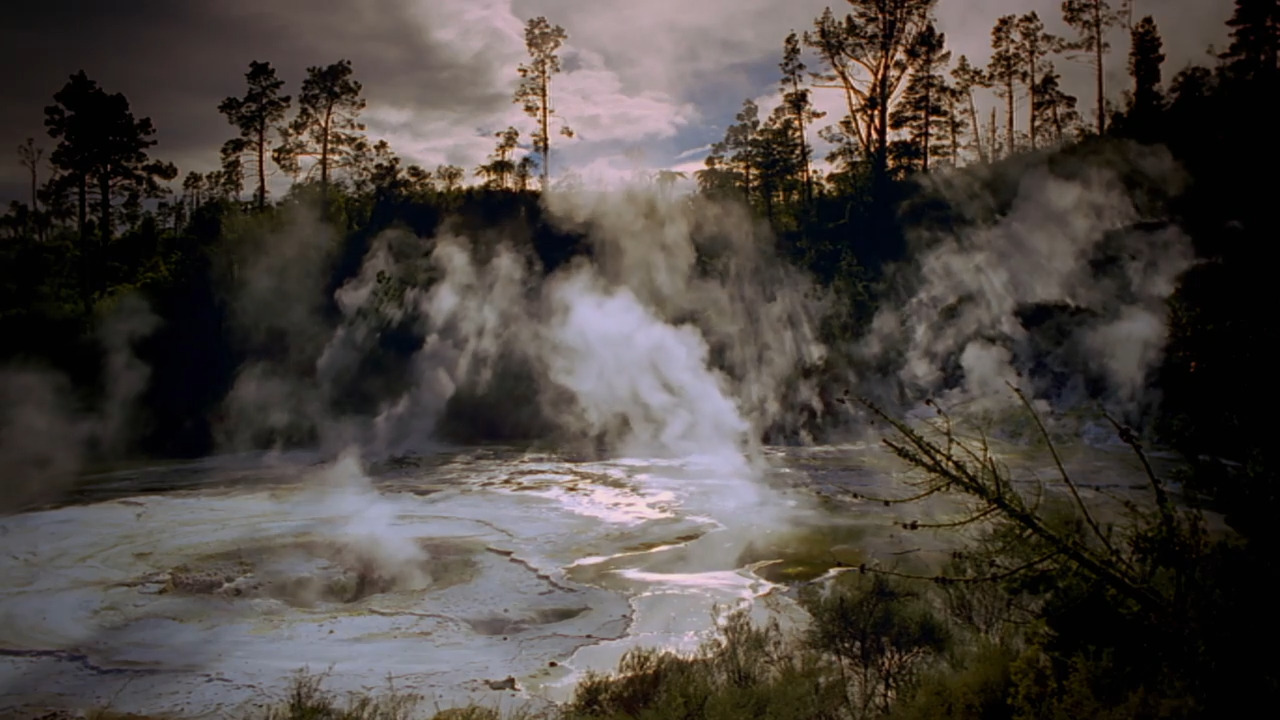
In Did Toxic Gas Kill the Dinosaurs?, naturalist Steve Backshall explains how invisible, toxic gas came to be a killer of dinosaurs millions of years ago. In addition to causing lava flows and forest fires, volcanic eruptions also produced fumes that were extremely deadly to dinosaurs. This video is excerpted from BBC’s Deadly Dinosaurs, a documentary series in which host Steve Backshall is on the hunt for the deadliest animals to have walked the Earth — dinosaurs — exploring features of several species and putting their abilities to the test to reveal the raw power of these creatures.
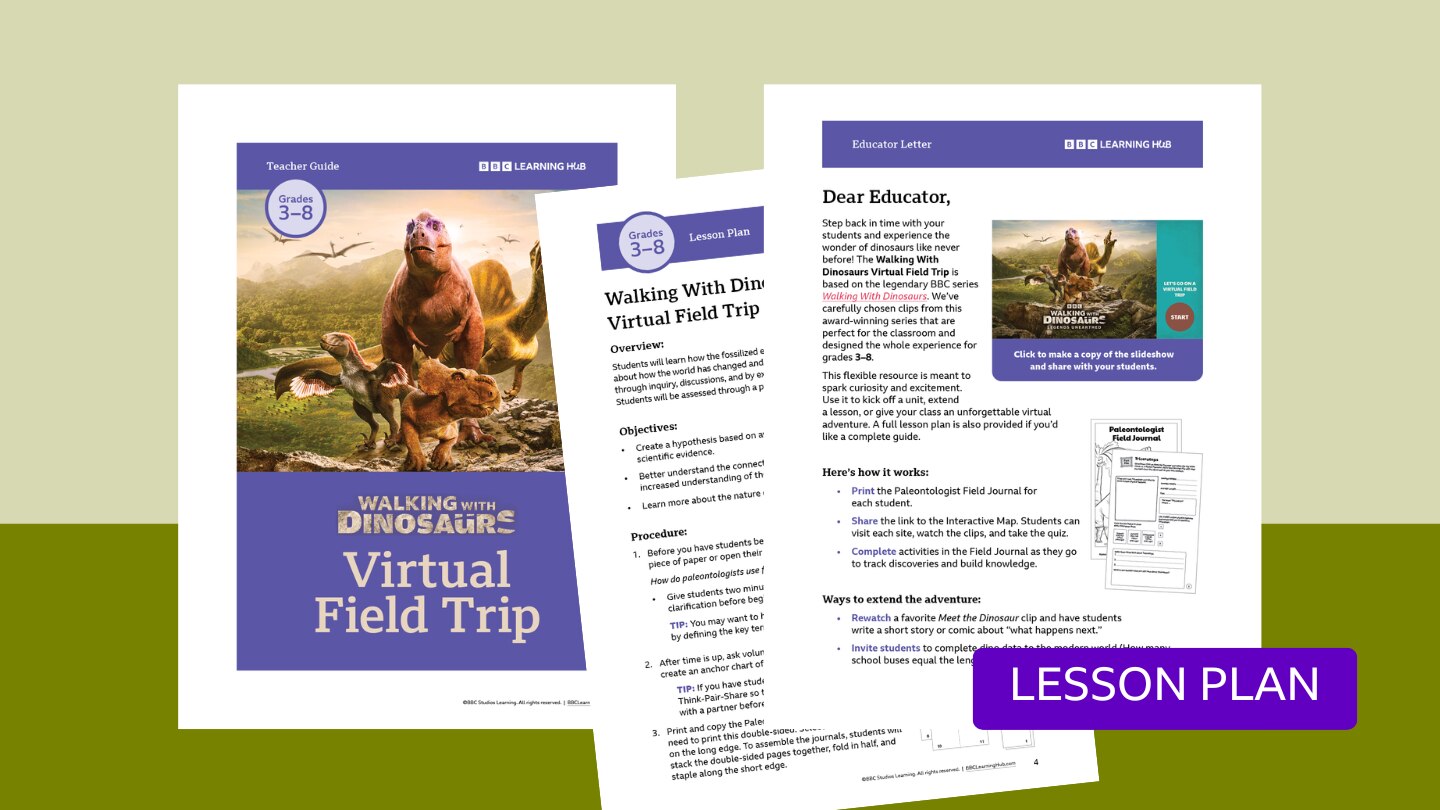
Want to use our Walking With Dinosaurs Virtual Field Trip in your Grade 3-8 classroom? You're going to want our Teacher Guide, too. Inside, you'll find:
- Introductory letter
- Ways to use the virtual field trip
- Extension activities
- Standards alignment
- Full lesson plan with objectives, procedure, and helpful tips
It's all part of our Walking With Dinosaurs Virtual Field Trip!
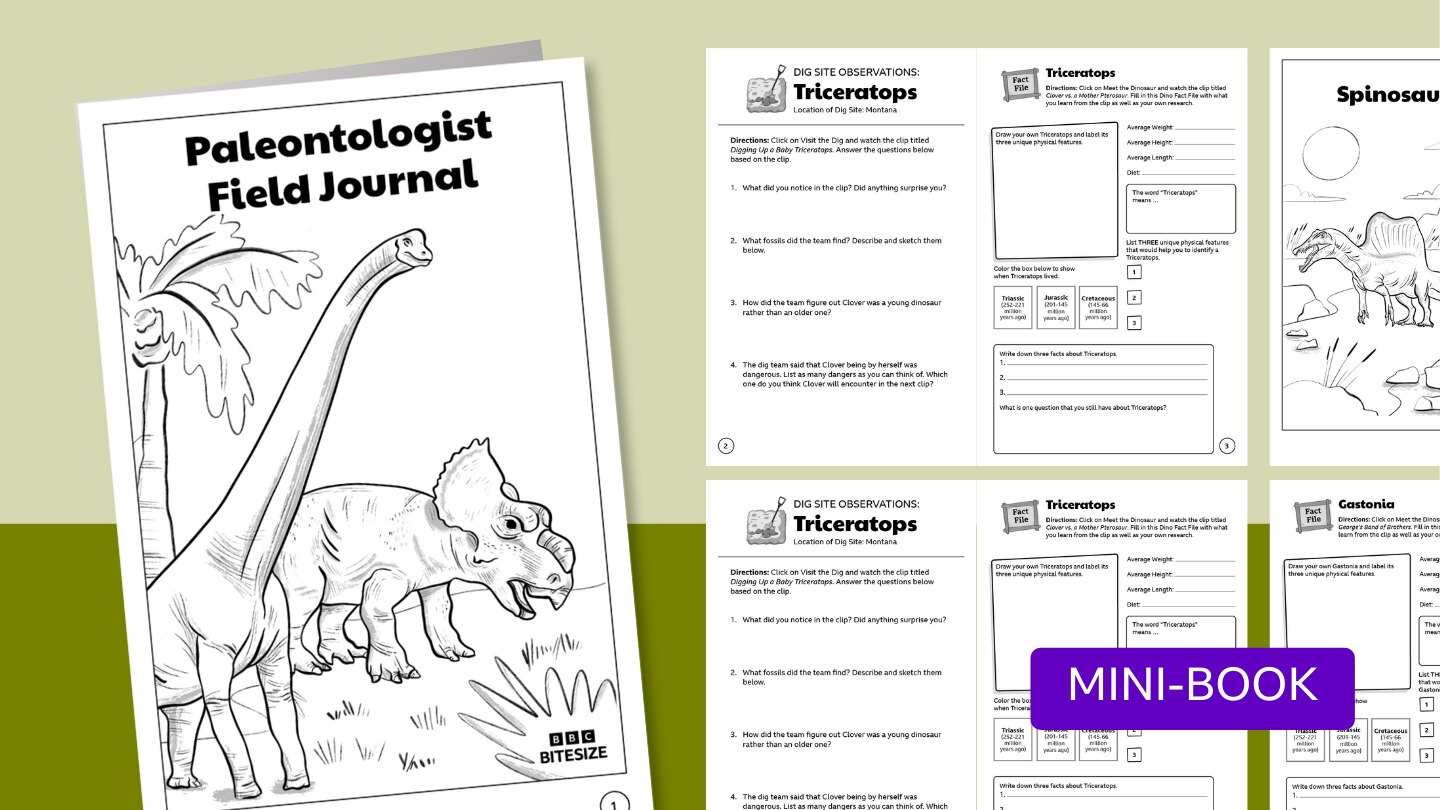
As students explore each dinosaur and dig site combo, they can record their findings in this Paleontologist Field Journal. For each site, students will fill in:
- Dig Site Observations: Answer questions about the Visit the Dig video.
- Fact File: Using information from the Meet the Dinosaur video and your own research, fill in all the boxes.
- Coloring page: Color the detailed scientific drawing of the dinosaur.
It's all part of our Walking With Dinosaurs Virtual Field Trip!
You'll need to print this double-sided. Select the option to flip on the long edge. To assemble the journals, students will stack the double-sided pages together, fold in half, and staple along the short edge.
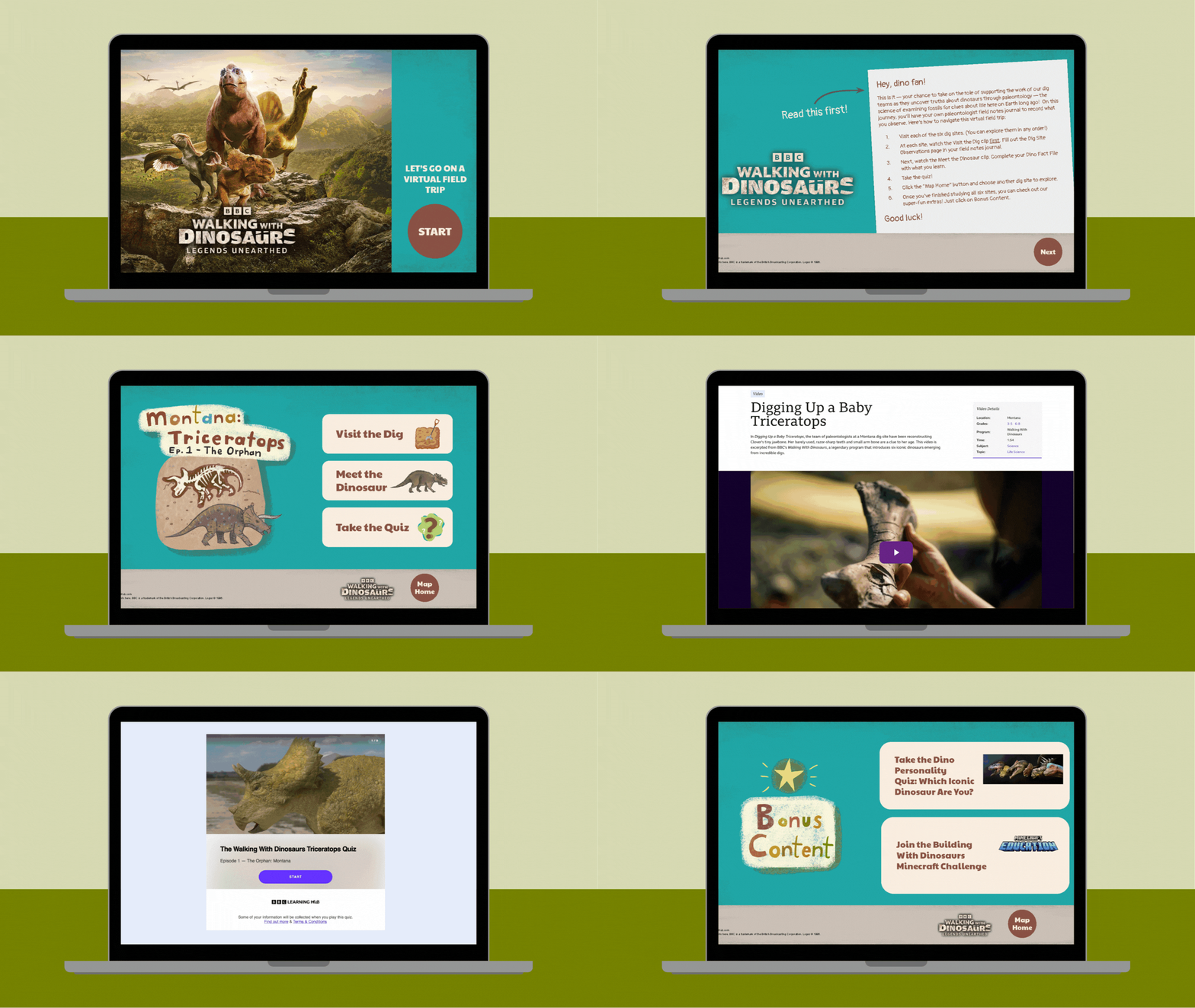
Come along on a prehistoric adventure! When you share this Interactive Map with your students, they'll get kid-friendly directions for how to explore. They can click around the six different dig sites (each featuring one incredible dinosaur), where they'll watch a pair of videos and take a quiz. Make sure you've also printed copies of the Paleontologist Field Journal for them to record their findings. It's all part of our Walking With Dinosaurs Virtual Field Trip!
To start, click on the link below. You'll be invited to make a copy of the Google Slides. You can save it to your Google Classroom and then share it with students so they can explore on their own. They'll want to be in Slideshow mode for this!
Get the Interactive Map
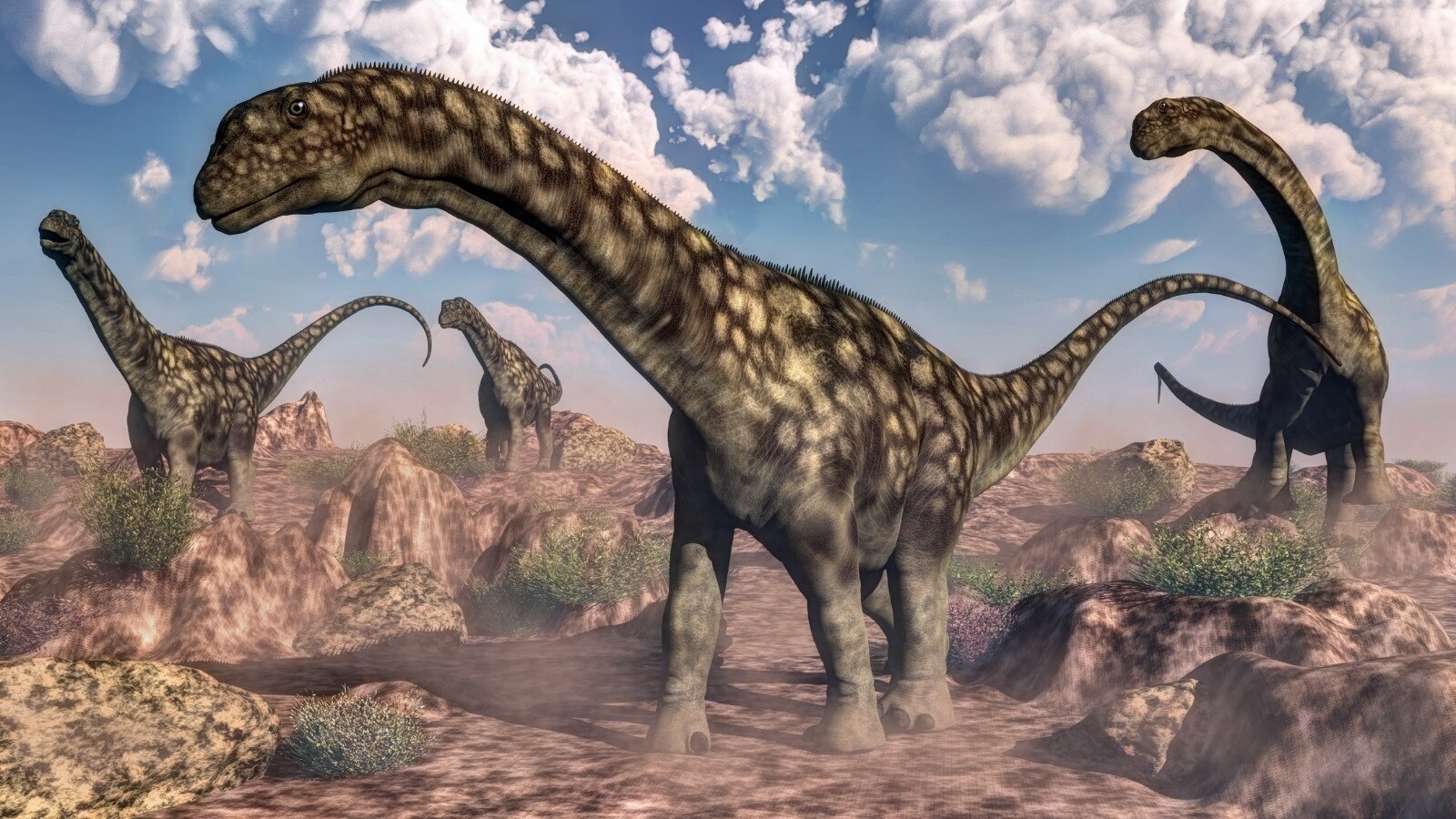
The article "Why Small Dinosaurs Could Be a Big Danger to Humans" from BBC's Science Focus is a fascinating look at which dinosaurs would be the biggest threat if they lived today. While massive meat-eaters like Tyrannosaurus look scary, the smaller, feathered dinosaurs could be even more dangerous due to their speed, smarts, and sharp claws.
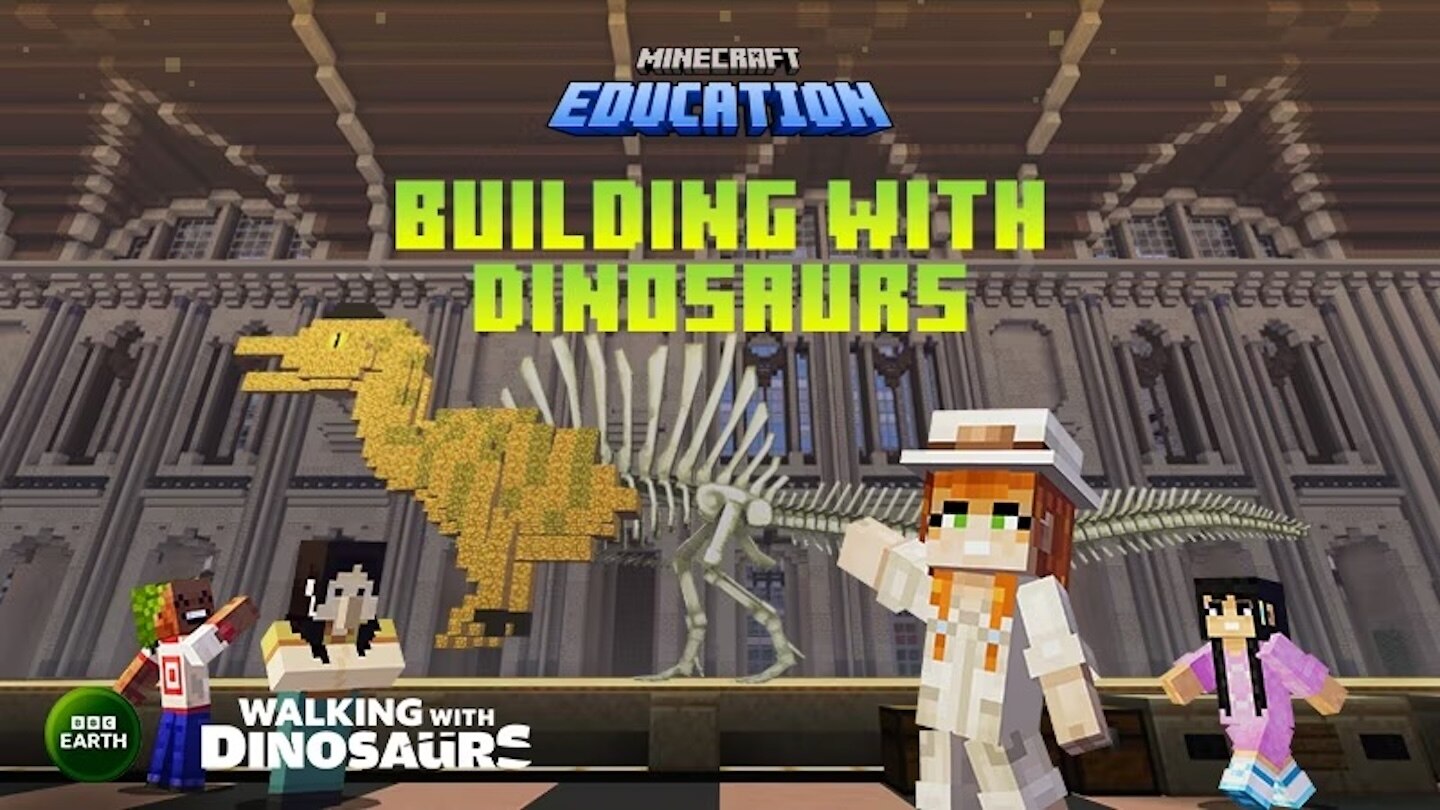
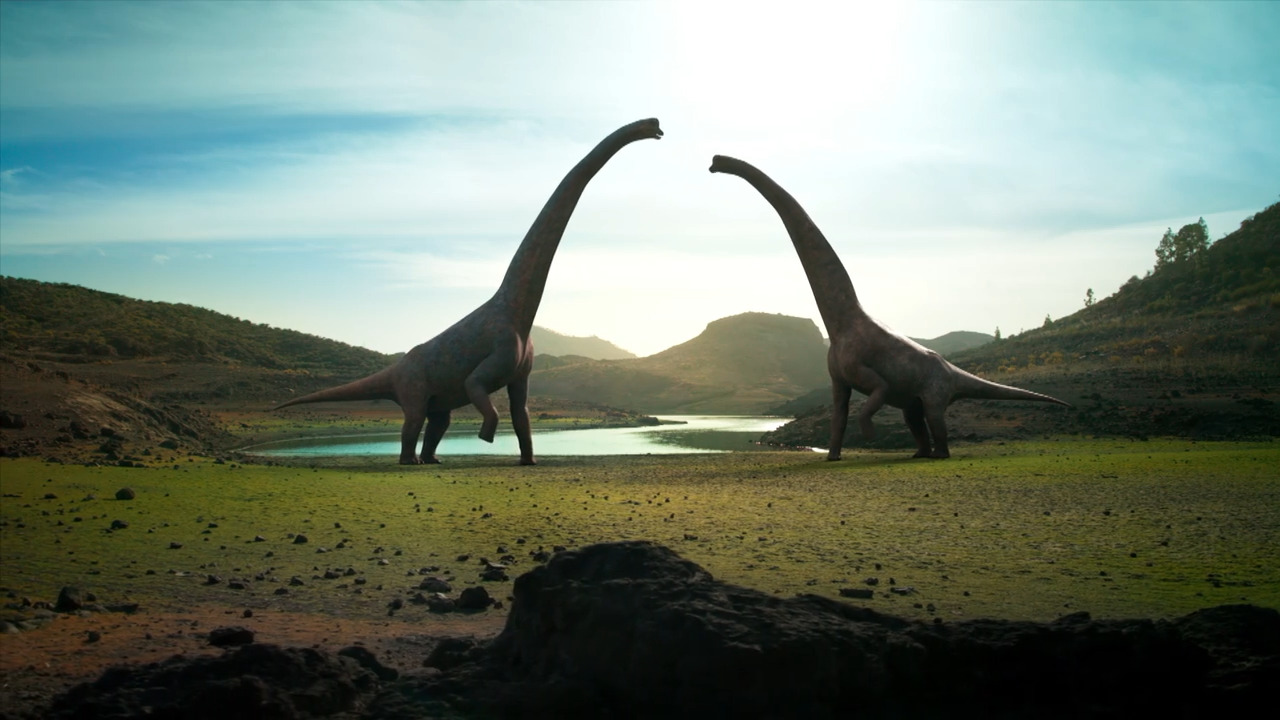
In Old Grande's Mating Dance, Old Grande tries to win over a female with an elaborate courtship display. She responds in kind until Old Grande goes too far. This video is excerpted from BBC's Walking With Dinosaurs, a legendary program that introduces six iconic dinosaurs emerging from incredible digs. This video is part our Walking With Dinosaurs Virtual Field Trip.
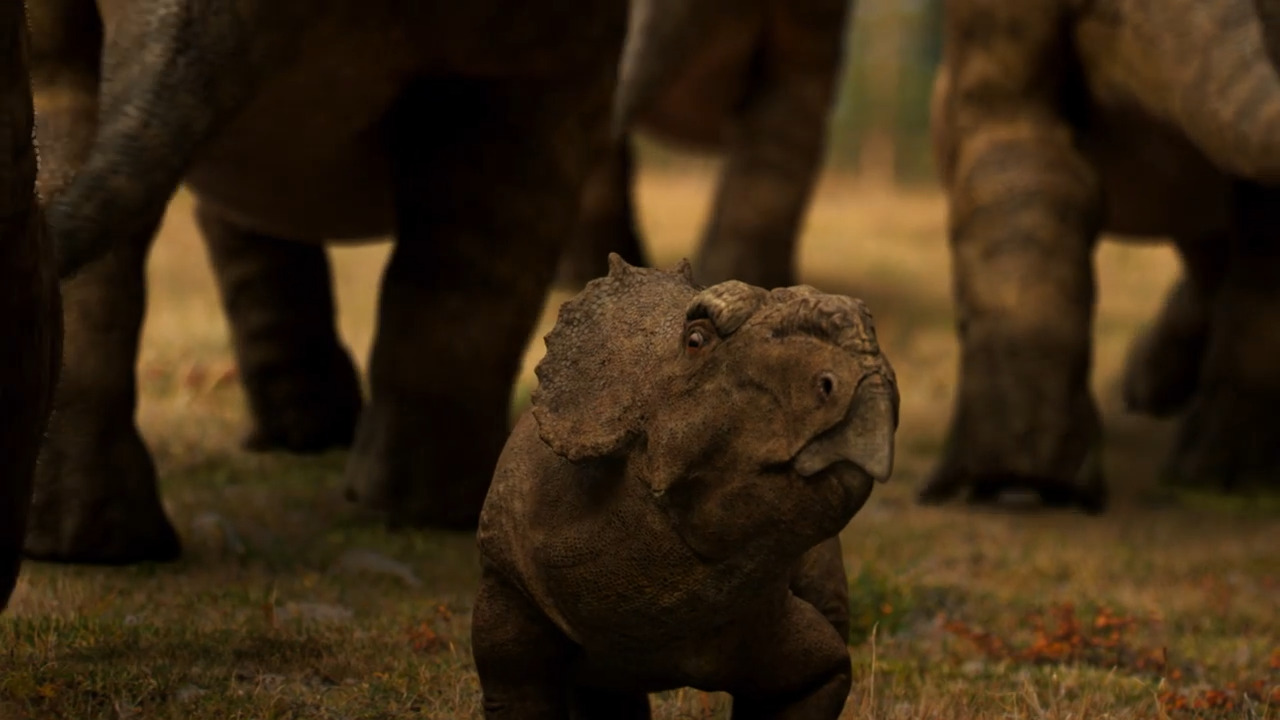
In Albie Searches for His Mother, young Albie looks for his mother's unique neck frill from among the masses of Pachyrhinosauruses. Without her protection, he has little chance of surviving the long journey. This video is excerpted from BBC's Walking With Dinosaurs, a legendary program that introduces six iconic dinosaurs emerging from incredible digs. This video is part our Walking With Dinosaurs Virtual Field Trip.
The greatest stories of all time are true.
In Australia’s Cassowaries, the Descendants of Dinosaurs, narrator Sir David Attenborough describes how a male cassowary nurtures his chicks. He breaks up their food, teaches them to cross water and protects them from the many predators until they can fend for themselves. This video is excerpted from BBC’s Seven Worlds, One Planet, a series featuring remarkable animal behavior from all seven continents.
In Did Asteroids Kill the Dinosaurs?, naturalist Steve Backshall explains why scientists believe a lethal asteroid was the main cause of extinction of dinosaurs 66 million years ago. While most people know that dinosaurs were wiped out by an asteroid, many may not know that the asteroid alone didn't cause the extinction. This video is excerpted from BBC’s Deadly Dinosaurs, a documentary series in which host Steve Backshall is on the hunt for the deadliest animals to have walked the Earth — dinosaurs — exploring features of several species and putting their abilities to the test to reveal the raw power of these creatures.
In Did Lethal Toxins Kill the Dinosaurs?, naturalist Steve Backshall discusses an extremely deadly toxin, Clostridium botulinum, that was likely responsible for the deaths of many dinosaurs millions of years ago. Even the smallest imaginable airborne particle of this toxin could have been devastating to a dinosaur. This video is excerpted from BBC’s Deadly Dinosaurs, a documentary series in which host Steve Backshall is on the hunt for the deadliest animals to have walked the Earth — dinosaurs — exploring features of several species and putting their abilities to the test to reveal the raw power of these creatures.
In Did Toxic Gas Kill the Dinosaurs?, naturalist Steve Backshall explains how invisible, toxic gas came to be a killer of dinosaurs millions of years ago. In addition to causing lava flows and forest fires, volcanic eruptions also produced fumes that were extremely deadly to dinosaurs. This video is excerpted from BBC’s Deadly Dinosaurs, a documentary series in which host Steve Backshall is on the hunt for the deadliest animals to have walked the Earth — dinosaurs — exploring features of several species and putting their abilities to the test to reveal the raw power of these creatures.
Want to use our Walking With Dinosaurs Virtual Field Trip in your Grade 3-8 classroom? You're going to want our Teacher Guide, too. Inside, you'll find:
- Introductory letter
- Ways to use the virtual field trip
- Extension activities
- Standards alignment
- Full lesson plan with objectives, procedure, and helpful tips
It's all part of our Walking With Dinosaurs Virtual Field Trip!
As students explore each dinosaur and dig site combo, they can record their findings in this Paleontologist Field Journal. For each site, students will fill in:
- Dig Site Observations: Answer questions about the Visit the Dig video.
- Fact File: Using information from the Meet the Dinosaur video and your own research, fill in all the boxes.
- Coloring page: Color the detailed scientific drawing of the dinosaur.
It's all part of our Walking With Dinosaurs Virtual Field Trip!
You'll need to print this double-sided. Select the option to flip on the long edge. To assemble the journals, students will stack the double-sided pages together, fold in half, and staple along the short edge.
Come along on a prehistoric adventure! When you share this Interactive Map with your students, they'll get kid-friendly directions for how to explore. They can click around the six different dig sites (each featuring one incredible dinosaur), where they'll watch a pair of videos and take a quiz. Make sure you've also printed copies of the Paleontologist Field Journal for them to record their findings. It's all part of our Walking With Dinosaurs Virtual Field Trip!
To start, click on the link below. You'll be invited to make a copy of the Google Slides. You can save it to your Google Classroom and then share it with students so they can explore on their own. They'll want to be in Slideshow mode for this!
Get the Interactive Map
The article "Why Small Dinosaurs Could Be a Big Danger to Humans" from BBC's Science Focus is a fascinating look at which dinosaurs would be the biggest threat if they lived today. While massive meat-eaters like Tyrannosaurus look scary, the smaller, feathered dinosaurs could be even more dangerous due to their speed, smarts, and sharp claws.
In Old Grande's Mating Dance, Old Grande tries to win over a female with an elaborate courtship display. She responds in kind until Old Grande goes too far. This video is excerpted from BBC's Walking With Dinosaurs, a legendary program that introduces six iconic dinosaurs emerging from incredible digs. This video is part our Walking With Dinosaurs Virtual Field Trip.
In Albie Searches for His Mother, young Albie looks for his mother's unique neck frill from among the masses of Pachyrhinosauruses. Without her protection, he has little chance of surviving the long journey. This video is excerpted from BBC's Walking With Dinosaurs, a legendary program that introduces six iconic dinosaurs emerging from incredible digs. This video is part our Walking With Dinosaurs Virtual Field Trip.