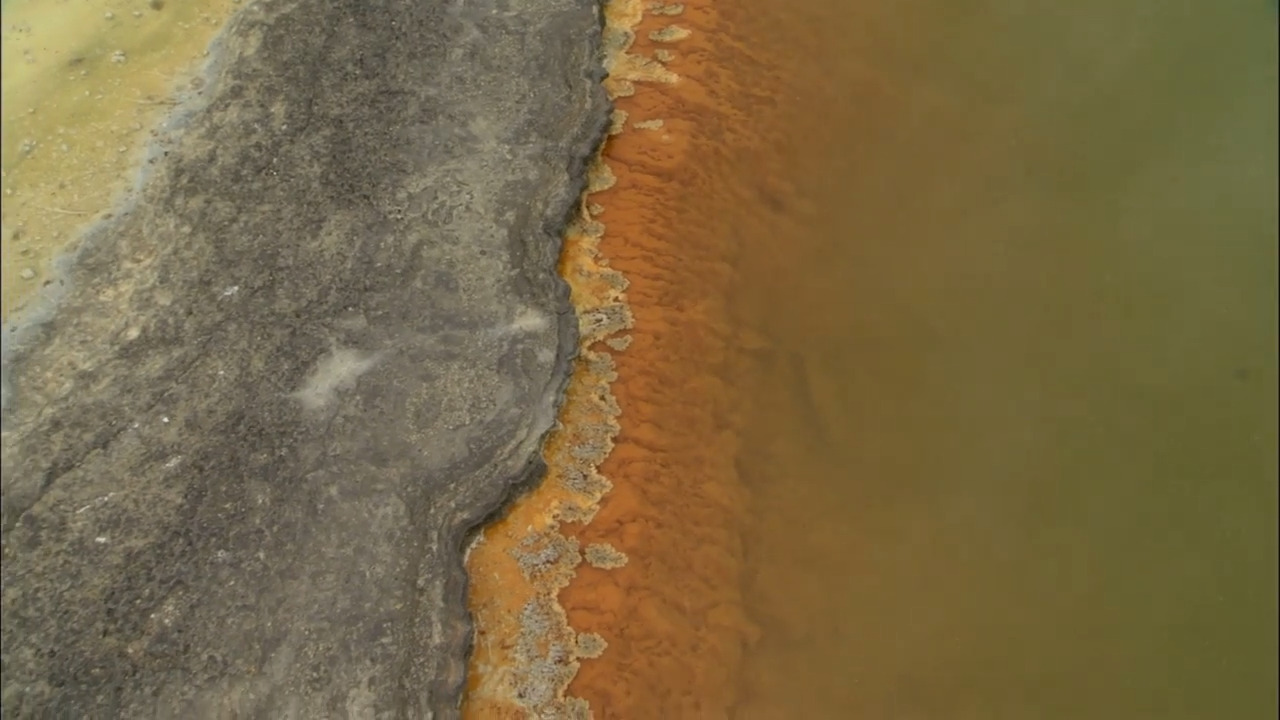
In Why CO₂ Is Crucial for Our Planet's Survival, geologist Iain Stewart explains how carbon dioxide is essential for life on Earth. Without enough, planets like Mars are freezing cold, while Venus is scorching hot because it has too much. Early volcanoes released carbon dioxide that helped keep the planet warm enough for life to evolve. Yet, scientists have discovered evidence of a catastrophic "Snowball Earth" event 700 million years ago, where the planet may have been completely frozen, as shown by mysterious drop stones found in Namibia. This video is excerpted from BBC’s Earth: The Power of the Planet, a documentary series in which Dr. Iain Stewart discovers how Earth's forces can shape nature, species, and even the climate.
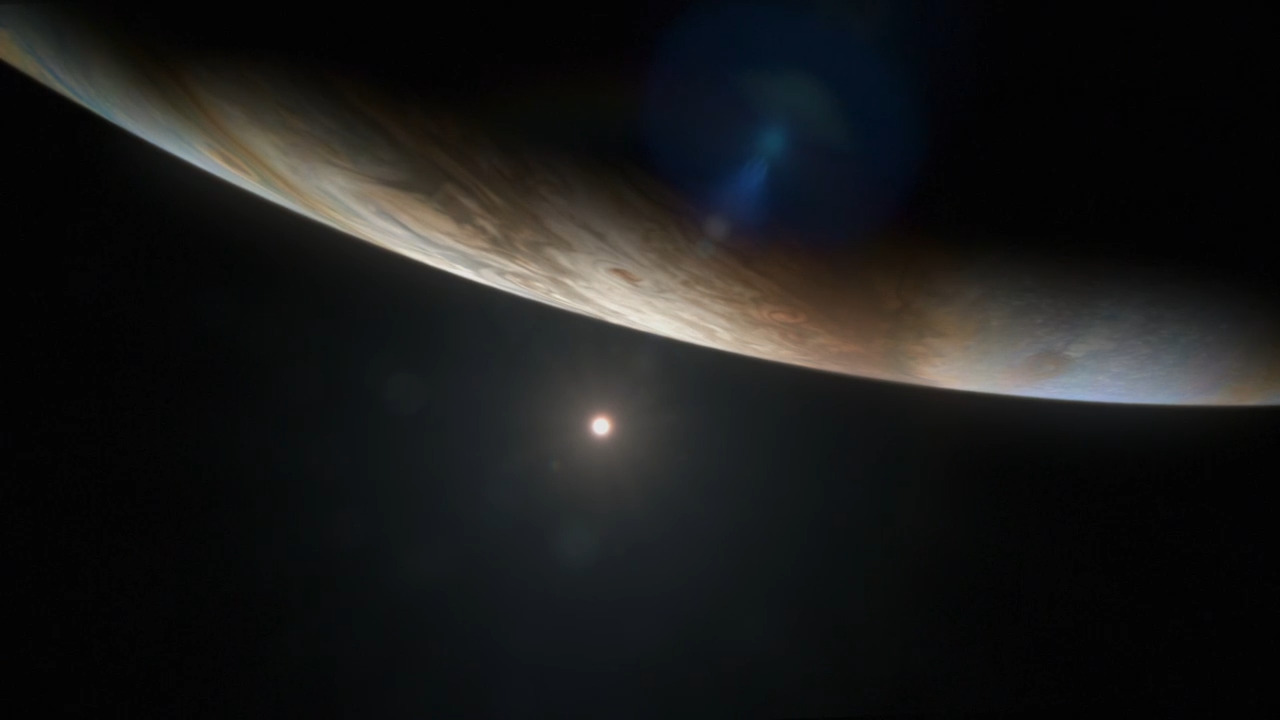
In The Story of the Planets, Professor Brian Cox takes us through images of the planets and shares an overview of the expeditions that humans have taken to explore space. This video is excerpted from BBC’s Brian Cox’s Adventures in Space and Time, a series that seeks to explain our place in the Universe. Professor Brian Cox looks back on decades of discovery and toward the next frontier in space, pondering the question: What’s next?
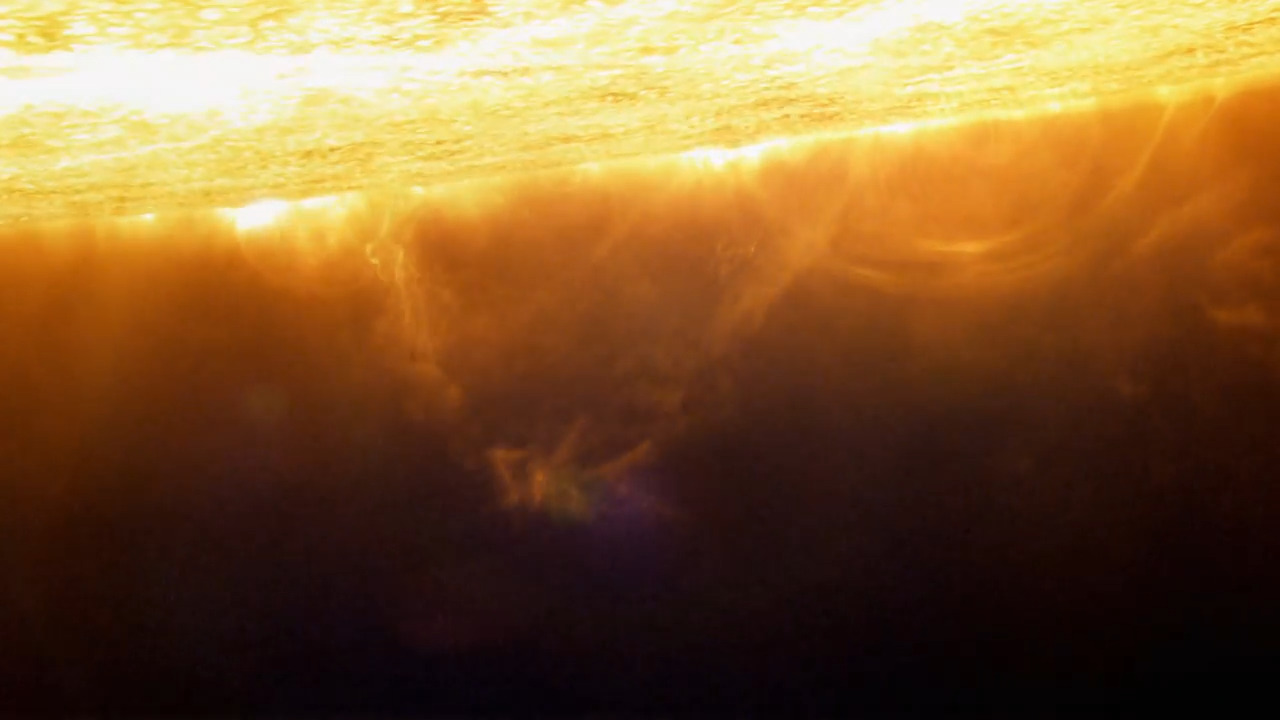
In Two Planets, Two Paths, Professor Brian Cox explains what happened 4.6 billion years ago when Mars and Earth formed. The formation set these two planets, which were made of similar material, on very different paths. Learn how the magnetic field around Earth provides protection and how Mars’s magnetic field died out. This video is excerpted from BBC’s Brian Cox’s Adventures in Space and Time, a series that seeks to explain our place in the Universe. Professor Brian Cox looks back on decades of discovery and toward the next frontier in space, pondering the question: What’s next?
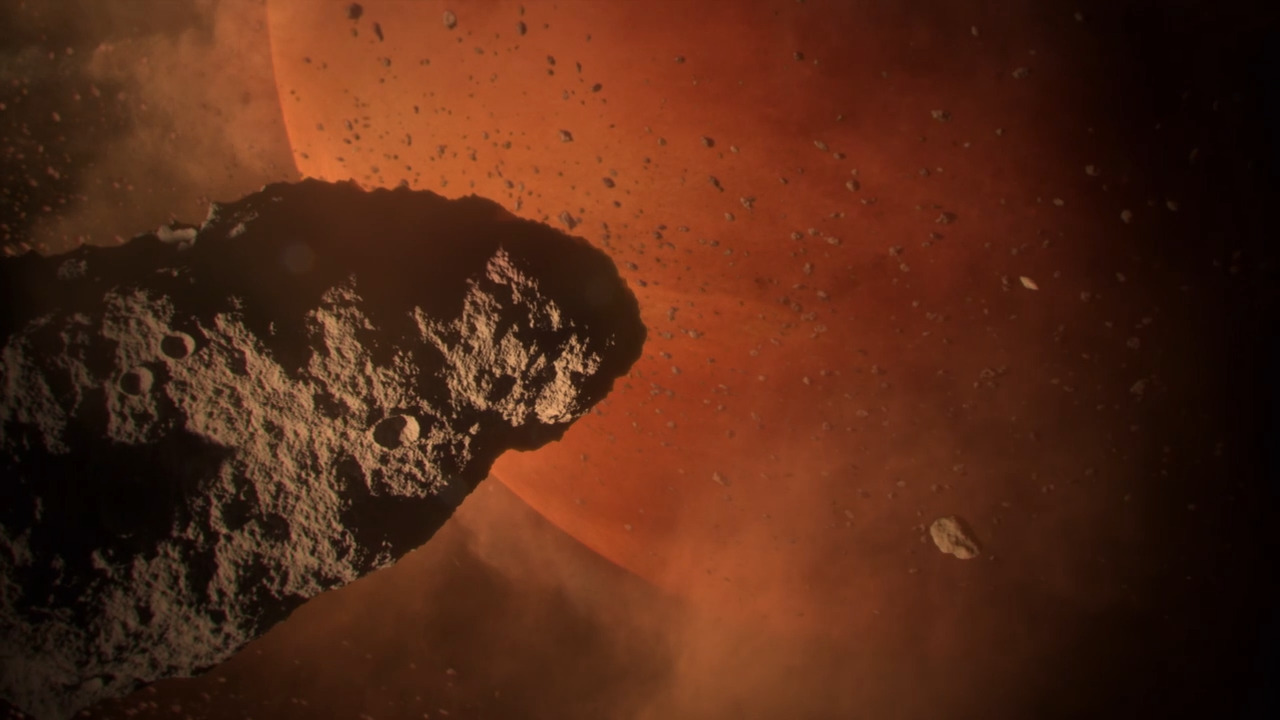
In Jupiter’s Effect on the Planets, Professor Brian Cox explains how Jupiter’s movement through the early Solar System, into the inner Solar System and toward the Sun, impacted Earth and Mars, and made the planets what they are today. This video is excerpted from BBC’s The Planets, a series that explores the dramatic lives of the eight planets in our Solar System.
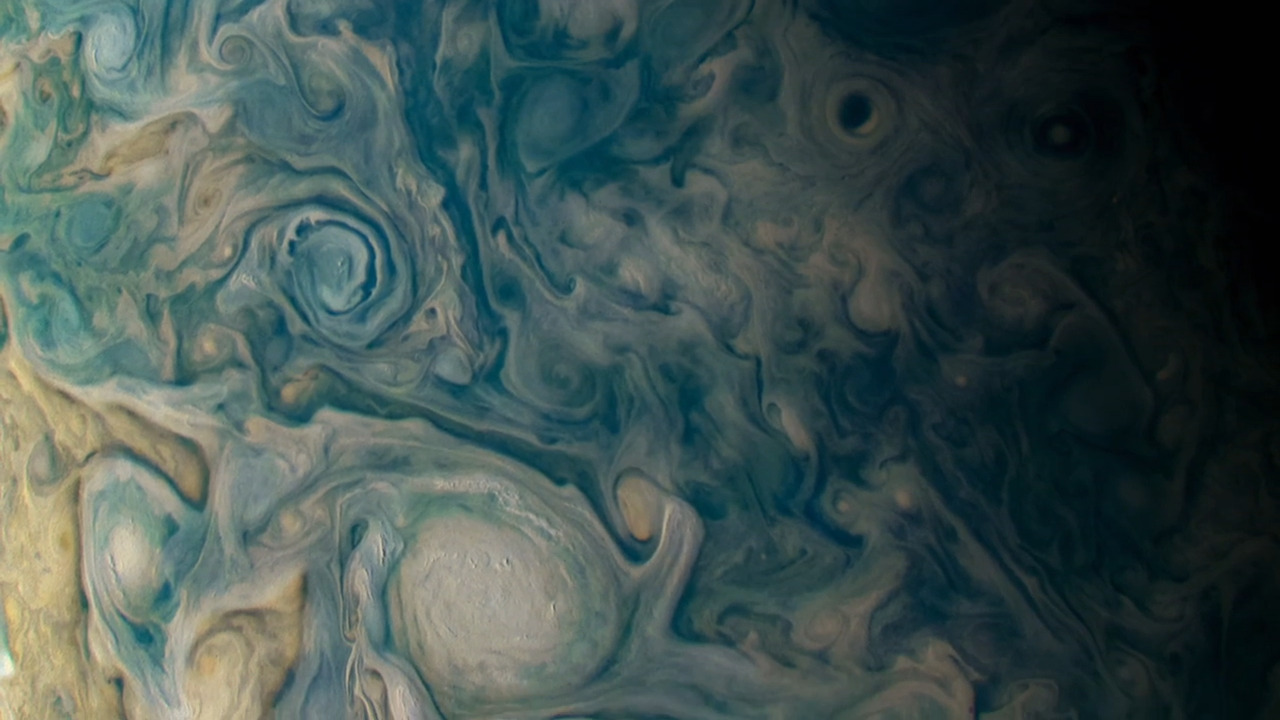
In The Godfather of the Planets, Professor Brian Cox explains how Jupiter has influenced other planets, including Earth. Learn what scientists have learned about Jupiter and its moons from the Pioneer and Voyager expeditions. This video is excerpted from BBC’s The Planets, a series that explores the dramatic lives of the eight planets in our Solar System.
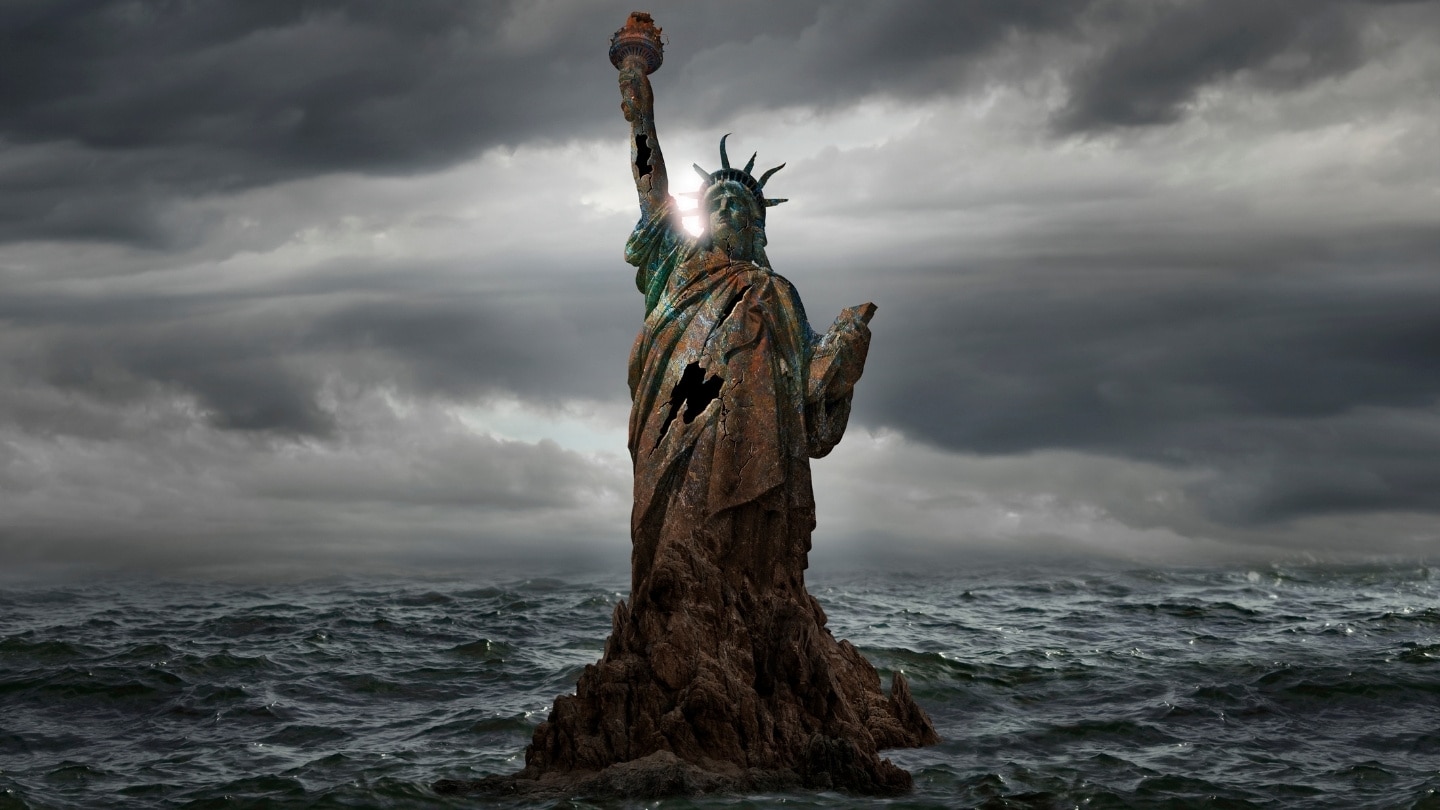
The article "Something Very Weird Is Happening to the Planet's Earthquakes; Here's Why" from BBC's Science Focus discusses earthquakes that occur away from fault lines, known as intraplate earthquakes. Scientists are studying factors like ice sheet melting and deep-earth stress to understand these mysterious seismic events.
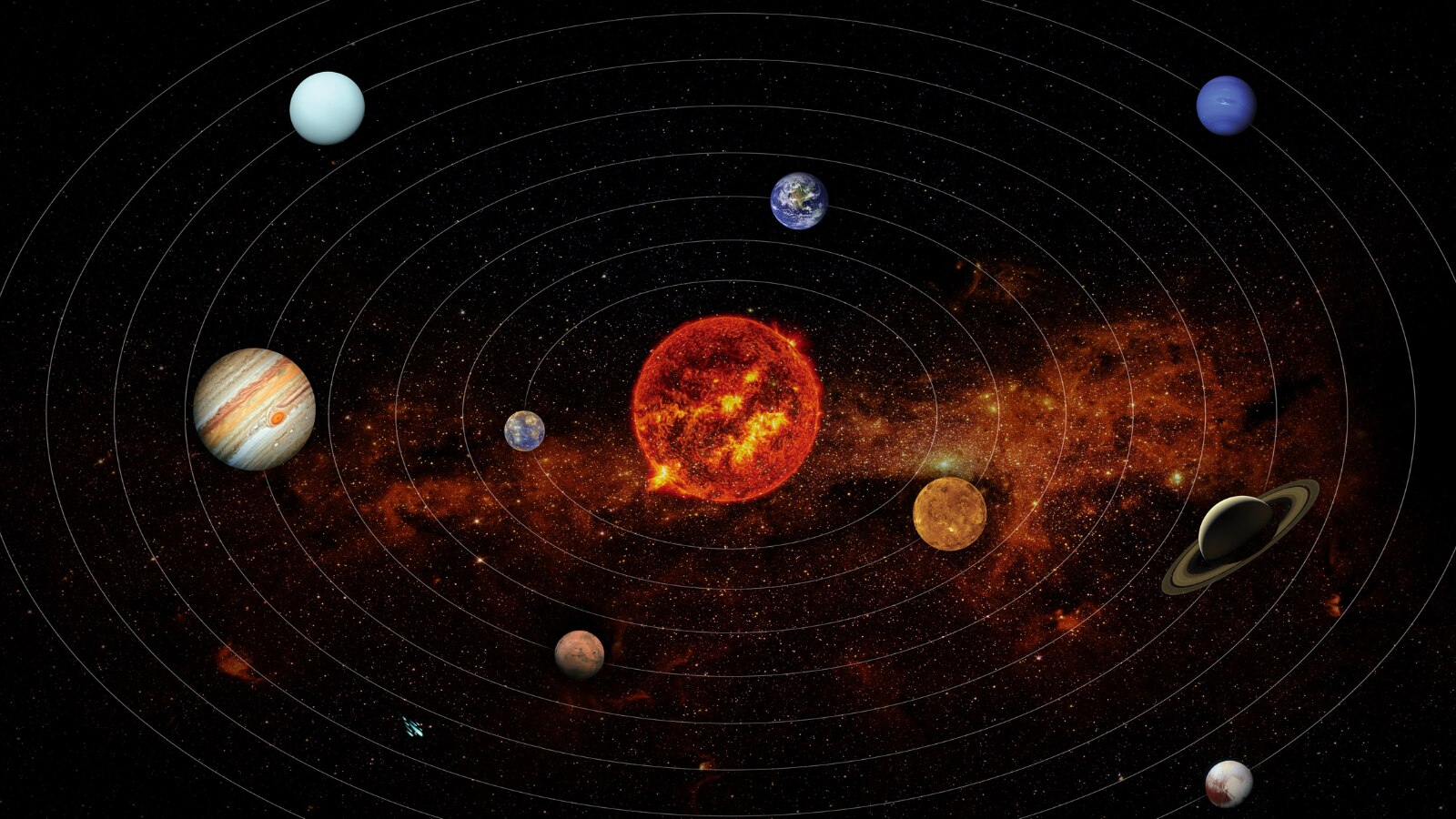
From the scorching surface of Mercury to the icy winds of Neptune, this BBC Learning Hub playlist takes you on an awe-inspiring voyage across our celestial neighborhood. Explore the mysteries of alien worlds, witness dramatic planetary weather, uncover the origins of Saturn’s rings, and ponder life on Mars. Whether you're a curious stargazer or a space science enthusiast, these video clips from landmark BBC series like The Planets and Wonders of the Solar System will ignite learner's imagination and deepen your cosmic curiosity.
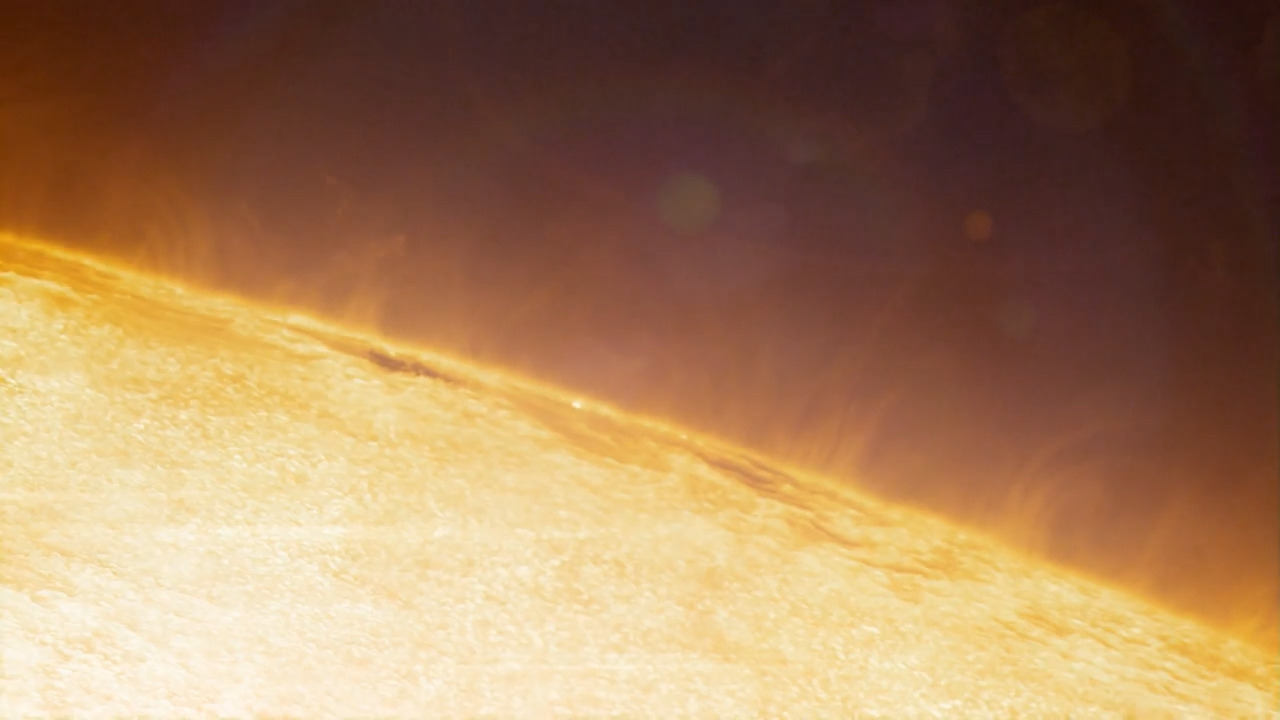
In Mercury, the Solar System's Smallest Planet, narrator Professor Brian Cox highlights the brutal environment of the smallest planet in our Solar System. Its small size meant Mercury didn’t have enough gravity to hang on to its atmosphere. Without the protection of even that thin line of gas, temperatures fluctuate from 842°F (450°C) during the day to -290°F (-180C) degrees at night on the rocky planet. This video is excerpted from BBC’s The Planets, a series that explores the dramatic lives of the eight planets in our Solar System.
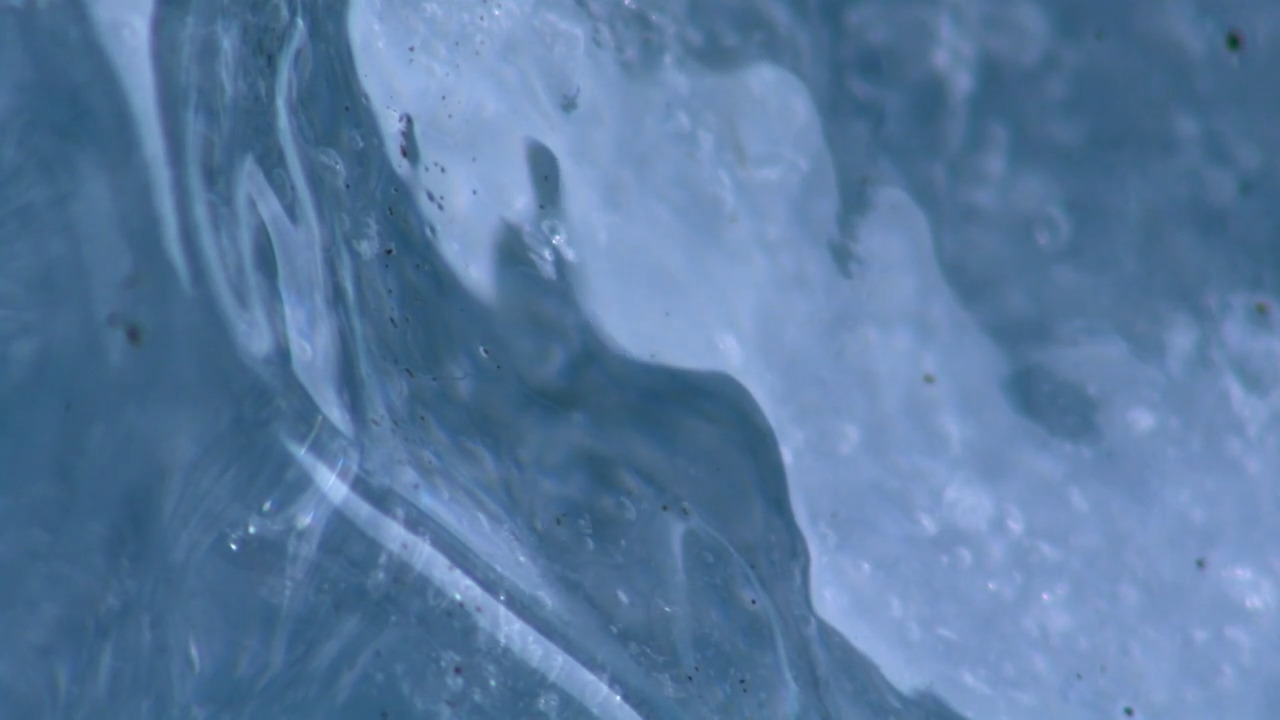
In Microscopic Life in Ice, Professor Brian Cox explores an ice cave and finds microorganisms that are living in the ice. He discusses what this means for life on other planets and moons with scientist Richard Hoover. This video is excerpted from BBC’s The Planets, a series that explores the dramatic lives of the eight planets in our Solar System.
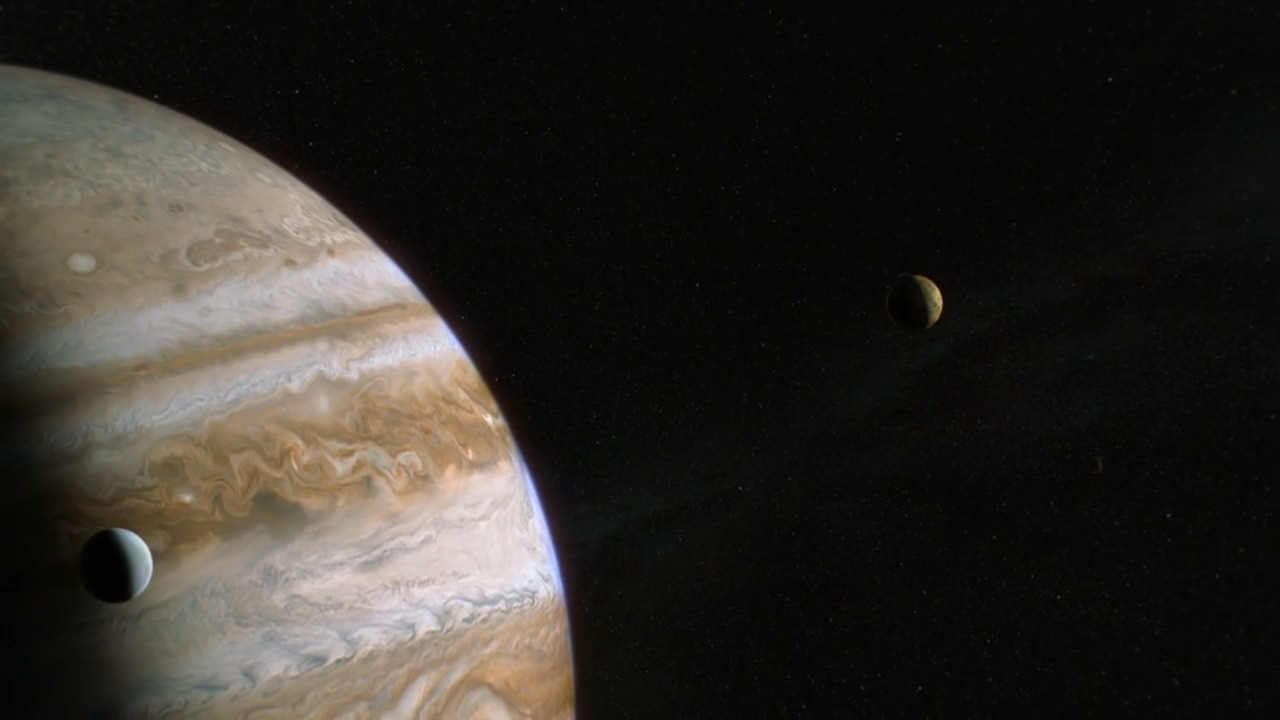
In Europa and Life on Moons, Professor Brian Cox explains how the geological discoveries on faraway moons have impacted what scientists think about them. Then he visits an ice cave in Iceland to discuss how the ice cave can teach us about Europa, Jupiter’s moon. This video is excerpted from BBC’s The Planets, a series that explores the dramatic lives of the eight planets in our Solar System.
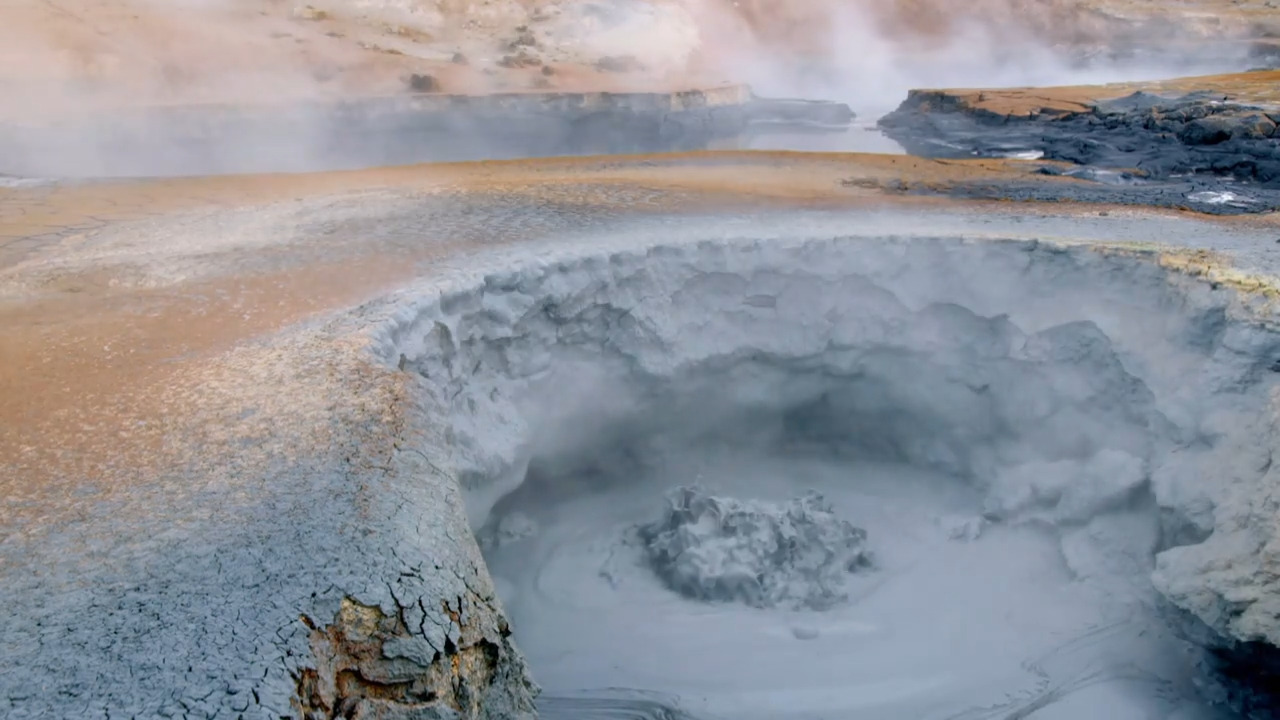
In Energy From the Earth and the Conditions for Life, Professor Brian Cox brings us to Taal Lake in the Philippines. Watch energy bubble up from below the Earth’s surface and learn how this energy creates a natural battery that can be used to power a motor. Where else on Earth can we find these high energy conditions? This video is excerpted from BBC’s The Planets, a series that explores the dramatic lives of the eight planets in our Solar System.

In Landing Curiosity on a Mission to Mars Professor Brian Cox explains what scientists thought about life on Mars in the 1970s, how that changed, and what we learned from the first landing on Mars, the Curiosity rover. This video is excerpted from BBC’s The Planets, a series that explores the dramatic lives of the eight planets in our Solar System.
In Why CO₂ Is Crucial for Our Planet's Survival, geologist Iain Stewart explains how carbon dioxide is essential for life on Earth. Without enough, planets like Mars are freezing cold, while Venus is scorching hot because it has too much. Early volcanoes released carbon dioxide that helped keep the planet warm enough for life to evolve. Yet, scientists have discovered evidence of a catastrophic "Snowball Earth" event 700 million years ago, where the planet may have been completely frozen, as shown by mysterious drop stones found in Namibia. This video is excerpted from BBC’s Earth: The Power of the Planet, a documentary series in which Dr. Iain Stewart discovers how Earth's forces can shape nature, species, and even the climate.
In The Story of the Planets, Professor Brian Cox takes us through images of the planets and shares an overview of the expeditions that humans have taken to explore space. This video is excerpted from BBC’s Brian Cox’s Adventures in Space and Time, a series that seeks to explain our place in the Universe. Professor Brian Cox looks back on decades of discovery and toward the next frontier in space, pondering the question: What’s next?
In Two Planets, Two Paths, Professor Brian Cox explains what happened 4.6 billion years ago when Mars and Earth formed. The formation set these two planets, which were made of similar material, on very different paths. Learn how the magnetic field around Earth provides protection and how Mars’s magnetic field died out. This video is excerpted from BBC’s Brian Cox’s Adventures in Space and Time, a series that seeks to explain our place in the Universe. Professor Brian Cox looks back on decades of discovery and toward the next frontier in space, pondering the question: What’s next?
In Jupiter’s Effect on the Planets, Professor Brian Cox explains how Jupiter’s movement through the early Solar System, into the inner Solar System and toward the Sun, impacted Earth and Mars, and made the planets what they are today. This video is excerpted from BBC’s The Planets, a series that explores the dramatic lives of the eight planets in our Solar System.
In The Godfather of the Planets, Professor Brian Cox explains how Jupiter has influenced other planets, including Earth. Learn what scientists have learned about Jupiter and its moons from the Pioneer and Voyager expeditions. This video is excerpted from BBC’s The Planets, a series that explores the dramatic lives of the eight planets in our Solar System.
The article "Something Very Weird Is Happening to the Planet's Earthquakes; Here's Why" from BBC's Science Focus discusses earthquakes that occur away from fault lines, known as intraplate earthquakes. Scientists are studying factors like ice sheet melting and deep-earth stress to understand these mysterious seismic events.
From the scorching surface of Mercury to the icy winds of Neptune, this BBC Learning Hub playlist takes you on an awe-inspiring voyage across our celestial neighborhood. Explore the mysteries of alien worlds, witness dramatic planetary weather, uncover the origins of Saturn’s rings, and ponder life on Mars. Whether you're a curious stargazer or a space science enthusiast, these video clips from landmark BBC series like The Planets and Wonders of the Solar System will ignite learner's imagination and deepen your cosmic curiosity.
In Mercury, the Solar System's Smallest Planet, narrator Professor Brian Cox highlights the brutal environment of the smallest planet in our Solar System. Its small size meant Mercury didn’t have enough gravity to hang on to its atmosphere. Without the protection of even that thin line of gas, temperatures fluctuate from 842°F (450°C) during the day to -290°F (-180C) degrees at night on the rocky planet. This video is excerpted from BBC’s The Planets, a series that explores the dramatic lives of the eight planets in our Solar System.
In Microscopic Life in Ice, Professor Brian Cox explores an ice cave and finds microorganisms that are living in the ice. He discusses what this means for life on other planets and moons with scientist Richard Hoover. This video is excerpted from BBC’s The Planets, a series that explores the dramatic lives of the eight planets in our Solar System.
In Europa and Life on Moons, Professor Brian Cox explains how the geological discoveries on faraway moons have impacted what scientists think about them. Then he visits an ice cave in Iceland to discuss how the ice cave can teach us about Europa, Jupiter’s moon. This video is excerpted from BBC’s The Planets, a series that explores the dramatic lives of the eight planets in our Solar System.
In Energy From the Earth and the Conditions for Life, Professor Brian Cox brings us to Taal Lake in the Philippines. Watch energy bubble up from below the Earth’s surface and learn how this energy creates a natural battery that can be used to power a motor. Where else on Earth can we find these high energy conditions? This video is excerpted from BBC’s The Planets, a series that explores the dramatic lives of the eight planets in our Solar System.
In Landing Curiosity on a Mission to Mars Professor Brian Cox explains what scientists thought about life on Mars in the 1970s, how that changed, and what we learned from the first landing on Mars, the Curiosity rover. This video is excerpted from BBC’s The Planets, a series that explores the dramatic lives of the eight planets in our Solar System.