
In Adaptations on the Kelp Forest and Ocean Floor, narrator Sir David Attenborough describes how bat rays, fish, and sea slugs have adapted to live in the kelp forest. Learn how animals have developed behavioral and physical adaptations to living on the sandy seafloor. This video is excerpted from BBC’s Blue Planet, a definitive documentary series diving into the mysterious depths of the sea to discover the natural history of the world’s oceans and the rarely seen marine life that reside there.
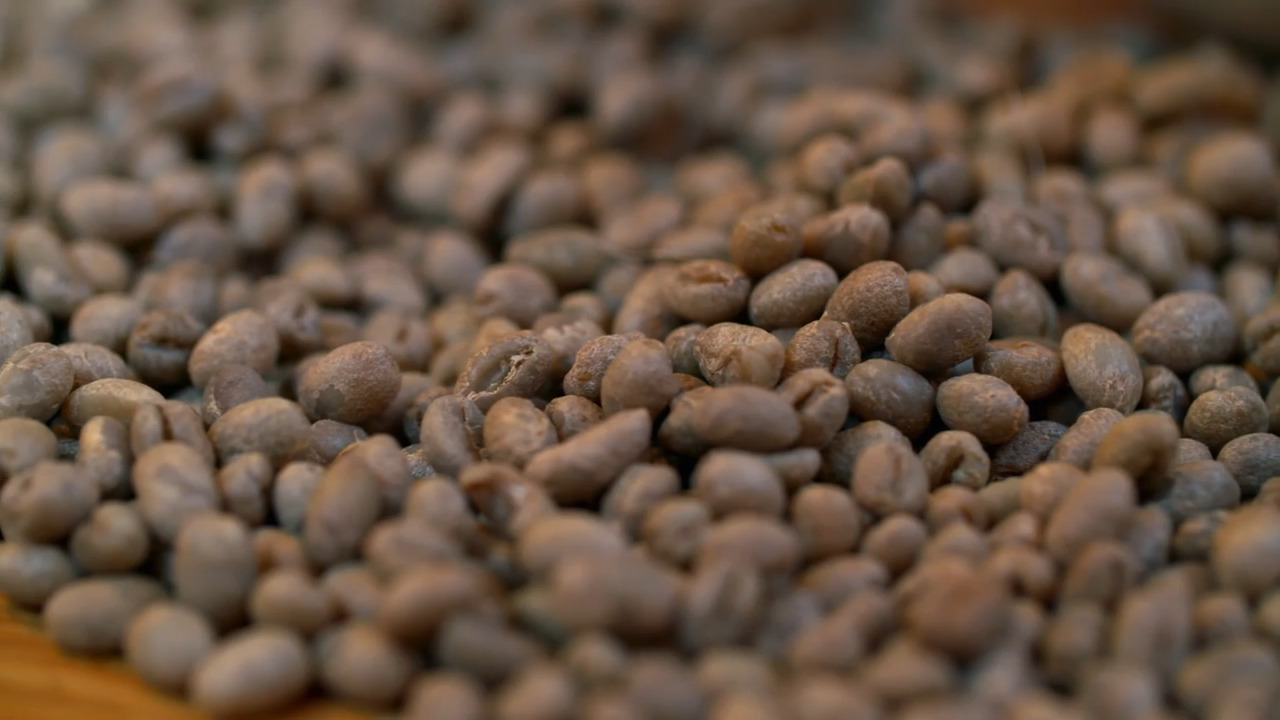
In The Science Behind Roasting Coffee Beans, presenter Cherry Healey visits a coffee roaster. Learn about the physical and chemical changes that occur when coffee beans are roasted for differing amounts of time, creating the light, medium, and dark roasts that we see in coffee stores. This video is excerpted from BBC’s Inside the Factory, a series that takes viewers behind the scenes in the factories that make our favorite products.
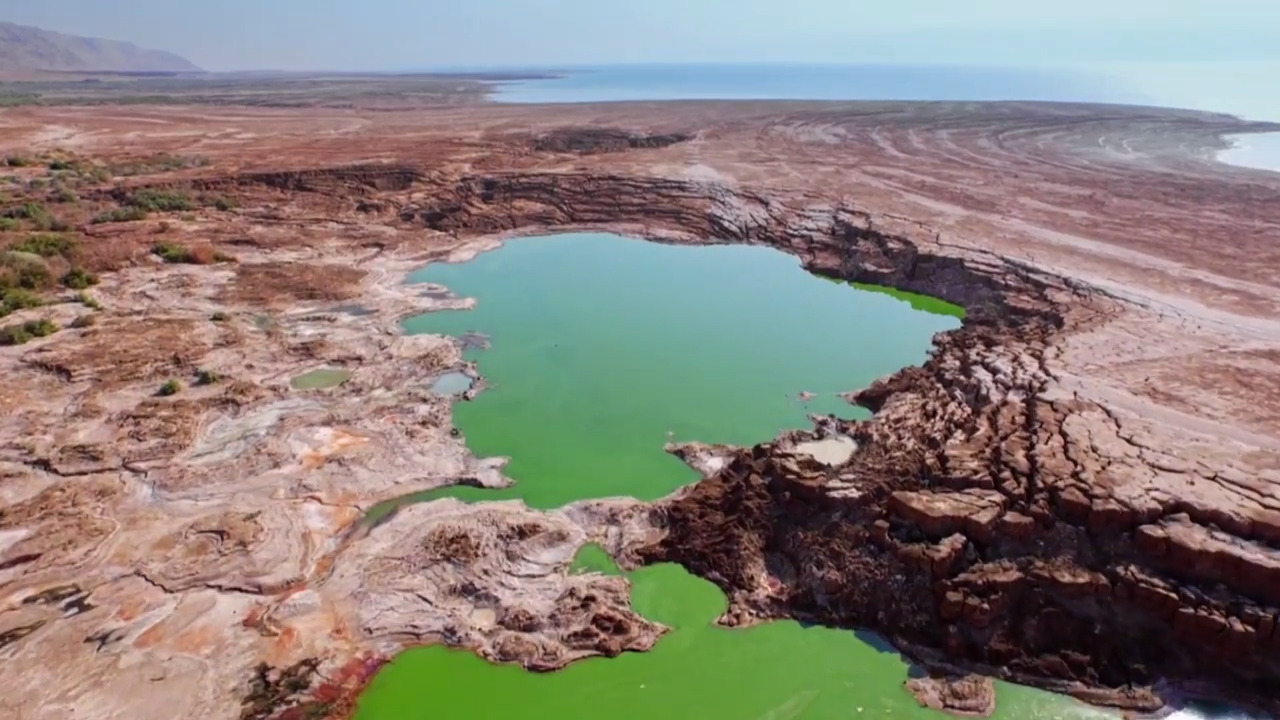
In Melting Mountains and Sinking Cities, host Harith Iskander explains how physical features of the the Earth, such as the melting snow on Mount Kilimanjaro, the sinking of Mexico City, and the potential disappearance of the Dead Sea, are changing over time. Learn how natural and human-made factors contribute to the transformation of the Earth's physical landscape. This video is excerpted from BBC’s Got Science?, a science magazine series that explores and explains science in everyday life

The article "Why Your Brain Avoids Exercise!" from BBC's Science Focus explores the reasons why humans often avoid physical activity despite its benefits. It discusses the brain's sensitivity to effort, the tendency to avoid discomfort, and how motivation and willpower can help overcome these challenges.

In More Than a Simple Snowflake, Professor Brian Cox explains that while every iceberg has a different shape, they are each made up of tiny hexagonal snowflakes. As snowflakes fall through the sky, electromagnetic forces draw them together. This video is excerpted from BBC’s Forces of Nature, which combines some of the most spectacular sights on Earth with what we know about the Universe to reveal how the Earth’s beauty is created by just a few forces.
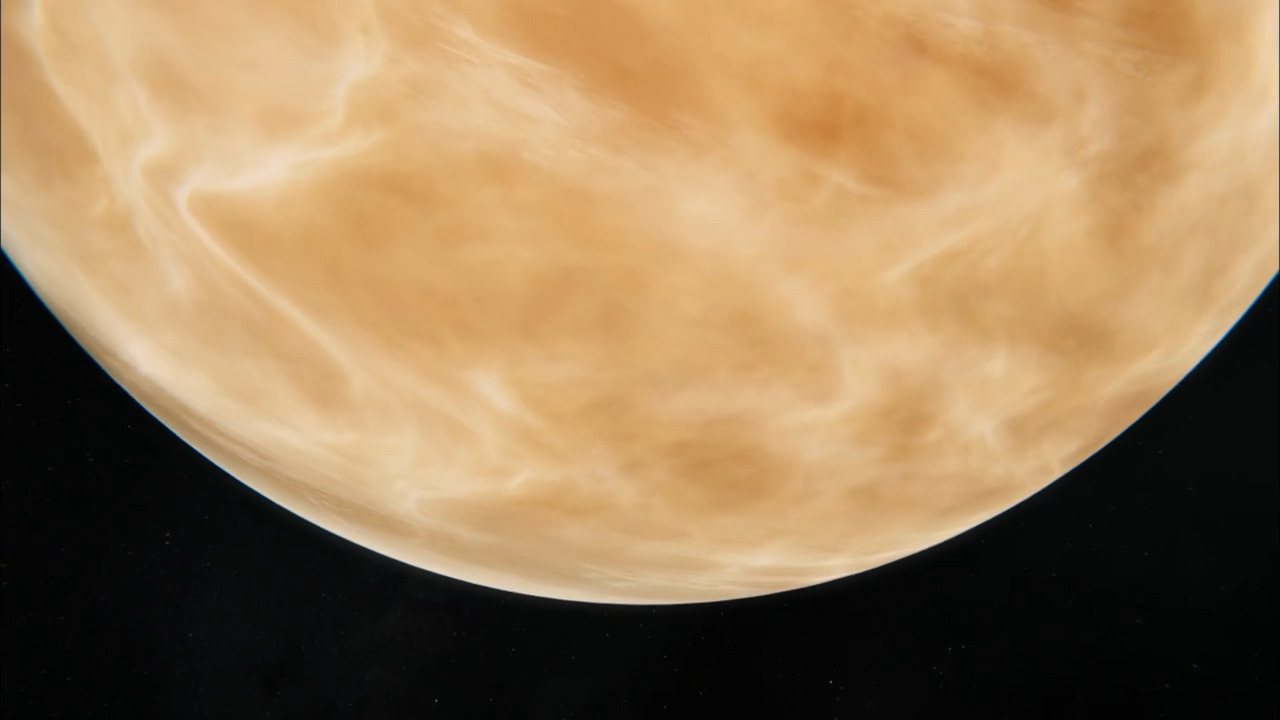
In Venus’s Landscape of Lava, Professor Brian Cox visits India to get a better understanding of how high temperatures helped create the Venus we see today. Venus, often called Earth’s twin, has the hottest average surface temperature besides the Sun in the Solar System, and it's covered in over 50,000 volcanoes. Beneath the green foliage of India, the landscape of lava is very similar to Venus. This video is excerpted from BBC's Wonders of the Solar System, a spellbinding documentary series that explores the most extreme locations on Earth to explain how the laws of physics carved natural wonders across the Solar System.
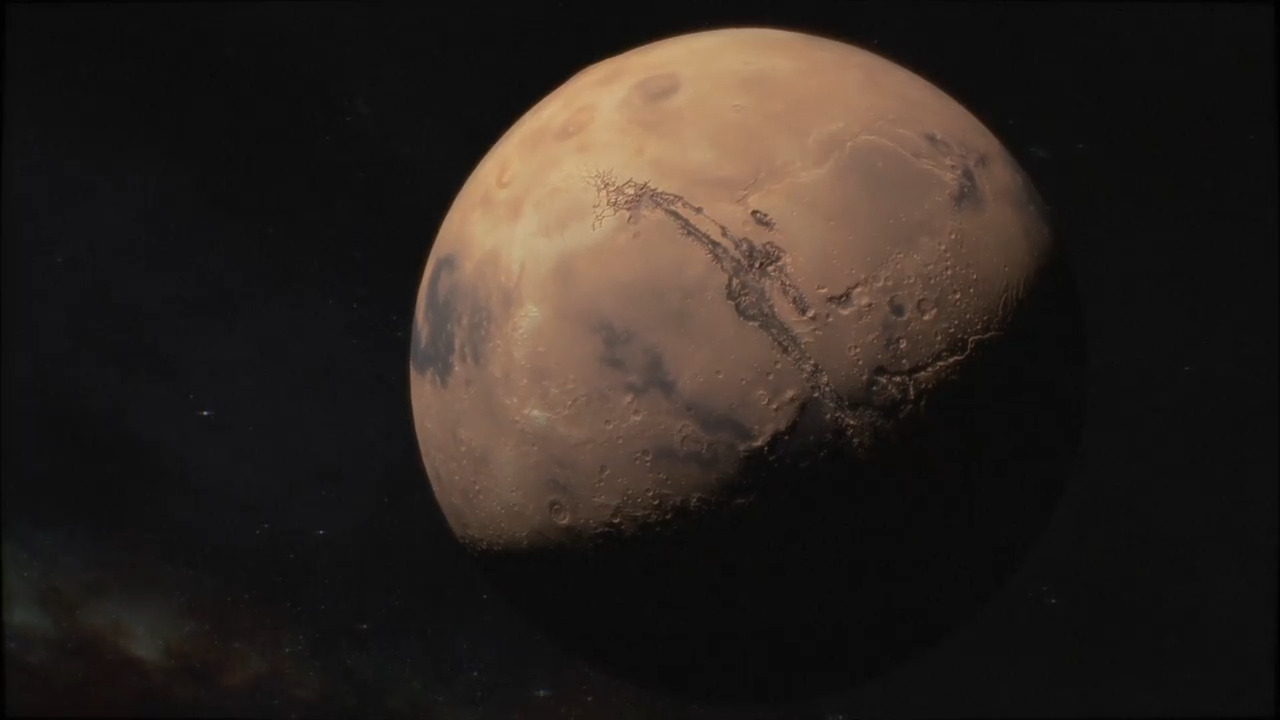
In Postcards From the Surface of Mars, Professor Brian Cox examines the geographic evolution of Mars, noting the vast canyon called Valles Marineris. He looks at photographs taken from the surface of Mars that look eerily similar to Earth: sunsets, clouds, and landscapes. There is, however, one glaring difference: no sign of water. This video is excerpted from BBC's Wonders of the Solar System, a spellbinding documentary series that explores the most extreme locations on Earth to explain how the laws of physics carved natural wonders across the Solar System.
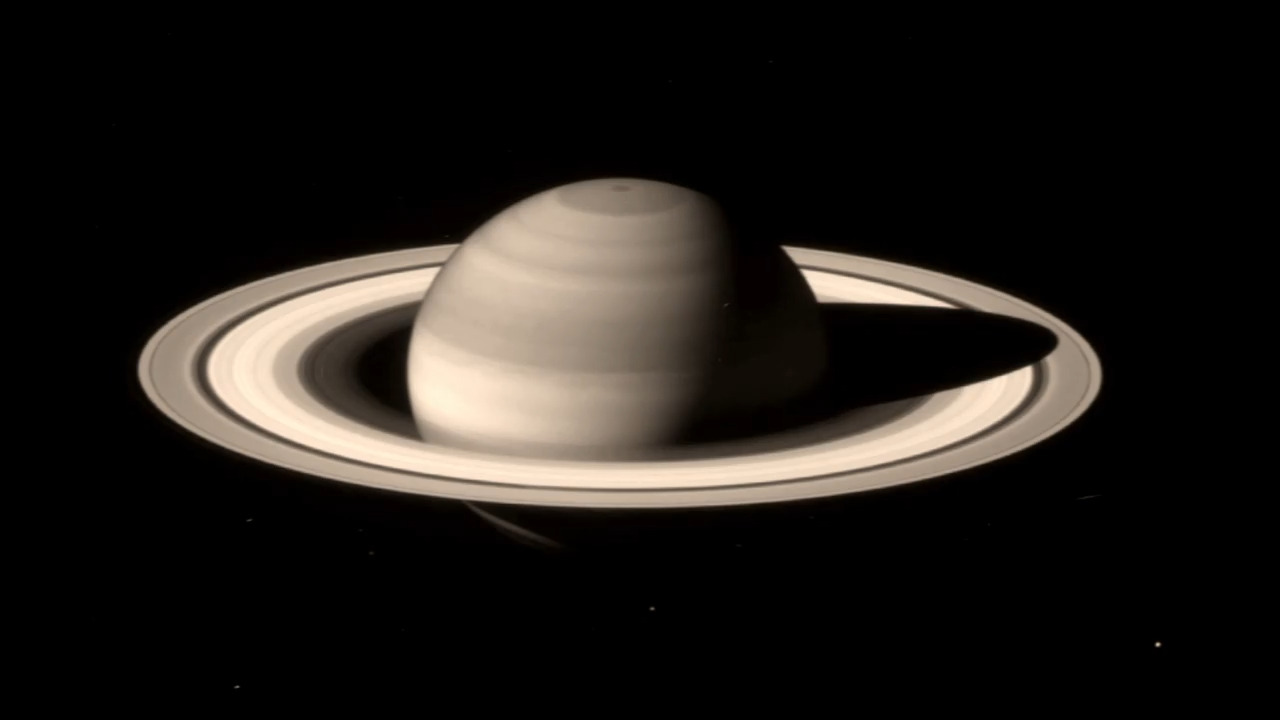
In The Origin of Saturn’s Intricate Rings, Professor Brian Cox visits the control center for Cassini, the spacecraft launched in 1997 that orbits Saturn. Cassini’s mission is to photograph Saturn’s rings and shed light on the origin story of the rings. Saturn behaves like a miniature Solar System with Saturn as sun, and moons that surround the rings, providing us the opportunity to learn about our own origin after the planets formed. This video is excerpted from BBC's Wonders of the Solar System, a spellbinding documentary series that explores the most extreme locations on Earth to explain how the laws of physics carved natural wonders across the Solar System.
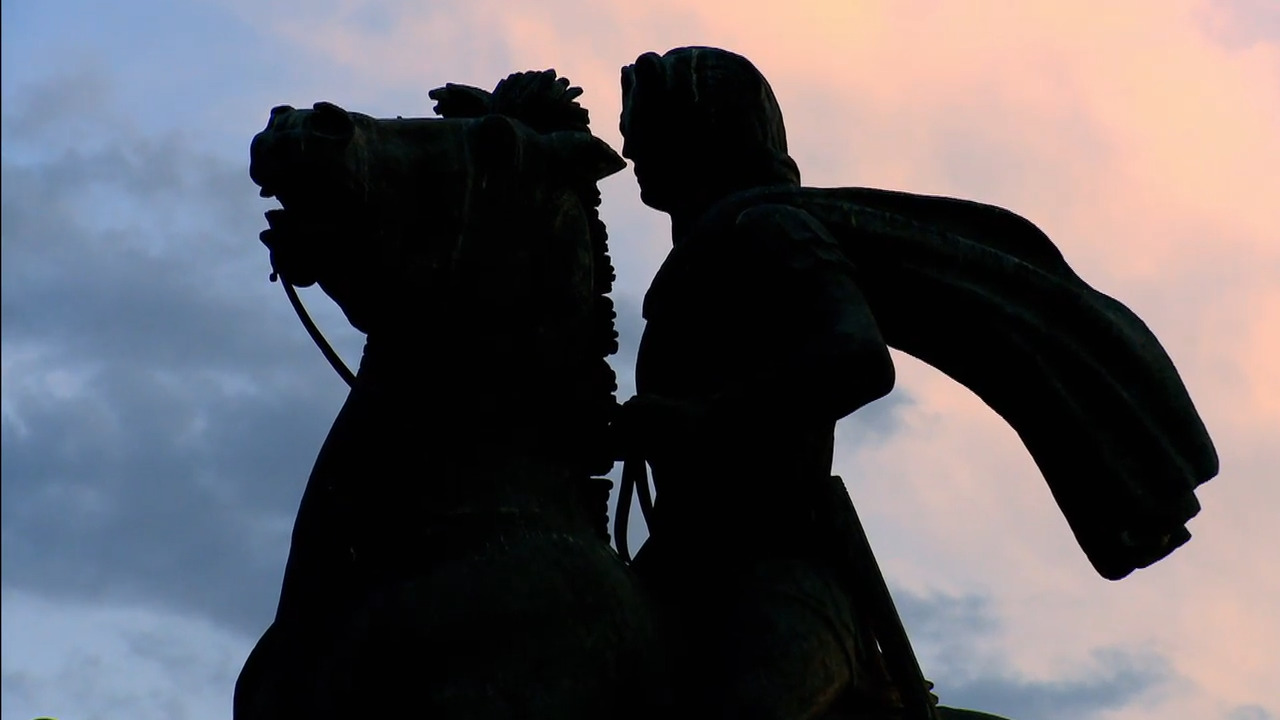
In The Fall of Alexander the Great, archaeologist and historian Richard Miles explores the downfall of Alexander the Great. As his ambitious conquest of the known world marched on, Alexander’s prior physical and psychological traumas caught up to him and he died in June 323BC. He left behind no clear heir, and no cohesive administration. This video is excerpted from BBC’s Ancient Worlds, an epic series with archaeologist and historian Richard Miles as he explores the roots of civilization from Mesopotamia to the fall of the Roman Empire.
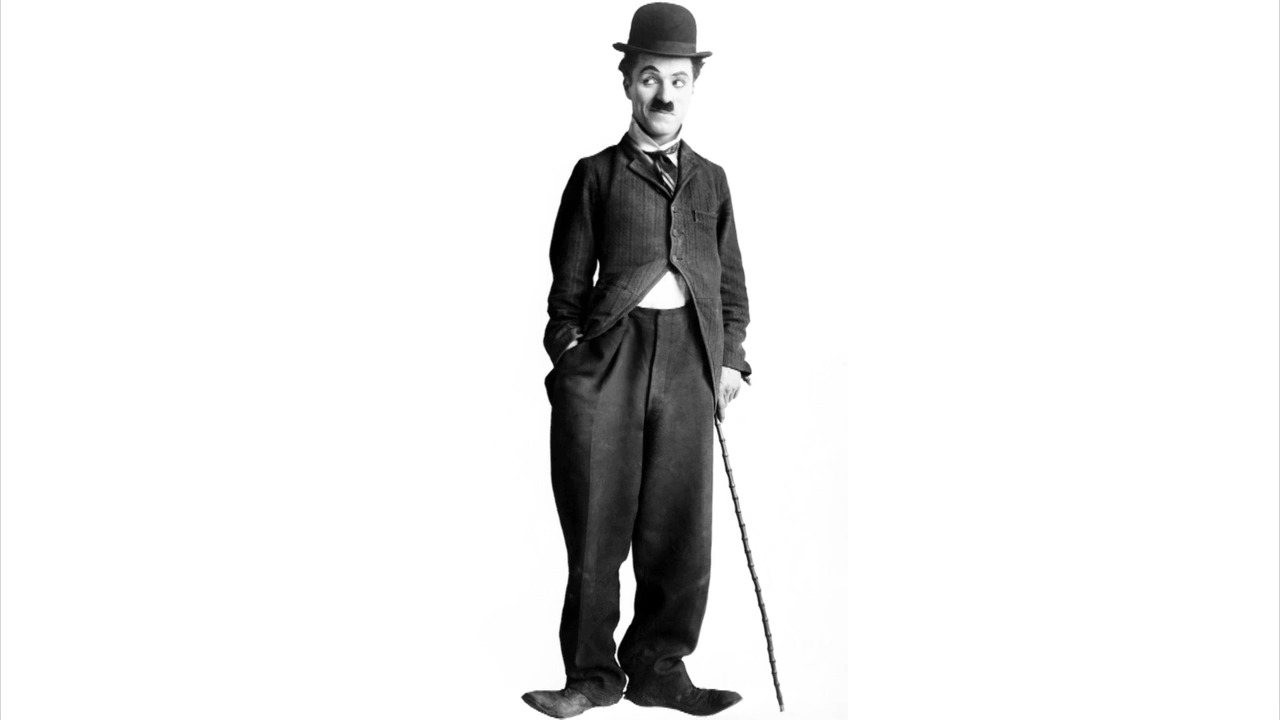
In Charlie Chaplin and the Road to Global Superstardom, host Kathleen Turner explores how Chaplin created his iconic character and became a global superstar. Drawing on his music hall roots and personal experiences of poverty, Chaplin's physical comedy revolutionized early cinema. This video is excerpted from BBC’s Icons: The Greatest Person of the 20th Century, a documentary series celebrating the achievements of the most influential figures of the era.
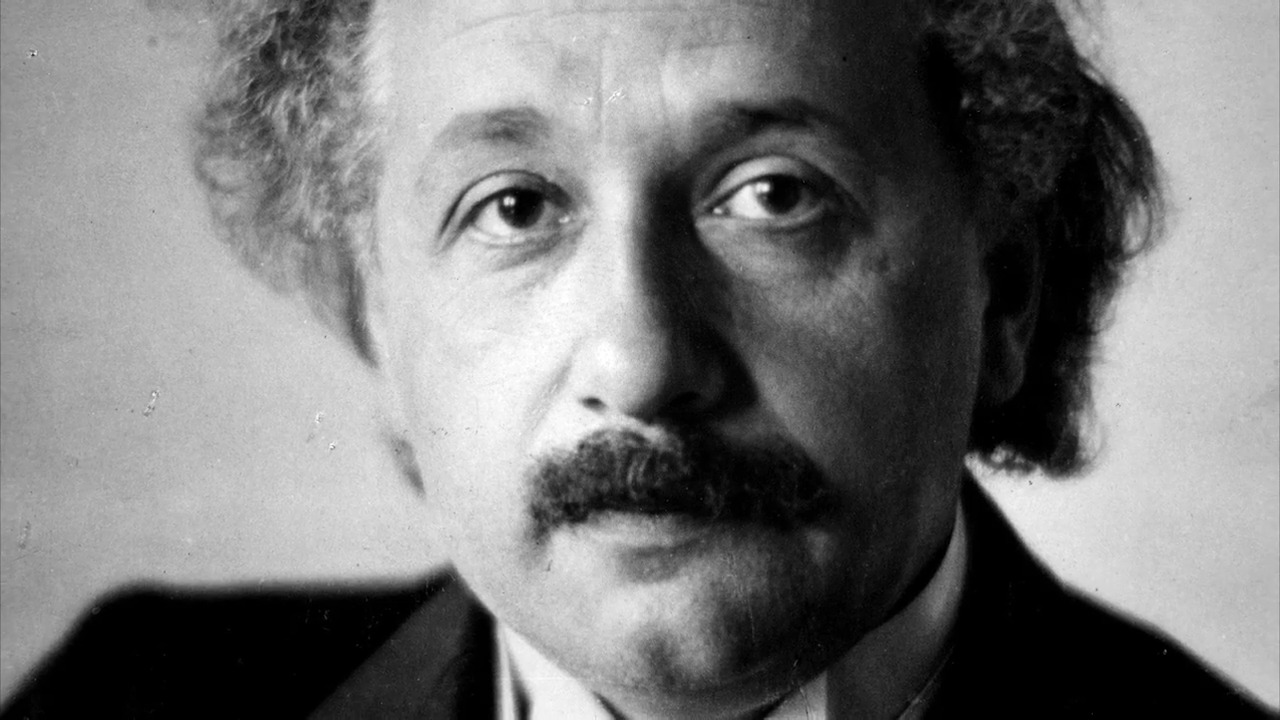
In Albert Einstein's Revolutionary Mind, host Chris Packham explores how Einstein revolutionized physics and defied convention. As a Jewish refugee and devout pacifist, Einstein’s ideas on time, space, and morality inspired both scientific breakthroughs and social justice. This video is excerpted from BBC’s Icons: The Greatest Person of the 20th Century, a documentary series celebrating the achievements of the most influential figures of the era.
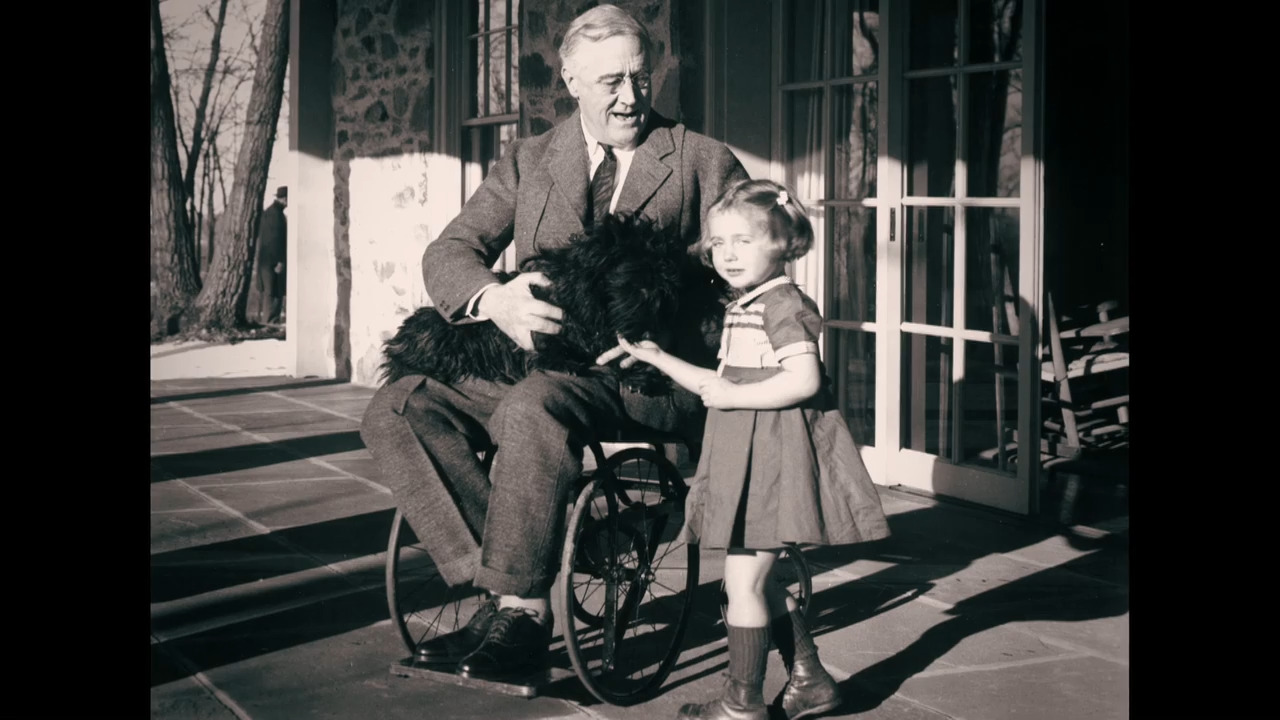
In FDR and Polio, host Trevor McDonald recounts how Franklin D. Roosevelt overcame the challenges of paralysis caused by polio. Despite the physical limitations of the disease, FDR used calipers and a wheelchair to continue his political career, inspiring the nation with his perseverance. His struggle led to national hope and, eventually, the development of the polio vaccine. This video is excerpted from BBC’s Icons: The Greatest Person of the 20th Century, a documentary series celebrating the achievements of the most influential figures of the era.
In Adaptations on the Kelp Forest and Ocean Floor, narrator Sir David Attenborough describes how bat rays, fish, and sea slugs have adapted to live in the kelp forest. Learn how animals have developed behavioral and physical adaptations to living on the sandy seafloor. This video is excerpted from BBC’s Blue Planet, a definitive documentary series diving into the mysterious depths of the sea to discover the natural history of the world’s oceans and the rarely seen marine life that reside there.
In The Science Behind Roasting Coffee Beans, presenter Cherry Healey visits a coffee roaster. Learn about the physical and chemical changes that occur when coffee beans are roasted for differing amounts of time, creating the light, medium, and dark roasts that we see in coffee stores. This video is excerpted from BBC’s Inside the Factory, a series that takes viewers behind the scenes in the factories that make our favorite products.
In Melting Mountains and Sinking Cities, host Harith Iskander explains how physical features of the the Earth, such as the melting snow on Mount Kilimanjaro, the sinking of Mexico City, and the potential disappearance of the Dead Sea, are changing over time. Learn how natural and human-made factors contribute to the transformation of the Earth's physical landscape. This video is excerpted from BBC’s Got Science?, a science magazine series that explores and explains science in everyday life
The article "Why Your Brain Avoids Exercise!" from BBC's Science Focus explores the reasons why humans often avoid physical activity despite its benefits. It discusses the brain's sensitivity to effort, the tendency to avoid discomfort, and how motivation and willpower can help overcome these challenges.
In More Than a Simple Snowflake, Professor Brian Cox explains that while every iceberg has a different shape, they are each made up of tiny hexagonal snowflakes. As snowflakes fall through the sky, electromagnetic forces draw them together. This video is excerpted from BBC’s Forces of Nature, which combines some of the most spectacular sights on Earth with what we know about the Universe to reveal how the Earth’s beauty is created by just a few forces.
In Venus’s Landscape of Lava, Professor Brian Cox visits India to get a better understanding of how high temperatures helped create the Venus we see today. Venus, often called Earth’s twin, has the hottest average surface temperature besides the Sun in the Solar System, and it's covered in over 50,000 volcanoes. Beneath the green foliage of India, the landscape of lava is very similar to Venus. This video is excerpted from BBC's Wonders of the Solar System, a spellbinding documentary series that explores the most extreme locations on Earth to explain how the laws of physics carved natural wonders across the Solar System.
In Postcards From the Surface of Mars, Professor Brian Cox examines the geographic evolution of Mars, noting the vast canyon called Valles Marineris. He looks at photographs taken from the surface of Mars that look eerily similar to Earth: sunsets, clouds, and landscapes. There is, however, one glaring difference: no sign of water. This video is excerpted from BBC's Wonders of the Solar System, a spellbinding documentary series that explores the most extreme locations on Earth to explain how the laws of physics carved natural wonders across the Solar System.
In The Origin of Saturn’s Intricate Rings, Professor Brian Cox visits the control center for Cassini, the spacecraft launched in 1997 that orbits Saturn. Cassini’s mission is to photograph Saturn’s rings and shed light on the origin story of the rings. Saturn behaves like a miniature Solar System with Saturn as sun, and moons that surround the rings, providing us the opportunity to learn about our own origin after the planets formed. This video is excerpted from BBC's Wonders of the Solar System, a spellbinding documentary series that explores the most extreme locations on Earth to explain how the laws of physics carved natural wonders across the Solar System.
In The Fall of Alexander the Great, archaeologist and historian Richard Miles explores the downfall of Alexander the Great. As his ambitious conquest of the known world marched on, Alexander’s prior physical and psychological traumas caught up to him and he died in June 323BC. He left behind no clear heir, and no cohesive administration. This video is excerpted from BBC’s Ancient Worlds, an epic series with archaeologist and historian Richard Miles as he explores the roots of civilization from Mesopotamia to the fall of the Roman Empire.
In Charlie Chaplin and the Road to Global Superstardom, host Kathleen Turner explores how Chaplin created his iconic character and became a global superstar. Drawing on his music hall roots and personal experiences of poverty, Chaplin's physical comedy revolutionized early cinema. This video is excerpted from BBC’s Icons: The Greatest Person of the 20th Century, a documentary series celebrating the achievements of the most influential figures of the era.
In Albert Einstein's Revolutionary Mind, host Chris Packham explores how Einstein revolutionized physics and defied convention. As a Jewish refugee and devout pacifist, Einstein’s ideas on time, space, and morality inspired both scientific breakthroughs and social justice. This video is excerpted from BBC’s Icons: The Greatest Person of the 20th Century, a documentary series celebrating the achievements of the most influential figures of the era.
In FDR and Polio, host Trevor McDonald recounts how Franklin D. Roosevelt overcame the challenges of paralysis caused by polio. Despite the physical limitations of the disease, FDR used calipers and a wheelchair to continue his political career, inspiring the nation with his perseverance. His struggle led to national hope and, eventually, the development of the polio vaccine. This video is excerpted from BBC’s Icons: The Greatest Person of the 20th Century, a documentary series celebrating the achievements of the most influential figures of the era.