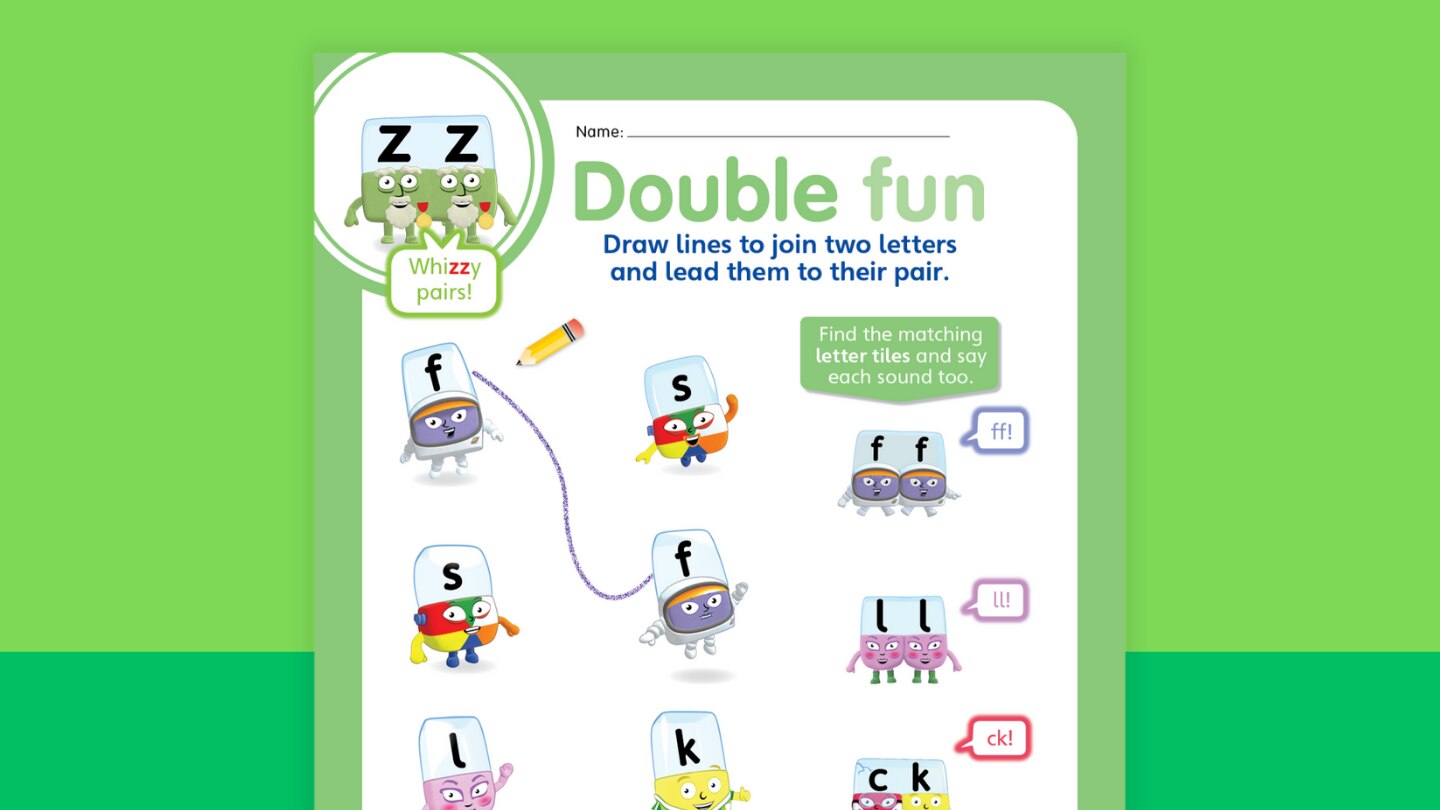
Draw lines to join two letters and lead them to their pair. Find the matching letter tiles and say each sound too. Can you connect C to K?
Watch full episodes of Alphablocks on their official YouTube channel!
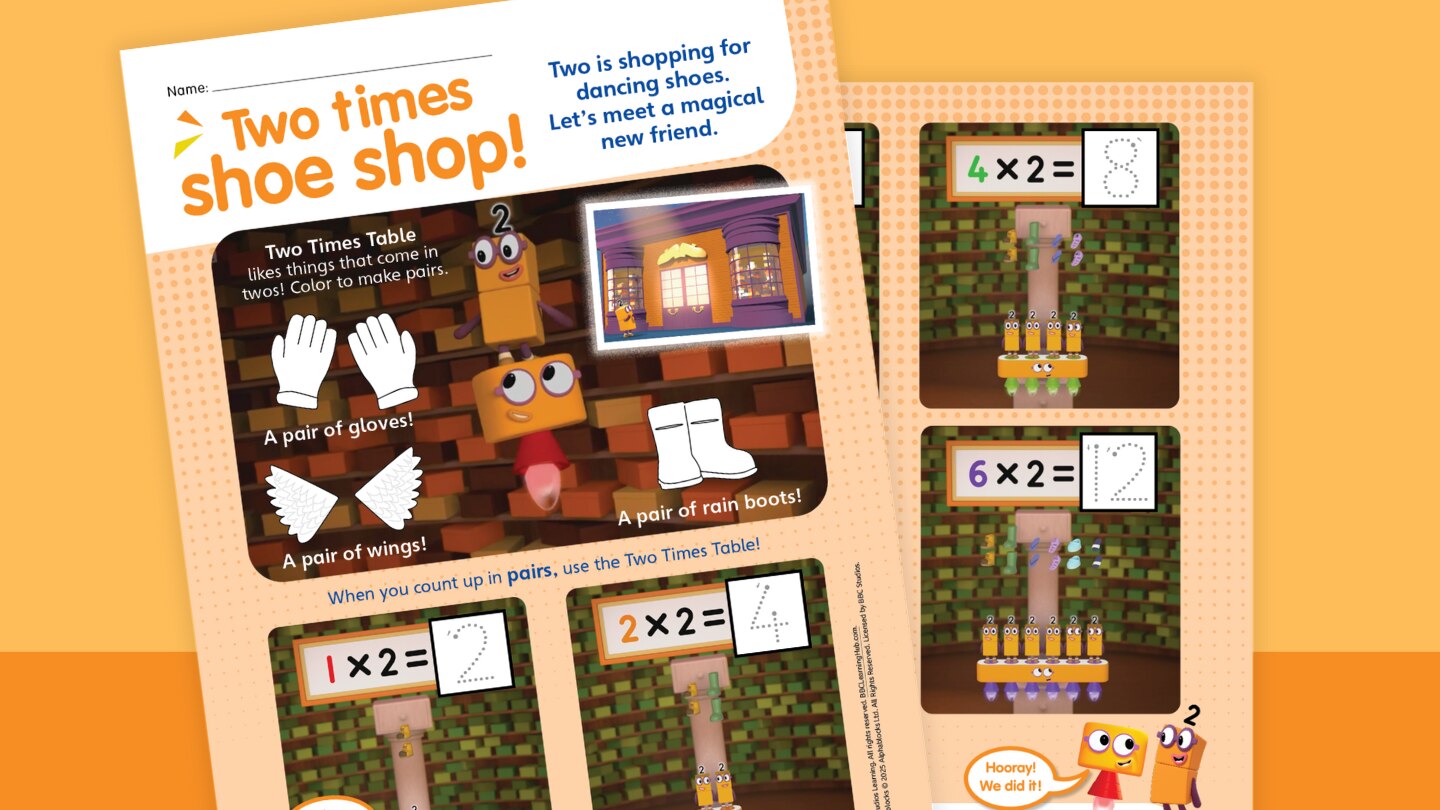
Two is shopping for dancing shoes. Let's meet a magical new friend. Two Times Table likes things that come in twos! Color to make pairs. When you count up in pairs, use the Two Times Table!
1 x 2 = 2
2 x 2 = 4
2 x 3 = 6
2 x 4 = 8
2 x 6 = 10
2 x 6 = 12
Watch full episodes of Numberblocks on their official YouTube channel!
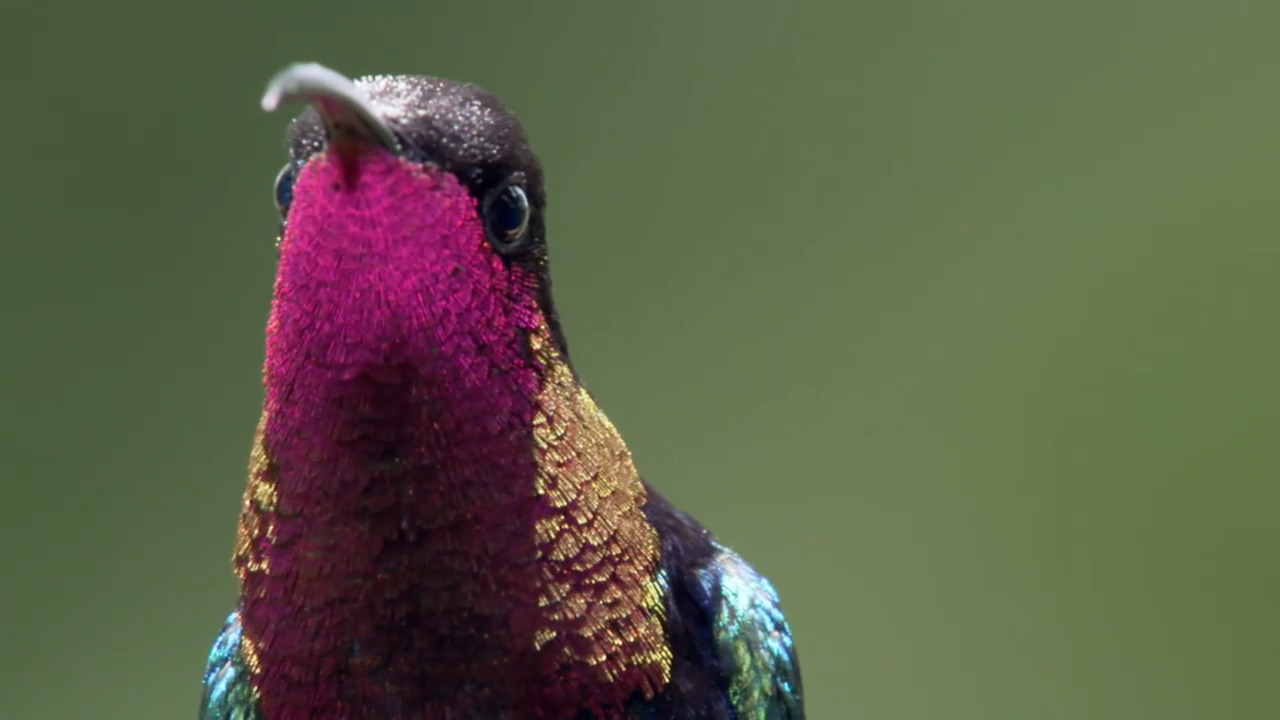
In Pollinators and Plants, Nature’s Perfect Pair, narrator Sir David Attenborough explores the fascinating teamwork — and clever defenses — between plants and pollinators! Monarch butterflies rely on milkweed plants for laying eggs and gathering nectar, but the plant defends itself with a sap that challenges the caterpillars. Meanwhile, the Heliconia plant carefully rations nectar to keep the hummingbird returning, as only this bird’s uniquely shaped beak can pollinate it! This video is excerpted from BBC's Life, a show that explores the remarkable strategies animals and plants use to ensure their survival.
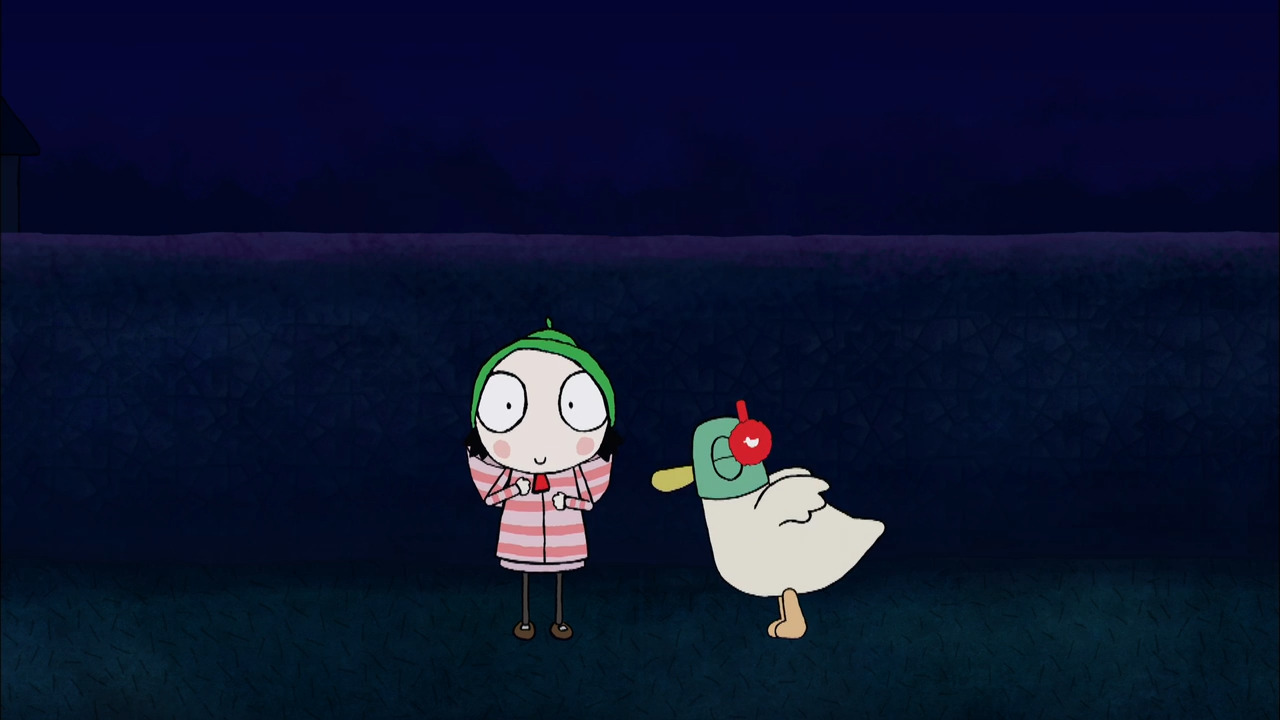
In Sarah and Duck and the Fireworks Dance, Sarah and Duck are playing indoors. When a fireworks display lights up the sky, Duck hides, until Sarah finds him and helps him enjoy the fireworks with a pair of earmuffs. This video is excerpted from BBC’s Sarah & Duck, a kids' show about the adventures of 7-year-old Sarah and her quacky, flappy best friend, Duck.
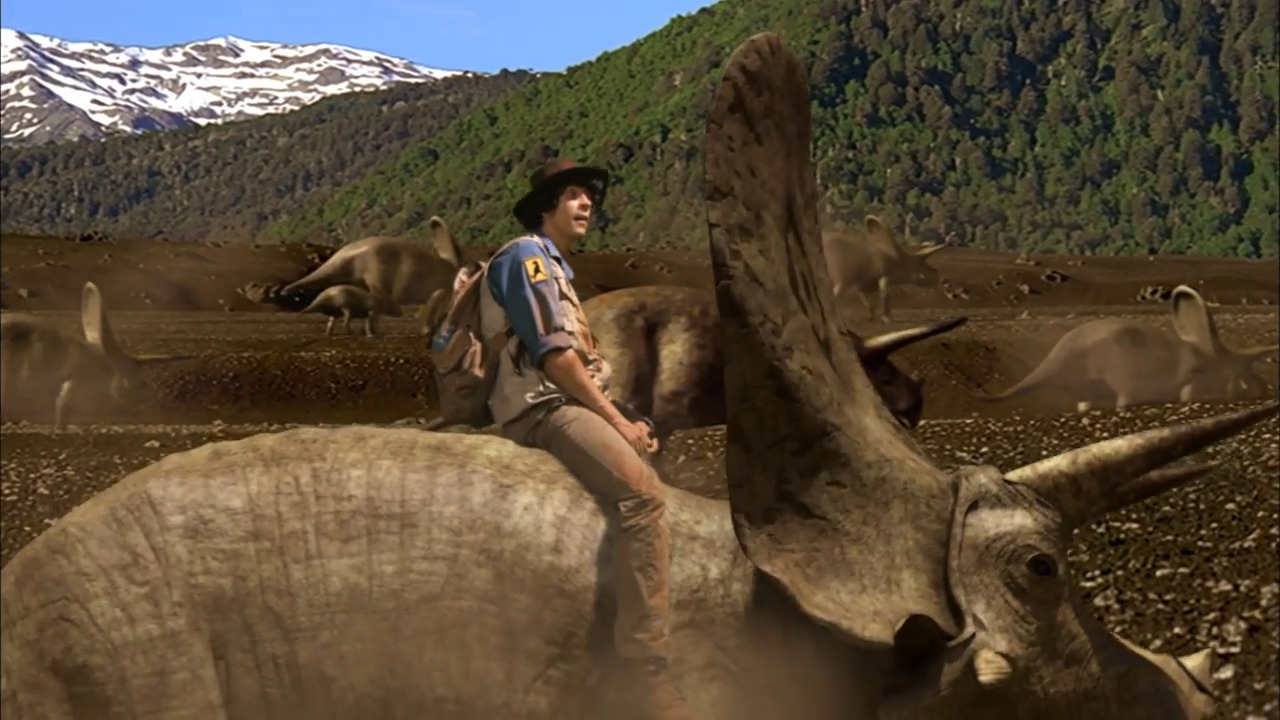
In Facing Off With a Triceratops, host Andy Day is in the Cretaceous period. He comes across a herd of Triceratops and notices pairs that are fighting. The Triceratops use their horns and crests to intimidate each other and sometimes fight. This video is excerpted from BBC’s Andy's Dinosaur Adventures, in which Andy Day travels back in time to meet the dinosaurs.
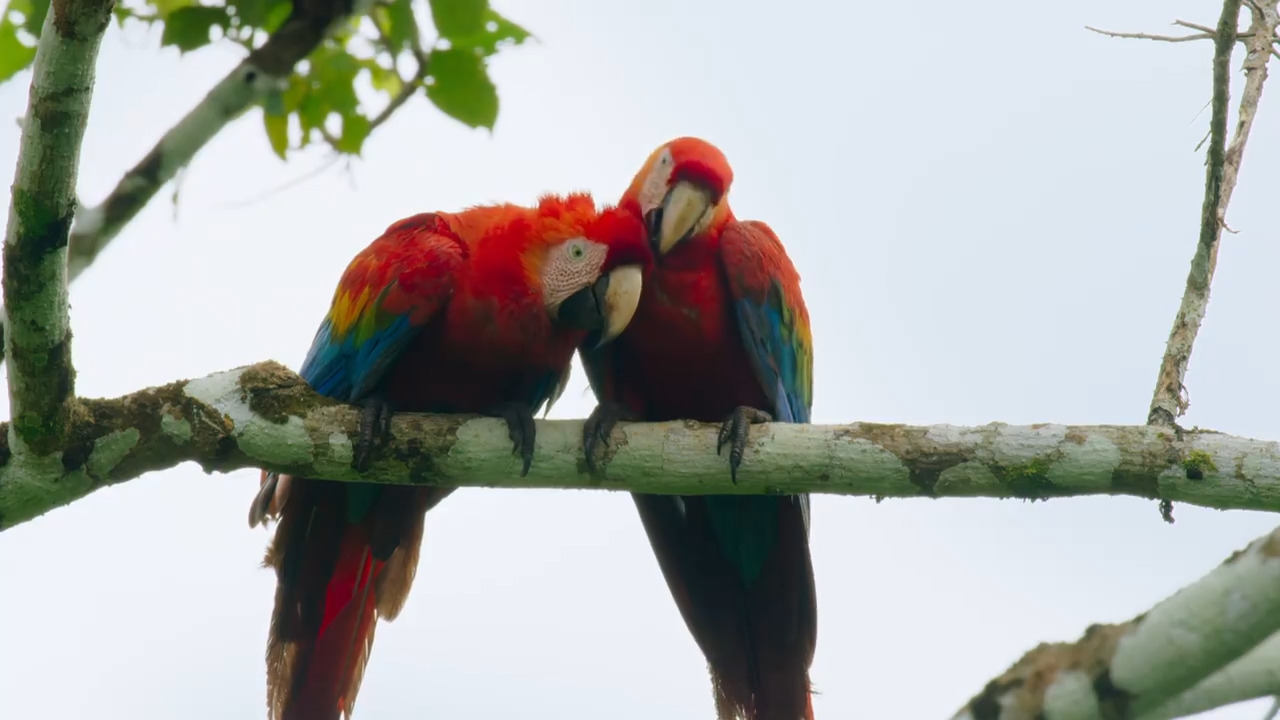
In Scarlet Macaws in Search of Salt, explore how a pair of scarlet macaws look after their chicks. They need salt, but are far from the ocean, so one of the parents flies to a clay lick and returns with clay to provide the salt for their chicks. This video is excerpted from BBC’s Seven Worlds, One Planet, a series featuring remarkable animal behavior from all seven continents.
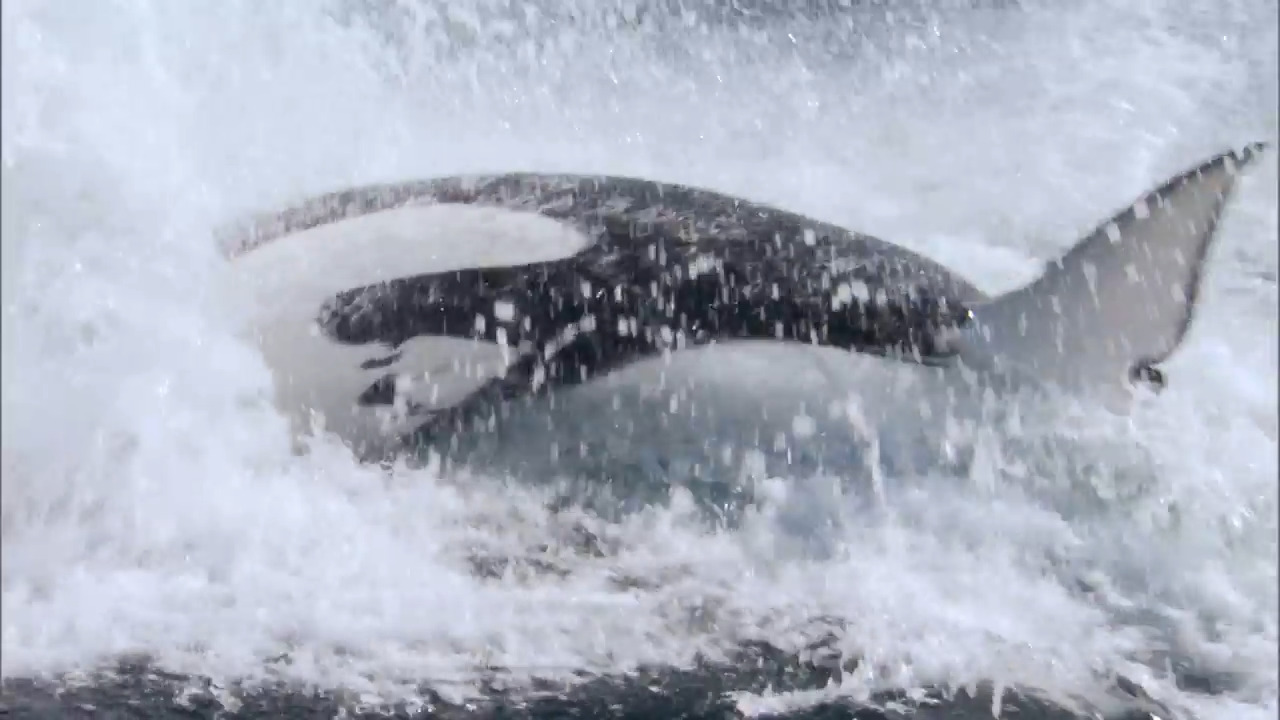
In An Orca Whale Hunt, narrator Sir David Attenborough follows a pair of orca, also known as killer whales, who are working together to attack a sea lion. This video is an excerpt from BBC’s Nature's Great Events, a documentary series that showcases some of the most dramatic wildlife spectacles on Earth, exploring how life adapts to natural events that can transform entire landscapes.

In Black Hole Coalescence, narrator Kate Yule details how a pair of black holes warp space and time when they coalesce. Learn how the energy is emitted as gravitational waves rather than light, and how Rainer Weiss was able to detect these waves through his detector 1.3 billion years later. This video is excerpted from BBC’s Einstein & Hawking: Masters of Our Universe, a mind-bending documentary that tells the story of how the two most famous scientists of the 20th Century transformed our understanding of the Universe and changed the world.
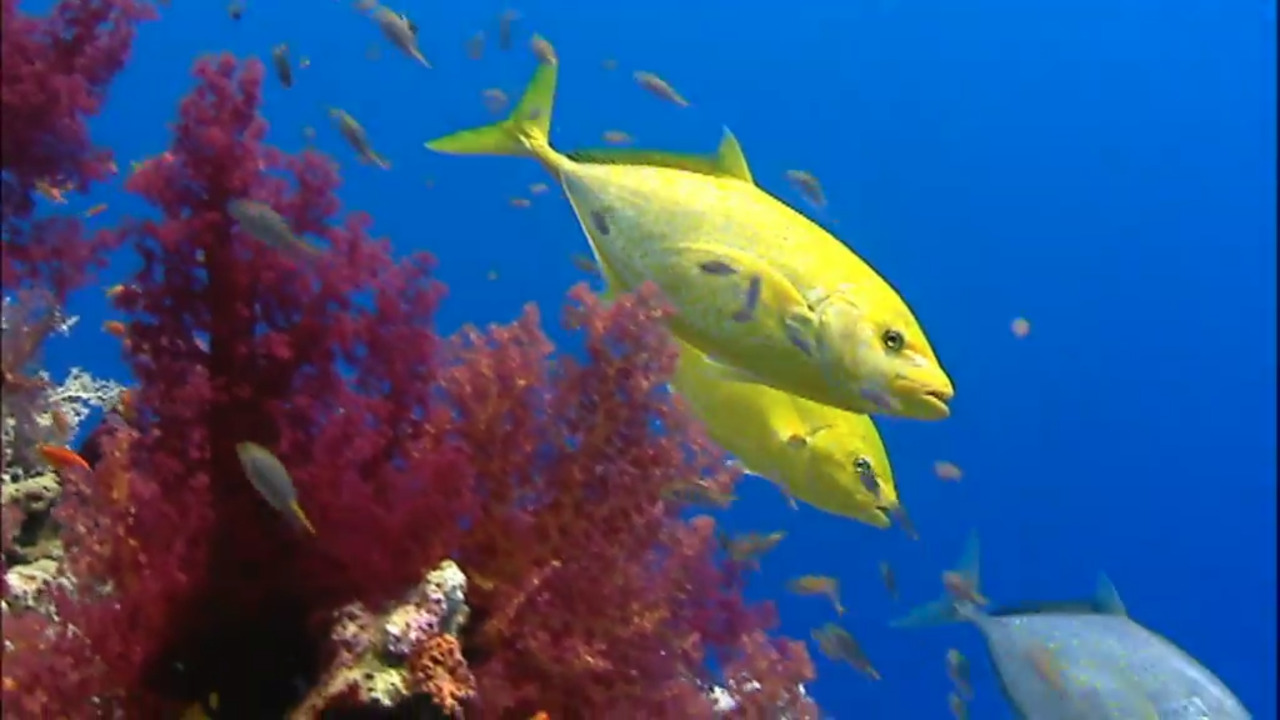
In Competition on the Coral Reef, narrator Sir David Attenborough describes how one predator-prey pair interact on the reef. Watch jack fish try to corral silversides who have their own defensive tactic. This video is excerpted from BBC’s Blue Planet, a definitive documentary series diving into the mysterious depths of the sea to discover the natural history of the world’s oceans and the rarely seen marine life that reside there.
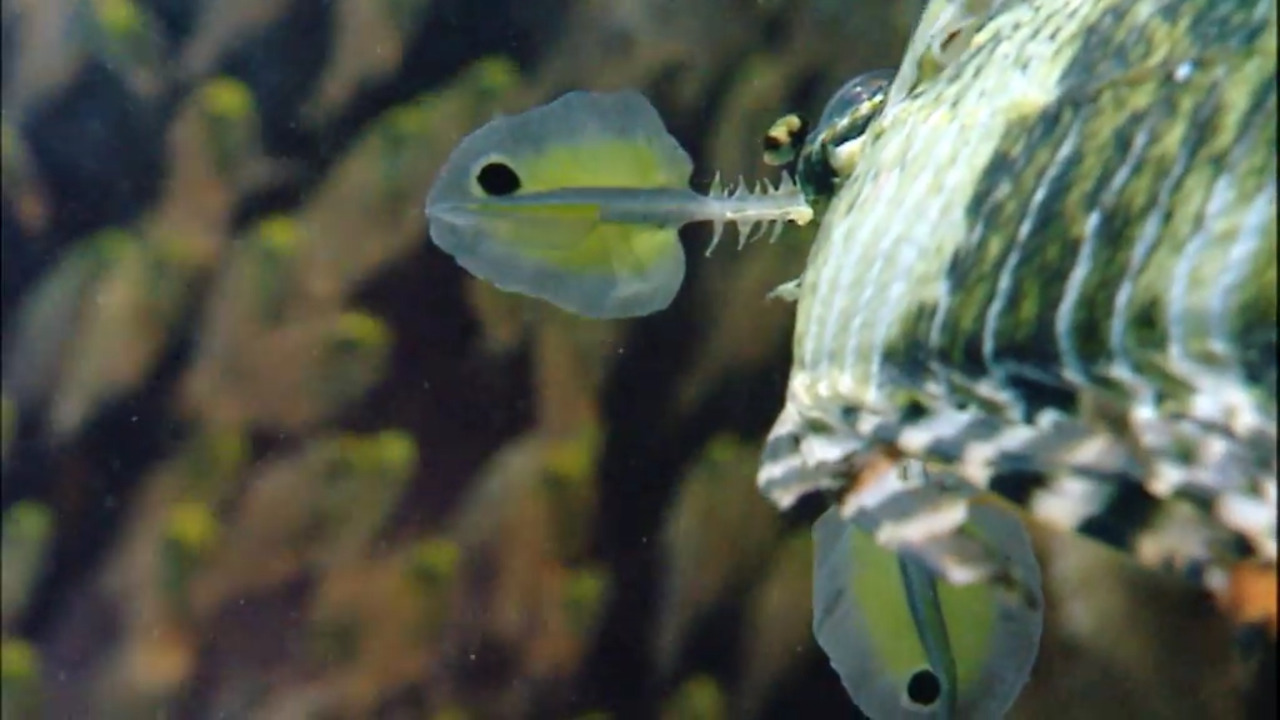
In Competitive Strategies on the Coral Reef, narrator Sir David Attenborough describes how grouper and lionfish handle being predators in the same space in the coral reef. Learn how a pair of harlequin shrimp attempt to take a starfish for a meal. This video is excerpted from BBC’s Blue Planet, a definitive documentary series diving into the mysterious depths of the sea to discover the natural history of the world’s oceans and the rarely seen marine life that reside there.
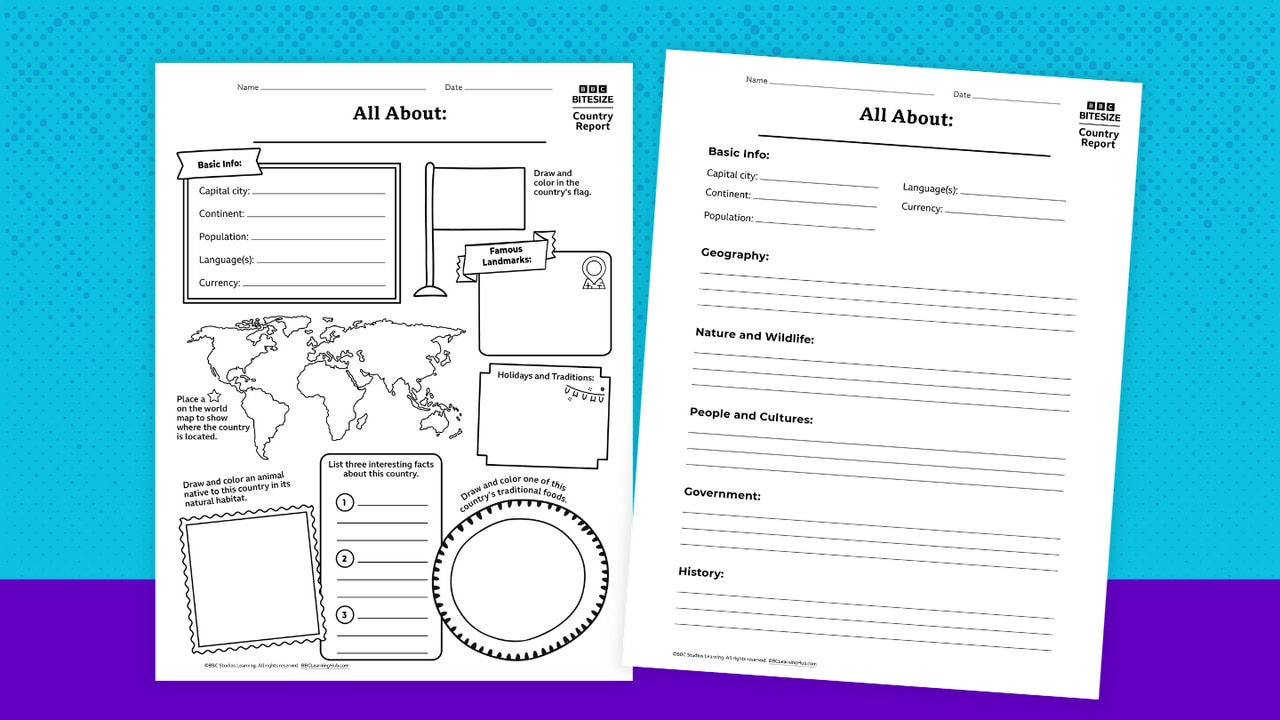
Turn your classroom into a global exploration hub! This country report template invites students in Grades 3–8 to become curious investigators — uncovering what makes each country unique and sharing their discoveries in creative ways.
Designed with flexibility in mind, the resource includes two approachable formats:
- Snapshot Style: A lively, visual option that’s perfect for quick learning or younger students. Learners can sketch, label, and highlight key features — like flags, landmarks, foods, and traditions — while building confidence with short responses.
- Explorer Style: A more in-depth format for students ready to dig deeper. It guides learners through topics such as geography, wildlife, culture, and history, helping them organize ideas and develop clear, informative writing.
Best of all, this template pairs seamlessly with BBC videos — bringing countries to life through real-world sights, sounds, and stories. Students can watch, wonder, and then weave what they’ve learned into their own reports.
Quick Teacher Tips: Use country studies as a springboard into wider learning across subjects:
- Geography: Map skills, climate zones, landforms, and ecosystems
- Language Arts: Informational writing, summarizing, note-taking, and presenting
- History: Key events, timelines, and how the past shapes the present
- Math: Population comparisons, distances, currency conversions
- Arts & Culture: Traditional patterns, music, celebrations, and food
- Current Events: Tie in informational reading and media literacy by exploring what’s happening in that country today in an age-appropriate way.
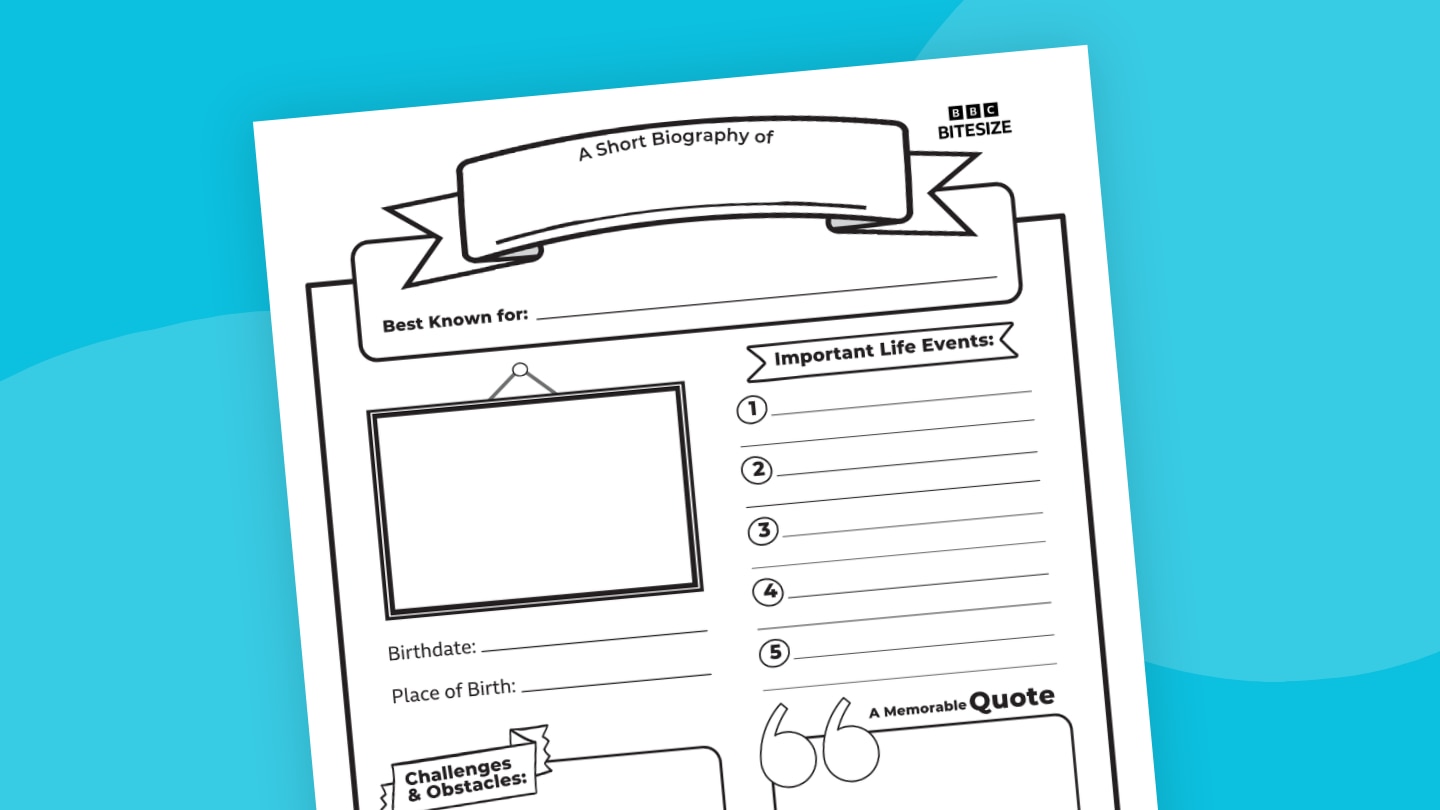
This mini biography template is a flexible, engaging tool designed to help students in Grades 3–8 explore the lives of important historical figures. With sections like Best Known For, Important Life Events, Challenges and Obstacles, Memorable Quote, and Legacy and Achievements, students are guided to think beyond basic facts and develop a deeper understanding of a person’s impact.
This template can be used with any historical figure and pairs especially well with video-based research. Encourage students to explore our BBC video library to gather key details, hear stories in context, and build stronger connections to the people they’re studying.
Here are a few ways you can use this template in your classroom:
- Celebrate special months: Have students research and complete biographies for influential figures during observances like Women’s History Month or Black History Month.
- Scientist spotlights: Use the template to profile important scientists, inventors, or innovators throughout history.
- “Living museum” projects: Have students complete the template, then present their figure in a short first-person speech or display as part of a classroom museum exhibit.
Draw lines to join two letters and lead them to their pair. Find the matching letter tiles and say each sound too. Can you connect C to K?
Watch full episodes of Alphablocks on their official YouTube channel!
Two is shopping for dancing shoes. Let's meet a magical new friend. Two Times Table likes things that come in twos! Color to make pairs. When you count up in pairs, use the Two Times Table!
1 x 2 = 2
2 x 2 = 4
2 x 3 = 6
2 x 4 = 8
2 x 6 = 10
2 x 6 = 12
Watch full episodes of Numberblocks on their official YouTube channel!
In Pollinators and Plants, Nature’s Perfect Pair, narrator Sir David Attenborough explores the fascinating teamwork — and clever defenses — between plants and pollinators! Monarch butterflies rely on milkweed plants for laying eggs and gathering nectar, but the plant defends itself with a sap that challenges the caterpillars. Meanwhile, the Heliconia plant carefully rations nectar to keep the hummingbird returning, as only this bird’s uniquely shaped beak can pollinate it! This video is excerpted from BBC's Life, a show that explores the remarkable strategies animals and plants use to ensure their survival.
In Sarah and Duck and the Fireworks Dance, Sarah and Duck are playing indoors. When a fireworks display lights up the sky, Duck hides, until Sarah finds him and helps him enjoy the fireworks with a pair of earmuffs. This video is excerpted from BBC’s Sarah & Duck, a kids' show about the adventures of 7-year-old Sarah and her quacky, flappy best friend, Duck.
In Facing Off With a Triceratops, host Andy Day is in the Cretaceous period. He comes across a herd of Triceratops and notices pairs that are fighting. The Triceratops use their horns and crests to intimidate each other and sometimes fight. This video is excerpted from BBC’s Andy's Dinosaur Adventures, in which Andy Day travels back in time to meet the dinosaurs.
In Scarlet Macaws in Search of Salt, explore how a pair of scarlet macaws look after their chicks. They need salt, but are far from the ocean, so one of the parents flies to a clay lick and returns with clay to provide the salt for their chicks. This video is excerpted from BBC’s Seven Worlds, One Planet, a series featuring remarkable animal behavior from all seven continents.
In An Orca Whale Hunt, narrator Sir David Attenborough follows a pair of orca, also known as killer whales, who are working together to attack a sea lion. This video is an excerpt from BBC’s Nature's Great Events, a documentary series that showcases some of the most dramatic wildlife spectacles on Earth, exploring how life adapts to natural events that can transform entire landscapes.
In Black Hole Coalescence, narrator Kate Yule details how a pair of black holes warp space and time when they coalesce. Learn how the energy is emitted as gravitational waves rather than light, and how Rainer Weiss was able to detect these waves through his detector 1.3 billion years later. This video is excerpted from BBC’s Einstein & Hawking: Masters of Our Universe, a mind-bending documentary that tells the story of how the two most famous scientists of the 20th Century transformed our understanding of the Universe and changed the world.
In Competition on the Coral Reef, narrator Sir David Attenborough describes how one predator-prey pair interact on the reef. Watch jack fish try to corral silversides who have their own defensive tactic. This video is excerpted from BBC’s Blue Planet, a definitive documentary series diving into the mysterious depths of the sea to discover the natural history of the world’s oceans and the rarely seen marine life that reside there.
In Competitive Strategies on the Coral Reef, narrator Sir David Attenborough describes how grouper and lionfish handle being predators in the same space in the coral reef. Learn how a pair of harlequin shrimp attempt to take a starfish for a meal. This video is excerpted from BBC’s Blue Planet, a definitive documentary series diving into the mysterious depths of the sea to discover the natural history of the world’s oceans and the rarely seen marine life that reside there.
Turn your classroom into a global exploration hub! This country report template invites students in Grades 3–8 to become curious investigators — uncovering what makes each country unique and sharing their discoveries in creative ways.
Designed with flexibility in mind, the resource includes two approachable formats:
- Snapshot Style: A lively, visual option that’s perfect for quick learning or younger students. Learners can sketch, label, and highlight key features — like flags, landmarks, foods, and traditions — while building confidence with short responses.
- Explorer Style: A more in-depth format for students ready to dig deeper. It guides learners through topics such as geography, wildlife, culture, and history, helping them organize ideas and develop clear, informative writing.
Best of all, this template pairs seamlessly with BBC videos — bringing countries to life through real-world sights, sounds, and stories. Students can watch, wonder, and then weave what they’ve learned into their own reports.
Quick Teacher Tips: Use country studies as a springboard into wider learning across subjects:
- Geography: Map skills, climate zones, landforms, and ecosystems
- Language Arts: Informational writing, summarizing, note-taking, and presenting
- History: Key events, timelines, and how the past shapes the present
- Math: Population comparisons, distances, currency conversions
- Arts & Culture: Traditional patterns, music, celebrations, and food
- Current Events: Tie in informational reading and media literacy by exploring what’s happening in that country today in an age-appropriate way.
This mini biography template is a flexible, engaging tool designed to help students in Grades 3–8 explore the lives of important historical figures. With sections like Best Known For, Important Life Events, Challenges and Obstacles, Memorable Quote, and Legacy and Achievements, students are guided to think beyond basic facts and develop a deeper understanding of a person’s impact.
This template can be used with any historical figure and pairs especially well with video-based research. Encourage students to explore our BBC video library to gather key details, hear stories in context, and build stronger connections to the people they’re studying.
Here are a few ways you can use this template in your classroom:
- Celebrate special months: Have students research and complete biographies for influential figures during observances like Women’s History Month or Black History Month.
- Scientist spotlights: Use the template to profile important scientists, inventors, or innovators throughout history.
- “Living museum” projects: Have students complete the template, then present their figure in a short first-person speech or display as part of a classroom museum exhibit.