
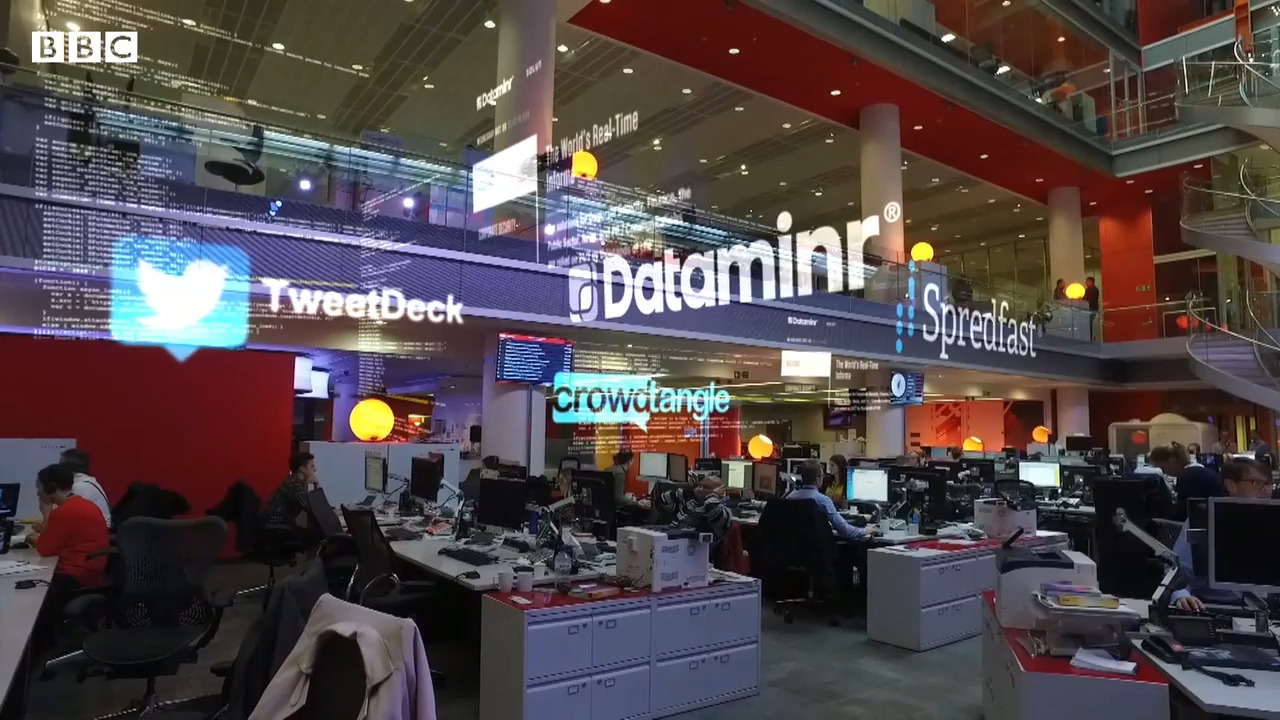
In How Do Journalists Find the News?, host Radzi Chinyanganya explores how journalists find and gather their news, ask the right questions, and let their curiosity drive them. Today, journalists still look to trusted sources, correspondents, and news agencies, but they also use online tools like social media to discover what the public is talking about. Then they send teams to the scene to talk to eyewitnesses, emergency services, and to gather statements. This video is excerpted from BBC’s My World, a program created for teenagers eager to learn more about the important stories shaping our world.
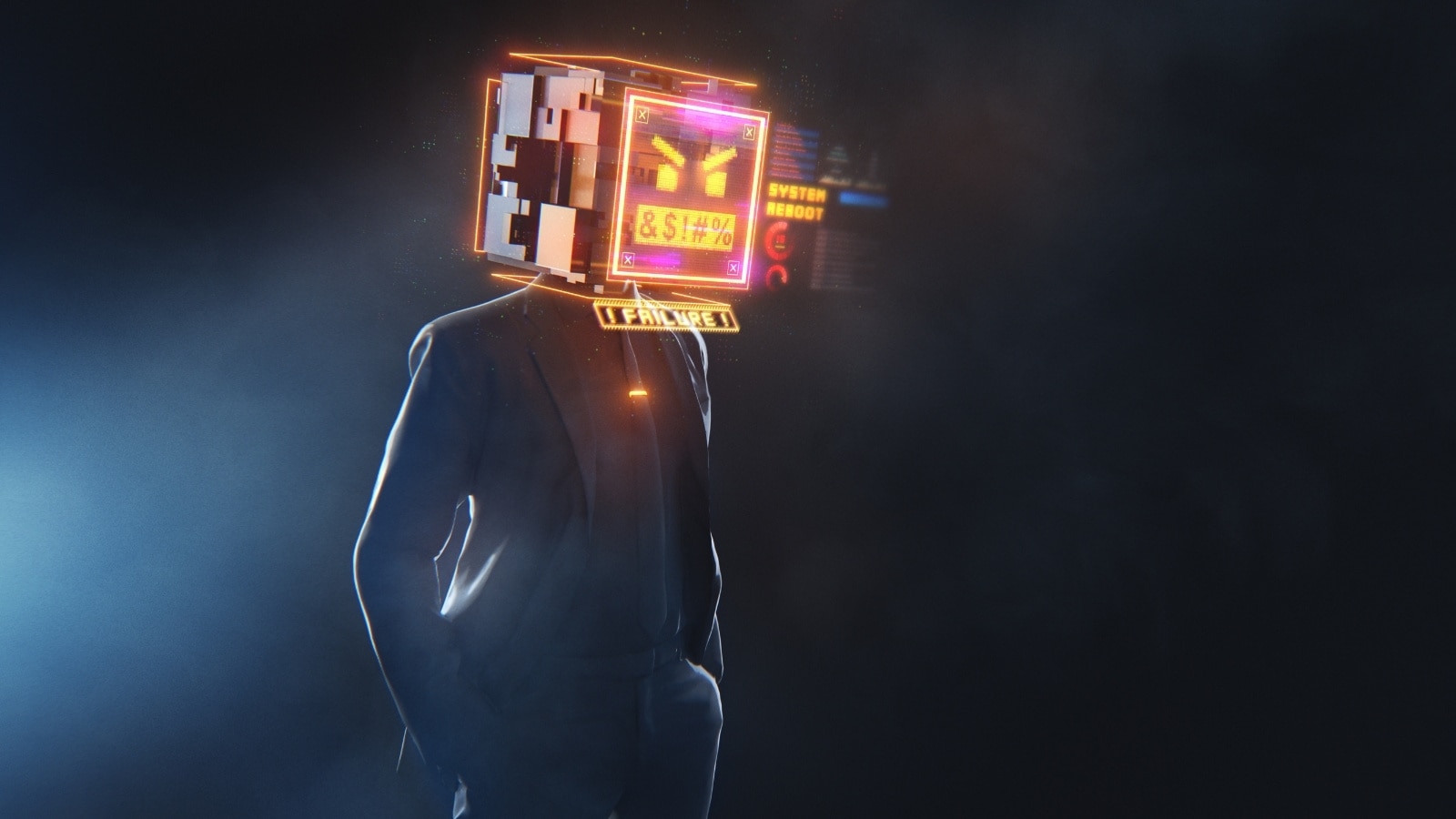
The article "The Rise of "Virtue Bullies": How Self-Righteous Shaming Conquered the Internet" from BBC's Science Focus explains how people use moral ideals to justify attacking others online.

Shhh! We're going inside Amazon's super-secret chip design lab! But not the kind where they invent new potato chips. Amazon gave the BBC a rare look inside Annapurna Labs, where engineers design custom computer chips that power artificial intelligence.
Their teams oversee the entire process, from testing newly built silicon chips to making sure they're ready to be installed in massive data centers. These chips are the brains behind AI tools that millions of people use every day — from chatbots and translation apps to online shopping recommendations and voice assistants. Each chip can perform more than 1,000 trillion calculations every second. If you solved just one calculation every second without ever stopping, it would take about 80 million years to do the same amount of work!
There are companies that specialize in making chips, but Amazon designs its own to help make AI systems faster, more energy-efficient, and less expensive to operate. As AI becomes more powerful and more common, Amazon is competing with companies like Google, Microsoft, and Nvidia to build the chips that will power the next generation of AI.
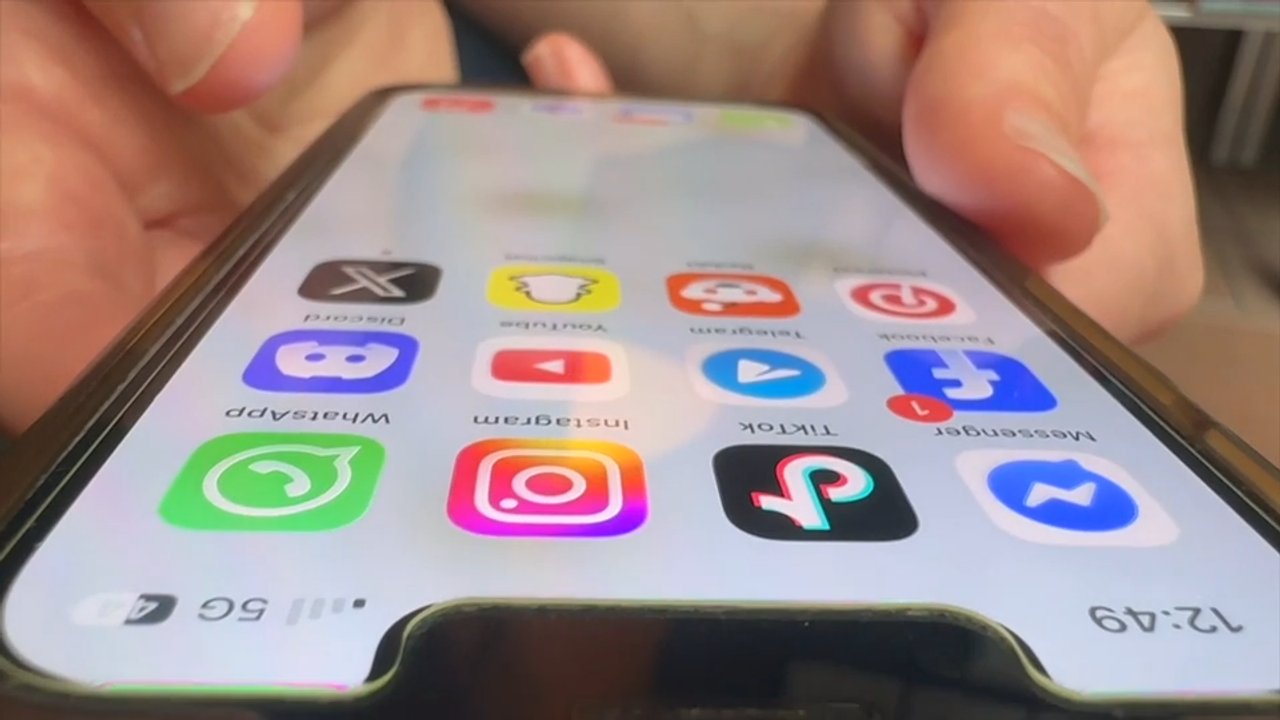
The UK might be looking at 2027 with a lot less scrolling and far fewer TikTok dances, as Prime Minister (at the time) Kier Starmer announced plans to ban people under 16 from using social media, planned for spring.
Many of the ban's strongest supporters are parents who lost children in cases linked to online harms and have been campaigning for this for years. Though they’re happy about the announcement, there’s still some skepticism about how the ban will actually work, the logistics of how it will be enforced, and what sort of pushback there will be.
Even before taking effect, the proposal has sparked debate. Some people argue the ban is too strict and that better guidance, education, and parental controls would be more effective. Others point out that many teenagers use social media to stay in touch with friends and family. Some also worry the ban could give parents a false sense of security if they rely on it instead of staying involved in their children's online lives.
Tech companies argue the ban may not keep children as safe as supporters hope, as a ban on widely-used platforms might push some young people toward less-regulated online spaces that aren’t included in the ban or entice them to find a work-around for the age verification.

End-to-end encryption prevents anyone from viewing online communications except the sender and the receiver. Or, it prevents anyone online from viewing it. Can’t do much about someone looking over your shoulder on the subway.
In 2019, Meta CEO Mark Zuckerberg promised to roll it out across his suite of apps — you know, those Facebook and Instagram things you may have heard of? But that promise was met with mixed results. On one hand, many were happy that their private conversations could be kept, well, private. On the other hand, there was pushback from police and government groups that could use messages to catch criminals.
Implementing end-to-end encryption was a years-long process for Zuckerberg, until his platforms abandoned the concept just this year. The company tweaked their terms and conditions to suggest that not enough people were opting into the encryption, but critics have questioned that explanation, pointing out that private messaging is an important part of how platforms keep users engaged and can support their advertising business.
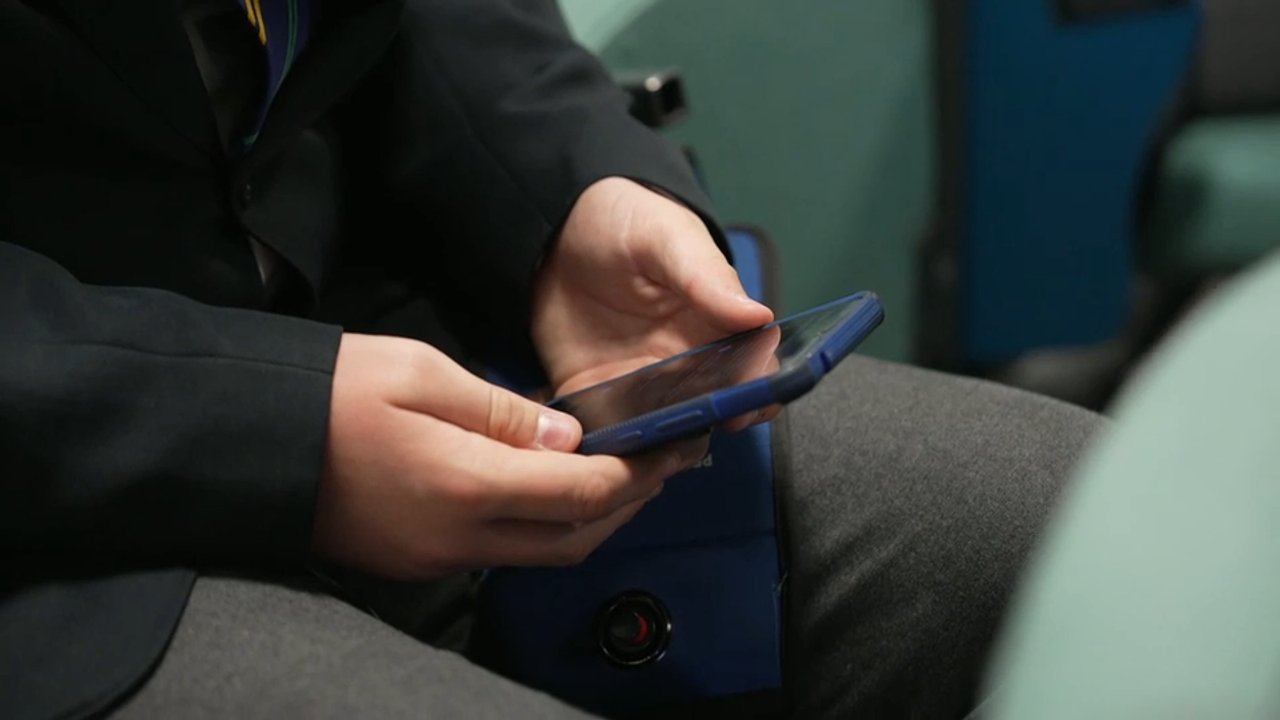
Some high school students recently swapped their smartphones for basic "brick" phones — the kind with no social media or apps, just texting, calling, and the classic game Snake.
The three-week experiment offered a preview of what life might look like once the UK's proposed ban on social media for under-16s takes effect next year. Calls to limit young people's social media use have been building for years, as critics argue some app features are designed to keep users scrolling. Some young people spend up to 20 hours a day on screens, which can affect sleep and time for schoolwork. Many students — along with their parents or carers — say they're struggling to manage screen time.
Feedback from the students was mixed. Some missed chatting with friends online and keeping up with trends. Others found they spent more time outdoors or with family and friends in person. Many said they didn't end up missing screen time as much as they expected.
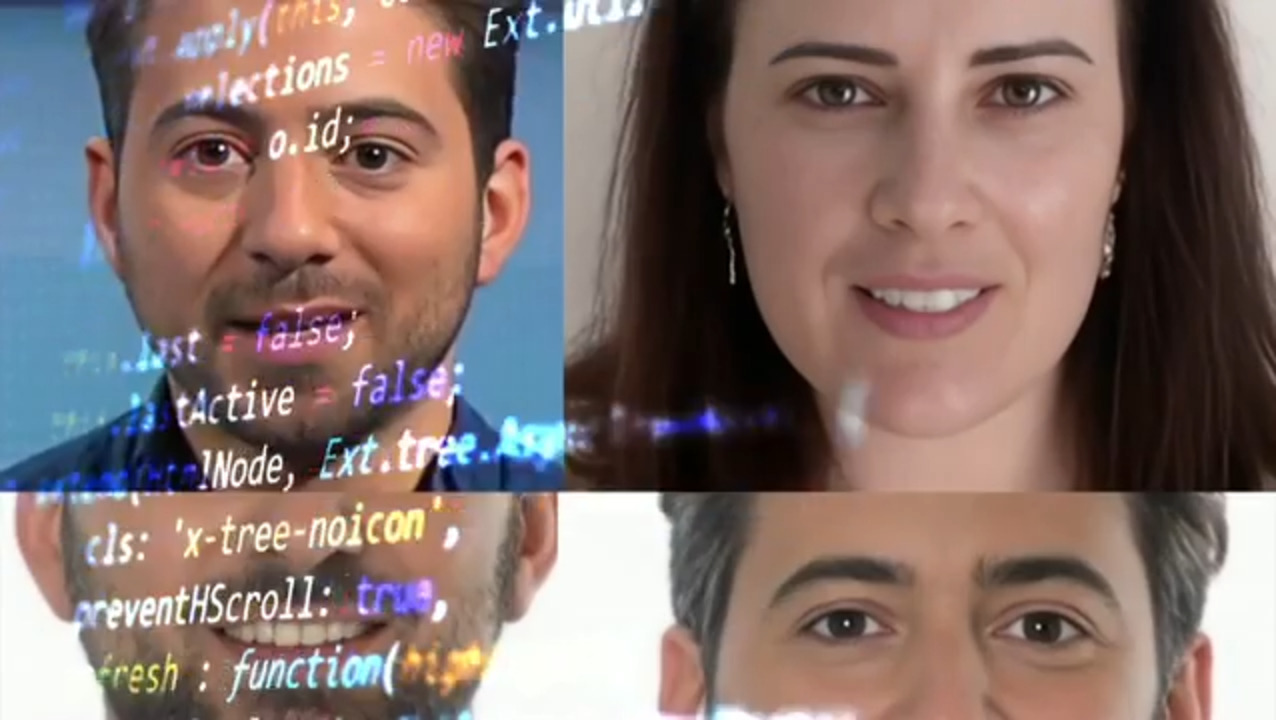
If you’re ever scrolling online and find that you can’t believe your eyes, you might just want to trust your instinct. Deepfakes are AI-generated or AI-manipulated content (such as pictures, videos, or audio clips) that is designed to look or sound real. Nowadays, making them is a lot easier than it used to be, thanks to access to free, public tools online.
To make a deepfake of someone speaking, the AI only needs a picture and about 10 seconds of audio recording. The AI identifies facial landmarks (such as the eyes, nose, and mouth), predicts how those features would move while speaking, then synchronizes those movements with the generated audio to create a pretty realistic-looking video.
The results aren’t perfect. There are often repetitive face movements and mispronunciations, but they’re still close enough to be dangerous and spread misinformation. But, deepfakes can be great if used correctly! For instance, if someone has lost their voice, deepfake technology can recreate it.

Roblox has exploded into one of the most popular gaming platforms in the world, especially for kids ages 8–12. What started as a small company has grown into a massive online universe with more than 40 million user-created games and experiences — from obstacle courses and role-playing worlds to fashion shows and virtual adventures. In fact, Roblox now has more monthly users than Nintendo Switch and Sony PlayStation combined.
But with its huge popularity comes growing controversy. Critics say that because almost anyone can create a game on the platform, some content may not always be appropriate for younger users. That has raised questions from parents and safety experts about how well kids are protected online.
Roblox co-founder and CEO Dave Baszucki says the company takes safety seriously and has “no tolerance” for inappropriate content. The platform has introduced new protections, including limits on messaging for users under 13. Still, reports show that some kids can sometimes find ways around age restrictions, which keeps the debate going.
Baszucki also says millions of users are having positive, creative experiences on Roblox every day — and reminds parents that they ultimately decide whether it’s the right platform for their children.

In How Do Journalists Find the News?, host Radzi Chinyanganya explores how journalists find and gather their news, ask the right questions, and let their curiosity drive them. Today, journalists still look to trusted sources, correspondents, and news agencies, but they also use online tools like social media to discover what the public is talking about. Then they send teams to the scene to talk to eyewitnesses, emergency services, and to gather statements. This video is excerpted from BBC’s My World, a program created for teenagers eager to learn more about the important stories shaping our world.
The article "The Rise of "Virtue Bullies": How Self-Righteous Shaming Conquered the Internet" from BBC's Science Focus explains how people use moral ideals to justify attacking others online.
Shhh! We're going inside Amazon's super-secret chip design lab! But not the kind where they invent new potato chips. Amazon gave the BBC a rare look inside Annapurna Labs, where engineers design custom computer chips that power artificial intelligence.
Their teams oversee the entire process, from testing newly built silicon chips to making sure they're ready to be installed in massive data centers. These chips are the brains behind AI tools that millions of people use every day — from chatbots and translation apps to online shopping recommendations and voice assistants. Each chip can perform more than 1,000 trillion calculations every second. If you solved just one calculation every second without ever stopping, it would take about 80 million years to do the same amount of work!
There are companies that specialize in making chips, but Amazon designs its own to help make AI systems faster, more energy-efficient, and less expensive to operate. As AI becomes more powerful and more common, Amazon is competing with companies like Google, Microsoft, and Nvidia to build the chips that will power the next generation of AI.
The UK might be looking at 2027 with a lot less scrolling and far fewer TikTok dances, as Prime Minister (at the time) Kier Starmer announced plans to ban people under 16 from using social media, planned for spring.
Many of the ban's strongest supporters are parents who lost children in cases linked to online harms and have been campaigning for this for years. Though they’re happy about the announcement, there’s still some skepticism about how the ban will actually work, the logistics of how it will be enforced, and what sort of pushback there will be.
Even before taking effect, the proposal has sparked debate. Some people argue the ban is too strict and that better guidance, education, and parental controls would be more effective. Others point out that many teenagers use social media to stay in touch with friends and family. Some also worry the ban could give parents a false sense of security if they rely on it instead of staying involved in their children's online lives.
Tech companies argue the ban may not keep children as safe as supporters hope, as a ban on widely-used platforms might push some young people toward less-regulated online spaces that aren’t included in the ban or entice them to find a work-around for the age verification.
End-to-end encryption prevents anyone from viewing online communications except the sender and the receiver. Or, it prevents anyone online from viewing it. Can’t do much about someone looking over your shoulder on the subway.
In 2019, Meta CEO Mark Zuckerberg promised to roll it out across his suite of apps — you know, those Facebook and Instagram things you may have heard of? But that promise was met with mixed results. On one hand, many were happy that their private conversations could be kept, well, private. On the other hand, there was pushback from police and government groups that could use messages to catch criminals.
Implementing end-to-end encryption was a years-long process for Zuckerberg, until his platforms abandoned the concept just this year. The company tweaked their terms and conditions to suggest that not enough people were opting into the encryption, but critics have questioned that explanation, pointing out that private messaging is an important part of how platforms keep users engaged and can support their advertising business.
Some high school students recently swapped their smartphones for basic "brick" phones — the kind with no social media or apps, just texting, calling, and the classic game Snake.
The three-week experiment offered a preview of what life might look like once the UK's proposed ban on social media for under-16s takes effect next year. Calls to limit young people's social media use have been building for years, as critics argue some app features are designed to keep users scrolling. Some young people spend up to 20 hours a day on screens, which can affect sleep and time for schoolwork. Many students — along with their parents or carers — say they're struggling to manage screen time.
Feedback from the students was mixed. Some missed chatting with friends online and keeping up with trends. Others found they spent more time outdoors or with family and friends in person. Many said they didn't end up missing screen time as much as they expected.
If you’re ever scrolling online and find that you can’t believe your eyes, you might just want to trust your instinct. Deepfakes are AI-generated or AI-manipulated content (such as pictures, videos, or audio clips) that is designed to look or sound real. Nowadays, making them is a lot easier than it used to be, thanks to access to free, public tools online.
To make a deepfake of someone speaking, the AI only needs a picture and about 10 seconds of audio recording. The AI identifies facial landmarks (such as the eyes, nose, and mouth), predicts how those features would move while speaking, then synchronizes those movements with the generated audio to create a pretty realistic-looking video.
The results aren’t perfect. There are often repetitive face movements and mispronunciations, but they’re still close enough to be dangerous and spread misinformation. But, deepfakes can be great if used correctly! For instance, if someone has lost their voice, deepfake technology can recreate it.
Roblox has exploded into one of the most popular gaming platforms in the world, especially for kids ages 8–12. What started as a small company has grown into a massive online universe with more than 40 million user-created games and experiences — from obstacle courses and role-playing worlds to fashion shows and virtual adventures. In fact, Roblox now has more monthly users than Nintendo Switch and Sony PlayStation combined.
But with its huge popularity comes growing controversy. Critics say that because almost anyone can create a game on the platform, some content may not always be appropriate for younger users. That has raised questions from parents and safety experts about how well kids are protected online.
Roblox co-founder and CEO Dave Baszucki says the company takes safety seriously and has “no tolerance” for inappropriate content. The platform has introduced new protections, including limits on messaging for users under 13. Still, reports show that some kids can sometimes find ways around age restrictions, which keeps the debate going.
Baszucki also says millions of users are having positive, creative experiences on Roblox every day — and reminds parents that they ultimately decide whether it’s the right platform for their children.