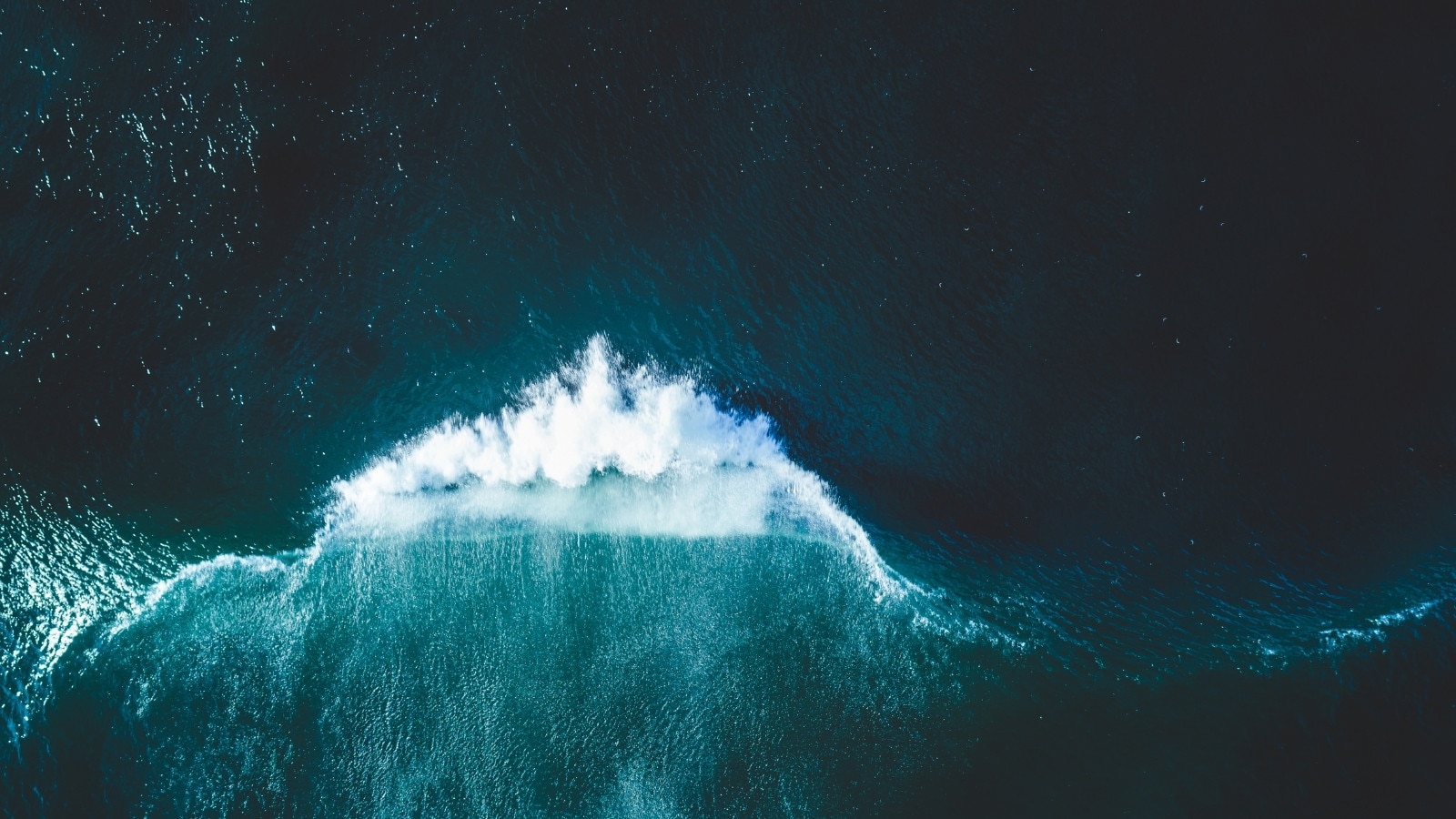
The article "Is It True That the Pacific and Atlantic Oceans Don’t Mix?" from BBC's Science Focus debunks the viral myth that these two oceans remain separate. It explains how their waters do mix due to ocean currents and salinity differences.
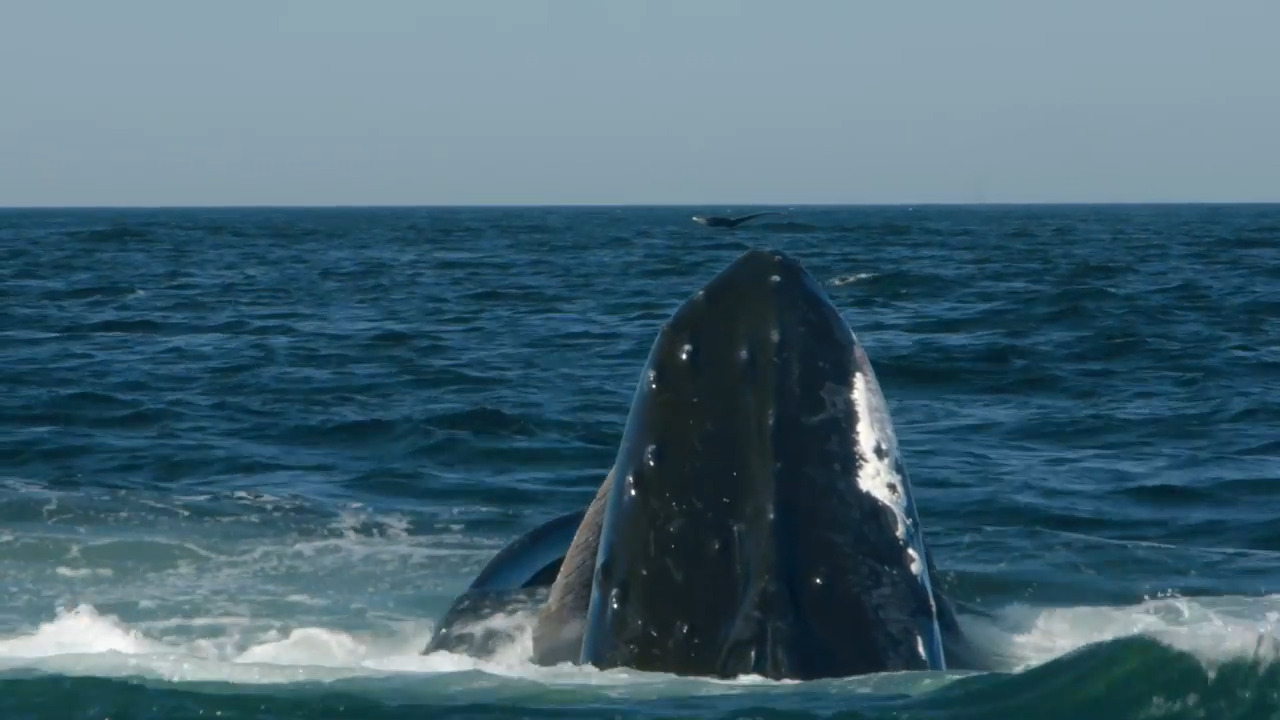
In How Blubber Keeps Whales Warm, evolutionary biologist Ben Garrod shows how the blubber of different types of whales is uniquely suited to keep them warm in cold ocean waters. Discover the specific adaptations of three whale species: the minke, humpback, and bowhead, and how their blubber thickness correlates with the cold environments they inhabit. Understand the importance of these adaptations in whale survival and how blubber functions as both an insulator and an energy store. This video is excerpted from Secrets of Skin, a documentary series exploring the natural history of the body’s largest organ.
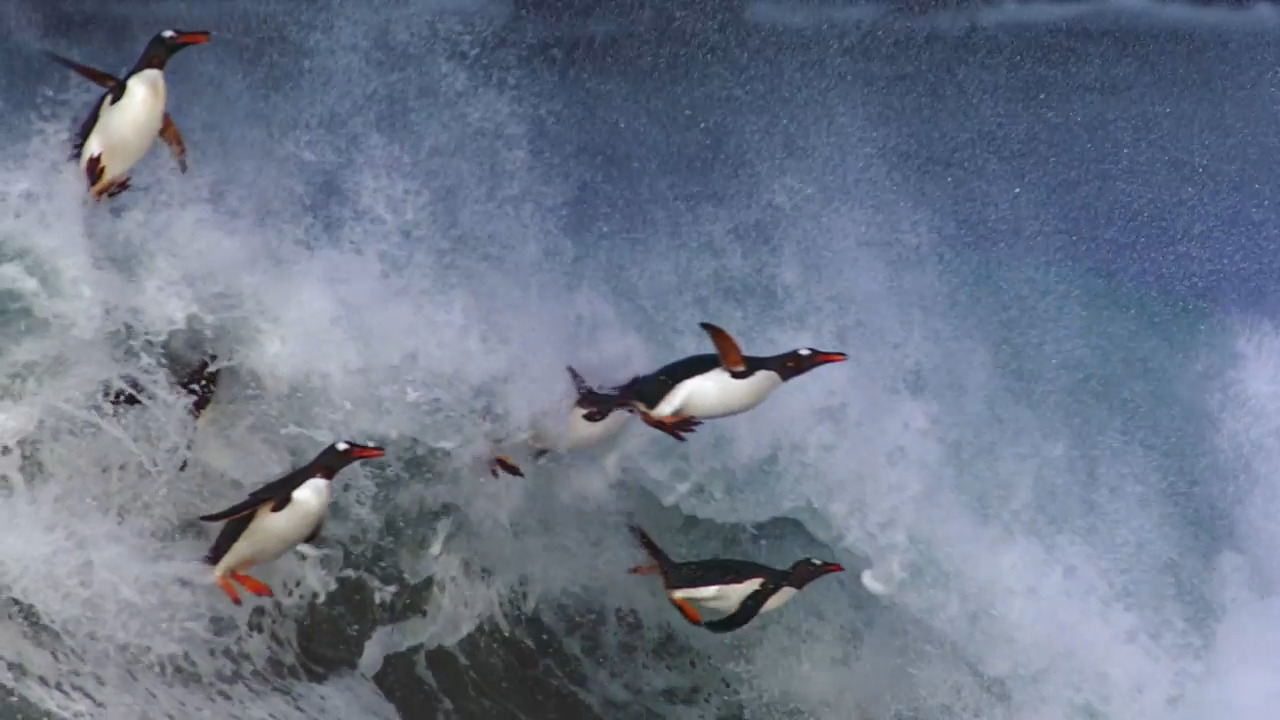
In Mile-Long Icebergs Along the Antarctic Coast, narrator Sir David Attenborough describes the frozen southern continent that is surrounded by mile-long icebergs and freezing waters. But under the water, the ocean is teeming with life. Watch gentoo penguins leap and hop onto land. This video is excerpted from BBC’s Frozen Planet, a series that shows a fragile world of beauty and hostility, where nature finds a way to survive and thrive in frigid conditions.
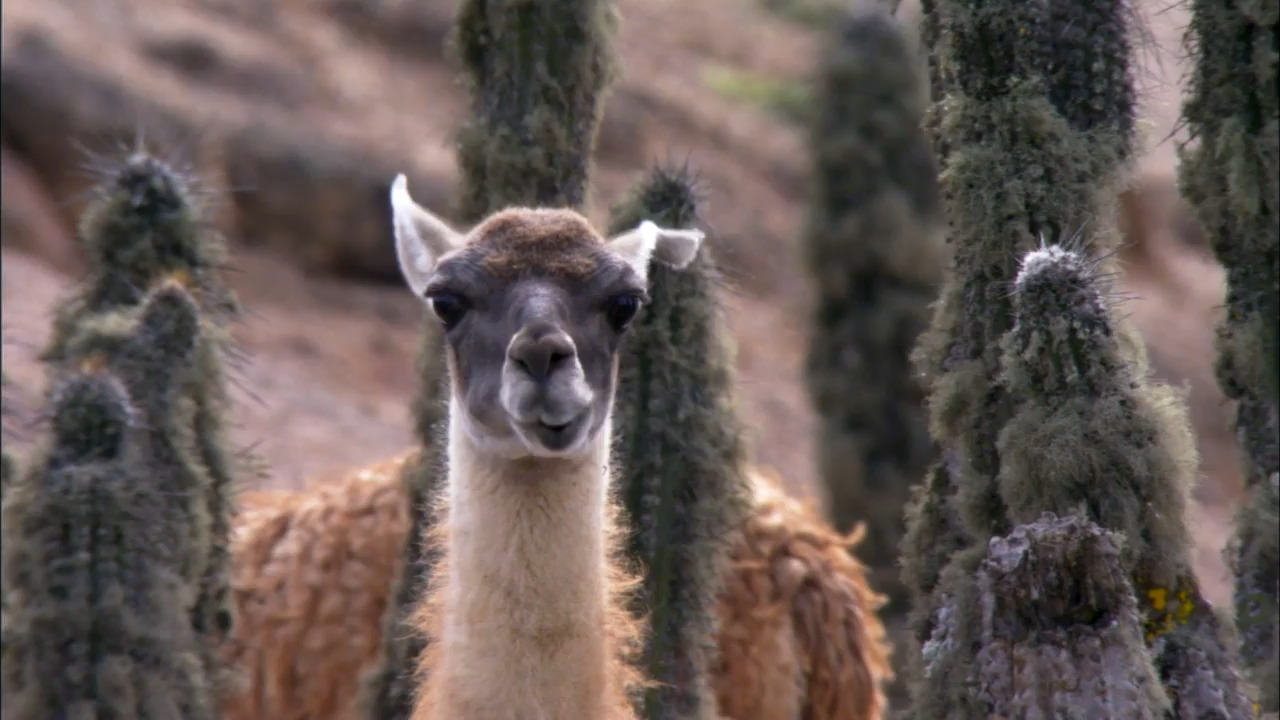
In The Atacama Desert: A Secret Water Supply, narrator Sir David Attenborough explores The Atacama, the driest desert in the world. Learn about the guanaco that live there and the desert mist, created when cold water from the ocean cools the moist, warm air above it. This video is excerpted from BBC's Planet Earth, a breathtaking documentary series that highlights the natural wonders of our planet.
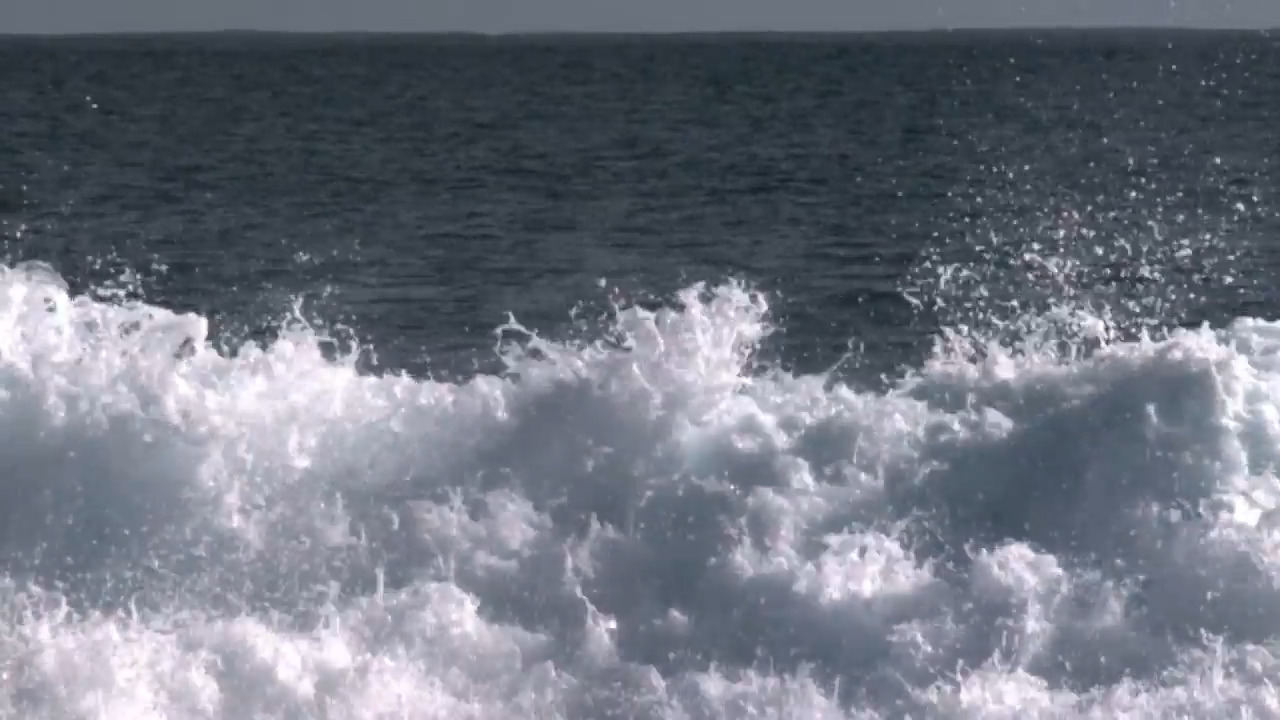
In How Energy Travels Across the Seas, geologist Iain Stewart explains why Earth is called the "blue planet," with over three-quarters of its surface covered by water. Explore how the ocean shapes coastlines and carries powerful energy across the planet, creating crashing waves that start as tiny ripples from a breeze. See the raw power of the sea in Hawaii and learn how tides form from the pull of the Moon and Sun. Next watch how this energy creates massive tidal waves, like the powerful tidal bore in the Amazon River, moving upstream and carrying more water than the flow of Niagara Falls! This video is excerpted from BBC’s Earth: The Power of the Planet, a documentary series in which Dr. Iain Stewart discovers how Earth's forces can shape nature, species, and even the climate.
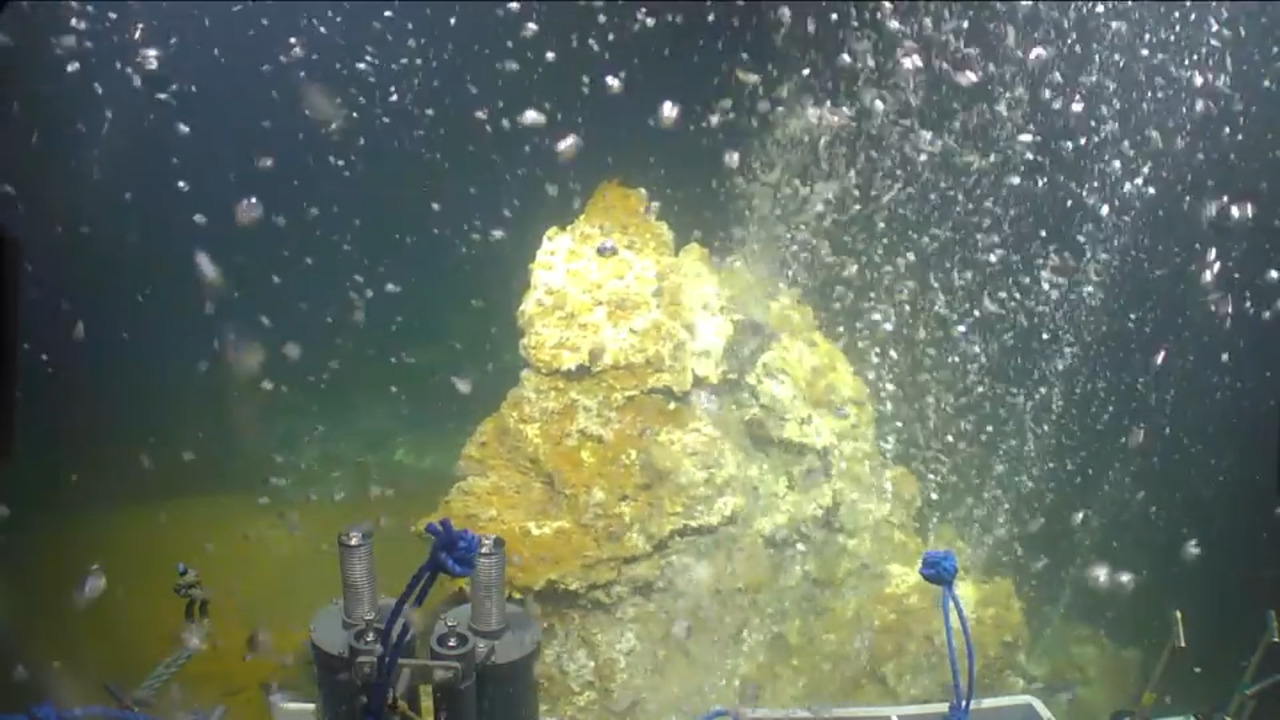
Underwater volcanoes are some of the least visible — but most important — geological features on Earth. Scientist Dr. Isobel Yeo studies these deep-sea volcanoes near the Greek island of Santorini using remotely-operated underwater robots. These robotic tools allow researchers to safely explore volcanic regions and locate hydrothermal vents, where hot gases and fluids escape from cracks in Earth’s crust.
Her team is focused on understanding how underwater eruptions behave differently from those on land. The surrounding water pressure, temperature, and ocean currents can all influence how magma and gases move during an eruption. By studying these systems, scientists can improve predictions of volcanic activity and better understand potential risks.
Although an eruption is not expected soon, this research is important for improving early warning systems and helping nearby coastal communities prepare for future volcanic events.
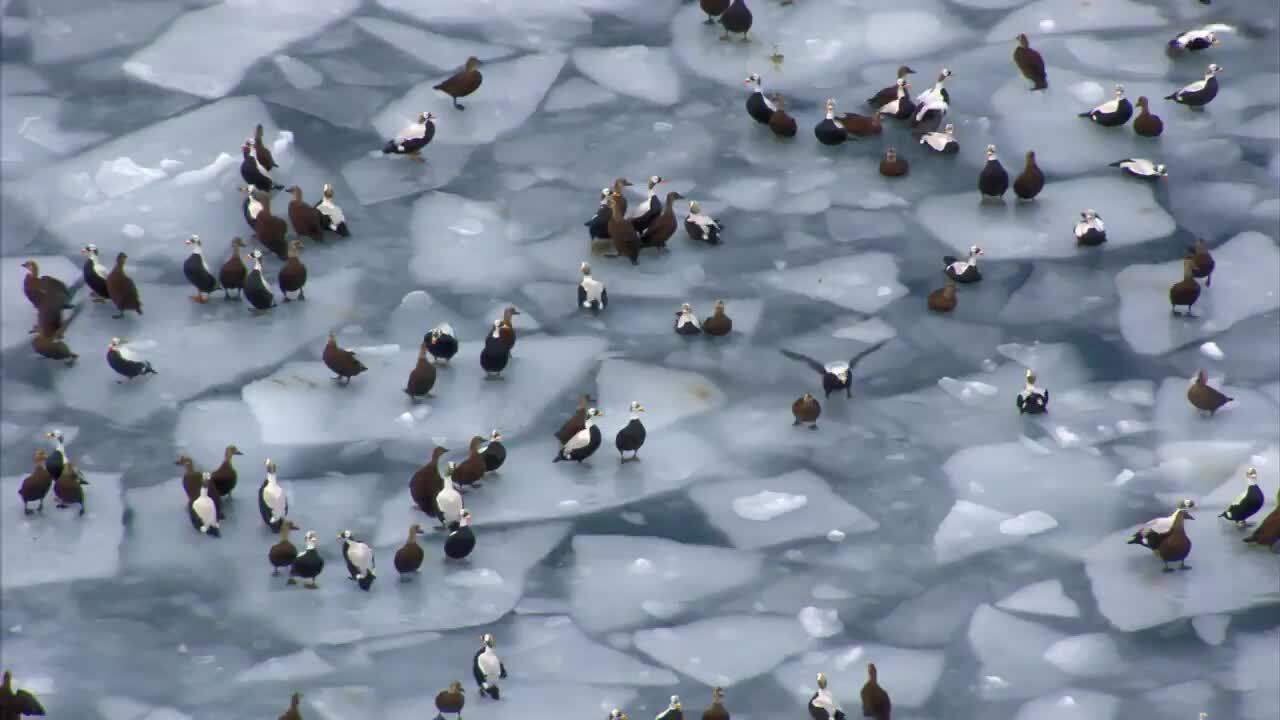
In Ducks in the Arctic, narrator Sir David Attenborough shows ducks on their annual migration through the Arctic. They stop to rest and eat where gaps in the ice allow them to access the rich waters below. But the ocean is freezing over and when a winter storm comes, the gamble of staying longer in the freezing Arctic will not pay off for some of them. This video is excerpted from BBC’s Frozen Planet, a series that shows a fragile world of beauty and hostility, where nature finds a way to survive and thrive in frigid conditions.
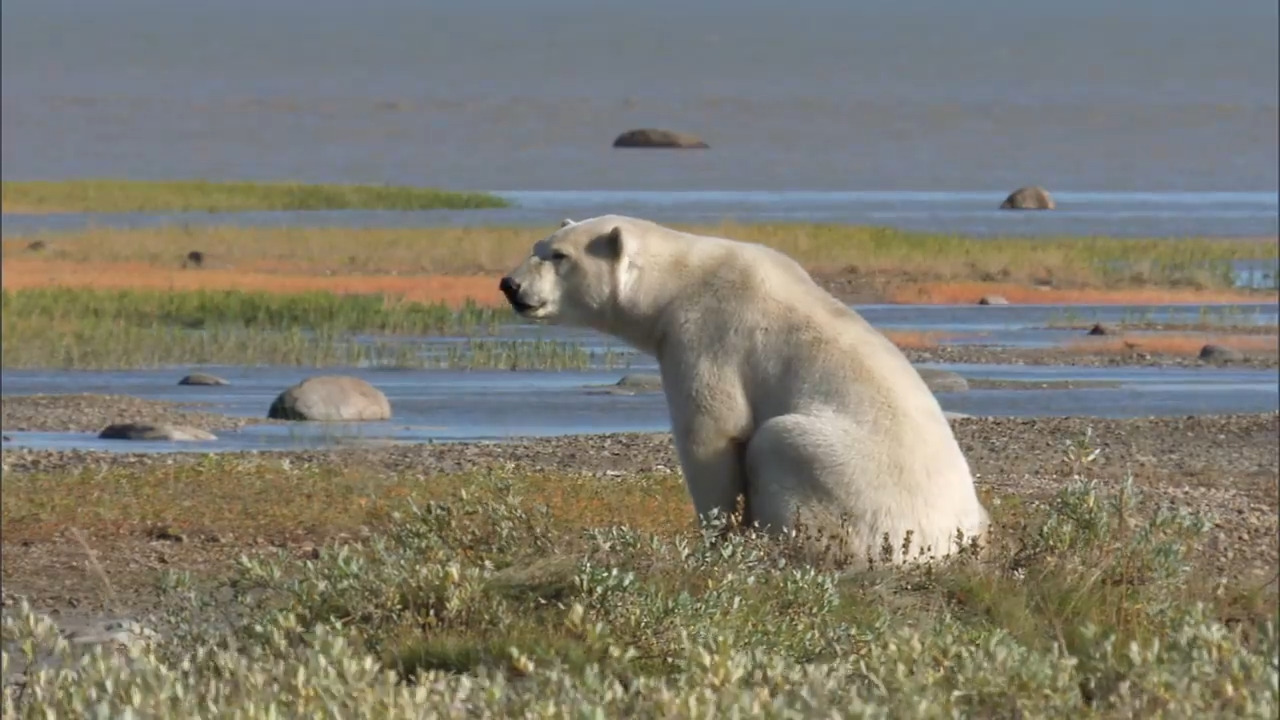
In Polar Bears in Autumn, narrator Sir David Attenborough describes how autumn is beginning and polar bears are gathering along the edge of the water to wait for the ocean to freeze. Bears bide their time by play fighting and finding anything they can to gnaw on. This video is excerpted from BBC’s Frozen Planet, a series that shows a fragile world of beauty and hostility, where nature finds a way to survive and thrive in frigid conditions.
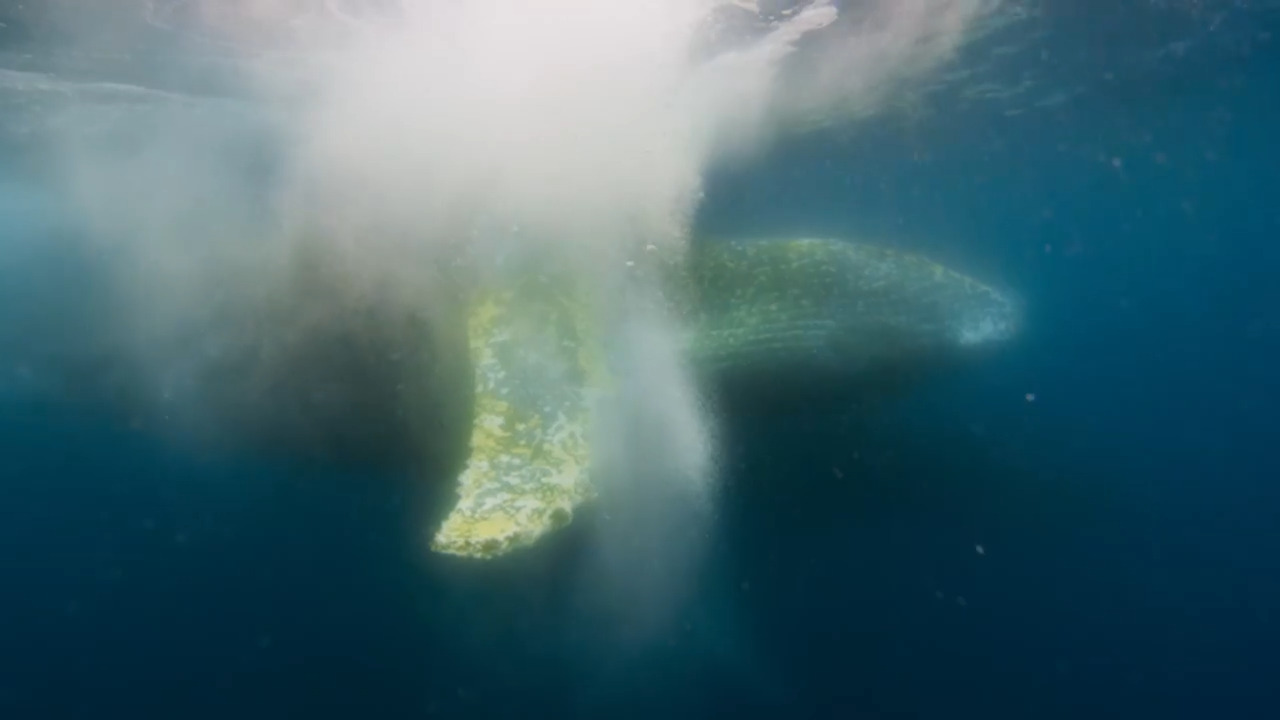
In The Sophisticated Feeding Technique of Humpback Whales, narrator Sir David Attenborough explores the Southern Ocean and the humpback whales that feed there. When Antarctica broke off from South America, it created swirling currents that sweep up nutrients from the bottom of the ocean, making it one of the richest waters on earth. In the summer, humpback whales come there to feast on shoals of krill, blowing curtains of bubbles and spiraling inwards to capture the swarm. This video is excerpted from BBC’s Seven Worlds, One Planet, a series featuring remarkable animal behavior from all seven continents.
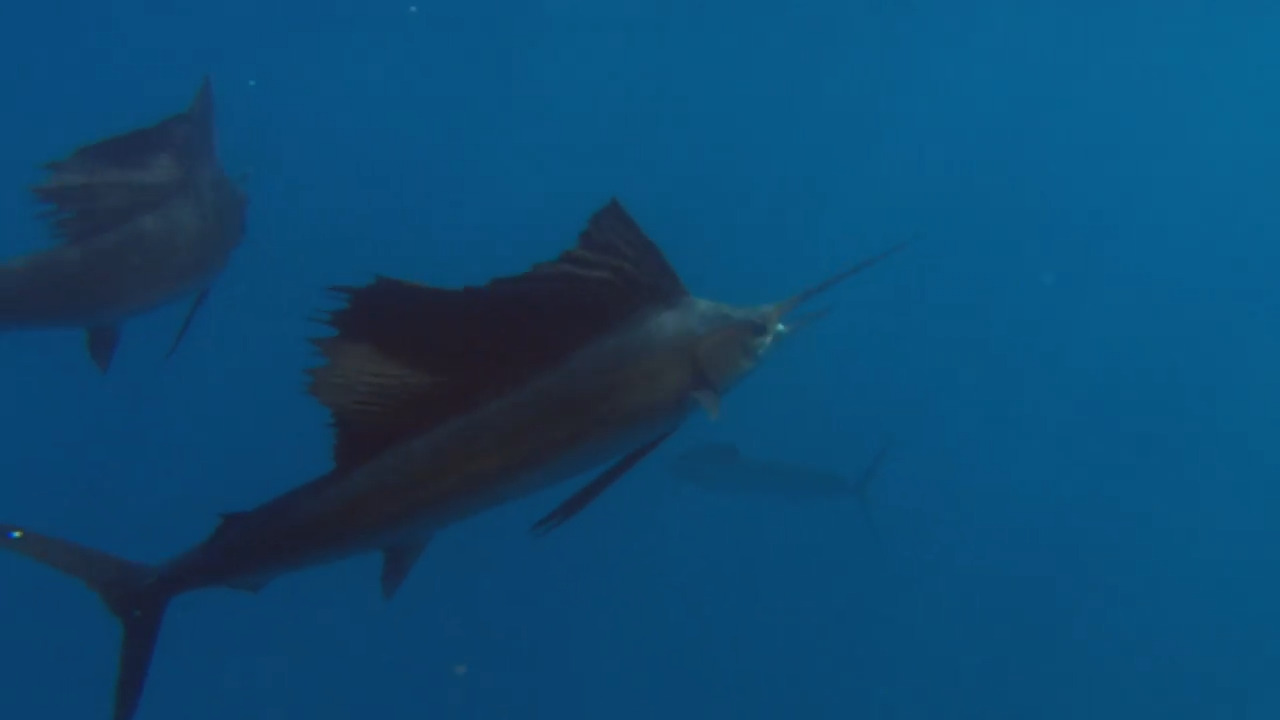
In Frigate Birds and Sailfish on the Hunt, narrator Sir David Attenborough observes the remarkable hunting techniques of frigate birds and sailfish in the open ocean. Frigate birds soar high above the water, scanning for fish below, while sailfish — some reaching lengths of 10 feet (3 meters) — surround schools of bait fish. The sailfish cooperate with one another, using their speed, agility, and color-changing abilities to confuse and catch their prey. As the bait fish move toward the surface, frigate birds dive down to snatch them. This video is excerpted from BBC’s Planet Earth, a breathtaking documentary series that highlights the natural wonders of our planet.
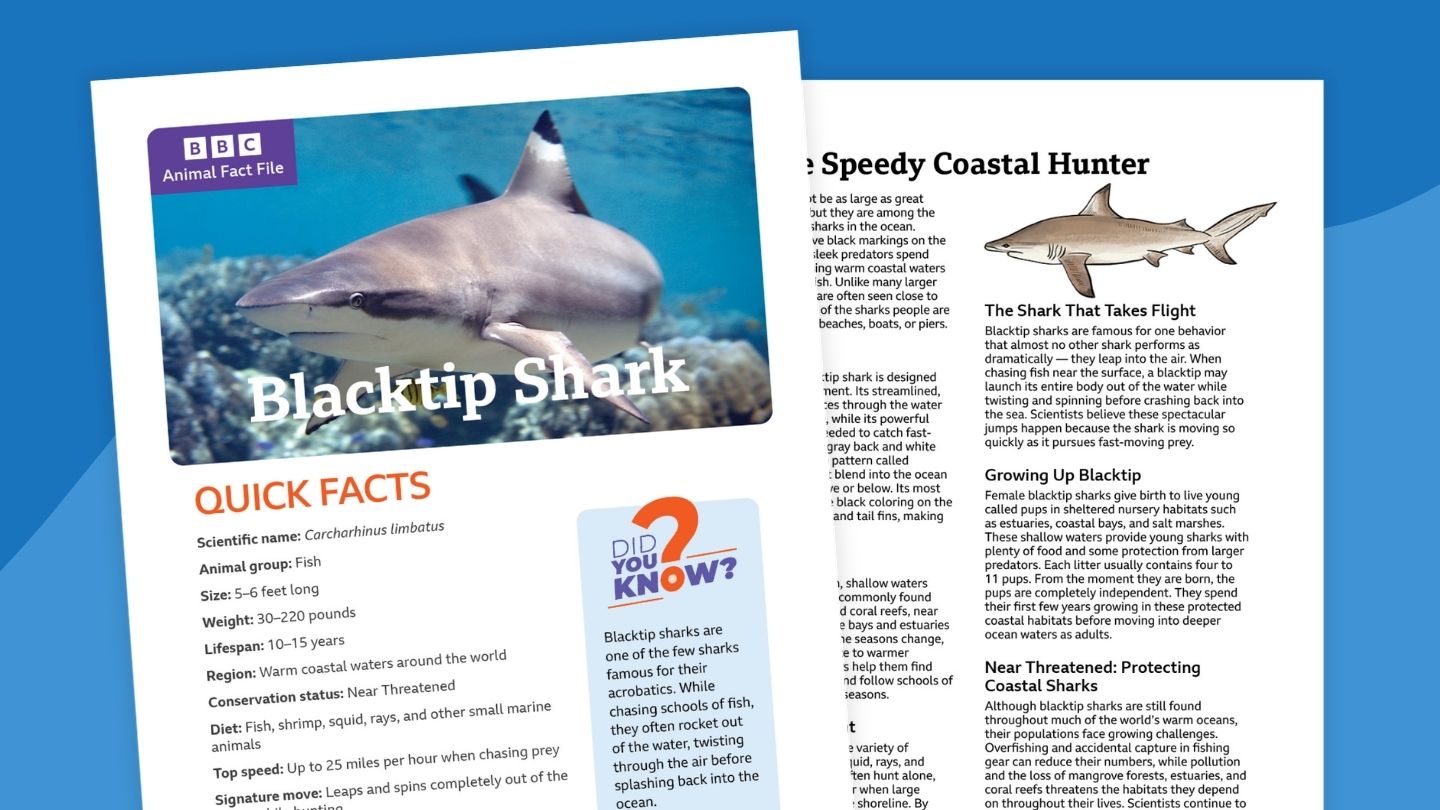
What shark can leap completely out of the water while chasing its dinner? If you guessed the blacktip shark, you're right!
Known for their speed, agility, and spectacular spinning jumps, blacktip sharks are among the ocean's most exciting predators. Explore the warm coastal waters they call home, discover how they sometimes work together to herd schools of fish, and learn why mangroves, coral reefs, and estuaries are so important to their survival. You'll also find out how people are helping keep these remarkable coastal sharks thriving.
Teachers and parents, you can use this fact file to:
- Introduce an animal, wildlife, or life science unit
- Support nonfiction reading and vocabulary practice
- Explore animal adaptations, behaviors, and habitats
- Compare animals and the ecosystems they live in
- Practice finding and organizing information from nonfiction texts
- Prepare students for animal research projects or presentations (use our animal report templates!)
- Connect science learning to conservation and environmental issues
- Pair with videos, articles, or other informational texts (see Related Resources below)
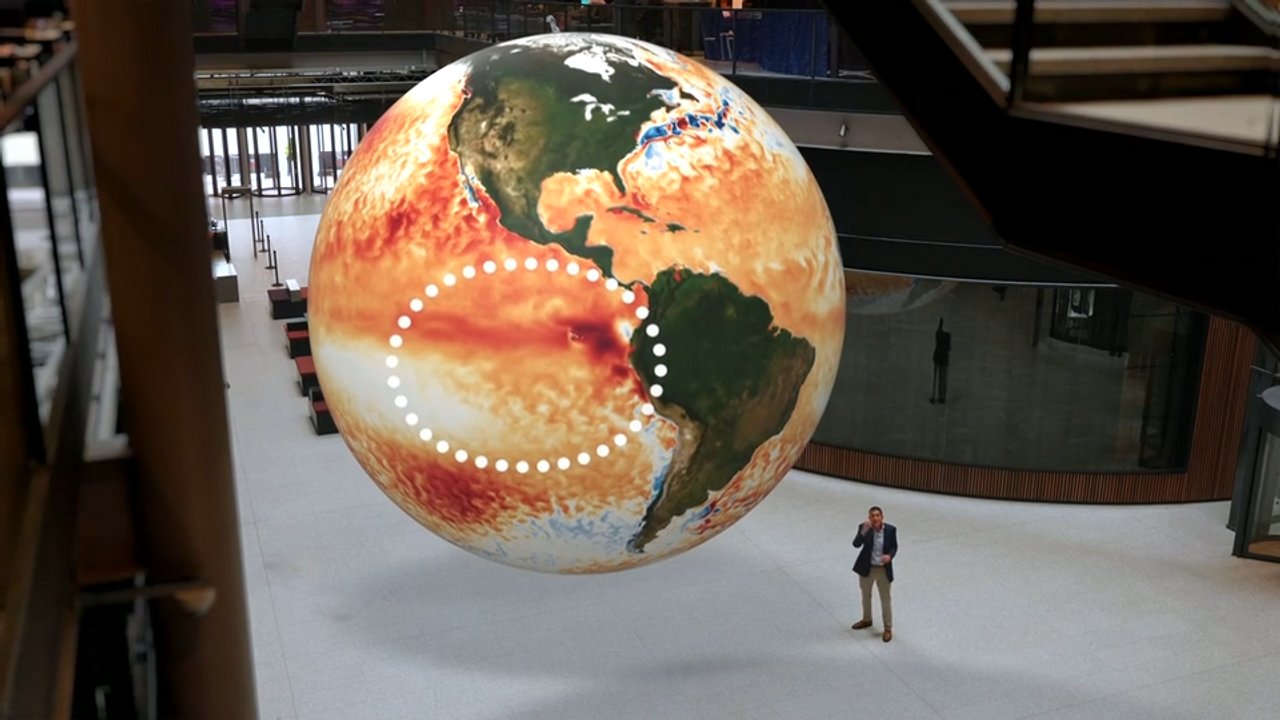
Feeling the heat lately? It might be because of El Niño, a climate pattern characterized by unusually warm sea-surface temperatures in the central and eastern tropical Pacific Ocean. It can affect the trade winds. These are the permanent, normally easterly winds that flow around the Earth's equator.
When we track the water temperature using tools like satellites, buoys, and ocean floats to measure temperatures below the ocean's surface, they show a large body of unusually hot water. Way bigger than the pot of water you’re boiling for your mac and cheese. Yes, even if you’re making extra mac and cheese. This is serious business! It can cause the sea-surface temperatures in parts of the tropical Pacific to rise by more than 2°C (about 3.6°F) above average, suggesting this year's El Niño is unusually strong, and could make 2027 one of the hottest years on record.
Depending on where you are in the world, El Niño is associated with both droughts and floods. These affect the lives of people living in those places, as well as their agriculture and food production, so the whole world feels the El Niño effects.
The article "Is It True That the Pacific and Atlantic Oceans Don’t Mix?" from BBC's Science Focus debunks the viral myth that these two oceans remain separate. It explains how their waters do mix due to ocean currents and salinity differences.
In How Blubber Keeps Whales Warm, evolutionary biologist Ben Garrod shows how the blubber of different types of whales is uniquely suited to keep them warm in cold ocean waters. Discover the specific adaptations of three whale species: the minke, humpback, and bowhead, and how their blubber thickness correlates with the cold environments they inhabit. Understand the importance of these adaptations in whale survival and how blubber functions as both an insulator and an energy store. This video is excerpted from Secrets of Skin, a documentary series exploring the natural history of the body’s largest organ.
In Mile-Long Icebergs Along the Antarctic Coast, narrator Sir David Attenborough describes the frozen southern continent that is surrounded by mile-long icebergs and freezing waters. But under the water, the ocean is teeming with life. Watch gentoo penguins leap and hop onto land. This video is excerpted from BBC’s Frozen Planet, a series that shows a fragile world of beauty and hostility, where nature finds a way to survive and thrive in frigid conditions.
In The Atacama Desert: A Secret Water Supply, narrator Sir David Attenborough explores The Atacama, the driest desert in the world. Learn about the guanaco that live there and the desert mist, created when cold water from the ocean cools the moist, warm air above it. This video is excerpted from BBC's Planet Earth, a breathtaking documentary series that highlights the natural wonders of our planet.
In How Energy Travels Across the Seas, geologist Iain Stewart explains why Earth is called the "blue planet," with over three-quarters of its surface covered by water. Explore how the ocean shapes coastlines and carries powerful energy across the planet, creating crashing waves that start as tiny ripples from a breeze. See the raw power of the sea in Hawaii and learn how tides form from the pull of the Moon and Sun. Next watch how this energy creates massive tidal waves, like the powerful tidal bore in the Amazon River, moving upstream and carrying more water than the flow of Niagara Falls! This video is excerpted from BBC’s Earth: The Power of the Planet, a documentary series in which Dr. Iain Stewart discovers how Earth's forces can shape nature, species, and even the climate.
Underwater volcanoes are some of the least visible — but most important — geological features on Earth. Scientist Dr. Isobel Yeo studies these deep-sea volcanoes near the Greek island of Santorini using remotely-operated underwater robots. These robotic tools allow researchers to safely explore volcanic regions and locate hydrothermal vents, where hot gases and fluids escape from cracks in Earth’s crust.
Her team is focused on understanding how underwater eruptions behave differently from those on land. The surrounding water pressure, temperature, and ocean currents can all influence how magma and gases move during an eruption. By studying these systems, scientists can improve predictions of volcanic activity and better understand potential risks.
Although an eruption is not expected soon, this research is important for improving early warning systems and helping nearby coastal communities prepare for future volcanic events.
In Ducks in the Arctic, narrator Sir David Attenborough shows ducks on their annual migration through the Arctic. They stop to rest and eat where gaps in the ice allow them to access the rich waters below. But the ocean is freezing over and when a winter storm comes, the gamble of staying longer in the freezing Arctic will not pay off for some of them. This video is excerpted from BBC’s Frozen Planet, a series that shows a fragile world of beauty and hostility, where nature finds a way to survive and thrive in frigid conditions.
In Polar Bears in Autumn, narrator Sir David Attenborough describes how autumn is beginning and polar bears are gathering along the edge of the water to wait for the ocean to freeze. Bears bide their time by play fighting and finding anything they can to gnaw on. This video is excerpted from BBC’s Frozen Planet, a series that shows a fragile world of beauty and hostility, where nature finds a way to survive and thrive in frigid conditions.
In The Sophisticated Feeding Technique of Humpback Whales, narrator Sir David Attenborough explores the Southern Ocean and the humpback whales that feed there. When Antarctica broke off from South America, it created swirling currents that sweep up nutrients from the bottom of the ocean, making it one of the richest waters on earth. In the summer, humpback whales come there to feast on shoals of krill, blowing curtains of bubbles and spiraling inwards to capture the swarm. This video is excerpted from BBC’s Seven Worlds, One Planet, a series featuring remarkable animal behavior from all seven continents.
In Frigate Birds and Sailfish on the Hunt, narrator Sir David Attenborough observes the remarkable hunting techniques of frigate birds and sailfish in the open ocean. Frigate birds soar high above the water, scanning for fish below, while sailfish — some reaching lengths of 10 feet (3 meters) — surround schools of bait fish. The sailfish cooperate with one another, using their speed, agility, and color-changing abilities to confuse and catch their prey. As the bait fish move toward the surface, frigate birds dive down to snatch them. This video is excerpted from BBC’s Planet Earth, a breathtaking documentary series that highlights the natural wonders of our planet.
What shark can leap completely out of the water while chasing its dinner? If you guessed the blacktip shark, you're right!
Known for their speed, agility, and spectacular spinning jumps, blacktip sharks are among the ocean's most exciting predators. Explore the warm coastal waters they call home, discover how they sometimes work together to herd schools of fish, and learn why mangroves, coral reefs, and estuaries are so important to their survival. You'll also find out how people are helping keep these remarkable coastal sharks thriving.
Teachers and parents, you can use this fact file to:
- Introduce an animal, wildlife, or life science unit
- Support nonfiction reading and vocabulary practice
- Explore animal adaptations, behaviors, and habitats
- Compare animals and the ecosystems they live in
- Practice finding and organizing information from nonfiction texts
- Prepare students for animal research projects or presentations (use our animal report templates!)
- Connect science learning to conservation and environmental issues
- Pair with videos, articles, or other informational texts (see Related Resources below)
Feeling the heat lately? It might be because of El Niño, a climate pattern characterized by unusually warm sea-surface temperatures in the central and eastern tropical Pacific Ocean. It can affect the trade winds. These are the permanent, normally easterly winds that flow around the Earth's equator.
When we track the water temperature using tools like satellites, buoys, and ocean floats to measure temperatures below the ocean's surface, they show a large body of unusually hot water. Way bigger than the pot of water you’re boiling for your mac and cheese. Yes, even if you’re making extra mac and cheese. This is serious business! It can cause the sea-surface temperatures in parts of the tropical Pacific to rise by more than 2°C (about 3.6°F) above average, suggesting this year's El Niño is unusually strong, and could make 2027 one of the hottest years on record.
Depending on where you are in the world, El Niño is associated with both droughts and floods. These affect the lives of people living in those places, as well as their agriculture and food production, so the whole world feels the El Niño effects.