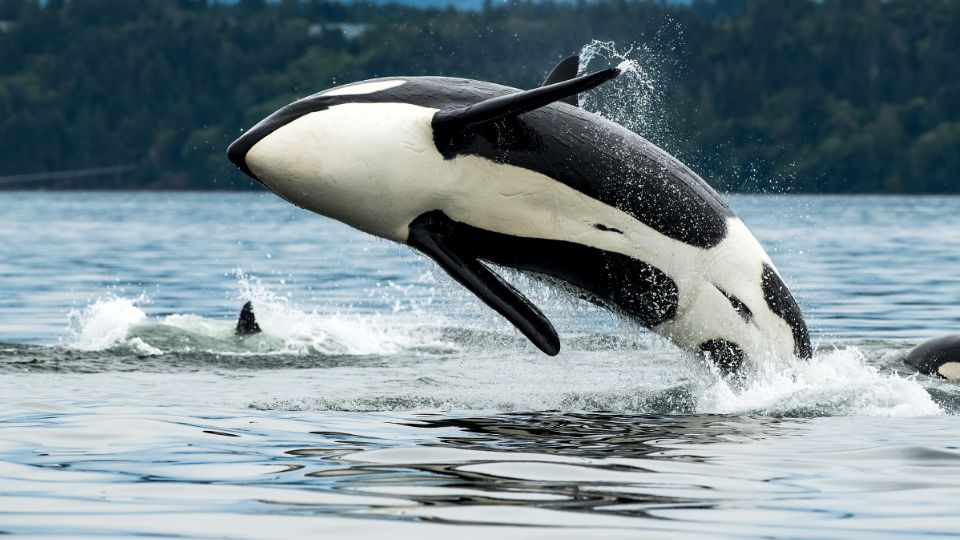
Meet the ocean's fiercest hunters. Orcas, tiger sharks, lionfish, piranhas — these predators have evolved sharp hunting tactics and sensory tricks that let them outmatch their prey in the wild. We've put together a collection of BBC video clips all about ocean predators (see Related Resources below). Watch them, then take the Kahoot to see what stuck.
The tactics are specific and surprising: orcas and tiger sharks use specialized hunting methods, lionfish disorient prey before striking, and piranhas' reputation turns out to be more myth than fact. Explore how these predators have come to dominate their corner of the ocean, and pick up some solid grounding in marine ecosystems along the way.
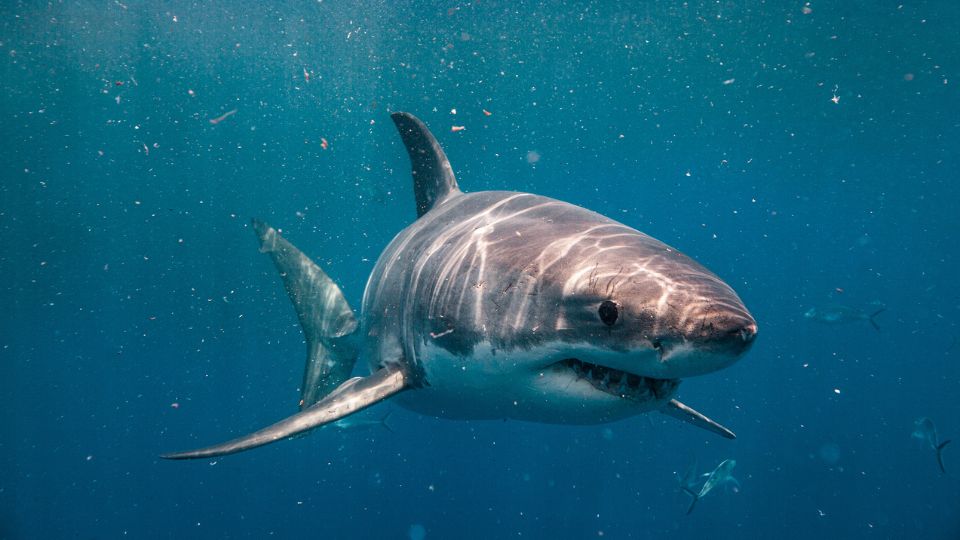
Sharks rule the oceans in every shape and size — from the stealthy great white slicing through the surf to the tiny glow-in-the-dark dwarf lantern shark hiding in the dark. But how much do you really know about these incredible ocean predators?
Packed with jaw-dropping facts, surprising adaptations, and a few deep-sea curveballs, this quiz dives into the remarkable world of sharks. Only the most fearless ocean fans and shark-savvy explorers will ride the wave to victory.
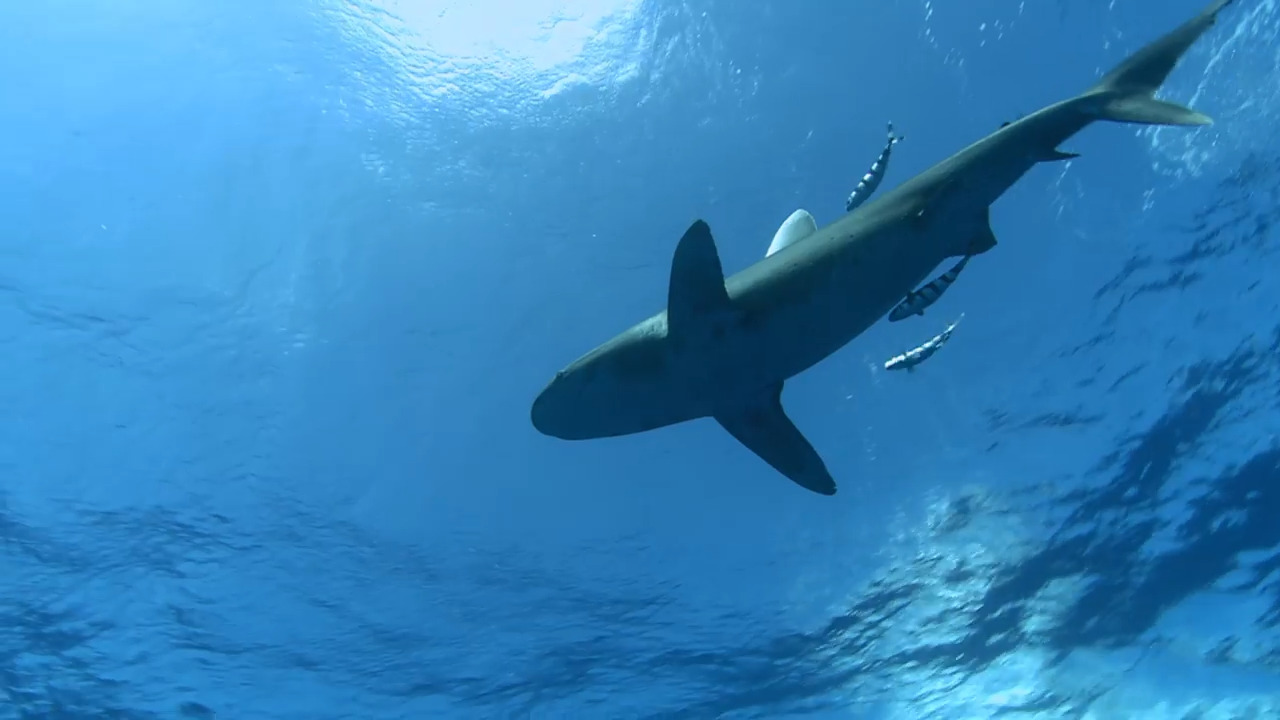
In The Ocean's Patient Predators, narrator Sir David Attenborough highlights the behavior of ocean predators like manta rays and whitetip sharks, and their prey. These predators navigate the vast ocean, using senses like taste to locate food. Smaller fish, like pilot fish, benefit from the shark's hunting efforts. Even predators face challenges when hunting swift and agile prey, such as rainbow runners. This video is excerpted from BBC’s Planet Earth, a breathtaking documentary series that highlights the natural wonders of our planet.
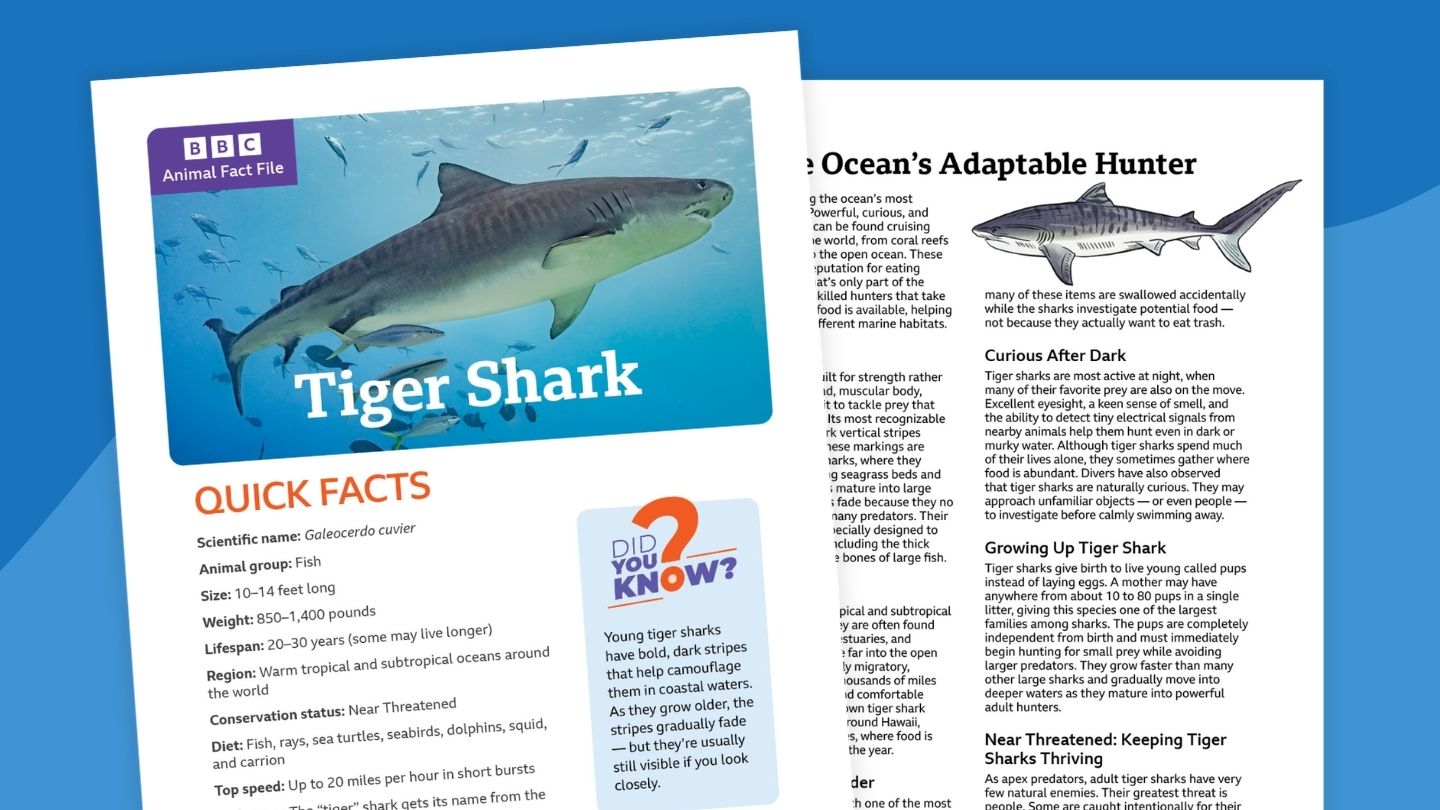
What shark gets its name from the dark stripes along its body and has one of the most varied diets in the ocean? Meet one of the sea's most adaptable predators.
Powerful, curious, and built to thrive in a wide range of habitats, tiger sharks are among the ocean's most successful hunters. Discover how they use their keen senses and powerful jaws to find food, why they migrate across thousands of miles of ocean, and what role they play in keeping marine ecosystems in balance. You'll also learn about the challenges tiger sharks face and the efforts underway to protect them.
Teachers and parents, you can use this fact file to:
- Introduce an animal, wildlife, or life science unit
- Support nonfiction reading and vocabulary practice
- Explore animal adaptations, behaviors, and habitats
- Compare animals and the ecosystems they live in
- Practice finding and organizing information from nonfiction texts
- Prepare students for animal research projects or presentations (use our animal report templates!)
- Connect science learning to conservation and environmental issues
- Pair with videos, articles, or other informational texts (see Related Resources below)
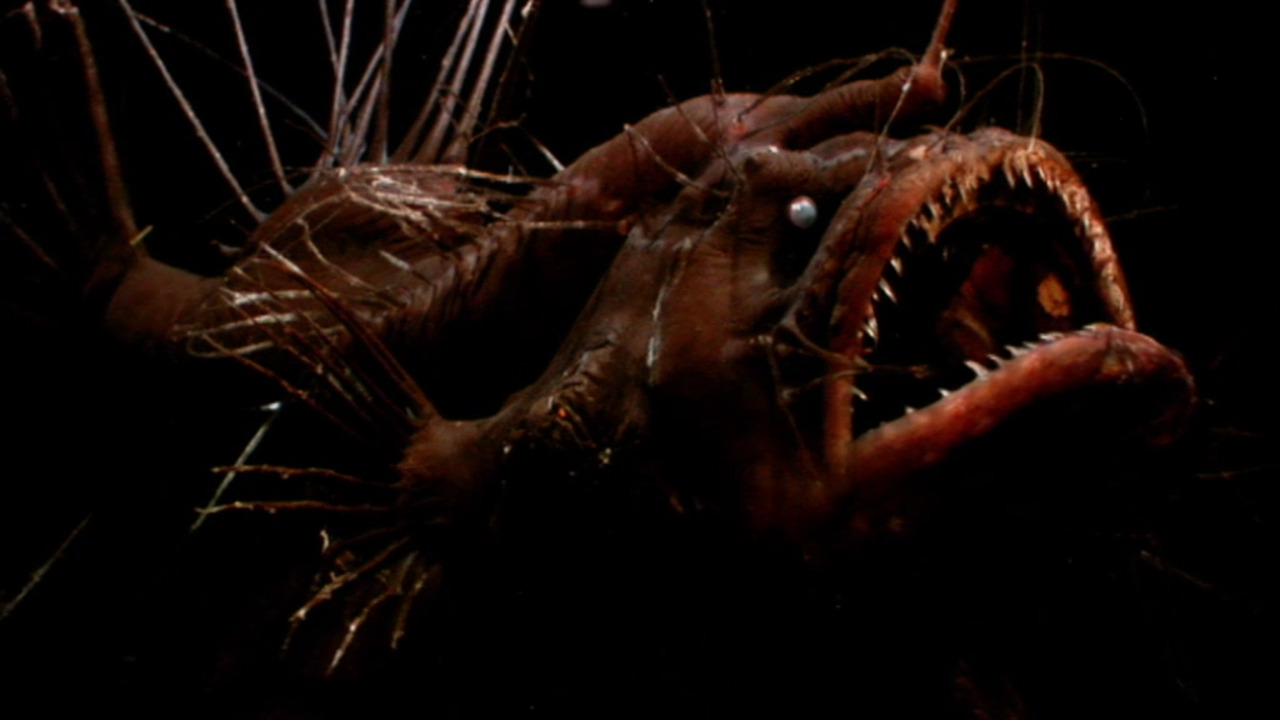
In Strange Predators of the Deep Sea, narrator Sir David Attenborough details animals that live in the deep sea. Watch anglerfish and gulper eels catch prey. This video is excerpted from BBC’s Blue Planet, a definitive documentary series diving into the mysterious depths of the sea to discover the natural history of the world’s oceans and the rarely seen marine life that reside there.
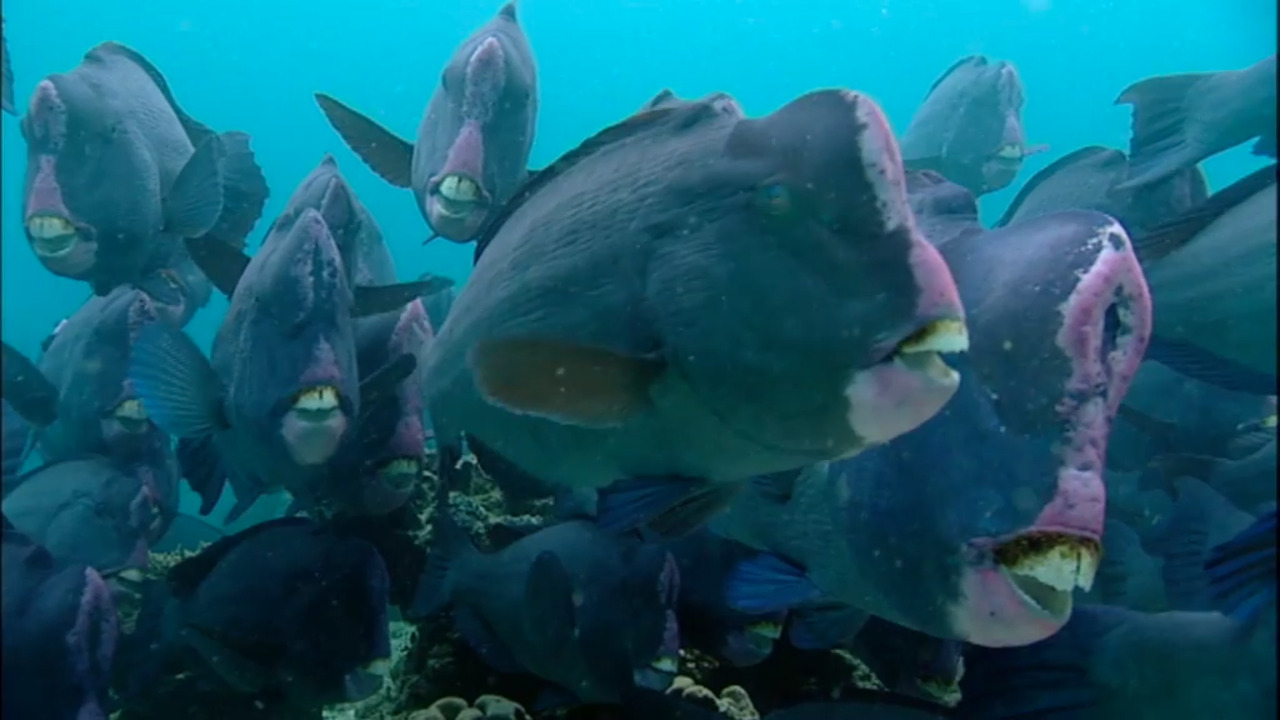
In Predators and Defenders of the Coral Reef, narrator Sir David Attenborough examines what happens when predators descend on the coral reef. Learn how a crab protects the reef. Learn how parrotfish’s actions add up to creating beaches and islands. This video is excerpted from BBC’s Blue Planet, a definitive documentary series diving into the mysterious depths of the sea to discover the natural history of the world’s oceans and the rarely seen marine life that reside there.
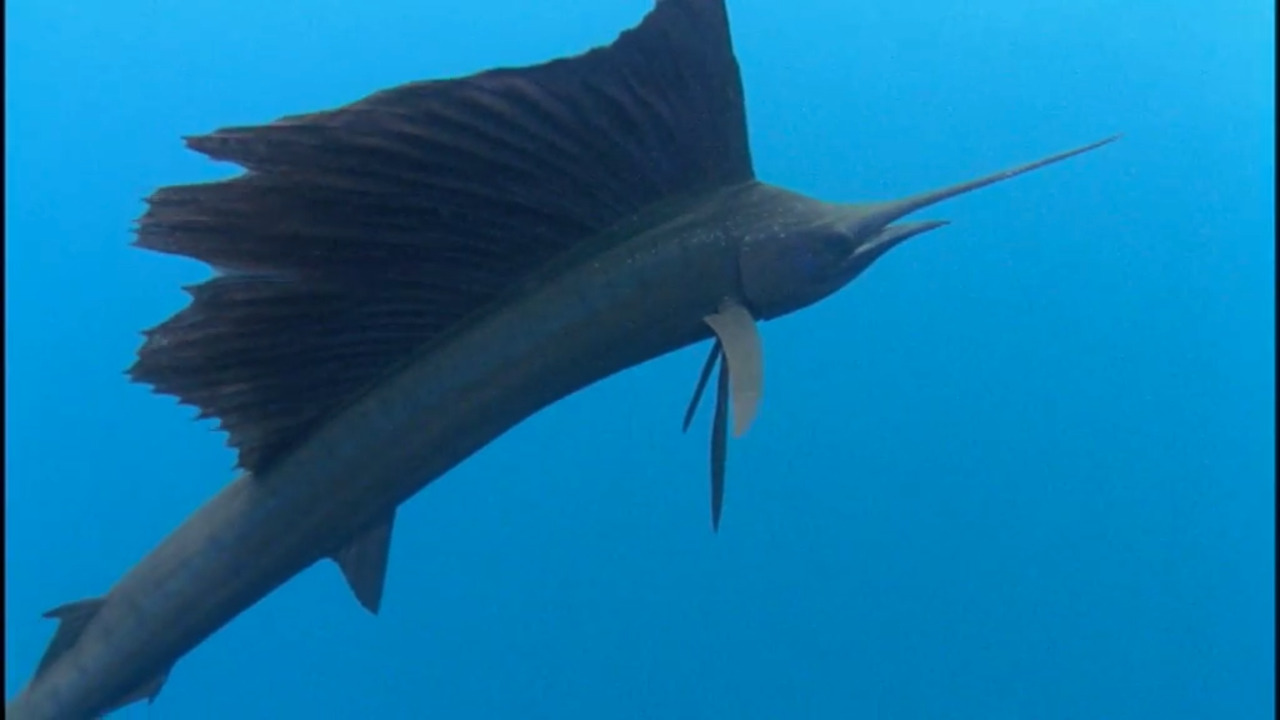
In Mackerel Predators Follow Their Vibrations, narrator Sir David Attenborough explains how spotted dolphins travel, play, and find prey, and how sailfish have adapted a strategy to catch schooling mackerel. This video is excerpted from BBC’s Blue Planet, a definitive documentary series diving into the mysterious depths of the sea to discover the natural history of the world’s oceans and the rarely seen marine life that reside there.
Meet the ocean's fiercest hunters. Orcas, tiger sharks, lionfish, piranhas — these predators have evolved sharp hunting tactics and sensory tricks that let them outmatch their prey in the wild. We've put together a collection of BBC video clips all about ocean predators (see Related Resources below). Watch them, then take the Kahoot to see what stuck.
The tactics are specific and surprising: orcas and tiger sharks use specialized hunting methods, lionfish disorient prey before striking, and piranhas' reputation turns out to be more myth than fact. Explore how these predators have come to dominate their corner of the ocean, and pick up some solid grounding in marine ecosystems along the way.
Sharks rule the oceans in every shape and size — from the stealthy great white slicing through the surf to the tiny glow-in-the-dark dwarf lantern shark hiding in the dark. But how much do you really know about these incredible ocean predators?
Packed with jaw-dropping facts, surprising adaptations, and a few deep-sea curveballs, this quiz dives into the remarkable world of sharks. Only the most fearless ocean fans and shark-savvy explorers will ride the wave to victory.
In The Ocean's Patient Predators, narrator Sir David Attenborough highlights the behavior of ocean predators like manta rays and whitetip sharks, and their prey. These predators navigate the vast ocean, using senses like taste to locate food. Smaller fish, like pilot fish, benefit from the shark's hunting efforts. Even predators face challenges when hunting swift and agile prey, such as rainbow runners. This video is excerpted from BBC’s Planet Earth, a breathtaking documentary series that highlights the natural wonders of our planet.
What shark gets its name from the dark stripes along its body and has one of the most varied diets in the ocean? Meet one of the sea's most adaptable predators.
Powerful, curious, and built to thrive in a wide range of habitats, tiger sharks are among the ocean's most successful hunters. Discover how they use their keen senses and powerful jaws to find food, why they migrate across thousands of miles of ocean, and what role they play in keeping marine ecosystems in balance. You'll also learn about the challenges tiger sharks face and the efforts underway to protect them.
Teachers and parents, you can use this fact file to:
- Introduce an animal, wildlife, or life science unit
- Support nonfiction reading and vocabulary practice
- Explore animal adaptations, behaviors, and habitats
- Compare animals and the ecosystems they live in
- Practice finding and organizing information from nonfiction texts
- Prepare students for animal research projects or presentations (use our animal report templates!)
- Connect science learning to conservation and environmental issues
- Pair with videos, articles, or other informational texts (see Related Resources below)
In Strange Predators of the Deep Sea, narrator Sir David Attenborough details animals that live in the deep sea. Watch anglerfish and gulper eels catch prey. This video is excerpted from BBC’s Blue Planet, a definitive documentary series diving into the mysterious depths of the sea to discover the natural history of the world’s oceans and the rarely seen marine life that reside there.
In Predators and Defenders of the Coral Reef, narrator Sir David Attenborough examines what happens when predators descend on the coral reef. Learn how a crab protects the reef. Learn how parrotfish’s actions add up to creating beaches and islands. This video is excerpted from BBC’s Blue Planet, a definitive documentary series diving into the mysterious depths of the sea to discover the natural history of the world’s oceans and the rarely seen marine life that reside there.
In Mackerel Predators Follow Their Vibrations, narrator Sir David Attenborough explains how spotted dolphins travel, play, and find prey, and how sailfish have adapted a strategy to catch schooling mackerel. This video is excerpted from BBC’s Blue Planet, a definitive documentary series diving into the mysterious depths of the sea to discover the natural history of the world’s oceans and the rarely seen marine life that reside there.