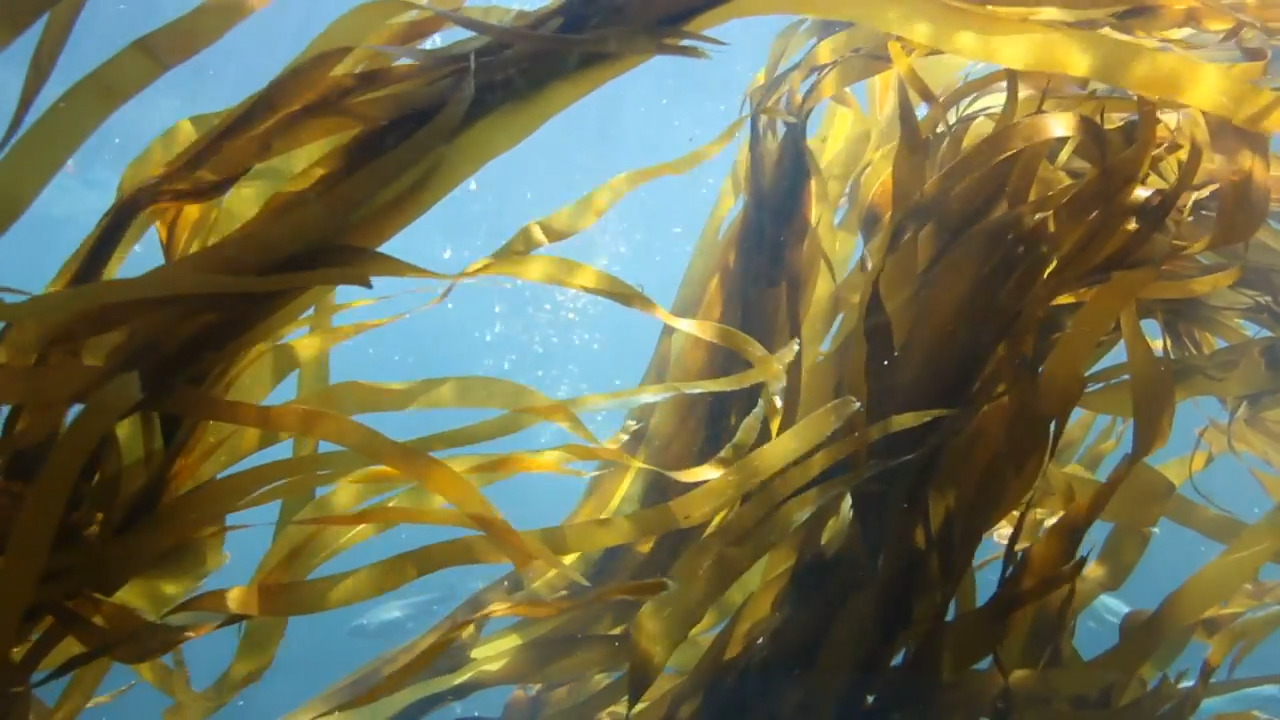
Scientists are exploring an interesting idea: what if we could replace regular plastic with something made from seaweed?
Unlike traditional plastic — which is made from fossil fuels and can take hundreds of years to break down — seaweed-based plastic is designed to decompose naturally over time. That means it could help reduce the amount of plastic waste that ends up in oceans and landfills.
But there are still challenges. Right now, seaweed plastic is expensive to produce — somewhere between two and 10 times more costly than plastic. Scientists are also working on how to grow more seaweed efficiently and make sure large-scale farming doesn’t harm ocean ecosystems.
So while seaweed plastic isn’t widely used yet, it’s a promising idea that could help tackle one of the world’s biggest pollution problems.
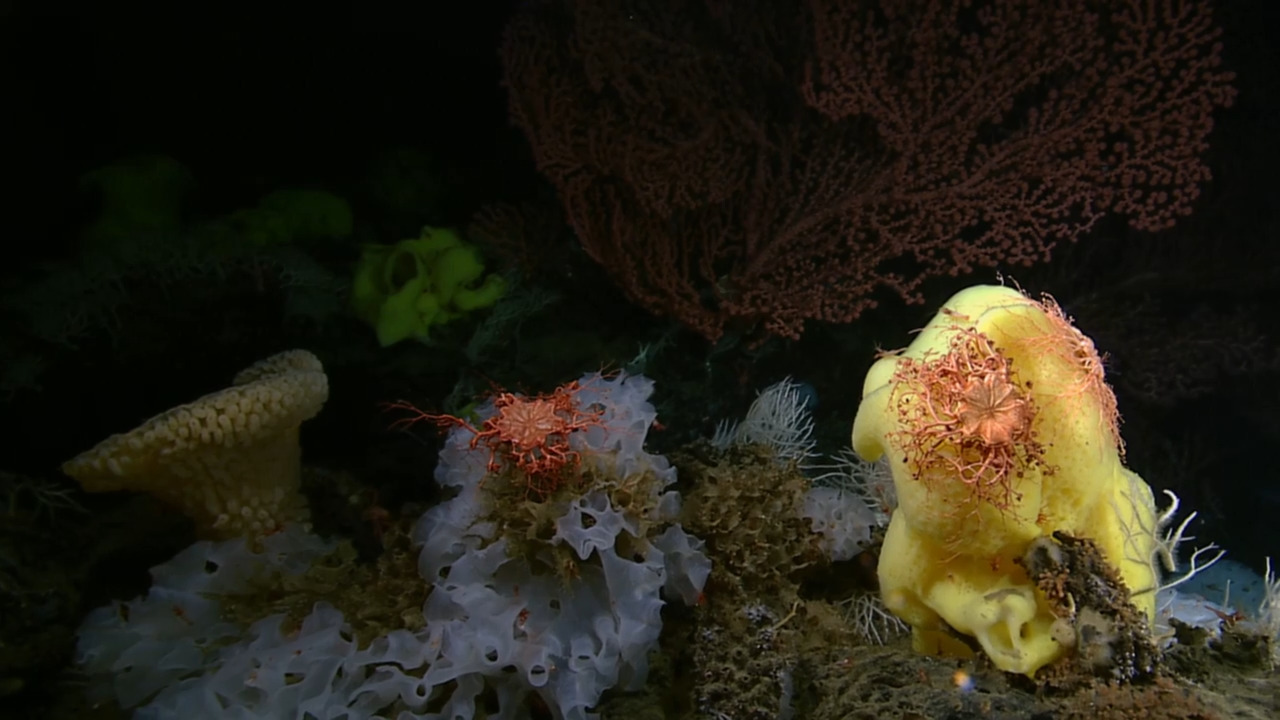
In The Unique Underwater Ecosystems of Submarine Mountains, narrator Sir David Attenborough goes deep beneath the ocean surface, where volcanic eruptions have built enormous submarine mountains — some taller than Mount Everest when measured from the seafloor. These underwater peaks create unique ecosystems, as powerful ocean currents sweep nutrients up their slopes. This influx of nutrients supports vibrant marine communities, including soft corals, whip corals, and giant sponges that filter nourishment from the water. Though these ecosystems thrive in complete darkness, they rely entirely on the energy transported by deep-sea currents. This video is excerpted from BBC’s Planet Earth, a breathtaking documentary series that highlights the natural wonders of our planet.
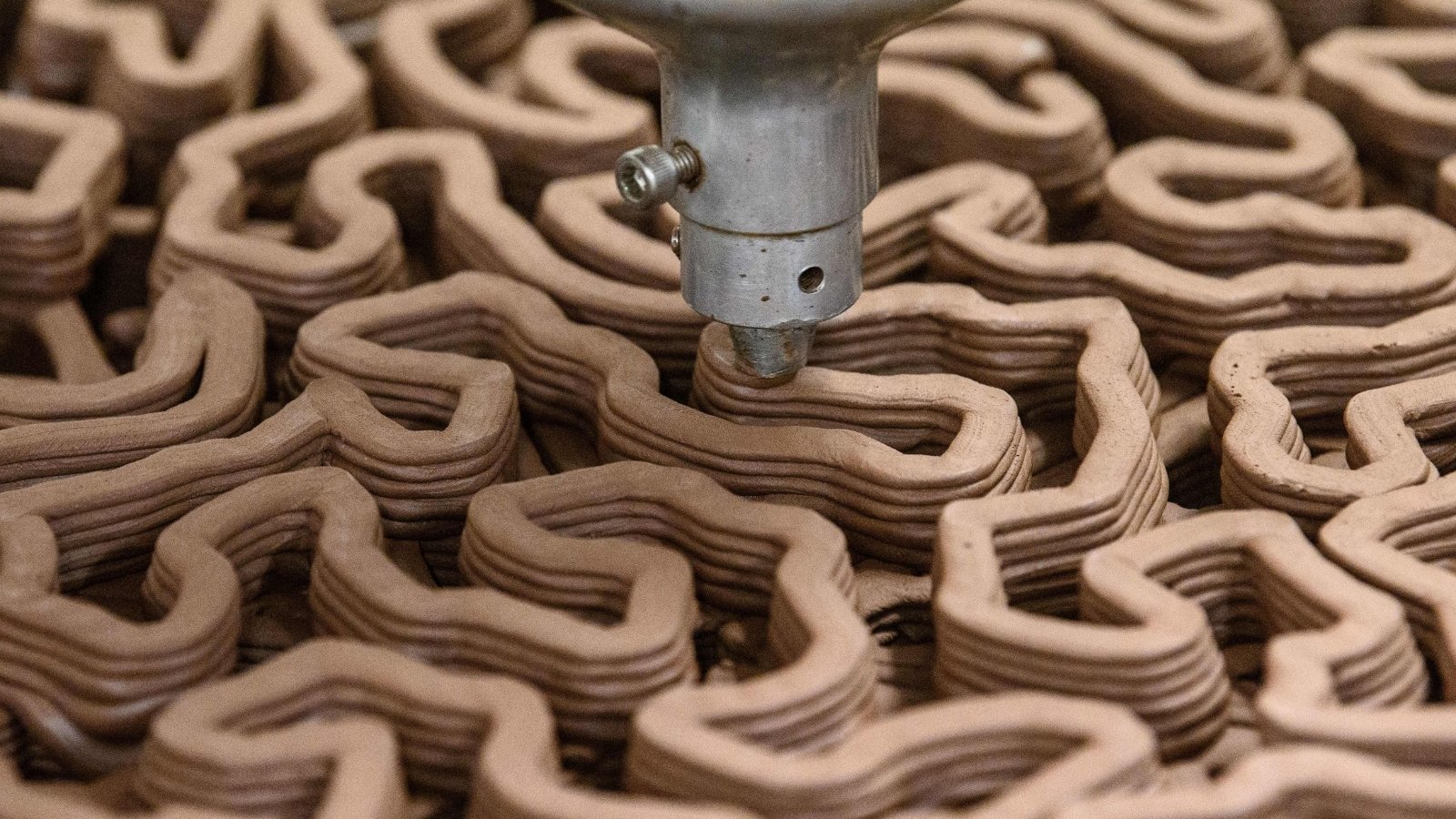
The article "3D-Printed Terracotta Reefs Offer New Hope for Saving Coral Ecosystems" from BBC's Science Focus reveals that Israeli researchers are creating detailed artificial coral reefs using 3D printing. These terracotta reefs mimic real coral shapes and offer homes for marine organisms, helping coral reefs recover. The goal is to use this technology in oceans around the world to support marine biodiversity.
Scientists are exploring an interesting idea: what if we could replace regular plastic with something made from seaweed?
Unlike traditional plastic — which is made from fossil fuels and can take hundreds of years to break down — seaweed-based plastic is designed to decompose naturally over time. That means it could help reduce the amount of plastic waste that ends up in oceans and landfills.
But there are still challenges. Right now, seaweed plastic is expensive to produce — somewhere between two and 10 times more costly than plastic. Scientists are also working on how to grow more seaweed efficiently and make sure large-scale farming doesn’t harm ocean ecosystems.
So while seaweed plastic isn’t widely used yet, it’s a promising idea that could help tackle one of the world’s biggest pollution problems.
In The Unique Underwater Ecosystems of Submarine Mountains, narrator Sir David Attenborough goes deep beneath the ocean surface, where volcanic eruptions have built enormous submarine mountains — some taller than Mount Everest when measured from the seafloor. These underwater peaks create unique ecosystems, as powerful ocean currents sweep nutrients up their slopes. This influx of nutrients supports vibrant marine communities, including soft corals, whip corals, and giant sponges that filter nourishment from the water. Though these ecosystems thrive in complete darkness, they rely entirely on the energy transported by deep-sea currents. This video is excerpted from BBC’s Planet Earth, a breathtaking documentary series that highlights the natural wonders of our planet.
The article "3D-Printed Terracotta Reefs Offer New Hope for Saving Coral Ecosystems" from BBC's Science Focus reveals that Israeli researchers are creating detailed artificial coral reefs using 3D printing. These terracotta reefs mimic real coral shapes and offer homes for marine organisms, helping coral reefs recover. The goal is to use this technology in oceans around the world to support marine biodiversity.