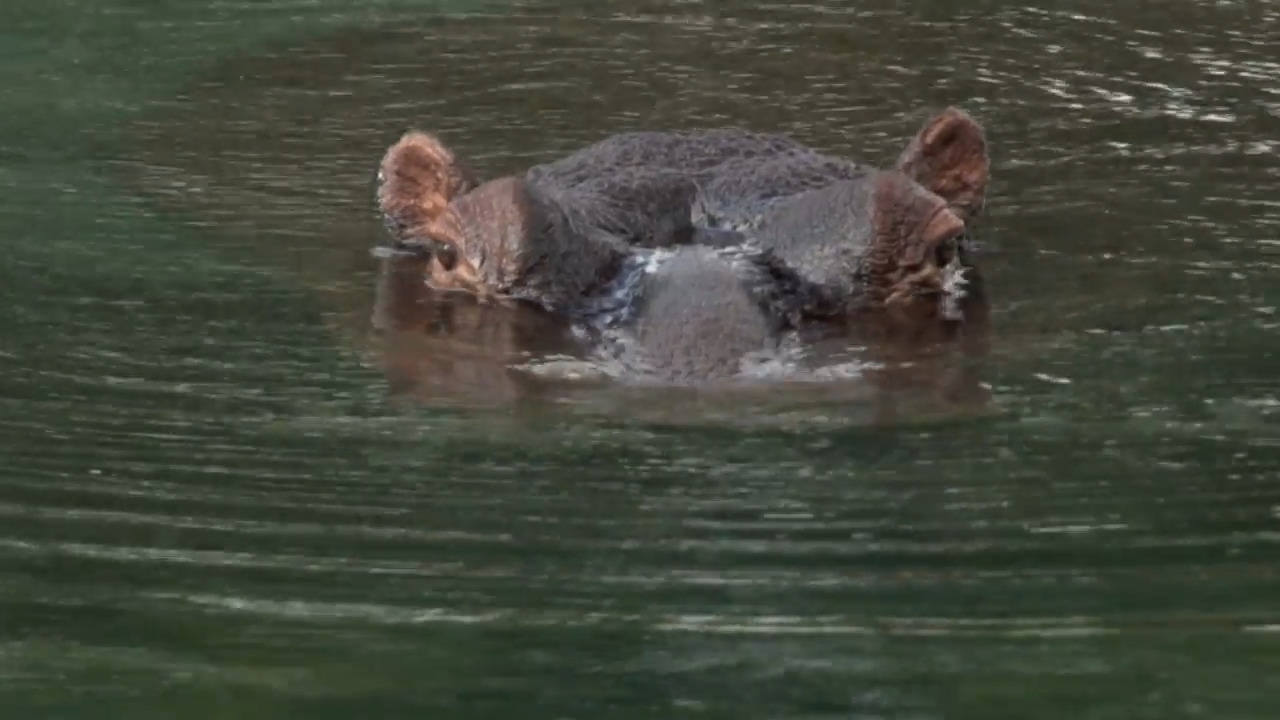
In The Barbel Fish and Hippo Connection, narrator Sir David Attenborough explores the fascinating symbiotic relationship between barbels and hippopotamuses in Kenya’s fresh-water pools. These clever fish rely on hippos for nourishment, feasting on their nutrient-rich dung and cleaning the hippos' skin of pests. The partnership deepens as barbels even clean the hippos' teeth, creating a mutually beneficial bond and revealing nature’s intricately balanced ecosystems! This video is excerpted from BBC's Life, a show that explores the remarkable strategies animals and plants use to ensure their survival.
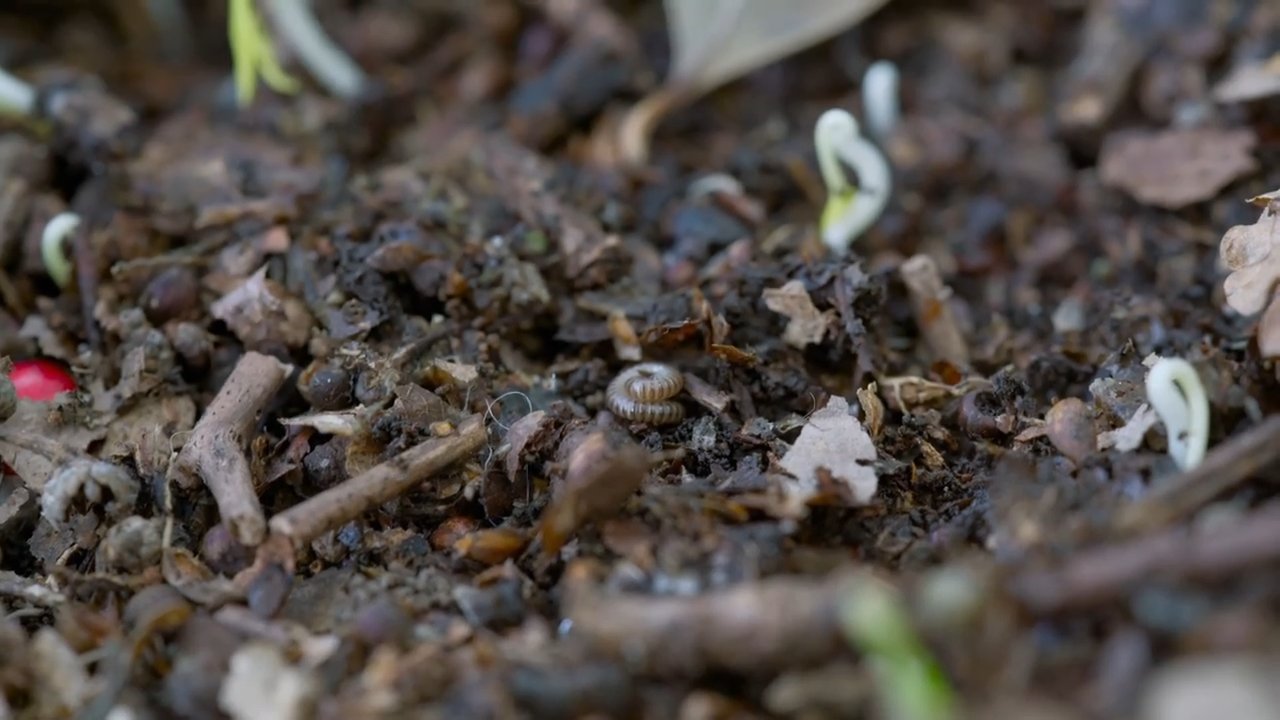
In Spoiler Alert! Decomposers, Ranger Hamza and the Ramblers come upon a dead tree that has lots of fungi and invertebrates. Join them to learn how the fungi and invertebrates help the tree decompose to provide fresh, nutrient-rich soil for new plants to grow! This video is excerpted from BBC's Ranger Hamza’s Eco Quest, a nature exploration show in which Ranger Hamza and the Ramblers go on quests to discover nature’s wonders and the important role they play in our environment.
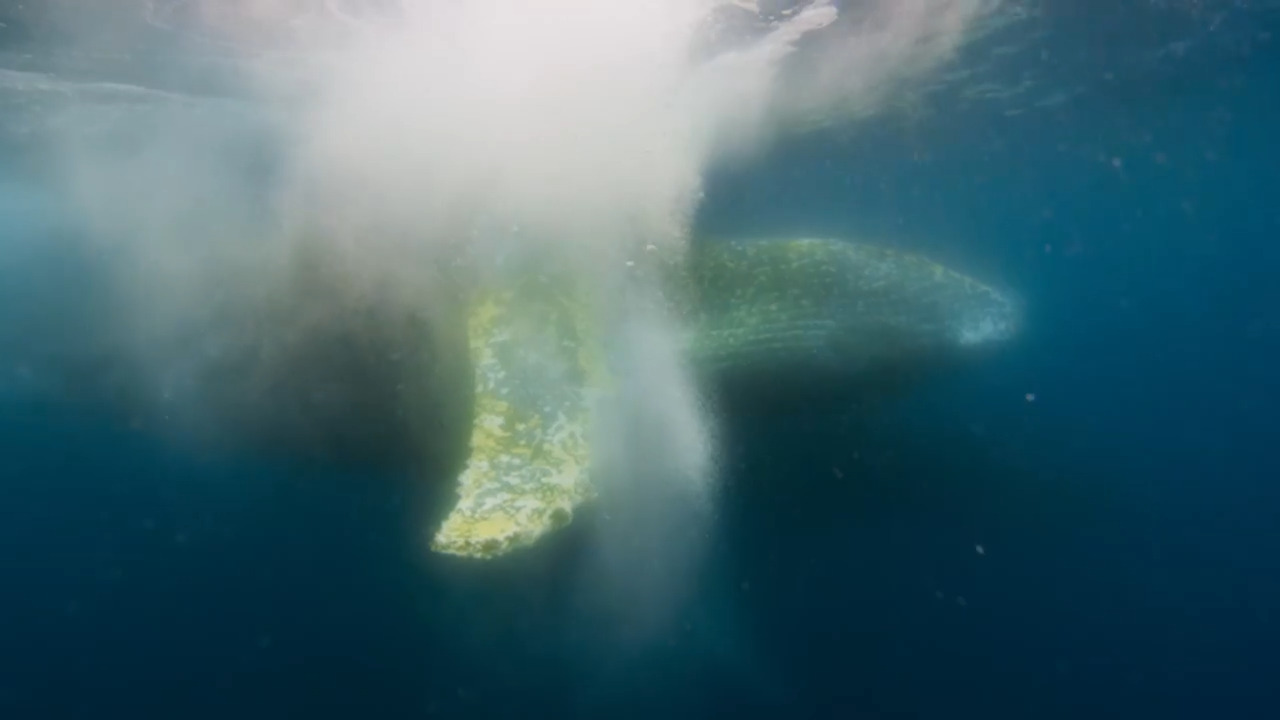
In The Sophisticated Feeding Technique of Humpback Whales, narrator Sir David Attenborough explores the Southern Ocean and the humpback whales that feed there. When Antarctica broke off from South America, it created swirling currents that sweep up nutrients from the bottom of the ocean, making it one of the richest waters on earth. In the summer, humpback whales come there to feast on shoals of krill, blowing curtains of bubbles and spiraling inwards to capture the swarm. This video is excerpted from BBC’s Seven Worlds, One Planet, a series featuring remarkable animal behavior from all seven continents.
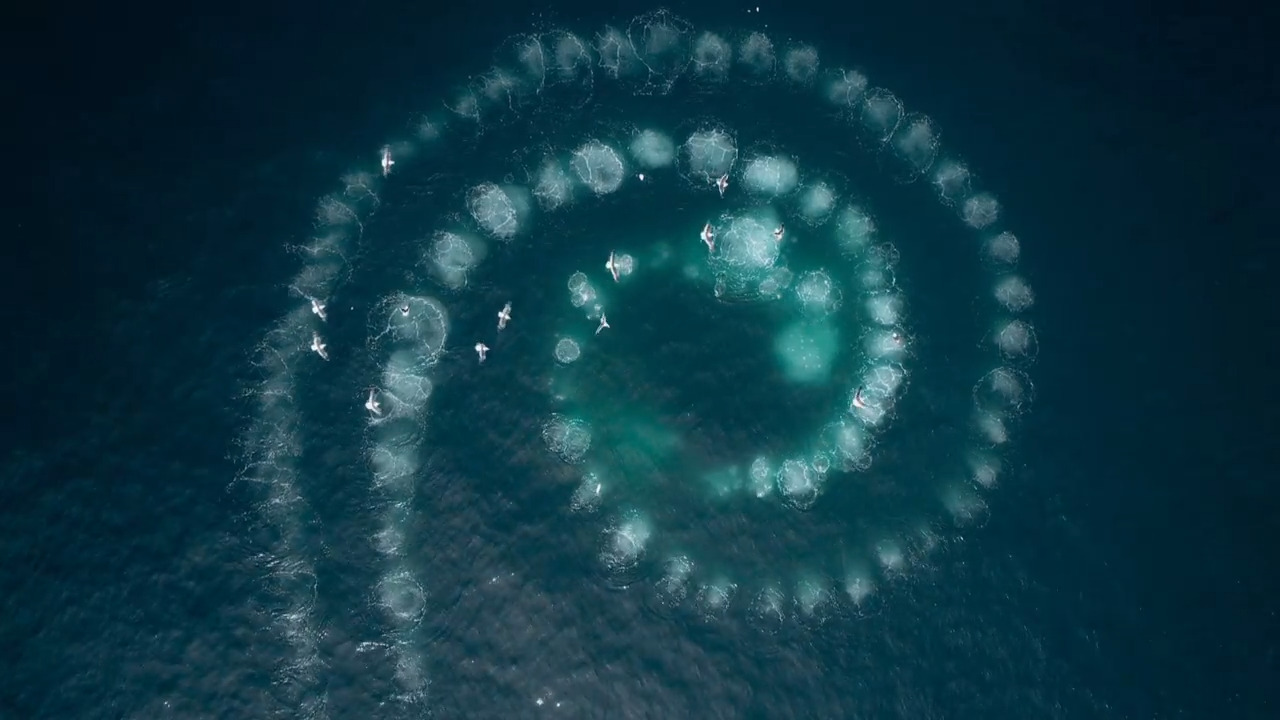
In The Rich Feeding Grounds of the Southern Ocean, explore life in the incredible ecosystem of the Southern Ocean. Life flourishes there despite the harsh conditions. Humpback whales use ingenious hunting techniques to feast on krill, the most abundant animal species on Earth. This video is excerpted from BBC’s Seven Worlds, One Planet, a series featuring remarkable animal behavior from all seven continents.
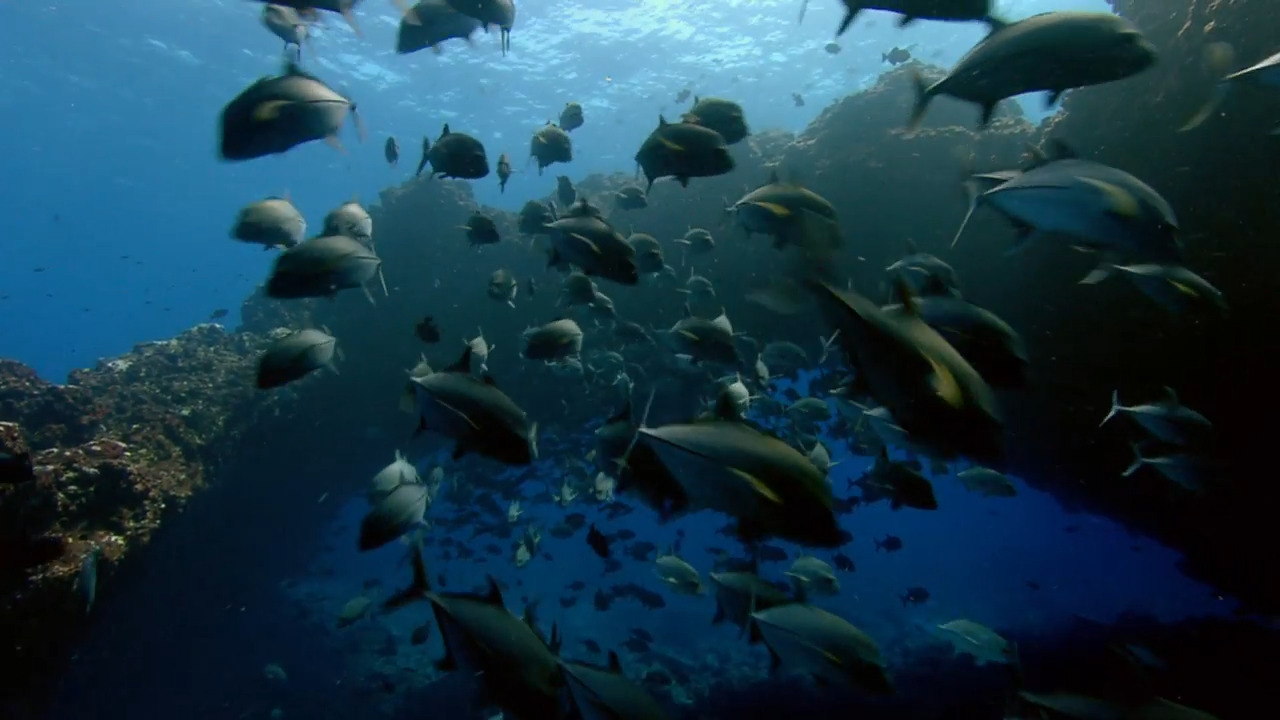
In Towering Underwater Volcanic Peaks, narrator David Attenborough explores the underwater volcanoes that rise nearly 30,000 feet (9,000 meters) from the seafloor, reaching close to the ocean's surface. These towering peaks create nutrient-rich environments that support an abundance of marine life. Ocean currents push nutrients toward the surface, fueling plankton blooms that attract fish and other sea creatures. A Mola mola (ocean sunfish) visits one of these seamounts to be cleaned by reef fish, which remove parasites from its skin. This video is excerpted from BBC’s Planet Earth, a breathtaking documentary series that highlights the natural wonders of our planet.
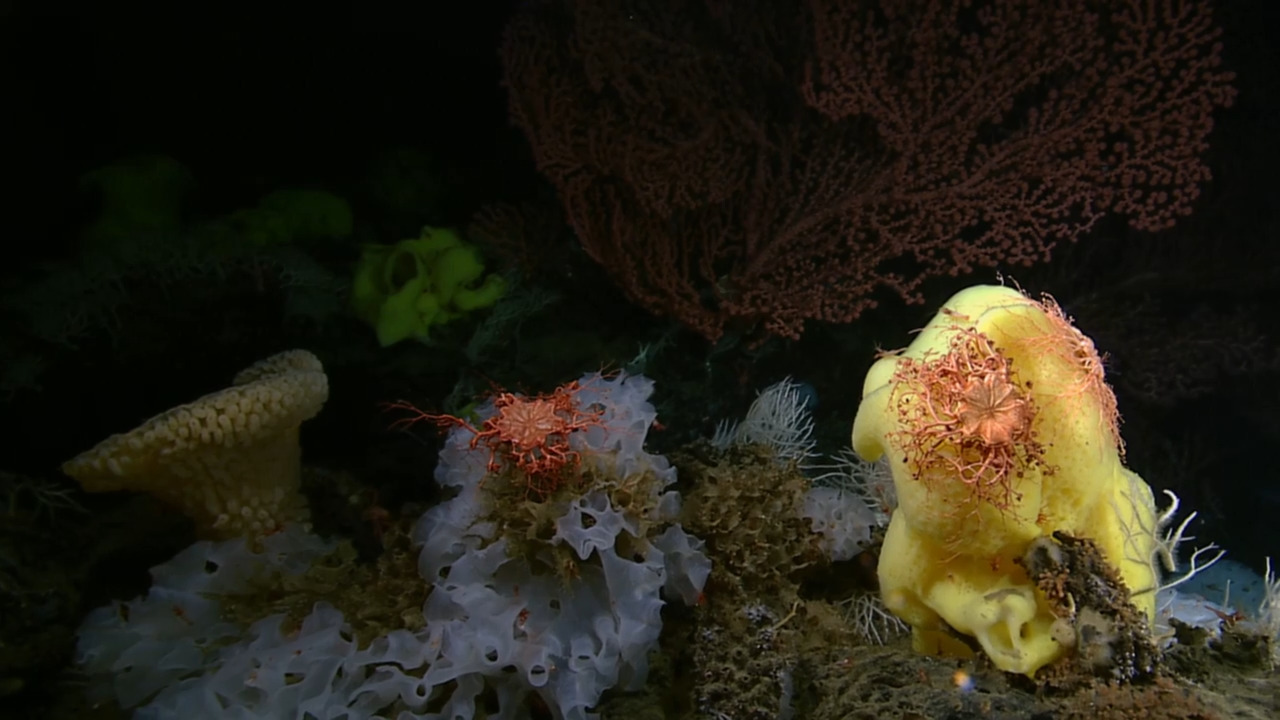
In The Unique Underwater Ecosystems of Submarine Mountains, narrator Sir David Attenborough goes deep beneath the ocean surface, where volcanic eruptions have built enormous submarine mountains — some taller than Mount Everest when measured from the seafloor. These underwater peaks create unique ecosystems, as powerful ocean currents sweep nutrients up their slopes. This influx of nutrients supports vibrant marine communities, including soft corals, whip corals, and giant sponges that filter nourishment from the water. Though these ecosystems thrive in complete darkness, they rely entirely on the energy transported by deep-sea currents. This video is excerpted from BBC’s Planet Earth, a breathtaking documentary series that highlights the natural wonders of our planet.
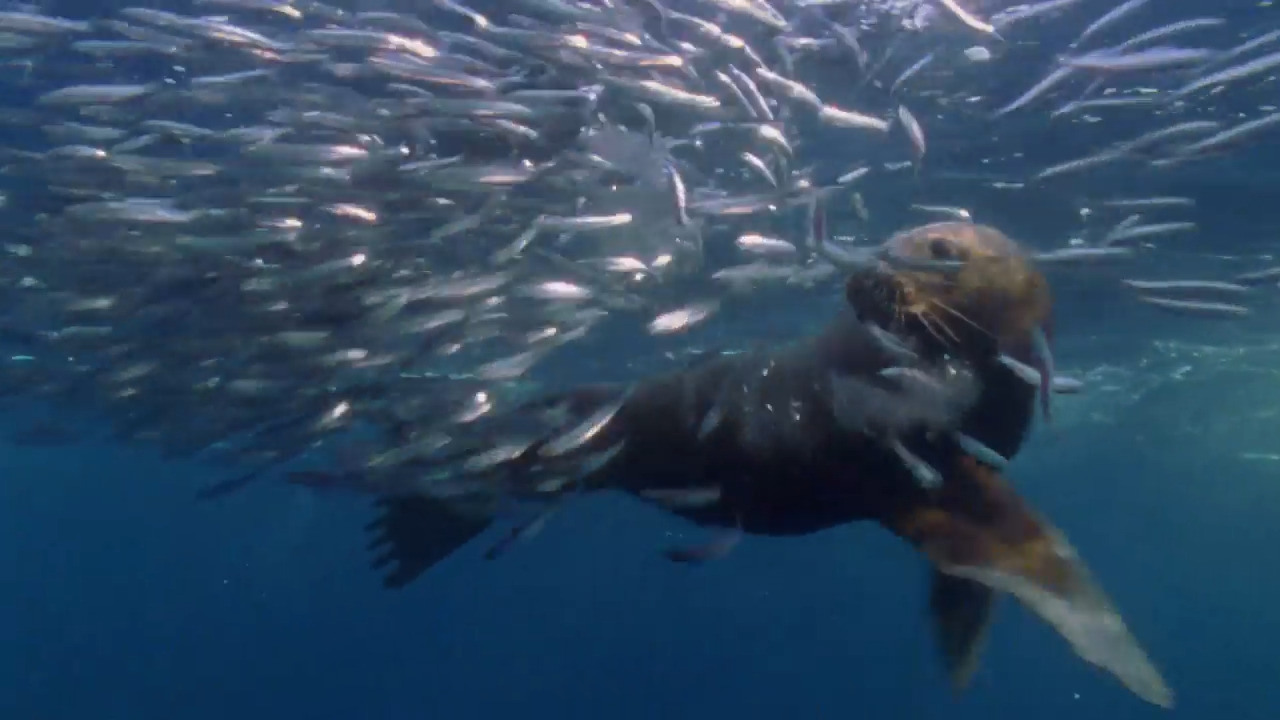
In A Feeding Frenzy in Shallow Temperate Seas, narrator Sir David Attenborough explains that water rich in nutrients means plenty of fish and plenty of predators. Dense shoals of fish dodge hungry sea lions and dusky dolphins in this undersea spectacle. This video is excerpted from BBC's Planet Earth, a breathtaking documentary series that highlights the natural wonders of our planet.
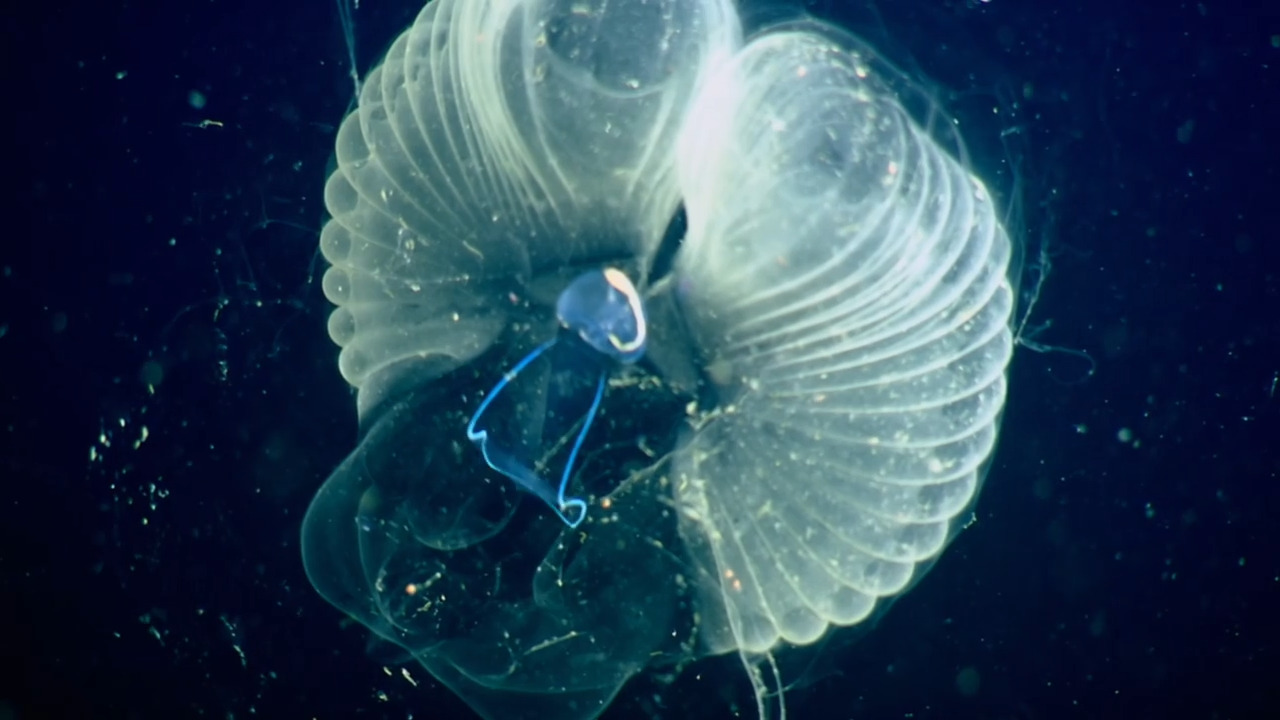
In Biodiversity in Monterey Bay, scientist John Ryan discusses the deep underwater canyon in Monterey Bay. It is rich in nutrients and home to a great variety of life. This video is excerpted from BBC’s Natural World: Humpback Whales - A Detective Story, a documentary about our relationship with whales and their future alongside us.
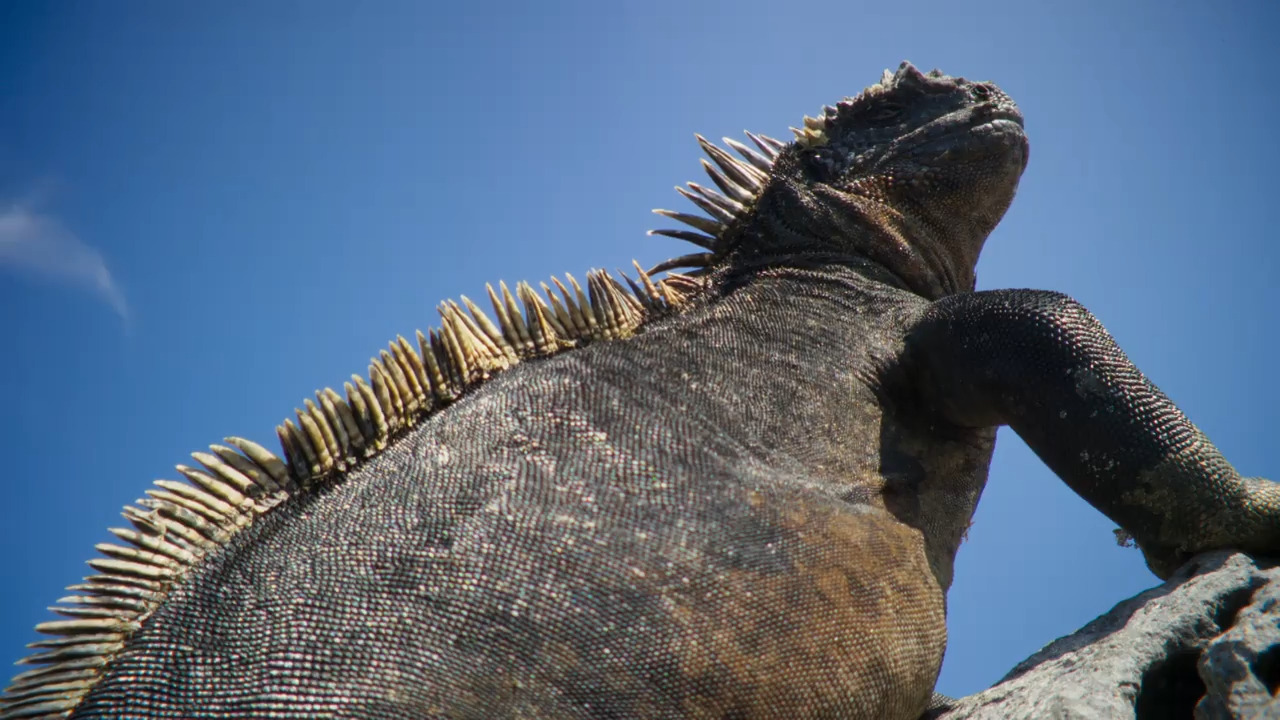
In Marine Iguanas in the Galápagos, narrator Sir David Attenborough tells how marine iguanas survive on a young, volcanic island in the Galápagos. These unique reptiles have adapted to graze on underwater algae, a critical food source in this challenging environment. This video is excerpted from BBC’s Planet Earth II, a breathtaking documentary series that highlights the natural wonders of our planet.
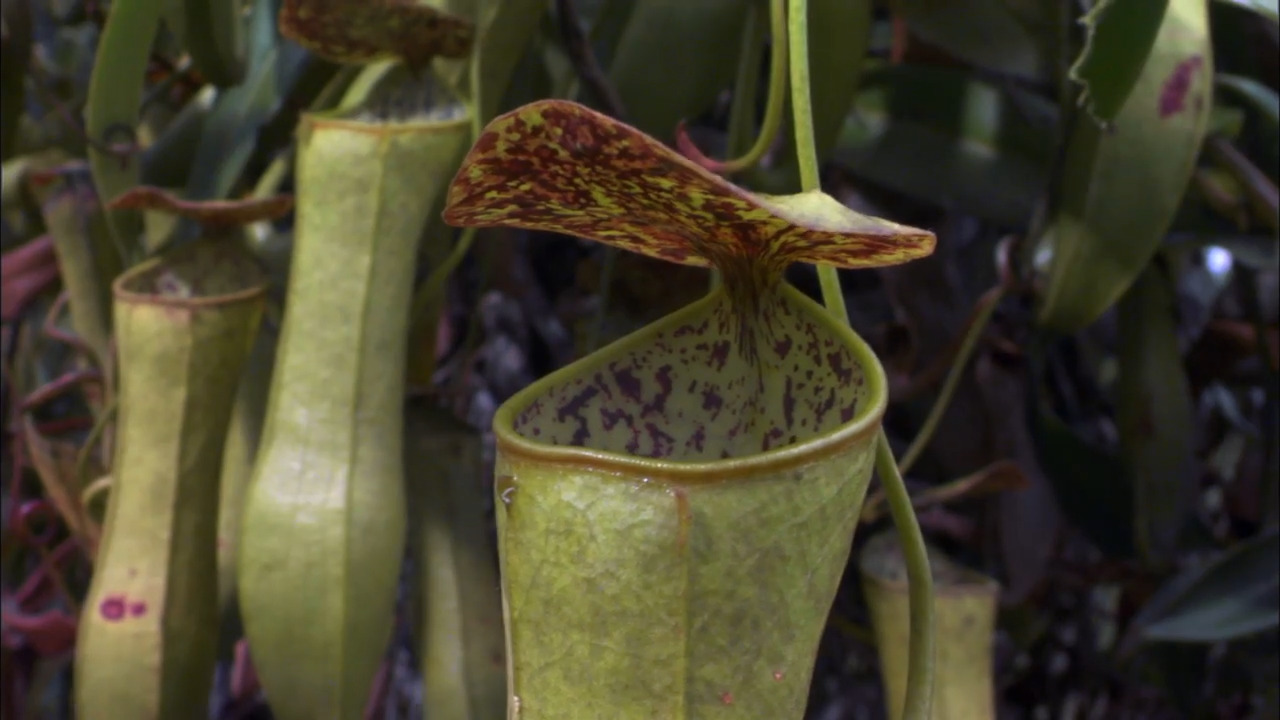
In Meet the Pitcher Plant, narrator Sir David Attenborough explores the pitcher plant. The pitcher plant gets most of its nutrients from insects, which it traps using its waxy sides to prevent insects from escaping. Learn how the red crab spider spends its entire life inside pitcher plants, and can dive down to the bottom of the pitcher by creating a bubble of air around itself. This video is excerpted from BBC's Planet Earth, a breathtaking documentary series that highlights the natural wonders of our planet.
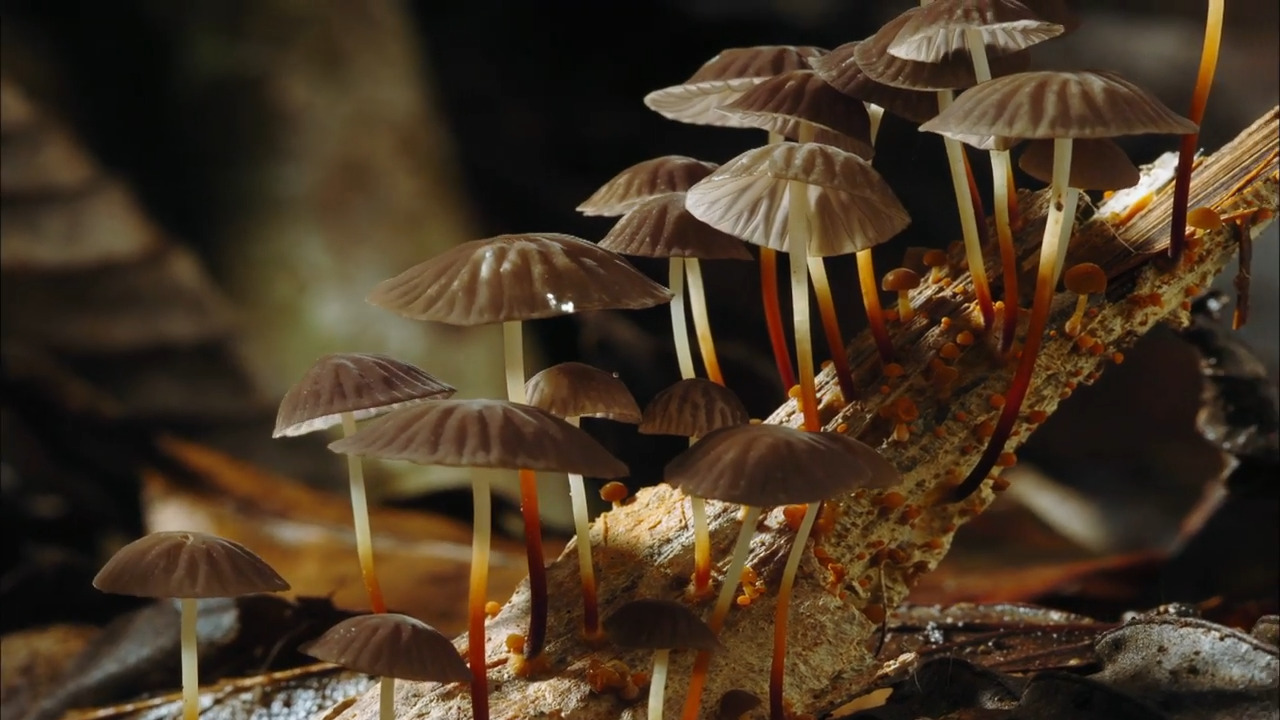
In Watch a Life Built on Decay in the Rainforests, narrator Sir David Attenborough notes that the nutrient recycling rate in rainforests happens faster than anywhere else. Learn how slime mold, fungi, and beetle larvae interact to decompose leaf litter. This video is excerpted from BBC's Planet Earth, a breathtaking documentary series that highlights the natural wonders of our planet.
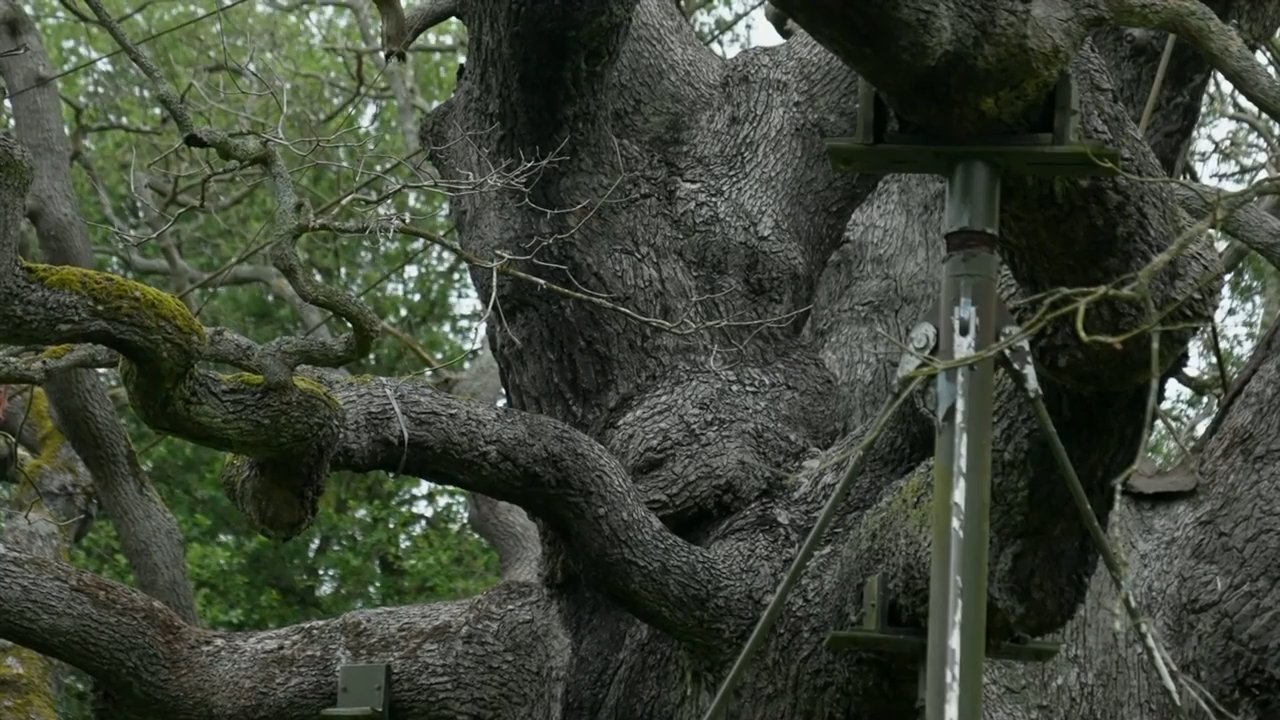
The Major Oak has finally fallen. Figuratively. The famous tree still technically stands, but has been pronounced dead after a long life of as many as 1,200 years. The massive oak tree was well-known for being central to Robin Hood folklore, but it also stood out with its formidable trunk circumference of 11 meters, or 33 feet. That’s big enough for a large African elephant to hula hoop with.
The huge tree still stands tall, looking majestic with its craggly branches and massive reach, but it’s been in decline for years. This year is the first that it hasn’t put any leaves out, so experts deemed it deceased.
While it was certainly old, its demise was likely quickened by climate change, heat waves, and damage to the surrounding soil from people coming to admire the tree. Admirers may have meant well, but decades of foot traffic compacted the soil around the tree's roots, making it harder for the tree to absorb the water, nutrients, and minerals it needed.
It may not produce lush, green leaves anymore, but fans can still pay homage to The Major Oak. It will remain in its spot to decompose (which could take more than 100 years), and the legacy of the tree lives on in the form of saplings that have been grown from acorns and cuttings.
In The Barbel Fish and Hippo Connection, narrator Sir David Attenborough explores the fascinating symbiotic relationship between barbels and hippopotamuses in Kenya’s fresh-water pools. These clever fish rely on hippos for nourishment, feasting on their nutrient-rich dung and cleaning the hippos' skin of pests. The partnership deepens as barbels even clean the hippos' teeth, creating a mutually beneficial bond and revealing nature’s intricately balanced ecosystems! This video is excerpted from BBC's Life, a show that explores the remarkable strategies animals and plants use to ensure their survival.
In Spoiler Alert! Decomposers, Ranger Hamza and the Ramblers come upon a dead tree that has lots of fungi and invertebrates. Join them to learn how the fungi and invertebrates help the tree decompose to provide fresh, nutrient-rich soil for new plants to grow! This video is excerpted from BBC's Ranger Hamza’s Eco Quest, a nature exploration show in which Ranger Hamza and the Ramblers go on quests to discover nature’s wonders and the important role they play in our environment.
In The Sophisticated Feeding Technique of Humpback Whales, narrator Sir David Attenborough explores the Southern Ocean and the humpback whales that feed there. When Antarctica broke off from South America, it created swirling currents that sweep up nutrients from the bottom of the ocean, making it one of the richest waters on earth. In the summer, humpback whales come there to feast on shoals of krill, blowing curtains of bubbles and spiraling inwards to capture the swarm. This video is excerpted from BBC’s Seven Worlds, One Planet, a series featuring remarkable animal behavior from all seven continents.
In The Rich Feeding Grounds of the Southern Ocean, explore life in the incredible ecosystem of the Southern Ocean. Life flourishes there despite the harsh conditions. Humpback whales use ingenious hunting techniques to feast on krill, the most abundant animal species on Earth. This video is excerpted from BBC’s Seven Worlds, One Planet, a series featuring remarkable animal behavior from all seven continents.
In Towering Underwater Volcanic Peaks, narrator David Attenborough explores the underwater volcanoes that rise nearly 30,000 feet (9,000 meters) from the seafloor, reaching close to the ocean's surface. These towering peaks create nutrient-rich environments that support an abundance of marine life. Ocean currents push nutrients toward the surface, fueling plankton blooms that attract fish and other sea creatures. A Mola mola (ocean sunfish) visits one of these seamounts to be cleaned by reef fish, which remove parasites from its skin. This video is excerpted from BBC’s Planet Earth, a breathtaking documentary series that highlights the natural wonders of our planet.
In The Unique Underwater Ecosystems of Submarine Mountains, narrator Sir David Attenborough goes deep beneath the ocean surface, where volcanic eruptions have built enormous submarine mountains — some taller than Mount Everest when measured from the seafloor. These underwater peaks create unique ecosystems, as powerful ocean currents sweep nutrients up their slopes. This influx of nutrients supports vibrant marine communities, including soft corals, whip corals, and giant sponges that filter nourishment from the water. Though these ecosystems thrive in complete darkness, they rely entirely on the energy transported by deep-sea currents. This video is excerpted from BBC’s Planet Earth, a breathtaking documentary series that highlights the natural wonders of our planet.
In A Feeding Frenzy in Shallow Temperate Seas, narrator Sir David Attenborough explains that water rich in nutrients means plenty of fish and plenty of predators. Dense shoals of fish dodge hungry sea lions and dusky dolphins in this undersea spectacle. This video is excerpted from BBC's Planet Earth, a breathtaking documentary series that highlights the natural wonders of our planet.
In Biodiversity in Monterey Bay, scientist John Ryan discusses the deep underwater canyon in Monterey Bay. It is rich in nutrients and home to a great variety of life. This video is excerpted from BBC’s Natural World: Humpback Whales - A Detective Story, a documentary about our relationship with whales and their future alongside us.
In Marine Iguanas in the Galápagos, narrator Sir David Attenborough tells how marine iguanas survive on a young, volcanic island in the Galápagos. These unique reptiles have adapted to graze on underwater algae, a critical food source in this challenging environment. This video is excerpted from BBC’s Planet Earth II, a breathtaking documentary series that highlights the natural wonders of our planet.
In Meet the Pitcher Plant, narrator Sir David Attenborough explores the pitcher plant. The pitcher plant gets most of its nutrients from insects, which it traps using its waxy sides to prevent insects from escaping. Learn how the red crab spider spends its entire life inside pitcher plants, and can dive down to the bottom of the pitcher by creating a bubble of air around itself. This video is excerpted from BBC's Planet Earth, a breathtaking documentary series that highlights the natural wonders of our planet.
In Watch a Life Built on Decay in the Rainforests, narrator Sir David Attenborough notes that the nutrient recycling rate in rainforests happens faster than anywhere else. Learn how slime mold, fungi, and beetle larvae interact to decompose leaf litter. This video is excerpted from BBC's Planet Earth, a breathtaking documentary series that highlights the natural wonders of our planet.
The Major Oak has finally fallen. Figuratively. The famous tree still technically stands, but has been pronounced dead after a long life of as many as 1,200 years. The massive oak tree was well-known for being central to Robin Hood folklore, but it also stood out with its formidable trunk circumference of 11 meters, or 33 feet. That’s big enough for a large African elephant to hula hoop with.
The huge tree still stands tall, looking majestic with its craggly branches and massive reach, but it’s been in decline for years. This year is the first that it hasn’t put any leaves out, so experts deemed it deceased.
While it was certainly old, its demise was likely quickened by climate change, heat waves, and damage to the surrounding soil from people coming to admire the tree. Admirers may have meant well, but decades of foot traffic compacted the soil around the tree's roots, making it harder for the tree to absorb the water, nutrients, and minerals it needed.
It may not produce lush, green leaves anymore, but fans can still pay homage to The Major Oak. It will remain in its spot to decompose (which could take more than 100 years), and the legacy of the tree lives on in the form of saplings that have been grown from acorns and cuttings.