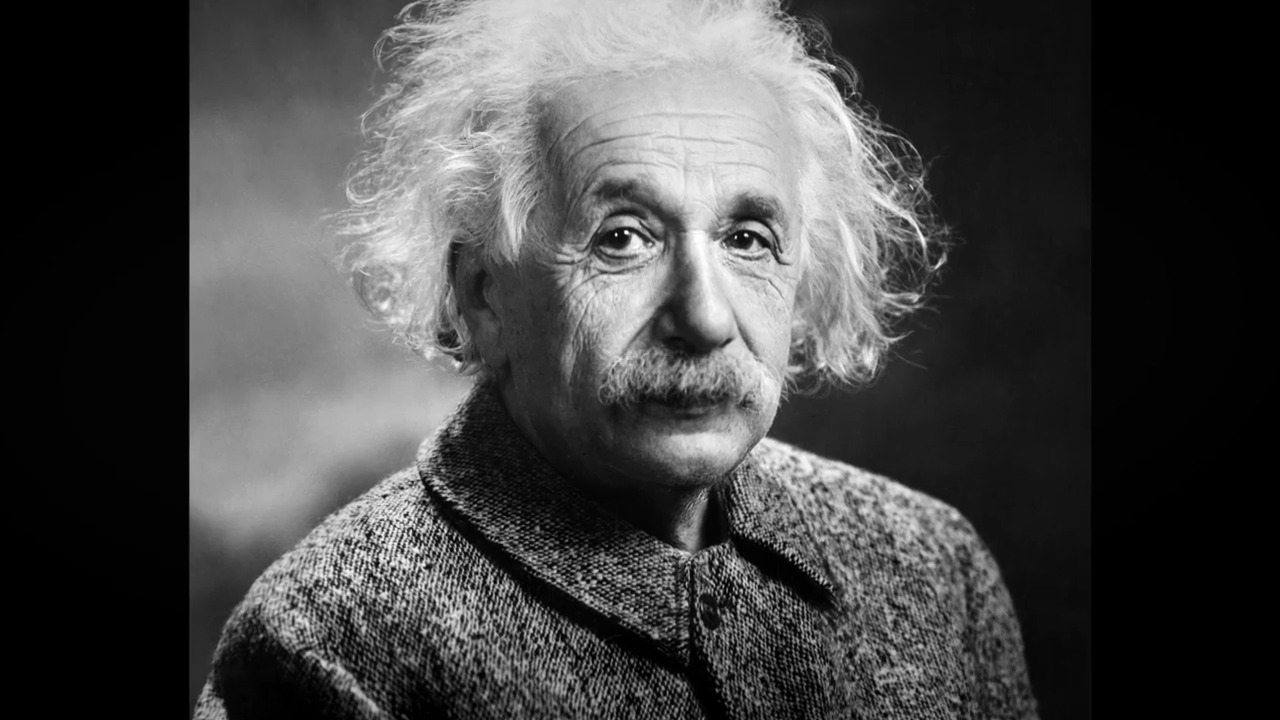
In Einstein and the Nuclear Bomb, host Chris Packham explores Albert Einstein's scientific contributions. As a pacifist, he was opposed to the use of his research to develop nuclear weapons. Einstein’s story reveals the burden of scientific discovery in wartime. This video is excerpted from BBC’s Icons: The Greatest Person of the 20th Century, a documentary series celebrating the achievements of the most influential figures of the era.
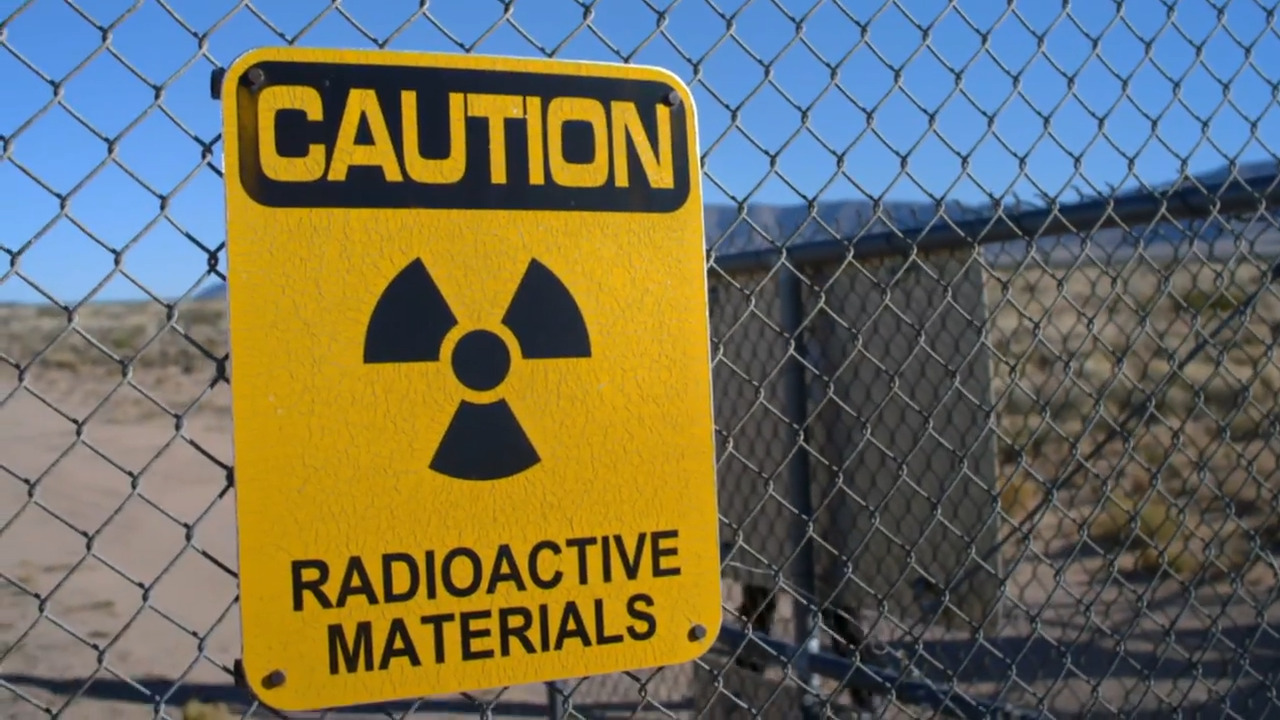
In The Radioactive Secret of the Stars, narrator Kate Yule explains how Einstein discovered that nuclear fusion within stars creates energy. Learn how harnessing this energy led to the creation of nuclear power and nuclear weapons. This video is excerpted from BBC’s Einstein & Hawking: Masters of Our Universe, a mind-bending documentary that tells the story of how the two most famous scientists of the 20th Century transformed our understanding of the Universe and changed the world.
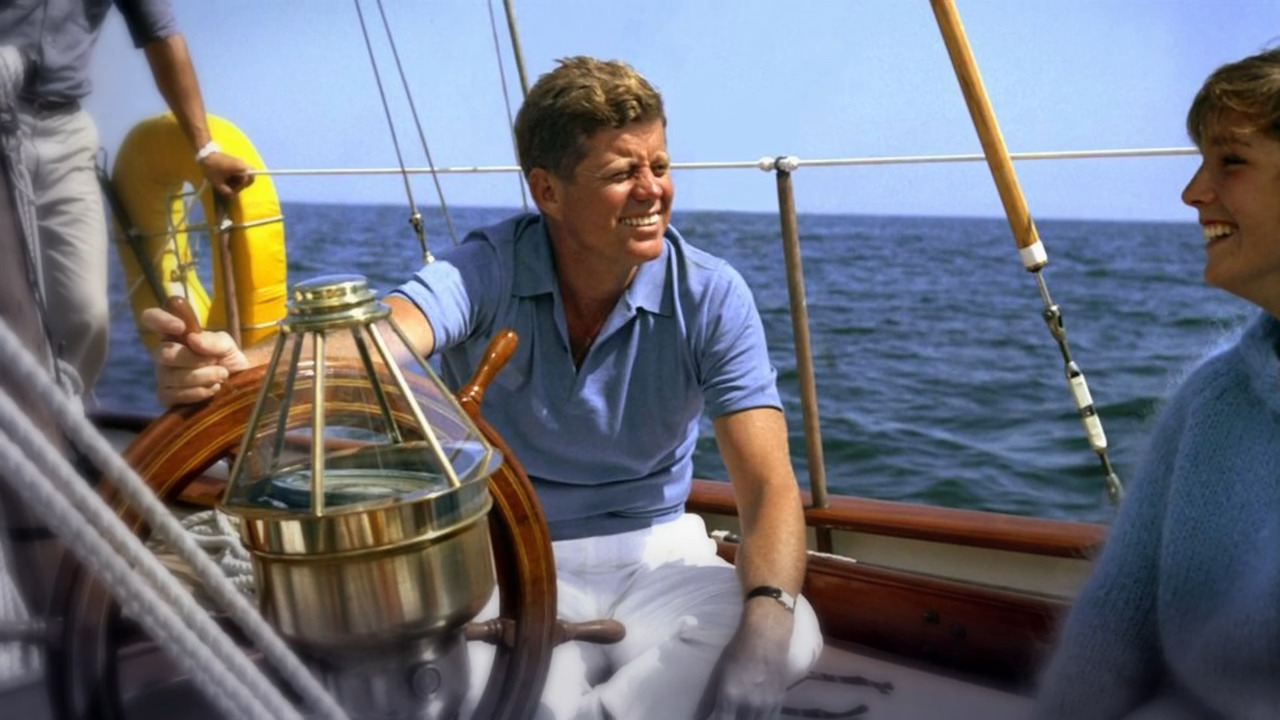
In JFK and the Cuban Myth, historian Lucy Worsley learns the truth about the Cuban Missile Crisis in 1962. The official belief was that JFK stood up to the Russians and ordered a blockade of Cuba, resulting in the withdrawal of Russian troops. The truth is, he made a deal to withdraw U.S. nuclear weapons from Turkey. This video is excerpted from BBC's American History's Biggest Fibs with Lucy Worsley, in which Worsley reveals the myths and manipulations behind American history.
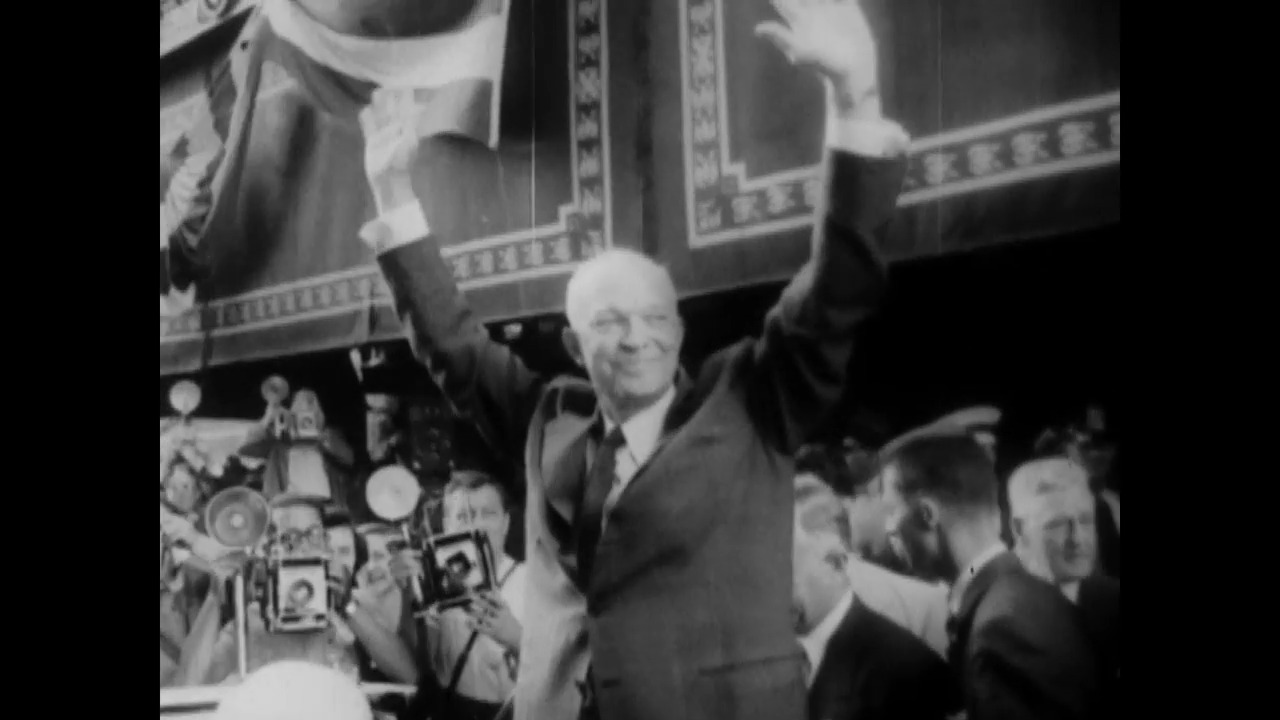
In Eisenhower and the Military-Industrial Complex, historian Lucy Worsley investigates how Eisenhower cut military numbers and increased nuclear weapons instead. During his presidency, Eisenhower increased America's nuclear bombs from 1,000 to 22,000. He knew that arms companies and generals were exaggerating the Soviet threat. Eisenhower named this the Military-Industrial Complex. This video is excerpted from BBC's American History's Biggest Fibs with Lucy Worsley, in which Worsley reveals the myths and manipulations behind American history.
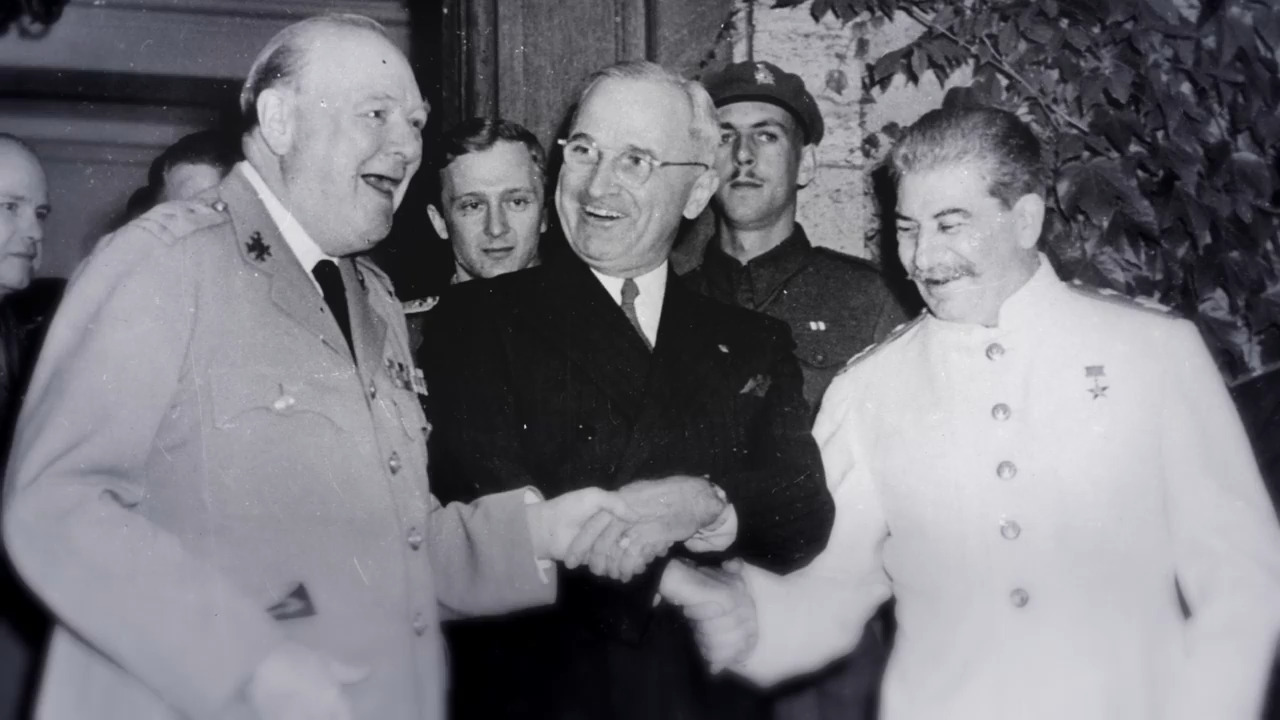
In Did Two Atomic Bombs Really End the War in Japan?, historian Lucy Worsley learns how Harry S. Truman came to office in 1945. World War II had ended in Europe, but Americans were still fighting in Japan. The official story was that the two atomic bombs ended the war in Japan. This video is excerpted from BBC's American History's Biggest Fibs with Lucy Worsley, in which Worsley reveals the myths and manipulations behind American history.
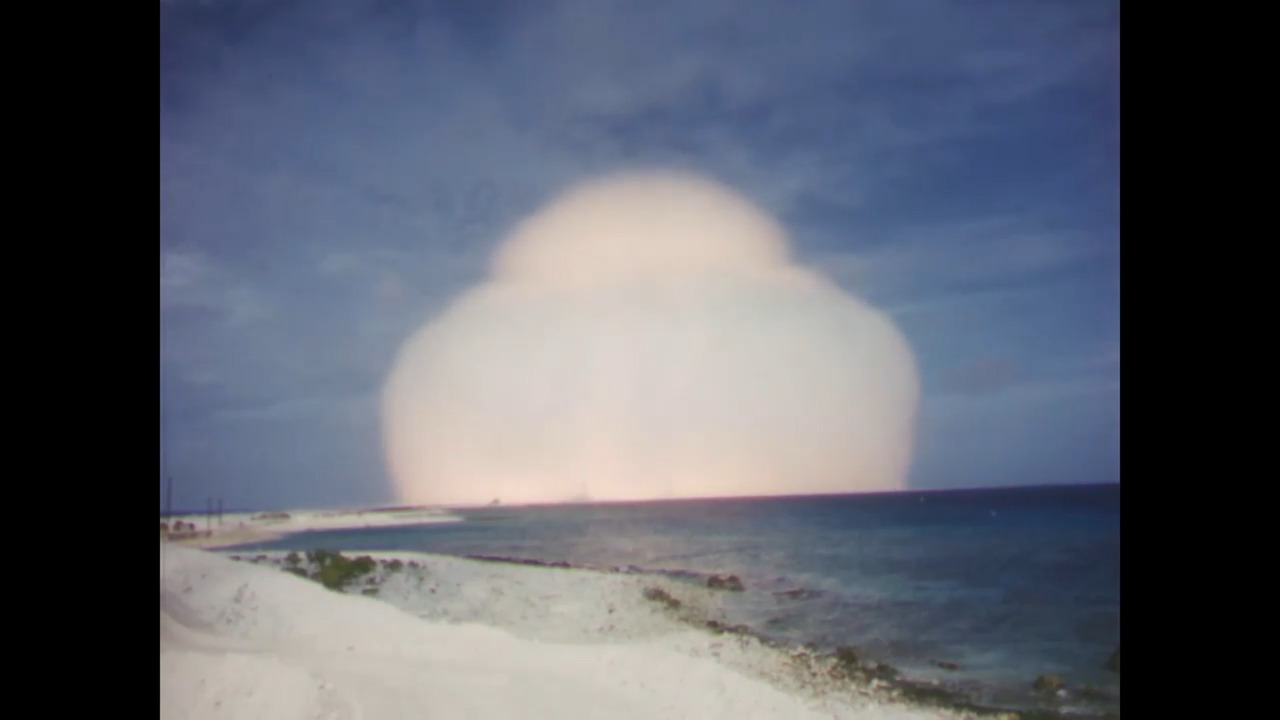
In Codename NSC 68, historian Lucy Worsley discovers that the purpose of this top-secret report was to set America's new defense strategy during the Cold War. It justified the spending of $47 billion to defend America and the rest of the world from Russian dominance. The reality was that the Soviet economy had been destroyed in World War II, and it did not have the capability to fight against America. This video is excerpted from BBC's American History's Biggest Fibs with Lucy Worsley, in which Worsley reveals the myths and manipulations behind American history.
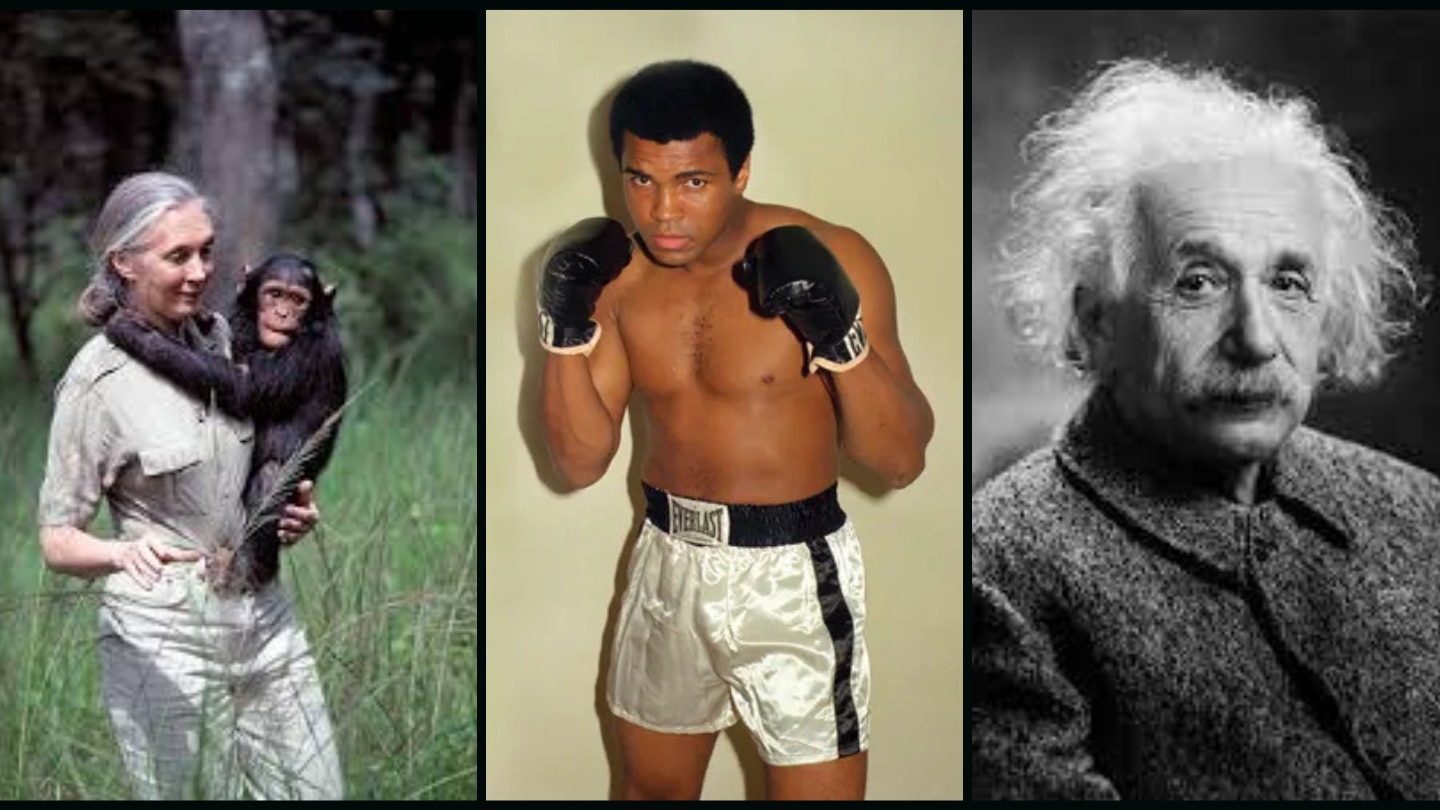
Meet the Icons of the 20th Century. From brilliant scientists and inspiring activists to legendary athletes and artists, these remarkable individuals changed the world in powerful ways. In this video playlist of clips from BBC's Icons: The Greatest Person of the 20th Century, meet Muhammad Ali, Helen Keller, Albert Einstein, Martin Luther King Jr., Pablo Picasso, Jane Goodall, Pelé, Billie Holiday and others — each a trailblazer who shaped history through courage, creativity, and conviction. A perfect playlist to inspire young minds to think big and act boldly!
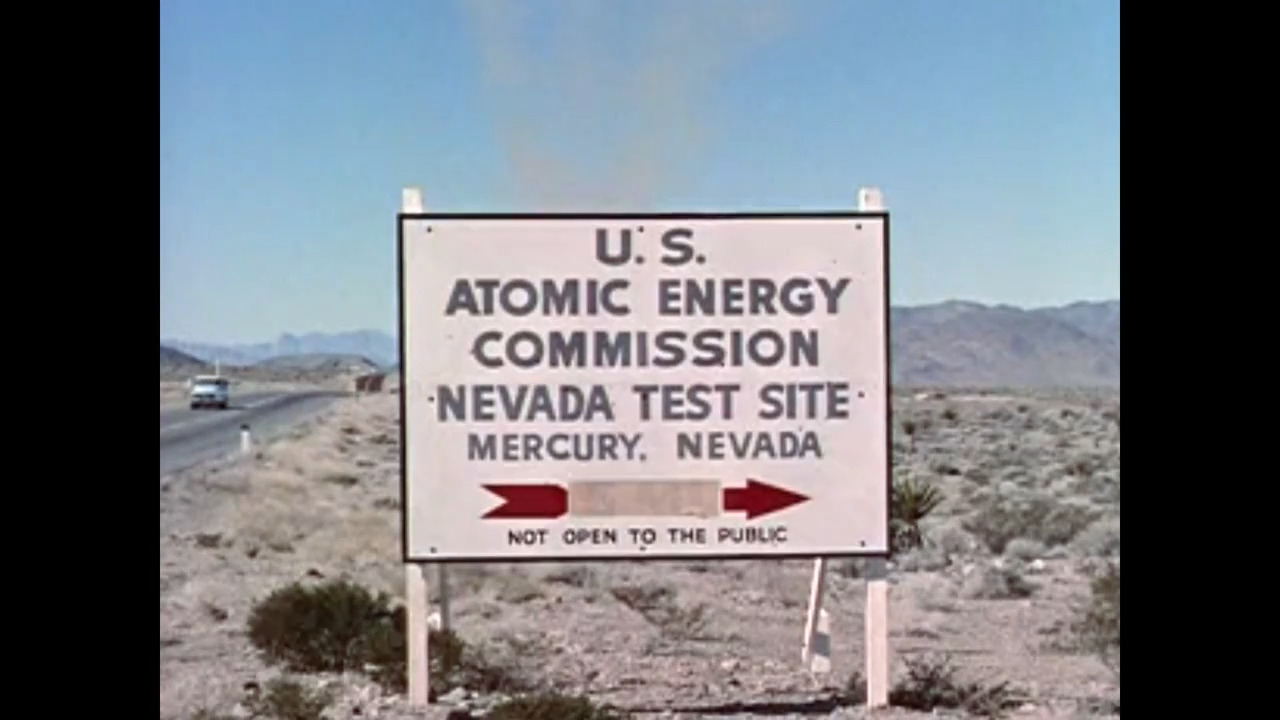
In Nuclear Danger in the Desert, historian Lucy Worsley learns about the testing of nuclear bombs in Nevada in the 1950s. People visited Las Vegas to watch the nuclear testing. Residents became known as “downwinders” because the fallout often blew their way. Their livestock began dying, and cancer and leukemia rates soared, but it was denied that these events were linked to nuclear testing. This video is excerpted from BBC's American History's Biggest Fibs with Lucy Worsley, in which Worsley reveals the myths and manipulations behind American history.

The article "The Chernobyl Disaster: How a Nuclear Experiment Went Horribly Wrong" from BBC's HistoryExtra explains how a dangerous test at the Chernobyl nuclear plant in Ukraine led to a catastrophic explosion. It describes the causes, tragic aftermath, and global consequences of the world’s worst nuclear disaster.
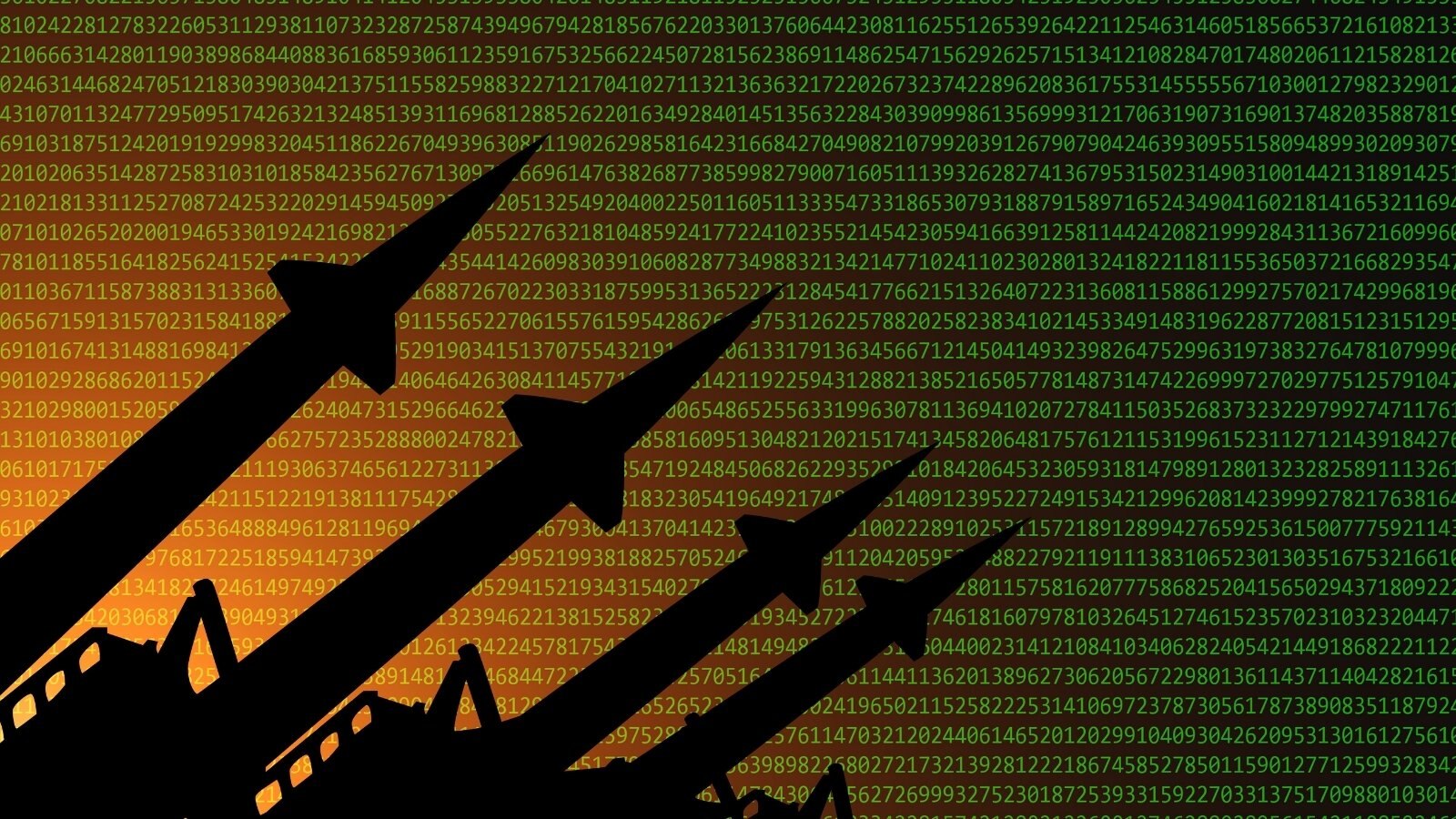
The article "This Is the Strangest Weapon the U.S. Military Doesn't Want You to Know About" from BBC's Science Focus delves into the secretive nature of military innovations. It highlights Fogbank, a classified material used in nuclear warheads, and discusses how its manufacturing process was lost and later rediscovered.
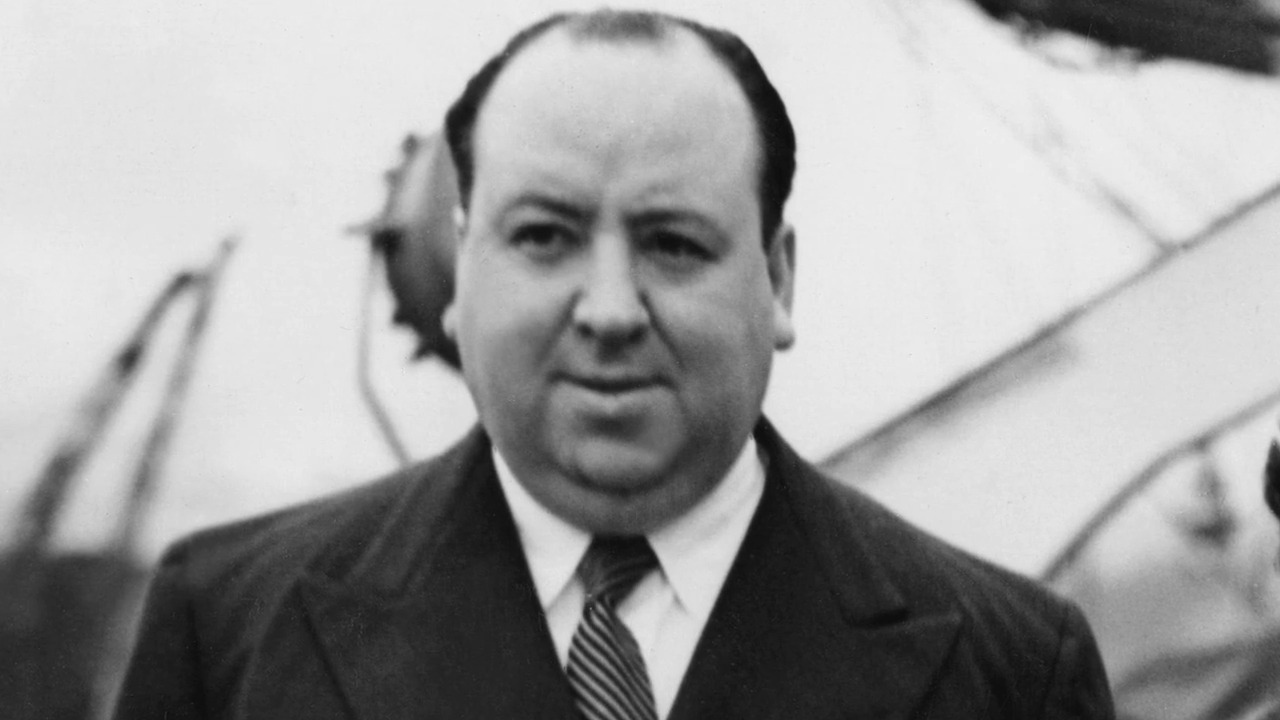
In Alfred Hitchcock and Britain's First Talkie, host Lily Cole discusses how Hitchcock turned the creeping dread people felt due to nuclear war into art. She learns about his 10th movie, Blackmail, which was Britain's first talkie. This video is excerpted from BBC’s Icons: The Greatest Person of the 20th Century, a documentary series celebrating the achievements of the most influential figures of the era.
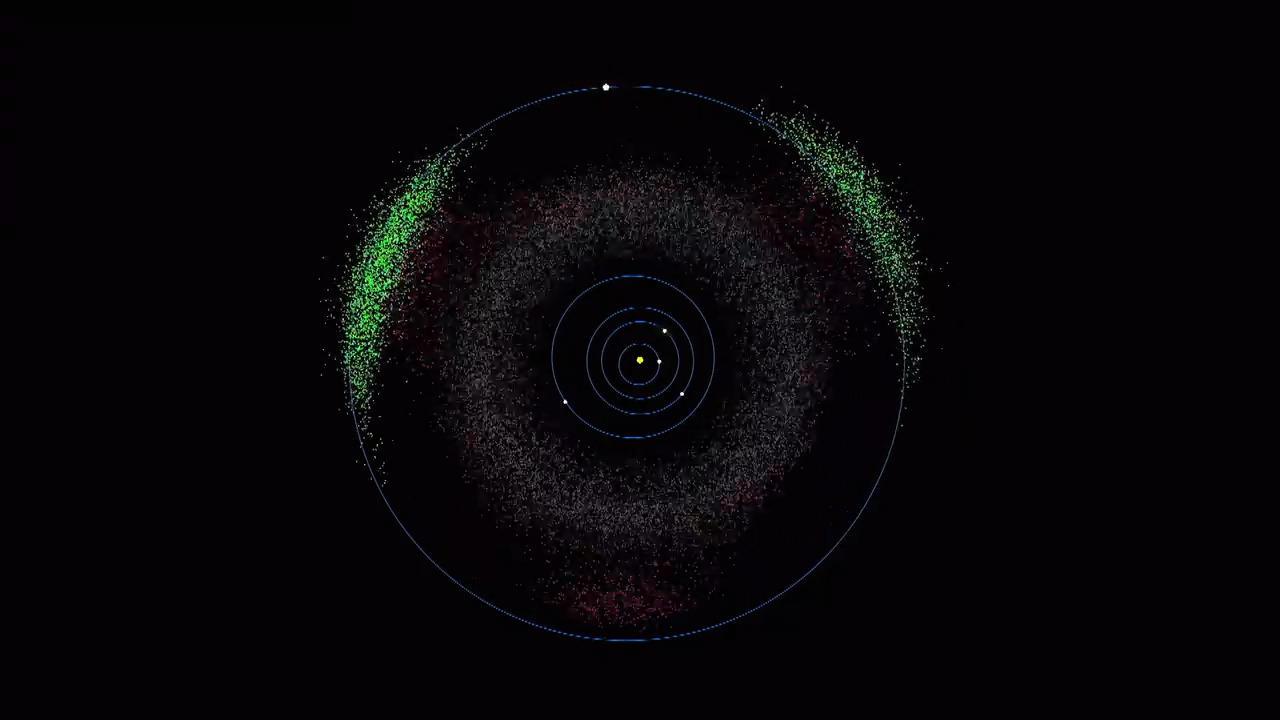
In Jupiter’s Impact on Earth, Professor Brian Cox explains what happened when an asteroid from the asteroid belt that is influenced by Jupiter split off and hit Earth. Watch how a small change millions of miles from Earth makes a dramatic impact on our planet. This video is excerpted from BBC’s Brian Cox’s Adventures in Space and Time, a series that seeks to explain our place in the Universe. Professor Brian Cox looks back on decades of discovery and toward the next frontier in space, pondering the question: What’s next?
In Einstein and the Nuclear Bomb, host Chris Packham explores Albert Einstein's scientific contributions. As a pacifist, he was opposed to the use of his research to develop nuclear weapons. Einstein’s story reveals the burden of scientific discovery in wartime. This video is excerpted from BBC’s Icons: The Greatest Person of the 20th Century, a documentary series celebrating the achievements of the most influential figures of the era.
In The Radioactive Secret of the Stars, narrator Kate Yule explains how Einstein discovered that nuclear fusion within stars creates energy. Learn how harnessing this energy led to the creation of nuclear power and nuclear weapons. This video is excerpted from BBC’s Einstein & Hawking: Masters of Our Universe, a mind-bending documentary that tells the story of how the two most famous scientists of the 20th Century transformed our understanding of the Universe and changed the world.
In JFK and the Cuban Myth, historian Lucy Worsley learns the truth about the Cuban Missile Crisis in 1962. The official belief was that JFK stood up to the Russians and ordered a blockade of Cuba, resulting in the withdrawal of Russian troops. The truth is, he made a deal to withdraw U.S. nuclear weapons from Turkey. This video is excerpted from BBC's American History's Biggest Fibs with Lucy Worsley, in which Worsley reveals the myths and manipulations behind American history.
In Eisenhower and the Military-Industrial Complex, historian Lucy Worsley investigates how Eisenhower cut military numbers and increased nuclear weapons instead. During his presidency, Eisenhower increased America's nuclear bombs from 1,000 to 22,000. He knew that arms companies and generals were exaggerating the Soviet threat. Eisenhower named this the Military-Industrial Complex. This video is excerpted from BBC's American History's Biggest Fibs with Lucy Worsley, in which Worsley reveals the myths and manipulations behind American history.
In Did Two Atomic Bombs Really End the War in Japan?, historian Lucy Worsley learns how Harry S. Truman came to office in 1945. World War II had ended in Europe, but Americans were still fighting in Japan. The official story was that the two atomic bombs ended the war in Japan. This video is excerpted from BBC's American History's Biggest Fibs with Lucy Worsley, in which Worsley reveals the myths and manipulations behind American history.
In Codename NSC 68, historian Lucy Worsley discovers that the purpose of this top-secret report was to set America's new defense strategy during the Cold War. It justified the spending of $47 billion to defend America and the rest of the world from Russian dominance. The reality was that the Soviet economy had been destroyed in World War II, and it did not have the capability to fight against America. This video is excerpted from BBC's American History's Biggest Fibs with Lucy Worsley, in which Worsley reveals the myths and manipulations behind American history.
Meet the Icons of the 20th Century. From brilliant scientists and inspiring activists to legendary athletes and artists, these remarkable individuals changed the world in powerful ways. In this video playlist of clips from BBC's Icons: The Greatest Person of the 20th Century, meet Muhammad Ali, Helen Keller, Albert Einstein, Martin Luther King Jr., Pablo Picasso, Jane Goodall, Pelé, Billie Holiday and others — each a trailblazer who shaped history through courage, creativity, and conviction. A perfect playlist to inspire young minds to think big and act boldly!
In Nuclear Danger in the Desert, historian Lucy Worsley learns about the testing of nuclear bombs in Nevada in the 1950s. People visited Las Vegas to watch the nuclear testing. Residents became known as “downwinders” because the fallout often blew their way. Their livestock began dying, and cancer and leukemia rates soared, but it was denied that these events were linked to nuclear testing. This video is excerpted from BBC's American History's Biggest Fibs with Lucy Worsley, in which Worsley reveals the myths and manipulations behind American history.
The article "The Chernobyl Disaster: How a Nuclear Experiment Went Horribly Wrong" from BBC's HistoryExtra explains how a dangerous test at the Chernobyl nuclear plant in Ukraine led to a catastrophic explosion. It describes the causes, tragic aftermath, and global consequences of the world’s worst nuclear disaster.
The article "This Is the Strangest Weapon the U.S. Military Doesn't Want You to Know About" from BBC's Science Focus delves into the secretive nature of military innovations. It highlights Fogbank, a classified material used in nuclear warheads, and discusses how its manufacturing process was lost and later rediscovered.
In Alfred Hitchcock and Britain's First Talkie, host Lily Cole discusses how Hitchcock turned the creeping dread people felt due to nuclear war into art. She learns about his 10th movie, Blackmail, which was Britain's first talkie. This video is excerpted from BBC’s Icons: The Greatest Person of the 20th Century, a documentary series celebrating the achievements of the most influential figures of the era.
In Jupiter’s Impact on Earth, Professor Brian Cox explains what happened when an asteroid from the asteroid belt that is influenced by Jupiter split off and hit Earth. Watch how a small change millions of miles from Earth makes a dramatic impact on our planet. This video is excerpted from BBC’s Brian Cox’s Adventures in Space and Time, a series that seeks to explain our place in the Universe. Professor Brian Cox looks back on decades of discovery and toward the next frontier in space, pondering the question: What’s next?