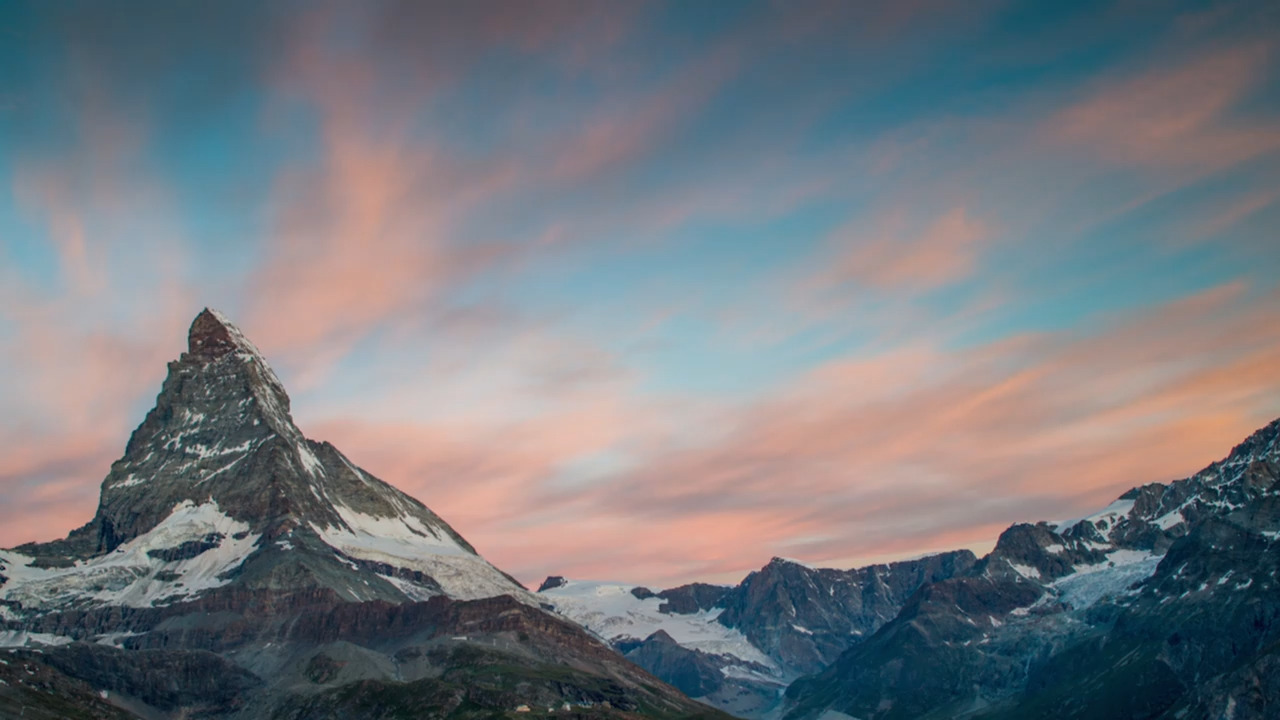
In How High Altitude Affects Our Bodies, host Harith Iskander explains why the air feels thinner in high-altitude locations and how our bodies adapt to less oxygen. At high altitudes, the lower oxygen levels can make people feel breathless, but the body responds by adjusting its red blood cells to carry more oxygen. This change in the respiratory system helps people acclimate over time to the challenges of mountain environments. This video is excerpted from BBC’s Got Science?, a science magazine series that explores and explains science in everyday life.
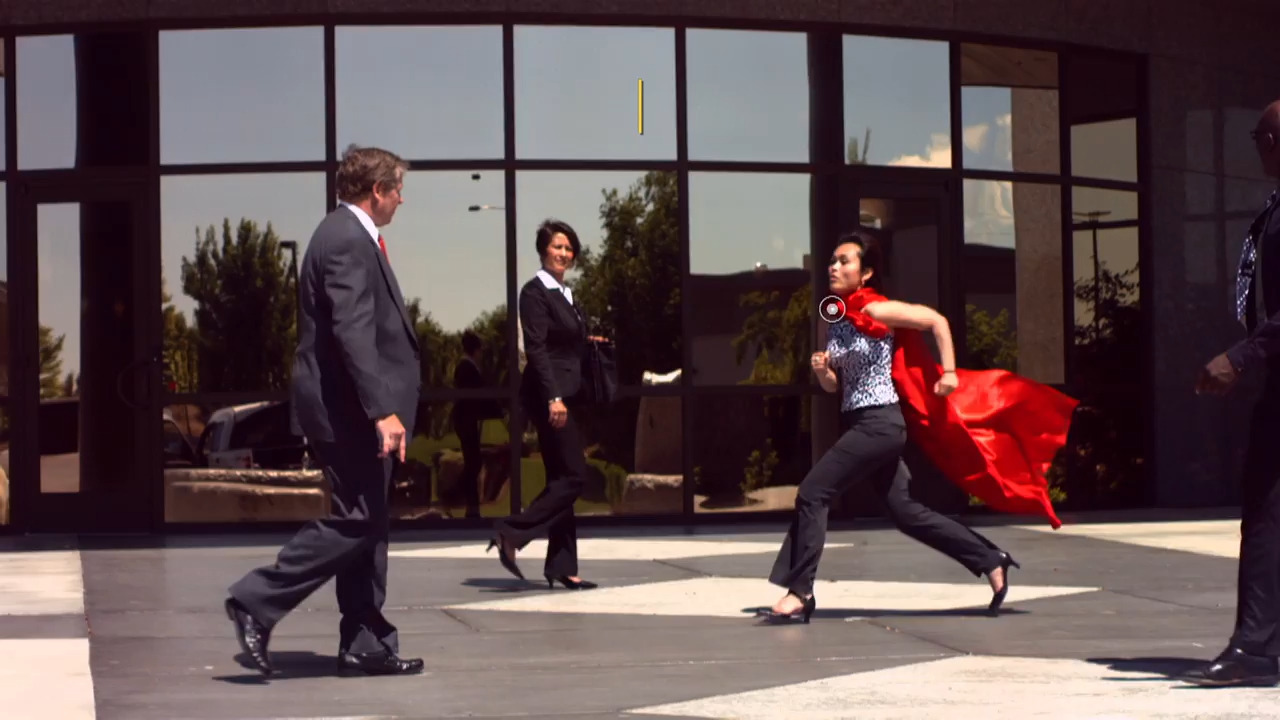
In How Our Bodies React in Extraordinary Situations, host Harith Iskander explores how ordinary humans can do extraordinary things when facing danger. When the body senses a threat, it releases a hormone called adrenaline, which helps us respond quickly and even ignore pain. This video is excerpted from BBC’s Got Science?, a science magazine series that explores and explains science in everyday life.
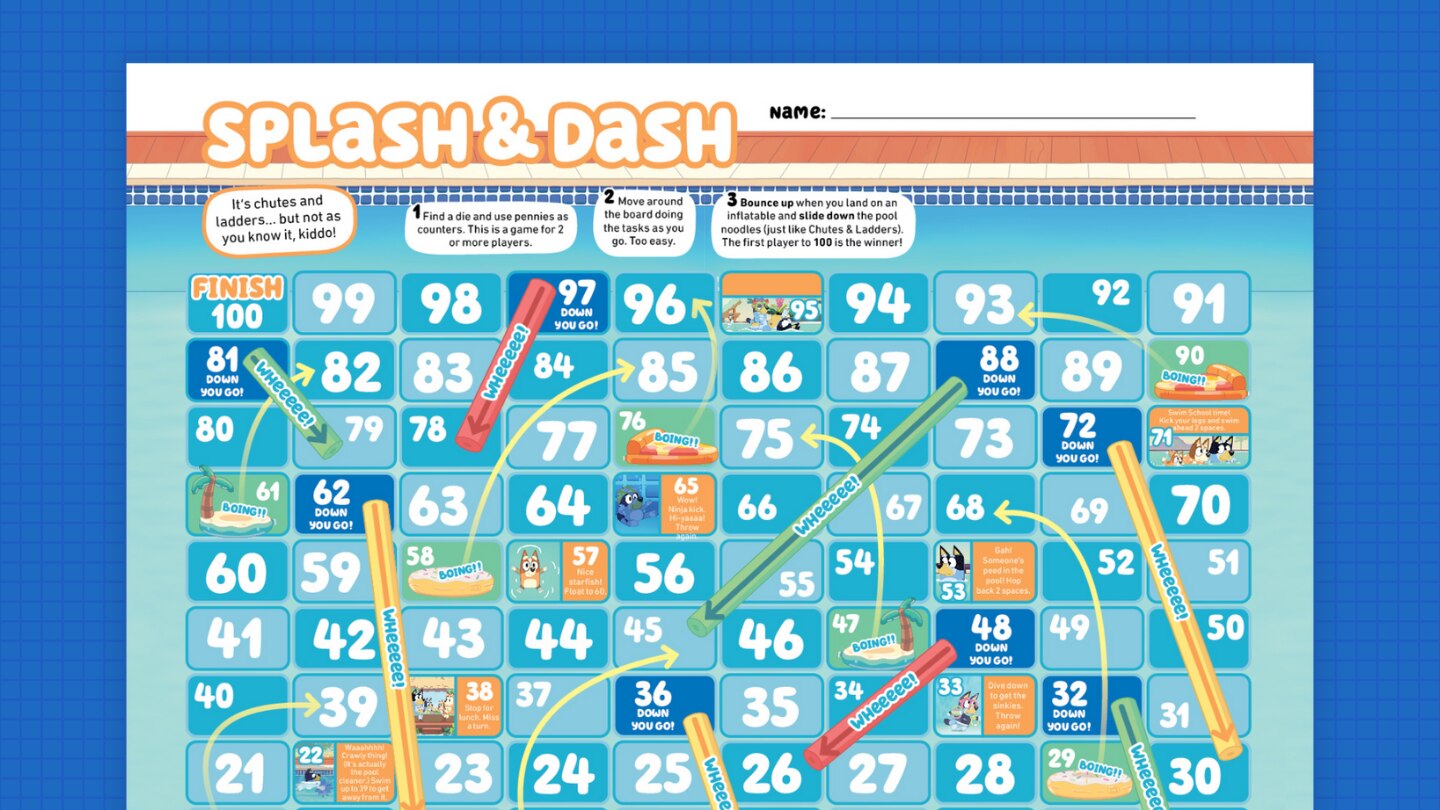
It’s chutes and ladders... but not as you know it, kiddo! This is a game for two or more players. Here's how to play:
- Find a die and use pennies as counters.
- Move around the board doing the tasks as you go. Too easy.
- Bounce up when you land on an inflatable and slide down the pool noodles (just like Chutes & Ladders). The first player to 100 is the winner!
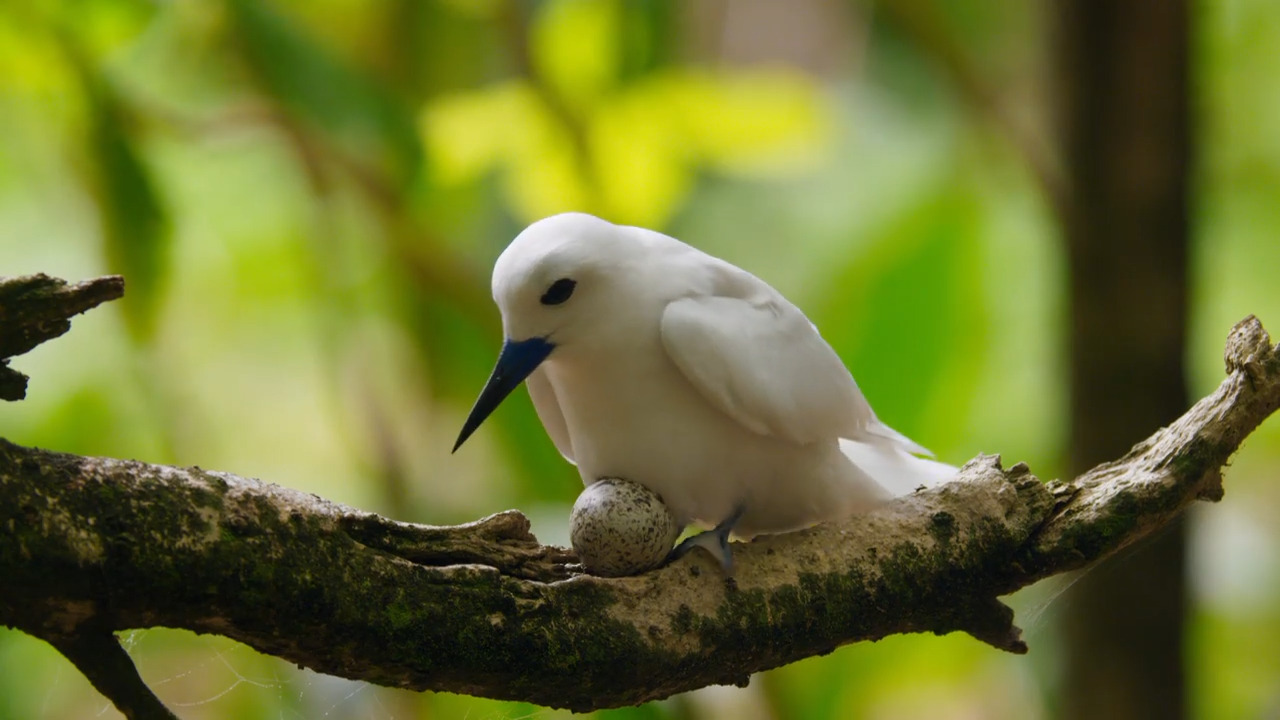
In The Seabirds of the Seychelles, narrator Sir David Attenborough describes how seabirds like fairy terns and noddies face unique survival challenges. Learn how predatory birds and the infamous "bird catcher tree," the Pisonia tree, affect these seabirds. The Pisonia tree's sticky seeds trap the birds, posing a major threat to their survival. This video is excerpted from BBC’s Planet Earth II, a breathtaking documentary series that highlights the natural wonders of our planet.
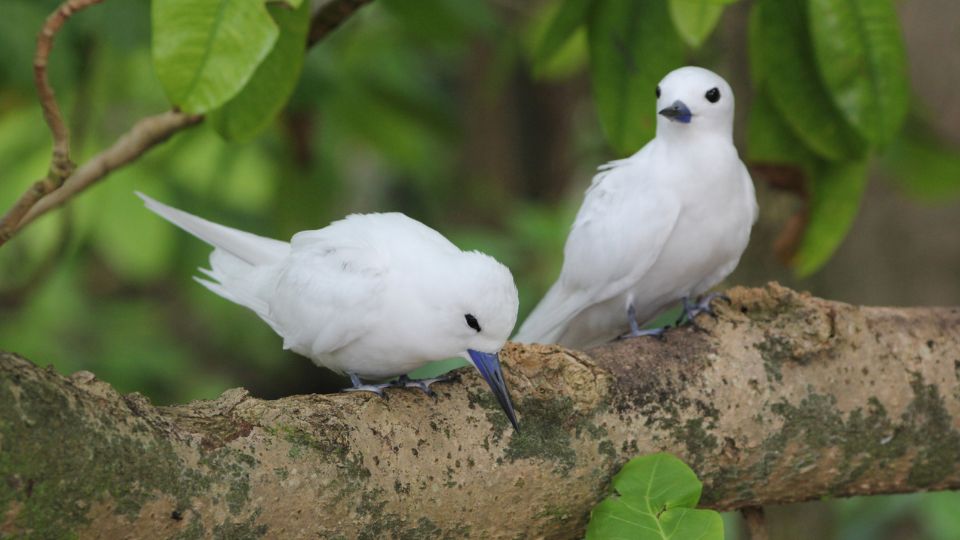
Welcome to the tropics! First watch The Seabirds of the Seychelles, a short clip from the award-winning BBC series Planet Earth. Sir David Attenborough explains how seabirds like fairy terns and noddies face unique survival challenges. Learn how predatory birds and the infamous "bird catcher tree," the Pisonia tree, affect these seabirds.
Once your students have watched the video, invite them to check for understanding with this quick, 8-question quiz!
In How High Altitude Affects Our Bodies, host Harith Iskander explains why the air feels thinner in high-altitude locations and how our bodies adapt to less oxygen. At high altitudes, the lower oxygen levels can make people feel breathless, but the body responds by adjusting its red blood cells to carry more oxygen. This change in the respiratory system helps people acclimate over time to the challenges of mountain environments. This video is excerpted from BBC’s Got Science?, a science magazine series that explores and explains science in everyday life.
In How Our Bodies React in Extraordinary Situations, host Harith Iskander explores how ordinary humans can do extraordinary things when facing danger. When the body senses a threat, it releases a hormone called adrenaline, which helps us respond quickly and even ignore pain. This video is excerpted from BBC’s Got Science?, a science magazine series that explores and explains science in everyday life.
It’s chutes and ladders... but not as you know it, kiddo! This is a game for two or more players. Here's how to play:
- Find a die and use pennies as counters.
- Move around the board doing the tasks as you go. Too easy.
- Bounce up when you land on an inflatable and slide down the pool noodles (just like Chutes & Ladders). The first player to 100 is the winner!
In The Seabirds of the Seychelles, narrator Sir David Attenborough describes how seabirds like fairy terns and noddies face unique survival challenges. Learn how predatory birds and the infamous "bird catcher tree," the Pisonia tree, affect these seabirds. The Pisonia tree's sticky seeds trap the birds, posing a major threat to their survival. This video is excerpted from BBC’s Planet Earth II, a breathtaking documentary series that highlights the natural wonders of our planet.
Welcome to the tropics! First watch The Seabirds of the Seychelles, a short clip from the award-winning BBC series Planet Earth. Sir David Attenborough explains how seabirds like fairy terns and noddies face unique survival challenges. Learn how predatory birds and the infamous "bird catcher tree," the Pisonia tree, affect these seabirds.
Once your students have watched the video, invite them to check for understanding with this quick, 8-question quiz!