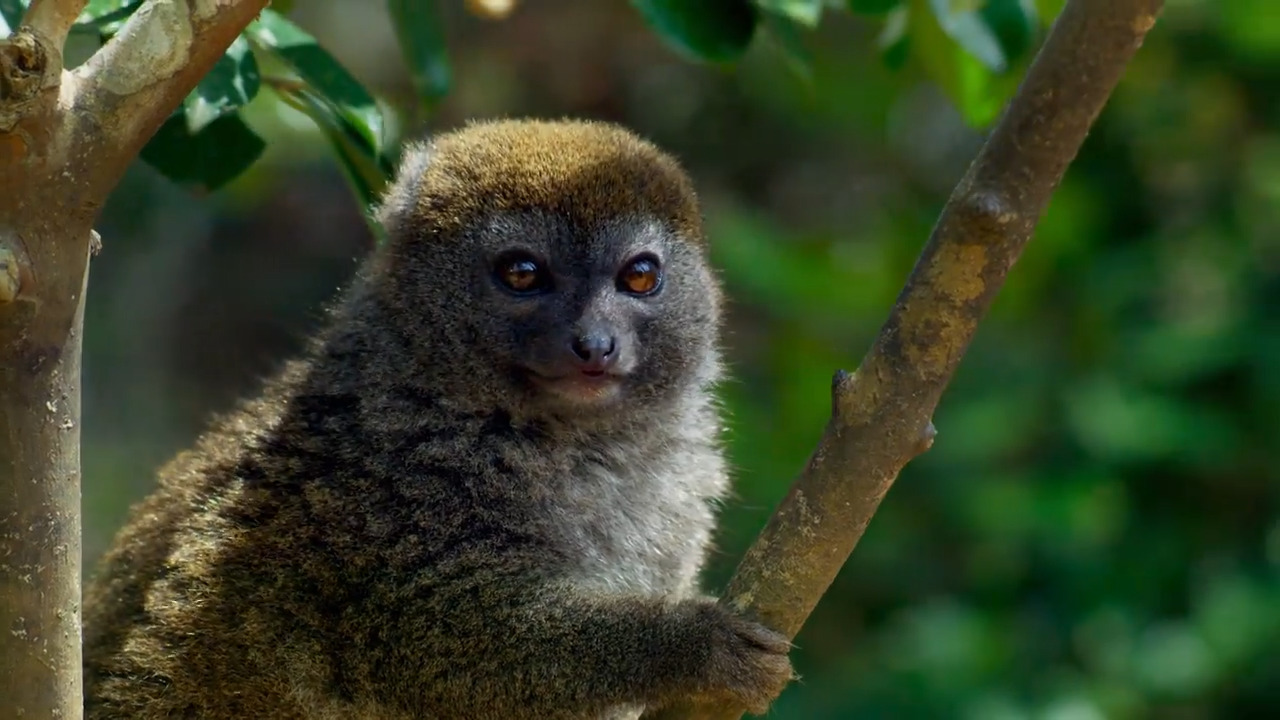
In Finding a Niche in a Crowded Jungle Ecosystem, narrator Sir David Attenborough discovers how animals like the indri — a large lemur native to Madagascar — adapt to survive in one of the most competitive environments on Earth. In the dense jungle, the indri has developed unique strategies to find its place in this crowded ecosystem. This video is excerpted from BBC’s Planet Earth II, a breathtaking documentary series that highlights the natural wonders of our planet.
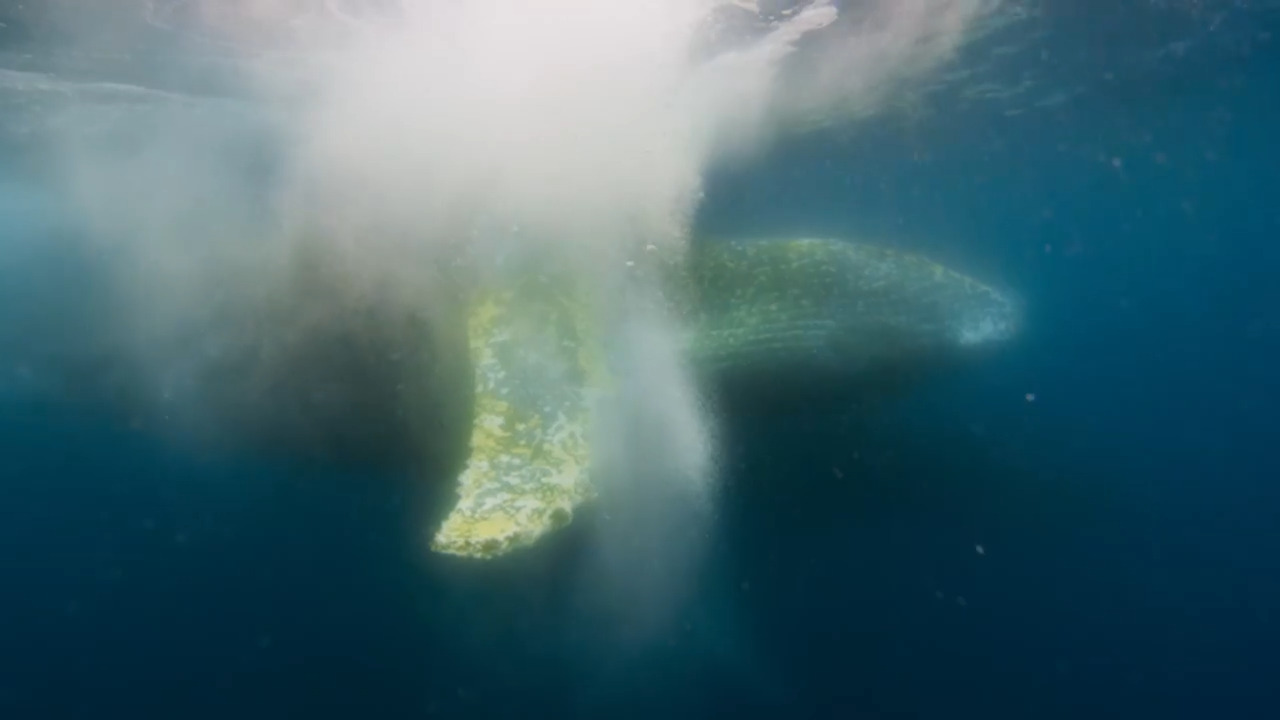
In The Sophisticated Feeding Technique of Humpback Whales, narrator Sir David Attenborough explores the Southern Ocean and the humpback whales that feed there. When Antarctica broke off from South America, it created swirling currents that sweep up nutrients from the bottom of the ocean, making it one of the richest waters on earth. In the summer, humpback whales come there to feast on shoals of krill, blowing curtains of bubbles and spiraling inwards to capture the swarm. This video is excerpted from BBC’s Seven Worlds, One Planet, a series featuring remarkable animal behavior from all seven continents.
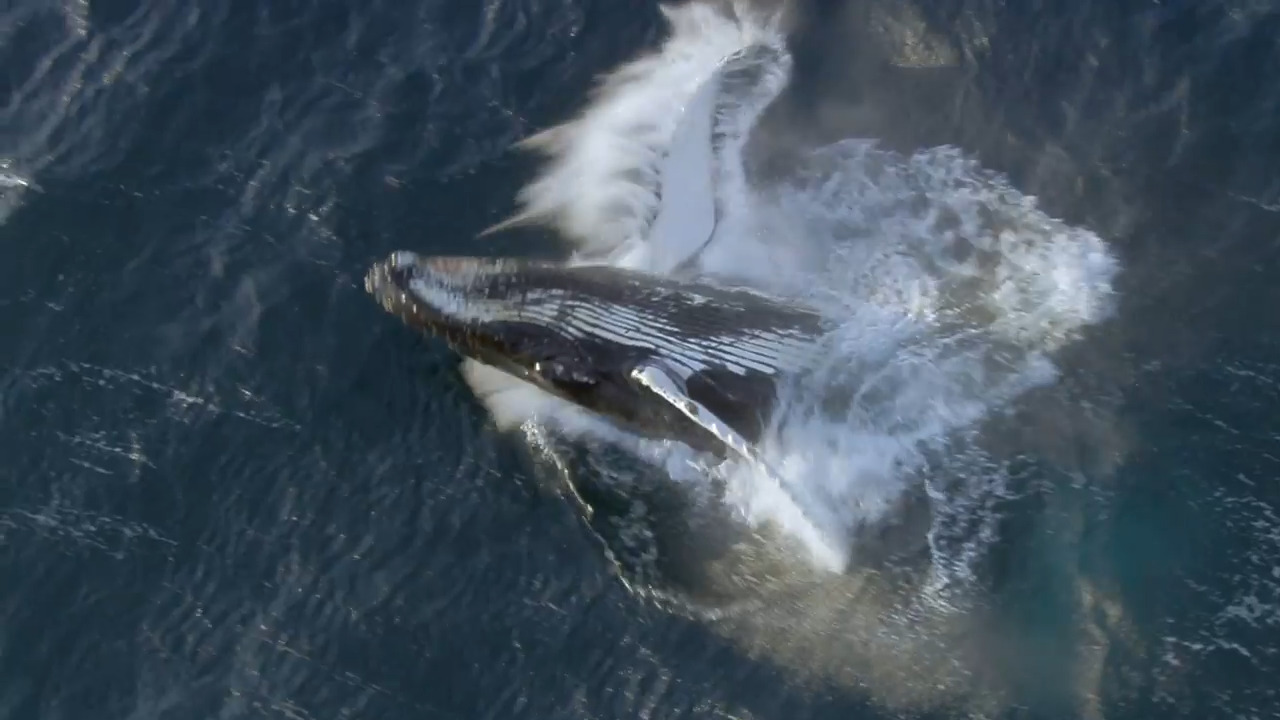
In Summer in Antarctica, narrator Sir David Attenborough describes how penguins, minke whales, and humpback whales swim in the Antarctic Ocean, the richest ocean for feeding on the planet. The melting ice sheet transforms the Antarctic landscape, creating the most dramatic seasonal shift on Earth. This video is excerpted from BBC’s Frozen Planet, a series that shows a fragile world of beauty and hostility, where nature finds a way to survive and thrive in frigid conditions.
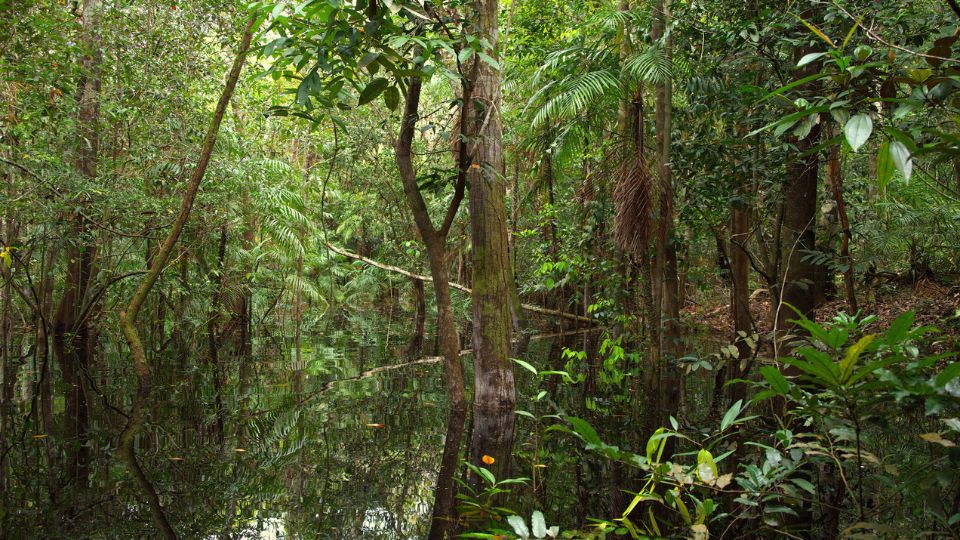
Journey into the heart of the rainforest and explore the four amazing layers that make this ecosystem so unique. From the sunlit emergent layer high above the trees to the dark and humid forest floor below, students will discover how different plants and animals survive and thrive in each part of the rainforest.
This Kahoot examines the rainforest’s distinct layers — the emergent layer, canopy, understory, and forest floor — and the important roles they play in supporting biodiversity. Students will learn how animals adapt to life at different heights, how plants compete for sunlight and water, and how all the layers work together to create one of the richest ecosystems on Earth.
Watch the related BBC videos (below), then invite your Grade 3–8 students to test their knowledge and uncover the wonders hidden within each layer of the rainforest.

In The Stock Market Crash of 1929, learn about one of the most shocking financial disasters in history, which unfolded on the floor of the New York Stock Exchange. At the Museum of Financial History, you can see a replica of the ticker tape machine that delivered the news — and the actual ticker tape from that fateful day. People watched in fear as their hard-earned money vanished, and the panic that followed changed the economy forever. This video is excerpted from BBC’s Road to Riches, which explores the history of money, wealth, and economic power.
In Finding a Niche in a Crowded Jungle Ecosystem, narrator Sir David Attenborough discovers how animals like the indri — a large lemur native to Madagascar — adapt to survive in one of the most competitive environments on Earth. In the dense jungle, the indri has developed unique strategies to find its place in this crowded ecosystem. This video is excerpted from BBC’s Planet Earth II, a breathtaking documentary series that highlights the natural wonders of our planet.
In The Sophisticated Feeding Technique of Humpback Whales, narrator Sir David Attenborough explores the Southern Ocean and the humpback whales that feed there. When Antarctica broke off from South America, it created swirling currents that sweep up nutrients from the bottom of the ocean, making it one of the richest waters on earth. In the summer, humpback whales come there to feast on shoals of krill, blowing curtains of bubbles and spiraling inwards to capture the swarm. This video is excerpted from BBC’s Seven Worlds, One Planet, a series featuring remarkable animal behavior from all seven continents.
In Summer in Antarctica, narrator Sir David Attenborough describes how penguins, minke whales, and humpback whales swim in the Antarctic Ocean, the richest ocean for feeding on the planet. The melting ice sheet transforms the Antarctic landscape, creating the most dramatic seasonal shift on Earth. This video is excerpted from BBC’s Frozen Planet, a series that shows a fragile world of beauty and hostility, where nature finds a way to survive and thrive in frigid conditions.
Journey into the heart of the rainforest and explore the four amazing layers that make this ecosystem so unique. From the sunlit emergent layer high above the trees to the dark and humid forest floor below, students will discover how different plants and animals survive and thrive in each part of the rainforest.
This Kahoot examines the rainforest’s distinct layers — the emergent layer, canopy, understory, and forest floor — and the important roles they play in supporting biodiversity. Students will learn how animals adapt to life at different heights, how plants compete for sunlight and water, and how all the layers work together to create one of the richest ecosystems on Earth.
Watch the related BBC videos (below), then invite your Grade 3–8 students to test their knowledge and uncover the wonders hidden within each layer of the rainforest.
In The Stock Market Crash of 1929, learn about one of the most shocking financial disasters in history, which unfolded on the floor of the New York Stock Exchange. At the Museum of Financial History, you can see a replica of the ticker tape machine that delivered the news — and the actual ticker tape from that fateful day. People watched in fear as their hard-earned money vanished, and the panic that followed changed the economy forever. This video is excerpted from BBC’s Road to Riches, which explores the history of money, wealth, and economic power.