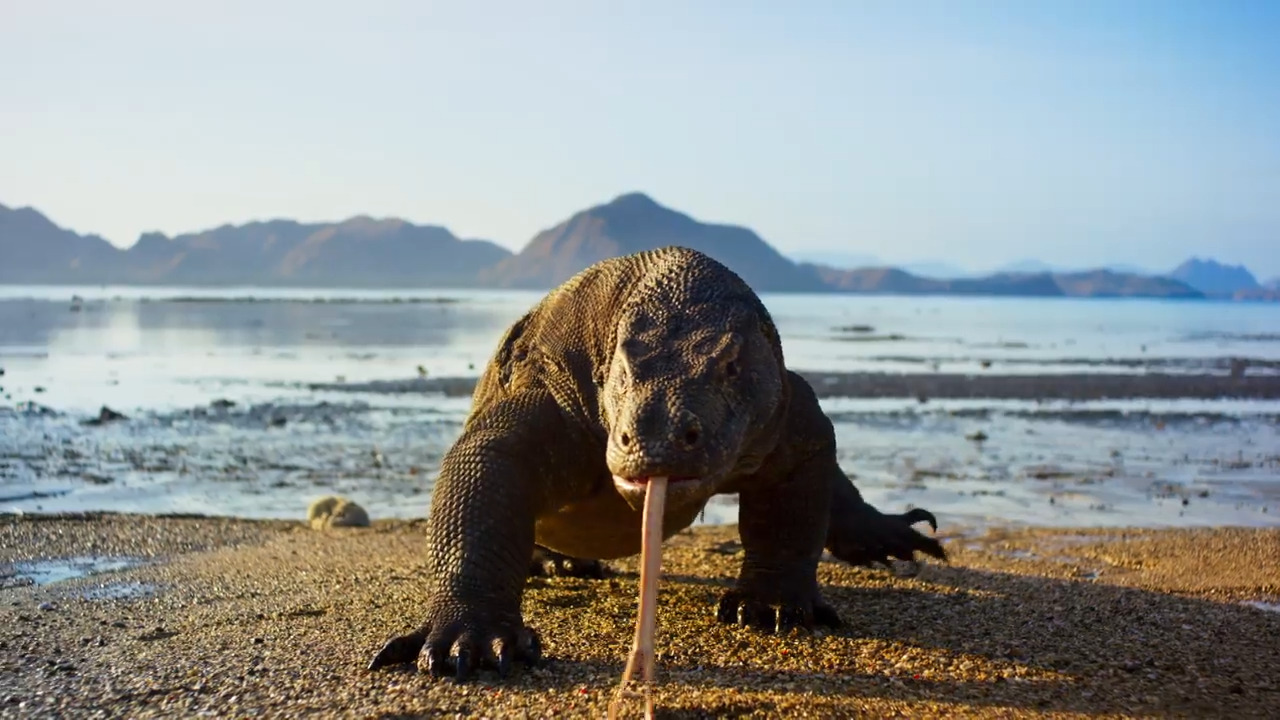
In Battles of the Komodo Dragons, narrator Sir David Attenborough describes the dramatic clashes between these apex predators on Komodo Island. From battles for territory to fierce competition for food and mates, Komodo dragons use their immense strength and strategy to dominate their environment. This video is excerpted from BBC’s Planet Earth II, a breathtaking documentary series that highlights the natural wonders of our planet.
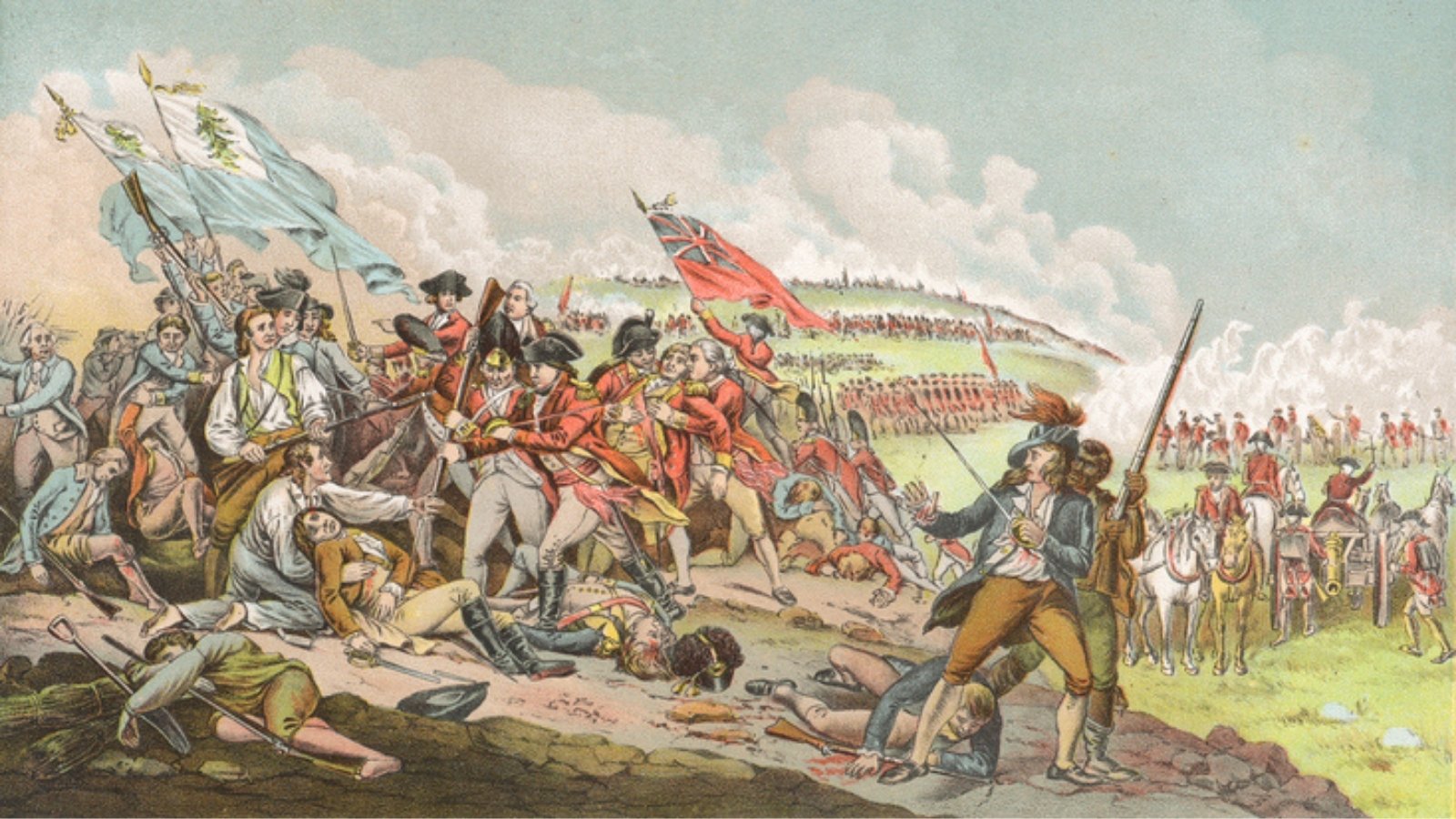
The article "The 9 Battles That Forged the United States: Key Clashes of the American Revolutionary War" from BBC's HistoryExtra chronicles nine critical battles that defined the American Revolutionary War. Beginning with the confrontations at Lexington and Concord in 1775 and ending with the British surrender at Yorktown in 1781, the piece highlights how each engagement influenced the course of the war and contributed to the eventual establishment of the United States.
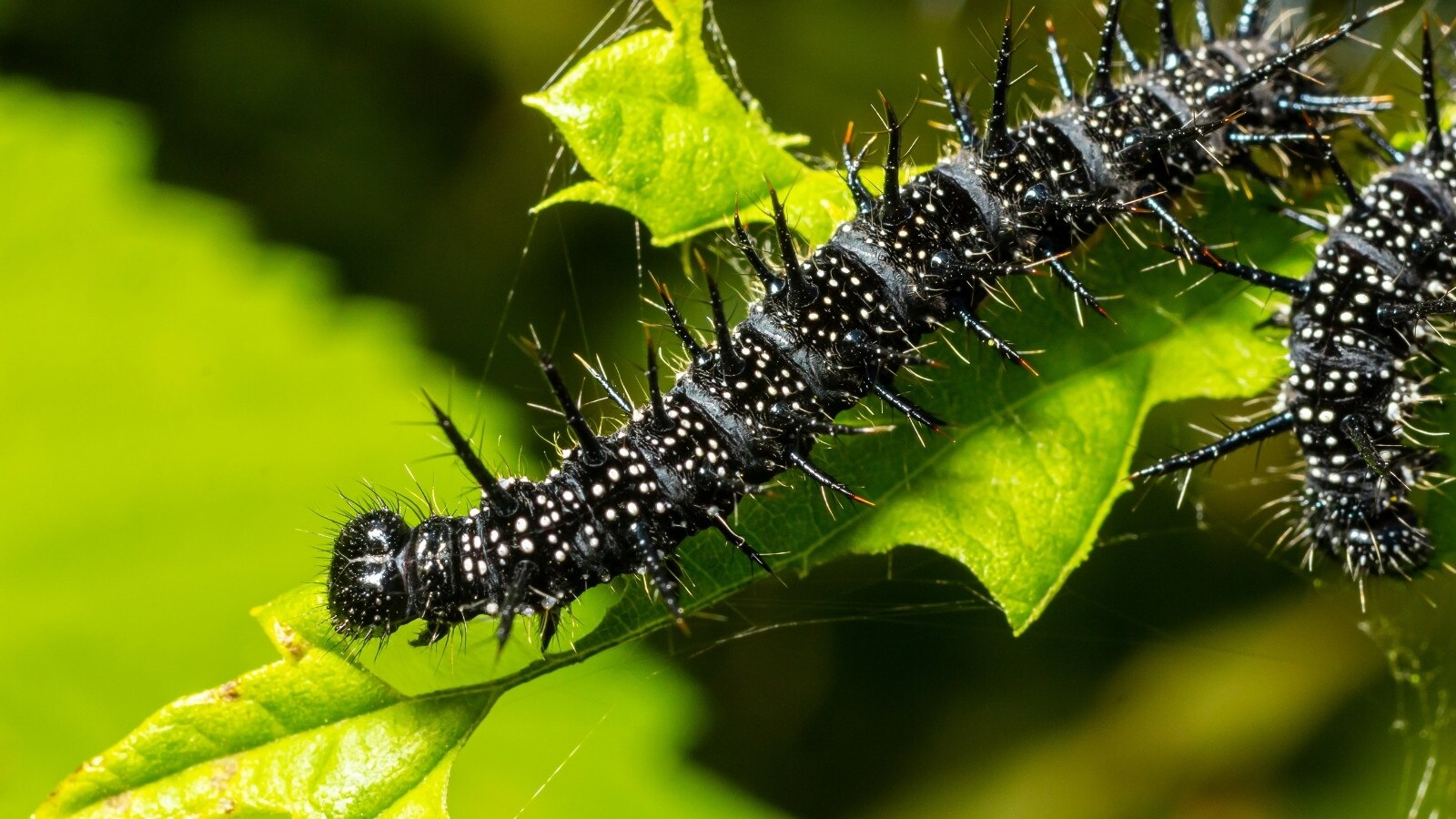
The article "Creating a Butterfly-Friendly Garden: Essential Caterpillar Food Plants" from BBC's Discover Wildlife explains how growing specific plants in your garden can help support butterfly populations. By planting food plants like nettles for peacock and small tortoiseshell butterflies, and cuckoo flower for orange-tips, you can encourage caterpillars to thrive and ensure butterflies have a safe space to lay eggs and feed.
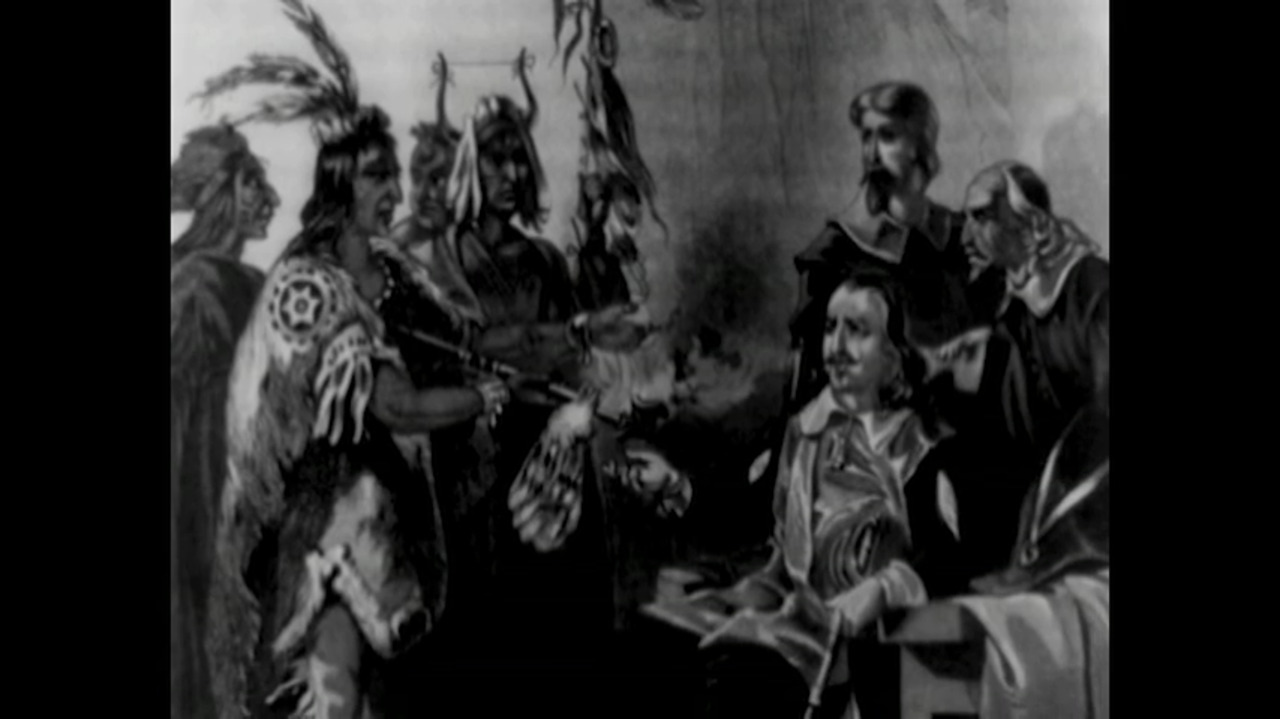
In The Iroquois Legacy, explore the complex relationship between Native Americans and European settlers. Long before the U.S. Constitution, the Iroquois created their own constitution and political system, influencing Founding Fathers like Benjamin Franklin and John Adams. Despite this influence, the Iroquois faced difficult relationships with European settlers, including conflicts over land and the eventual destruction of their alliance during the American Revolution. Many Iroquois were forced to flee to Canada, where their descendants still live today.
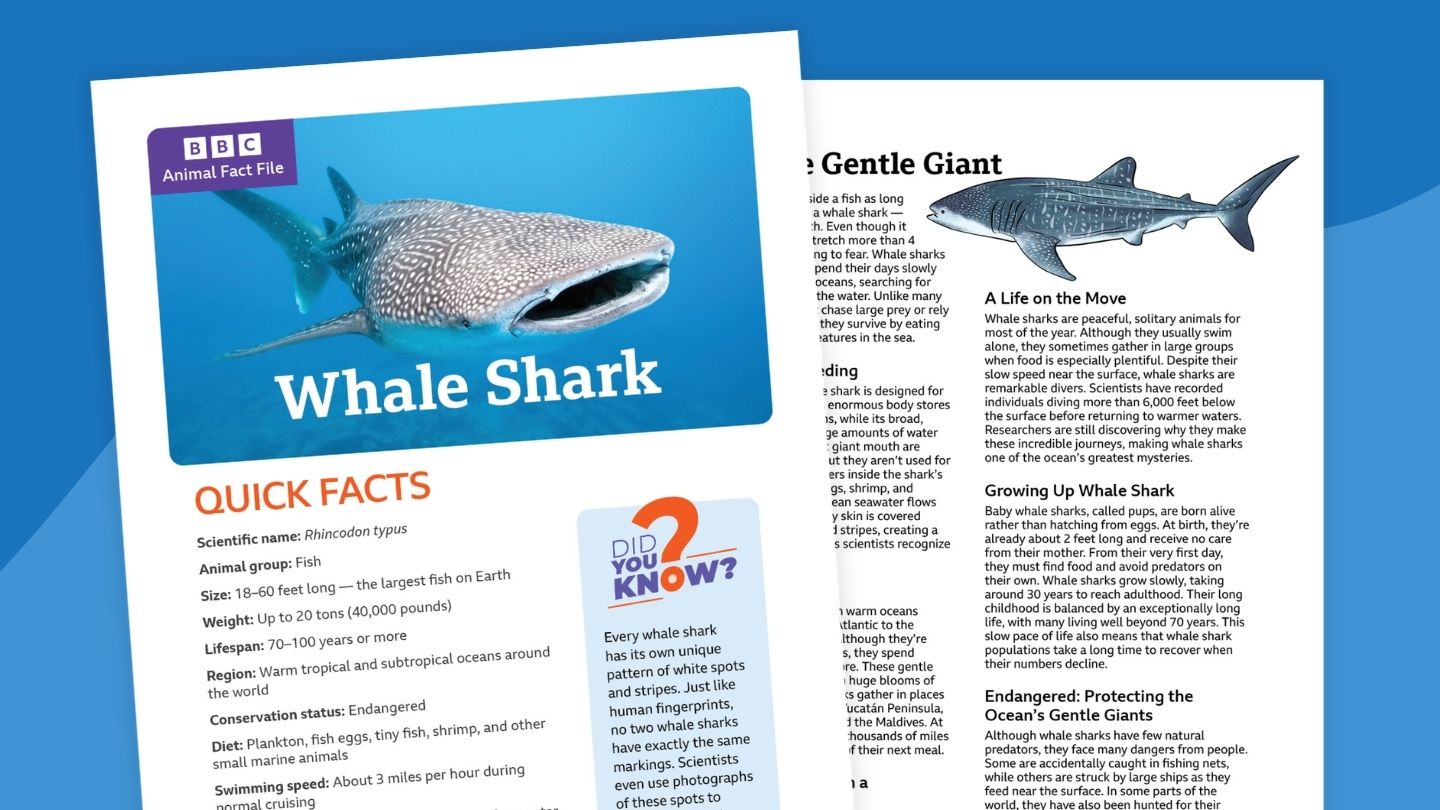
What fish can grow longer than a school bus but feeds on tiny plankton? The whale shark is the largest fish on Earth — and one of its gentlest.
From tropical coastlines to the open ocean, these enormous fish spend their lives searching for tiny creatures drifting through the water. Discover how whale sharks use filter feeding instead of hunting, dive thousands of feet beneath the surface, and migrate incredible distances across the globe. You'll also learn why these gentle giants are endangered and how scientists are working to protect them for generations to come.
Teachers and parents, you can use this fact file to:
- Introduce an animal, wildlife, or life science unit
- Support nonfiction reading and vocabulary practice
- Explore animal adaptations, behaviors, and habitats
- Compare animals and the ecosystems they live in
- Practice finding and organizing information from nonfiction texts
- Prepare students for animal research projects or presentations (use our animal report templates!)
- Connect science learning to conservation and environmental issues
- Pair with videos, articles, or other informational texts (see Related Resources below)
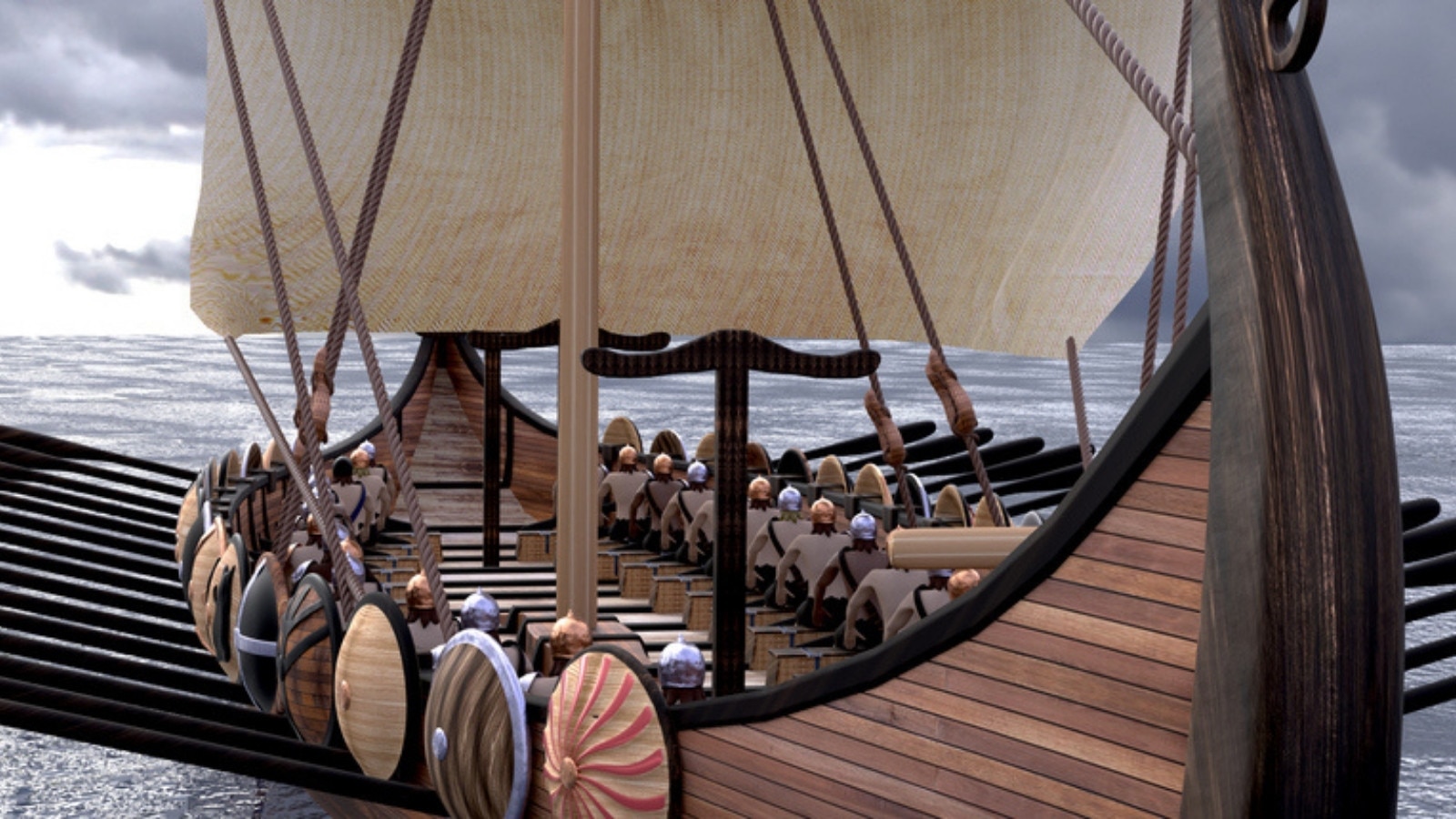
The article "Leif Erikson: The Viking Who Sailed to America" from BBC's HistoryExtra explores the Norse explorer’s journey across the Atlantic nearly 500 years before Columbus.
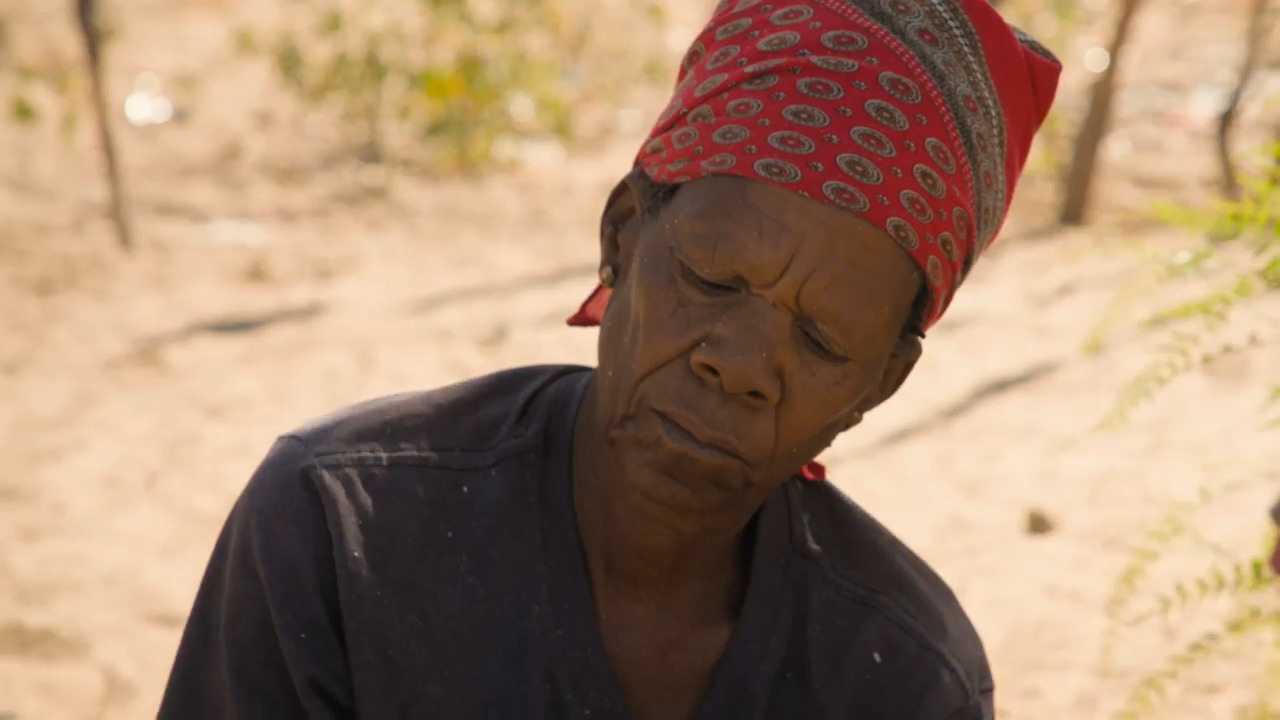
In The San People’s New World, host Simon Reeve explores the Central Kalahari Game Reserve (CKGR) in Botswana, a land filled with wildlife and history. He learns about the San people, who lived there for thousands of years but were forced to relocate to settlements with promises of a better life. Many San feel betrayed, believing they were pushed out for diamonds and wildlife conservation, leaving their ancestral home behind. This video is excerpted from BBC’s Wilderness With Simon Reeve, an epic adventure into the heart of Earth’s last great wild areas, where nature is at its most beautiful and fragile.

In Can Oil and Conservation Coexist?, host Simon Reeve explores the Arctic National Wildlife Refuge (ANWR) in Alaska, where he visits the small coastal Iñupiat community of Kaktovik — the only settlement in this 19-million-acre wilderness. He investigates the heated debate over protecting the refuge vs. oil drilling, as the people explain how oil companies have brought life-changing benefits like running water, modern homes, and longer life expectancy. This video is excerpted from BBC’s The Americas With Simon Reeve, in which Simon Reeve explores the landscapes, cultures, and wildlife of North and South America.
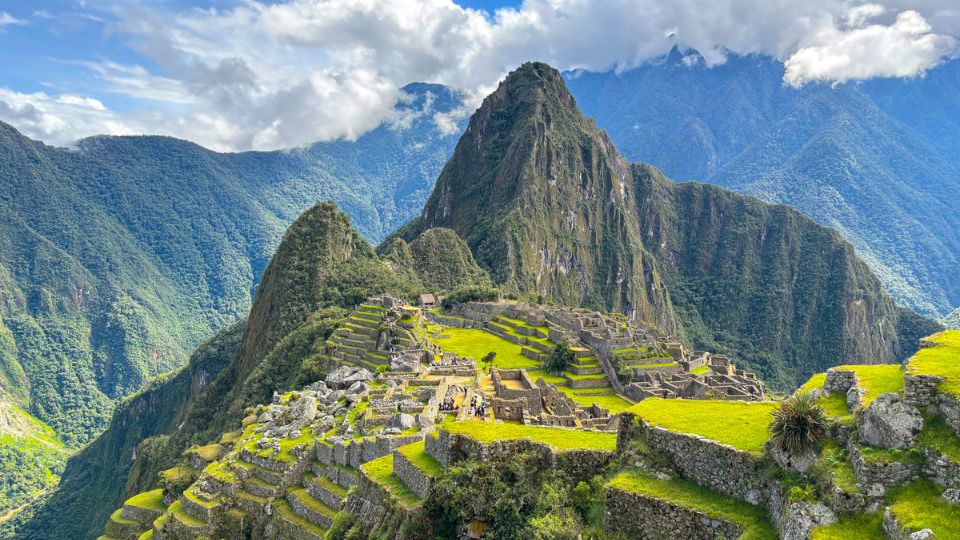
Discover the mysteries of Machu Picchu, the ancient Inca city hidden high in the Andes Mountains. Students will explore who built this remarkable mountain settlement, why it may have been abandoned, and how it became one of the New Seven Wonders of the World.
This Kahoot examines the engineering, architecture, and beliefs of the Inca Empire, including the stone structures, terraces, and pathways that allowed people to live in harmony with the steep mountain environment. Students will also discover what Machu Picchu reveals about Inca culture, religion, and scientific understanding.
Ideal for lessons on history, geography, engineering, and world cultures, this Kahoot encourages students to explore the lasting achievements and ingenuity of one of the world’s most fascinating ancient civilizations.
In Battles of the Komodo Dragons, narrator Sir David Attenborough describes the dramatic clashes between these apex predators on Komodo Island. From battles for territory to fierce competition for food and mates, Komodo dragons use their immense strength and strategy to dominate their environment. This video is excerpted from BBC’s Planet Earth II, a breathtaking documentary series that highlights the natural wonders of our planet.
The article "The 9 Battles That Forged the United States: Key Clashes of the American Revolutionary War" from BBC's HistoryExtra chronicles nine critical battles that defined the American Revolutionary War. Beginning with the confrontations at Lexington and Concord in 1775 and ending with the British surrender at Yorktown in 1781, the piece highlights how each engagement influenced the course of the war and contributed to the eventual establishment of the United States.
The article "Creating a Butterfly-Friendly Garden: Essential Caterpillar Food Plants" from BBC's Discover Wildlife explains how growing specific plants in your garden can help support butterfly populations. By planting food plants like nettles for peacock and small tortoiseshell butterflies, and cuckoo flower for orange-tips, you can encourage caterpillars to thrive and ensure butterflies have a safe space to lay eggs and feed.
In The Iroquois Legacy, explore the complex relationship between Native Americans and European settlers. Long before the U.S. Constitution, the Iroquois created their own constitution and political system, influencing Founding Fathers like Benjamin Franklin and John Adams. Despite this influence, the Iroquois faced difficult relationships with European settlers, including conflicts over land and the eventual destruction of their alliance during the American Revolution. Many Iroquois were forced to flee to Canada, where their descendants still live today.
What fish can grow longer than a school bus but feeds on tiny plankton? The whale shark is the largest fish on Earth — and one of its gentlest.
From tropical coastlines to the open ocean, these enormous fish spend their lives searching for tiny creatures drifting through the water. Discover how whale sharks use filter feeding instead of hunting, dive thousands of feet beneath the surface, and migrate incredible distances across the globe. You'll also learn why these gentle giants are endangered and how scientists are working to protect them for generations to come.
Teachers and parents, you can use this fact file to:
- Introduce an animal, wildlife, or life science unit
- Support nonfiction reading and vocabulary practice
- Explore animal adaptations, behaviors, and habitats
- Compare animals and the ecosystems they live in
- Practice finding and organizing information from nonfiction texts
- Prepare students for animal research projects or presentations (use our animal report templates!)
- Connect science learning to conservation and environmental issues
- Pair with videos, articles, or other informational texts (see Related Resources below)
The article "Leif Erikson: The Viking Who Sailed to America" from BBC's HistoryExtra explores the Norse explorer’s journey across the Atlantic nearly 500 years before Columbus.
In The San People’s New World, host Simon Reeve explores the Central Kalahari Game Reserve (CKGR) in Botswana, a land filled with wildlife and history. He learns about the San people, who lived there for thousands of years but were forced to relocate to settlements with promises of a better life. Many San feel betrayed, believing they were pushed out for diamonds and wildlife conservation, leaving their ancestral home behind. This video is excerpted from BBC’s Wilderness With Simon Reeve, an epic adventure into the heart of Earth’s last great wild areas, where nature is at its most beautiful and fragile.
In Can Oil and Conservation Coexist?, host Simon Reeve explores the Arctic National Wildlife Refuge (ANWR) in Alaska, where he visits the small coastal Iñupiat community of Kaktovik — the only settlement in this 19-million-acre wilderness. He investigates the heated debate over protecting the refuge vs. oil drilling, as the people explain how oil companies have brought life-changing benefits like running water, modern homes, and longer life expectancy. This video is excerpted from BBC’s The Americas With Simon Reeve, in which Simon Reeve explores the landscapes, cultures, and wildlife of North and South America.
Discover the mysteries of Machu Picchu, the ancient Inca city hidden high in the Andes Mountains. Students will explore who built this remarkable mountain settlement, why it may have been abandoned, and how it became one of the New Seven Wonders of the World.
This Kahoot examines the engineering, architecture, and beliefs of the Inca Empire, including the stone structures, terraces, and pathways that allowed people to live in harmony with the steep mountain environment. Students will also discover what Machu Picchu reveals about Inca culture, religion, and scientific understanding.
Ideal for lessons on history, geography, engineering, and world cultures, this Kahoot encourages students to explore the lasting achievements and ingenuity of one of the world’s most fascinating ancient civilizations.