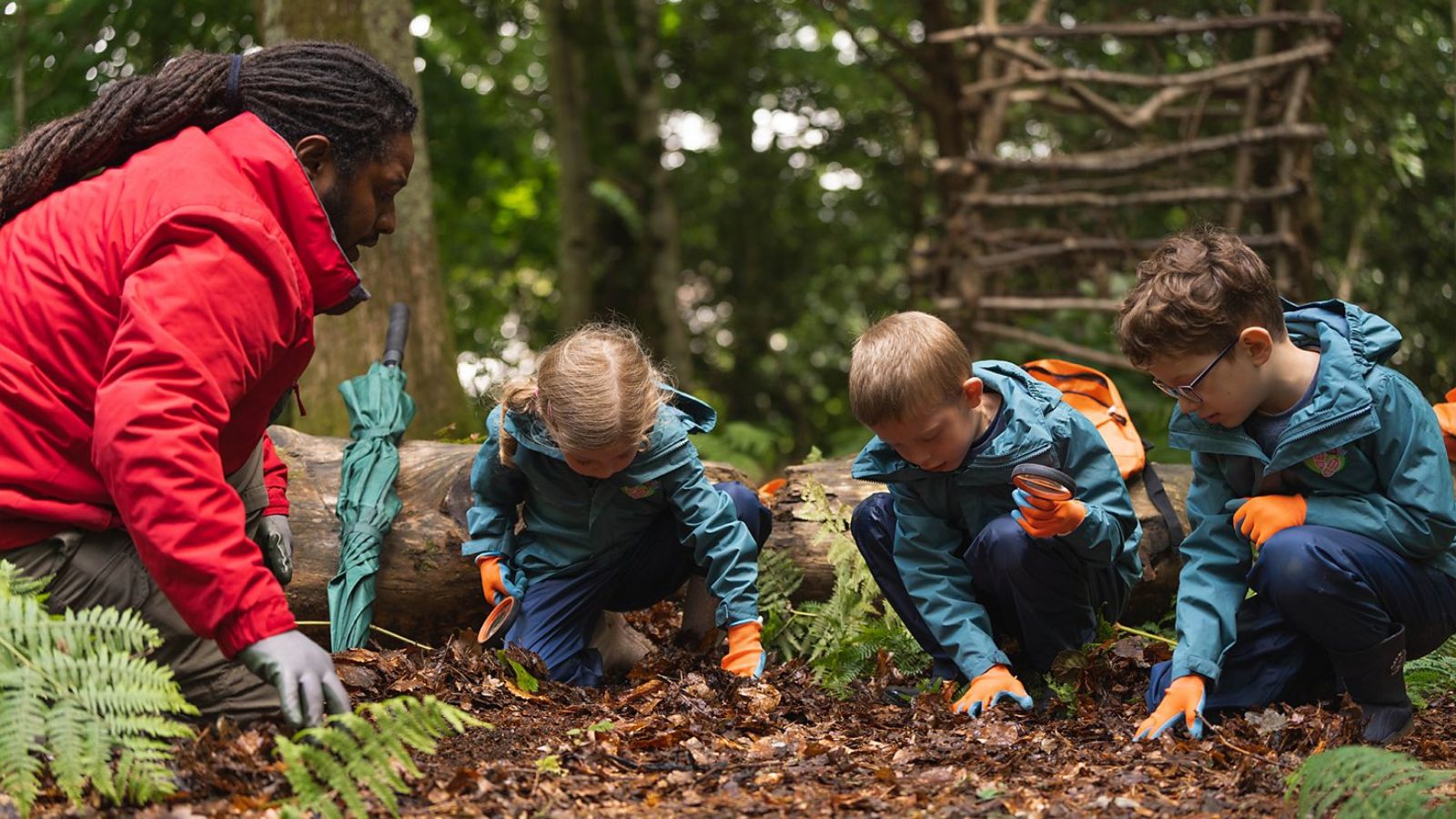
Meet Ranger Hamza, beloved host of BBC's Ranger Hamza's EcoQuest, and his faithful Ramblers. In these short video clips, your young nature explorers can learn all about the natural world around them, from birds and insects to flowers and trees. Make sure you follow up with your own nature walk, and don't miss our free nature walk worksheets!
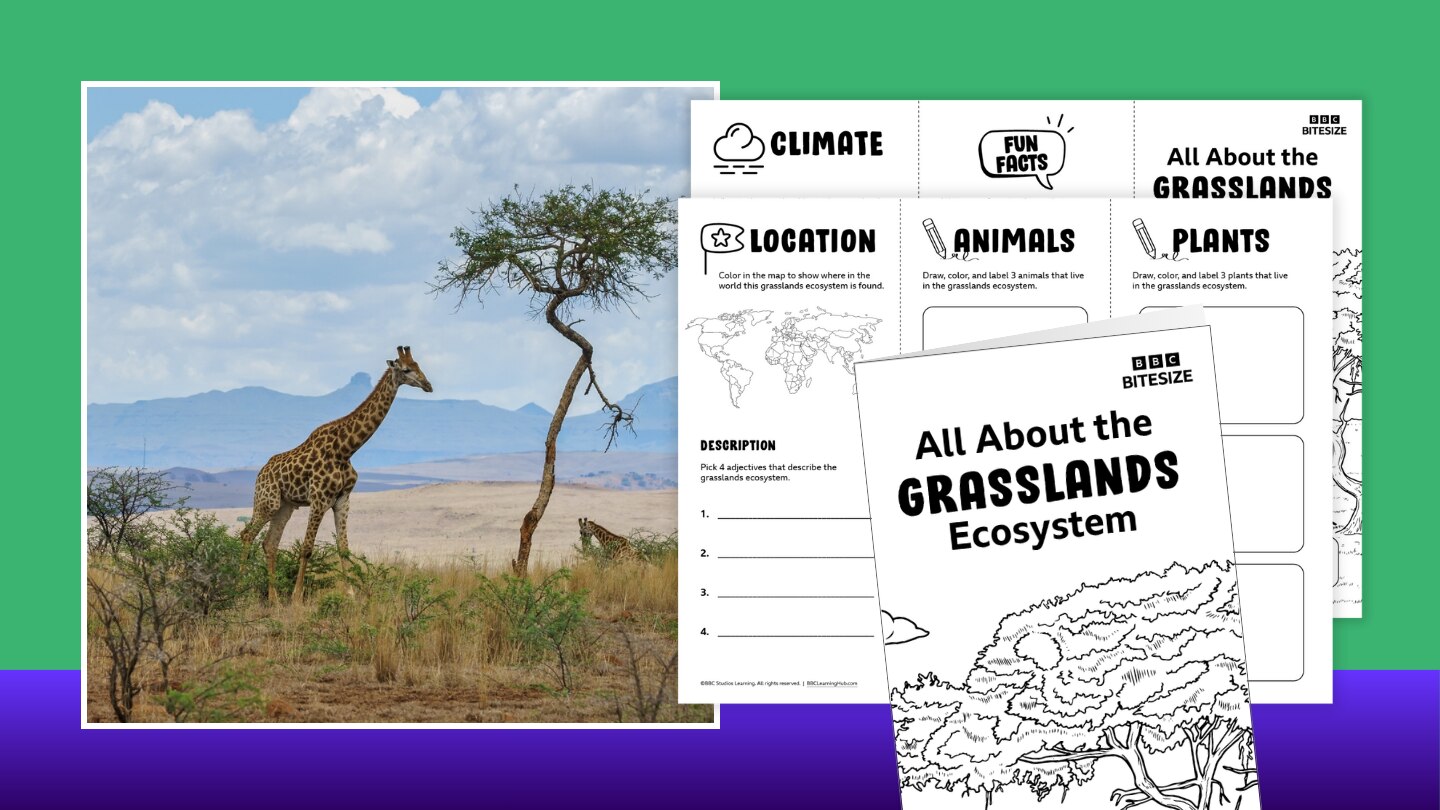
Take your students on a romp through the grasslands! From the African savanna to the Great Plains of North America grasslands are nature’s wide-open playground.
✨ Perfect for grades 3–8, here’s what you need to bring ecosystems to life:
- Iconic BBC Videos: Share the clips on this page to introduce the location, plants, animals, and climate of the grasslands. (Don't miss the giraffes and bison!) Brought to you by world-class BBC programs such as Planet Earth, The Americas With Simon Reeve, and Seven Worlds, One Planet.
- Free Printable: Use the Grasslands Brochure Template to help students pull it all together in an ecosystem report with facts they’ve learned (and a little extra research).
It’s everything you need to make ecosystems easy to teach and truly memorable for your students.
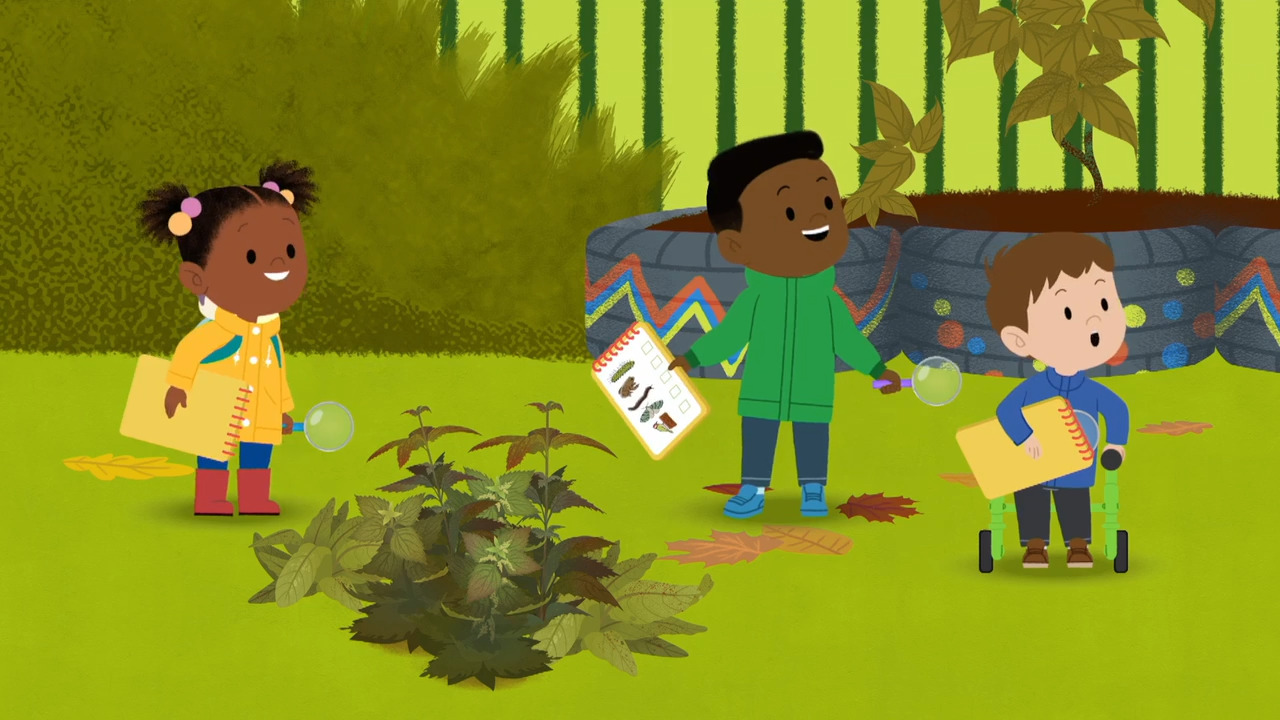
In JoJo and Gran Gran Become Nature Detectives, JoJo and her friends explore nature using magnifying glasses and their nature journals. They search for hard-to-spot animals like woodpeckers and owls. A real-life family goes on their own nature hunt. This video is excerpted from BBC’s JoJo & Gran Gran, a children's animated television series following JoJo, an inquisitive and cheerful 4-and-a-half-year-old girl and her loving Gran Gran, who always has something new to teach her.
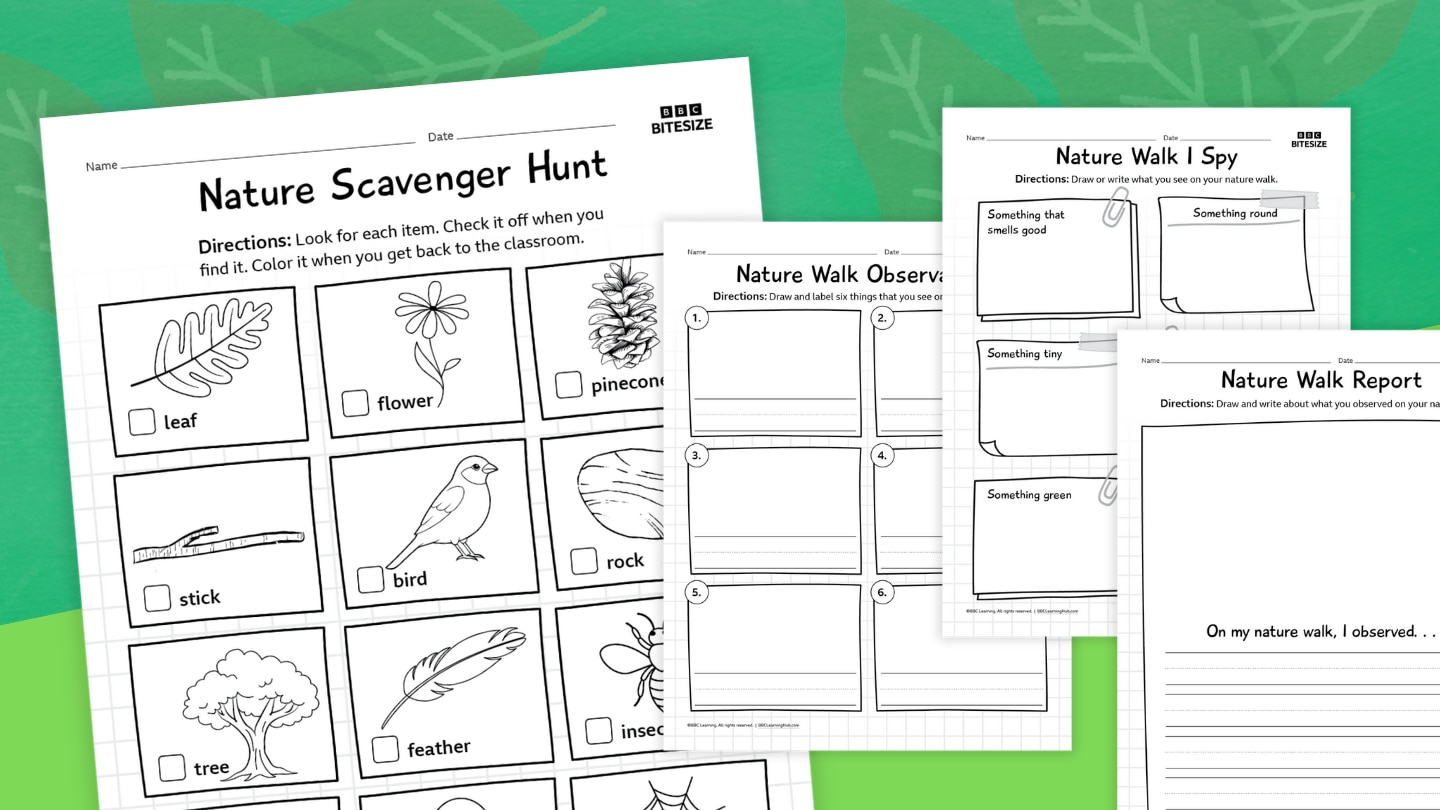
Everyone loves a nature walk! Take your PreK–Grade 2 students outside to observe the world around them. With these worksheets on a clipboard, you can make your nature walk more focused and a true learning experience (in addition to being loads of fun!).
- Nature Walk Scavenger Hunt: Students look for a leaf, flower, bird, and more. They can check off each item they find and then color them when they get back to the classroom.
- Nature Walk Observations: Encourage your kids to draw and write what they see on their nature walk.
- Nature Walk I Spy: Challenge your students to find something that smells good, something round, something tiny, something rough, something green, and something that flies.
- Nature Walk Report: When you get back to the room, have your kids draw and write about what they saw on their nature walk.
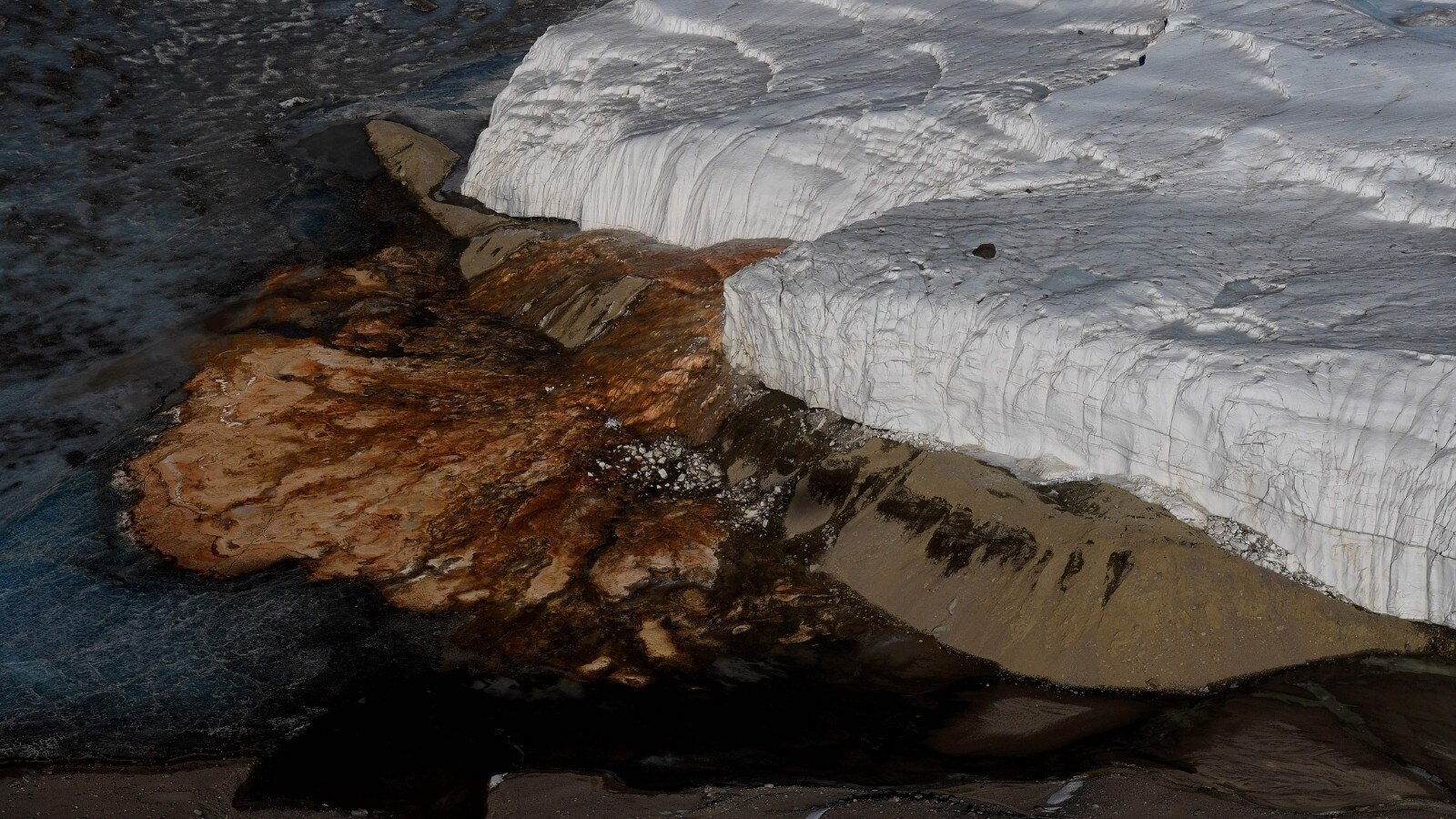
The article "Exploring the Strangest Locations in the Universe, Where the Rules of Nature Don’t Always Apply" from BBC's Science Focus is about the strange and mysterious places in space and on Earth where the rules of nature seem to be different. These places include planets made of diamonds, stars that spin too fast, and black holes that stretch and squeeze time.
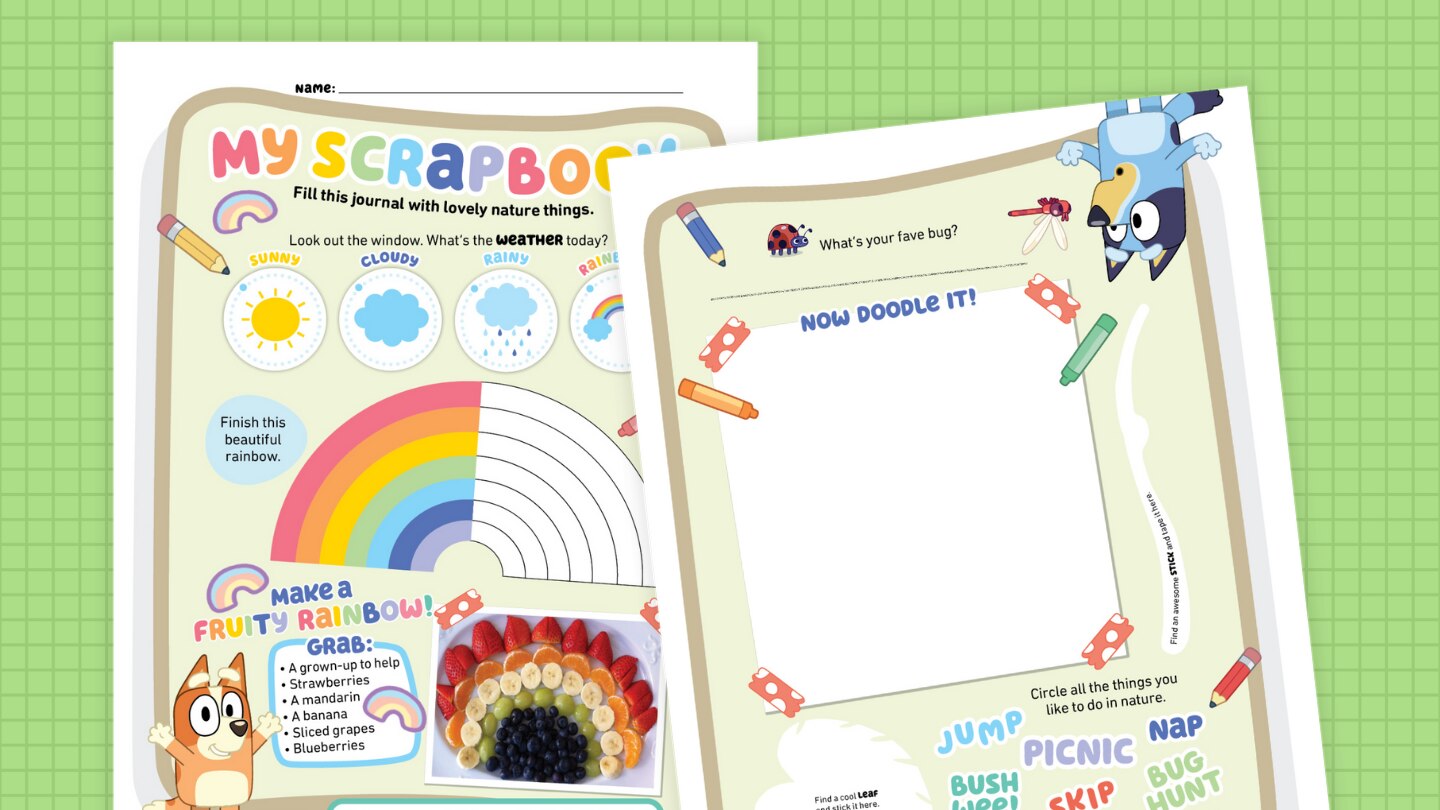
Fill this journal with lovely nature things. Start by circling the weather. Is it sunny, cloudy, rainy, or rainbow-y? Next, finish coloring a beautiful rainbow. Name and draw your favorite bug and then circle all the things you like to do in nature. Ask a grown-up to help you make a fruity rainbow with strawberries, mandarins, bananas, sliced grapes, and blueberries.

Join Bluey and Bingo in the great outdoors. Match close-ups to the right bug (walking leaf, dragonfly, and ladybug), put leeches in size order from smallest and biggest, and fill out a fun spotting chart on your next nature walk. Can you find a plant, creature, bird, and stick or pinecone? Draw them!
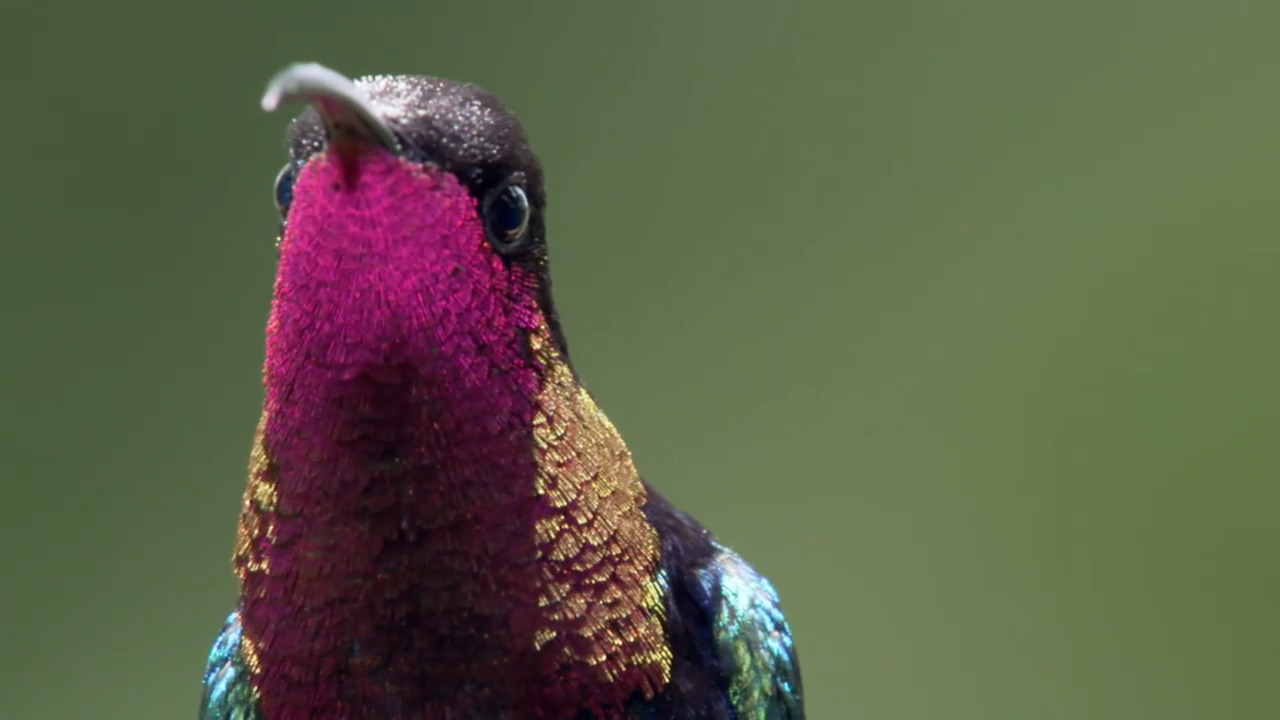
In Pollinators and Plants, Nature’s Perfect Pair, narrator Sir David Attenborough explores the fascinating teamwork — and clever defenses — between plants and pollinators! Monarch butterflies rely on milkweed plants for laying eggs and gathering nectar, but the plant defends itself with a sap that challenges the caterpillars. Meanwhile, the Heliconia plant carefully rations nectar to keep the hummingbird returning, as only this bird’s uniquely shaped beak can pollinate it! This video is excerpted from BBC's Life, a show that explores the remarkable strategies animals and plants use to ensure their survival.
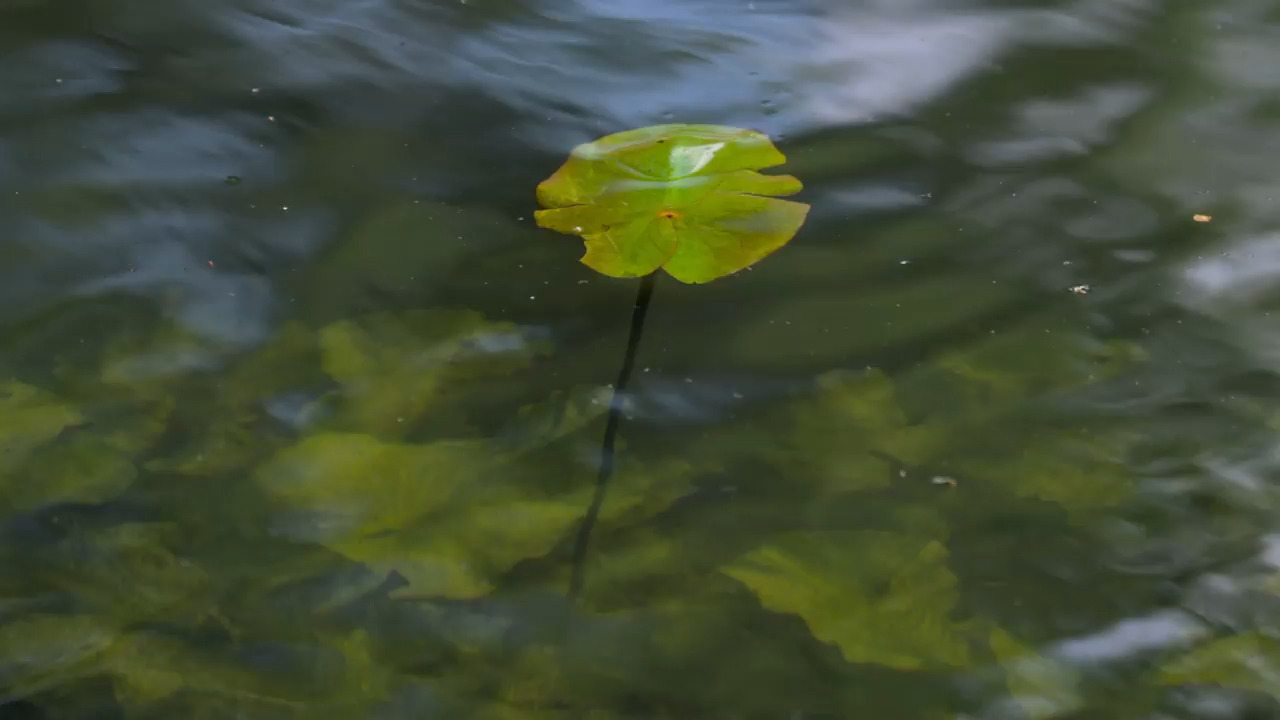
In Water Lilies, Nature’s Solar Panels, Ranger Hamza and the Ramblers come upon a tree and a garden of water lilies. Join them and learn how the roots and leaves of a tree and water lily are similar, and how water lilies are like nature’s solar panels, capturing sunlight and using it for energy. This video is excerpted from BBC's Ranger Hamza’s Eco Quest, a nature exploration show in which Ranger Hamza and the Ramblers go on quests to discover nature’s wonders and the important role they play in our environment.
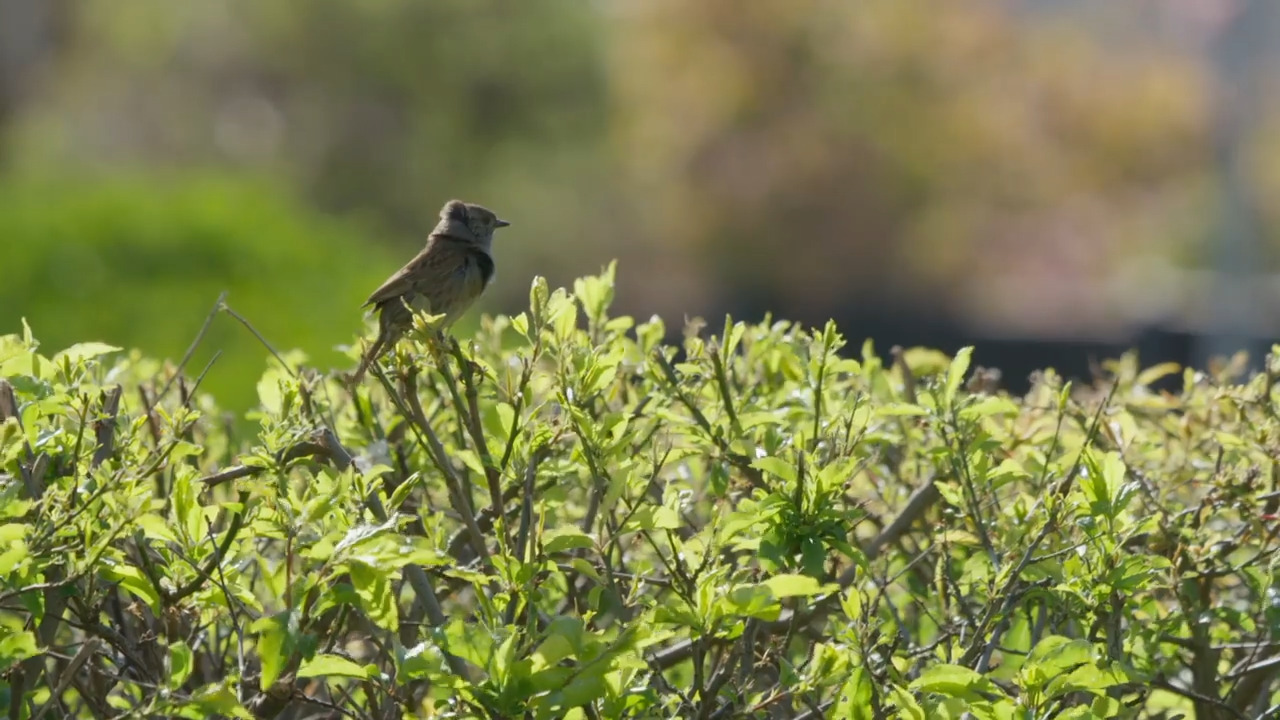
In Hedges, Nature’s Apartment Buildings, Ranger Hamza and the Ramblers investigate the habitat that’s inside a hedgerow. Come along and discover what lives at the bottom, middle, and top of a hedge. This video is excerpted from BBC's Ranger Hamza’s Eco Quest, a nature exploration show in which Ranger Hamza and the Ramblers go on quests to discover nature’s wonders and the important role they play in our environment.
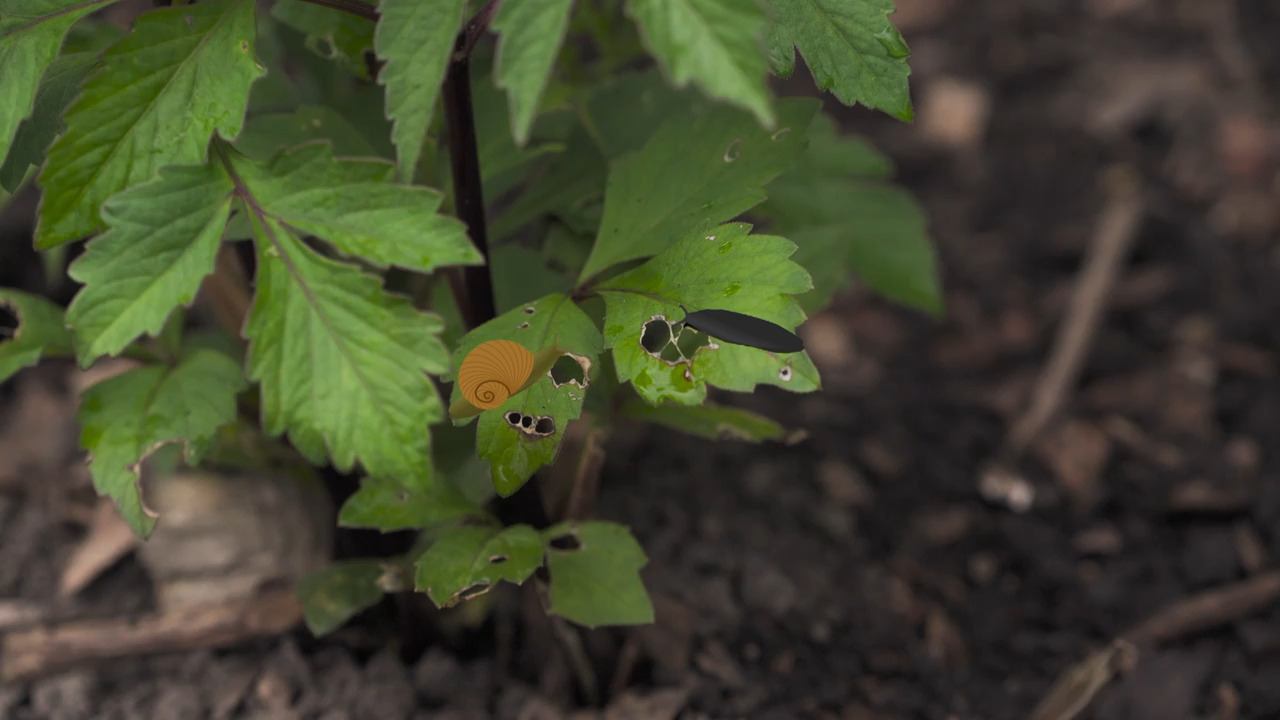
In Ducks, Nature’s Pest Control, Ranger Hamza and the Ramblers explore a garden. They notice that some plants have holes in the leaves! That means there are pests in the garden. Which animal might be able to keep the garden healthy? This video is excerpted from BBC's Ranger Hamza’s Eco Quest, a nature exploration show in which Ranger Hamza and the Ramblers go on quests to discover nature’s wonders and the important role they play in our environment.
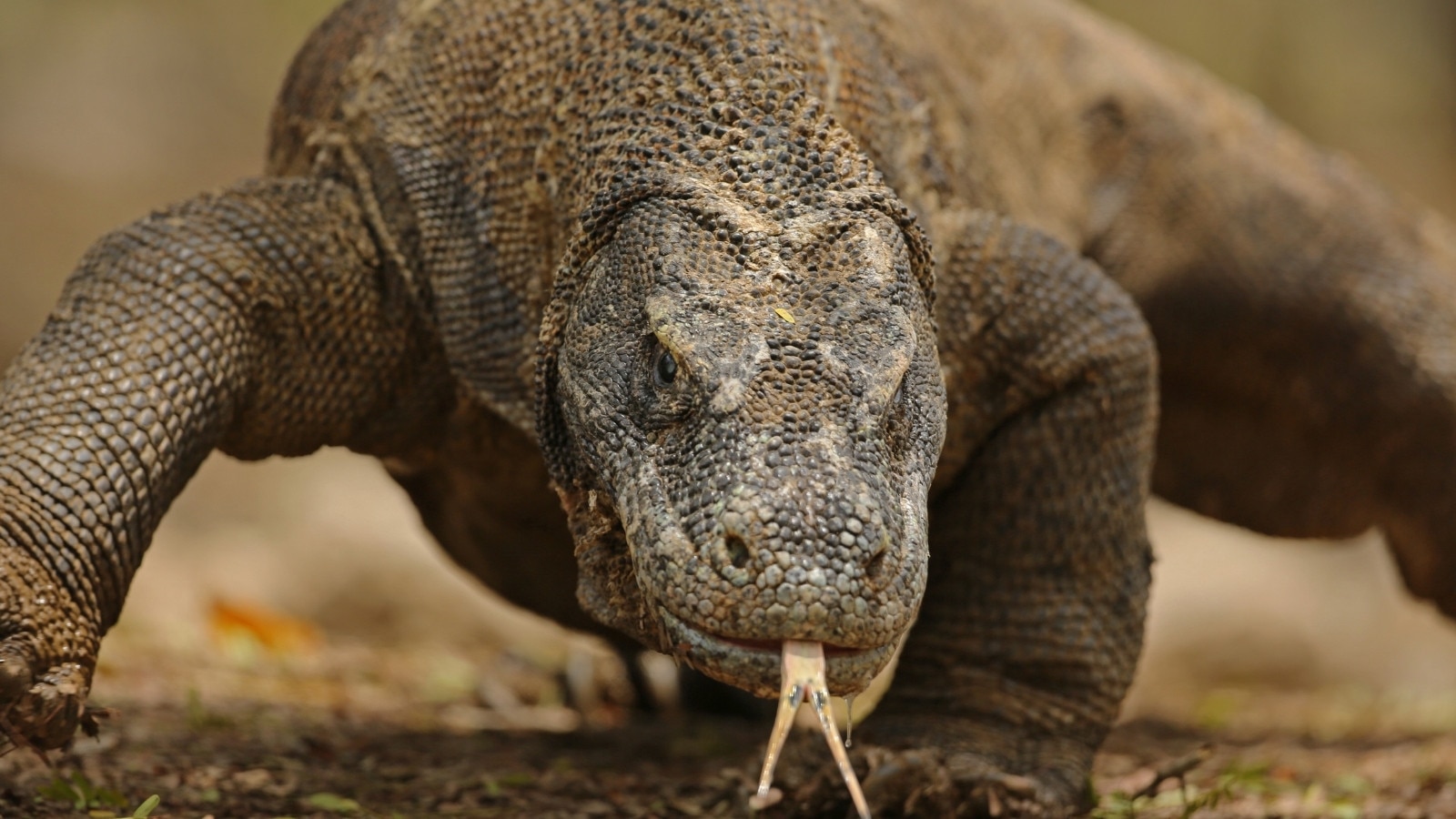
The article "Komodo Dragons: Nature’s Giant Venomous Predators" from BBC's Discover Wildlife delves into the biology and ecology of the world's largest lizard. It covers their impressive size, unique venomous bite, dietary habits, reproductive strategies, and the threats leading to their endangered status, including habitat loss and climate change.
Meet Ranger Hamza, beloved host of BBC's Ranger Hamza's EcoQuest, and his faithful Ramblers. In these short video clips, your young nature explorers can learn all about the natural world around them, from birds and insects to flowers and trees. Make sure you follow up with your own nature walk, and don't miss our free nature walk worksheets!
Take your students on a romp through the grasslands! From the African savanna to the Great Plains of North America grasslands are nature’s wide-open playground.
✨ Perfect for grades 3–8, here’s what you need to bring ecosystems to life:
- Iconic BBC Videos: Share the clips on this page to introduce the location, plants, animals, and climate of the grasslands. (Don't miss the giraffes and bison!) Brought to you by world-class BBC programs such as Planet Earth, The Americas With Simon Reeve, and Seven Worlds, One Planet.
- Free Printable: Use the Grasslands Brochure Template to help students pull it all together in an ecosystem report with facts they’ve learned (and a little extra research).
It’s everything you need to make ecosystems easy to teach and truly memorable for your students.
In JoJo and Gran Gran Become Nature Detectives, JoJo and her friends explore nature using magnifying glasses and their nature journals. They search for hard-to-spot animals like woodpeckers and owls. A real-life family goes on their own nature hunt. This video is excerpted from BBC’s JoJo & Gran Gran, a children's animated television series following JoJo, an inquisitive and cheerful 4-and-a-half-year-old girl and her loving Gran Gran, who always has something new to teach her.
Everyone loves a nature walk! Take your PreK–Grade 2 students outside to observe the world around them. With these worksheets on a clipboard, you can make your nature walk more focused and a true learning experience (in addition to being loads of fun!).
- Nature Walk Scavenger Hunt: Students look for a leaf, flower, bird, and more. They can check off each item they find and then color them when they get back to the classroom.
- Nature Walk Observations: Encourage your kids to draw and write what they see on their nature walk.
- Nature Walk I Spy: Challenge your students to find something that smells good, something round, something tiny, something rough, something green, and something that flies.
- Nature Walk Report: When you get back to the room, have your kids draw and write about what they saw on their nature walk.
The article "Exploring the Strangest Locations in the Universe, Where the Rules of Nature Don’t Always Apply" from BBC's Science Focus is about the strange and mysterious places in space and on Earth where the rules of nature seem to be different. These places include planets made of diamonds, stars that spin too fast, and black holes that stretch and squeeze time.
Fill this journal with lovely nature things. Start by circling the weather. Is it sunny, cloudy, rainy, or rainbow-y? Next, finish coloring a beautiful rainbow. Name and draw your favorite bug and then circle all the things you like to do in nature. Ask a grown-up to help you make a fruity rainbow with strawberries, mandarins, bananas, sliced grapes, and blueberries.
Join Bluey and Bingo in the great outdoors. Match close-ups to the right bug (walking leaf, dragonfly, and ladybug), put leeches in size order from smallest and biggest, and fill out a fun spotting chart on your next nature walk. Can you find a plant, creature, bird, and stick or pinecone? Draw them!
In Pollinators and Plants, Nature’s Perfect Pair, narrator Sir David Attenborough explores the fascinating teamwork — and clever defenses — between plants and pollinators! Monarch butterflies rely on milkweed plants for laying eggs and gathering nectar, but the plant defends itself with a sap that challenges the caterpillars. Meanwhile, the Heliconia plant carefully rations nectar to keep the hummingbird returning, as only this bird’s uniquely shaped beak can pollinate it! This video is excerpted from BBC's Life, a show that explores the remarkable strategies animals and plants use to ensure their survival.
In Water Lilies, Nature’s Solar Panels, Ranger Hamza and the Ramblers come upon a tree and a garden of water lilies. Join them and learn how the roots and leaves of a tree and water lily are similar, and how water lilies are like nature’s solar panels, capturing sunlight and using it for energy. This video is excerpted from BBC's Ranger Hamza’s Eco Quest, a nature exploration show in which Ranger Hamza and the Ramblers go on quests to discover nature’s wonders and the important role they play in our environment.
In Hedges, Nature’s Apartment Buildings, Ranger Hamza and the Ramblers investigate the habitat that’s inside a hedgerow. Come along and discover what lives at the bottom, middle, and top of a hedge. This video is excerpted from BBC's Ranger Hamza’s Eco Quest, a nature exploration show in which Ranger Hamza and the Ramblers go on quests to discover nature’s wonders and the important role they play in our environment.
In Ducks, Nature’s Pest Control, Ranger Hamza and the Ramblers explore a garden. They notice that some plants have holes in the leaves! That means there are pests in the garden. Which animal might be able to keep the garden healthy? This video is excerpted from BBC's Ranger Hamza’s Eco Quest, a nature exploration show in which Ranger Hamza and the Ramblers go on quests to discover nature’s wonders and the important role they play in our environment.
The article "Komodo Dragons: Nature’s Giant Venomous Predators" from BBC's Discover Wildlife delves into the biology and ecology of the world's largest lizard. It covers their impressive size, unique venomous bite, dietary habits, reproductive strategies, and the threats leading to their endangered status, including habitat loss and climate change.